Top 4 Natural Monuments around Chassey-Le-Camp
Best natural monuments around Chassey-Le-Camp include significant geological formations and ecologically rich areas. The region features Le Camp de Chassey, a large plateau with natural ramparts formed by Bajocian limestone rocks. This site is characterized by calcicolous grasslands, supporting diverse flora including various wild orchid species. It also holds archaeological significance as the eponymous site for the Chasséen period of the Middle Neolithic age.
Best natural monuments around Chassey-Le-Camp
- The most popular natural monument is View of the Cirque at…
Last updated: October 11, 2026
Cul de Menevault Waterfall
Highlight • Waterfall
Translated by Google •
Tip by

Cul Blanc Dolmen
Highlight • Historical Site
Translated by Google •
Tip by

Sign up now to discover places like this
Get recommendations on the best single tracks, peaks, & plenty of other exciting outdoor places.
View of the Cirque du Bout du Monde and Vauchignon
Highlight • Viewpoint
Translated by Google •
Tip by

View of vineyards and Saône valley
Highlight • Viewpoint
Translated by Google •
Tip by

View of the Cirque at the End of the World
Highlight • Viewpoint
Translated by Google •
Tip by
Sign up for free to discover even more natural monuments around Chassey-Le-Camp.
Already have an account?
Start today with a free account
Your next adventure awaits.

Tips from the Community

The village is located near Nolay, at the bottom of a green valley where the Cozanne, a trout river, flows. At the foot of the Bout du Monde valley and its waterfall, a "refuge" for the peregrine falcon or the white-bellied swift, and a veritable dictionary of protected cave-dwelling flora and fauna, the village of Cormot-Vauchignon is a unique and remarkable site where hiking or cycling tours are enchanting. Starting point for several hiking circuits, including that of "Saint-Antoine via the Roman road". Its St Antoine chapel is dominated by cliffs, a popular climbing site with 237 routes. The Eagle Owl watches.
0
0

This dolmen is in the form of a megalithic chest covered with a large triangular slab. The base of this southeast-facing triangle is 3 m long. The other two sides are 3.50 m long. The dolmen has been listed as a historical monument since 1912. A second dolmen, located near Mont-de-Sène, not far from this dolmen, is still covered with a mound of earth.
1
0

If the weather is good, look into the distance in front of you and you will see the Alps and Mont Blanc
0
0

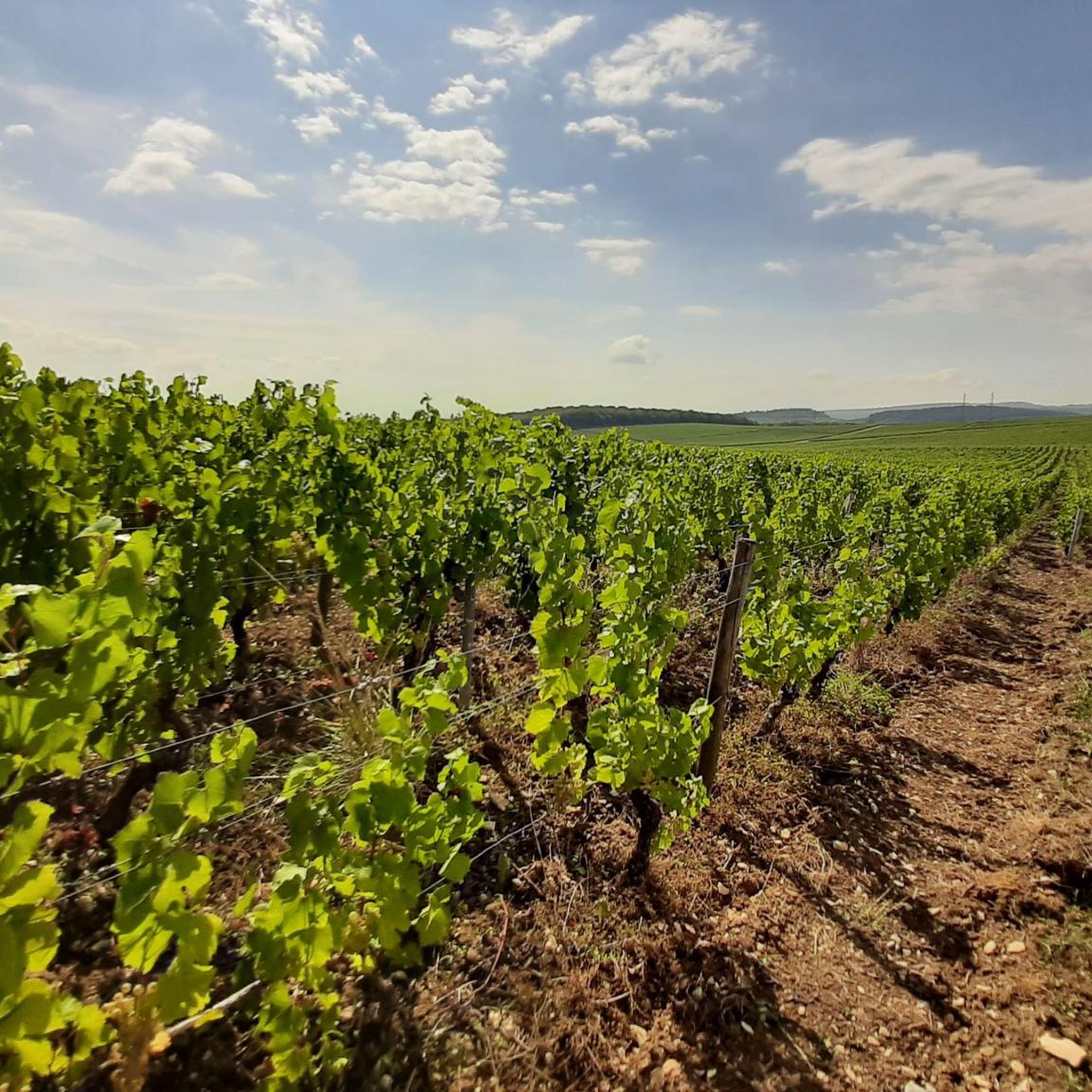
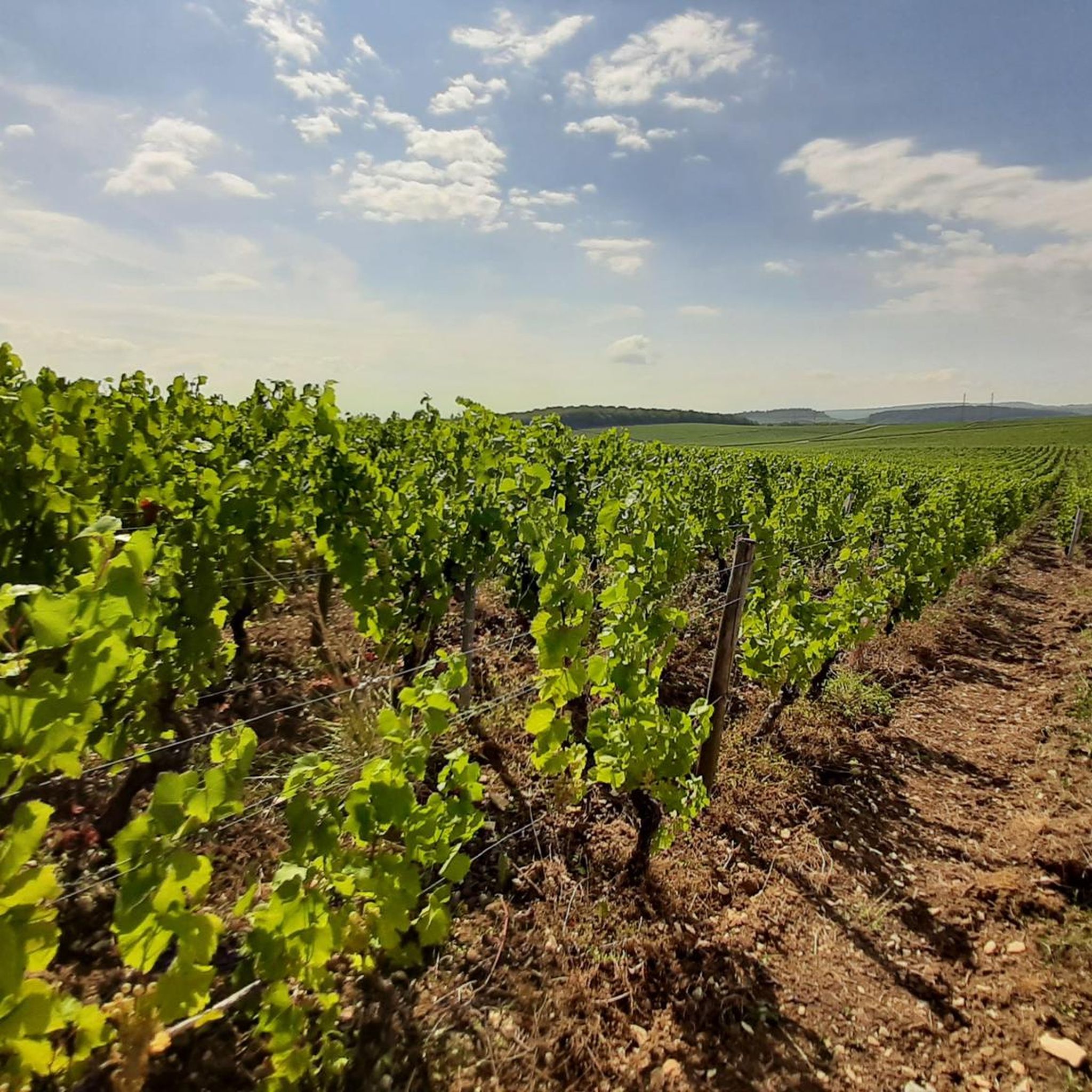
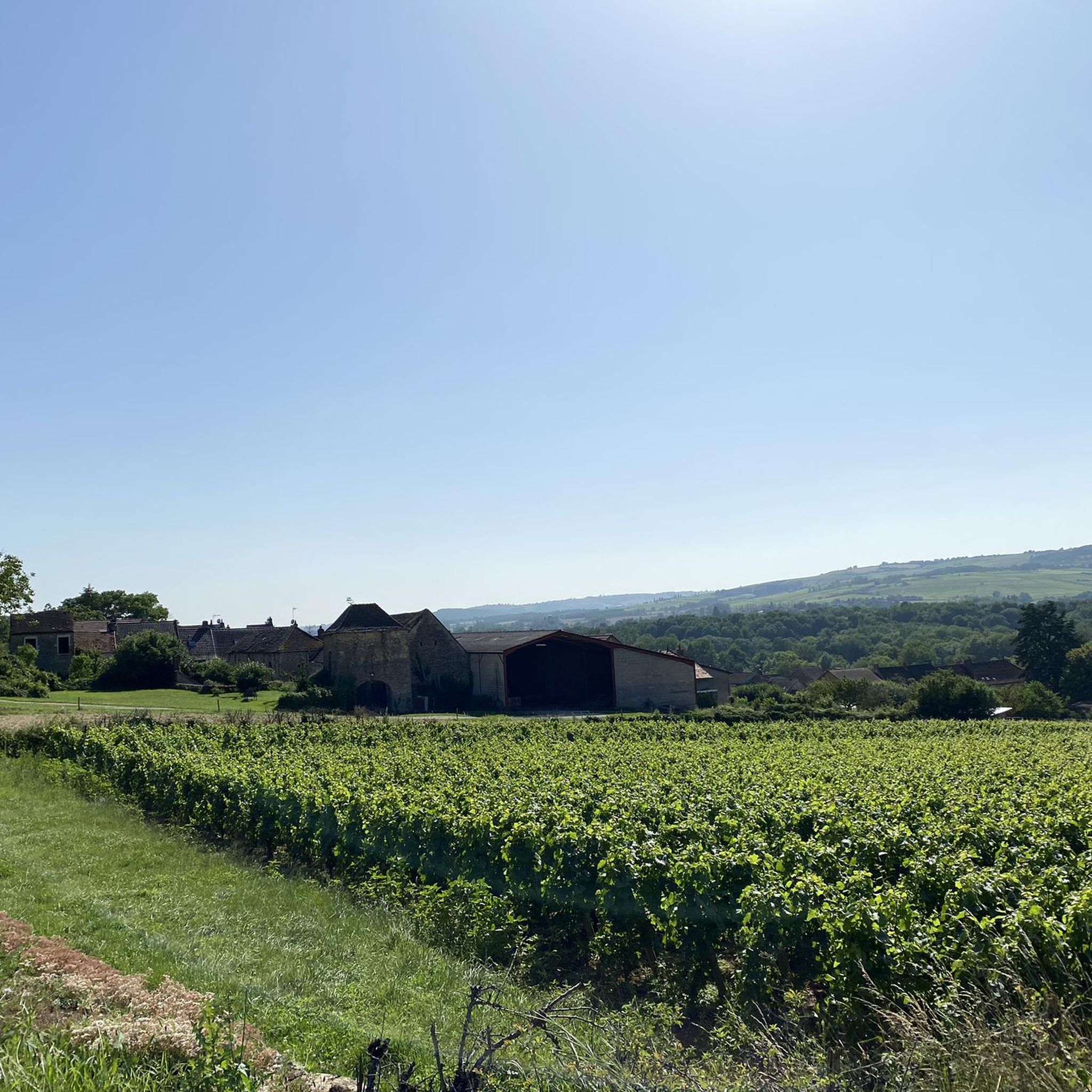
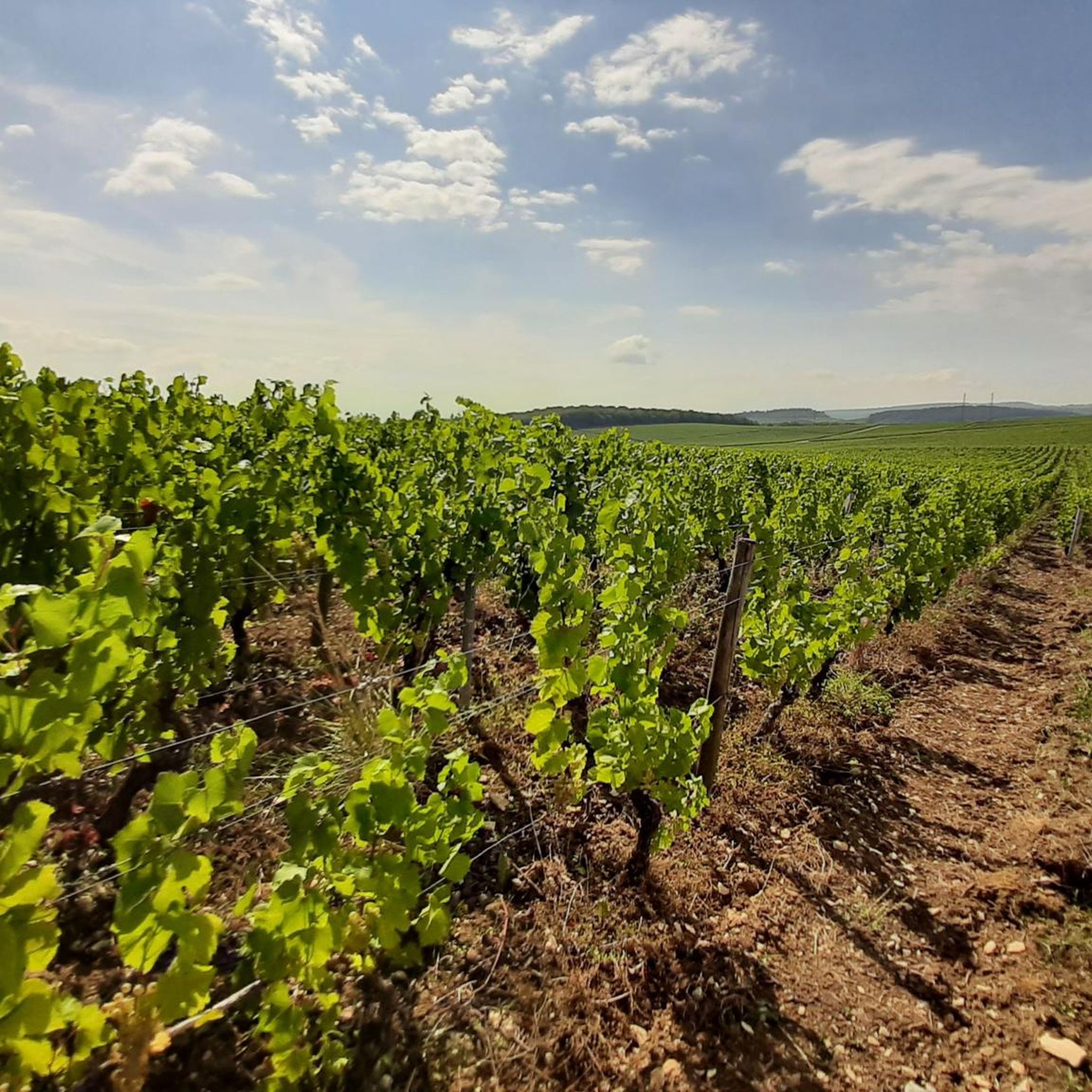
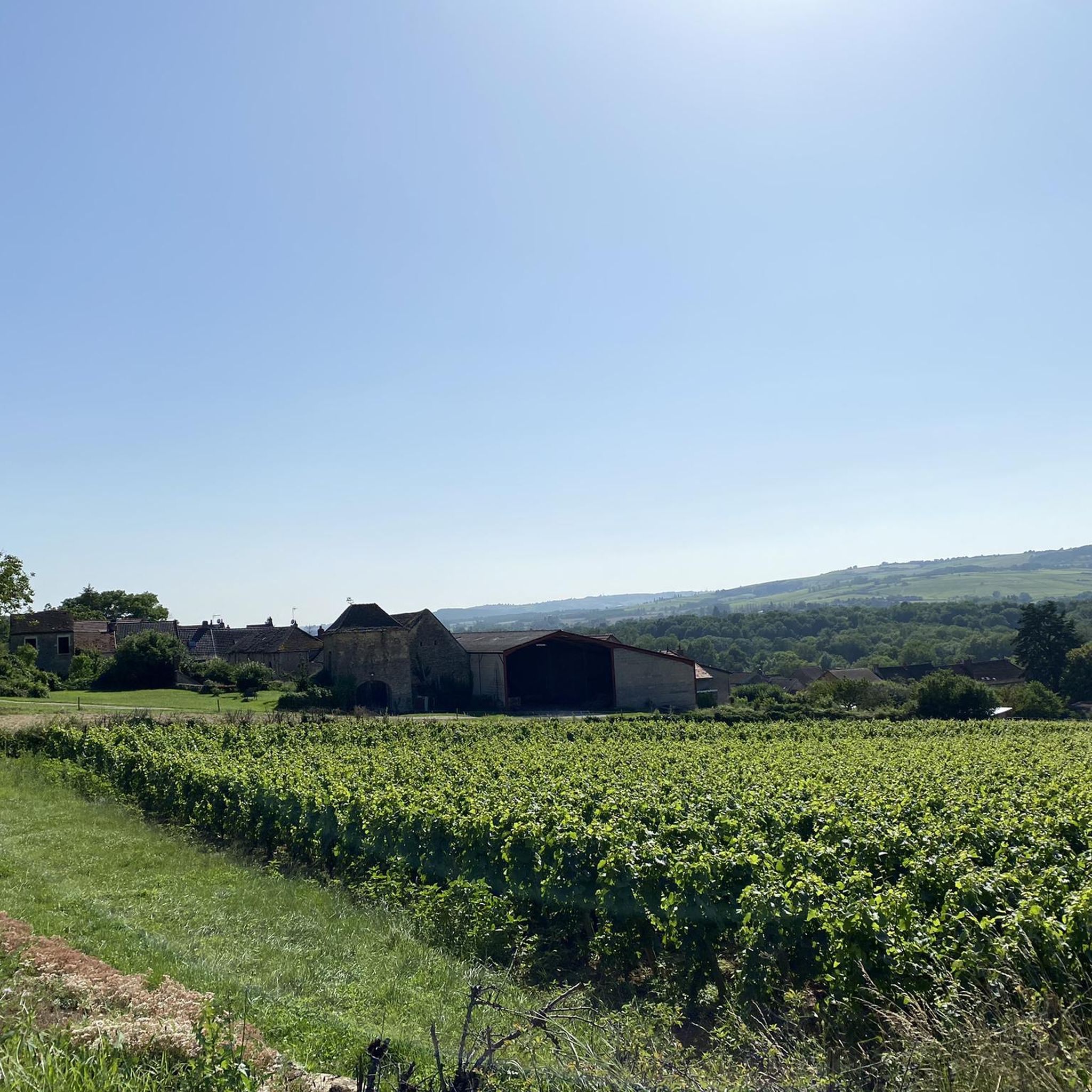
From here you enjoy a breathtaking view of the vines of the Saône valley, a vineyard that has been exploited since the Middle Ages. Take your cameras !
0
0


During a long drought there is no waterfall. A very nice view above the treetops.
1
0

Single at the edge of the cliff with magnificent views of the circus. Rollable in gravel.
0
0

This trail that runs along the top of the Cirque du bout du monde offers a breathtaking view of the cliffs and the precipice. You really feel like you're at the end of the world!
4
0
Frequently Asked Questions
What are some of the most striking natural monuments to visit around Chassey-Le-Camp?
The region offers several impressive natural monuments. You can experience the powerful Cul de Menevault Waterfall, especially after rainfall. For breathtaking vistas, visit the View of the Cirque at the End of the World, which truly lives up to its name with dramatic cliffs and precipices.
Are there any natural monuments with historical or archaeological significance in the area?
Yes, the region is rich in both natural beauty and history. The prominent natural monument, Le Camp de Chassey, is also a renowned prehistoric archaeological site, giving its name to the Chasséen period of the Middle Neolithic age. It was classified as a "Monument Historique" in 1932. Additionally, you can visit the Cul Blanc Dolmen, a megalithic chest that has been listed as a historical monument since 1912.
What unique natural features or biodiversity can I discover at these sites?
Le Camp de Chassey is particularly notable for its unique calcicolous grasslands, which are arid, permeable, and calcium-rich environments. These conditions support a specialized flora, including about twenty different species of wild orchids, some of which are rare in Burgundy. The site is recognized as a ZNIEFF (Zone Naturelle d'Intérêt Floristique et Faunistique) due to its importance for biodiversity.
Where can I find the best panoramic views of the landscape?
For expansive views, the plateau of Le Camp de Chassey offers panoramic vistas of the surrounding landscape. Another excellent spot is the View of vineyards and Saône valley, where you can enjoy breathtaking scenery of the historic vineyards. On clear days, you might even spot the Alps and Mont Blanc in the distance.
Are there opportunities for hiking or other outdoor activities near the natural monuments?
Absolutely. Le Camp de Chassey is traversed by the GR7 long-distance hiking trail, providing numerous opportunities for exploration on marked paths. For cycling enthusiasts, there are several guides available, such as Traffic-free bike rides around Chassey-Le-Camp, Gravel biking around Chassey-Le-Camp, and Cycling around Chassey-Le-Camp, offering routes for various skill levels.
What is the best time to visit the natural monuments around Chassey-Le-Camp?
The calcicolous grasslands of Le Camp de Chassey are particularly vibrant with wild orchids during spring and early summer, making these seasons ideal for nature enthusiasts. For hiking and general exploration, spring and autumn offer pleasant temperatures and beautiful scenery. During a long drought, the Cul de Menevault Waterfall may be less impressive, so consider visiting after rainfall if seeing the waterfall is a priority.
Are the natural monuments suitable for families or those looking for easy walks?
Many areas, especially around Le Camp de Chassey, offer marked paths suitable for exploration. While some viewpoints like the View of the Cirque at the End of the World involve trails along cliffs, there are generally accessible sections. Always check specific route details for difficulty and terrain when planning a family outing.
What geological features are prominent in the region?
Le Camp de Chassey features natural ramparts on its eastern and western sides, consisting of steep drops up to 10 meters high. These formations are composed of Bajocian limestone rocks from the Middle Jurassic period, showcasing the region's ancient geological history.
What do visitors enjoy most about the natural monuments in Chassey-Le-Camp?
Visitors frequently highlight the tranquility and preserved nature of sites like Le Camp de Chassey, offering a sense of harmony and escape. The breathtaking views from various viewpoints, such as the View of the Cirque du Bout du Monde and Vauchignon, are also highly praised. The unique biodiversity, especially the wild orchids, and the rich historical context add to the appeal.
Is there any information available about the archaeological significance of Le Camp de Chassey?
Le Camp de Chassey is a crucial site for understanding the Neolithic period. It was discovered in 1869 and is the eponymous site for the Chasséen period of the Middle Neolithic age, meaning this significant archaeological culture was named after findings here. You can find more detailed information about its archaeological importance on Wikipedia.
Most popular routes around Chassey-Le-Camp
Most popular attractions around Chassey-Le-Camp

Get inspired with the komoot mobile app


Explore more
Extend your search for the best caves by checking out these guides of the top ones around Chassey-Le-Camp:
