Top 20 Mountain Passes around Bourg-Saint-Pierre
Best mountain passes around Bourg-Saint-Pierre are situated in the Swiss Alps, providing access to historically significant routes connecting Switzerland and Italy. This region is characterized by high-altitude passes and alpine landscapes. It serves as a gateway to routes that have been used for centuries for trade and travel. The area offers a blend of natural features and cultural heritage.
Best mountain passes around Bourg-Saint-Pierre
- The most popular mountain pass is Grand Col Ferret (2,537 m), a mountain pass that…
Last updated: October 13, 2026
Grand Col Ferret (2,537 m)
Highlight • Mountain Pass
Translated by Google •
Tip by

Fenêtre de Ferret
Highlight • Mountain Pass
Translated by Google •
Tip by

Sign up now to discover places like this
Get recommendations on the best single tracks, peaks, & plenty of other exciting outdoor places.
Great St Bernard Hospice
Highlight • Mountain Pass
Translated by Google •
Tip by

Col de Malatrà
Highlight • Mountain Pass
Translated by Google •
Tip by

Fenêtre de Durand
Highlight • Mountain Pass
Tip by

Sign up for free to discover even more mountain passes around Bourg-Saint-Pierre.
Already have an account?
Start today with a free account
Your next adventure awaits.
Popular around Bourg-Saint-Pierre
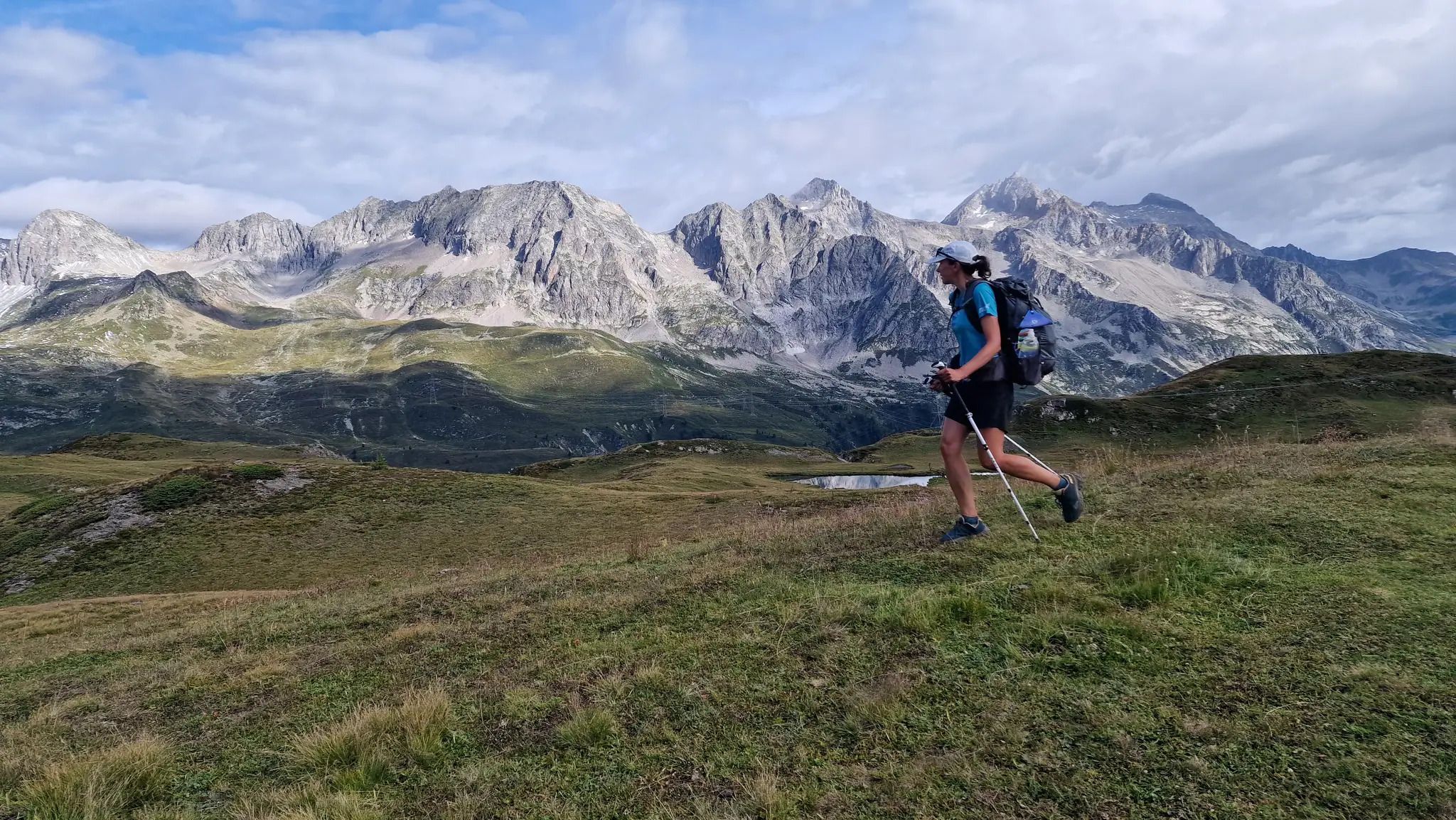
Alpine Passes Trail – hiking 700km across Switzerland
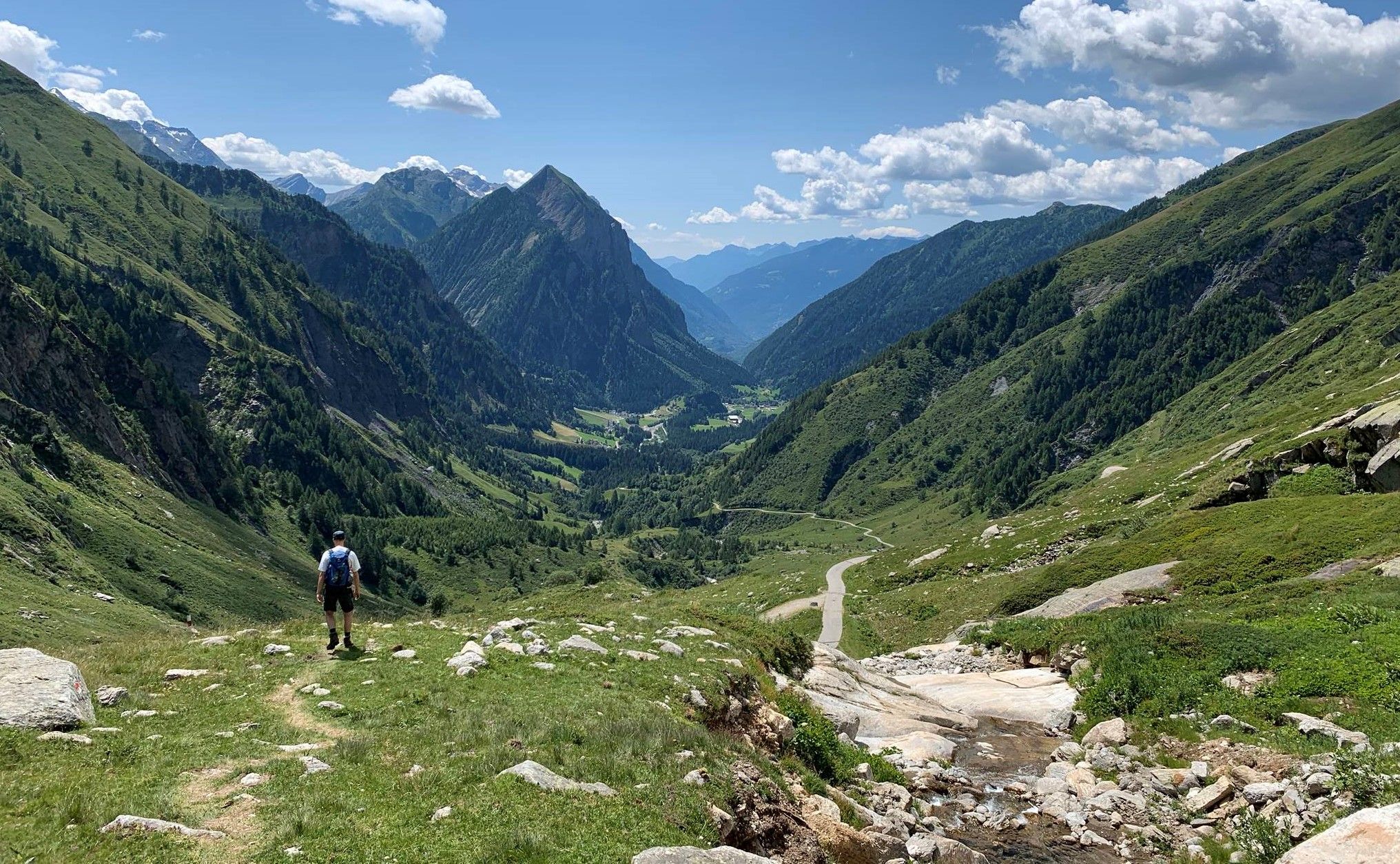
Alpine Passes Trail in Switzerland – 34 stages of pure mountain fun
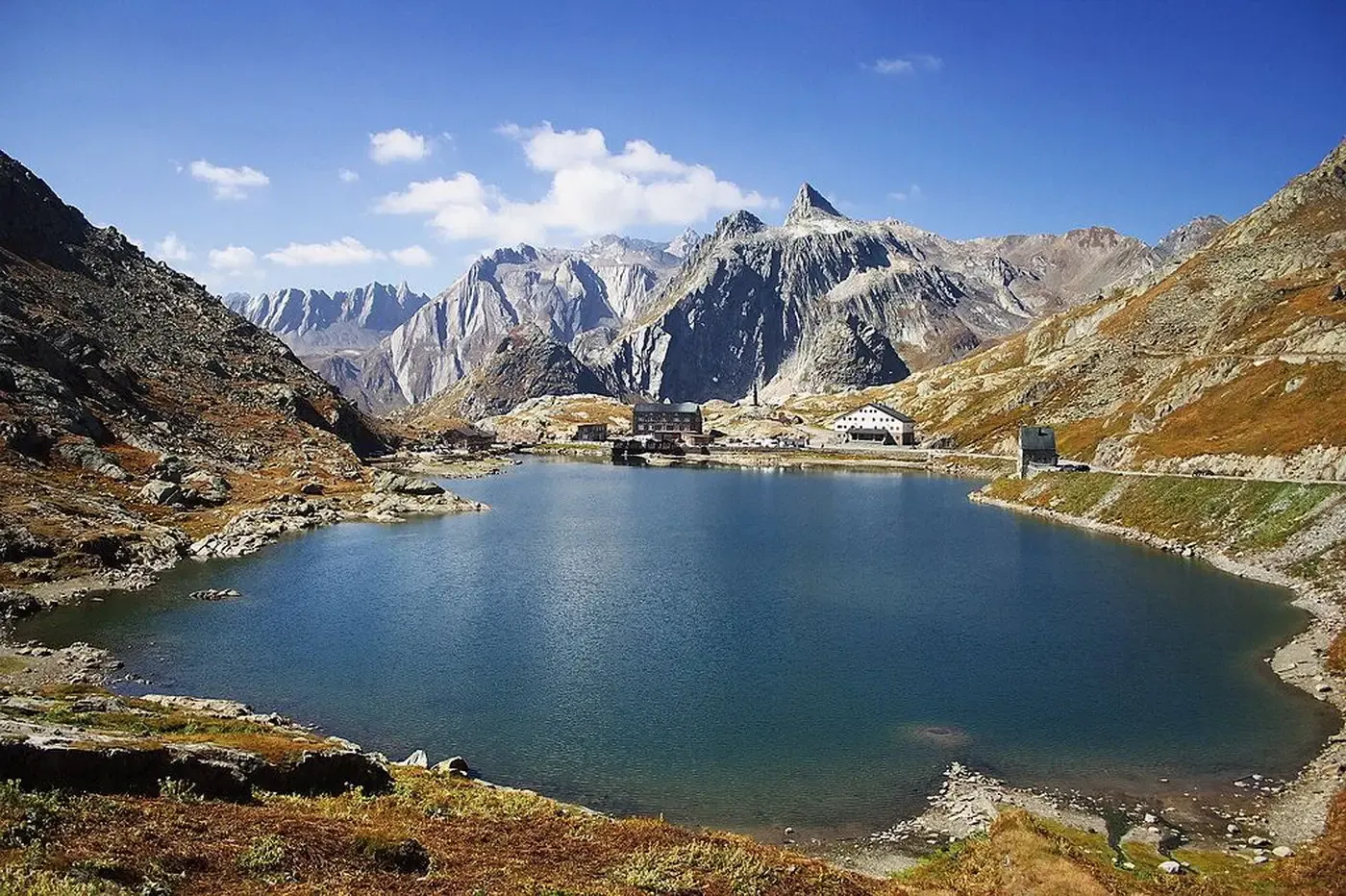
A cycling pilgrimage — history and nature on Italy’s Via Francigena
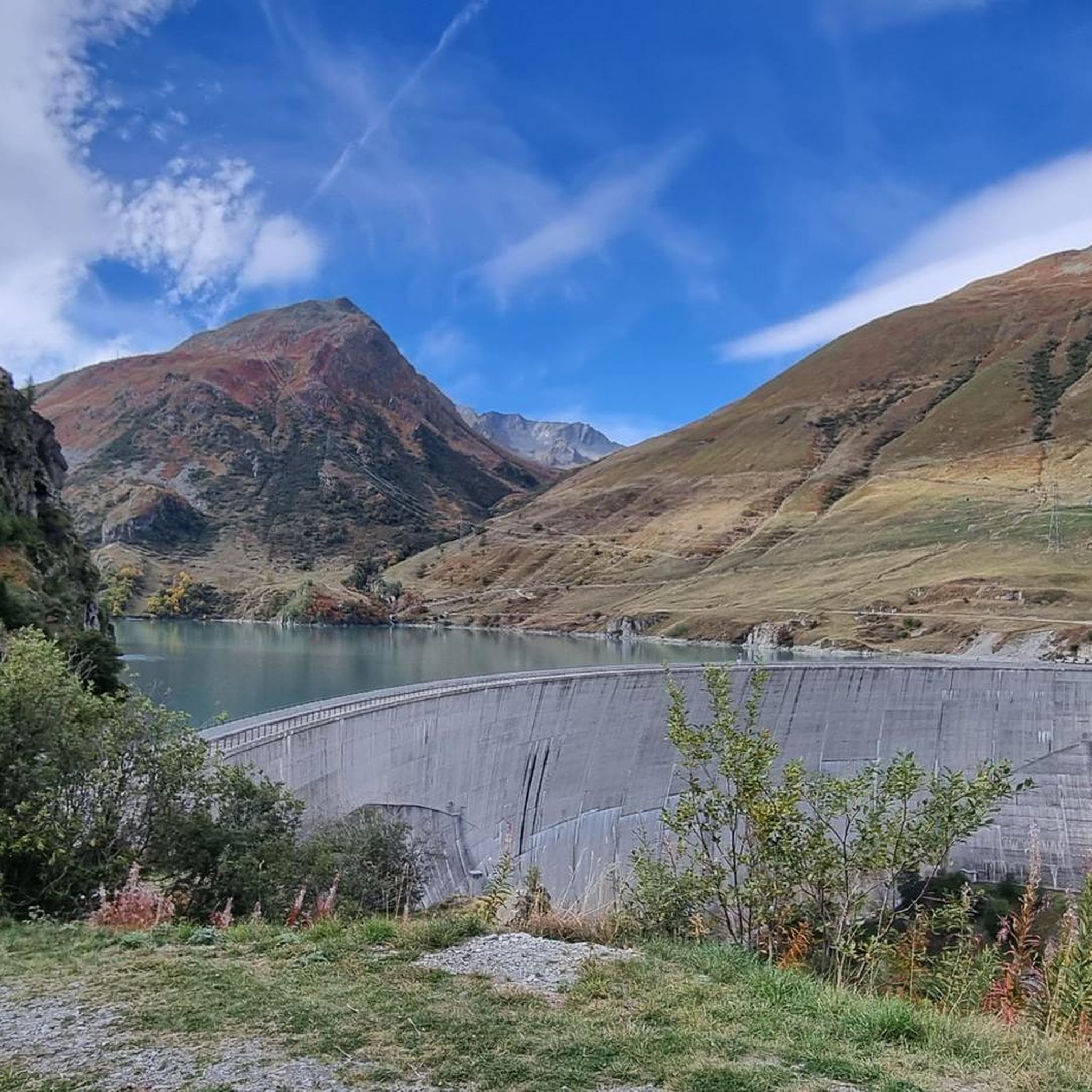
Hiking around Bourg-Saint-Pierre
MTB Trails around Bourg-Saint-Pierre
Running Trails around Bourg-Saint-Pierre
Cycling around Bourg-Saint-Pierre
Road Cycling Routes around Bourg-Saint-Pierre
Mountain Hikes around Bourg-Saint-Pierre
Other adventures around Bourg-Saint-Pierre


Tips from the Community


Bocksteil if you come from South to North, but a nice descent. From North to South eternal pushing uphill and almost no descent at the top, due to deep grooves, stones, stones angled across the trail as water drainage. https://youtu.be/tmoh7Z9TokQ?is=fje3AuQcRvHhyUTn
0
0

The pass between Switzerland and Italy connects Valais and the Aosta Valley (the smallest region in Italy with the black and red flag). "The Fenêtre de Durand is a 2,797-meter-high mountain pass in the Pennine Alps. The mule track connects the Swiss Rhône Valley via the Val de Bagnes with the Italian Aosta Valley. The gap between the 3,347-meter-high Mont Avril and the 3,518-meter-high Mont Gelé (Chanrion) is the only ice-free crossing over the main Alpine ridge east of the Grand Combin massif and west of the Monte Rosa massif. Immediately below the pass summit, on the Italian side, is the small Lac Fenêtre." Source: Wikipedia.
1
0

From the Italian side, you mostly have to carry the bike or use rails. Short sections are rideable. The descent into Val Ferret is mostly good, somewhere between S1 and S2. In some places, I had to carry/push the bike because it was too heavy. It took me about 25-30 minutes from the pass to Plan de la Chaux.
1
0

Hotel Italia is highly recommended
0
0

Great view of the Mont Blanc massif. You can drive to the refuge.
2
0
I recommend choosing the classic crossing via Col de Ferret. In contrast to the Fenetre de Ferret, the climb is partly rideable and the view of the Mont Blanc massif is much more spectacular.
1
0
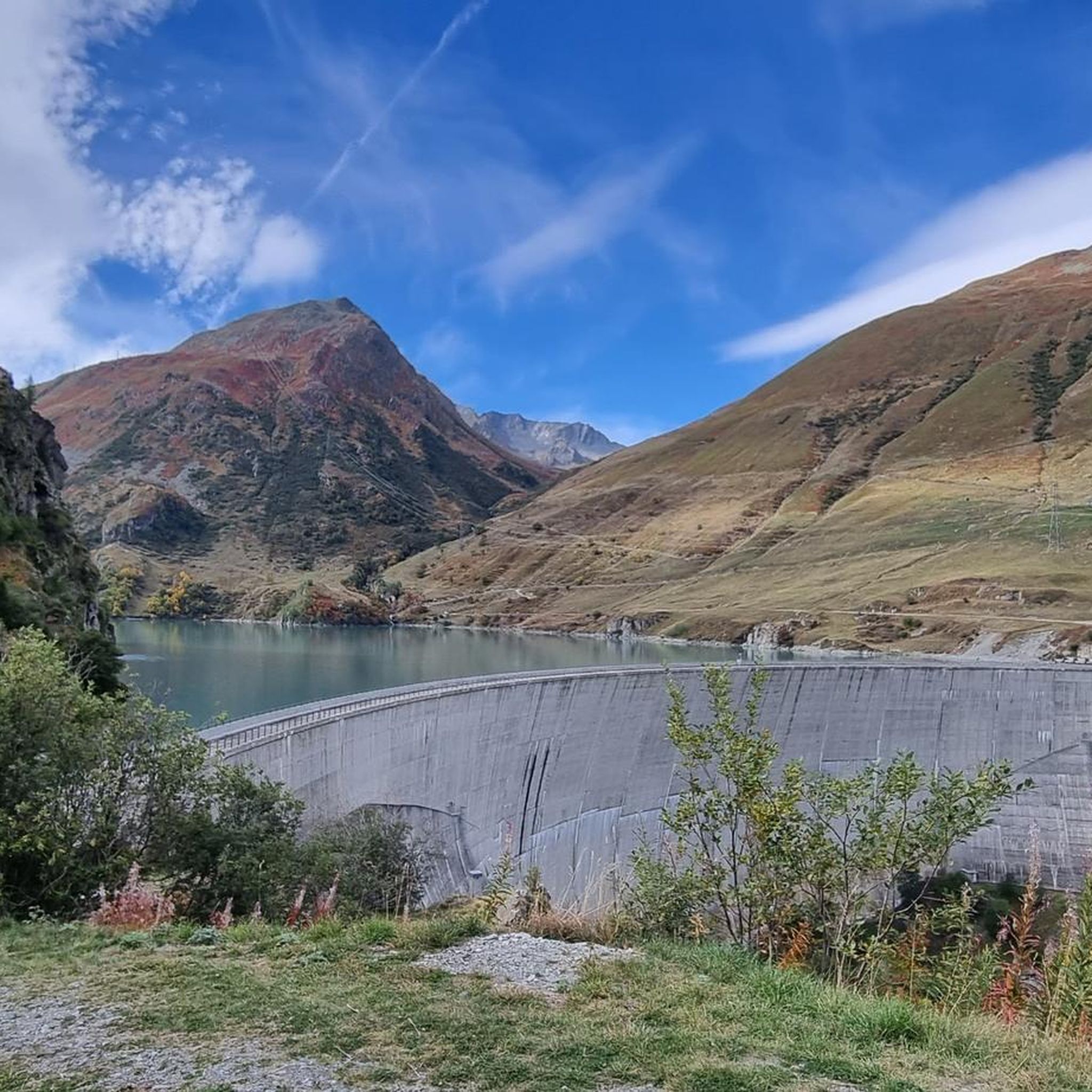
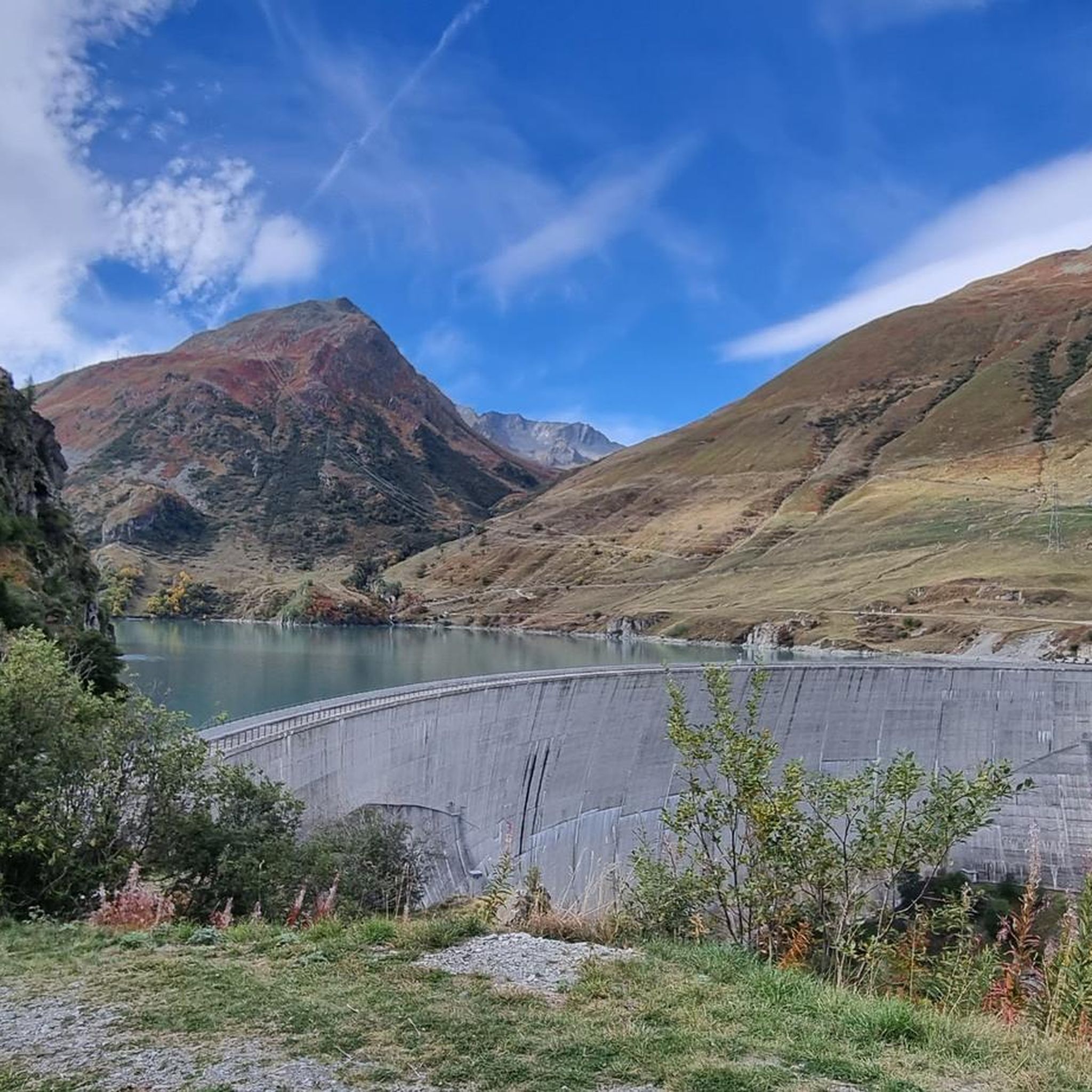
https://youtu.be/D352Ql5fMaY?feature=shared I also passed through here on the Tour du Combin. Crossing the lonely col is simply epic. The climb from Fionnay up to the reservoir through the many tunnels is an experience; the climb to the col is easy for a long time, but quite steep at the end. The descent across the lake into the valley is an absolutely fantastic trail, culminating in the Ru Neuf irrigation channel.
1
0
Frequently Asked Questions
What are some historically significant mountain passes in the Bourg-Saint-Pierre region?
The region is rich in history, with passes that have been crucial routes for centuries. The Col du Grand Saint-Bernard is particularly notable, having been used since the early Iron Age and famously crossed by Napoleon. It's also home to the Grand Saint-Bernard Hospice, known for its hospitality and the origin of the St. Bernard dogs.
Which mountain passes offer the most spectacular panoramic views?
For breathtaking panoramas, consider the Fenêtre de Ferret (also known as Col Fenêtre). From here, you can admire the eastern part of the Mont Blanc massif, including the Grandes Jorasses and Mont Dolent. The Col de Malatrà also offers iconic views, framing Mont Blanc among its jagged rocks.
Are there family-friendly hiking options near the mountain passes?
Yes, the area around Fenêtre de Ferret offers trails suitable for families, especially those leading to the picturesque Lacs de Fenêtre. These lakes are situated on a flower-filled plateau and are a popular destination for mountain lovers seeking stunning views with relatively easier access.
What is the best time of year to visit the mountain passes around Bourg-Saint-Pierre?
The summer months are generally the best time to visit, as the high-altitude passes are more accessible. The Col du Grand Saint-Bernard road is typically open during this period, and the St. Bernard dogs are often at the hospice. Winter offers opportunities for backcountry skiing, but many roads and trails will be snow-covered.
What unique natural features can I expect to see at these mountain passes?
Beyond the stunning alpine scenery, you can find unique features like the three picturesque Lacs de Fenêtre below the Fenêtre de Ferret. The Col du Grand Saint-Bernard also features a lake that is frozen for much of the year, adding to its dramatic landscape.
What kind of outdoor activities can I do near the mountain passes?
The region offers a variety of outdoor activities. You can find numerous running trails, such as 'The Passes of the Great St. Bernard' or 'Lacs de Fenêtre loop from La Tsavre'. For mountain hikes, consider routes like 'Pointe de Drone Summit – Hospice du Grand-Saint-Bernard loop'. You can explore more options on the Running Trails around Bourg-Saint-Pierre, Mountain Hikes around Bourg-Saint-Pierre, and Hiking around Bourg-Saint-Pierre guide pages.
Are there any challenging mountain passes for experienced hikers or cyclists?
Absolutely. The Col de Malatrà, at 2,925 meters, is a challenging and technical pass, part of the Alta Via of the Aosta Valley. The Fenêtre de Durand also offers challenging trails with epic views, sometimes requiring a hike-a-bike section for cyclists.
What cultural attractions are available at the mountain passes?
The Col du Grand Saint-Bernard is home to the Grand Saint-Bernard Hospice, founded in the 11th century, which continues to offer shelter to travelers. The hospice complex includes museums showcasing ancient Roman artifacts, church treasures, and the history of the St. Bernard dogs.
Can I find accommodation or amenities near the mountain passes?
The Great St Bernard Hospice offers accommodation and hospitality year-round, maintaining a centuries-old tradition. While the pass road itself is quieter due to the tunnel, the hospice provides a place for travelers to relax and stay.
What is the significance of the St. Bernard dogs in this region?
The St. Bernard dogs originated at the Grand Saint-Bernard Hospice, bred by the monks for rescue missions in the snow-covered pass. Their legacy is a significant part of the region's history, and visitors can learn about them and potentially meet descendants of these famous rescue dogs, especially during the summer months.
Are there any less crowded mountain passes to explore?
While the Col du Grand Saint-Bernard is historically significant, much of the traffic now uses the Grand Saint-Bernard Tunnel, leaving the pass road quieter for recreational purposes. For a more remote hiking experience, passes like Fenêtre de Ferret are primarily accessed via trails, offering a sense of solitude amidst stunning views.
Most popular routes around Bourg-Saint-Pierre
Most popular attractions around Bourg-Saint-Pierre

Get inspired with the komoot mobile app


Explore more
See even more epic mountain passes by checking out these guides around Bourg-Saint-Pierre:
