Top 3 Natural Monuments around Drocourt
Best natural monuments around Drocourt are found in the Pas-de-Calais department of France, a region known for its redeveloped landscapes and historical significance. While Drocourt itself is a commune, the surrounding area offers a blend of natural and historical sites. These locations provide opportunities for exploration and offer insights into the region's past and natural reclamation.
Best natural monuments around Drocourt
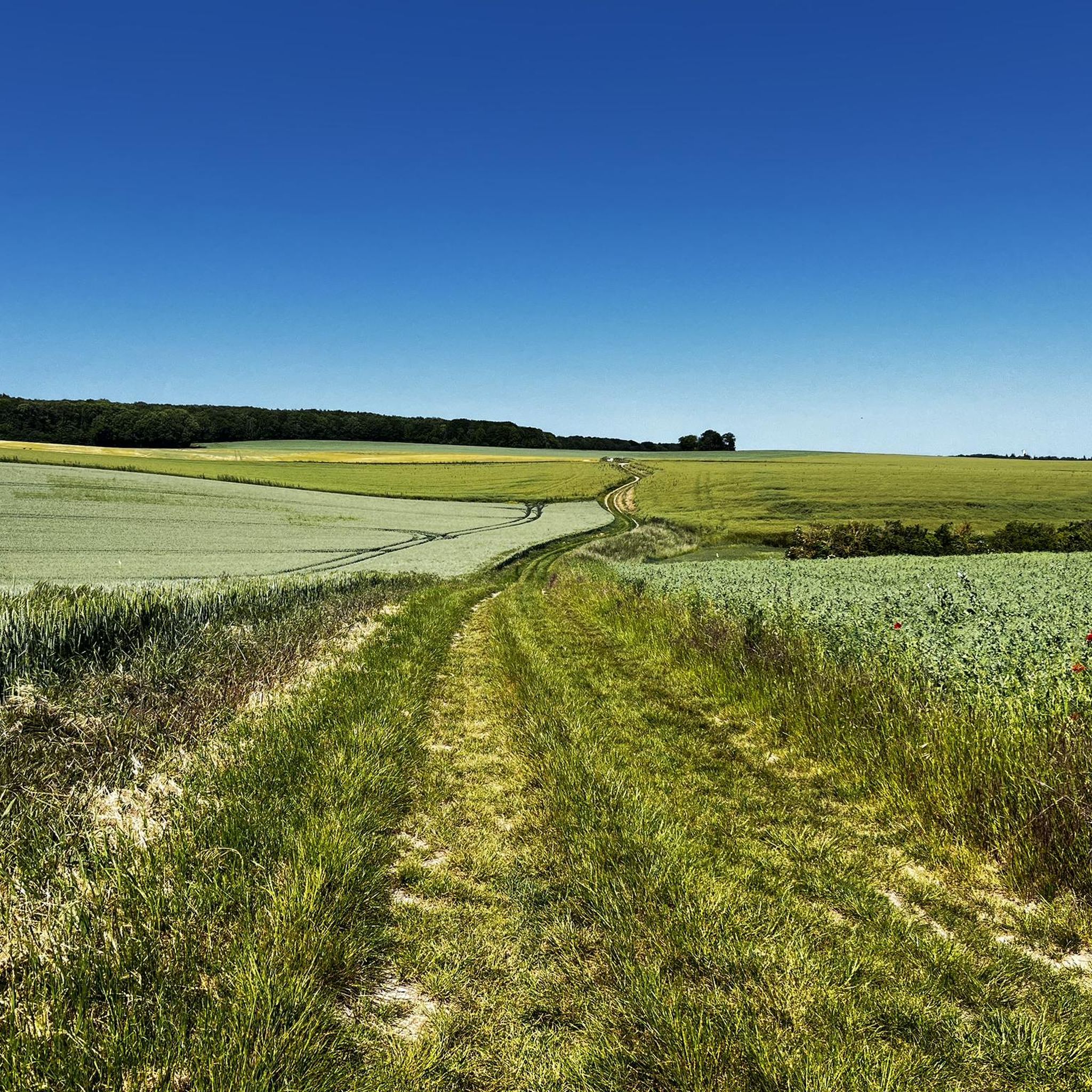
- The most popular natural monument is Villarceaux Estate, a castle and historical site with manicured gardens. This estate…
Last updated: June 26, 2026
Villarceaux Estate
Highlight • Castle
Built in the 17th century, the chateau has housed prominent …
Tip by

They actually believed they had discovered the remains of a monastery.
The stripping of …
Translated by Google •
Tip by

Sign up now to discover places like this
Get recommendations on the best single tracks, peaks, & plenty of other exciting outdoor places.
Sign up for free
Saint-Gaucher Fountain
Highlight • Natural Monument
Translated by Google •
Tip by

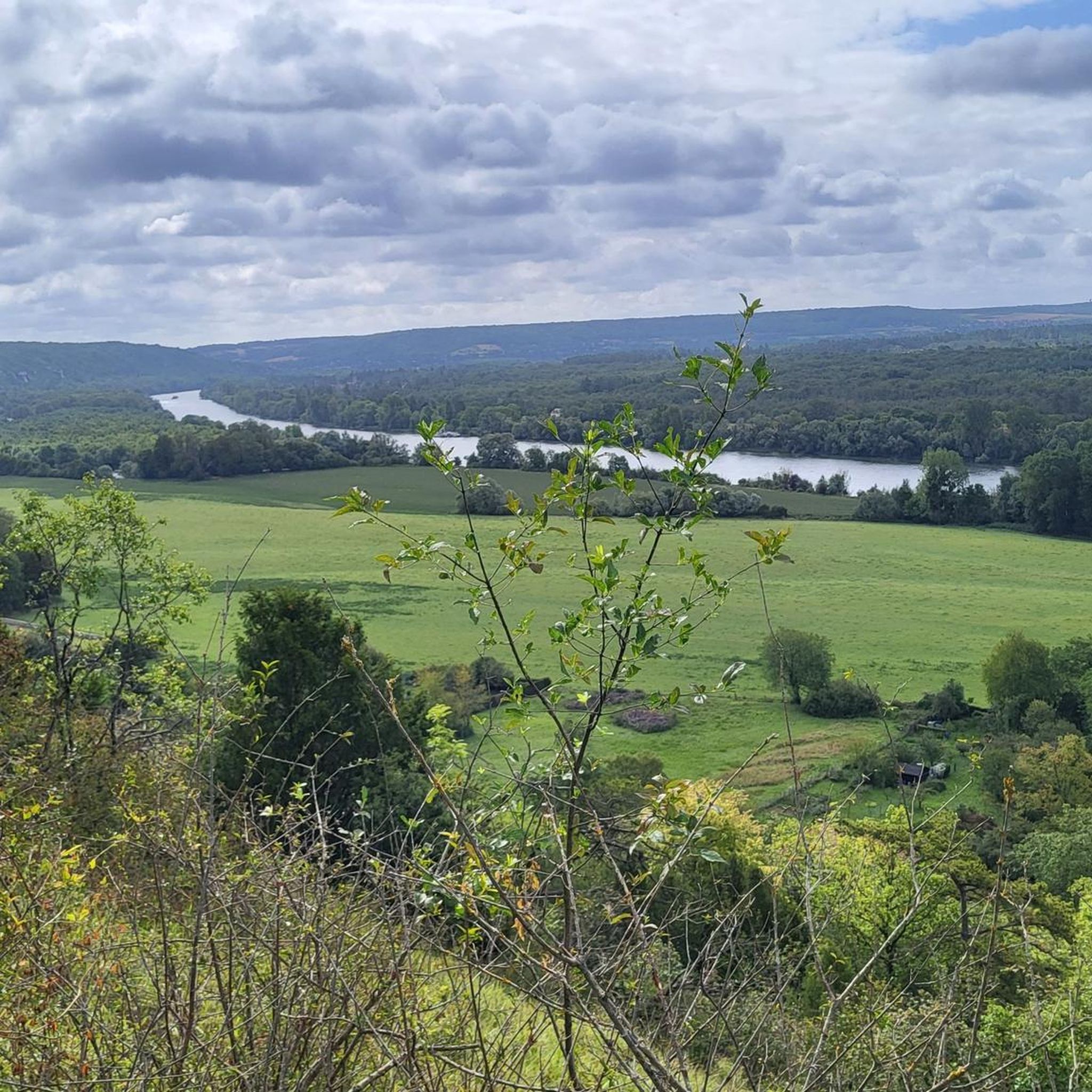
View of the Boucle de Moisson Nature Reserve
Highlight • Viewpoint
Translated by Google •
Tip by

Start today with a free account
Your next adventure awaits.
Login or Signup

Tips from the Community

Lots of beautiful things to see in this part of Vexin
1
0

Nothing to add to the description from Wikipedia, except that it is a peaceful place that charms with its elegance.
0
0

Villarceaux constitutes a unique ensemble: its 70 hectare park and its two castles (16th century manor and 18th century castle). The estate has existed since the 11th century.
0
0

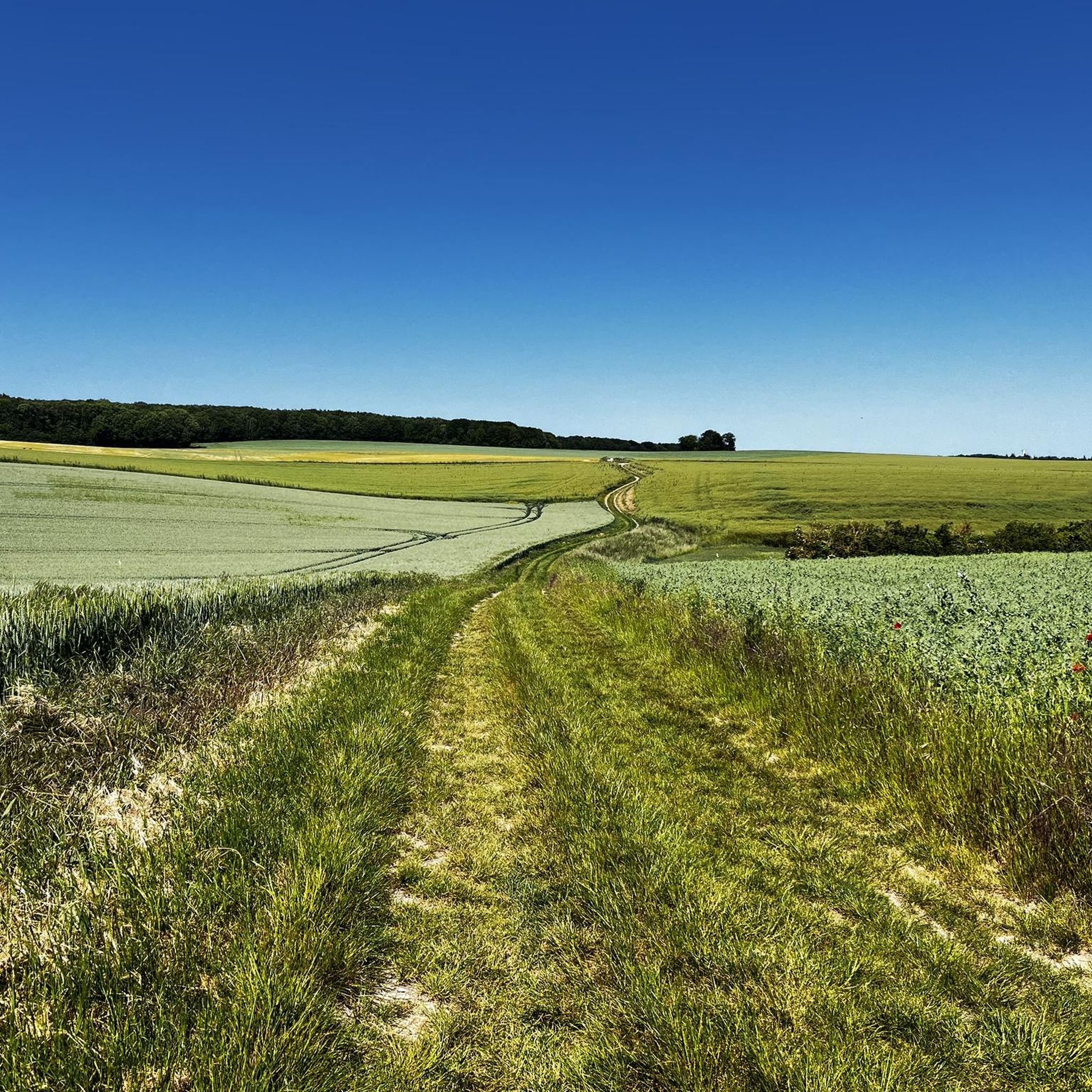
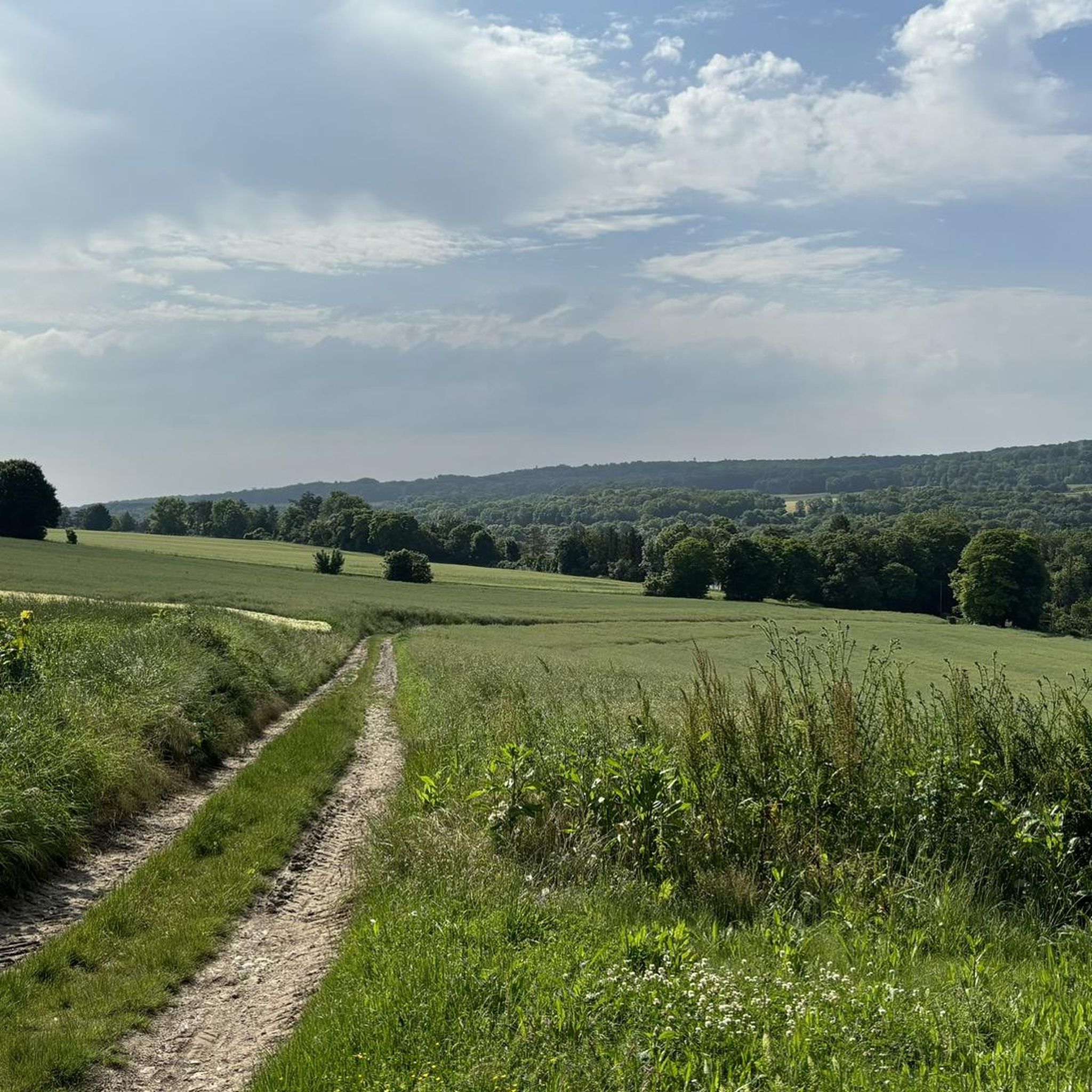
Superb place in the early morning you can see a lot of wild animals. Hiking path as well as mountain biking or gravel
0
0

Gaucher was born in Meulan in 1060 and was brought up in the hamlet of Chartre. A pious man, he cured the unfortunate, the water from the Saint Gaucher fountain would have had some effects against epilepsy, and calmed "all the fires of the body". Gaucher will be canonized in 1194.
0
0

It's magnificent, superb view along the stretch of water, ideal for a little picnic break at noon.
0
0

We are here in the presence of a large dolmen discovered in 1768 by the villagers. They actually believed they had discovered the remains of a monastery. The stripping of the dolmen delivered leather spatulas, vases, ashes and flint knives. It was estimated in 1894 that this monument contained 150 skeletons. It was excavated in a more scientific way in 1899 by Mr. Mortillet and restored in 1970. The archives show the presence of roofing slabs until the 18th century. The dolmen consists of large sandstone slabs forming the pillars. The gaps between the pillars are filled with flat stones.
1
0

With immaculately manicured gardens and magnificent architecture, the Domaine of Villarceaux is one of the most impressive castles in France. Built in the 17th century, the chateau has housed prominent French figures such as author Ninon de Lenclos and Madame de Maintenon, the future wife of King Louis XIV. Today, the Domaine is open to the public for free from 2pm to 6pm Tuesday - Sunday. You can find more information, here: http://villarceaux.iledefrance.fr/
1
0
Frequently Asked Questions
What are the primary natural monuments to explore near Drocourt?
The region around Drocourt is characterized by its unique blend of industrial heritage and natural reclamation. Key natural monuments include the re-naturalized mining slag heaps, known as terrils, such as Terril 84 du 2 de Drocourt (Rouvroy) and Terril 101 du Lavoir de Drocourt. Additionally, significant regional nature reserves like the Marais de Wagnonville and the Tourbière de Vred offer diverse wetland ecosystems.
What makes the terrils near Drocourt unique natural monuments?
The terrils are artificial mountains formed from coal mining waste, but they have been reclaimed by nature over time, transforming into unique ecosystems. They are part of the "Chaîne des terrils," a UNESCO World Heritage site, recognizing their historical, cultural, and ecological importance. They offer panoramic views, support diverse flora and fauna, and represent a new horizon in the otherwise flat landscape.
Are there good viewpoints among the natural monuments near Drocourt?
Yes, the terrils offer excellent viewpoints. From Terril 84 du 2 de Drocourt (Rouvroy), you can enjoy panoramic views of the surrounding landscape. Terril 101 du Lavoir de Drocourt provides expansive vistas of the former mining area, including Drocourt and other distant terrils, allowing you to appreciate the scale of the mining basin.
What kind of wildlife can I expect to see at the nature reserves near Drocourt?
The regional nature reserves are biodiversity hotspots. The Marais de Wagnonville supports over 100 animal species, including 67 bird species, various mammals, amphibians, dragonflies, and butterflies. The Tourbière de Vred is even richer, hosting nearly 500 animal species, including 98 bird species, and a wide array of insects, amphibians like the field frog, and reptiles. Both reserves are home to numerous rare plant species.
Are the natural monuments near Drocourt suitable for family visits?
Many of the terrils are accessible for recreational activities like walking, making them suitable for families. The re-naturalized landscapes offer a unique educational experience about industrial heritage and ecological regeneration. The nature reserves also provide tranquil settings for observing wildlife, which can be engaging for children, though some areas might require appropriate footwear.
Can I bring my dog to the natural monuments around Drocourt?
While specific regulations can vary, many outdoor natural sites in France, including terrils, generally allow dogs on a leash. For nature reserves like Marais de Wagnonville and Tourbière de Vred, it's advisable to check specific rules beforehand, as sensitive ecosystems often have stricter regulations regarding pets to protect wildlife.
What is the best time of year to visit the natural monuments near Drocourt?
Spring and early autumn are generally ideal. In spring, the terrils burst with new vegetation and the nature reserves are vibrant with birdlife and blooming plants. Early autumn offers pleasant temperatures for hiking and beautiful foliage. Summer can be warm, and winter might be cold and wet, but still offers a unique, stark beauty.
Are there hiking or walking trails available at these natural monuments?
Yes, the terrils are popular for walking and cycling, with many accessible paths. The nature reserves also feature trails and observation points. For more structured outdoor activities, you can explore options like gravel biking, traffic-free bike rides, or running trails in the wider Drocourt area.
What should I wear when visiting the natural monuments?
Comfortable walking shoes or hiking boots are recommended, especially for the terrils which can have uneven terrain, and for the nature reserves which may have muddy paths. Layered clothing is advisable to adapt to changing weather conditions, and rain gear is always a good idea in northern France.
Are there any guided tours or educational programs for these sites?
For sites like the Tourbière de Vred, visits are often guided and may require appropriate footwear, offering close encounters with its exceptional flora and fauna. The UNESCO World Heritage status of the terrils also means there are often interpretive signs and sometimes guided tours available to explain their history and ecology. Check with local tourist offices for current offerings.
How do the natural monuments near Drocourt connect to the region's history?
The terrils are direct remnants of the region's extensive coal mining industry, which profoundly shaped the Nord-Pas-de-Calais landscape and its communities. Their transformation into natural spaces symbolizes the region's resilience and ecological recovery, offering a tangible link to its industrial past while showcasing nature's ability to reclaim and thrive.
Are there any cafes or restaurants near the natural monuments?
While the natural monuments themselves are often remote, the towns and villages surrounding Drocourt and the reserves (like Douai near Marais de Wagnonville) offer various dining options. It's a good idea to plan your visit and check for amenities in nearby population centers before heading out.
Most popular routes around Drocourt
Most popular attractions around Drocourt

Get inspired with the komoot mobile app


Explore more
Extend your search for the best caves by checking out these guides of the top ones around Drocourt:
