Top 4 Castles around Quesnoy-Sur-Deûle
Best castles around Quesnoy-Sur-Deûle offers insights into historical fortifications and architectural heritage. While Quesnoy-sur-Deûle's own castle was largely destroyed, its foundations have been uncovered, revealing medieval structures. The region provides access to several notable sites, including well-preserved fortifications and historic châteaux. These locations offer a glimpse into military engineering and regional history.
Best castles around Quesnoy-Sur-Deûle
- The most popular castles is Citadel of Lille, a historical site that was built between 1668 and 1671 to a design by Sébastien…
Last updated: June 25, 2026
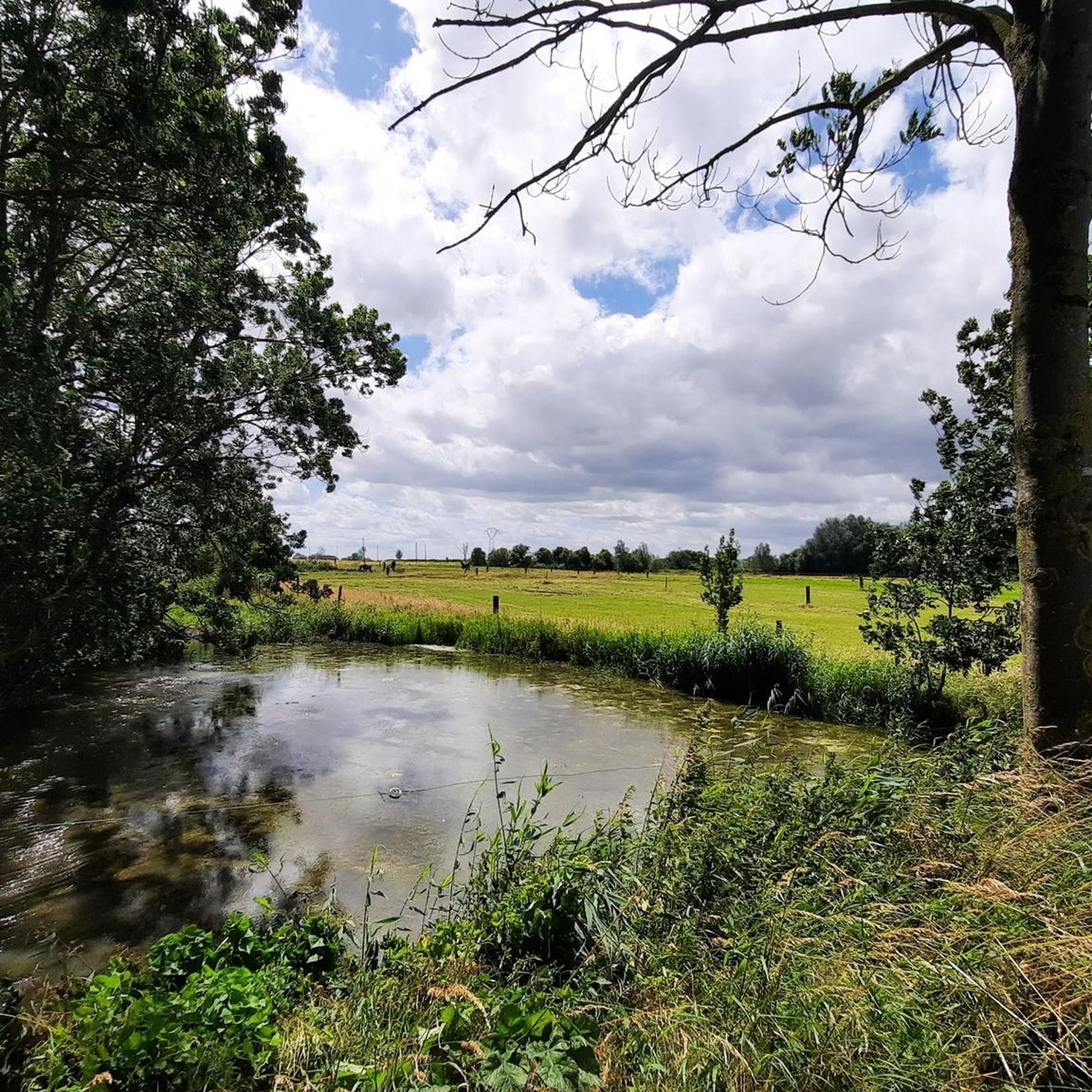
Citadel Pasture
Highlight • Historical Site
Translated by Google •
Tip by

Citadel of Lille
Highlight • Historical Site
Translated by Google •
Tip by

Sign up now to discover places like this
Get recommendations on the best single tracks, peaks, & plenty of other exciting outdoor places.
Sign up for free
Robersart Castle
Highlight • Castle
Translated by Google •
Tip by

Archives nationales du monde du travail
Highlight • Historical Site
Translated by Google •
Tip by

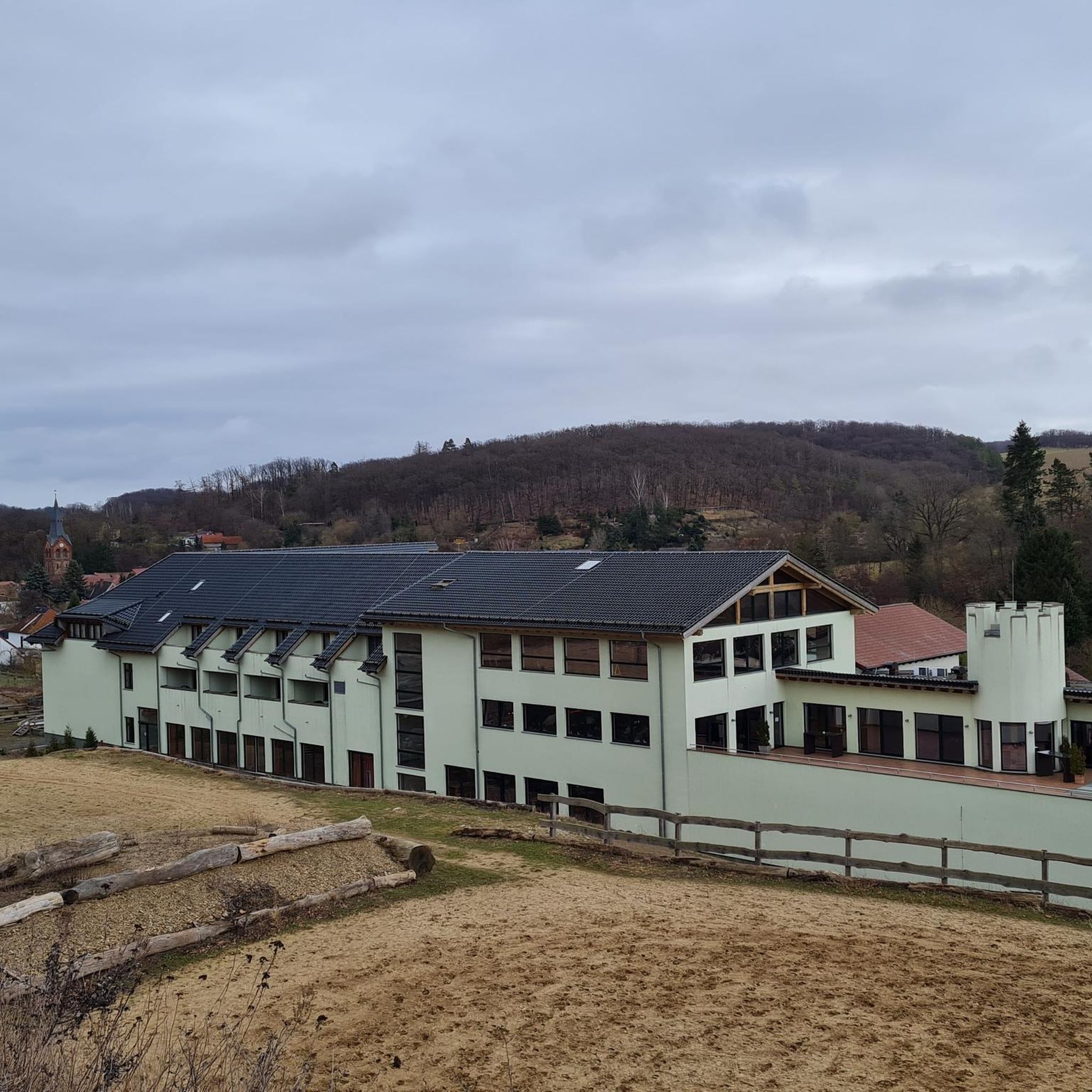
La Plus Douve military cemetery
Highlight • Castle
In July 2022, two spires stood a little further on; ready to further complement what is, to say the least, a lavish edifice.
Translated by Google •
Tip by

Start today with a free account
Your next adventure awaits.
Login or Signup
Tips from the Community

Love the building, love even more its goal and collection now.
0
1

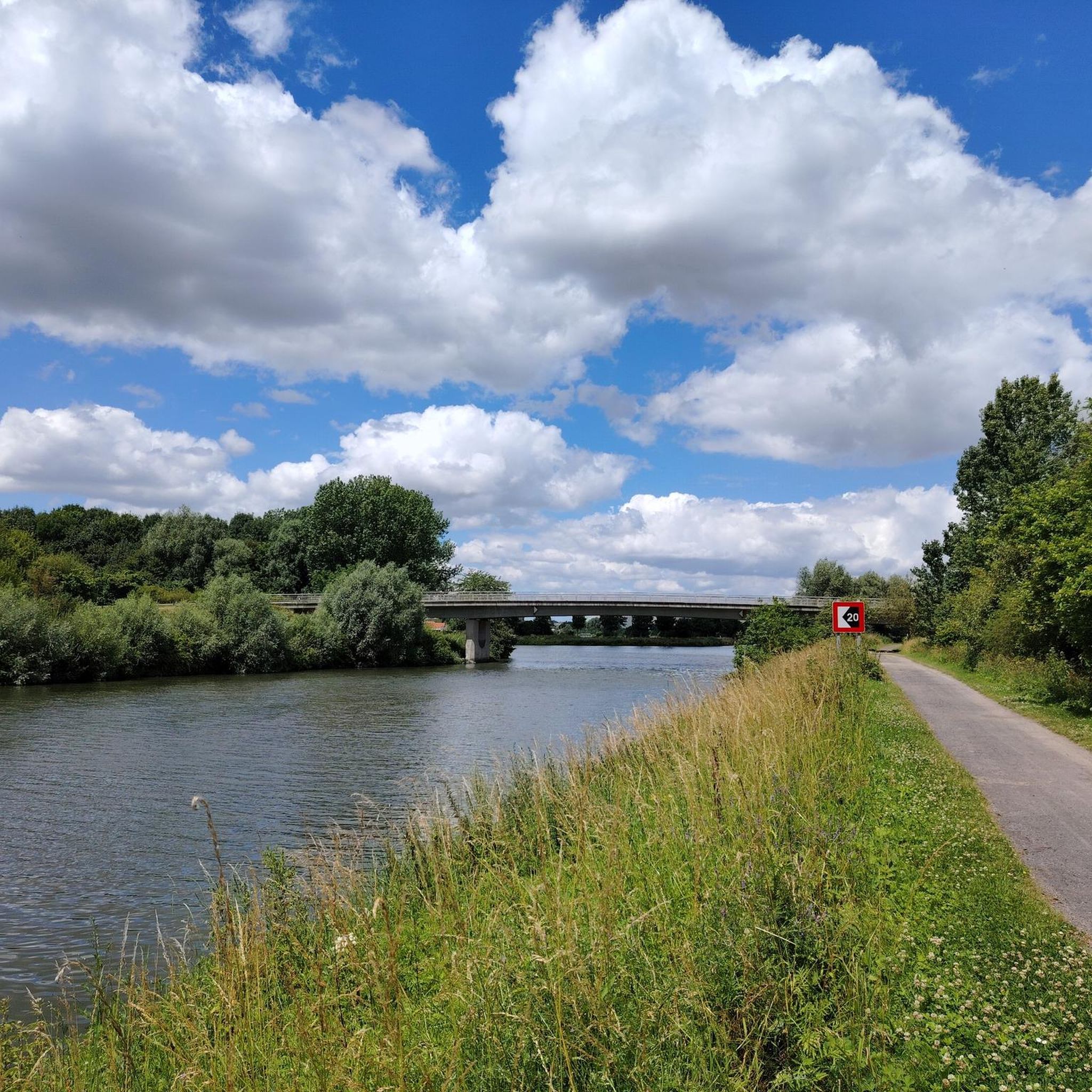
Along the fortified moats of the Citadel of Lille.
1
0

If you are patient, you might see the Countess...
0
1

This building from the end of the 19th century was in fact a cotton mill, rebuilt after a violent fire in the "neo-Gothic" style with crenellated walls and stepped gables. Inside this fortress, the engineers fought a form of battle: relentless competition against British factories. And for this, the Roubaix industrialists "drew" very strongly from English methods, their processes and their machines... an almost fair battle! After the end of the activity in 1981, the factory, taken over by the State, was transformed by the architect Alain Sarfati. It now houses the National Archives of the World of Work.
10
0

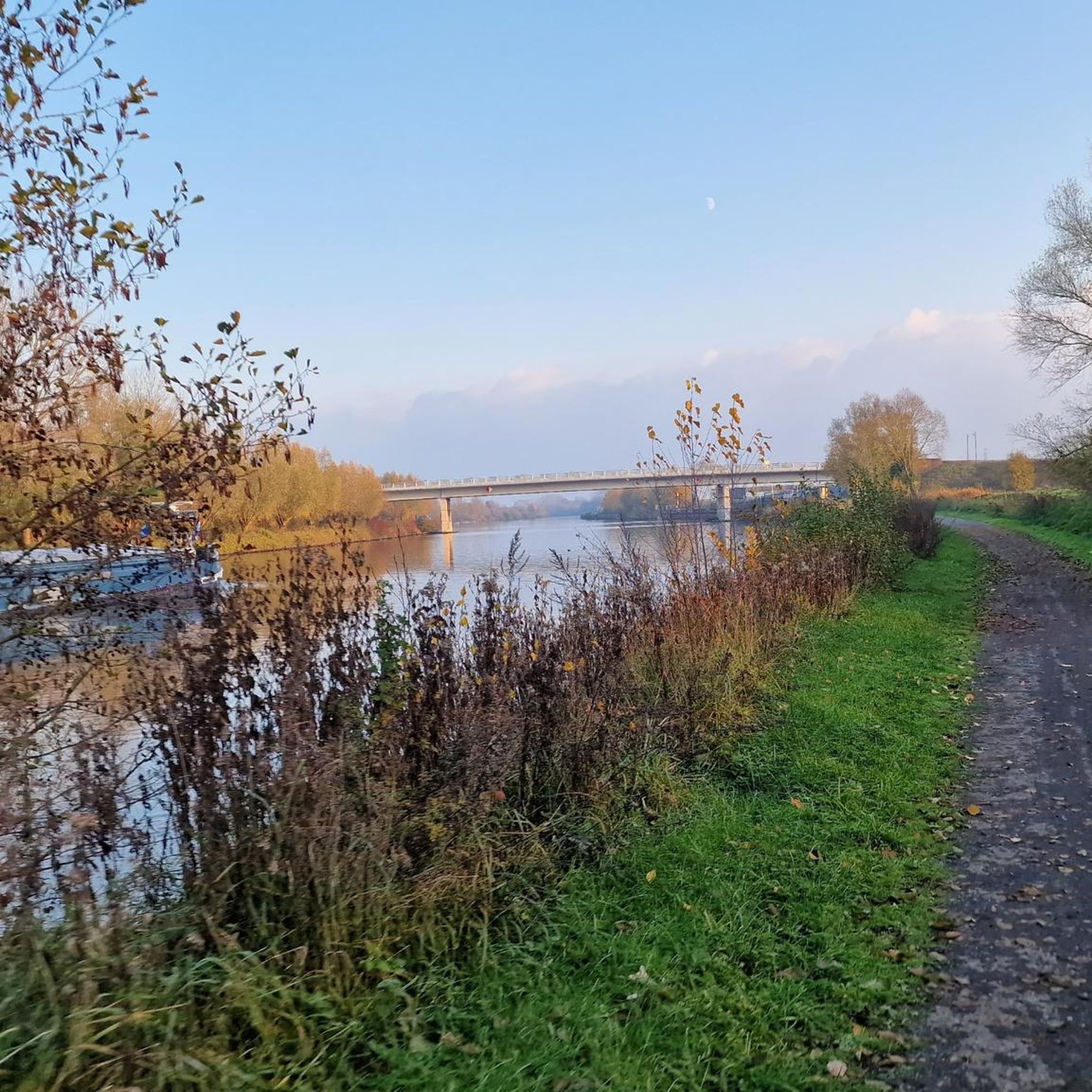
The Citadel of Lille was built between 1667 and 1670 on the orders of Louis XIV when he conquered the city. It is Vauban's first major fortified work. The large wood surrounding the citadel is surrounded by the Deûle and its canals. You will find superb single tracks there, with small bumps and passages over roots.
2
0

This historical monument, under the control of the Ministry of Defense, is the Citadel of Lille and the Museum of the Sedentary Artillerymen. It is called the Queen of Citadels, built by Vauban in 1670. The building is in the shape of a regular pentagon, reinforced by powerful bastions, within which the buildings are arranged in a star shape to form a large central courtyard. Around it and open to the public at all times is a beautiful park (with a zoo and a playground), but if you stay on the path, you walk along this star.
6
0
This former cotton mill (1862), an example of 19th century industrial architecture, was restored in 1993 by architect Alain Sarfati; it now houses the National Labour Archives. From the outside, this "castle of industry" resembles both a steamship and a medieval fortress, with its battlements and watchtower, and also its iron drawbridge, which dominates the entrance.
9
0

Always nice to be able to get out of the city center so easily!
0
1
Frequently Asked Questions
Does Quesnoy-sur-Deûle have a standing castle that can be visited?
While Quesnoy-sur-Deûle's original castle was largely destroyed in 1796, archaeological excavations have revealed its well-preserved foundations. Visitors interested in the town's history can learn about these findings through the local historical association, "Quesnoy et son histoire," which has explored the castle's past.
What kind of historical fortifications can I visit near Quesnoy-sur-Deûle?
The region offers several impressive historical fortifications. You can explore the extensive ramparts of Le Quesnoy, a fortified town renowned for its well-preserved defenses enhanced by Vauban. Another significant site is the Citadel of Lille, Vauban's first major fortified work, surrounded by a large park. Further south, the Fort de Seclin provides insight into 19th-century military architecture and served as part of Lille's defensive belt.
Are there any traditional castles or châteaux to visit nearby?
Yes, the Château de Robersart in Wambrechies is a beautiful Renaissance-style castle built around 1760. It features a distinctive local architectural style with red brick and white stone, and its park includes a serene "Jardin de la Comtesse" perfect for walks.
What outdoor activities can I do near these historical sites?
Many of these sites are surrounded by green spaces ideal for outdoor activities. The Citadel Pasture around the Citadel of Lille offers extensive walking and cycling paths. For more structured routes, you can find various options for gravel biking, running, and road cycling around Quesnoy-sur-Deûle, often following canals or through scenic countryside.
Are there family-friendly options among the castles and fortifications?
Absolutely. The Citadel of Lille and its surrounding Citadel Pasture offer a large park with walking paths, a zoo, and a playground, making it very family-friendly. The park of Château de Robersart is also a peaceful green space with walking paths and ponds, suitable for families.
What is the best time of year to visit these historical sites?
The spring and summer months (April to September) generally offer the most pleasant weather for exploring the outdoor fortifications and castle parks. During these seasons, you can fully enjoy walking along ramparts, picnicking in parks, and participating in outdoor activities. However, indoor museums and guided tours are available year-round.
Can I bring my dog to these locations?
Many of the outdoor areas, such as the Citadel Pasture around the Citadel of Lille and the park of Château de Robersart, are generally dog-friendly, provided dogs are kept on a leash. It's always advisable to check specific site regulations before your visit, especially for indoor areas or guided tours.
Are there any unique historical sites beyond traditional castles?
Yes, the Archives nationales du monde du travail in Roubaix is housed in a former cotton mill. This 19th-century industrial building was rebuilt in a striking "neo-Gothic" style with crenellated walls, resembling a medieval fortress. It offers a unique blend of industrial and architectural history.
What are the parking and public transport options for visiting these sites?
Most major sites like the Citadel of Lille and Château de Robersart have nearby parking facilities. Lille is well-connected by public transport, making its Citadel easily accessible. For sites further afield like Le Quesnoy or Fort de Seclin, driving is often the most convenient option, though local bus services may connect from larger towns.
What do visitors enjoy most about the castles and fortifications in this region?
Visitors frequently appreciate the blend of rich history and natural beauty. The well-preserved ramparts of Le Quesnoy and the architectural ingenuity of Vauban's designs at the Citadel of Lille are often highlighted. The serene parks surrounding sites like Robersart Castle also receive praise for their peaceful atmosphere and walking opportunities.
Can I find cafes or restaurants near these historical attractions?
Yes, the towns associated with these sites, such as Lille, Wambrechies, Le Quesnoy, and Seclin, offer various dining options. You'll find cafes, restaurants, and local eateries where you can enjoy a meal or a refreshment before or after your visit to the historical sites.
Are there any sites that offer a glimpse into military history?
Definitely. The Citadel of Lille, built by Vauban, is a prime example of 17th-century military engineering. The fortifications of Le Quesnoy also showcase centuries of defensive evolution. Additionally, the Fort de Seclin, part of Lille's fortified belt, functions as a museum with extensive collections of artillery and military artifacts, providing a deep dive into military history.
Most popular routes around Quesnoy-Sur-Deûle
Most popular attractions around Quesnoy-Sur-Deûle

Get inspired with the komoot mobile app


Explore more
Looking for the best castles somewhere else? Discover other guides around Quesnoy-Sur-Deûle:
