Top 6 Castles around Tressin
Best castles around Tressin are found in the surrounding region, offering a glimpse into historical architecture and strategic fortifications. While Tressin itself may not feature prominent public castles, the nearby areas provide several notable sites. These historical landmarks are often situated within expansive parks, providing opportunities for walking and exploring the local landscape. The region's castles reflect centuries of history, from medieval strongholds to 17th-century citadels.
Best castles around Tressin
- The most popular castles is Citadel Pasture, a historical…
Last updated: June 25, 2026
Citadel Pasture
Highlight • Historical Site
Translated by Google •
Tip by

Ruins of la Royère castle
Highlight • Castle
Translated by Google •
Tip by

Sign up now to discover places like this
Get recommendations on the best single tracks, peaks, & plenty of other exciting outdoor places.
Sign up for free
Château de La Fontaine
Highlight • Castle
Translated by Google •
Tip by

Kasteel van Flers
Highlight • Other
Translated by Google •
Tip by
Templeuve Castle
Highlight • Castle
In 1278, Guillaume de Mortagne received the lordship of Rumez, which is now a hamlet within …
Translated by Google •
Tip by
Sign up for free to discover even more castles around Tressin.
Sign up for free
Already have an account?
Start today with a free account
Your next adventure awaits.
Login or Signup

Tips from the Community

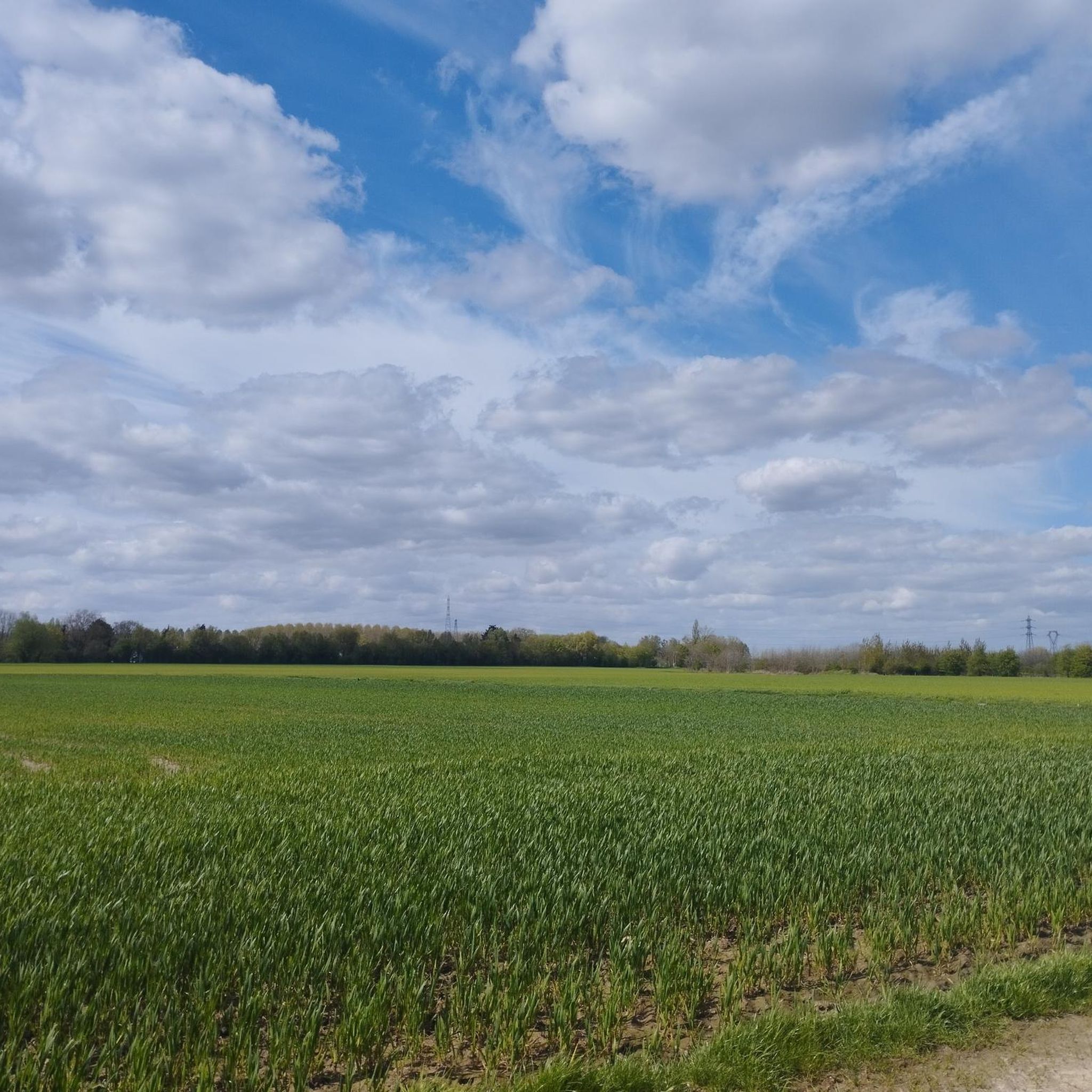
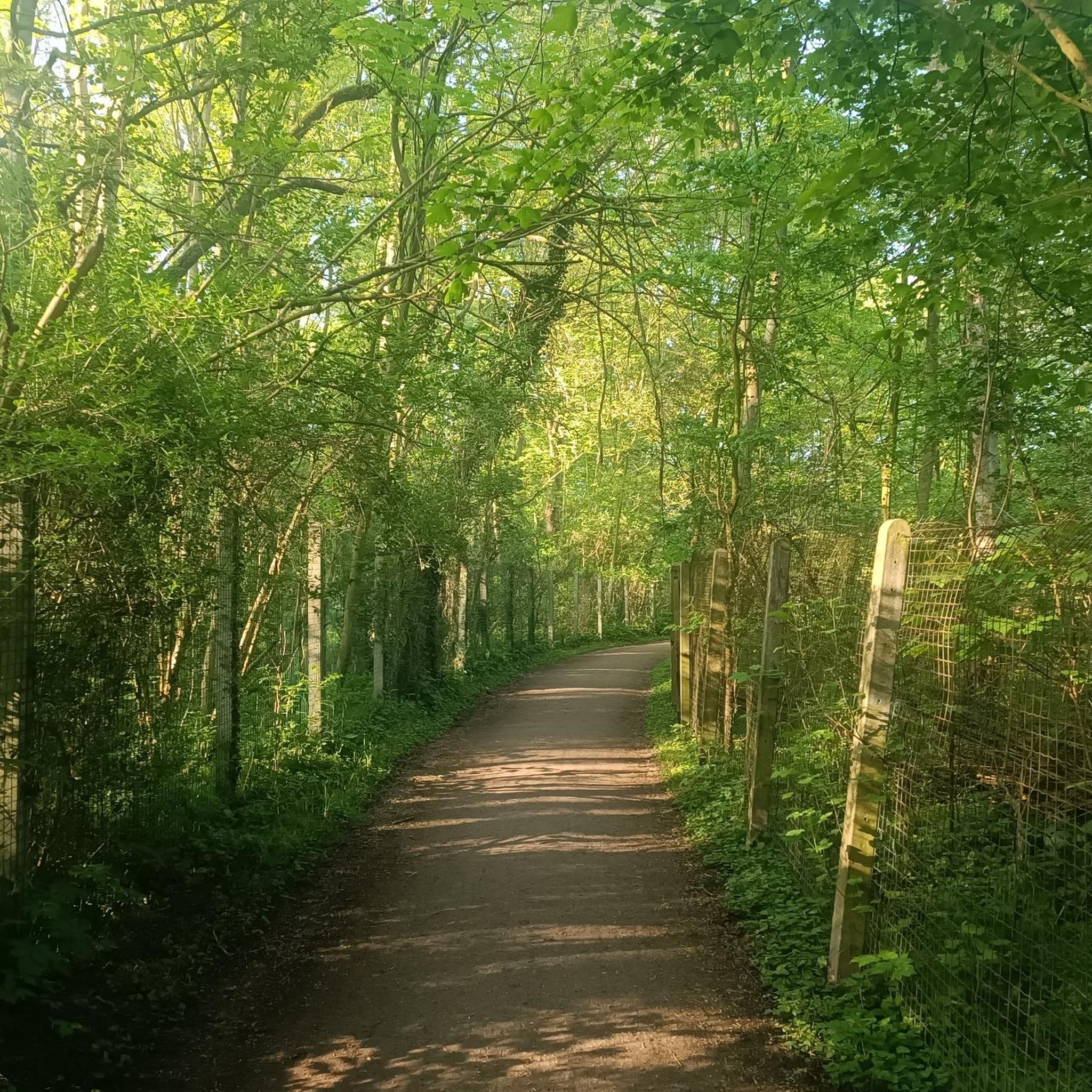
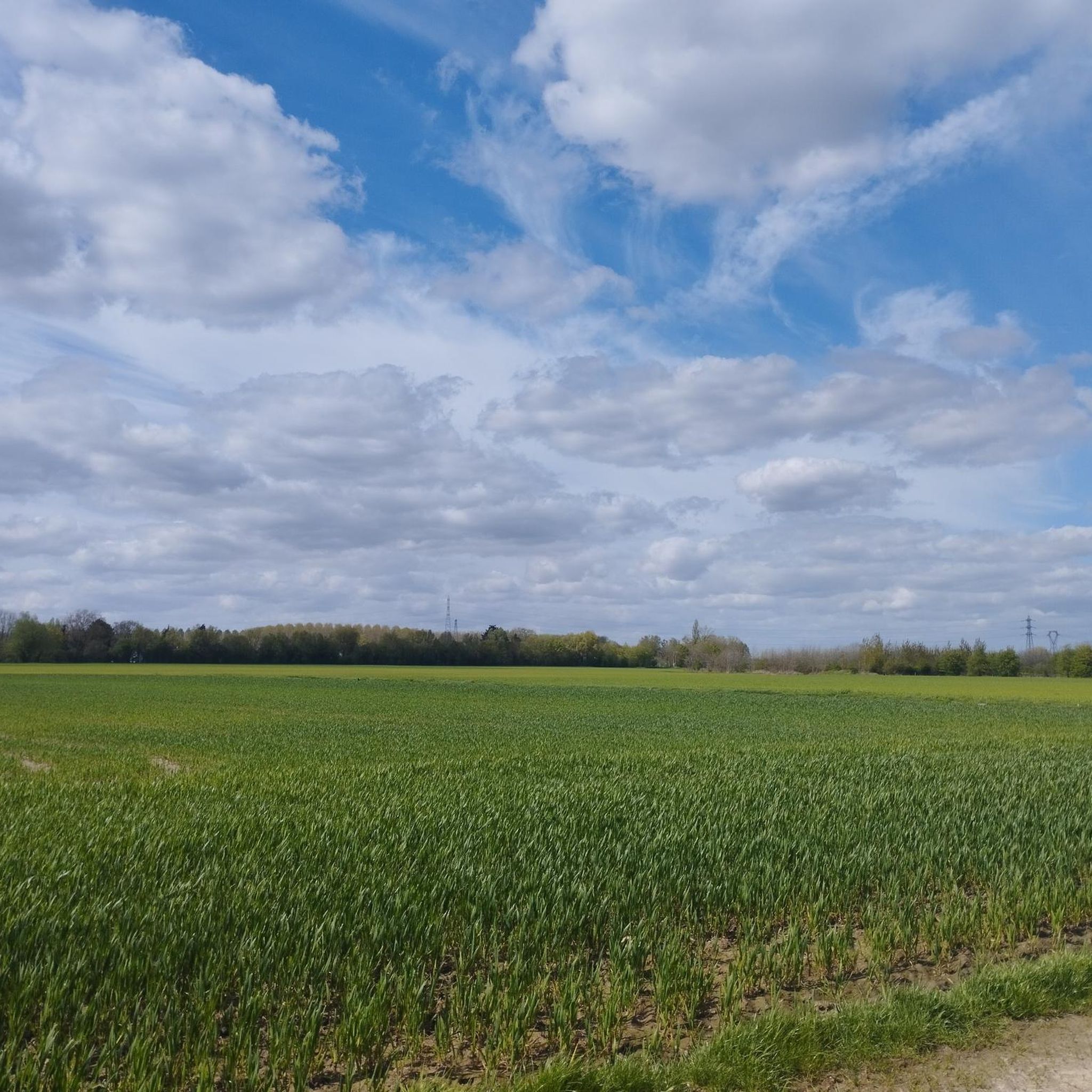
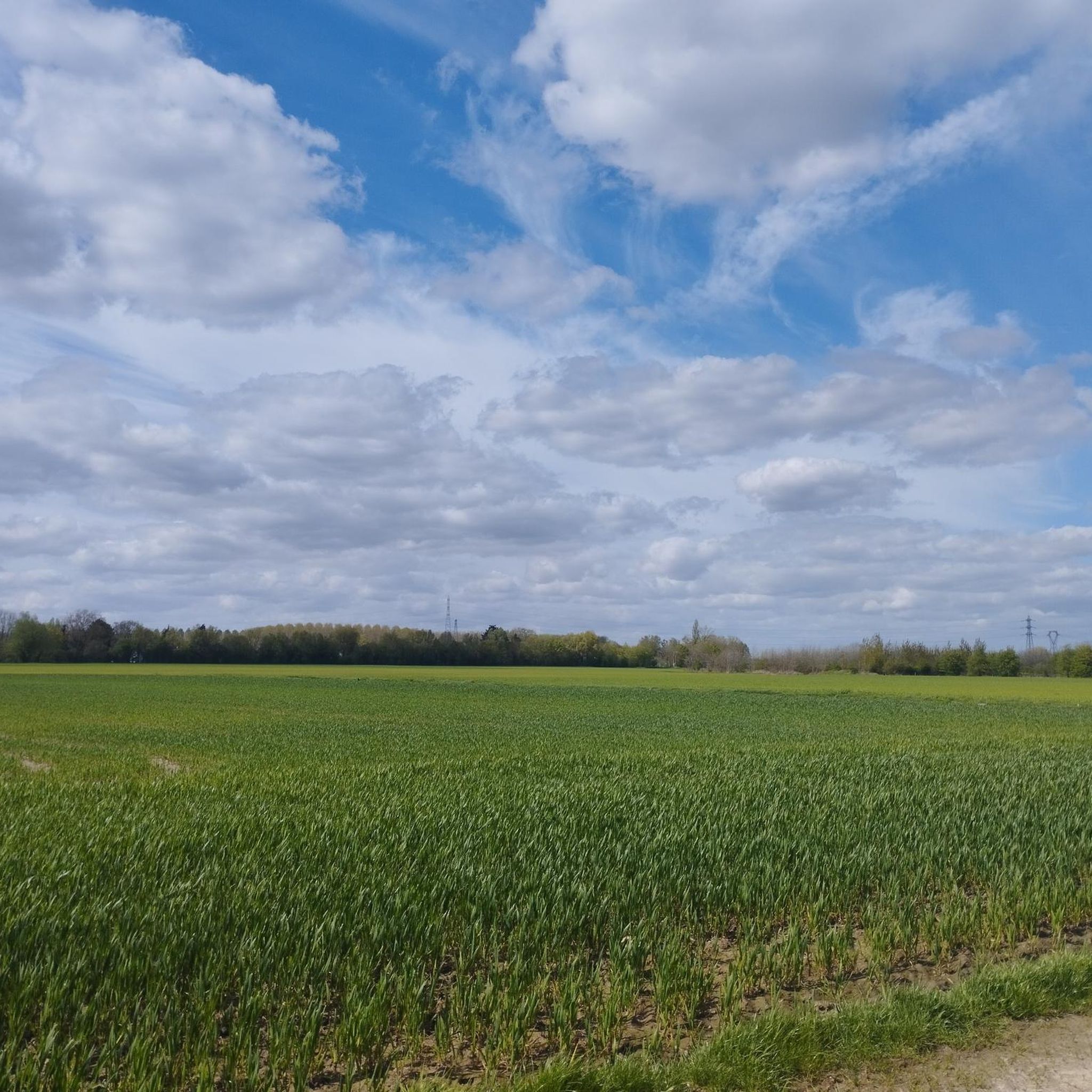
Nice, rolling section with no traffic.
0
0

Today, the Camille Depinoy municipal school is partly housed in the castle (park).
3
0
The lordship of Templeuve is already mentioned at the end of the 13th century. In 1278, Guillaume de Mortagne received the lordship of Rumez, which is now a hamlet within the municipality. Guillaume was also lord of Dossemer, near Templeuve. It is assumed that he also received the lordship of Templeuve from there. In any case, his son, Guillaume II, gave it to his wife as a dowry in the early 14th century. Dossemer and Templeuve remained in the hands of the Mortagne family until the end of the 14th century. This family presumably gradually expanded the manor, thus laying the foundation for the first fortified castle in Templeuve-en-Dossimer. In 1414, only Templeuve came into the possession of the du Quesnoy family. The Blondel and finally the Lannoy families followed. Around 1500, the castle likely became a manor house and a farm. The evolution of military weapons led the lords to demolish the old, cumbersome fortress and replace it with a lavish and modern residence. Out of respect for feudal traditions, which would continue for another two centuries, the moat was preserved, but the drawbridge was replaced by a permanent stone bridge. Originally, moats ran along all sides of the castle. The moat surrounding the castle on the east side was removed in 1845 by Victor de Formanoir de la Cazerie. The towers, a privilege of the noble lord, are preserved more as decoration than as a means of defense, as is the quadrangular shape, which was once dictated by military necessity. In short, its appearance as a 'castle' or 'fort' is more defined by tradition and grandeur than by military function. Source: Wikipedia
3
0
However dilapidated the castle may be, the future promises improvement: The current owners of the castle, Pierre and Annie Moulin-Duthoit and their children, are responsible for its restoration, particularly Olivier Moulin, who wrote a thesis on this heritage at the end of his architectural studies. ...that's why you can see signs of construction work from a distance (approaching close is not permitted). Source: leershistorique.fr
2
0
The Château de Royères, probably around 1100, was a feudal motte with a wooden tower and a retractable walkway... which Havide de Néchin brought as a dowry to Lambert de Wattrelos. The inhabitants of Tournai submitted to Philip II Augustus. The Tournai region would belong to the French royal family for over 300 years (1187-1521). La Royère is located in the Château de Lille, in the Flanders region, on the hills of Leers and Néchin, on the edge of the Wattines forest, on the border with Tournaisis: it is the castle of the border. In 1227, it was probably a feudal motte with a stone tower that was purchased by Arnoul IV. Wealthier than the seller Hugues de Roubaix, he may have had Tournai's stone walls built. From 1500 onwards, the lords of Roubaix also became lords of La Royère through marriage: the de Werchin and the de Melun. Pierre de Melun, governor of Tournai, lord of Roubaix and La Royère, and a Protestant supporter, was considered civilly dead by Philip II, the Catholic king. His possessions passed to the Ligne family through Anne de Melun. As a supporter of the Edict of Nantes (Henry IV, 1598), Louis XIV returned La Royère to the de Melun family. This led to family disputes: the property first went to the de Ligne family and then back to the de Melun family. A Crombez from Tournai bought La Royère, 35 hectares (Popp map circa 1850). Miss Crombez de Remond de Montmort married Count Ferdinand Costa de Saint-Gérix de Beauregard… Everything was then sold to farmers. Source: leershistorique.fr
2
0
The Château de Flers, bearing the date "1661" on its facade, was originally the residence of the Lords of Flers. It was destroyed during the French Revolution of 1789, but not confiscated because it belonged at that time to a foreign nobleman, the Baron de Diesbach. In the 19th and 20th centuries, the château enjoyed a second life as a farm: the salon, apartment, and reception hall were converted into a barn, cowshed, and stables. In 1968, with a view to the development of a new town east of Lille, the château was expropriated by the state and, in 1973, entrusted to the Public Institution for the Development of the New Town of Lille-East. The municipality of Villeneuve-d'Ascq became the owner in 1986. They completed the restoration of the building, which had been entrusted from the outset to architect Maurice Salembier. After restoring its 17th-century appearance, the Château de Flers began a third life as a municipal building in 1991. Today, it houses various services, the tourist office, rooms for official receptions, and a museum. Source: Information board on site
0
0


This historical monument, under the control of the Ministry of Defense, is the Citadel of Lille and the Museum of the Sedentary Artillerymen. It is called the Queen of Citadels, built by Vauban in 1670. The building is in the shape of a regular pentagon, reinforced by powerful bastions, within which the buildings are arranged in a star shape to form a large central courtyard. Around it and open to the public at all times is a beautiful park (with a zoo and a playground), but if you stay on the path, you walk along this star.
6
0
Frequently Asked Questions
Are there historical castles directly within Tressin that are open to the public?
While Tressin itself does not feature prominent historical castles open to the public as major tourist attractions, the surrounding region offers several notable sites. Many châteaux in the area are privately owned or used as event venues.
Which castles near Tressin are recommended for visitors?
You can explore several historical sites in the region. The Citadel of Lille, a bastion fortress built by Vauban, and its surrounding Citadel Pasture offer historical insights and expansive parks. Another notable site is the Château de La Fontaine in Croix, a majestic 19th-century residence with a 40-hectare park.
Are there any castle ruins to visit near Tressin?
Yes, the Ruins of la Royère castle in Leers/Néchin offer a glimpse into a feudal motte with a rich history dating back to around 1100. While restoration work is ongoing, you can observe the site from a distance.
What kind of historical experiences do the castles around Tressin offer?
The castles and historical sites around Tressin offer diverse experiences. You can explore military history at the Citadel of Lille, admire the architectural heritage of the Château de La Fontaine, or discover the transformation of the Kasteel van Flers from a 17th-century residence to a municipal building with a museum.
Are there family-friendly castles or historical sites near Tressin?
Yes, both the Citadel Pasture and the Citadel of Lille are considered family-friendly, offering large parks for walking and cycling, and even a zoo and playground near the Citadel Pasture. The Château de La Fontaine also has an expansive park suitable for families.
What outdoor activities can I do near these castles?
Many of the castles are surrounded by parks and natural areas. For example, the Citadel of Lille is encircled by a large wood with single tracks ideal for cycling. You can also find various hiking, gravel biking, and road cycling routes in the broader Tressin region. Explore options like Hiking around Tressin or Gravel biking around Tressin.
Are there hiking trails near the castles around Tressin?
Yes, several castles are situated within or near areas with walking opportunities. The Citadel Pasture offers a beautiful park for walking and cycling. For dedicated trails, you can find various routes in the region, including easy loops like the Chemin de l'Ecluse – Chemin des Vaches loop. More hiking options are available in the Hiking around Tressin guide.
What is the best time to visit castles in the Tressin region?
The castles and their surrounding parks can be enjoyed throughout the year. Spring and summer offer pleasant weather for exploring the outdoor areas and parks, while autumn provides beautiful foliage. Some sites, like the Citadel Pasture, are open to the public at all times, allowing for visits in any season.
Are there any castles near Tressin that have been repurposed or restored?
The Kasteel van Flers in Villeneuve-d'Ascq is a prime example. Originally a 17th-century residence, it was destroyed during the French Revolution, served as a farm, and has since been restored to its 17th-century appearance. Today, it functions as a municipal building housing a tourist office and a museum.
What do visitors particularly enjoy about the castles and historical sites near Tressin?
Visitors appreciate the blend of history and nature. Many enjoy walking and cycling around the expansive parks surrounding sites like the Citadel Pasture and the Citadel of Lille. The architectural beauty of places like the Château de La Fontaine and the historical significance of the ruins also draw interest.
Are there other significant historical castles in the broader Hauts-de-France region worth visiting?
Yes, for those interested in exploring further, the broader Hauts-de-France department features many well-known castles such as the Château de Chantilly and the Château de Compiègne. You can find more information about royal and imperial châteaux in the region on the Hauts-de-France Tourism website.
Most popular routes around Tressin
Most popular attractions around Tressin

Get inspired with the komoot mobile app


Explore more
Looking for the best castles somewhere else? Discover other guides around Tressin:
