Top 5 Castles around Lesquin
Best castles around Lesquin are found within the broader Nord-Pas-de-Calais region, as Lesquin itself does not host prominent historical castles open to the public. The area near Lille offers access to various châteaux showcasing different historical periods and architectural styles. While the original Château d'Enchemont in Lesquin was destroyed, the surrounding region provides numerous historical sites for exploration. These regional castles offer insights into the rich history and architectural heritage of Northern France.
Best castles around Lesquin
- The most popular…
Last updated: June 25, 2026
Citadel Pasture
Highlight • Historical Site
Translated by Google •
Tip by

Château de La Fontaine
Highlight • Castle
Translated by Google •
Tip by

Sign up now to discover places like this
Get recommendations on the best single tracks, peaks, & plenty of other exciting outdoor places.
Sign up for free
Kasteel van Flers
Highlight • Other
Translated by Google •
Tip by

Citadel of Lille
Highlight • Historical Site
Translated by Google •
Tip by

Robersart Castle
Highlight • Castle
Translated by Google •
Tip by

Sign up for free to discover even more castles around Lesquin.
Sign up for free
Already have an account?
Start today with a free account
Your next adventure awaits.
Login or Signup

Tips from the Community

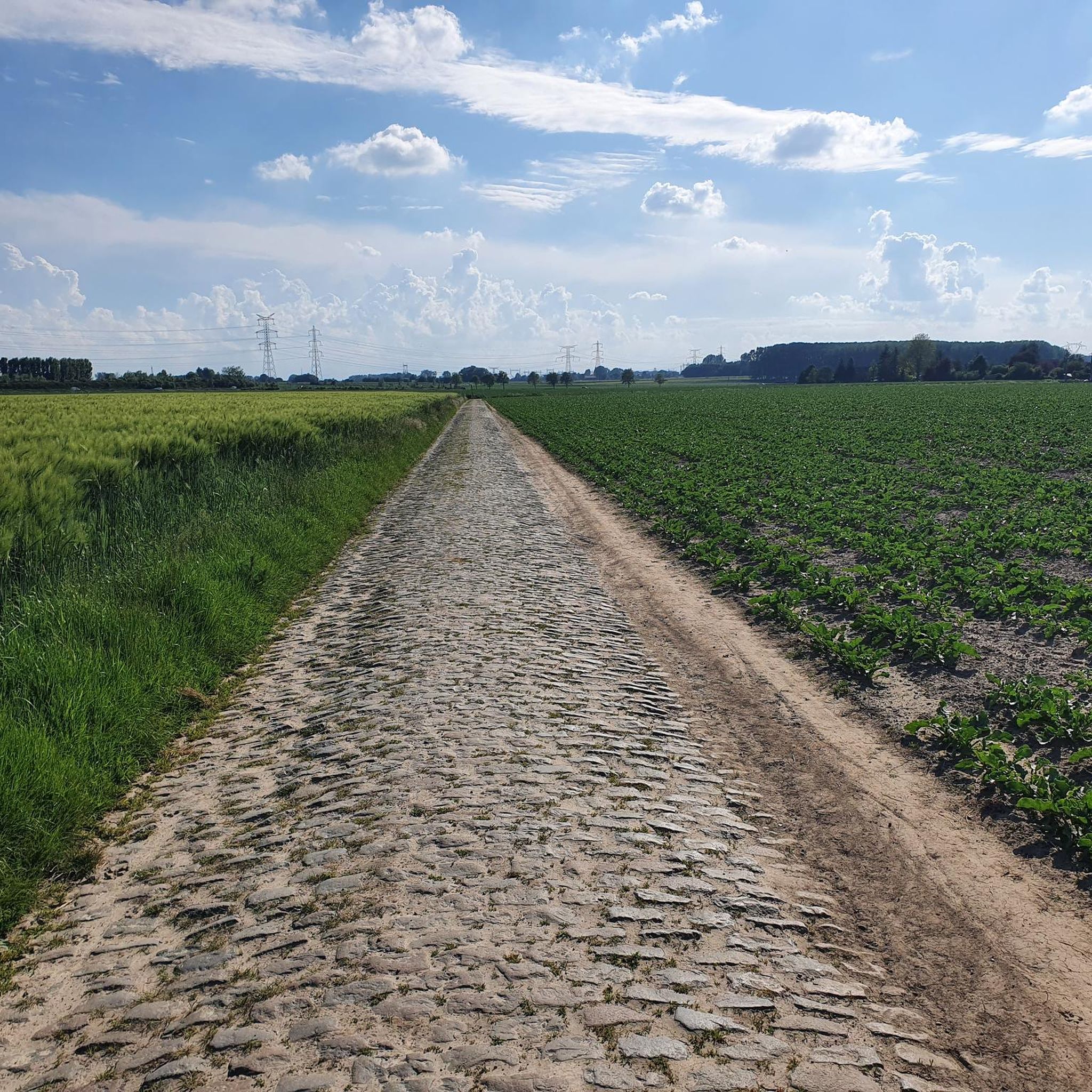
Nice, rolling section with no traffic.
0
0

The Château de Flers, bearing the date "1661" on its facade, was originally the residence of the Lords of Flers. It was destroyed during the French Revolution of 1789, but not confiscated because it belonged at that time to a foreign nobleman, the Baron de Diesbach. In the 19th and 20th centuries, the château enjoyed a second life as a farm: the salon, apartment, and reception hall were converted into a barn, cowshed, and stables. In 1968, with a view to the development of a new town east of Lille, the château was expropriated by the state and, in 1973, entrusted to the Public Institution for the Development of the New Town of Lille-East. The municipality of Villeneuve-d'Ascq became the owner in 1986. They completed the restoration of the building, which had been entrusted from the outset to architect Maurice Salembier. After restoring its 17th-century appearance, the Château de Flers began a third life as a municipal building in 1991. Today, it houses various services, the tourist office, rooms for official receptions, and a museum. Source: Information board on site
0
0

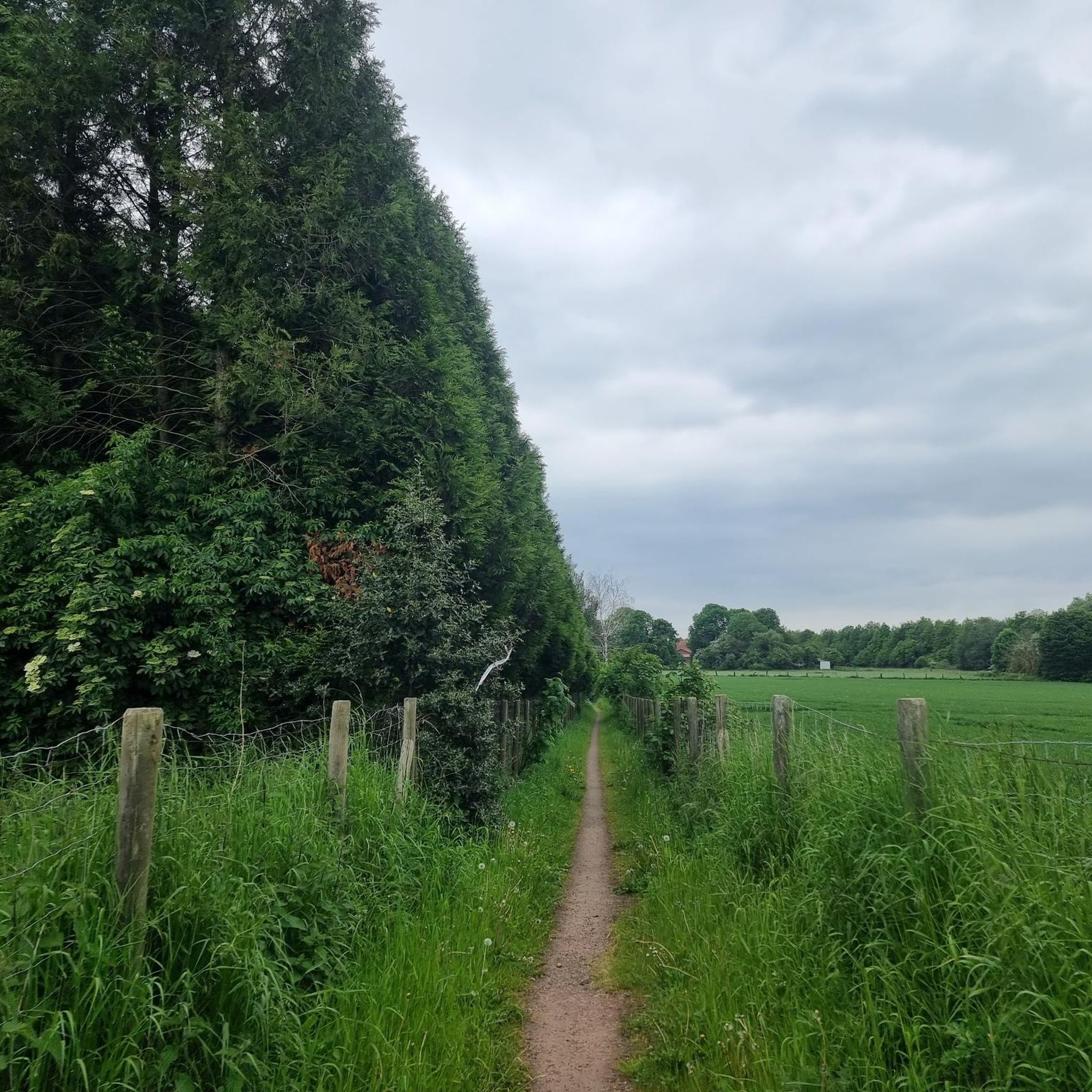
Along the fortified moats of the Citadel of Lille.
1
0

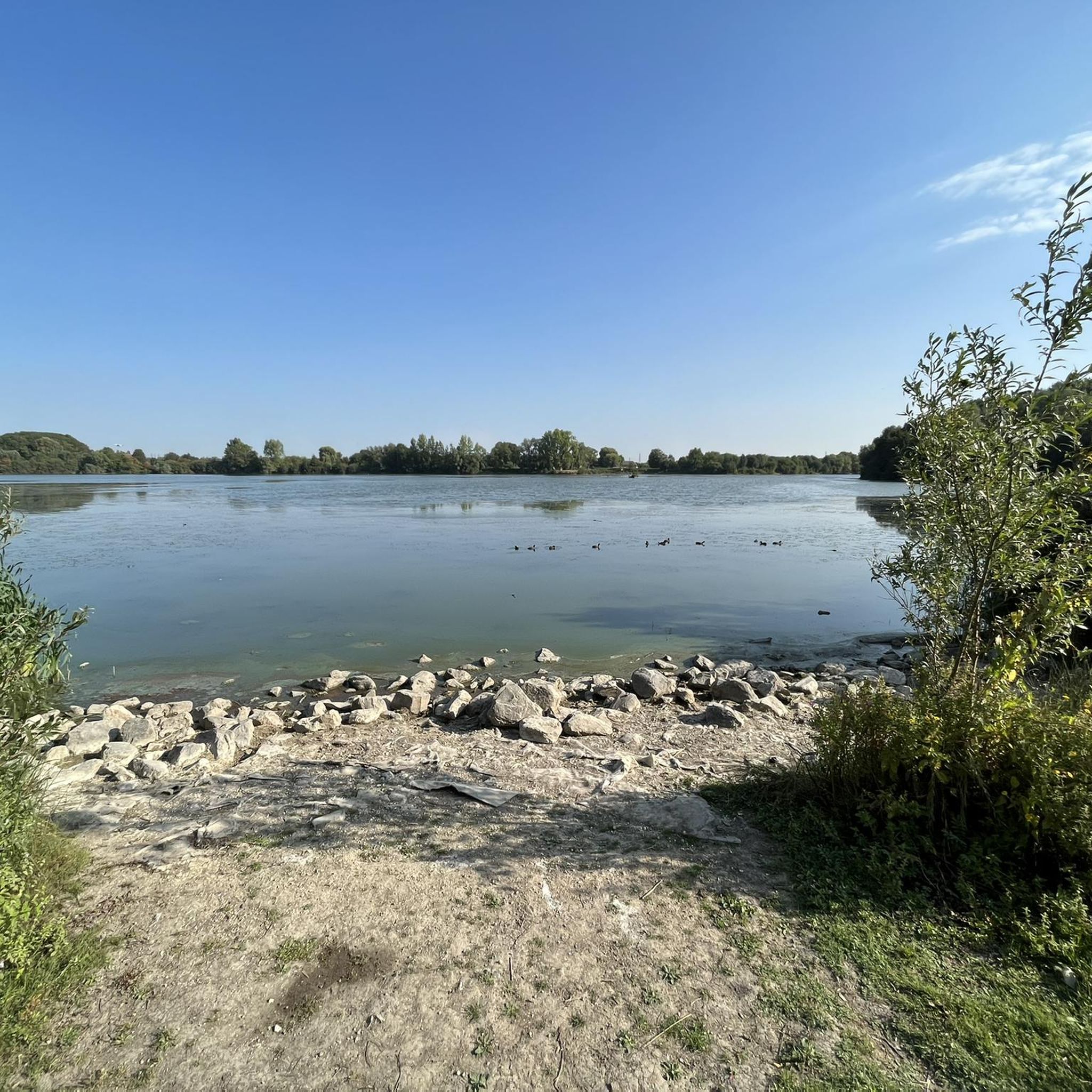
If you are patient, you might see the Countess...
0
1


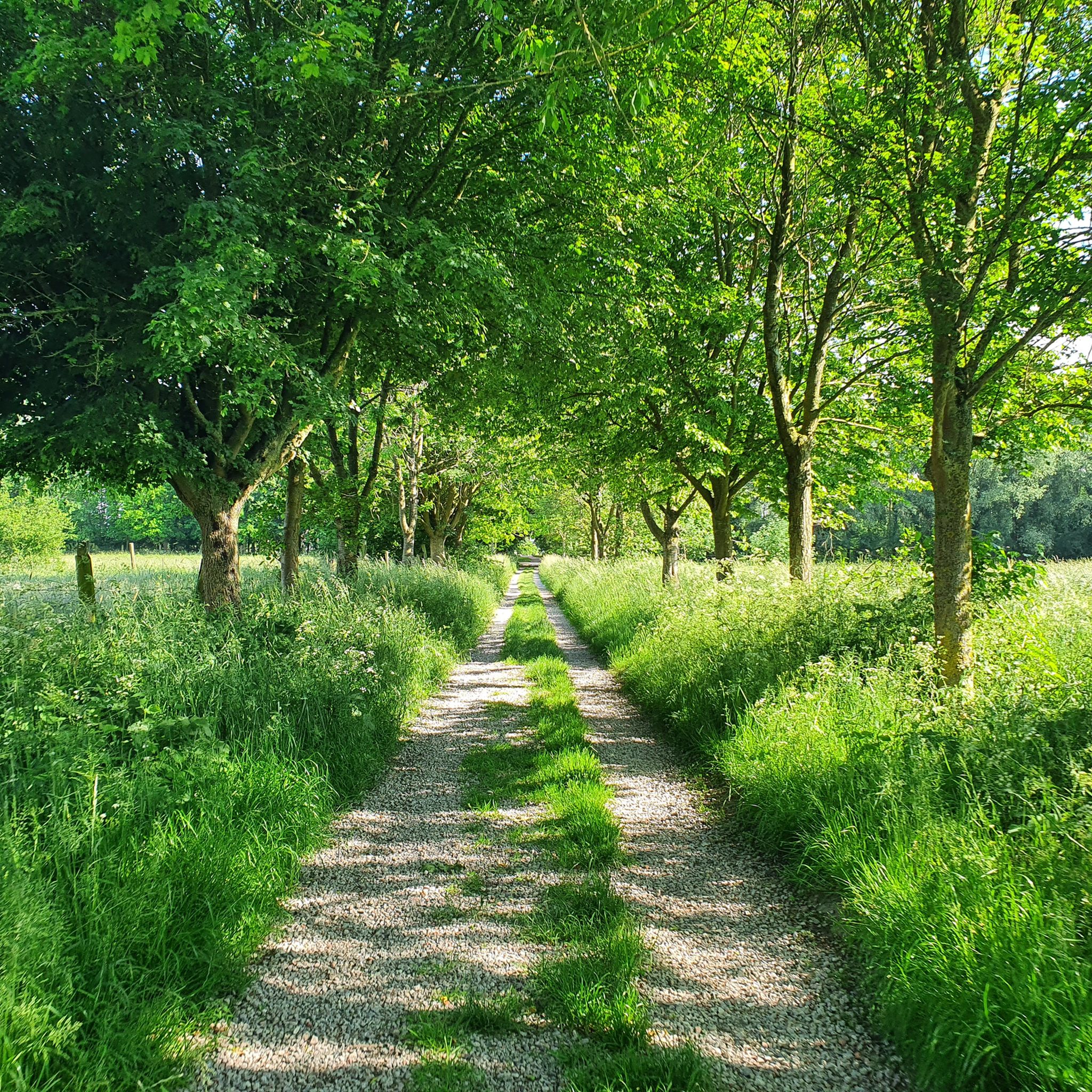
The Citadel of Lille was built between 1667 and 1670 on the orders of Louis XIV when he conquered the city. It is Vauban's first major fortified work. The large wood surrounding the citadel is surrounded by the Deûle and its canals. You will find superb single tracks there, with small bumps and passages over roots.
2
0

This historical monument, under the control of the Ministry of Defense, is the Citadel of Lille and the Museum of the Sedentary Artillerymen. It is called the Queen of Citadels, built by Vauban in 1670. The building is in the shape of a regular pentagon, reinforced by powerful bastions, within which the buildings are arranged in a star shape to form a large central courtyard. Around it and open to the public at all times is a beautiful park (with a zoo and a playground), but if you stay on the path, you walk along this star.
6
0

Always nice to be able to get out of the city center so easily!
0
1
Frequently Asked Questions
Where can I find historical castles near Lesquin?
Lesquin itself does not host prominent historical castles open to the public. However, the broader Nord-Pas-de-Calais region, particularly near Lille, offers several notable châteaux. These include the Citadel of Lille, Château de La Fontaine, and Robersart Castle.
Are there any family-friendly castles to visit near Lesquin?
Yes, several castles in the region are suitable for families. The Citadel of Lille is a historical site surrounded by a large park with a zoo and a playground, perfect for walking and cycling. Château de La Fontaine also features a 40-hectare park that families can explore.
What kind of history do the castles near Lesquin represent?
The castles in the region showcase a range of historical periods. For example, the Citadel of Lille is a 17th-century fortress built by Vauban for Louis XIV. The Kasteel van Flers, originally from 1661, has a history spanning from noble residence to farm, and now a municipal building and museum. Château de La Fontaine, while a 19th-century residence, has roots dating back to the Middle Ages.
Can I explore the grounds or parks around these castles?
Absolutely. The Citadel of Lille is surrounded by a large park open to the public, ideal for walking and cycling. Château de La Fontaine boasts an expansive 40-hectare park. The Robersart Castle is also situated near a beautiful church and town hall, offering pleasant surroundings.
What outdoor activities can I do near the castles around Lesquin?
The area around Lesquin offers various outdoor activities. You can find numerous routes for cycling, mountain biking, and road cycling. Many of these routes pass through scenic areas and near historical sites, including the parks surrounding castles like the Citadel of Lille.
Are there any castles near Lesquin that have been repurposed or restored?
Yes, the Kasteel van Flers is a prime example. After being partially destroyed during the French Revolution and then serving as a farm, it was restored to its 17th-century appearance and now functions as a municipal building, housing a tourist office and a museum. Château de La Fontaine, while a 19th-century residence, was rebuilt after the First World War and now houses the Institut Fontaine.
What is the best time of year to visit castles near Lesquin?
While specific opening hours vary by castle, generally, spring and summer offer the most pleasant weather for exploring the outdoor grounds and parks of these historical sites. The region's castles often have expansive gardens that are best enjoyed during these seasons.
Are there guided tours available at any of the castles?
Yes, for instance, you can take part in a guided tour at Château de La Fontaine to learn more about its history and environment. For other sites, it's advisable to check their official websites for current tour availability and booking information.
What should I wear when visiting castles near Lesquin, especially in winter?
For winter visits, it's recommended to dress in warm layers, as many castle explorations involve walking outdoors through grounds and parks. Comfortable, waterproof footwear is also advisable, especially if you plan to explore the surrounding natural areas. During warmer months, comfortable walking shoes are always a good idea.
Are there any castles near Lesquin with unique architectural features?
The Citadel of Lille is notable for its pentagonal shape and powerful bastions, designed by Vauban. Robersart Castle in Wambrechies is also appreciated for its superb architecture. The region offers a variety of styles, from 17th-century fortresses to 19th-century residences.
What makes the castles around Lesquin appreciated by the Komoot community?
The Komoot community appreciates the castles around Lesquin for their historical significance, architectural beauty, and the opportunities they provide for outdoor activities. Visitors frequently share photos and upvotes, highlighting the pleasant walks, cycling paths, and the chance to explore both man-made monuments and natural surroundings like the parks and woods.
Most popular routes around Lesquin
Most popular attractions around Lesquin

Get inspired with the komoot mobile app


Explore more
Looking for the best castles somewhere else? Discover other guides around Lesquin:
