Top 4 Natural Monuments in Durrës
Natural monuments in Durrës offer a range of experiences, from coastal features to inland canyons and springs. The region features diverse landscapes, including Adriatic Sea bays, rocky peninsulas, and national parks with wetlands and forests. These natural areas provide opportunities for exploration and observation of geological formations and ecosystems. Many sites are easily accessible for day trips from the city.
Best natural monuments in Durrës
- The most popular natural monuments is Mountain spring, a natural_monument that trickles out of…
Last updated: October 19, 2026
Viewpoint over Lake Bovilla (balcony)
Highlight • Viewpoint
Showing Translation
Tip by

Mountain spring
Highlight • Natural Monument
Tip by

Sign up now to discover places like this
Get recommendations on the best single tracks, peaks, & plenty of other exciting outdoor places.
Waterfall
Highlight • Waterfall
Showing Translation
Tip by
Sufi Shrine Above Krujë
Highlight • Religious Site
Showing Translation
Tip by
Droja River Canyon
Highlight • Canyon
Showing Translation
Tip by

Queen's Spring
Highlight • Natural Monument
Tip by

Start today with a free account
Your next adventure awaits.
Tips from the Community

At the summit, you are greeted with sweeping, uninterrupted views of the entire reservoir and the sprawling green valleys below. On a clear day, the line of sight extends to the eastern flank of Dajti and, faintly, the foothills approaching Krujë. Mount Gamti itself rises to roughly 1,268 m; the trail tops out at the Balcony of Bovilla viewpoint at about 620 m, some 160 m above the trailhead.
6
0
From the steel balcony atop Mount Gamti, you have a spectacular view over the turquoise Bovilla Lake, the steep karst walls, and the deep canyon below. The platform literally hangs over the abyss, making the panorama extra impressive. The metal staircase forms the last short climb; at the top, an open, airy spot awaits with a clear view of the entire reservoir. Access is free, and the balcony is the iconic endpoint of the short hike from the Bovilla restaurant.
6
0
Deep in the gorge, a narrow, clear stream of water appears, sliding down the rock face. In spring, the Zezë fills the entire streambed and you can hear the water echoing between the high walls; in summer, a fine, cool cascade remains, giving the canyon path a moment of respite. The rocks are slightly worn, with moss and small plants clinging to the crevices. This point forms the natural middle section of the canyon: a short resting spot where the landscape breathes for a moment before the path continues towards the open stone zone.
7
0
This is the absolute highlight of the climb! Hidden in a natural cave on the mountainside lies the Teqe of Sari Salltik, a deeply spiritual sanctuary of the Bektashi Order. This Sufi complex honours the 13th-century mystic Sari Salltik, who, according to legend, protected the region from evil. Via a steep stone staircase, you descend into the atmospheric cave church where a bronze statue of the saint stands. You will also find a natural spring whose water pilgrims believe has healing properties. Once back outside, you will be rewarded with an incredible 'balcony view': in clear weather, you can see the entire coastal plain, from Tirana far across the Adriatic Sea! Practical: At the top of the mountain (near the sanctuary) there is a café/restaurant for a well-deserved cold drink or an Albanian coffee after the strenuous hike. (It was closed when we were there).
5
0

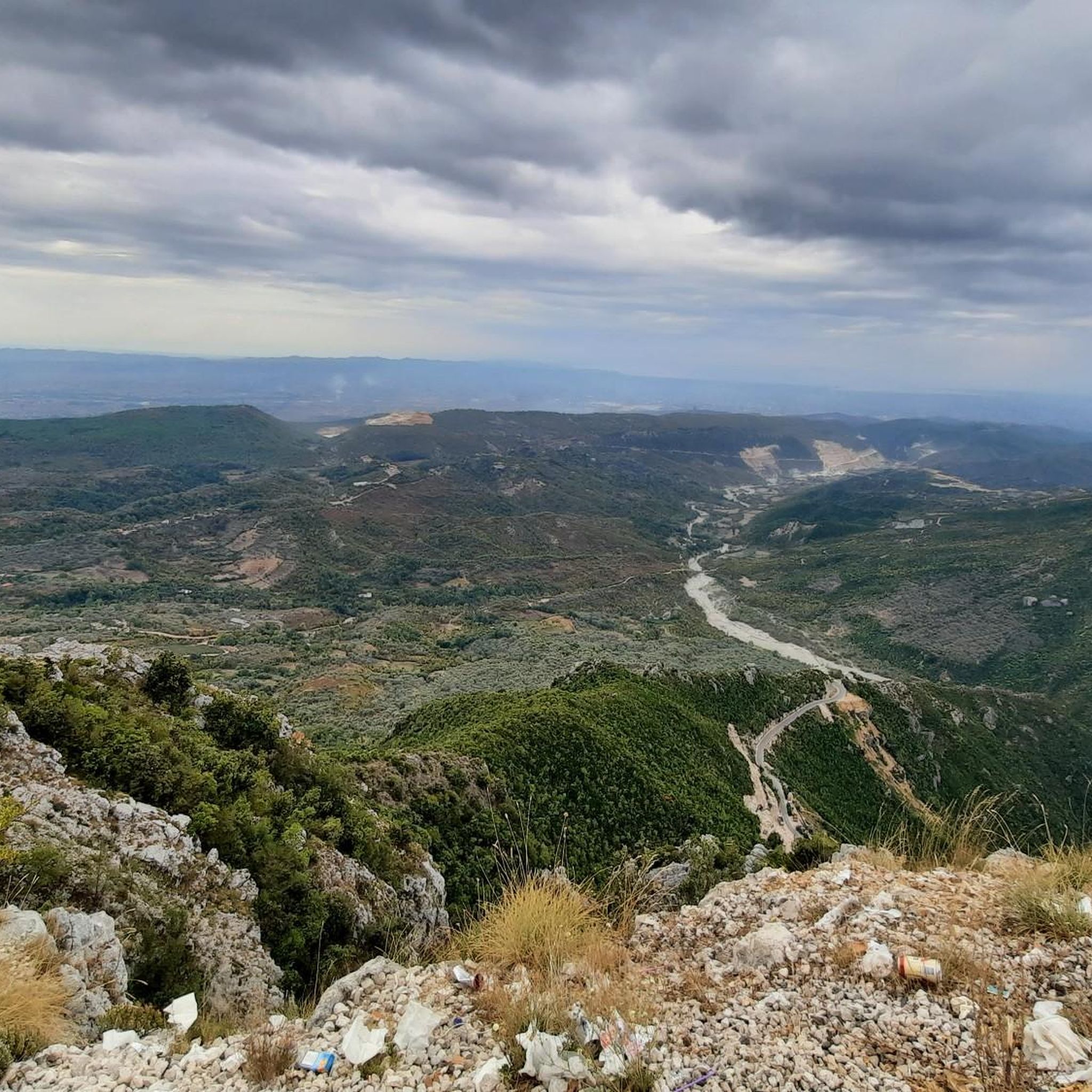
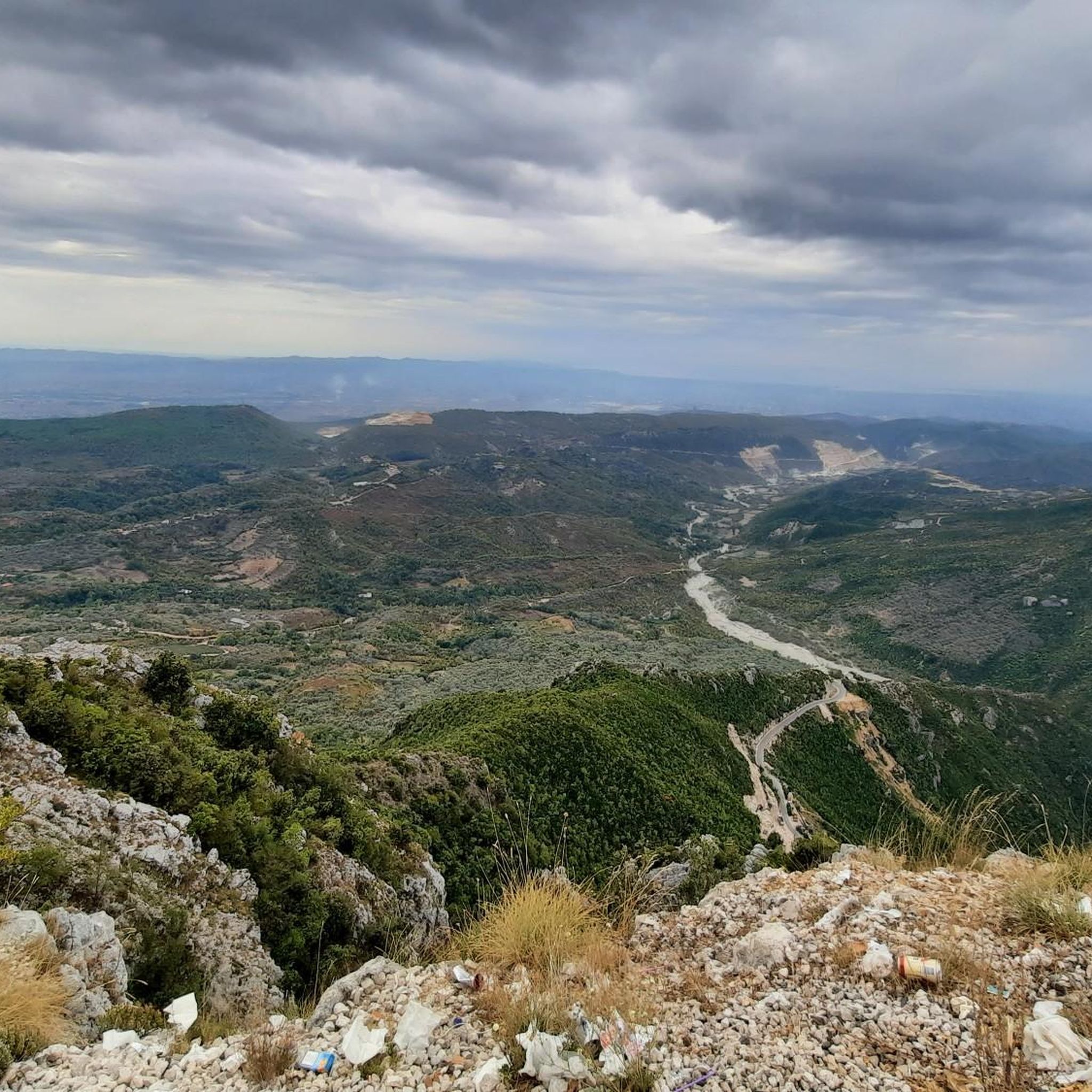
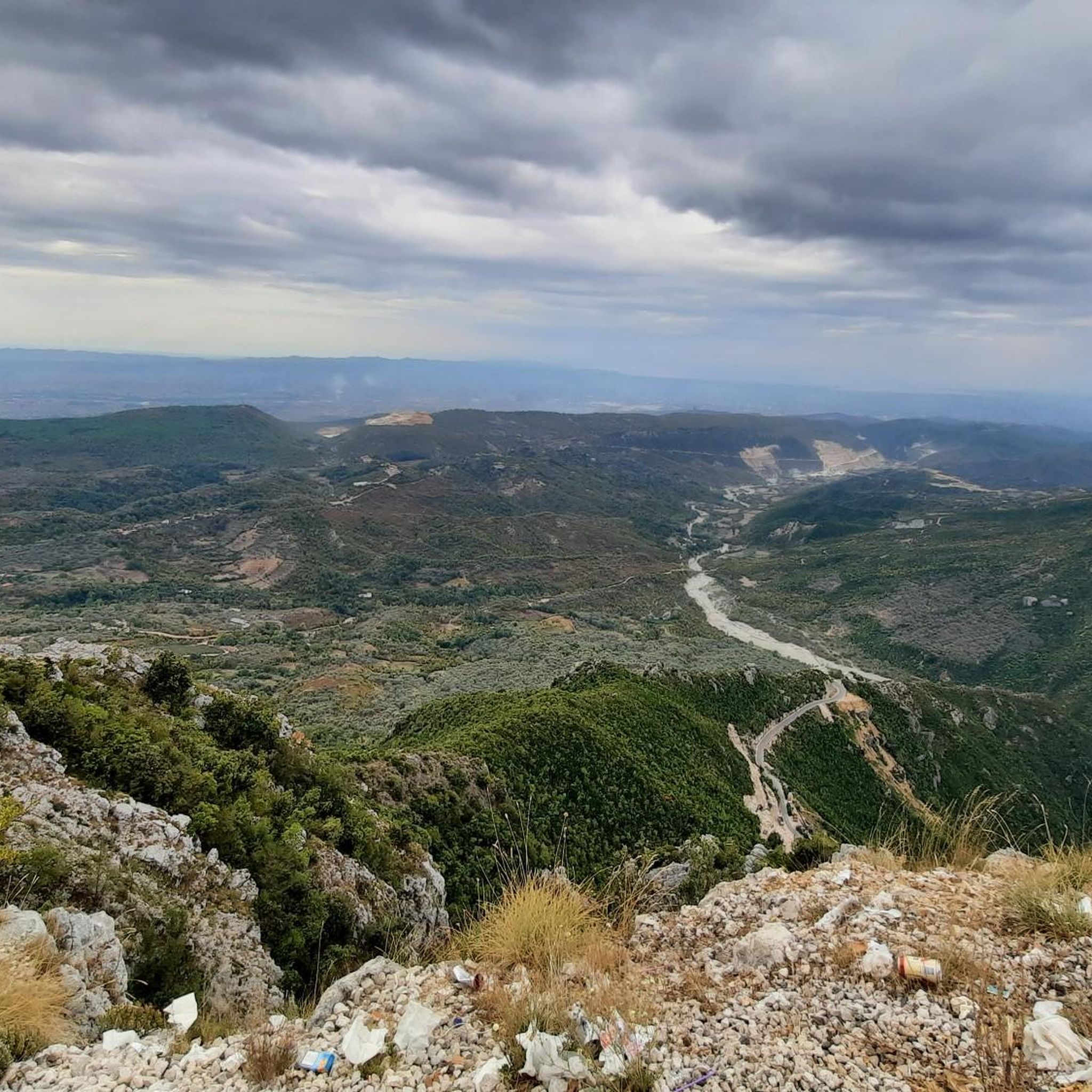
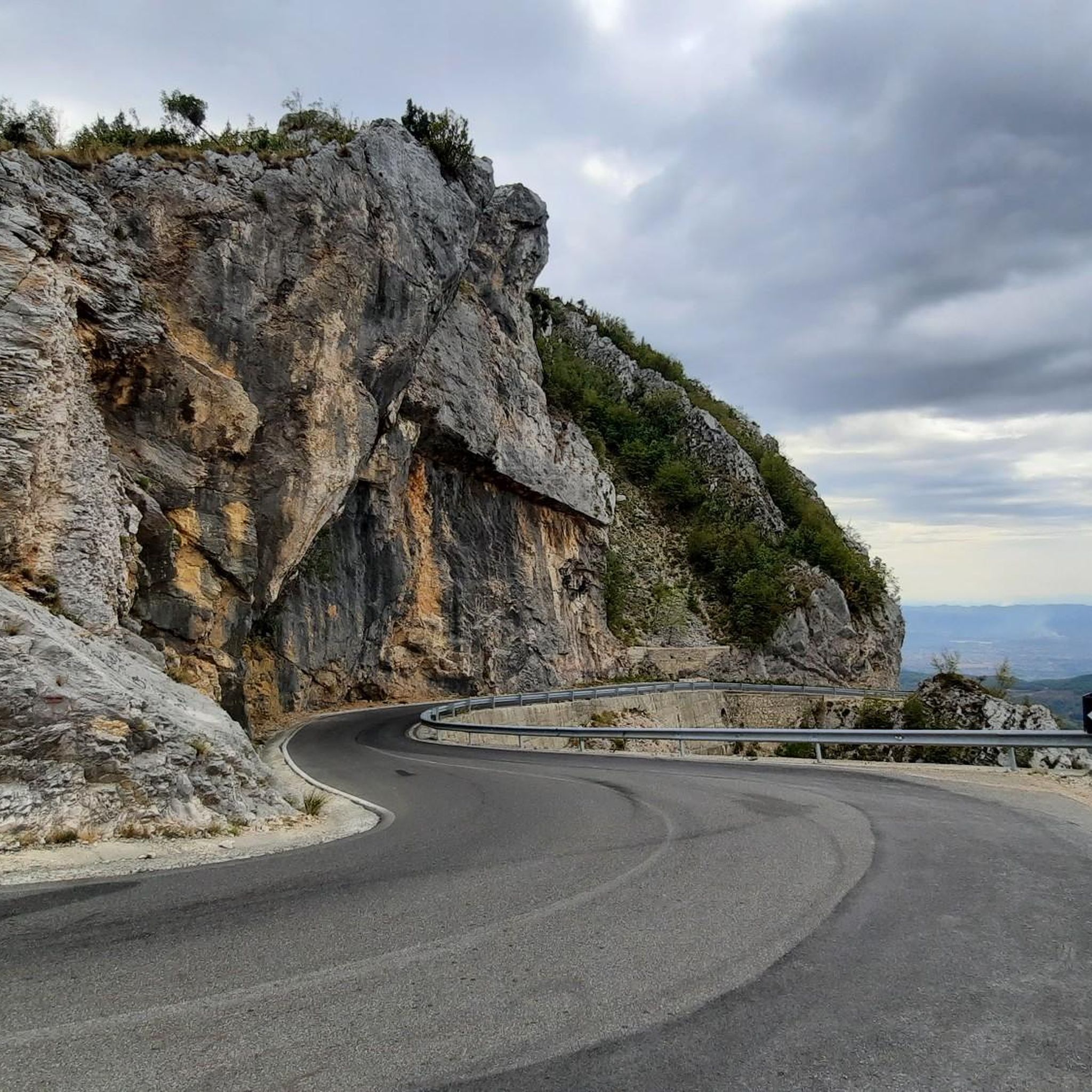
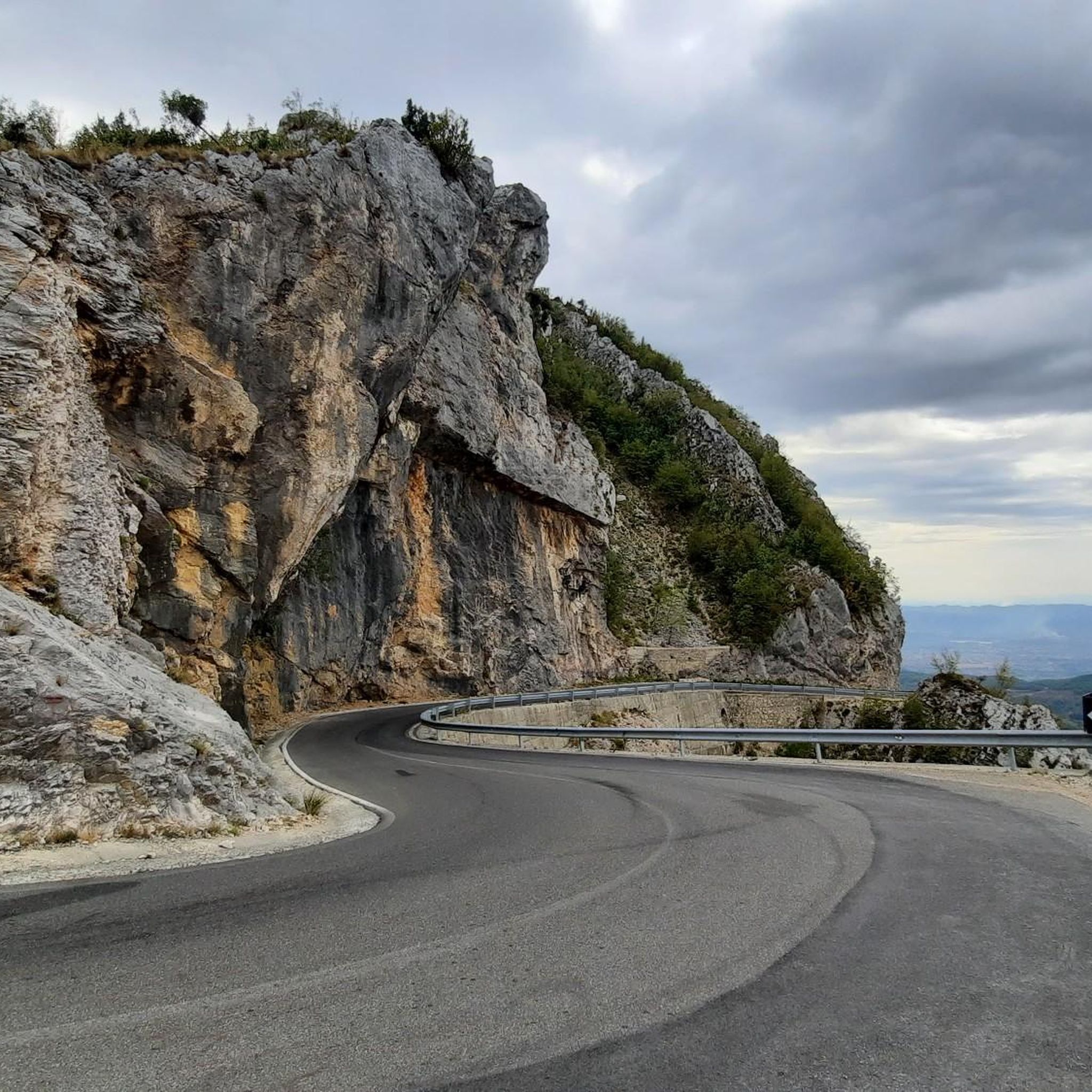
Stopping by bike at these places is a great viewpoint with a panorama of the deep, green Droja river valley. The route from Krujë towards Qafë Shtamë National Park offers spectacular mountain landscapes, although it requires attention due to the switchbacks and the terrain's incline.
0
0
Deep within the canyon lies an underground cave system approximately 3 km long, which has not yet been fully explored. The canyon also hides an old stone bridge carved into the rock, which is one of the most interesting points for exploring this place. Additionally, traces of old steps or paths are visible on the cliff walls.
0
0
A 1.5 km long canyon section has been officially declared a natural monument. The surrounding environment remains largely untouched by human activity and preserved in excellent condition. The area is characterized by typical Mediterranean vegetation, where evergreen scrub, poppies, lavenders, wild olives, heathers and other species predominate. The Droja River forms numerous waterfalls, cascades and natural pools here.
0
0
The canyon is located about 4 km north of the historic town of Kruja (Krujë), right next to the national road leading towards the Qafë Shtamë pass. It lies in a picturesque setting between Mount Kruja and Mount Brreti. The route in these areas is famous for its beautiful, but also demanding, cycling climbs and descents.
0
0
Frequently Asked Questions
What are some of the most notable natural features and viewpoints to explore in the Durrës region?
The Durrës region offers a variety of striking natural features. You can visit the dramatic Droja River Canyon, known for its waterfalls, cascades, and an underground cave system. For breathtaking panoramic views, especially at sunset, Sufi Shrine Above Krujë offers a unique perspective over the coastal plain and Adriatic Sea from its natural cave setting. Additionally, the Shkëmbi i Kavajës rock formation provides picturesque landscapes and historical significance.
Are there any family-friendly natural monuments or attractions in Durrës?
Yes, the Durrës region has options suitable for families. The Queen's Spring, located in Qafë-Shtamë National Park, is a natural water source with historical ties to the Albanian royal family, offering a pleasant and accessible natural spot. Lalzi Bay, with its extensive sandy beaches and serene atmosphere, is also ideal for families seeking a calm coastal experience.
What kind of outdoor activities can I do near the natural monuments in Durrës?
The natural monuments in Durrës are surrounded by opportunities for various outdoor activities. You can enjoy hiking, cycling, and exploring. For instance, the area around the Droja River Canyon is known for its beautiful, yet demanding, cycling climbs and descents. You can find more detailed routes and guides for activities like easy hikes, road cycling, and family-friendly hikes in the Durrës region.
Where can I find unique geological formations in the Durrës area?
The Durrës region boasts several unique geological formations. The Droja River Canyon features numerous waterfalls, cascades, and natural pools carved by the river, along with an extensive underground cave system. The Shkëmbi i Kavajës is another prominent rock formation, shaped by atmospheric forces over millennia, offering dramatic views.
What is the best time of year to visit the natural monuments in Durrës?
The best time to visit the natural monuments in Durrës largely depends on your preferred activities. Spring and autumn offer pleasant temperatures for hiking and exploring sites like the Droja River Canyon and Cape of Rodon. Summer is ideal for coastal attractions such as Lalzi Bay and Cape of Rodon's secluded beaches, though it can be quite warm. For birdwatching at Divjaka-Karavasta National Park, spring and autumn migration periods are particularly rewarding.
Are there any natural monuments in the Durrës region that are good for birdwatching?
Absolutely. The Divjaka-Karavasta National Park, located south of Durrës, is an internationally recognized important bird and plant area. It's home to 5% of the world's population of the endangered Dalmatian pelican, making its Karavasta Lagoon a prime destination for birdwatching and ecotourism.
What historical or cultural sites are integrated with the natural landscape around Durrës?
The Durrës region beautifully blends natural beauty with historical significance. The Sufi Shrine Above Krujë is a spiritual sanctuary nestled in a natural cave on a mountainside, offering both a cultural experience and stunning views. The Cape of Rodon also features historical elements like the 15th-century Rodoni Castle and the Church of St. Anthony amidst its rugged cliffs and untouched nature.
Can I find natural springs or waterfalls in the Durrës area?
Yes, the region is home to several natural water features. You can discover a charming Mountain spring trickling out of the rock, and a serene Waterfall deep within a gorge, which forms a cool cascade in summer. The Queen's Spring is another notable natural water source.
What do visitors enjoy most about the natural monuments in Durrës?
Visitors frequently appreciate the tranquility and natural beauty. For instance, the Mountain spring is noted for its peaceful setting and the presence of tadpoles and bees. The Waterfall offers a fine, cool cascade providing respite in the canyon. The Sufi Shrine Above Krujë is highlighted for its spiritual atmosphere and incredible 'balcony view' over the coastal plain.
Are there any coastal natural monuments near Durrës that offer both beaches and hiking?
The Cape of Rodon is an excellent choice for those seeking a combination of coastal beauty and hiking opportunities. This 10 km long rocky peninsula features rugged cliffs, virgin sandy beaches, small bays, and Mediterranean vegetation. It's perfect for hiking through evergreen forests with superb views and exploring secluded coves, offering a blend of natural exploration and relaxation by the sea.
Is there a significant lake or reservoir natural monument accessible from Durrës?
While a bit further inland, Bovilla Lake is a notable natural attraction accessible from the Durrës region. It's renowned for its striking turquoise waters, surrounded by dramatic cliffs and lush hills. Visitors can enjoy light-to-moderate hikes to viewpoints like Gamti Mountain for spectacular panoramic views of the lake and its serene natural environment.
Most popular attractions in Durrës

Get inspired with the komoot mobile app


Explore more
Extend your search for the best caves by checking out these guides of the top ones in Durrës:
