Top 3 Natural Monuments around Doubs
Best natural monuments around Doubs are found in a region characterized by diverse natural landscapes, including lush valleys, dramatic gorges, and significant geological formations. The Doubs department, nestled within the Franche-Comté region and bordering Switzerland, offers a range of natural features. Its terrain includes high peaks, extensive lakes, and unique wetlands. These sites provide opportunities for exploring the region's natural heritage.
Best natural monuments around Doubs
- The most popular natural monuments is Source de la Loue, a cave and…
Last updated: October 13, 2026
Source de la Loue
Highlight • Cave
Translated by Google •
Tip by

Renédale Viewpoint
Highlight • Natural Monument
And as a bonus, from this side you have a …
Translated by Google •
Tip by
Sign up now to discover places like this
Get recommendations on the best single tracks, peaks, & plenty of other exciting outdoor places.
Scenic Upper Valley of the Doubs Horloger Regional Natural Park
Highlight (Segment) • Viewpoint
Translated by Google •
Tip by

Le Bonnet
Highlight • Viewpoint
View of the Loue: Le Bonnet offers a breathtaking view of the Loue …
Translated by Google •
Tip by

Start today with a free account
Your next adventure awaits.

Tips from the Community

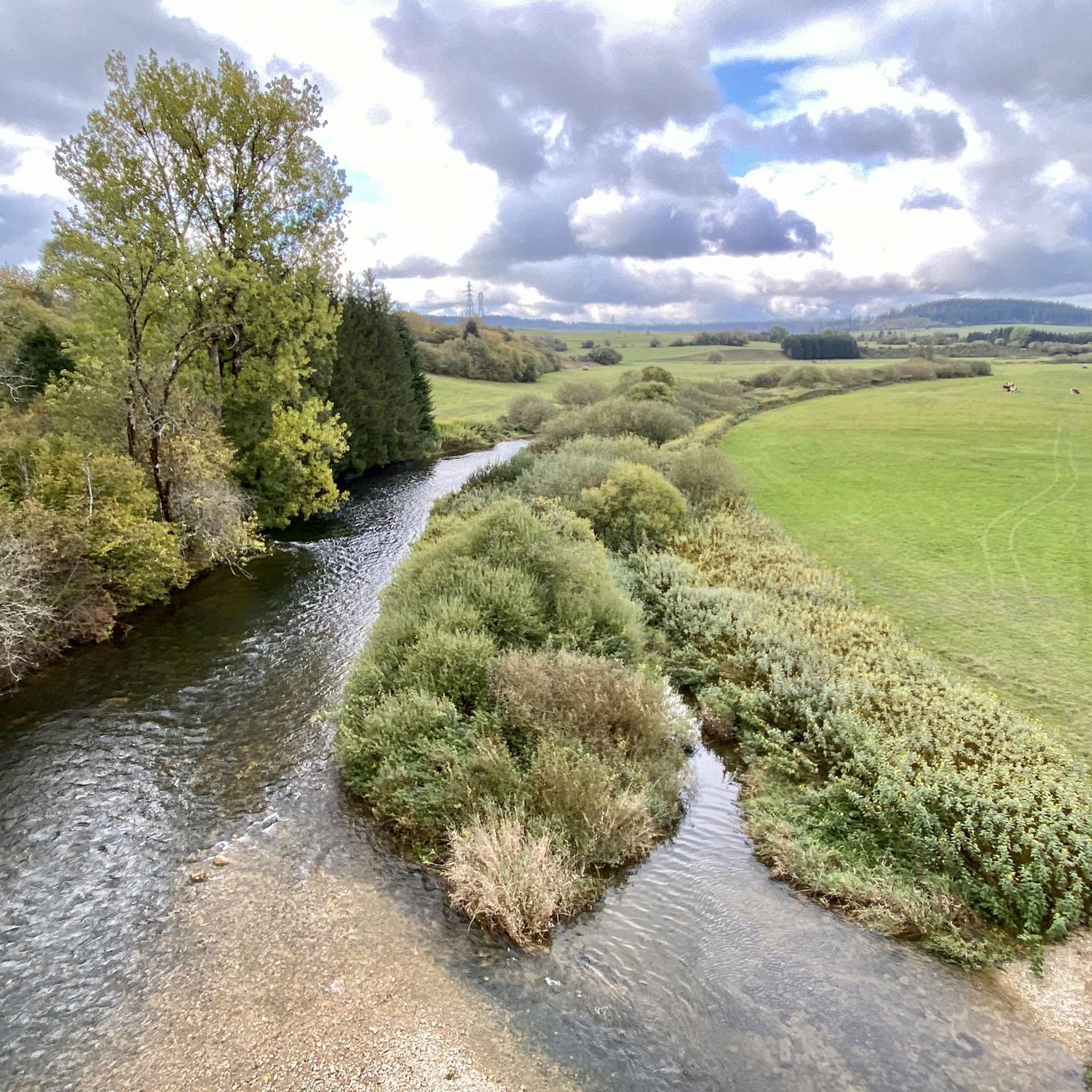
The source of the Loue River is announced by the rushing water even before you see it. It's impressive and magical to stand beneath the 150-meter-high cliffs and watch the river rush out of its cave.
5
1

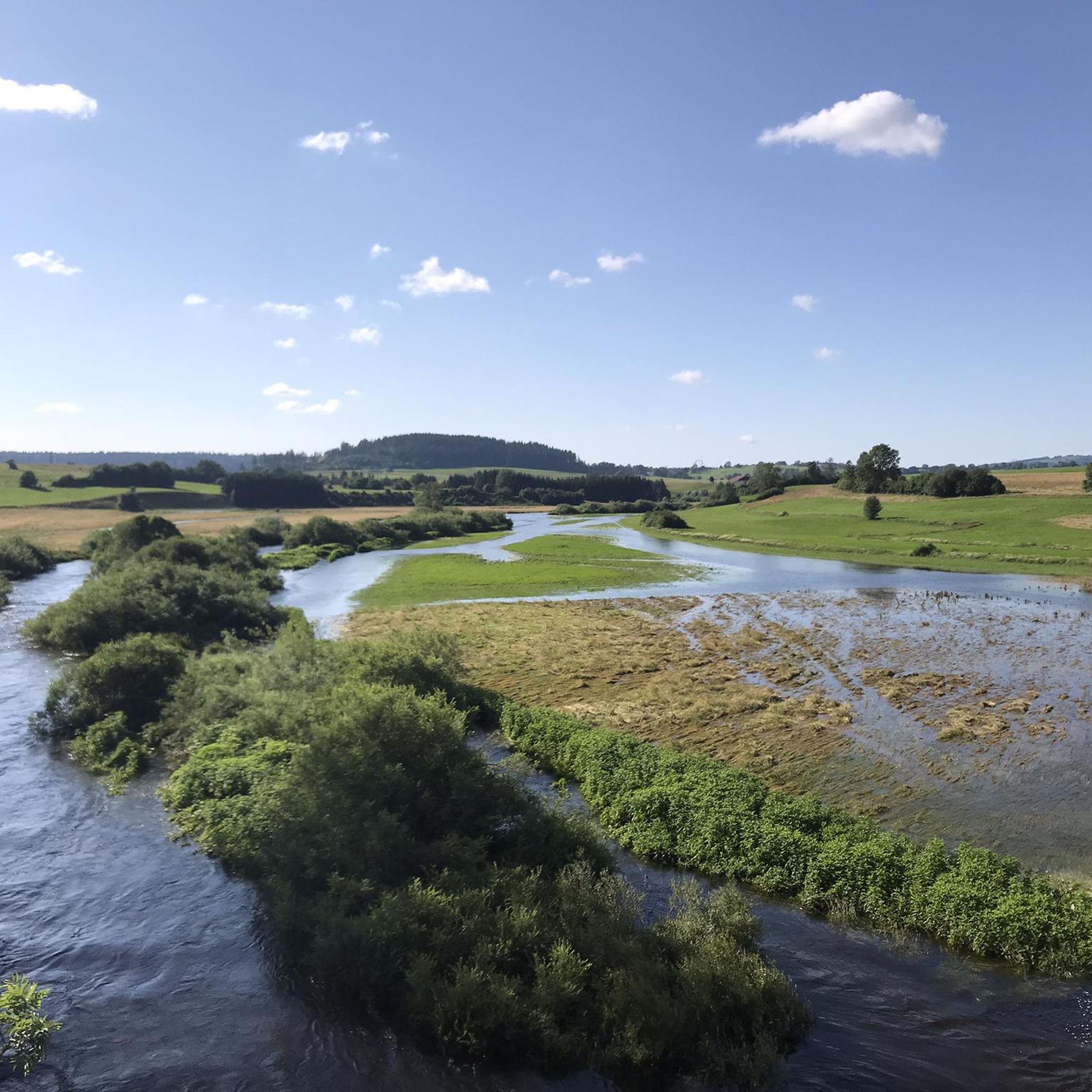
Le Bonnet is a magnificent panoramic viewpoint in the Gorges de Noailles, located in the Jura region. View of the Loue: Le Bonnet offers a breathtaking view of the Loue River. The reflections of the sun on the turquoise and emerald water are a real spectacle. After rain, the path can be slippery, so be careful and enjoy the beautiful landscape.
8
0

One of the largest springs in the entire Jura region. Very impressive after long periods of rain.
3
0

This is truly a magical place! A whole river that comes straight out of the rock. There is a huge parking lot just a few hundred meters away, which takes some of the magic out of the place. So I would recommend visiting this place out of season. And instead of starting from the parking lot, take a long walk along the surrounding hiking trails, which are definitely worth it.
5
1

From the top of this belvedere, you will have a breathtaking view of the Cirque de la Source de la Loue.
2
0
When you finally reach the source, you are greeted by a 150 meter high rock face - a magnificent cirque. Below, you will see the source of the Loue.
2
0

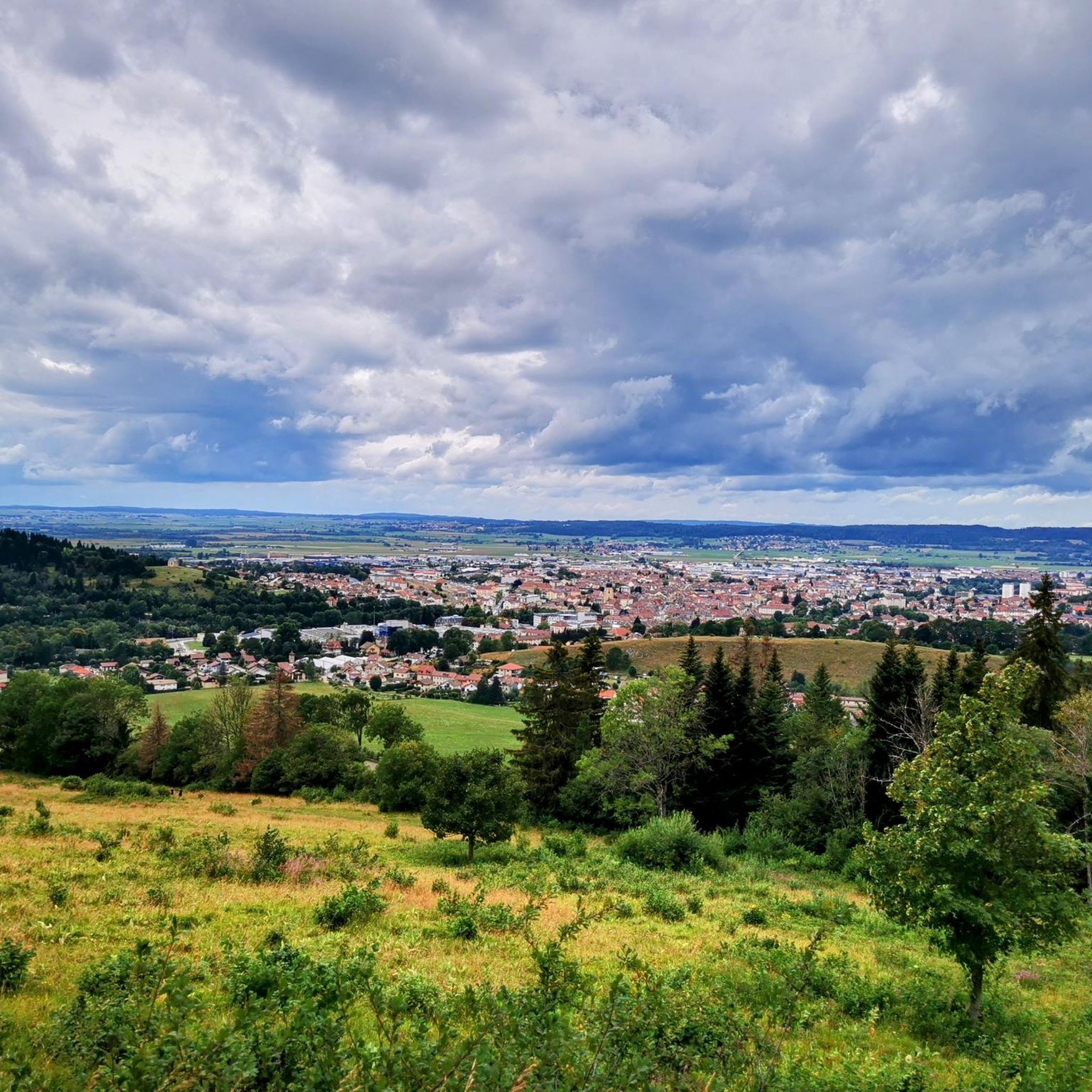
View of the Gorges de Nouailles from the Renédale belvedere. What beautiful nature!
0
0

On a hike, you have to go to the source of the Loue by climbing the Nouailles gorges. It's a wonderful hike but you have to be well-shod and to be avoided in wet weather.
5
0
Frequently Asked Questions
What are some of the most popular natural monuments to visit in Doubs?
The Doubs region offers several highly appreciated natural monuments. Among them, the Source de la Loue, a spectacular cave and waterfall, is a favorite. Another popular spot is the Renédale Viewpoint, offering breathtaking views of the Cirque de la Source de la Loue. Visitors also enjoy Route du Lac de Saint-Point, known for its vibrant blue water and significant size.
Are there family-friendly natural sites around Doubs?
Yes, the Doubs region has several natural sites suitable for families. Route du Lac de Saint-Point is particularly family-friendly, offering opportunities for relaxation, bathing, and various water activities. A 20-kilometer walking path around the lake is also suitable for all levels. The Frasne Peat Bogs also offer an explanatory walk on a wooden pontoon, which can be an engaging educational experience for families.
What kind of natural features can I expect to see in the Doubs region?
The Doubs region is rich in diverse natural features. You can explore dramatic waterfalls and canyons like the Saut du Doubs, high peaks such as Mont d'Or with panoramic views, and extensive lakes like Saint-Point Lake. The area also features unique wetlands like the Frasne Peat Bogs, impressive river sources emerging from caves such as the Source de la Loue, and numerous gorges and viewpoints like Renédale Viewpoint and Le Bonnet.
What outdoor activities can I do near the natural monuments in Doubs?
The Doubs region is perfect for outdoor enthusiasts. You can enjoy hiking, cycling, and mountain biking. For hiking, there are numerous trails, including a 20-kilometer path around Saint-Point Lake. The Cirque de Consolation offers climbing routes, a zip line, and a via ferrata. You can find detailed hiking routes in the area by visiting the Hiking around Doubs guide. For cycling, check out the Cycling around Doubs guide, and for mountain biking, refer to the MTB Trails around Doubs guide.
Are there any natural monuments with significant historical or cultural connections?
Yes, the Source de la Loue has a notable cultural connection. The renowned French painter Gustave Courbet, who hailed from nearby Ornans, drew significant inspiration from this region, particularly the source of the Loue. Following the path to the source allows visitors to literally 'follow in the footsteps' of this famous artist.
What is the best time to visit the natural monuments in Doubs?
The Doubs region offers beauty year-round. The Saut du Doubs and its canyons present a grandiose natural spectacle throughout the year. During summer, Mont d'Or is accessible by road or chairlift for hikers and mountain bikers. Saint-Point Lake is ideal for water activities in warmer months, and it freezes over in winter, offering a different kind of scenic beauty. The Frasne Peat Bogs are best explored when the weather allows for comfortable walks on the pontoon.
Where can I find panoramic views in the Doubs region?
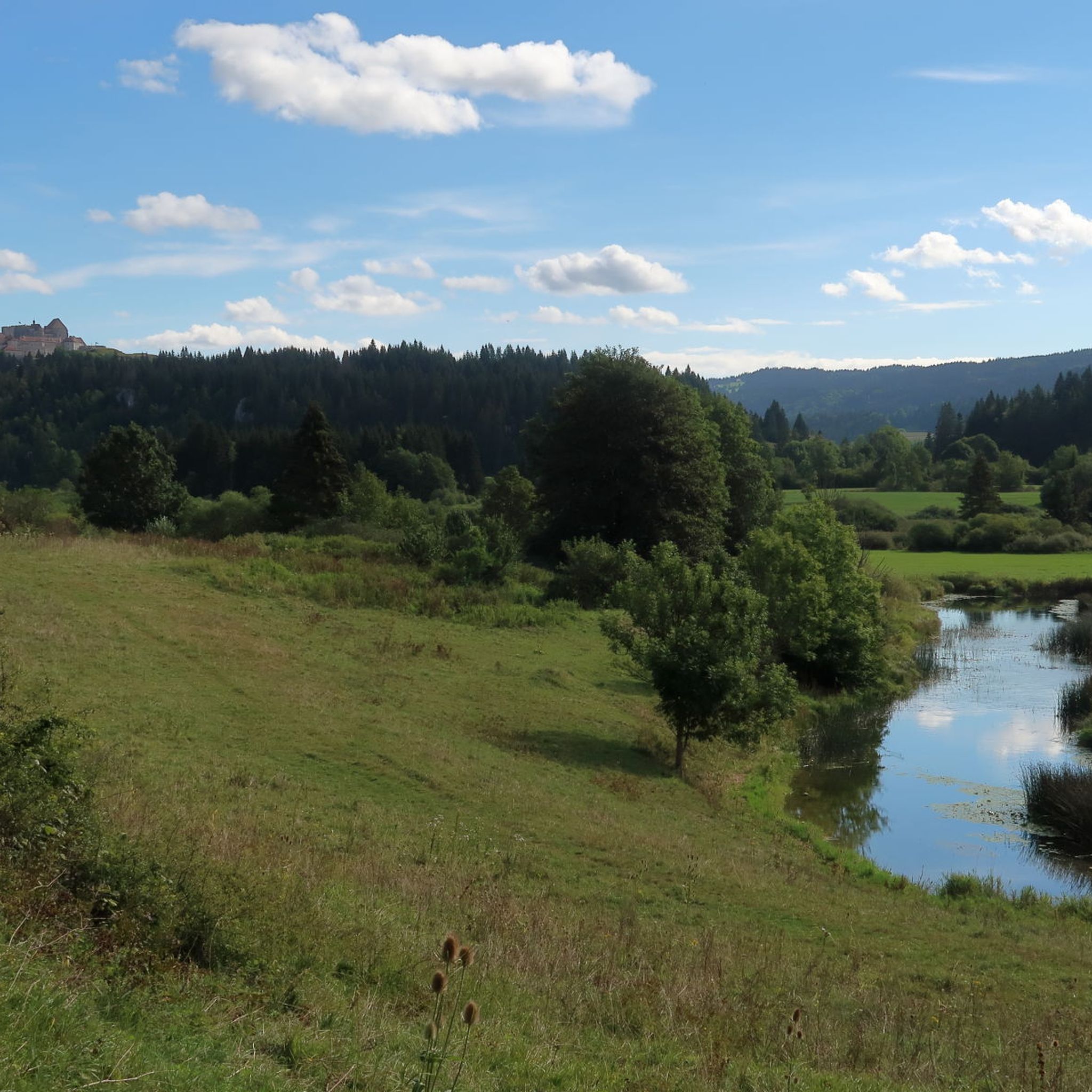
For breathtaking panoramic views, Mont d'Or is an excellent choice, offering vast landscapes and views over the Alps and Lake Geneva. The Renédale Viewpoint provides a stunning perspective of the Cirque de la Source de la Loue. Additionally, Scenic Upper Valley of the Doubs Horloger Regional Natural Park offers great views, even towards Switzerland, and Le Bonnet provides a magnificent panoramic view of the Loue River in the Gorges de Noailles.
Can I go swimming or do water activities at any of the natural monuments?
Yes, Saint-Point Lake is an excellent spot for water activities. Its shores offer opportunities for relaxation, bathing in designated areas like Malbuisson and Les Grangettes, and various water-based activities such as boat hire and guided tours. The lake's brilliant blue water makes it a very inviting location.
What makes the Frasne Peat Bogs unique?
The Frasne Peat Bogs are unique because they are part of a Regional Nature Reserve and offer an environment reminiscent of the 'Canadian North.' An explanatory walk on a wooden pontoon allows visitors to learn about the specific flora and fauna of this preserved wetland, its ecological importance, and the historical human uses of peat, providing a distinct natural experience.
Are there any dramatic geological formations or caves to explore?
The Doubs region is known for its dramatic geological formations, including numerous caves and steep ravines. The Source de la Loue itself emerges from a cave, tumbling down rocks. The region also features the Sarrazine Cave, described as a 'wild cathedral' carved into limestone, with an impressive height and width visible from afar. The Cirque de Consolation is another area characterized by dramatic natural amphitheaters and geological formations.
What do visitors enjoy most about the natural monuments in Doubs?
Visitors particularly enjoy the breathtaking views and the sense of immersion in nature. Many appreciate the dramatic landscapes, such as the 150-meter high rock wall at the Source de la Loue and the dizzying perspectives from the Renédale Viewpoint. The vibrant blue water of Route du Lac de Saint-Point and the quiet, scenic landscapes of the Jura high valleys also receive high praise.
Most popular attractions around Doubs

Get inspired with the komoot mobile app


Explore more
Extend your search for the best caves by checking out these guides of the top ones around Doubs:
