Top 3 Natural Monuments around Sankt Paul im Lavanttal
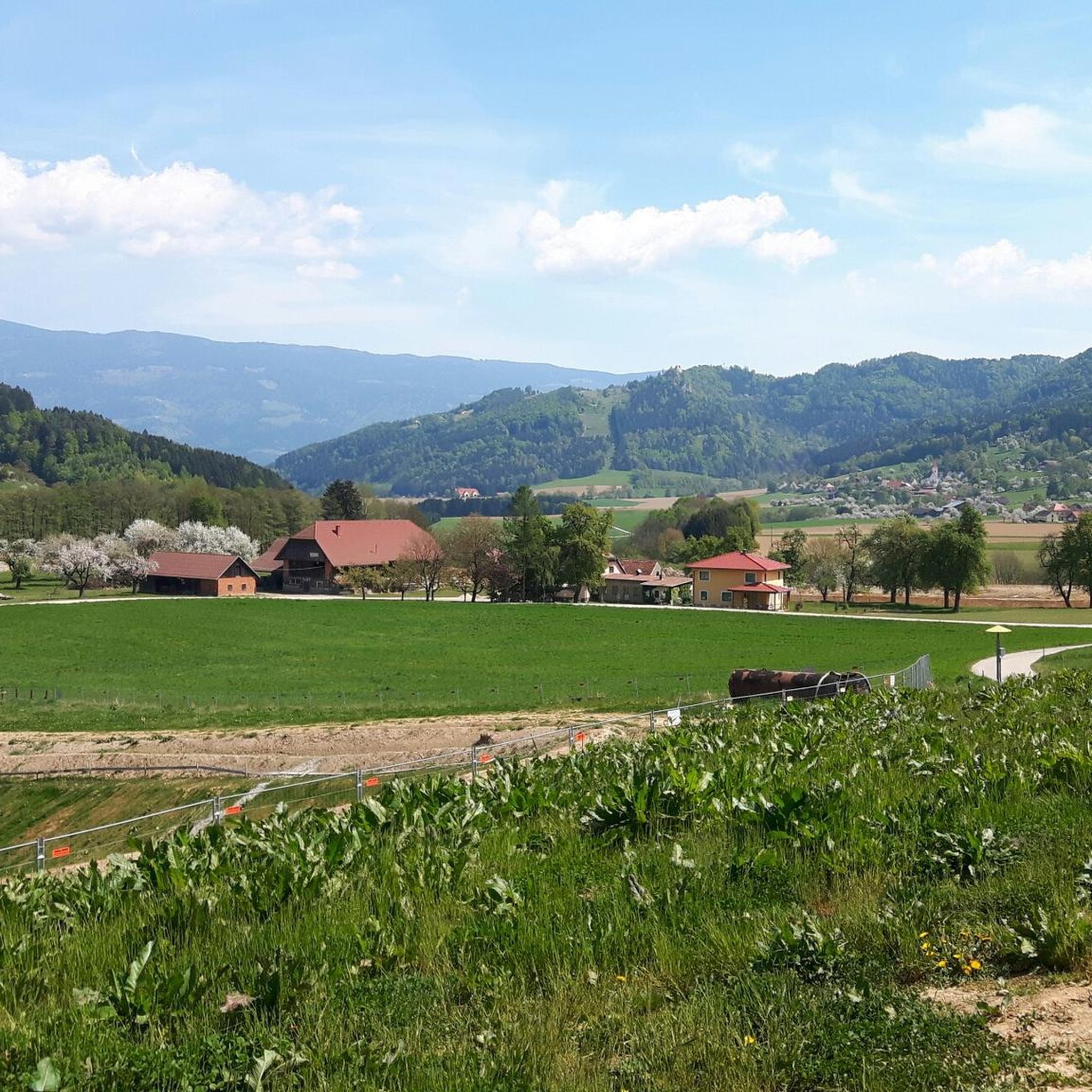
Best natural monuments around Sankt Paul im Lavanttal are found within the picturesque Lavanttal region of Carinthia, Austria, known for its scenic natural beauty. The area features diverse landscapes including the Lavant River, gentle peaks, forests, and meadows. This setting provides various opportunities for nature enthusiasts to explore its natural features and charming environment.
Best natural monuments around Sankt Paul im Lavanttal
- The most popular natural monuments is Soboth Reservoir, a lake that offers opportunities for swimming, hiking, and…
Last updated: July 2, 2026
Soboth Reservoir
Highlight • Lake
Translated by Google •
Tip by

Strojna
Highlight • Settlement
Showing Translation
Tip by

Sign up now to discover places like this
Get recommendations on the best single tracks, peaks, & plenty of other exciting outdoor places.
Sign up for free
Kasparstein
Highlight • Viewpoint
Translated by Google •
Tip by

Statue and waterfall in Karawanken-Karavanke Geopark
Highlight • Waterfall
Translated by Google •
Tip by

Lavamünd fish pass
Highlight • Structure
Cross-river structures such as the Lavamünd hydroelectric power plant represent impassable obstacles for fish and other organisms. This prevents fish from reaching their spawning habitats, …
Translated by Google •
Tip by

Sign up for free to discover even more natural monuments around Sankt Paul im Lavanttal.
Sign up for free
Already have an account?
Start today with a free account
Your next adventure awaits.
Login or Signup
Popular around Sankt Paul im Lavanttal
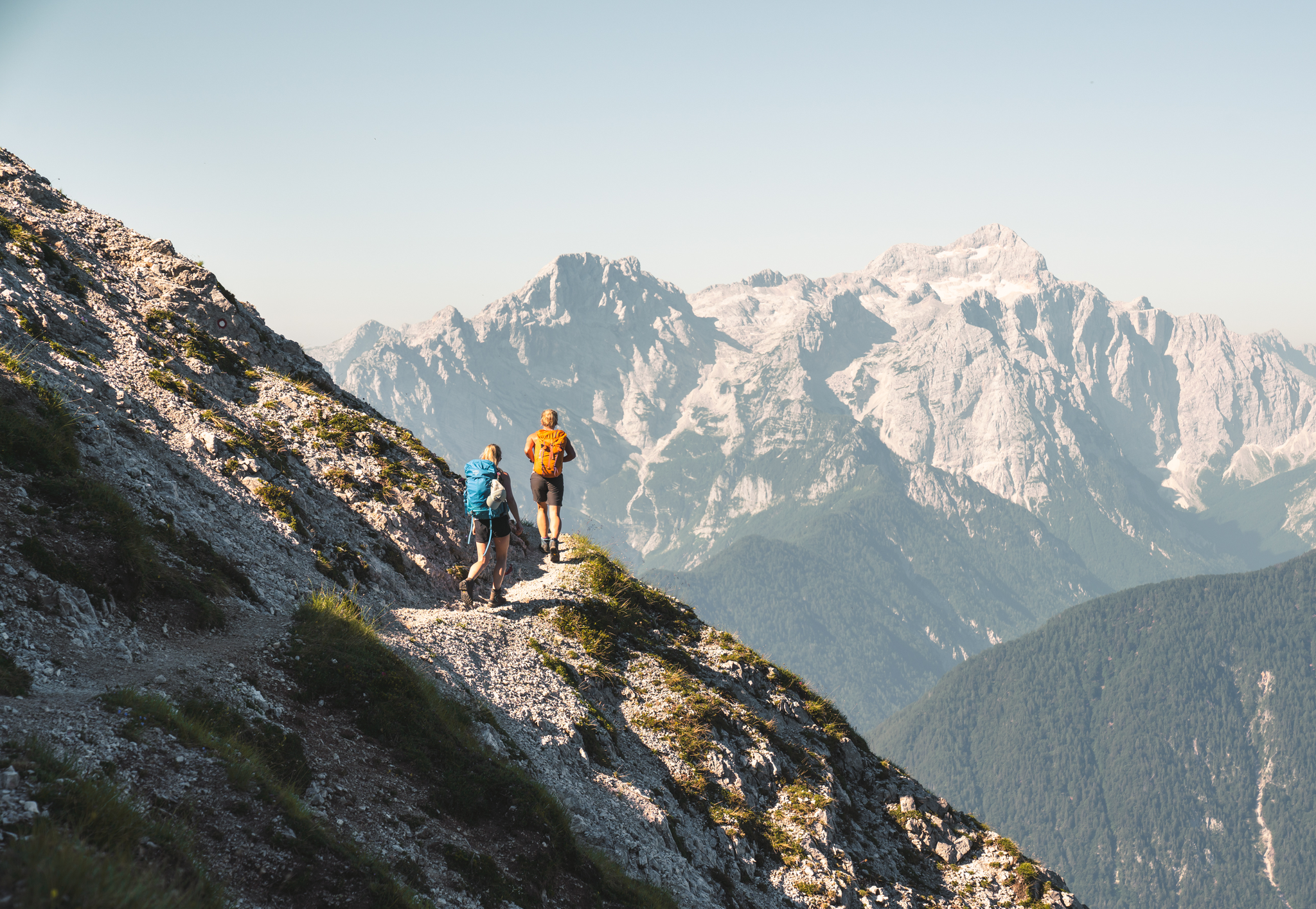
Sunny adventures on the Southern Alps Panorama Trail
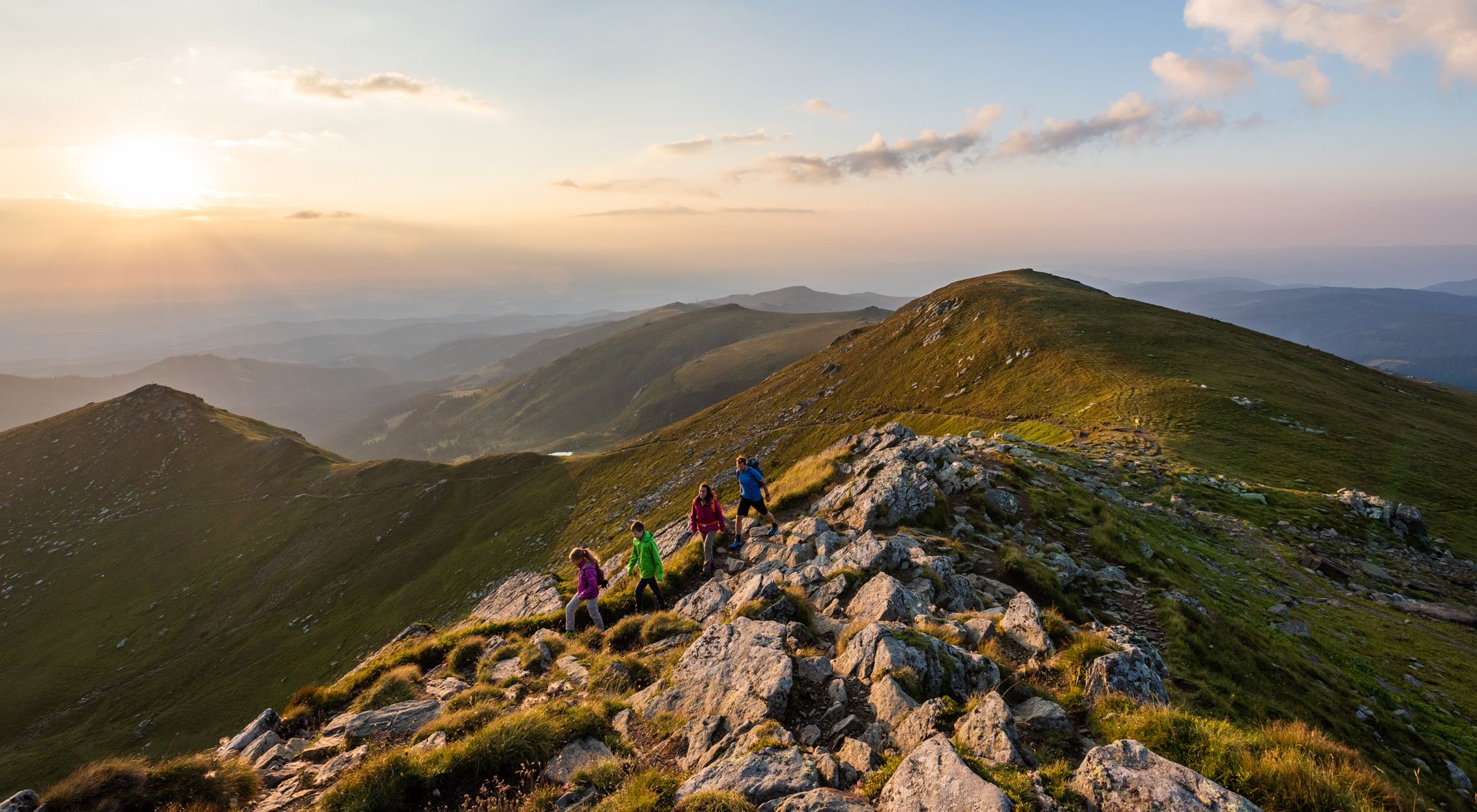
9 days of relaxation and wonder in Austria – Lavant Valley Trail
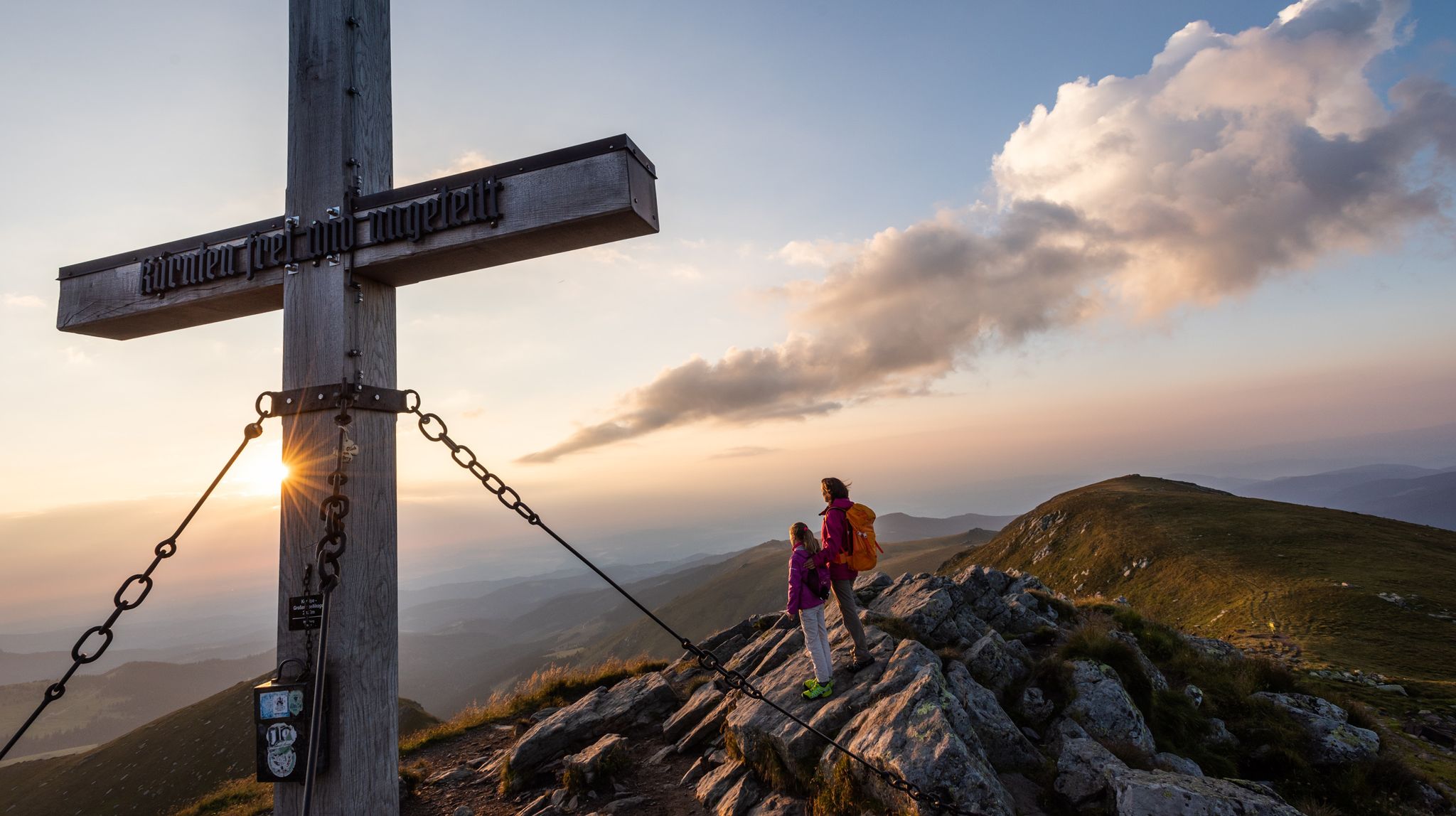
Gentle peaks with a guaranteed view —Welcome to the Lavanttal
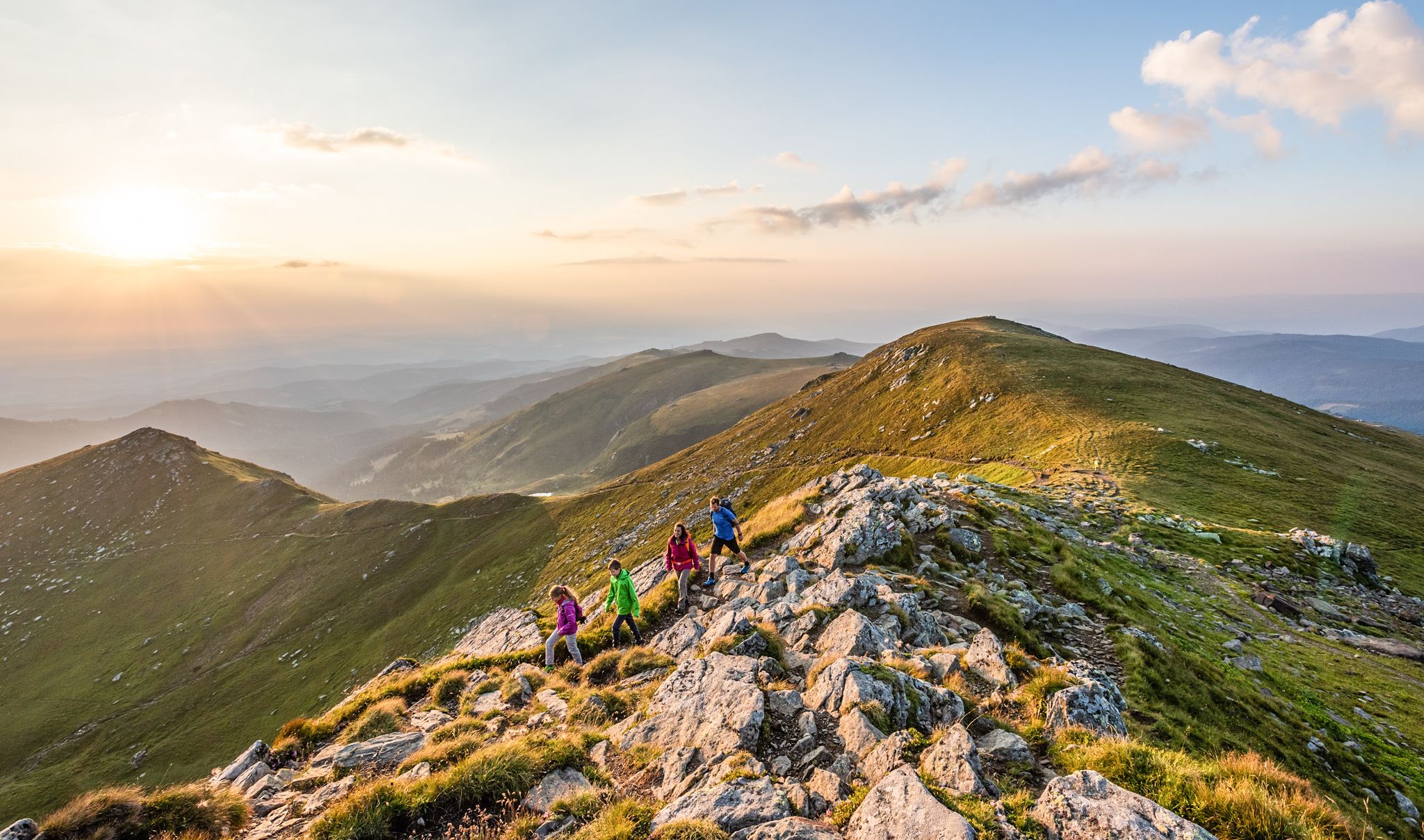
The Lavanttal — hiking on the sunny side of Carinthia
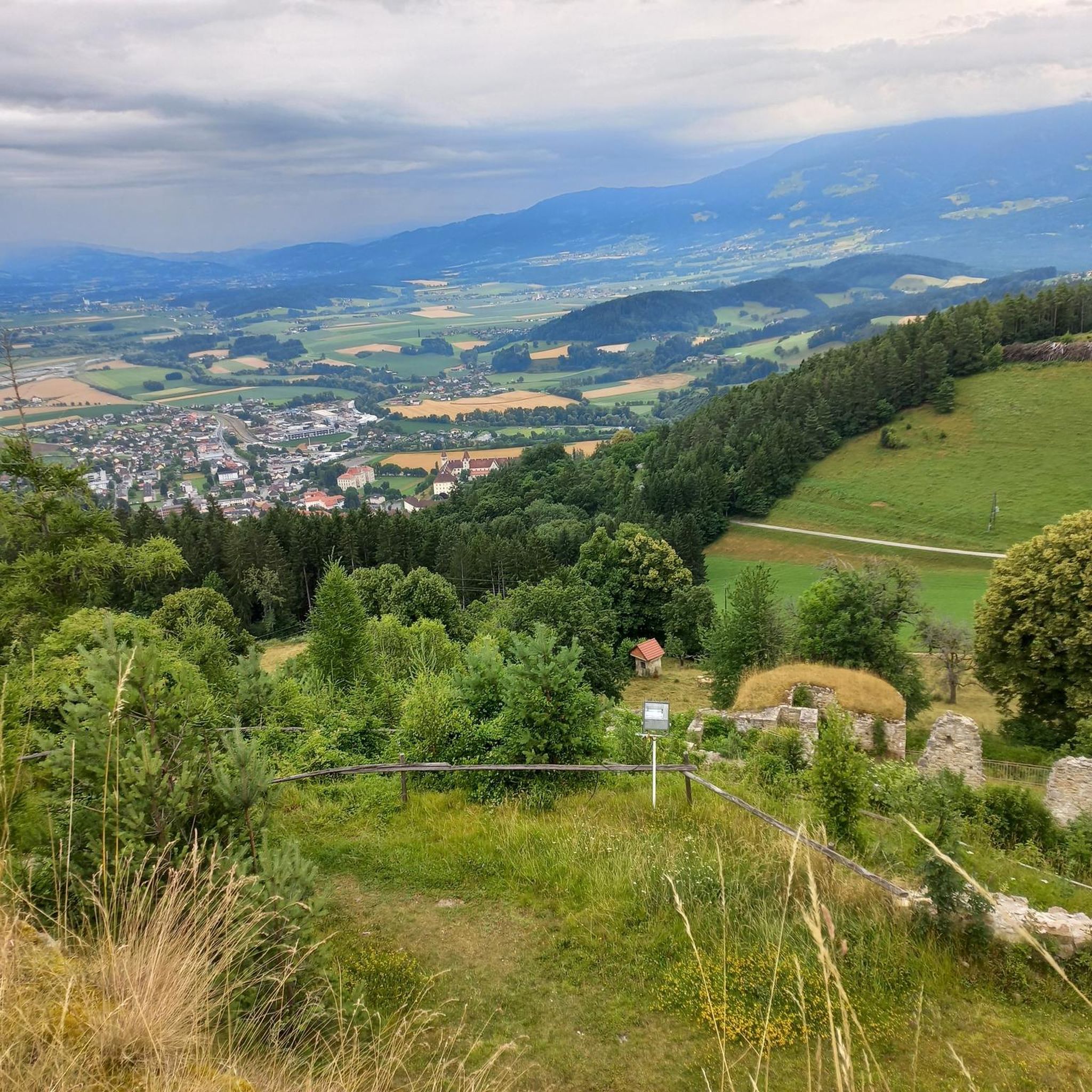
Cycling around Sankt Paul im Lavanttal
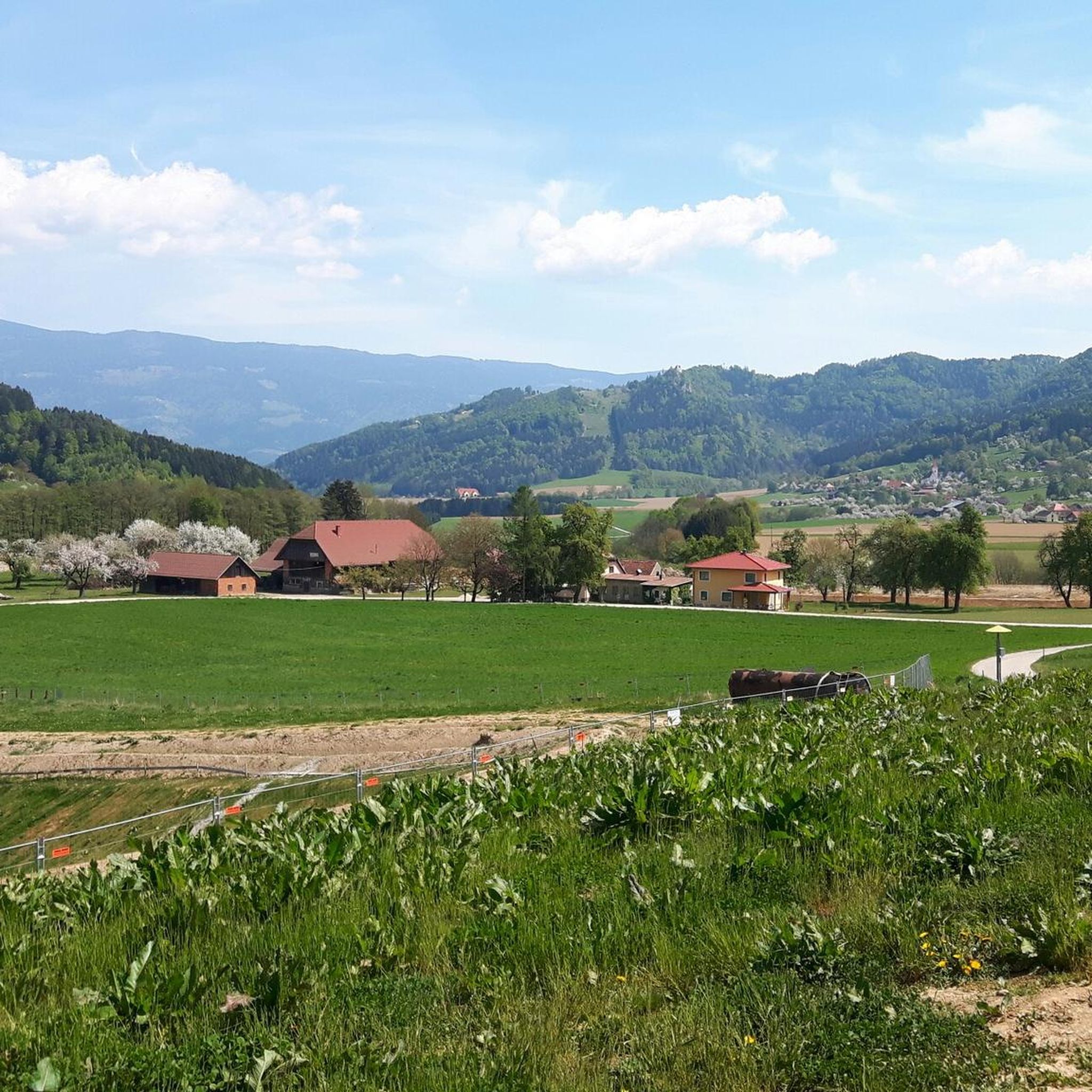
MTB Trails around Sankt Paul im Lavanttal
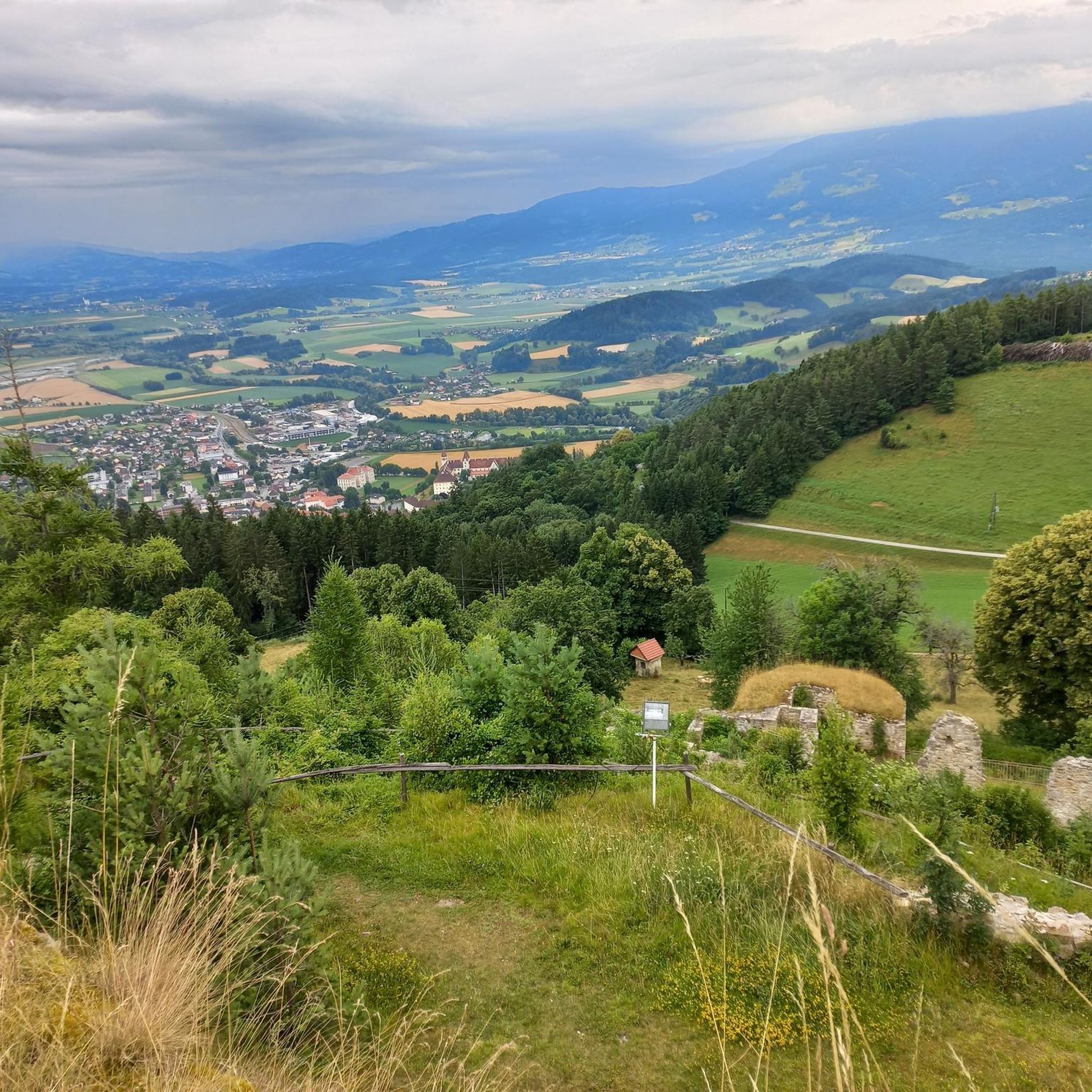
Road Cycling Routes around Sankt Paul im Lavanttal
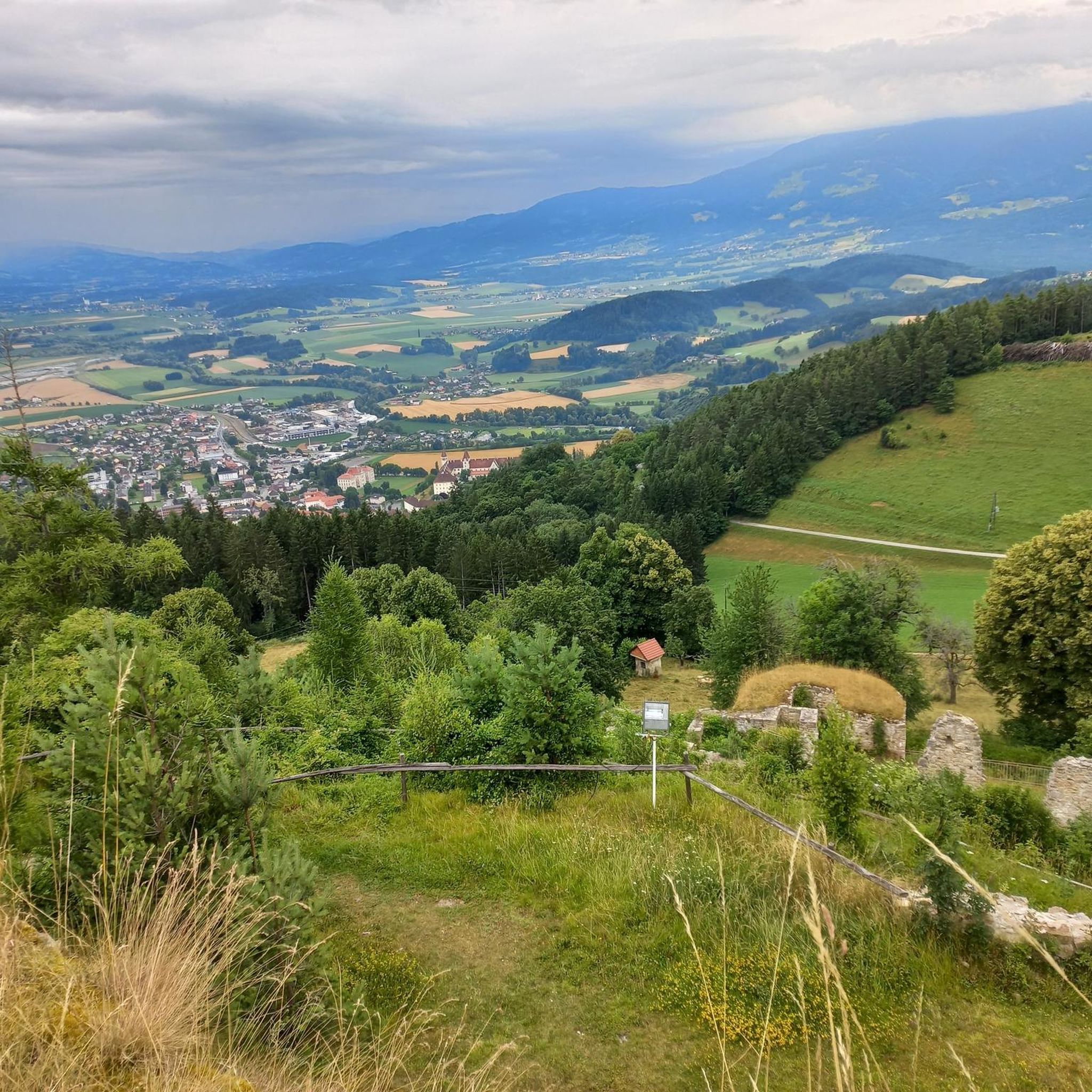
Hiking around Sankt Paul im Lavanttal
Running Trails around Sankt Paul im Lavanttal
Gravel biking around Sankt Paul im Lavanttal
Other adventures around Sankt Paul im Lavanttal


Tips from the Community

...It winds its way along the river bank through a total of 74 pools with 15 resting and spawning zones, crossing the weir system and overcoming a height difference of approximately 9.60 m. The requirements for planning and construction were extremely demanding. The functionality of the fish bypass is being monitored through a newly developed fish ecological monitoring system. Organism migration systems such as the fish bypass at the Lavamünd weir system make the Drava River accessible to fish and other living organisms.
0
0
...such as larvae and fish food organisms. Therefore, experts often refer to it as a migration corridor or a migration facility. The fish species profile for the Drava River in this section shows a total of 36 fish species. The fish pass is of particular interest to the Danube salmon, which, as a medium-distance migrant, travels several hundred kilometers and, with a body length of 120 cm, is the largest fish species along with the catfish. However, bream, nase, and barbel also use the fish ladder. The slots in the pools of the fish pass keep the water flowing consistently and direct the current in an S-shape, which corresponds to the resistance behavior of natural waters like the Drava. These low flow velocities allow easy passage, especially for juvenile fish and weaker swimmers, such as bullhead. The total length of the Lavamünd fish pass is 295 m. A total of 74 pools...
0
0
"Barrier-Free" Drau Power Plant Lavamünd Cross-river structures such as the Lavamünd hydroelectric power plant represent impassable obstacles for fish and other organisms. This prevents fish from reaching their spawning habitats, and genetic exchange is limited. According to the 2009 National Water Management Plan of the Federal Ministry of Agriculture, Forestry, Environment and Water Management, restoring river flow is a priority goal for improving the ecological status of rivers. At the Lavamünd power plant, the Drau's flow and thus its fish passage were restored in the area of the weir by constructing this technical fish pass. The term "fish pass" is actually inappropriate here, as all aquatic organisms use this migration aid. The bottom of the fish pass is also a valuable habitat for microorganisms and tiny organisms such as...
0
0

On the way to Kömmel, from Einersdorf, you pass here
0
0

One of the rare lakes in southwestern Styria. The reservoir is a busy place on sunny weekends. Here you can enjoy swimming, hiking, cycling and camping. Parking spaces are rare and chargeable.
1
0

Very beautiful reservoir, ideal for hiking and walking. Something for everyone.
1
0

The fjord-like mountain lake enchants with its picturesque appearance and pleasant water temperatures. Fed by two brooks in the southern Koralpe, the 80 hectare lake is very popular. This applies equally to guests of the hiking village as well as to the population of the region. The Soboth reservoir was built in the early 1990s as a reservoir for the "Koralpe" hydropower plant in Lavamünd and extends over two federal states. The construction of an embankment makes it look like a natural mountain lake at 1080m above sea level. Tourist use was already taken into account during construction. The lake is also used as a bathing lake in summer, especially on particularly hot days. Today, the guests of the hiking village have large, well-tended sunbathing areas with toilet facilities and a bar, jetties for boats, a non-swimmer area, a caravan campsite, a diving bottle filling station and sufficient parking spaces along the mountain lake. The lake was included in the village's network of hiking trails. The riverside road created walking and running routes, as well as opportunities to take the dog for a walk. There are two places to stop for refreshments, on the one hand the Seecafé Soboth, which is located directly on the dam and offers a wonderful view from the terrace over the lake, and on the other hand the diving club, about 1km from the main road towards St. Vinzenz, where divers have the opportunity have the bottles filled.
1
0
The fjord-like mountain lake enchants with its picturesque appearance and pleasant water temperatures. Fed by two brooks in the southern Koralpe, the 80 hectare lake is very popular. This applies equally to guests of the hiking village as well as to the population of the region.
1
0
Frequently Asked Questions
What natural features can I explore around Sankt Paul im Lavanttal?
The region offers a diverse landscape, including the revitalized Lavant River, where you can spot rare bird species from an observation tower. You can also visit the fjord-like Soboth Reservoir, known for swimming and cycling. Other notable natural features include the Kasparstein viewpoint with its geological nature trail, the waterfall in Karawanken-Karavanke Geopark, and the summit of Kömmelgupf offering panoramic views.
Are there family-friendly natural monuments in the area?
Yes, several spots are suitable for families. The Soboth Reservoir is excellent for swimming, hiking, and cycling, making it a great family day out. The settlement of Strojna also offers an info point and a local church, providing a gentle exploration opportunity. The broader Lavanttal region features many easy walks through forests and meadows.
What kind of outdoor activities can I do near these natural monuments?
The area around Sankt Paul im Lavanttal is perfect for various outdoor activities. You can find numerous routes for mountain biking, cycling, and gravel biking. For example, explore the Granitztal Panoramic Loop for MTB, or enjoy a scenic ride along the Lavant Cycle Path. You can find more details on specific routes in our guides for MTB Trails, Cycling, and Gravel Biking around Sankt Paul im Lavanttal.
Are there hiking trails near these natural monuments?
Yes, the Lavanttal region is known for its hiking opportunities. You can enjoy trails around Josefsberg and Johannesberg, which often combine natural exploration with cultural highlights like the St. Paul monastery. The Kasparstein viewpoint is part of a geological nature trail, offering both scenic views and educational insights. The Kömmelgupf also offers a rewarding hike with views of the Petzen and Koralpe.
What is the best time to visit the natural monuments around Sankt Paul im Lavanttal?
The Lavanttal region, often called the 'sunny side of Carinthia,' is beautiful year-round. Spring and autumn offer pleasant temperatures for hiking and cycling, with vibrant foliage or blooming landscapes. Summer is ideal for water activities at the Soboth Reservoir. Even in winter, the landscape offers serene beauty, though some higher trails might require appropriate gear.
Are there any geological features of interest?
Yes, the Kasparstein viewpoint is a key geological site, featuring an information board as part of a geological nature trail that explains the area's formation and landscape. The broader Karawanken-Karavanke Geopark, where you can find a waterfall, also highlights the region's significant geological heritage.
What do visitors enjoy most about the natural monuments in this region?
Visitors particularly appreciate the diverse natural beauty, from the tranquil waters of the Soboth Reservoir to the expansive views from Kasparstein and Kömmelgupf. The opportunity for various outdoor activities like swimming, hiking, and cycling, combined with the peaceful atmosphere of the 'gentle peaks,' makes the region highly enjoyable for nature enthusiasts seeking relaxation and active exploration.
Are there options for accommodation or dining near the natural monuments?
Sankt Paul im Lavanttal and the surrounding towns offer various accommodation options, from hotels and guesthouses to private rentals. You'll also find cafes, pubs, and restaurants serving local Carinthian cuisine. While specific establishments directly at every natural monument might be limited, nearby villages provide ample choices for dining and lodging.
What are some less crowded natural spots to visit?
While popular spots like the Soboth Reservoir can be busy on sunny weekends, exploring the revitalized Lavant River with its observation tower offers a peaceful experience. The smaller Grossedlinger Teich near Wolfsberg is also suitable for quiet walks and enjoying nature year-round. Many of the hiking trails through the broader Lavanttal region's forests and meadows provide serene, less-trafficked paths.
Is public transport available to reach hiking starting points or natural monuments?
Public transport options exist within the Lavanttal region, connecting Sankt Paul im Lavanttal to various towns and potentially some hiking starting points. However, for direct access to all natural monuments or remote trailheads, a car often provides more flexibility. It's advisable to check local bus schedules for specific routes to your desired destinations.
Are dogs allowed on the trails and at natural monuments?
Generally, dogs are welcome on hiking trails in the Lavanttal region. However, it's always recommended to keep them on a leash, especially in nature protection areas, near wildlife, or when passing through agricultural land. Specific rules might apply to certain natural monuments or protected areas, so look for local signage. Always ensure to clean up after your dog.
What should I wear when visiting the natural monuments?
Given the diverse activities and terrain, layered clothing is recommended. Comfortable hiking shoes with good grip are essential for trails and viewpoints. Depending on the season, bring sun protection (hat, sunscreen), rain gear, and sufficient water. If visiting the Soboth Reservoir for swimming, don't forget your swimwear.
Most popular routes around Sankt Paul im Lavanttal
Most popular attractions around Sankt Paul im Lavanttal

Get inspired with the komoot mobile app


Explore more
Extend your search for the best caves by checking out these guides of the top ones around Sankt Paul im Lavanttal:
