Collegiate Peaks Wilderness
Collegiate Peaks Wilderness
Top 4 Mountain Passes in Collegiate Peaks Wilderness
Best mountain passes in Collegiate Peaks Wilderness are situated within a region known for its majestic fourteeners and high alpine terrain. This area features several mountain passes, including those on the Continental Divide in the Sawatch Range. The landscape offers diverse features, from accessible paved summits to strenuous high-altitude trails. The Collegiate Peaks Wilderness provides opportunities to explore various mountain environments.
Best mountain passes in Collegiate Peaks Wilderness
- The most popular mountain passes is Elkhead Pass, a mountain_pass that…
Last updated: July 10, 2026
Huron Peak
Highlight • Summit
Tip by

Elkhead Pass
Highlight • Mountain Pass
Tip by
Sign up now to discover places like this
Get recommendations on the best single tracks, peaks, & plenty of other exciting outdoor places.
Sign up for free
Cottonwood Pass Climb
Highlight (Segment) • Climb
Tip by

View of Cottonwood Pass
Highlight • Viewpoint
Tip by

Start today with a free account
Your next adventure awaits.
Login or Signup
Tips from the Community

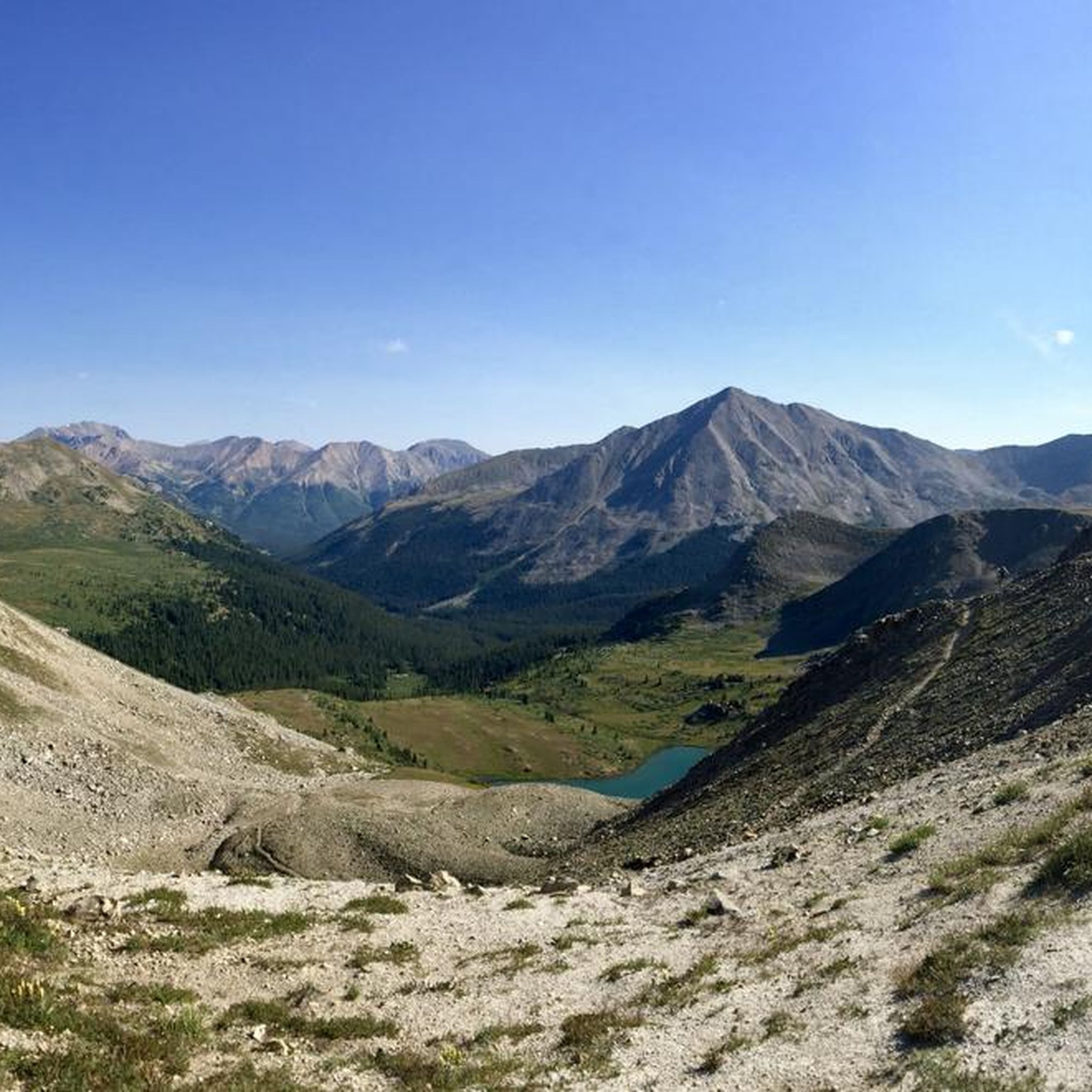
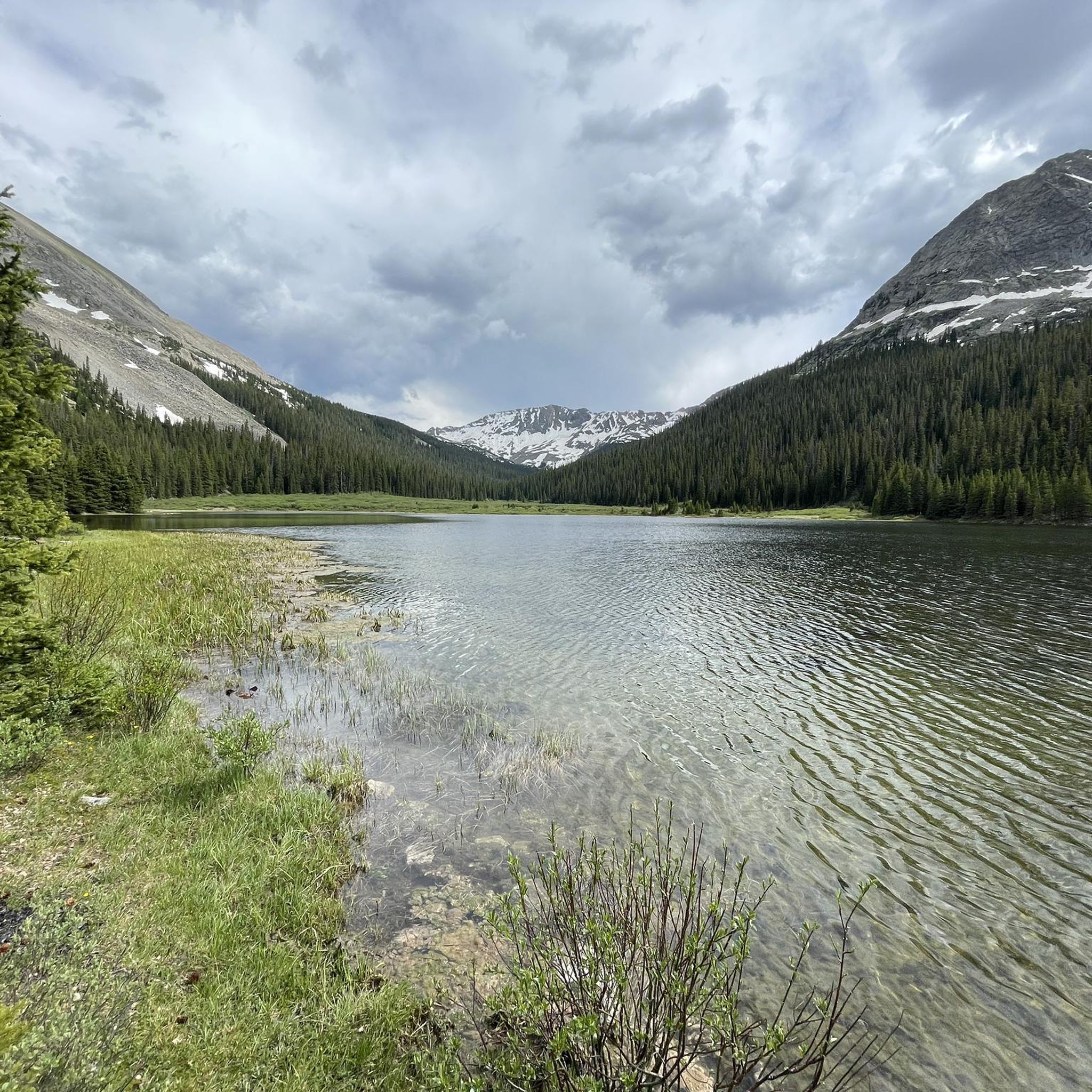
This short ridge line offers a good view of Cottonwood Pass and the valley on the other side. If you don't want to pitch your tent next to the trailhead, you can camp up here – winds permitting.
1
0

Climbing Cottonwood Pass westwards from Buena Vista is a journey to extreme altitudes on the Continental Divide. Prepare for approximately 20-25 miles where you'll gain over 4,100ft to reach the stunning 12,126ft paved summit. This notoriously steady climb averaging only around 3-4% with ramps around 6-8%. You'll enjoy beautiful scenery as you climb through extensive aspen groves which are spectacular in fall. The road over the pass is seasonally closed so be sure to check it's open before attempting this climb.
0
0

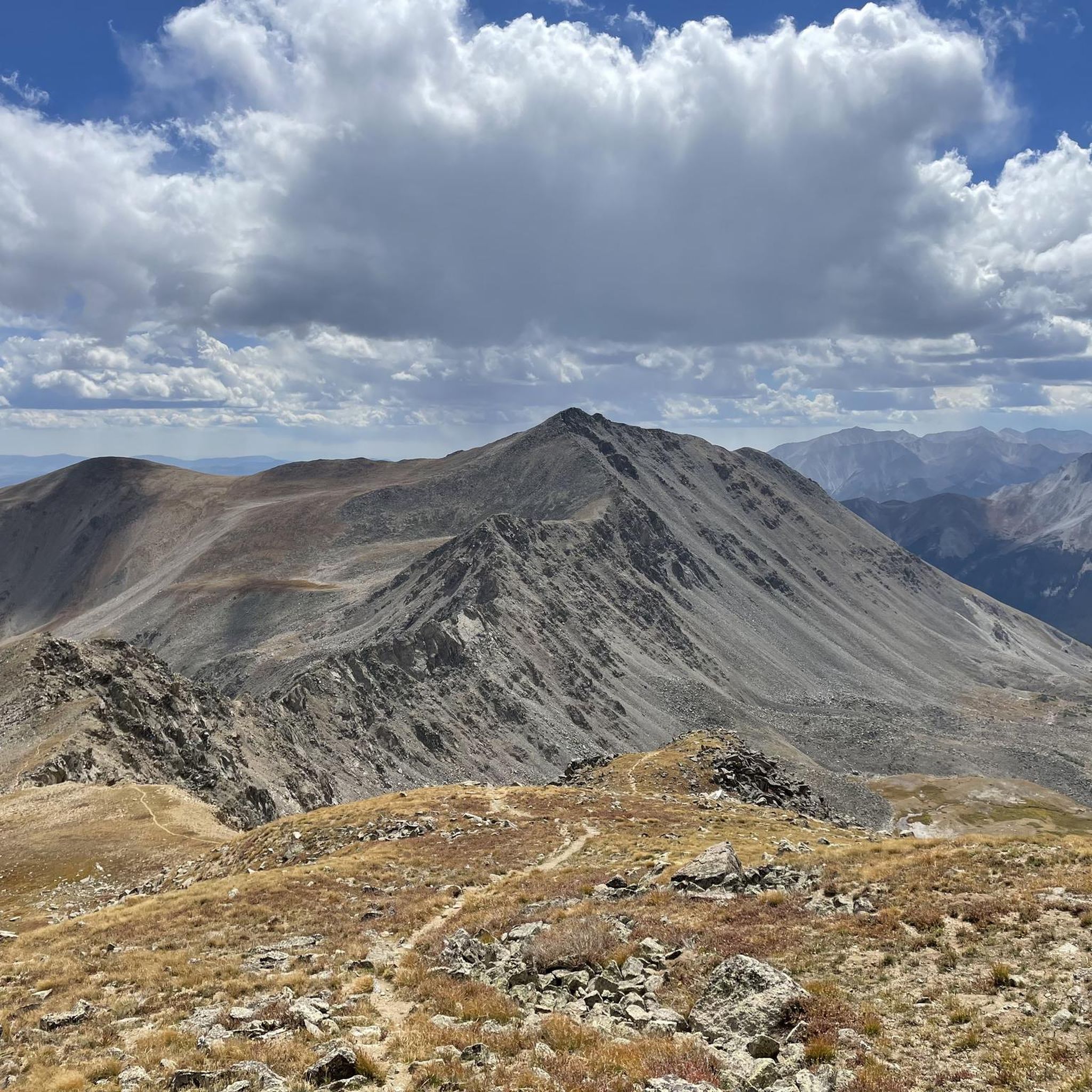
Elkhead Pass serves as the highpoint on Missouri Gulch Trail and tops out at 13,220 feet. It is one of the highest mountain passes in the state and sits just below the east ridge of Missouri Mountain. Elkhead Pass is sometimes considered the heart of the Collegiate Peaks Wilderness, as it links together many mountains and drainages in the range.
0
0
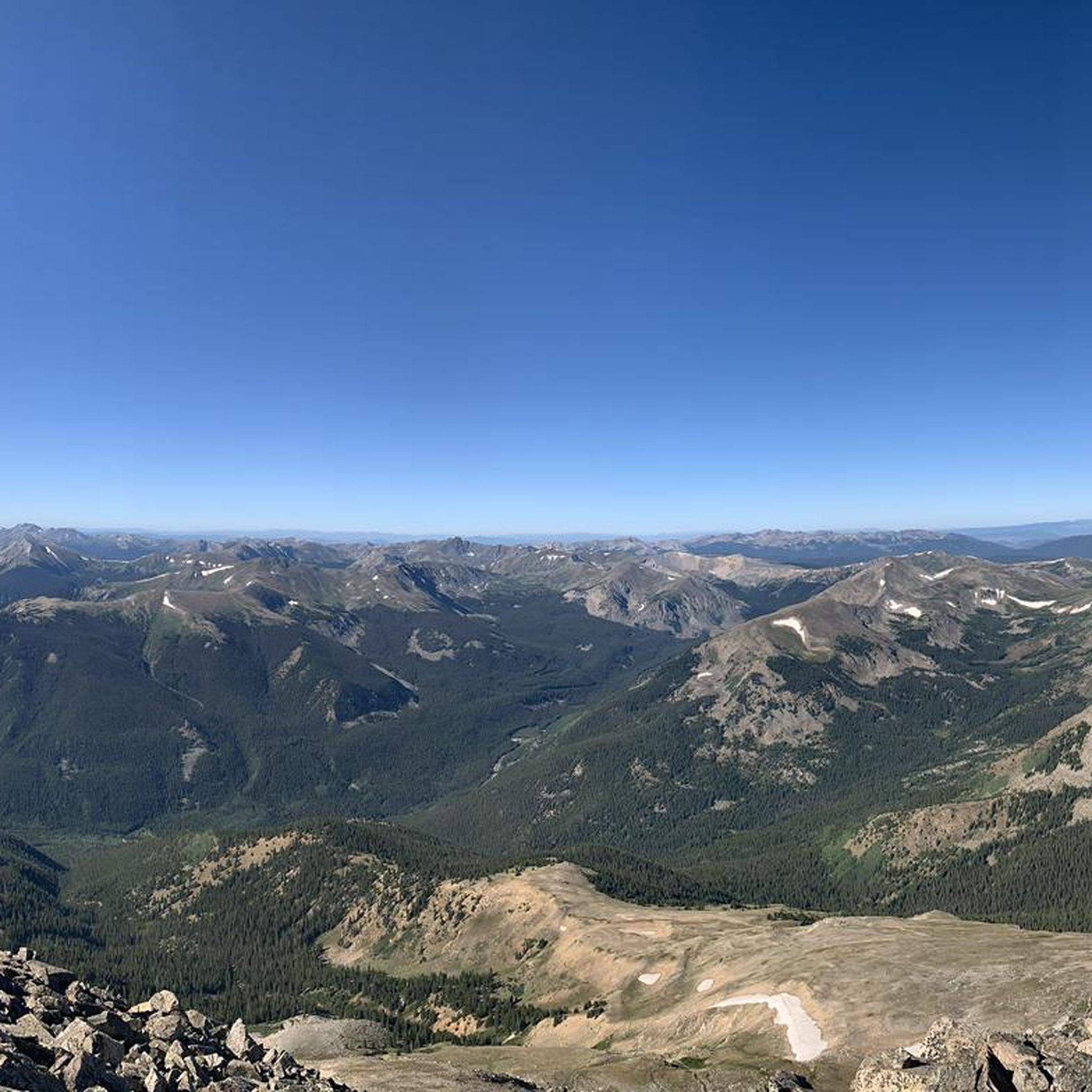
Mount Huron is 14,012 feet tall and towers over the ghost town of Winfield below. Across Missouri Gulch to the east, you can see a number of other 14ers that make up the Collegiate Peaks Wilderness. Huron Peak is accessed via North Huron Trail off of Forest Service Road 390. There is parking both at the back of Winfield or you can park at the base of North Huron Trail (only if you have a high clearance vehicle). A lot of runners choose to start from Winfield since the extra road miles serve as a nice warm-up and cool-down for all the steep hiking on Huron's rocky switchbacks.
0
0
Elkhead Pass serves as the highpoint on Missouri Gulch Trail and tops out at 13,220 feet. It is one of the highest mountain passes in the state and sits just below the east ridge of Missouri Mountain. Elkhead Pass is sometimes considered the heart of the Collegiate Peaks Wilderness, as it links together many mountains and drainages in the range.
0
0
Mount Huron is 14,012 feet tall and towers over the ghost town of Winfield below. Across Missouri Gulch to the east, you can see a number of other 14ers that make up the Collegiate Peaks Wilderness. Huron Peak is accessed via North Huron Trail off of Forest Service Road 390. There is parking both at the back of Winfield or you can park at the base of North Huron Trail (only if you have a high clearance vehicle).
0
0
Frequently Asked Questions
Which mountain passes offer the most breathtaking views in Collegiate Peaks Wilderness?
For panoramic vistas, Elkhead Pass provides immense rewards with views of surrounding thirteeners and fourteeners like Mount Belford and Missouri Mountain. Cottonwood Pass offers 360-degree views of the Collegiate Peaks and Sawatch Range. Browns Pass is celebrated for its terrific views of fourteeners including Mount Yale and Mount Princeton.
Are there any easily accessible mountain passes in Collegiate Peaks Wilderness?
Yes, Cottonwood Pass is notable for its accessibility as it is the highest paved mountain pass crossing the Continental Divide, making it enjoyable even for those who prefer not to venture far from their vehicles. The eastern side, accessible from Buena Vista, offers a scenic drive.
What is the best time of year to visit the mountain passes in Collegiate Peaks Wilderness?
The passes are particularly stunning in the fall, offering vibrant displays of aspen groves, especially along the route to Cottonwood Pass. Summer months are ideal for hiking and exploring the high alpine terrain, while road access to some passes like Cottonwood Pass is seasonal, so it's advisable to check conditions before planning your trip.
What kind of wildlife can I expect to see near the mountain passes?
When exploring passes like Browns Pass, you might spot wildflowers, marmots, pika, and potentially larger animals such as mountain goats and deer. The high alpine environment supports a variety of resilient species.
Are there family-friendly hiking options near the mountain passes?
While some passes involve strenuous climbs, there are easier hikes in the broader Collegiate Peaks Wilderness area. For example, you can find easy trails like Cottonwood Pass Overlook via CDT or Lost Lake Trail. For more options, explore easy hikes in Collegiate Peaks Wilderness.
What are the challenges of hiking to Elkhead Pass?
Elkhead Pass, at 13,220 feet, is considered one of the highest mountain passes in Colorado and serves as the high point on the Missouri Gulch Trail. The hike to Elkhead Pass is known for being strenuous, requiring good physical condition due to its high elevation and significant ascent.
Can I find opportunities for backpacking or longer treks over these passes?
Yes, passes like Browns Pass act as a hub, with offshoots leading to destinations such as Kroenke Lake, Hartenstein Lake, and the vast Texas Creek area, offering extensive options for day-hikers and backpackers alike. Elkhead Pass also links together many mountains and drainages, providing access to extended routes.
What natural features are prominent around Browns Pass?
Browns Pass, accessible via the Denny Creek Trail, ascends through forests that eventually give way to open meadows and rocky slopes. From this high mountain saddle, you can enjoy views of prominent peaks and access various lakes and creek areas.
Are there any specific permits required for hiking in the Collegiate Peaks Wilderness passes?
Generally, permits are not required for day hiking in most areas of the Collegiate Peaks Wilderness. However, for overnight backpacking, especially in popular areas or during peak season, wilderness permits may be necessary. It's always best to check with the local Forest Service office or the Colorado State Trails Program for the most current regulations before your trip.
What outdoor activities can I do near the mountain passes in Collegiate Peaks Wilderness?
Besides exploring the passes themselves, the region offers a variety of outdoor activities. You can find numerous hiking trails, from moderate to difficult, such as Mount Belford via Missouri Gulch Trail. There are also running trails like the Mount Yale Trail. For more details on routes, check out hiking in Collegiate Peaks Wilderness or running trails in Collegiate Peaks Wilderness.
What makes Cottonwood Pass unique among other mountain passes?
Cottonwood Pass stands out as the highest paved mountain pass crossing the Continental Divide, reaching an elevation of 12,126 feet. This makes it exceptionally accessible for a high-altitude pass, offering stunning views without requiring extensive hiking. It's also known for its vibrant aspen groves, particularly beautiful in the fall.
What do visitors enjoy most about the mountain passes in Collegiate Peaks Wilderness?
Visitors consistently praise the breathtaking panoramic views from the summits, the diverse landscapes ranging from aspen forests to high alpine meadows, and the sense of accomplishment from reaching these high-altitude points. The opportunity to connect with nature and explore challenging trails is also a major draw.
Most popular routes in Collegiate Peaks Wilderness
Most popular attractions in Collegiate Peaks Wilderness

Get inspired with the komoot mobile app


Explore more
See even more epic mountain passes by checking out these guides in Collegiate Peaks Wilderness:
