The best gravel rides around Noblejas
5.0
(1)
10
riders
8
rides
Gravel bike trails around Noblejas traverse the rural landscapes of the Toledo province in Spain, offering a mix of agricultural fields and rolling hills. The region's topography includes varied terrain suitable for gravel biking, from unpaved roads connecting villages to tracks along natural features. Riders can explore the expansive La Mancha countryside, characterized by open vistas and quiet routes.
Best gravel bike trails around Noblejas
- The most popular gravel bike trail is Villatobas – San Jorge Hermitage loop from Villatobas…
Last updated: July 2, 2026
1
riders
20.8km
01:44
120m
120m
Easy gravel ride. Great for any fitness level. Mostly paved surfaces. Suitable for all skill levels.
2
riders
36.2km
02:50
200m
200m
Moderate gravel ride. Good fitness required. Mostly paved surfaces. Suitable for all skill levels.

Sign up for free
1
riders
34.1km
02:37
170m
170m
Moderate gravel ride. Good fitness required. Mostly paved surfaces. Suitable for all skill levels.
1
riders
19.4km
01:40
190m
190m
Moderate gravel ride. Good fitness required. Mostly paved surfaces. Suitable for all skill levels.
2
riders
37.3km
03:06
310m
310m
Moderate gravel ride. Good fitness required. Mostly paved surfaces. Suitable for all skill levels.
Get access to more routes and recommendations from other explorers.
Sign up for free
Already have an account?
Our route recommendations are based on thousands of hikes, rides, and runs completed by other people on komoot.
Start today with a free account
Your next adventure awaits.
Login or Signup
Tips from the Community

It was the site of historical events such as the proclamation of the 1812 Constitution and military actions in the 19th century. Its construction lasted more than 150 years, finally being completed in 1961. Its Baroque aesthetic has made it a popular filming location for television series such as Águila Roja and for commercials. It was declared a Site of Cultural Interest in 2002.
6
0
The Plaza Mayor of Ocaña (Toledo) is considered one of the most impressive in Castilla-La Mancha due to its size, harmony, and historical significance. It is an arcaded square in the Baroque and Neoclassical styles, begun in 1777 by order of Charles III to emulate the Plaza Mayor of Madrid, albeit on a smaller scale. Its dimensions are imposing: 55 x 52 meters, almost square, with 70 stone pillars and semicircular arches supporting balconies and dormer windows. Symmetry and proportion are highly valued, creating an elegant and monumental visual effect.
7
0
The Plaza Mayor of Ocaña (Toledo) is one of the most impressive examples of Castilian Baroque architecture and a must-see if you visit the La Mesa de Ocaña region. Construction: Ordered by Charles III in 1777, inspired by the Plaza Mayor of Madrid.
4
0
Cabañas de Yepes, in the Mesa de Ocaña (Toledo), is a small town with rural charm, historical heritage, and a natural setting ideal for relaxing. Parish Church of Our Lady of the Assumption Built in the 16th century, it features a central nave and chapel dedicated to Our Lady of Socorro. Interesting fact: its clock (1829) uses the same clock system as the one at Puerta del Sol in Madrid. Hermitage of San Sebastián Dating from the 18th century, in the popular style, it is located on the road to Huerta de Valdecarábanos.
3
0

long route and some complicated sections
0
0

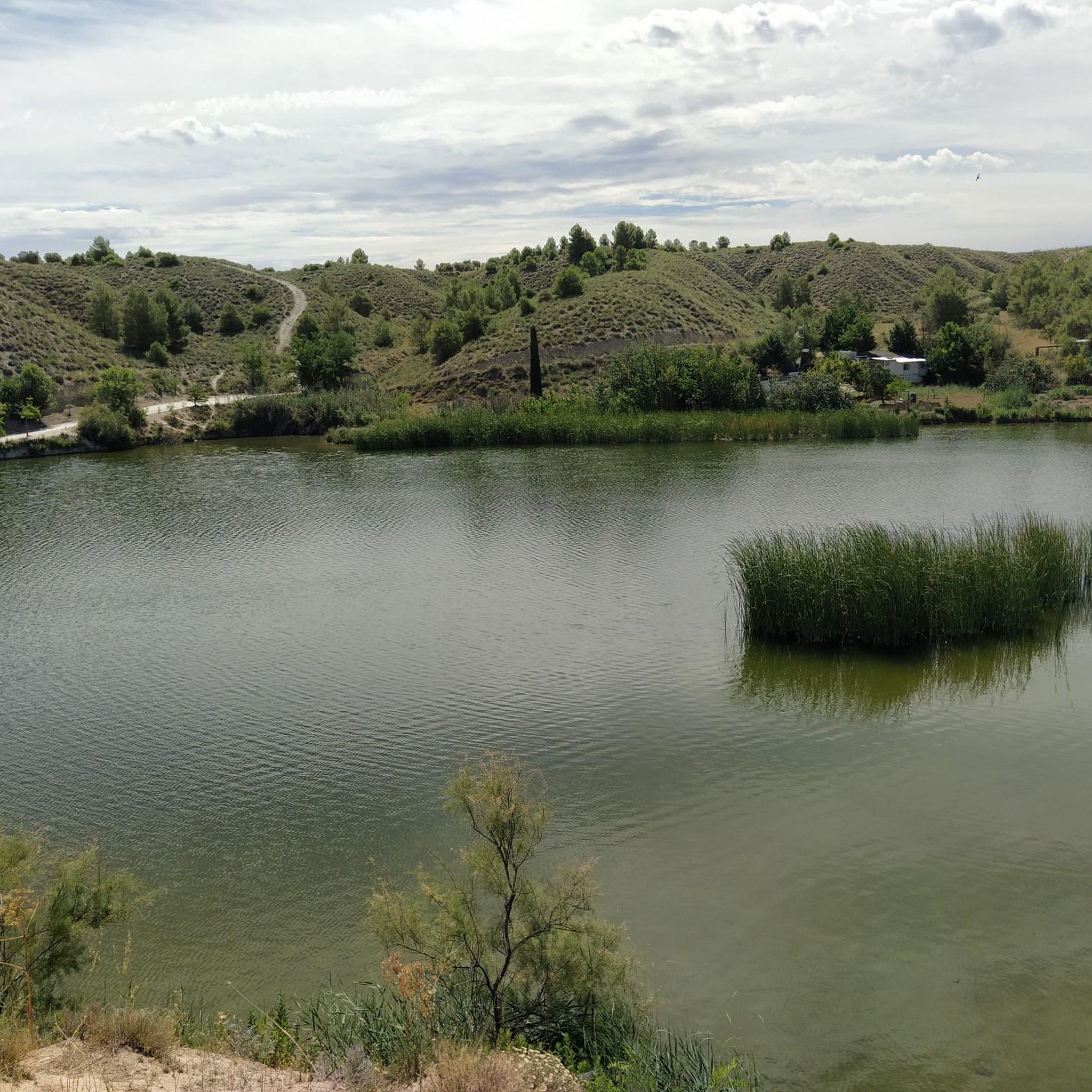
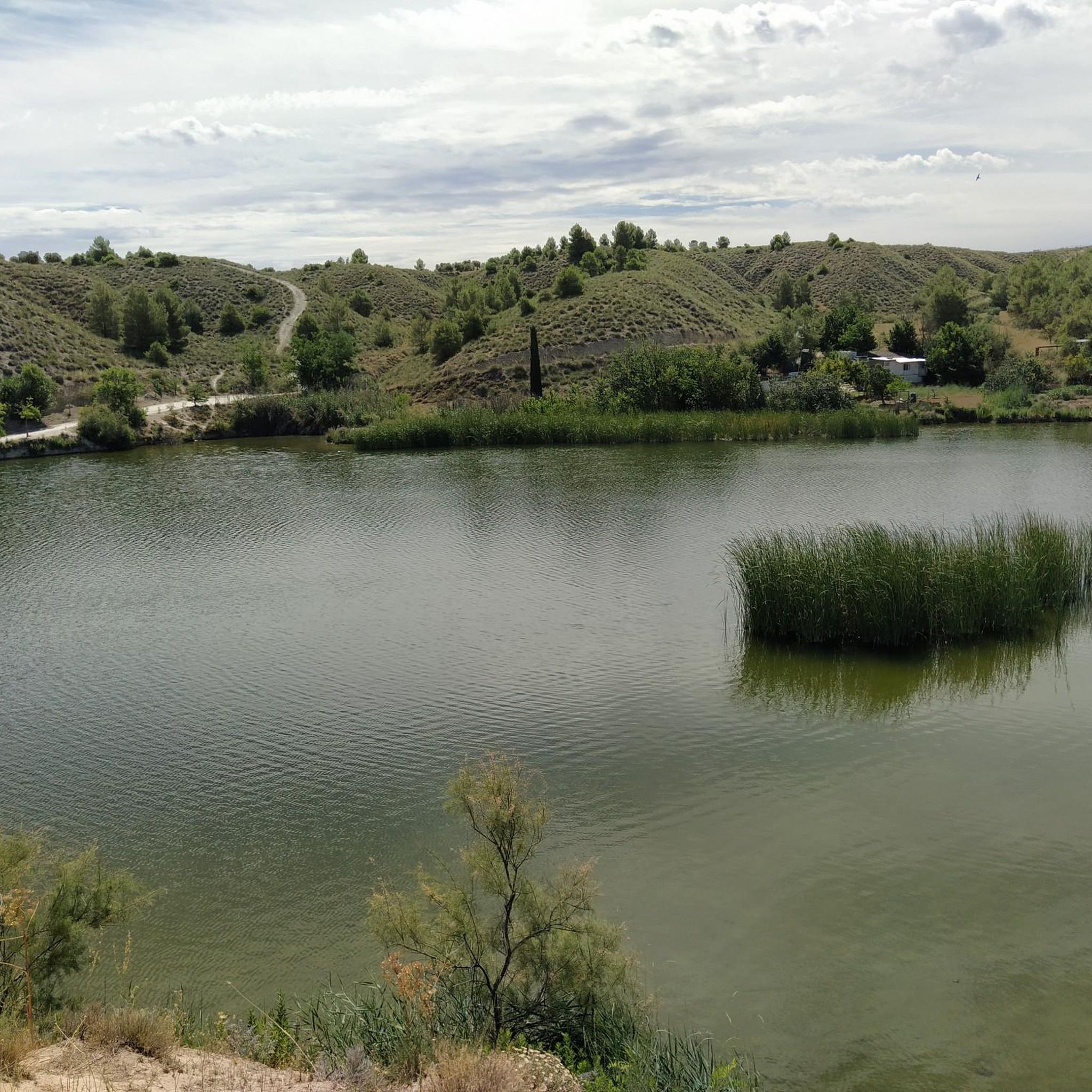
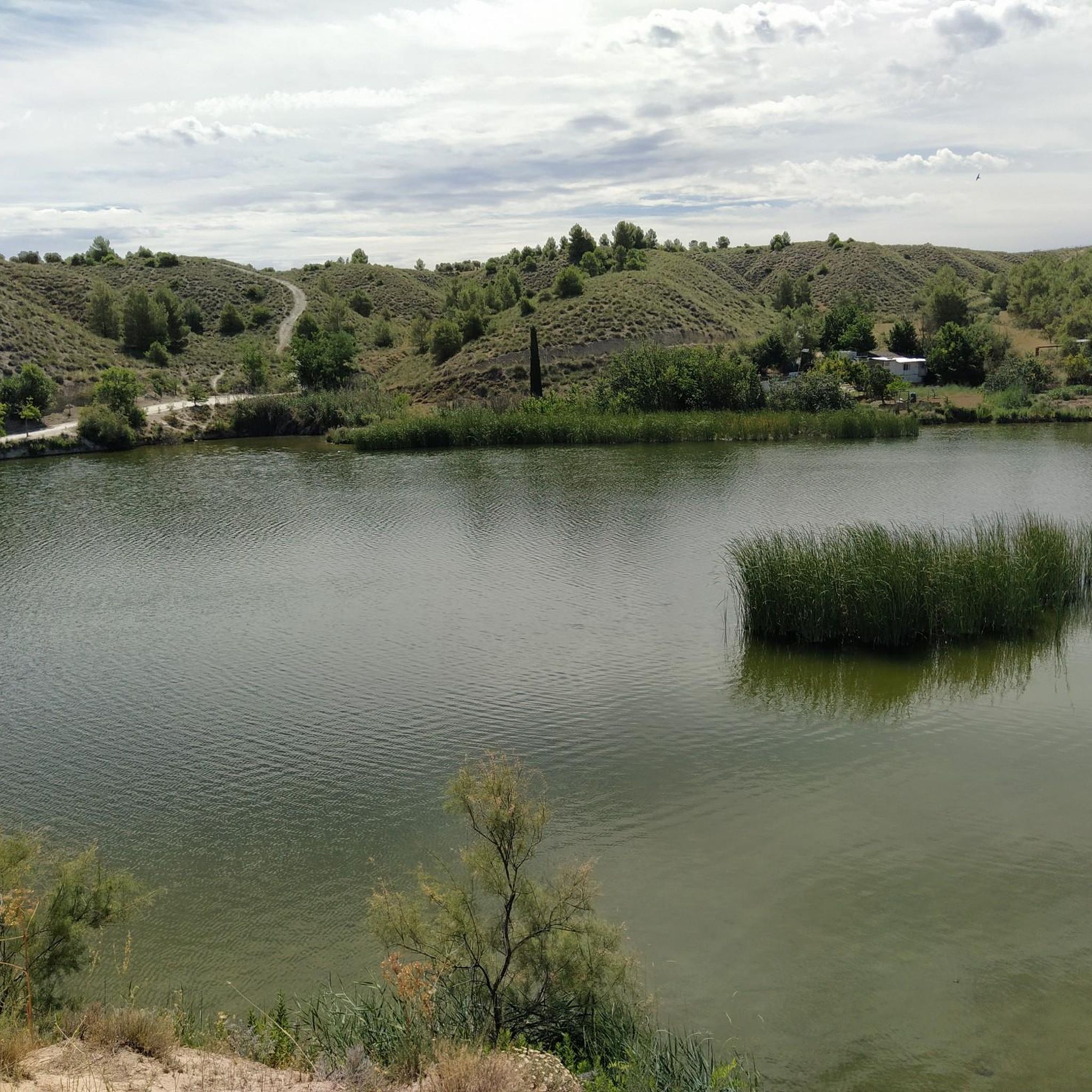
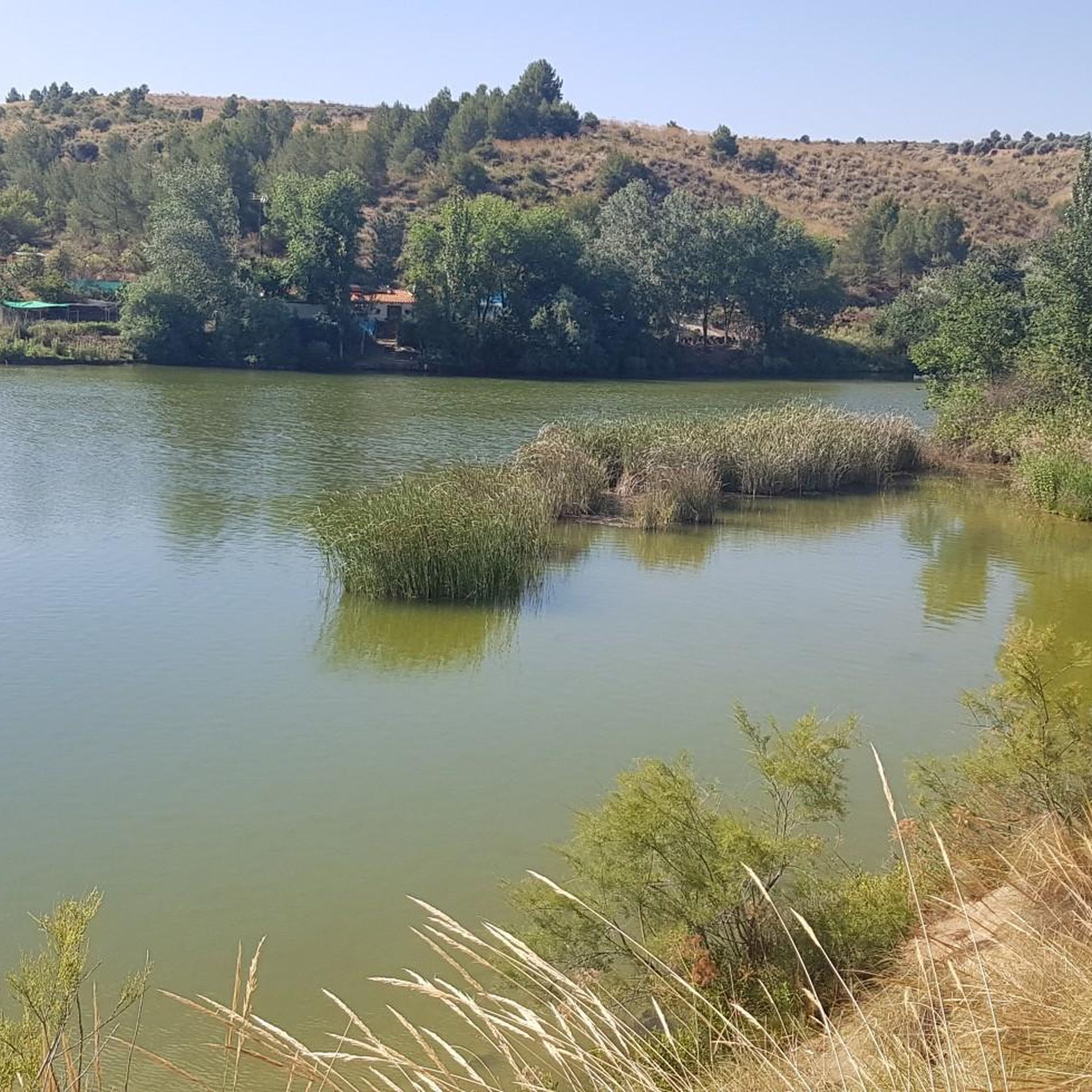
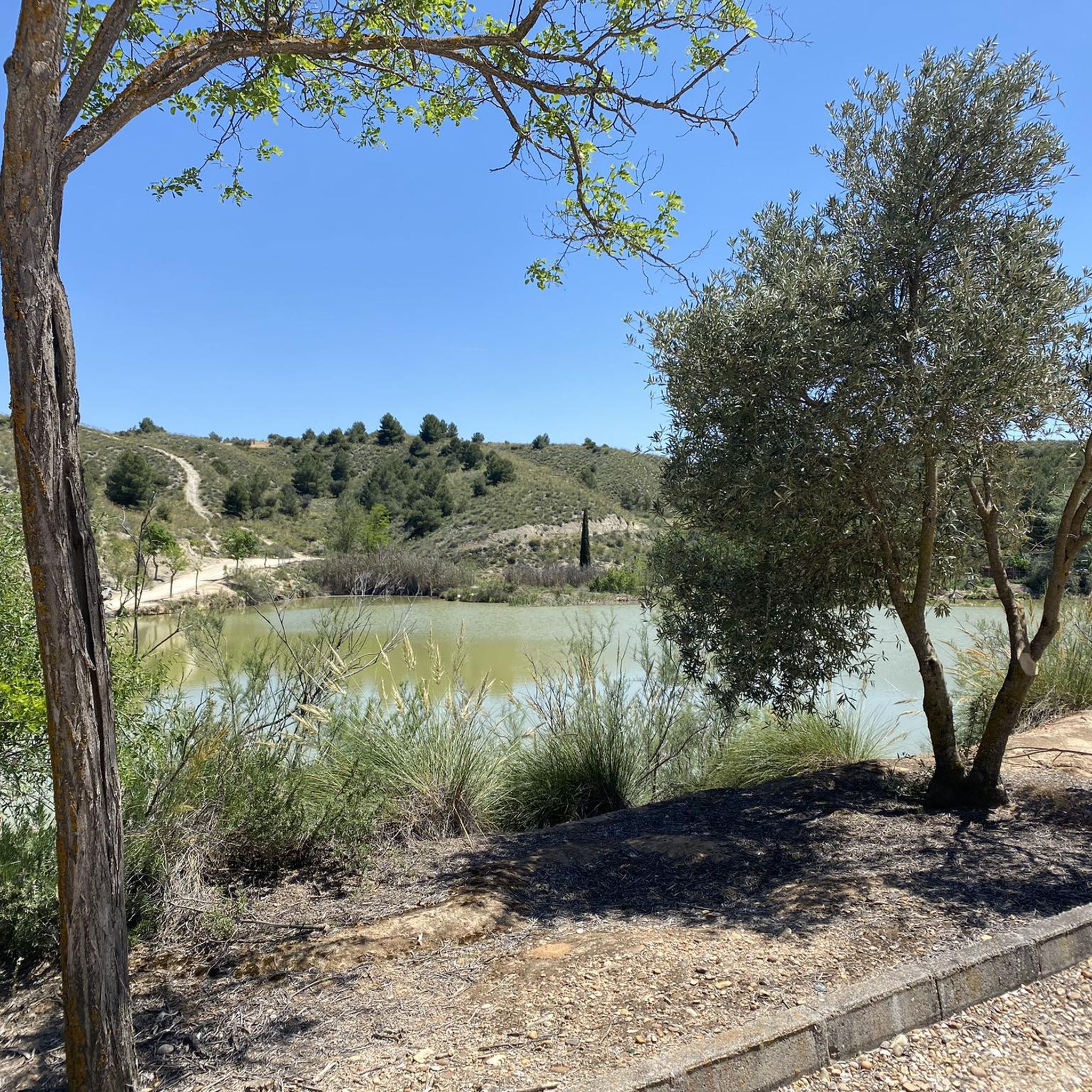
Beautiful lagoons full of fauna, despite being close to inhabited areas
0
0
Villatobas is a municipality with a rich history that dates back to ancient times. Archaeological studies indicate that the area was inhabited from the 4th or 3rd century BC by various peoples. The first written record of Villatobas appears in the charter of Montealegre in 1219, where it is mentioned as "Villa de Tobas" Villatobas was also the scene of important events during the War of Independence in the 19th century. Over the centuries, it has managed to preserve its historical heritage, including its parish church dedicated to San Juan Bautista and the ruins of its 13th-century castle.
5
0

The hermitage of San Jorge dates back to the first half of the 16th century. In the 1970s, the hermitage was practically in ruins, so it was rebuilt thanks to the neighbours of the Arrabal area. This devotion to San Jorge is possibly due to the ancient tradition that said that this saint protected the population from epidemics, diseases and plagues, so common and deadly in the Middle Ages. In addition to the hermitage of San Jorge, Villatobas has other hermitages such as those of Jesús Nazareno, Santa Ana, Santa Catalina, San Cristóbal, San José, and the parish of Nuestra Señora de la Asunción, all of them from the 16th and 17th centuries.
0
0
Frequently Asked Questions
How many gravel bike trails are available around Noblejas?
There are over 8 gravel bike routes available around Noblejas, offering a variety of experiences for different skill levels. These routes traverse the expansive agricultural fields of La Mancha and explore the quiet rural roads of the region.
What kind of landscapes can I expect to see on gravel bike routes near Noblejas?
Gravel biking around Noblejas offers a diverse landscape experience. You'll primarily traverse the expansive agricultural fields characteristic of the La Mancha region, providing scenic views and a sense of tranquility. Many routes also feature rolling hills, river valleys, and quiet rural roads, allowing you to explore natural spaces away from urban environments.
Are there any easy gravel bike routes suitable for beginners in Noblejas?
Yes, Noblejas offers several easy gravel bike routes perfect for beginners or those looking for a more relaxed ride. One such route is the Villatobas – San Jorge Hermitage loop from Villatobas, which covers approximately 20 km with minimal elevation gain.
Can I find longer gravel bike routes for a full day's adventure?
Absolutely. For a longer ride, consider the Titulcia Bike Trail – Puente Largo loop from Ctra. M320 - Balcón del Tajo. This route stretches over 37 km and features more significant elevation changes, making it a great option for a more extended and challenging gravel biking experience.
Are there any circular gravel bike routes in the Noblejas area?
Many of the gravel bike routes around Noblejas are designed as circular loops, allowing you to start and end at the same point. An example is the Plaza Mayor de Ocaña – Cabañas de Yepes loop from Ocaña, which offers a moderate 36 km ride through varied terrain.
What historical or natural attractions can I see along the gravel bike trails?
The gravel bike trails around Noblejas often pass by interesting historical and natural sites. You might encounter natural monuments like Laguna Seca de las Esteras or Fuente de la Pajarita. Historically, the region is rich with sites such as the Castillo de Oreja, and you can explore traditional architecture in nearby towns like Ocaña, which features the Plaza Mayor of Colmenar de Oreja.
What is the best time of year for gravel biking in Noblejas?
The best time for gravel biking in Noblejas is typically during the spring and autumn months. The weather is milder, making for more comfortable rides. Summers can be very hot in the La Mancha region, while winters can bring colder temperatures, though the area generally experiences a dry climate.
Are there any routes that pass by the Noblejas Reservoir?
While specific routes directly along the Noblejas Reservoir are not detailed in this guide, the reservoir is a significant natural feature in the area. Routes in the broader region, such as the "Ruta Circular Ocaña y Embalse de Noblejas" (mentioned in regional research), often highlight this body of water, offering picturesque views and varied cycling terrain. You can expect to find tracks and paths along its shores.
What do other gravel bikers enjoy most about gravel biking in Noblejas?
The area is highly rated by the komoot community, with an average score of 5.0 stars. Reviewers often praise the tranquility of the La Mancha countryside, the opportunity to explore quiet rural roads, and the blend of natural beauty with historical points of interest that make for a rewarding cycling experience.
Are there any routes that connect to historic towns or villages?
Yes, many routes are designed to connect to historic towns and villages, allowing you to experience local culture and architecture. For example, the Noblejas and Ocaña – Plaza Mayor de Ocaña loop from Ocaña takes you through the charming town of Ocaña, known for its historic Plaza Mayor.
Most popular attractions around Noblejas

Get inspired with the komoot mobile app


Explore more
Browse the best Gravel rides in other regions.
