Attractions and Places To See around Echallens - Top 20
Best attractions and places to see around Echallens include a blend of cultural heritage, natural beauty, and historical landmarks within the Gros-de-Vaud district of Vaud, Switzerland. Known for its agricultural roots, the region features rolling hills, wheat fields, and diverse landscapes. Visitors can explore historical sites, unique museums, and extensive walking and cycling routes. The area offers a variety of experiences, from cultural insights to natural exploration.
Best attractions and places to see around Echallens
- The most popular attractions is…
Last updated: August 16, 2026
Soldiers' Fountain
Highlight • Structure
Translated by Google •
Tip by

La Sarraz Castle
Highlight • Castle
Translated by Google •
Tip by

Sign up now to discover places like this
Get recommendations on the best single tracks, peaks, & plenty of other exciting outdoor places.
Sign up for free
Château de La Sarraz
Highlight • Castle
Translated by Google •
Tip by

Canal d’Entreroches
Highlight • Monument
Translated by Google •
Tip by

Crossing the logs on the forest trail
Highlight • Trail
Translated by Google •
Tip by

Sign up for free to discover even more attractions around Echallens.
Sign up for free
Already have an account?
Start today with a free account
Your next adventure awaits.
Login or Signup

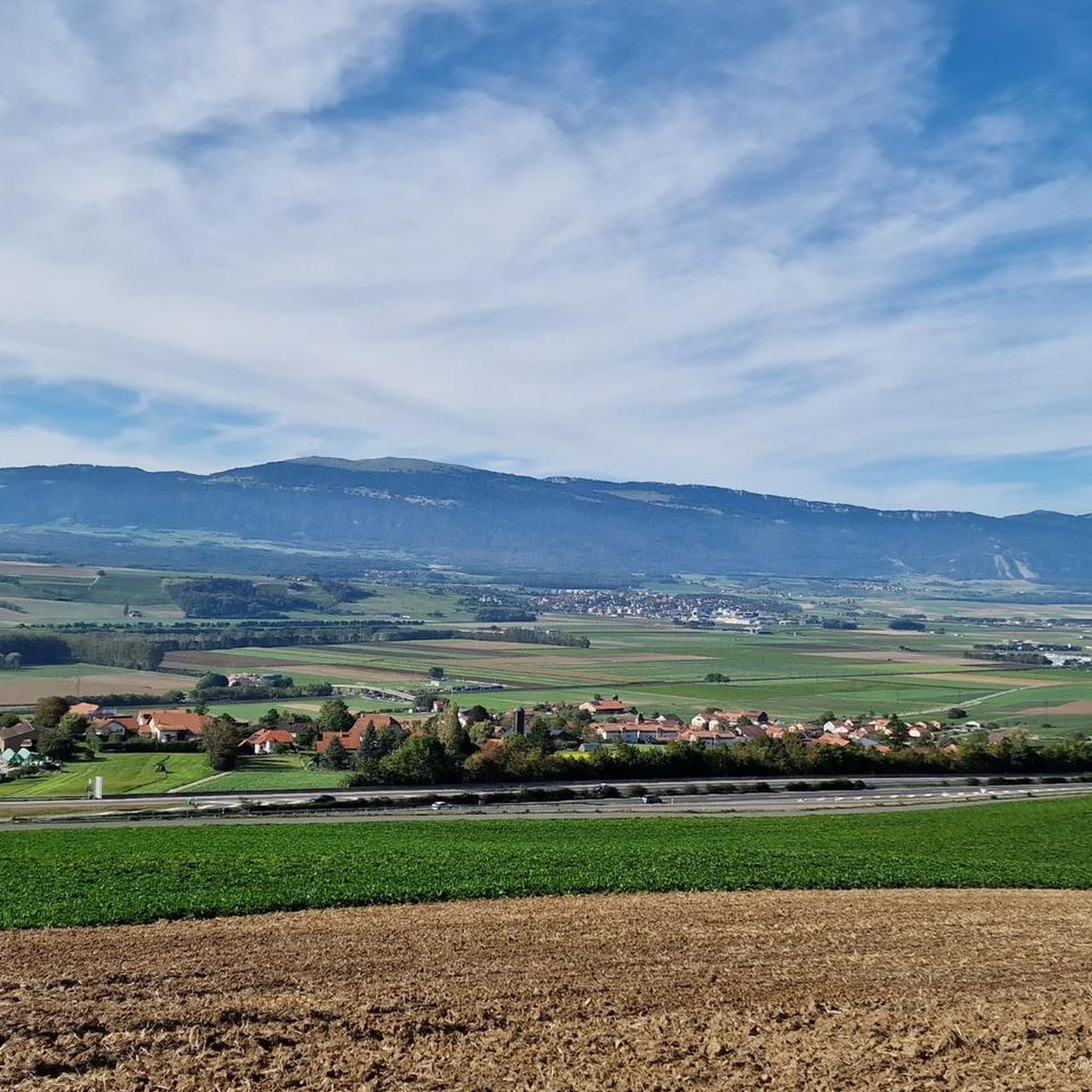
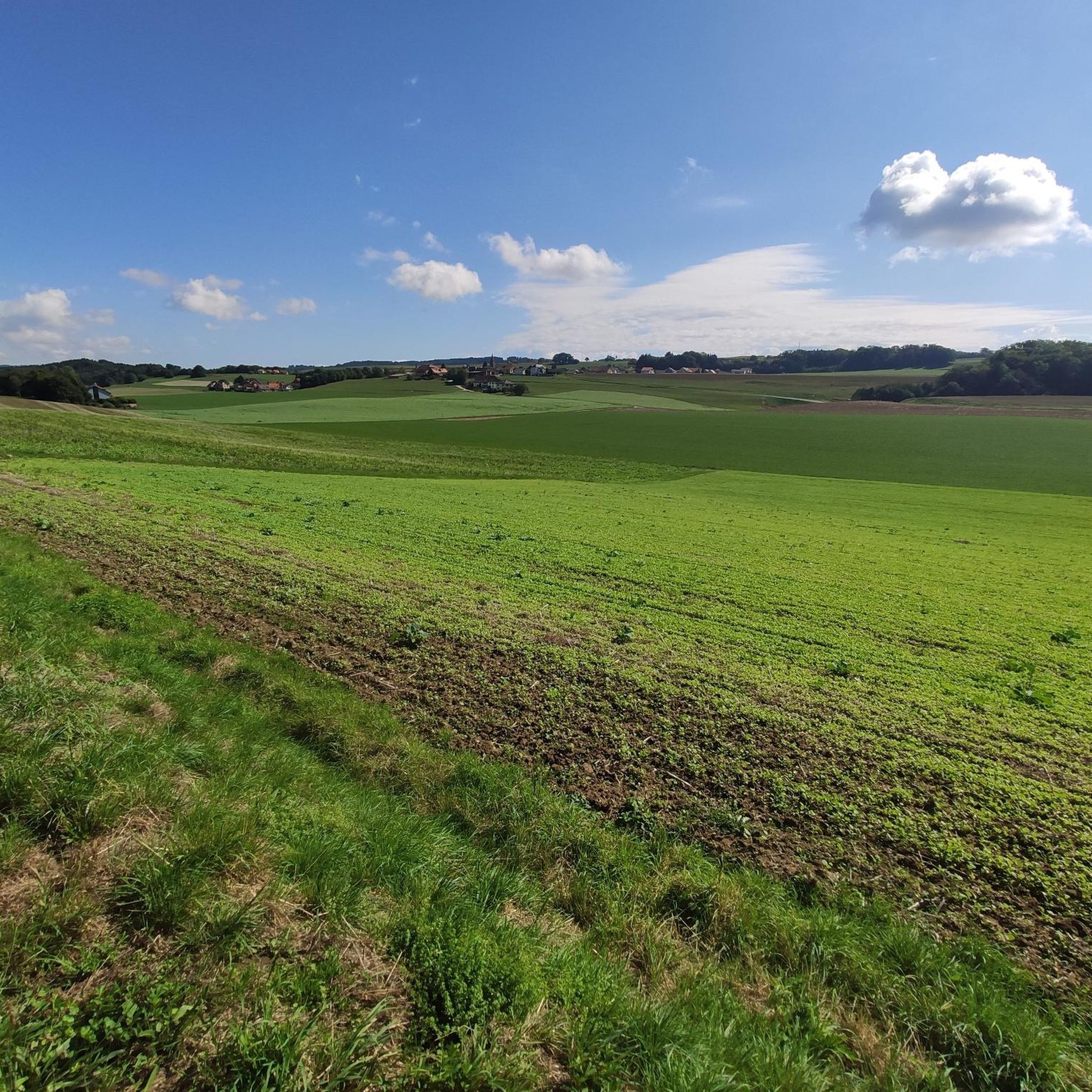
Other adventures around Echallens

Tips from the Community

very interesting castle with a highly interesting history
0
0

The idea was to create a connection between Yverdon and the Mediterranean, with the goal of selling wine. Unfortunately, the project ran out of money...
1
0


One of the 12 fountains on the fountain circuit. It was used to supply the soldiers with water on their journey between the Pontaise barracks and the shooting range on the Mauvernay plain.
2
0

The horse museum in the outbuildings shows horse-drawn vehicles and highlights the role of the horse and harness in warfare, in the circus, in hunting with greyhounds, etc.
5
0
This castle is located in a park above the village and dates back to the 11th century. It was renovated in the 15th and 16th centuries. In front of the living area with two round corner turrets there are two heavy square towers with aisles.
6
0

Small and fine. The château has a cozy garden area, which offers a great view of the carrion towards the Alps at the back of the castle. At the entrance there is a restaurant, which has seating outside on the terrace when the weather is nice. The "Musée du Chaval" is housed in the neighboring barn of the castle. Danger. The premises of the château, as well as the respective exhibitions, are not always open. It is important to note the opening hours on the website. We were there on a Monday and couldn't visit the castle and museum.
2
0

The castle may have been built as early as the 12th century by the Lords of Grandson. The Savoyard Lords of Montferrand-La Sarra achieved great prestige. In 1475, the Bernese destroyed the castle during the Burgundian Wars. Barthélemy of Montferrand-La Sarra was the last of his family to die and left La Sarraz to his nephew Michel Mangerot. During the conquest of Vaud by the Bernese, the fortress was destroyed again in 1536. In 1542, François de Gingins acquired the Lordship of La Sarraz. The Gingins family remained in possession of the castle until 1901. Hélène de Mandrot (1867–1948) organized the first congress for modern architecture in 1928 and the first congress for independent film in 1929. The castle experienced a heyday at the beginning of the 20th century. Personalities such as Eisenstein, Max Ernst, Alfred Roth and Le Corbusier were among the guests at the castle. After the death of Hélène de Mandrot-Revilliod, the castle and its important furnishings (furniture, crockery, weapons, library) became the property of the Société des amis du Château de La Sarraz. The Musée Romand was opened in 1922. In 1972, Switzerland was the last country in Europe to maintain mounted combat units. Despite the population's commitment to preserving Swiss cavalry, it was abolished in 1972. Shortly afterwards, the plan was made to establish a Swiss horse museum, which was implemented in 1978. In 1982, the Musée du cheval was opened in a former barn in the castle of La Sarraz. There is a permanent exhibition and a temporary exhibition as well as events such as the "Horse Festival", which takes place in August in the courtyard and in the castle park. In 1984, the museum was awarded Special Commendations by the European Museum Forum. Source: Wikipedia
2
0
Frequently Asked Questions
What historical sites can I visit in Echallens and its surroundings?
Echallens and the Gros-de-Vaud region are rich in history. You can explore the remains of the 13th-century Echallens Castle, with its round turret and 18th-century north wing. The town center also features well-preserved bourgeois and patrician houses from the 17th to 19th centuries, including the Hôtel de Ville built in 1781. Nearby, visit La Sarraz Castle, an 11th-century fortress with a horse museum, or discover sections of the historic Canal d’Entreroches, an ambitious 17th-century engineering project.
Are there any family-friendly attractions in the Echallens area?
Yes, several attractions are suitable for families. The Maison du Blé et du Pain offers an interactive exhibition for children about the journey from grain to bread. La Sarraz Castle, with its horse museum, can also be engaging for younger visitors. Additionally, the Creux de Terre Nature Reserve provides walking trails and opportunities for birdwatching, which can be a fun outdoor activity for families.
What natural features and reserves can I explore near Echallens?
The region offers diverse natural beauty. The Gros-de-Vaud area, known as the 'granary' of Canton Vaud, features rolling hills, wheat fields, and woodlands, ideal for walks. A significant natural site is the Creux de Terre Nature Reserve near Yverdon-les-Bains, an impressive karst sinkhole with ponds, moist meadows, and rich biodiversity, including amphibians and numerous bird species. Walking trails with information panels explain its geology, flora, and fauna.
What hiking opportunities are available around Echallens?
Echallens is an excellent base for hiking. The approximately 100 km long Chemin des Blés (Wheat Trail) connects Echallens to Granges-Marnand, winding through the Gros-de-Vaud region's fields and woodlands. The broader Gros-de-Vaud region offers hundreds of kilometers of walking routes through diverse landscapes and unspoiled villages. For specific routes, you can find various options, including easy, moderate, and difficult trails, in the Hiking around Echallens guide.
Are there cycling routes in the Echallens area?
Yes, the Gros-de-Vaud region around Echallens is well-suited for cycling, offering hundreds of kilometers of routes through its picturesque landscape of wheat fields and green hills. The Chemin des Blés is also suitable for mountain bikers. For detailed cycling routes, including options of varying difficulty, refer to the Cycling around Echallens guide.
What is the Maison du Blé et du Pain?
The Maison du Blé et du Pain (House of Wheat and Bread) is a unique museum in Echallens that illustrates the journey 'from grain to bread.' It features a gourmet bakery, a restaurant, and an interactive exhibition, making it an engaging cultural and culinary experience.
What is the significance of the Soldiers' Fountain?
The Soldiers' Fountain is one of 12 historical fountains on a local circuit. It was historically used to supply soldiers with water as they traveled between the Pontaise barracks and the shooting range on the Mauvernay plain, making it a point of interest with a unique past.
Can I experience a scenic train ride in the Echallens region?
Yes, the Lausanne-Echallens-Bercher (LEB) Railway, a narrow-gauge line, offers public steam train rides on selected Sundays during the summer. This provides a scenic and nostalgic way to experience the region's landscape and charm.
What are the folk markets in Echallens?
Every Thursday in July, Echallens hosts vibrant folk markets in its town center. Over 100 exhibitors gather, offering visitors the chance to discover and purchase local specialties, providing a lively cultural experience.
What is the best time to visit Echallens for outdoor activities?
The Gros-de-Vaud region, including Echallens, is ideal for outdoor activities like hiking and cycling during the warmer months, typically from spring through autumn. This allows visitors to fully enjoy the wheat fields, green hills, and woodlands. Summer also brings the folk markets and steam train rides.
Are there any viewpoints near Echallens?
While specific named viewpoints are not detailed, the rolling hills of the Gros-de-Vaud region naturally offer many scenic vistas over wheat fields and dales. The Creux de Terre Nature Reserve also has designated viewpoints for observing its unique landscape and wildlife.
How can I get to the Creux de Terre Nature Reserve using public transport?
The Creux de Terre Nature Reserve is easily accessible from nearby Yverdon-les-Bains. You can typically reach Yverdon-les-Bains by train, and from there, local bus services or a short walk would connect you to the reserve. It's advisable to check local public transport schedules for the most current information.
Most popular routes around Echallens
Most popular attractions around Echallens

Get inspired with the komoot mobile app


Explore more
Still not found the Highlight you’re looking for? See guides of the top attractions in other regions:
