Top 4 Natural Monuments around Helechosa De Los Montes
Natural monuments around Helechosa De Los Montes are concentrated within the comarca of La Siberia, offering diverse natural landscapes. The region is characterized by its connection to the Cíjara Reservoir and surrounding protected areas, featuring a blend of water bodies, forests, and unique geological formations. These sites provide opportunities to observe wildlife and explore varied ecosystems. The area's natural features contribute to its ecological value and appeal for outdoor activities.
Best natural monuments around Helechosa De Los Montes
- The most…
Last updated: June 28, 2026
La Chorrera de Horcajo Waterfall
Highlight • Waterfall
In October, the waterfall had dried up.
Translated by Google •
Tip by

Banks of the Estena River
Highlight • River
Translated by Google •
Tip by
Sign up now to discover places like this
Get recommendations on the best single tracks, peaks, & plenty of other exciting outdoor places.
Sign up for free
Laguna de la Raña
Highlight • Lake
Translated by Google •
Tip by

Rock face
Highlight • Natural Monument
Translated by Google •
Tip by
Cíjara Nature Reserve
Highlight • Forest
Translated by Google •
Tip by

Start today with a free account
Your next adventure awaits.
Login or Signup

Tips from the Community

The reserve is located in the northeast of the province of Badajoz, Extremadura, in the region of La Siberia, and comprises the municipalities of Fuenlabrada de los Montes, Herrera del Duque, Helechosa de los Montes and Villarta de los Montes, with borders towards Cáceres, Toledo and Ciudad Real.
2
0
The BA-050, also known as the Anchuras road, crosses the upper reaches of Cabañeros National Park along the Estena River basin. It traverses ridges and rocky outcrops dominated by Mediterranean forest, with alternating holm oaks, cork oaks, and gall oaks. The road crosses the upper course of the Estena River, allowing drivers to enjoy the riverbed through pine and oak forests without leaving the main road.
3
0
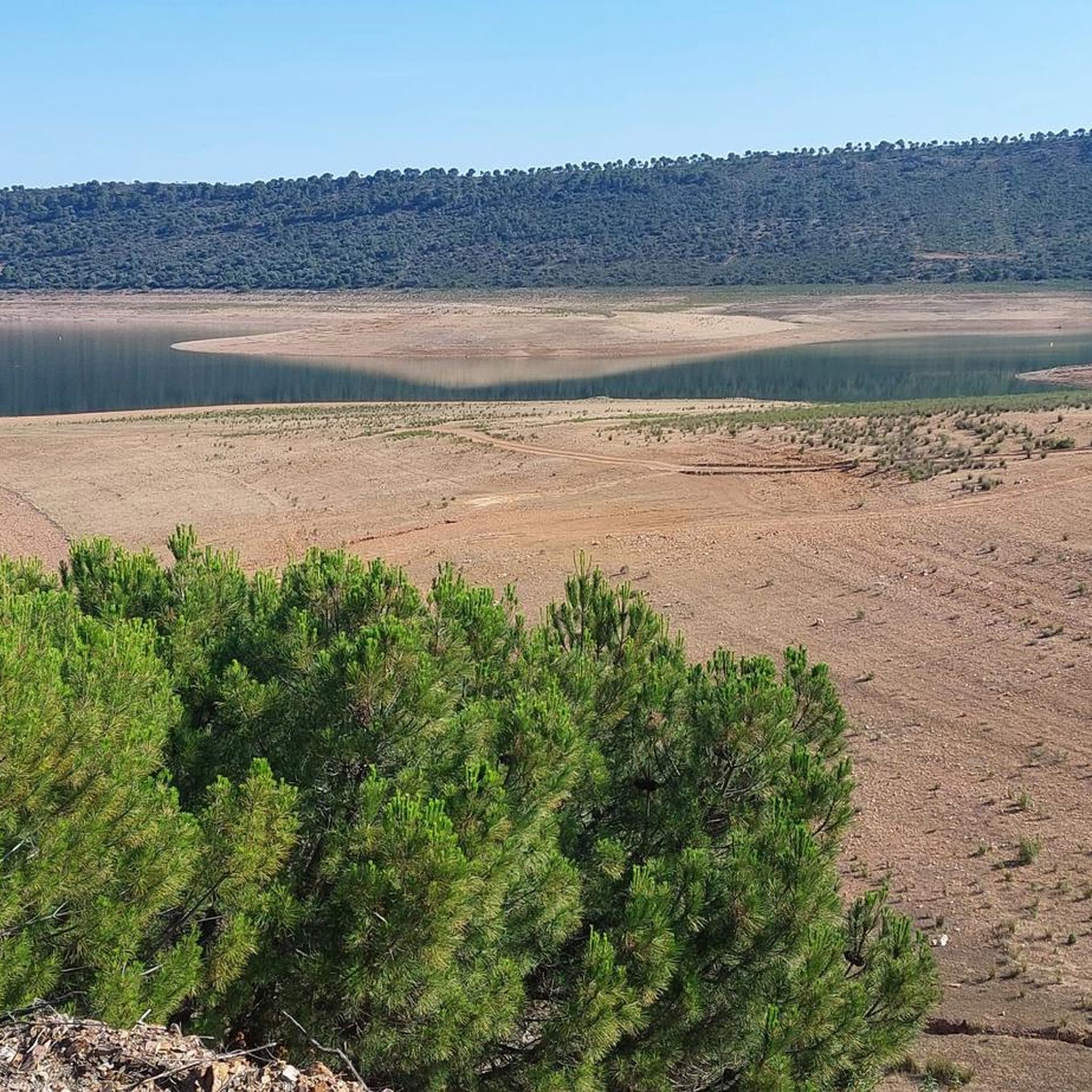
Laguna de la Raña is a very interesting natural area in the Horcajo de los Montes area (Montes de Toledo), within the Cabañeros National Park. This seasonal lagoon fills up during the rainy season and can dry up in summer. It's a popular spot for wintering and migratory birds, and large birds of prey fly over Cabañeros National Park (such as the Spanish imperial eagle and the black vulture).
1
0
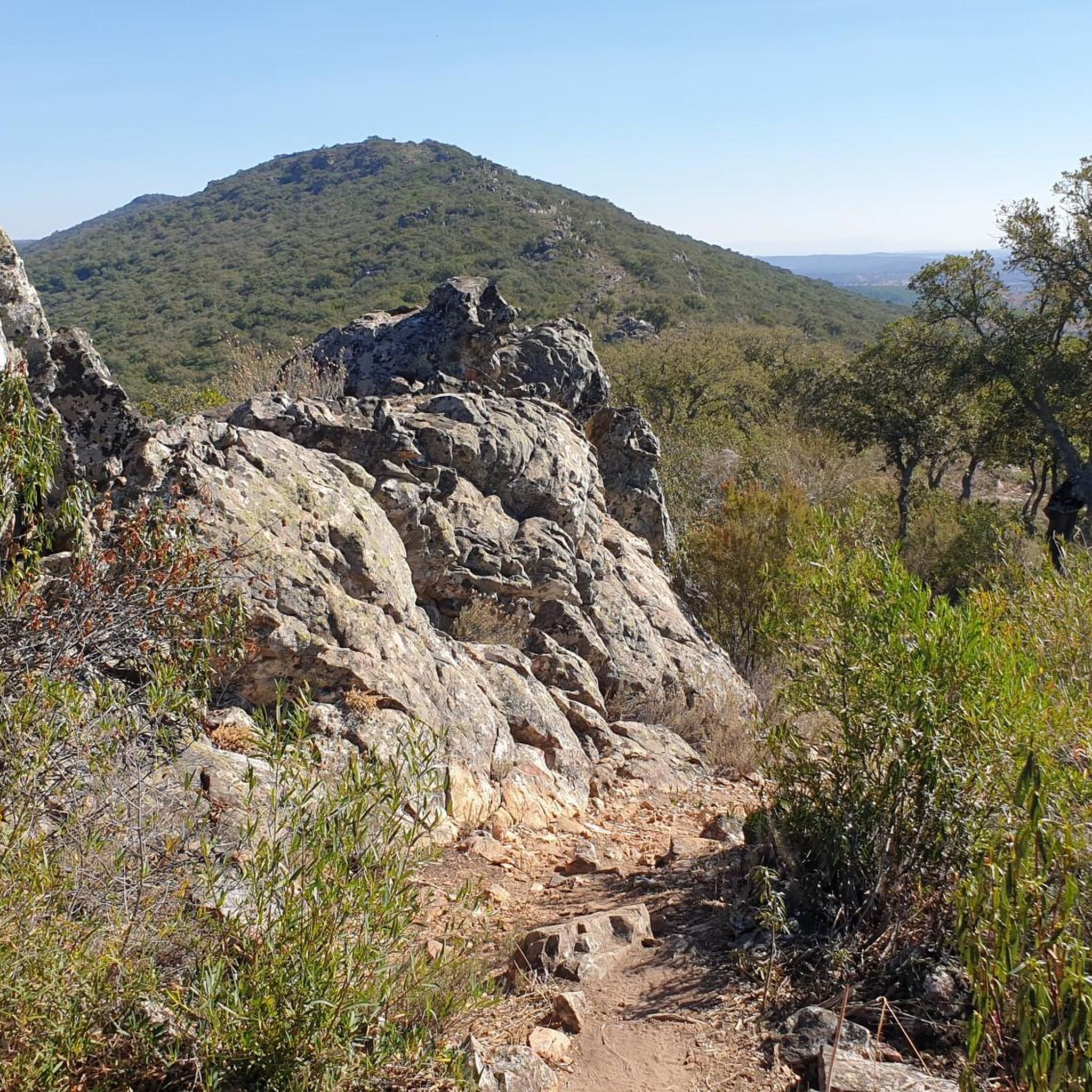
On the Plaza de los Moros Route, near Horcajo de los Montes, there is a prominent rock face that forms part of the natural and geological landscape of the route.
6
0

An attractive route along the banks of the Estena River, a beautifully preserved riverbed. Besides the stunning scenery, you can admire typical Mediterranean vegetation (holm oaks, cork oaks, gall oaks, rock roses, etc.), riparian vegetation (ash, willows, etc.), northern trees such as yew and birch, remarkable geological formations created by erosion, and traces of the periods when this area was covered by the sea more than 400 million years ago, such as those of a giant sea worm. It is considered a Site of Geological Interest (geosite).
17
1
Near the top you come across this beautiful rock face.
18
1
It is one of the many natural lagoons that characterize this area, including the Lagunas de Alcoba and Horcajo de Los Montes.
0
1
At the end of the road is a picnic area and parking. From here, a path leads down the riverbed to the waterfall, a total distance of 6.5 km (4 miles) round trip. In October, the waterfall had dried up.
18
1
Frequently Asked Questions
What unique natural features can I explore around Helechosa De Los Montes?
Beyond the well-known sites, you can discover the enchanting Banks of the Estena River, which showcases remarkable geological formations and traces of ancient sea life, making it a Site of Geological Interest. Another unique spot is Valtriguero, often described as a 'fairy forest' due to its distinctive geology and vegetation, including Pyrenean oak and strawberry trees, creating a surprising microclimate.
Are there family-friendly natural monuments to visit in the area?
Yes, several natural monuments are suitable for families. La Chorrera de Horcajo Waterfall offers a scenic route of approximately 4.5 km with a picnic area, perfect for a family outing. Additionally, Laguna de la Raña is a small seasonal lagoon where families can enjoy birdwatching, especially during the rainy season when it fills with water.
What kind of wildlife can I expect to see near the natural monuments?
The region is rich in wildlife, particularly within the Cíjara Nature Reserve and Cabañeros National Park. You might spot threatened and protected species such as the Iberian Lynx, imperial eagles, and vultures. Migrating storks and cranes are also common. At Laguna de la Raña, you can observe various birds and fauna on its banks, especially during the wetter months. The mini-zoo on the promenade of the swimming pool in Helechosa de los Montes also offers a chance to see semi-wild deer and wild boars.
What outdoor activities can I do near these natural monuments?
The area offers a variety of outdoor activities. You can enjoy hiking, mountain biking, and road cycling. For hiking, consider routes like the La Chorrera de Horcajo Trail or the Path of the Plaza de los Moros. Mountain biking options include the Sierra de Castellar de los Bueyes Loop, while road cyclists can explore the Cíjara Reservoir Loop. You can find more details on these activities in the dedicated guides for Hiking around Helechosa De Los Montes, MTB Trails around Helechosa De Los Montes, and Road Cycling Routes around Helechosa De Los Montes.
Are there any historical or archaeological sites integrated with the natural landscape?
Yes, the site known as El Muro near Helechosa de los Montes holds archaeological significance, featuring vestiges from Roman times and ancient fortified settlements (castros). This allows visitors to connect with the past while enjoying the natural surroundings.
What is the best time of year to visit the natural monuments around Helechosa De Los Montes?
The best time to visit largely depends on your preferred activities. Spring and autumn generally offer pleasant temperatures for hiking and exploring. During the rainy season, Laguna de la Raña is full, making it ideal for birdwatching. In October, the La Chorrera de Horcajo Waterfall may have dried up, so if seeing the waterfall is a priority, consider visiting after periods of rain.
Are there any viewpoints or scenic spots for photography?
Absolutely. The La Chorrera de Horcajo Waterfall route offers beautiful landscapes. The Rock face near Horcajo de los Montes provides a prominent natural feature for photography. Additionally, Fuente de los Manzanos is known as a resting point with beautiful views, perfect for appreciating the surrounding scenery.
Can I find picnic areas or places to relax outdoors?
Yes, there are several spots ideal for picnics and relaxation. La Chorrera de Horcajo Waterfall has a dedicated picnic area. The Paraje de La Barca, located at the foot of the Cíjara reservoir, also offers a picnic area and recreational facilities, making it a popular spot for enjoying the reservoir views.
What kind of terrain and difficulty can I expect on hiking trails?
Hiking trails around Helechosa De Los Montes vary in difficulty. For instance, the La Chorrera de Horcajo Route is generally considered intermediate, while the Path of the Plaza de los Moros is an easy circular walk. The Banks of the Estena River and the Rock face are also intermediate. The landscape features diverse terrain, from riverbeds and forest paths to rocky outcrops and dehesas with oak and gall oak trees.
Are there opportunities for water-based activities?
The expansive Cíjara Reservoir is a significant natural attraction offering various water-based activities. It's known for fishing, particularly for pike, and provides opportunities for nautical sports. Numerous recreational areas along its banks are perfect for enjoying a day outdoors by the water.
How long should I plan for a visit to the natural monuments?
The duration of your visit can vary. A short hike to La Chorrera de Horcajo Waterfall might take a few hours (4.5 km round trip). Exploring the Banks of the Estena River or Laguna de la Raña could be a half-day excursion. For a more immersive experience, such as exploring the vast Cíjara Nature Reserve or combining multiple sites, you might want to dedicate a full day or even several days.
What should I wear when visiting the natural monuments?
Given the diverse terrain and outdoor activities, it's advisable to wear comfortable hiking shoes or sturdy walking boots. Layers of clothing are recommended to adapt to changing weather conditions, especially during spring and autumn. Don't forget sun protection, a hat, and plenty of water, particularly during warmer months.
Most popular attractions around Helechosa De Los Montes

Get inspired with the komoot mobile app


