Top 4 Natural Monuments around Aspin-Aure
Best natural monuments around Aspin-Aure are situated in the Hautes-Pyrénées department of southwestern France, within the Aure valley. This region serves as a gateway to the natural wonders of the Pyrenees, including areas within the Pyrenees National Park. The landscape features significant natural areas of ecological, faunistic, and floristic interest.
Best natural monuments around Aspin-Aure
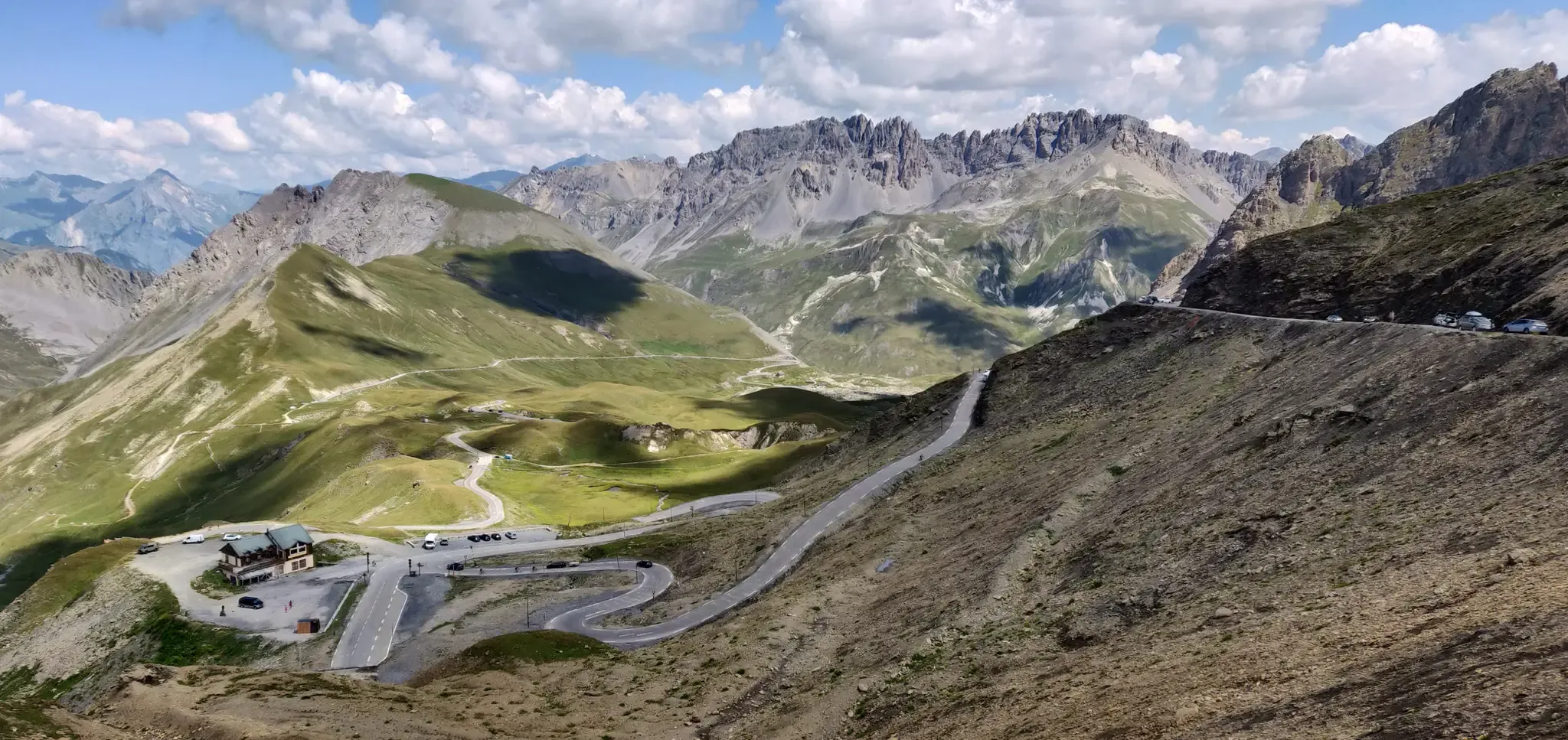
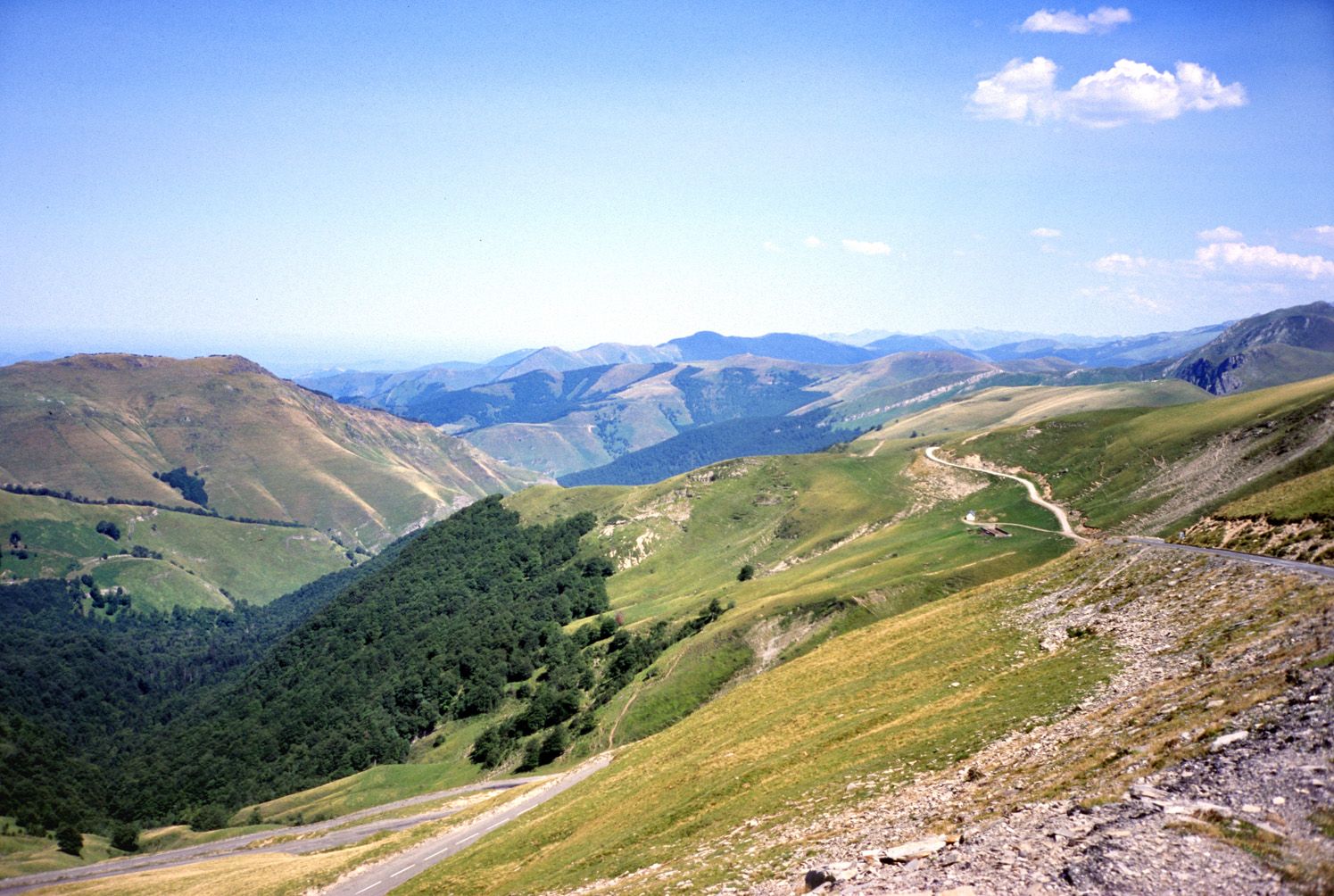
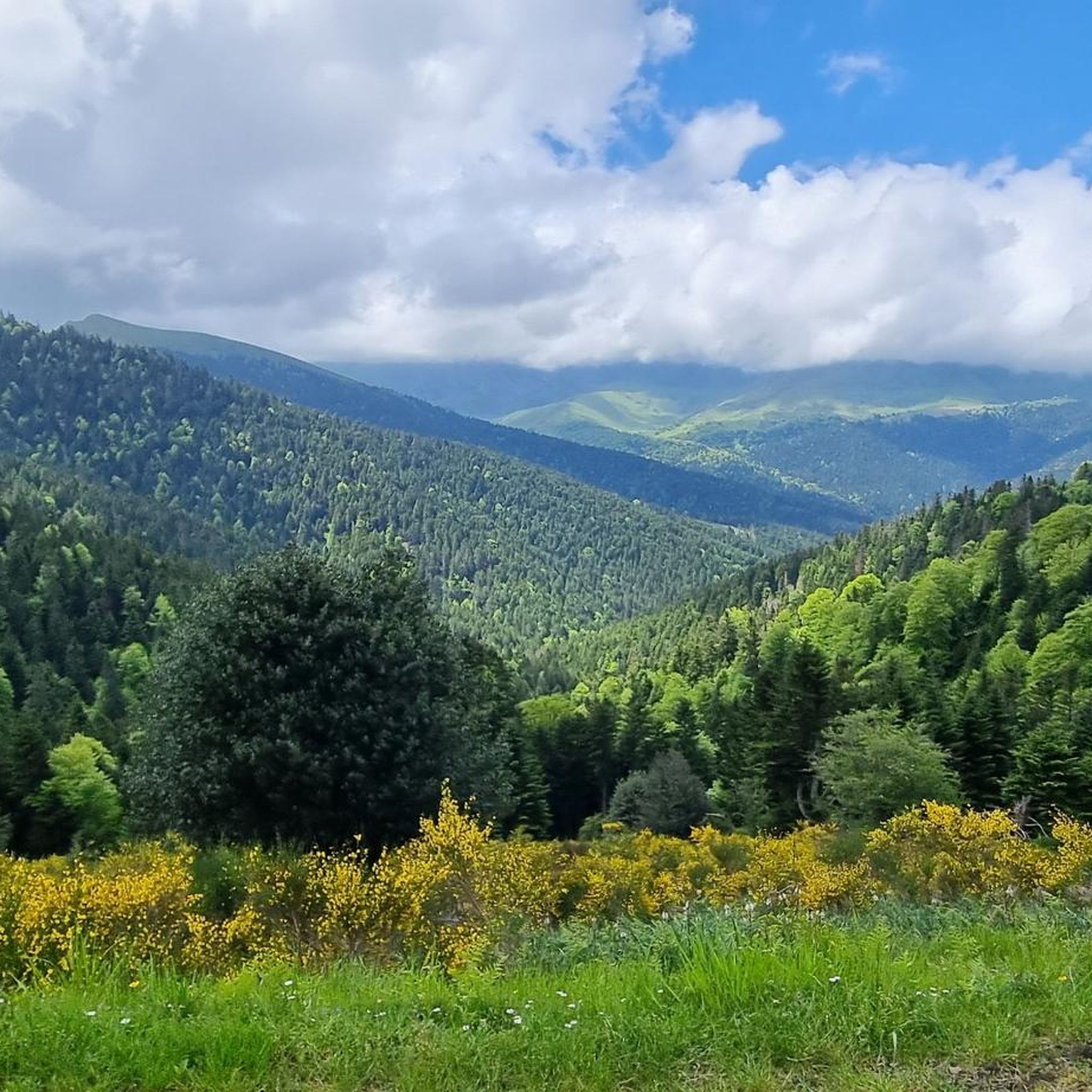
- The most popular natural monuments is Col d'Aspin, a mountain pass that reaches an altitude of 1,489 meters. It offers splendid views of the surrounding mountains and is known for its inclusion in the Tour de France.
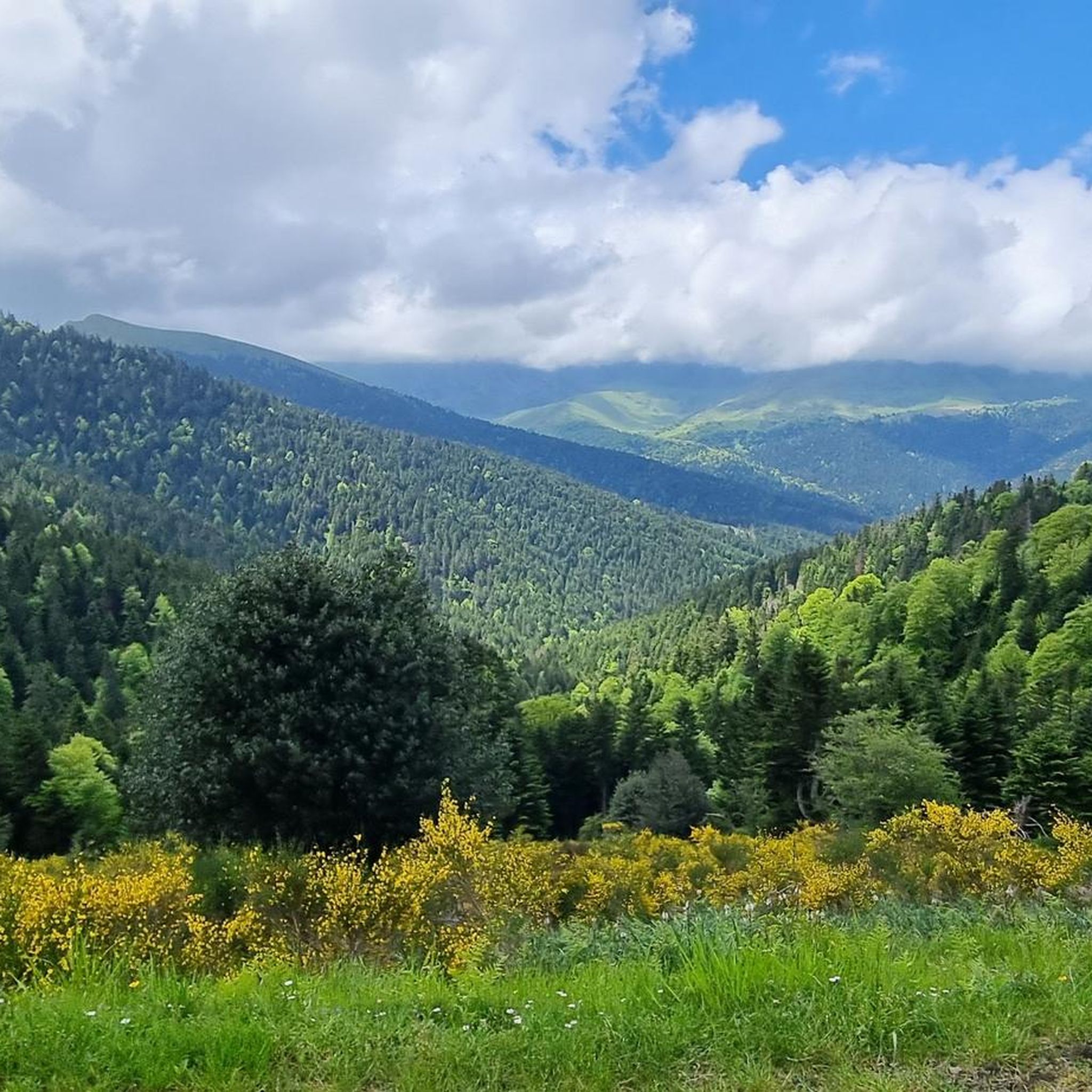
- Another must-see spot is Lac de Payolle, an artificial lake surrounded by forests and mountains. Visitors can enjoy easy walks around the lake, which is also a starting point for various outdoor activities.
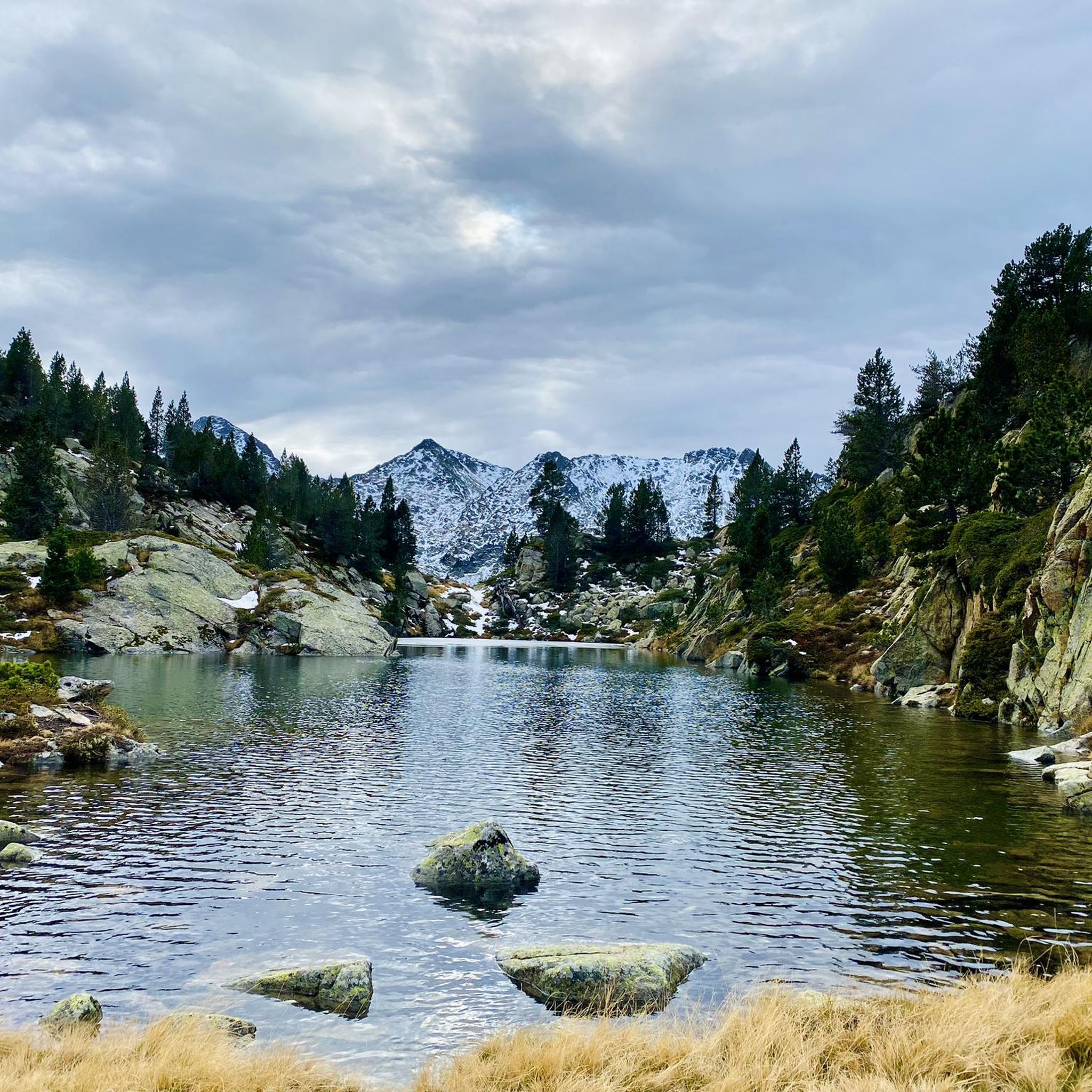
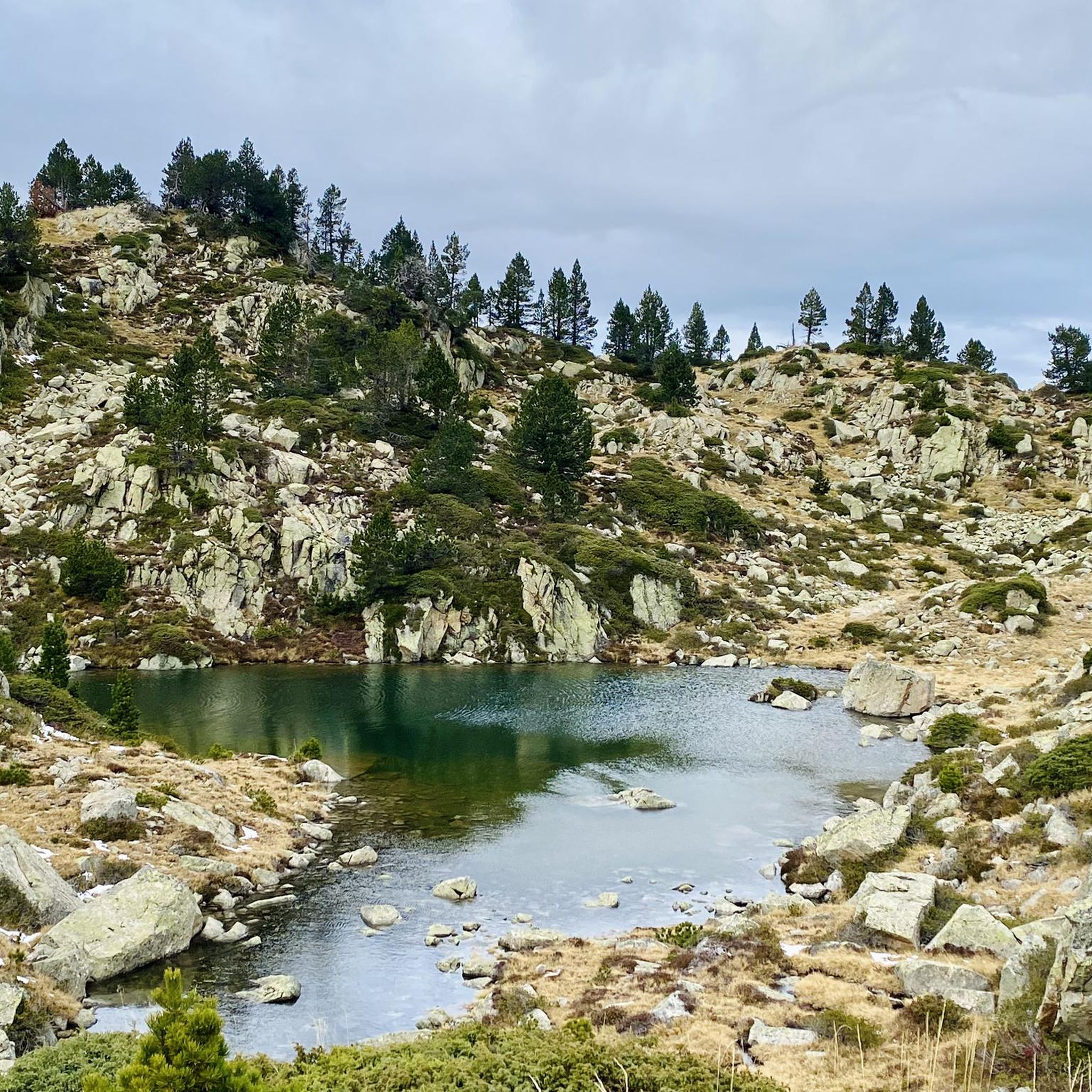
- Visitors also love Refuge de Campana de Cloutou, a hut located at 2,225 meters above sea level, bordering a lake in the Néouvielle nature reserve. It provides a base for exploring the high-altitude natural environment.
- Aspin-Aure is known for its mountain passes, lakes, and high-altitude refuges. The region offers a variety of natural monuments to see and explore, from accessible lake circuits to challenging mountain ascents.
- The natural monuments around Aspin-Aure are appreciated by the komoot community, with over 480 upvotes and 185 photos shared by visitors.
Last updated: July 4, 2026
Col d'Aspin
Highlight • Mountain Pass
Translated by Google •
Tip by

Espiadet Royal Quarry
Highlight • Structure
The attested existence of the Espiadet marble quarry in Payolle dates back to Roman times.
Marble was then used for paving and creating baths in thermal baths and decorating wealthy homes.
It was also used for the manufacture of medieval sarcophagi or ex-votos for altars.
Campan marble, which became “Royal Marble” in the time of Louis XIV, is present all over the world.
It has crossed the centuries and left its mark on the most beautiful monuments.
It owes its fame to its different colors which harmonize perfectly!
Since 2004, our association “Les Marbrés de l’Espiadet” has been working to preserve and recognize this exceptional heritage.
We are pleased to welcome you there every summer.
On the operating site, come and discover:
- Magnificent slabs of different colors, green, green-pink, Morello cherry red...
- very high walls with traces of drilling, sawing, etc.
- vestiges, winch, pulleys, cables…
- the history of marble and marble workers
- mining methods and means of transport
Downstream from Payolle, come and see the hydroelectric power station dating from 1913 and its dam (free access).
100 meters from the quarry, the quarrymen's house on the edge of the D918 where the engine and the drive system of the helical cable are still located...
Translated by Google •
Tip by

Sign up now to discover places like this
Get recommendations on the best single tracks, peaks, & plenty of other exciting outdoor places.
Sign up for free
Refuge de Campana de Cloutou
Highlight • Mountain Hut
More information: refugecampanadecloutou.ffcam.fr
Translated by Google •
Tip by

Lac de Payolle
Highlight • Lake
Translated by Google •
Tip by
Sarrat de Gaye
Highlight (Segment) • Trail
Translated by Google •
Tip by

Start today with a free account
Your next adventure awaits.
Login or Signup
Popular around Aspin-Aure


Tips from the Community

There you'll find expert advice on what to do next on your hikes. If you stay the evening, the dining room is welcoming and the meals are delicious and plentiful. The nearby bivouac area can accommodate around ten tents.
0
0

Very smooth paths that are great to do on gravel! Magnificent view!! It's really great to go there. I went there on the way down from the Tourmalet, it was great :)
0
0

Pleasant and legendary climb used by the Tour de France
1
0

Agree with the other reviews. The trail is wide and clear, dirt with gravel and rocks. It's also quite steep. In short, for me, it wasn't very easy. But the secondary road that follows is very pleasant and rarely used. When you head towards the Col d'Aspin road, it's almost entirely downhill. Be careful of potholes, however, on this secondary road.
0
0

A beautiful lake, the tour is easy to do!
0
0
Peaceful alternative route to climb payolle.
0
0

Frequently Asked Questions
What are some of the most notable natural monuments to visit near Aspin-Aure?
Beyond the immediate vicinity of Aspin-Aure, the broader Hautes-Pyrénées region offers several spectacular natural monuments. You can explore the iconic Col d'Aspin, a mountain pass famous for its Tour de France history and panoramic views. Other must-see sites include the dramatic Lac de Payolle, the awe-inspiring Cirque de Gavarnie with its colossal waterfall, and the majestic Pic du Midi de Bigorre, offering unparalleled 360-degree vistas from its summit.
Are there family-friendly natural monuments around Aspin-Aure?
Yes, several natural monuments are suitable for families. Lac de Payolle is an excellent choice, offering easy walks around the lake, fishing, and canoeing. The hike to Lac d'Oô is also considered relatively easy and rewarding, making it suitable for families seeking an immersive mountain experience without extreme difficulty. The path to the foot of the Cirque de Gavarnie from the village is also an easy walk with impressive views.
What outdoor activities can I do near these natural monuments?
The region around Aspin-Aure is a paradise for outdoor enthusiasts. You can enjoy various activities such as hiking, cycling, and gravel biking. For instance, the Col d'Aspin is a starting point for hikes, including a loop to the Plo del Naou summit. The area around Lac de Payolle offers opportunities for fishing, canoeing, and hiking. More challenging hikes can be found around Lac d'Oô, extending to higher-altitude lakes.
Are there specific cycling routes that include natural monuments?
Absolutely. The region is renowned for its cycling opportunities, especially around the famous mountain passes. You can find numerous routes that incorporate natural monuments like the Col d'Aspin. For detailed routes, you can explore guides like Cycling around Aspin-Aure or Road Cycling Routes around Aspin-Aure, which feature climbs and loops around these natural wonders.
What is the best time of year to visit the natural monuments around Aspin-Aure?
The best time to visit largely depends on your preferred activities. For hiking and cycling, late spring (May-June) and early autumn (September-October) offer pleasant temperatures and fewer crowds. Summer (July-August) is ideal for enjoying the lakes and higher-altitude trails, though it's also the busiest period. Winter transforms the landscape into a snowy wonderland, suitable for winter sports, but some passes and trails may be inaccessible.
What historical or geological features can I find among the natural monuments?
The region is rich in both geological and historical significance. The Cirque de Gavarnie is a prime example of a glacial amphitheater, showcasing the powerful geological forces that shaped the Pyrenees. You can also visit the Espiadet Royal Quarry, which has an attested existence dating back to Roman times and was a source of 'Royal Marble' used in famous monuments worldwide. The Col d'Aspin is also historically significant due to its frequent inclusion in the Tour de France.
Are there any high-altitude refuges or accommodations near the natural monuments?
Yes, for those venturing into higher altitudes, the Refuge de Campana de Cloutou is a notable option. Located at 2,225 meters above sea level in the Néouvielle nature reserve, it borders a lake and provides accommodation and expert advice for hikers. It's a great base for exploring the high-altitude natural environment.
What kind of views can I expect from the natural monuments?
The natural monuments around Aspin-Aure offer spectacular and diverse views. From the Col d'Aspin, you'll get splendid views of the surrounding mountains. The Pic du Midi de Bigorre provides breathtaking 360-degree panoramic views over 300 kilometers of the Pyrenees mountain range. Lac d'Oô is known for its emerald waters and a dramatic 275-meter waterfall, while the Cirque de Gavarnie offers awe-inspiring vistas of its colossal limestone cliffs and Europe's largest waterfall.
What makes the Col d'Aspin a significant natural monument?
The Col d'Aspin is significant for several reasons. It's a mountain pass reaching 1,489 meters, offering picturesque scenery and splendid views. It's intrinsically linked to the Tour de France, having been part of the race over 70 times, making it an iconic climb for cyclists. For non-cyclists, it serves as a starting point for various hikes and provides access to the nearby Lac de Payolle.
Can I find trails with varying difficulty levels near these natural monuments?
Yes, the region caters to all levels of hikers and cyclists. For example, the routes around Lac de Payolle are generally easy. The climb up Col d'Aspin is considered a moderate ascent for cyclists. More challenging hikes can be found leading to higher-altitude lakes from Lac d'Oô, or for experienced hikers exploring the technical paths around Cirque de Gavarnie. You can find detailed difficulty ratings in guides like Gravel biking around Aspin-Aure.
Are there any unique geological formations or natural phenomena to observe?
The region is home to several unique geological formations. The Cirque de Gavarnie, a UNESCO World Heritage site, is a colossal glacial amphitheater with towering limestone cliffs and the Grande Cascade de Gavarnie, Europe's largest waterfall. The Pyrenees National Park, which encompasses parts of this area, also features five natural areas of ecological, faunistic, and floristic interest (ZNIEFF), highlighting its rich biodiversity and unique ecosystems.
What do visitors enjoy most about the natural monuments around Aspin-Aure?
Visitors frequently praise the breathtaking natural beauty and the sense of tranquility. Many appreciate the stunning panoramic views from places like the Col d'Aspin and Pic du Midi de Bigorre. The peaceful ambiance of lakes like Lac de Payolle and Lac d'Oô, combined with opportunities for hiking and cycling, are also highly valued. The sheer scale and drama of sites like the Cirque de Gavarnie leave a lasting impression on many.
Most popular routes around Aspin-Aure
Most popular attractions around Aspin-Aure

Get inspired with the komoot mobile app


Explore more
Extend your search for the best caves by checking out these guides of the top ones around Aspin-Aure:
