Top 3 Castles around Cantillac
Castles near Cantillac France are situated in the Dordogne region, also known as Périgord, a historical area in southwestern France. This region is characterized by its numerous historic castles, often referred to as the "land of 1001 chateaux." The landscape features river valleys and limestone cliffs, providing strategic locations for these fortified structures. Many castles in the area played roles during the Hundred Years' War, marking the Dordogne River as a historical frontier.
Best castles around Cantillac
- The most popular…
Last updated: June 18, 2026
Boschaud Abbey
Highlight • Historical Site
Translated by Google •
Tip by

Bourdeilles Castle
Highlight • Castle
Visit Bourdeilles for its medieval castle, partly renovated during the Renaissance.
For its rich history: The castle, with its two distinct parts – medieval …
Translated by Google •
Tip by

Sign up now to discover places like this
Get recommendations on the best single tracks, peaks, & plenty of other exciting outdoor places.
Sign up for free
Ramefort Castle
Highlight • Castle
Translated by Google •
Tip by

Château de Puyguilhem
Highlight • Castle
Translated by Google •
Tip by
Start today with a free account
Your next adventure awaits.
Login or Signup
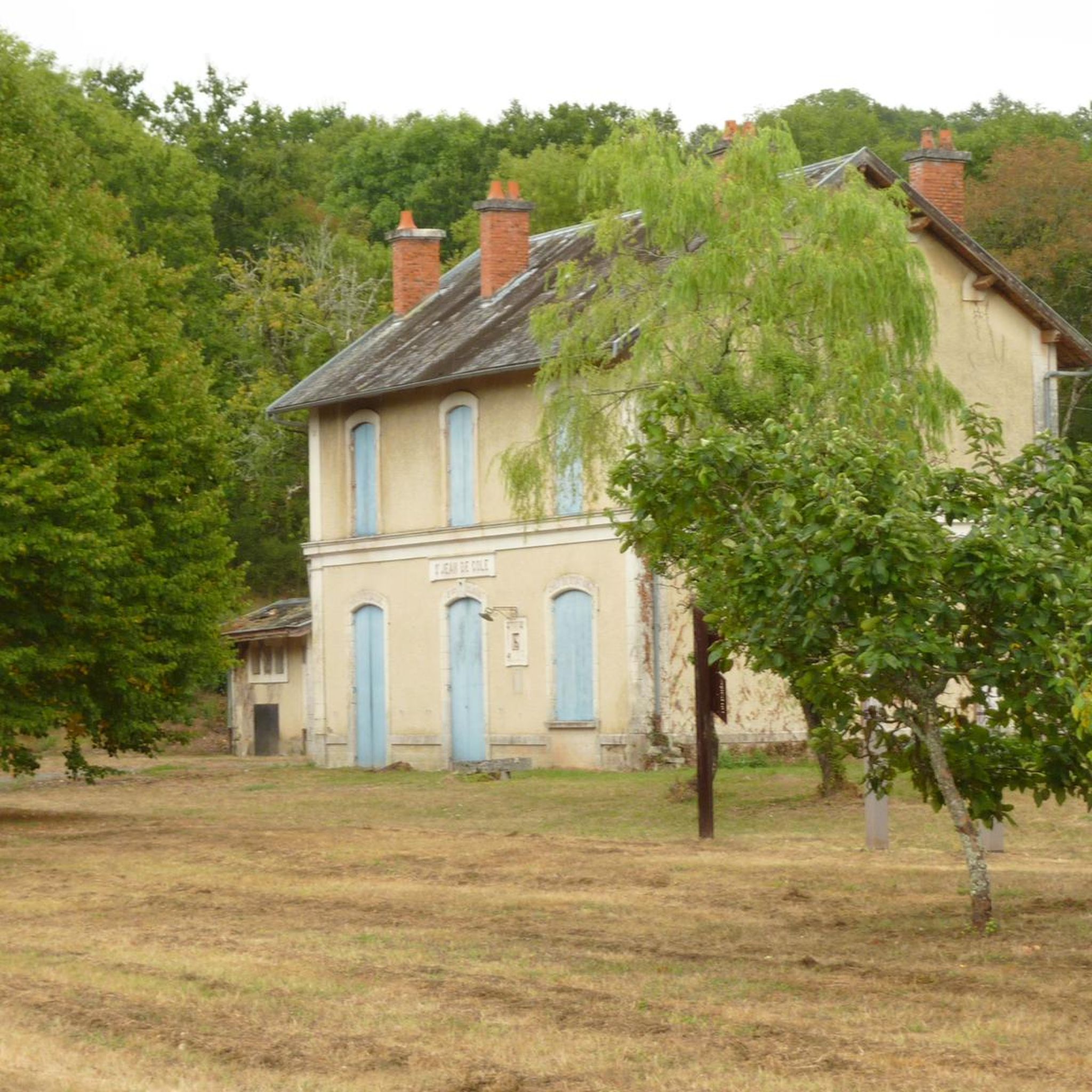

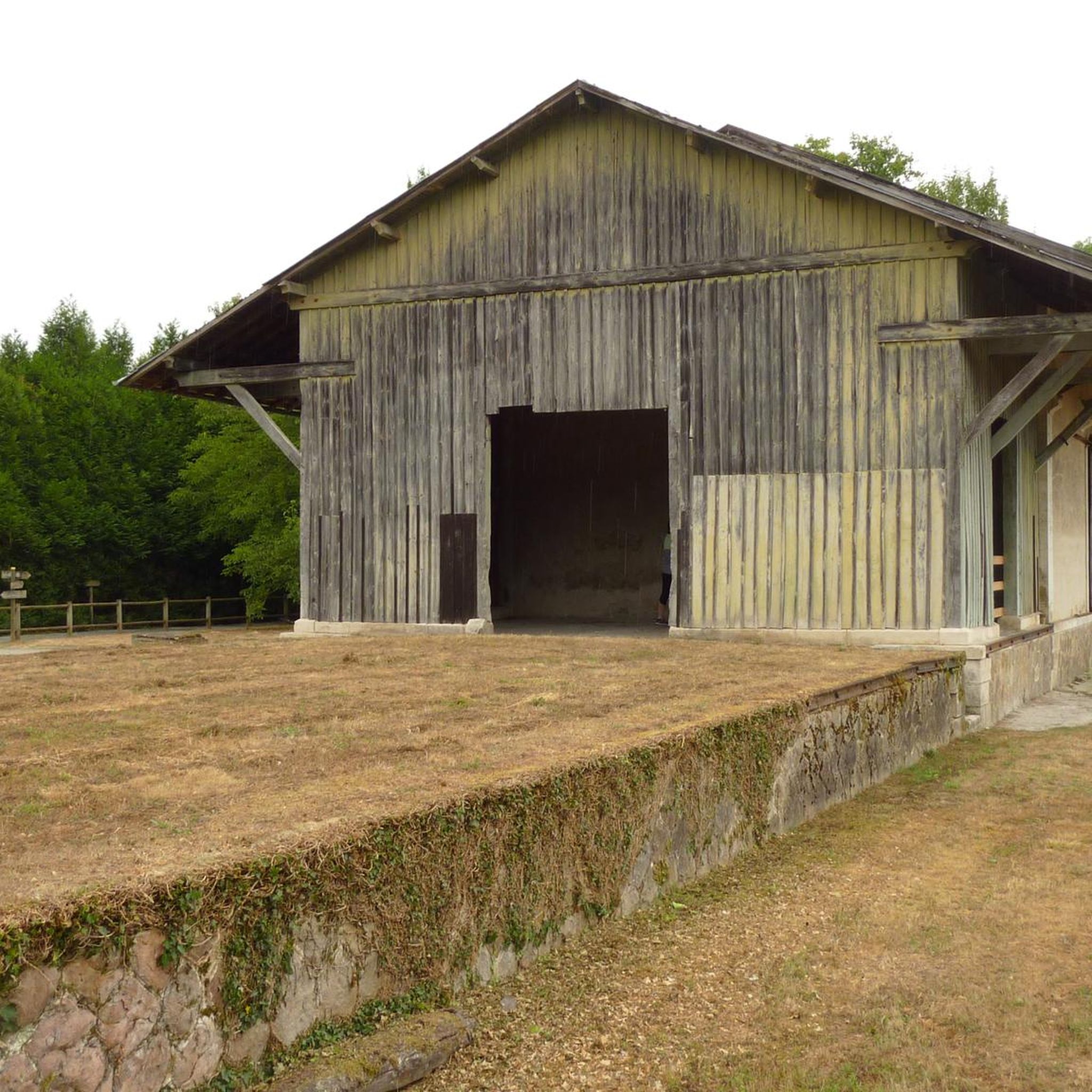
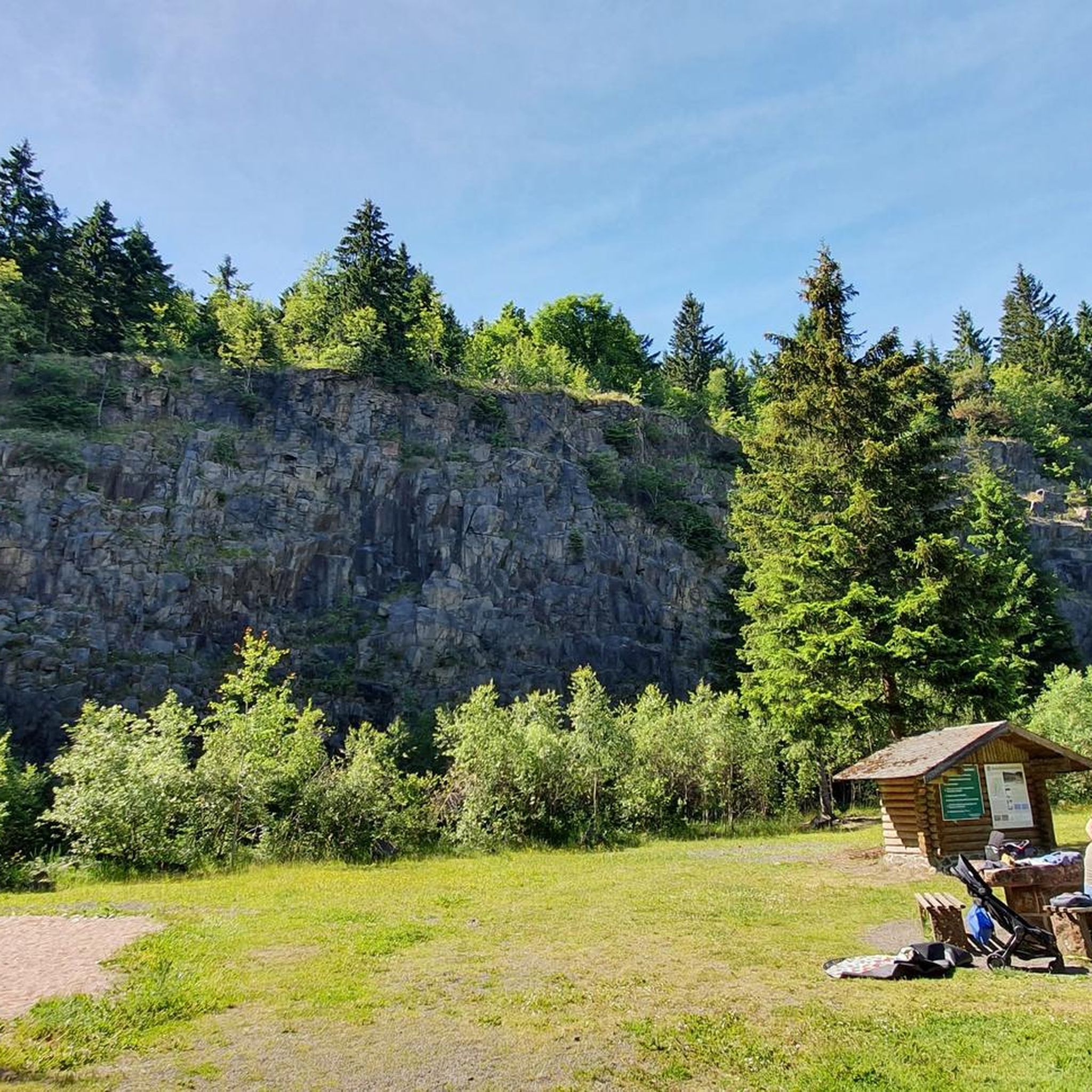

Tips from the Community

Beautiful chateau! Best seen from the road. The last 200 meters or so aren't really suitable for a racing bike.
0
0

Why Visit Boschaud Abbey? For its history: Boschaud Abbey is a fascinating testimony to Cistercian monastic life in the Middle Ages, offering insight into the spiritual and architectural practices of that time. For its ruined beauty: Despite its partially destroyed state, the abbey retains an undeniable charm. The remains still tell of its glorious past and offer a unique contemplative experience. For the natural setting: Surrounded by greenery and calm, the abbey is a perfect place for those seeking tranquility and contact with nature. Boschaud Abbey is a place full of mystery and serenity, where history and nature intertwine, offering a memorable experience to those who venture there.
2
0
The natural setting: Peaceful environment: The abbey is located in a peaceful natural environment, surrounded by woods and fields, making it a place of tranquility. Visitors can enjoy walks in the surrounding area while discovering the history of the site. Harmony with nature: In accordance with Cistercian ideals, the Boschaud site was chosen for its isolation and natural beauty, in symbiosis with the simple and spiritual life that the monks sought. Visiting the site: Access to the ruins: Visitors can freely explore the ruins of the abbey, which allows a better understanding of the layout of the original buildings, such as the cloister, the church, and the monks' dormitories. Sense of timelessness: Visiting the ruins offers a unique atmosphere, where the past seems suspended in time, with vegetation that has reclaimed its rights on certain parts of the building, adding a particular charm to the site. Activities in the surrounding area: Near Brantôme: Located a few kilometres from the town of Brantôme, also known as the "Venice of Périgord", a visit to Boschaud Abbey can be combined with other historical sites in the region. Hiking and walking: The surroundings of the abbey offer many hiking trails that allow you to discover the natural beauty of the Périgord Vert.
2
0
Boschaud Abbey is a fascinating historical site located in the Dordogne, not far from Brantôme. Founded in the 12th century, this Cistercian abbey, although partially in ruins today, retains a particular charm that attracts history and religious architecture enthusiasts. Points of Interest of Boschaud Abbey: History of the Abbey: Founded in the 12th century: Boschaud Abbey was founded in 1154 by Cistercian monks. It was built according to the principles of the Cistercian order, advocating simplicity and stripping down, in harmony with the surrounding nature. Periods of prosperity and decline: Over the centuries, the abbey experienced periods of prosperity, in particular thanks to the agricultural production of the monks, before suffering destruction, notably during the Hundred Years' War and the Wars of Religion, which led to its gradual ruin. Architecture: Cistercian style: Boschaud Abbey is a fine example of Cistercian architecture. The remains show the simplicity and sobriety that characterize this order, with clean lines and limited use of decoration. Preserved elements: Although the abbey is in ruins, several architectural elements are still visible, including the foundations of the abbey church, Gothic arches and the walls of some parts of the abbey. The main structure of the church is particularly impressive, even in its ruined state.
2
0
Why Visit the Château de Bourdeilles? Visit Bourdeilles for its medieval castle, partly renovated during the Renaissance. For its rich history: The castle, with its two distinct parts – medieval and Renaissance – offers a unique perspective on several centuries of French history. For its panoramas: The castle tower offers magnificent views of the surrounding countryside, a highlight for landscape lovers. For its architectural heritage: This castle combines the charms of a medieval fortress and the elegance of a Renaissance palace, a rarity that makes it a must-see destination in the Dordogne. The Château de Bourdeilles is a captivating visit, offering both an immersion in history and an appreciation of the region's landscapes. It is a place where one can travel through the centuries while enjoying the natural charm of the Dordogne.
1
0

The Cistercian abbey of Boschaud owes its name to the topographical configuration of the place: Bosco Cavo means “hollow wood” or “wooded valley” in Latin. Founded in the 12th century, partly destroyed during the Wars of Religion, the abbey combines the great Cistercian principles with a style typical of Périgord, the single nave of the church being vaulted with a row of domes on pendants. Rediscovered in the 19th century, the remains of the convent buildings are imbued with a very strong spirituality. Free visit using panels detailing the history of the site.
0
0

A very beautiful old monastery ruin. Ideal for taking a break.
2
0

Very nice site. Ideal for a break
2
0
Frequently Asked Questions
What types of historical sites can I explore around Cantillac?
The area around Cantillac, situated in the heart of the Dordogne region, offers a rich variety of historical sites. You can visit medieval fortresses like Bourdeilles Castle, which also features a Renaissance palace, or explore the ruins of Boschaud Abbey, a Cistercian abbey founded in the 12th century. The region is known for its diverse architectural styles, reflecting centuries of history, including the Hundred Years' War.
Which castles offer the best views of the surrounding countryside?
For magnificent views, Bourdeilles Castle is an excellent choice, with its tower providing panoramic vistas. Ramefort Castle, built sheer on the rock, also commands impressive views of the river road between Brantôme and Bourdeilles. Further afield, Château de Beynac, perched dramatically on a cliff, offers breathtaking views of the Dordogne River Valley.
Are there any family-friendly castles to visit near Cantillac?
Yes, Bourdeilles Castle is noted as family-friendly. For a unique experience, Château des Milandes, once home to Josephine Baker, is very child-friendly and offers a more recent historical perspective, including insights into Baker's life and role in the French Resistance.
What outdoor activities can I do near these castles?
The area around Cantillac is excellent for outdoor activities. You can find numerous hiking and cycling routes. For hiking, consider options like the 'Hike of the Abbaye de Brantôme' or the 'Brantôme Benedictine Abbey – Viewpoint loop from Brantôme'. Cyclists can enjoy routes such as the 'Brantôme Abbey Loop' or the 'Brantôme Benedictine Abbey – Bourdeilles Castle loop from Brantôme'. You can find more details on these and other routes in the Hiking around Cantillac and Cycling around Cantillac guides.
What is the best time of year to visit the castles in the Dordogne region?
The best time to visit the castles in the Dordogne region, including those near Cantillac, is typically during the spring (April to June) and early autumn (September to October). During these periods, the weather is generally pleasant for exploring, and the crowds are usually smaller than in the peak summer months. This also makes it ideal for combining castle visits with outdoor activities like hiking.
Are there any castles that focus on medieval warfare or history?
Château de Castelnaud, located across the Dordogne River from Beynac, houses a comprehensive museum dedicated to medieval warfare. It features an extensive collection of weaponry and armor, along with interactive exhibits and demonstrations of traditional medieval crafts, offering deep insights into the region's military history, particularly during the Hundred Years' War.
Can I visit castles that are still in ruins or have a more natural, untouched feel?
Yes, Boschaud Abbey is a partially ruined Cistercian abbey that retains a particular charm with its Gothic arches and church foundations. Another fascinating option is Château de Commarque, largely in ruins and built into a cliff face, offering a unique glimpse into a site that was hidden for centuries and is now undergoing restoration.
What should I wear when visiting castles in the Cantillac area?
Comfortable walking shoes are highly recommended, as many castles involve walking on uneven surfaces, climbing stairs, and exploring extensive grounds. Layers of clothing are also advisable, as temperatures can vary, especially when moving between indoor and outdoor areas or climbing towers. A hat and sunscreen are useful during sunny periods, and a light jacket can be handy for cooler days or evenings.
Are there any castles that showcase a transformation from a defensive fortress to a more elegant residence?
Château de Hautefort is a prime example, having evolved from a formidable medieval fortress into a magnificent Renaissance palace by the 17th century. Similarly, Bourdeilles Castle combines a medieval fortress with a Renaissance palace, showcasing different architectural styles and historical periods within one site. Château de Puymartin also underwent significant transformations after the Hundred Years' War, becoming more open with larger windows.
What do visitors particularly enjoy about the castles around Cantillac?
Visitors appreciate the rich history and diverse architecture of the castles, ranging from medieval fortresses to Renaissance palaces and ruined abbeys. The komoot community has shared 18 photos and given 22 upvotes, highlighting the beauty and historical significance of sites like Bourdeilles Castle for its views and historical depth, and Boschaud Abbey for its serene, ruined charm.
Are there any lesser-known or 'hidden gem' castles worth exploring?
While not a 'hidden gem' in the sense of being unknown, Château de Puyguilhem is a charming, smaller castle often described as 'pretty' and located in a nice village with superb views from its church. Château de Commarque, largely hidden for centuries, offers a unique experience of exploring a castle built into a cliff face, providing a sense of discovery.
Where can I find more information about the castles in the broader Dordogne region?
For additional information on the numerous castles throughout the Périgord region, you can visit resources like Sarlat Tourisme or Visit European Castles. These sites provide broader context and details on the 'land of 1001 chateaux' that characterizes the Dordogne.
Most popular attractions around Cantillac

Get inspired with the komoot mobile app


Explore more
Looking for the best castles somewhere else? Discover other guides around Cantillac:
