Top 4 Natural Monuments around Sowton
Best natural monuments around Sowton are found in the surrounding East Devon area, easily accessible from the village. This region features diverse landscapes, including ancient woodlands, heathlands, and geological formations. The terrain offers opportunities for exploring historical sites integrated with natural settings. Visitors can discover a variety of natural attractions within a short distance of Sowton.
Best natural monuments around Sowton
- The most popular natural monuments is Woodbury Castle — Iron Age hillfort, a forest and historical site that…
Last updated: June 28, 2026
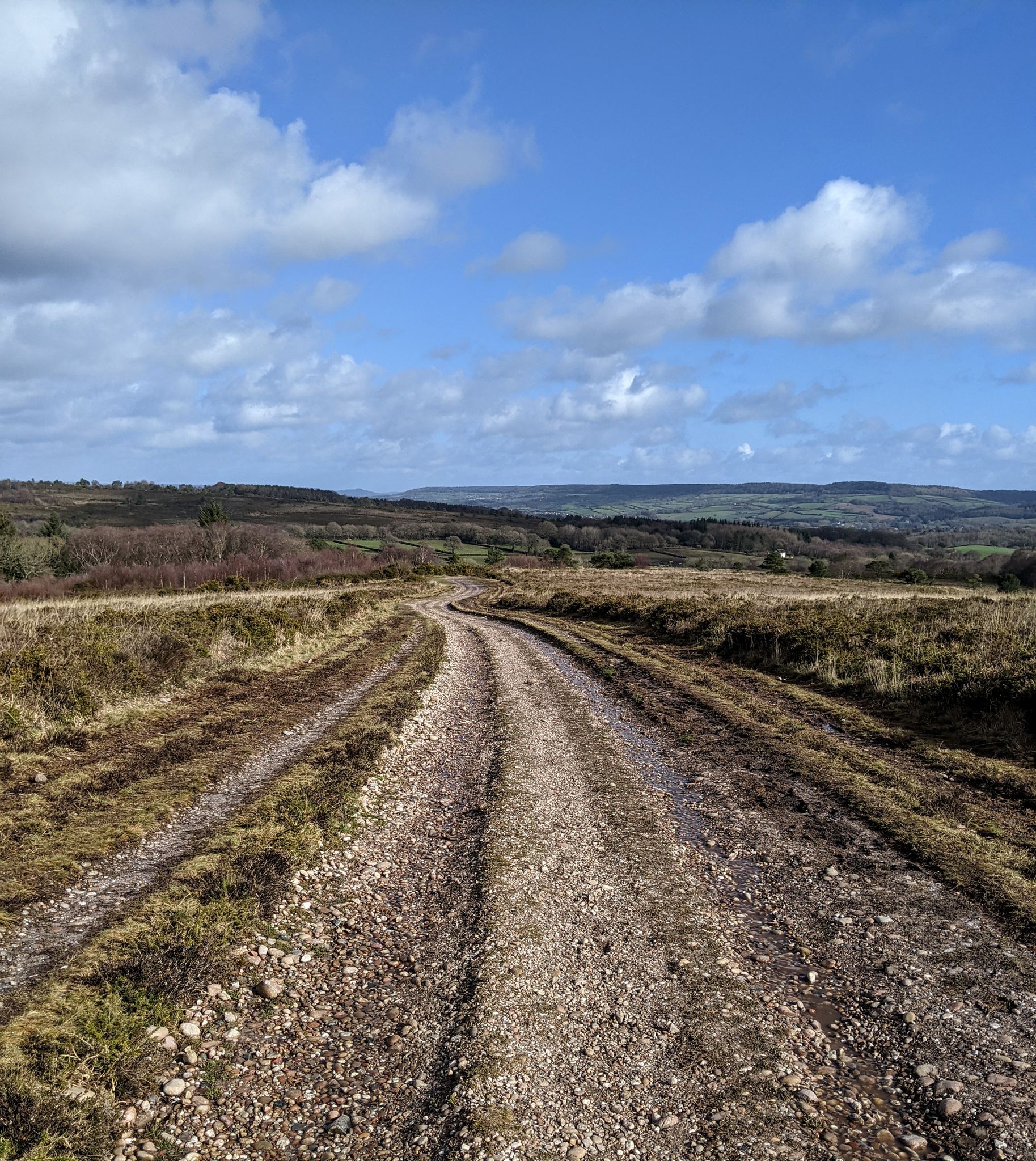
Woodbury Castle — Iron Age hillfort
Highlight • Forest
Tip by

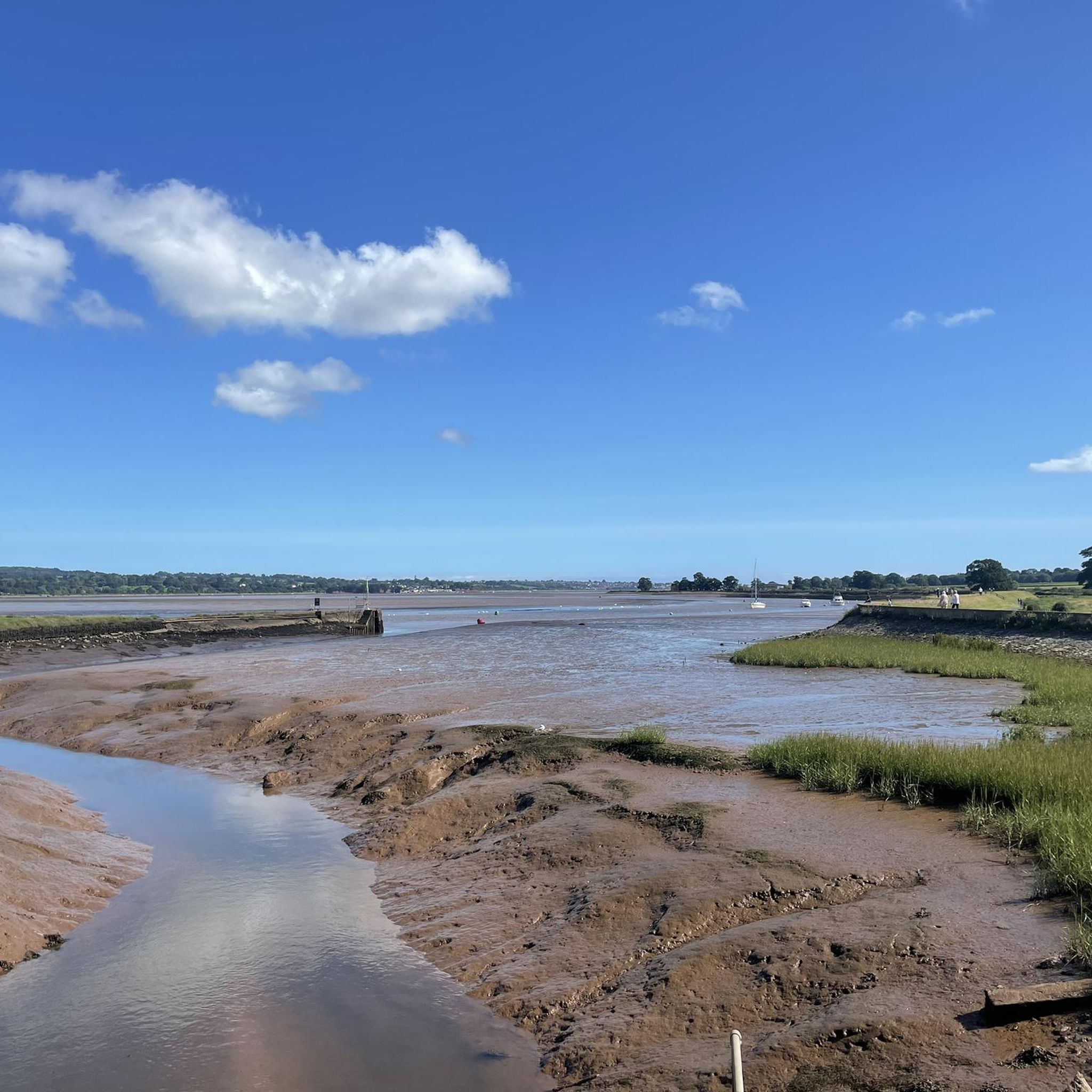
Blackhill Quarry Lake
Highlight • Lake
Tip by
Sign up now to discover places like this
Get recommendations on the best single tracks, peaks, & plenty of other exciting outdoor places.
Sign up for free
Killerton House
Highlight • Historical Site
Tip by

Start today with a free account
Your next adventure awaits.
Login or Signup
Other adventures around Sowton

Tips from the Community

Dipped in her for lunch as its nice a sheltered
1
0

Gnarly track through the woods - there are a few stream crossings to negotiate too.
1
0

Fascinating bit of history to explore here, also keep an eye out for the Jackdaws nesting in the trees.
2
0

An Iron Age hillfort now cloaked in beech trees, Woodbury Castle sits high on beautiful heathland. It has exceptional earthworks and you can roam amongst its ramparts and down into its heart. You’ll find interpretation boards dotted around the castle, explaining the importance of the fort and plenty of archaeological details. Much stewardship work has gone on in recent years, with earthwork stabilisation and strategic tree management. The castle is free to access and is a fantastic place to see in every season. It also lies within the Pebblebed Heaths Conservation Area and is home to a variety of bird, animal and plant life. Please don't ride your bike on this Scheduled Monument.
2
0

Blackhill Quarry (or Black Hill Quarry), is now defunct and is slowly being restored to heathland habitat. This restoration includes open water habitats and the diversity of terrain encourages a similar diversity of wildlife and birds to the area. Semi-feral ponies also graze parts of the area and stay out year round, so you’ve got a great chance to see these native ponies. Lizards, dragonflies and butterflies are all now making a strong comeback.
1
0
An Iron Age hillfort now cloaked in beech trees, Woodbury Castle sits high on beautiful heathland. It has exceptional earthworks and you can roam amongst its ramparts and down into its heart. You’ll find interpretation boards dotted around the castle, explaining the importance of the fort and plenty of archaeological details. Much stewardship work has gone on in recent years, with earthwork stabilisation and strategic tree management. The castle is free to access and is a fantastic place to see in every season. It also lies within the Pebblebed Heaths Conservation Area and is home to a variety of bird, animal and plant life.
2
0

Killerton is an 18th-century house in Broadclyst, Exeter, Devon, England, which, with its hillside garden and estate, has been owned by the National Trust since 1944 and is open to the public. The National Trust displays the house as a comfortable home. On display in the house is a collection of 18th- to 20th-century costumes, originally known as the Paulise de Bush collection, shown in period rooms. The estate covers some 2590 hectares (25.9 km2, 6400 acres). Included in the Estate is a steep wooded hillside with the remains of an Iron Age Hill fort on top of it, also known as Dolbury which has also yielded evidence of Roman occupation, thought to be a possible fort or marching camp within the Hill fort. Killerton House itself and the Bear's Hut summerhouse in the grounds are Grade II listed buildings. The gardens are Grade II listed in the National Register of Historic Parks and Gardens.
0
0
Frequently Asked Questions
What are some notable natural monuments to visit near Sowton?
While Sowton itself is more urban, the surrounding Devon area offers several remarkable natural attractions. You can explore Woodbury Castle, an Iron Age hillfort set on beautiful heathland, or discover the tranquil Blackhill Quarry Lake, which is being restored to a heathland habitat. Further afield, Canonteign Falls offers England's highest man-made waterfall and extensive parkland.
Are there any historical natural monuments in the Sowton area?
Yes, the area boasts significant historical natural monuments. Woodbury Castle is an Iron Age hillfort with exceptional earthworks, offering a glimpse into ancient history amidst a natural setting. Additionally, the Killerton National Trust Estate includes an Iron Age hillfort on an extinct volcano, providing both historical and geological interest.
What kind of natural features can I expect to see around Sowton?
You'll find a diverse range of natural features. The area includes ancient woodlands, heathlands, and tranquil lakes like Blackhill Quarry Lake. Further out, Canonteign Falls features spectacular waterfalls, including Lady Exmouth Falls, and a Victorian Fern Garden. The Killerton Estate offers extensive parkland with a rich botanical collection and geological features from ancient volcanic activity.
Are there family-friendly natural monuments near Sowton?
Absolutely. Woodbury Castle is a fantastic place for families to explore its ramparts and learn about archaeology. Canonteign Falls is particularly family-friendly, offering adventure playgrounds, nature trails, and various walking routes suitable for all ages. The Killerton National Trust Estate also provides extensive grounds for family walks and exploration.
What outdoor activities can I do near the natural monuments around Sowton?
The region offers a variety of outdoor activities. You can enjoy hiking and walking trails through the heathlands around Woodbury Castle. For cycling enthusiasts, there are numerous routes available, including MTB Trails, Gravel biking, and Road Cycling Routes that pass by or near many natural attractions, offering diverse terrain and scenic views.
Are there good hiking trails near Sowton's natural monuments?
Yes, there are excellent hiking opportunities. The area around Woodbury Castle offers trails through beautiful heathland. Canonteign Falls has various walking trails, from gentle lakeside strolls to more invigorating woodland routes leading to the top of the falls. The Killerton National Trust Estate also features an extensive network of walking trails through diverse landscapes.
Where can I find impressive waterfalls near Sowton?
For spectacular waterfalls, head to Canonteign Falls, located about 11 miles from Sowton. It is home to England's highest man-made waterfall, Lady Exmouth Falls, which cascades 220 feet (70m). The site also features natural waterfalls and tranquil lakes within its 90 acres of parkland.
What is the best time of year to visit the natural monuments around Sowton?
The natural monuments around Sowton can be enjoyed year-round. Spring brings blooming wildflowers and fresh greenery, while summer offers warmer weather ideal for longer walks. Autumn provides stunning foliage, especially in wooded areas like Woodbury Castle and Killerton Estate. Even in winter, the landscapes offer a unique, serene beauty, though some facilities might have reduced hours.
Are there any natural monuments with good viewpoints near Sowton?
Yes, several sites offer excellent views. Woodbury Castle, an Iron Age hillfort, sits high on heathland and provides expansive views of the surrounding area. From the top of Canonteign Falls, you can enjoy breathtaking panoramic views across the Devon countryside.
What wildlife might I spot at natural monuments near Sowton?
The diverse habitats around Sowton support various wildlife. At Blackhill Quarry Lake, you have a good chance of seeing semi-feral ponies, lizards, dragonflies, and butterflies. The Pebblebed Heaths Conservation Area, where Woodbury Castle is located, is home to a variety of bird, animal, and plant life, including Jackdaws nesting in the trees.
How long should I plan for a visit to these natural sites?
The duration of your visit depends on the site and your activity. For places like Woodbury Castle or Blackhill Quarry Lake, a couple of hours might suffice for exploration. For larger estates like Killerton or attractions like Canonteign Falls, you could easily spend half a day or a full day enjoying the various trails, gardens, and facilities.
Can I bring my dog to these natural attractions?
Many natural attractions in Devon are dog-friendly, especially those with extensive outdoor areas. Woodbury Castle and Blackhill Quarry Lake are generally open for dogs on leads. For specific sites like Canonteign Falls or the Killerton National Trust Estate, it's always best to check their official websites for their latest dog policies before your visit.
Most popular attractions around Sowton

Get inspired with the komoot mobile app


Explore more
Extend your search for the best caves by checking out these guides of the top ones around Sowton:
