Top 20 Natural Monuments around Henneberg
Best natural monuments around Henneberg are found within Southern Thuringia, Germany, a region characterized by its diverse natural landscape, including parts of the Rhön biosphere reserve. This area offers a range of natural attractions, from significant geological formations to unique botanical features. Visitors can explore various natural landmarks near Henneberg Thuringia, providing opportunities to experience the region's ecological value and scenic views. The landscape is well-suited for those seeking natural features around Henneberg Thuringia surroundings.
Best natural monuments around Henneberg
…Last updated: June 25, 2026
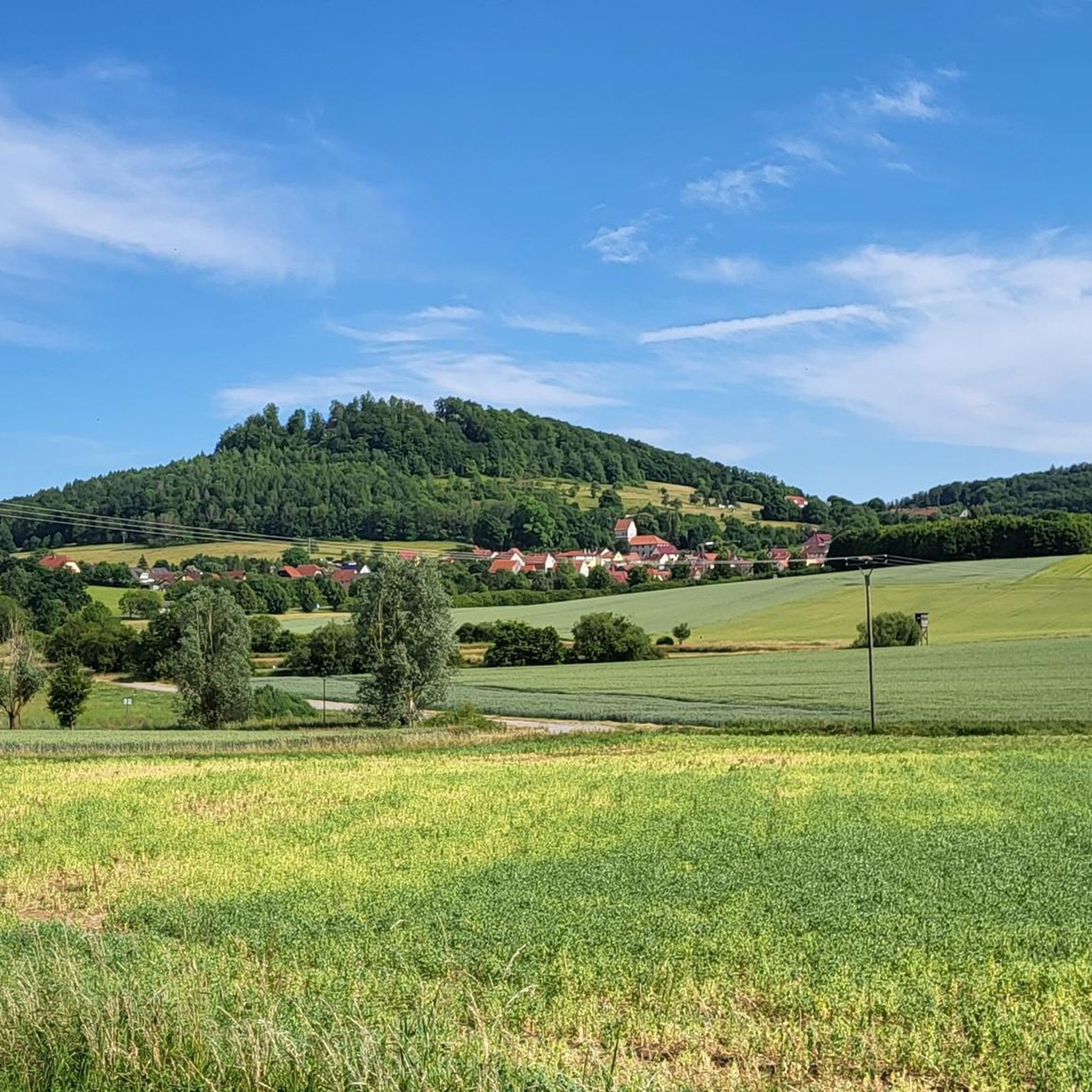
Weyhershauk Summit Cross
Highlight • Summit
Translated by Google •
Tip by

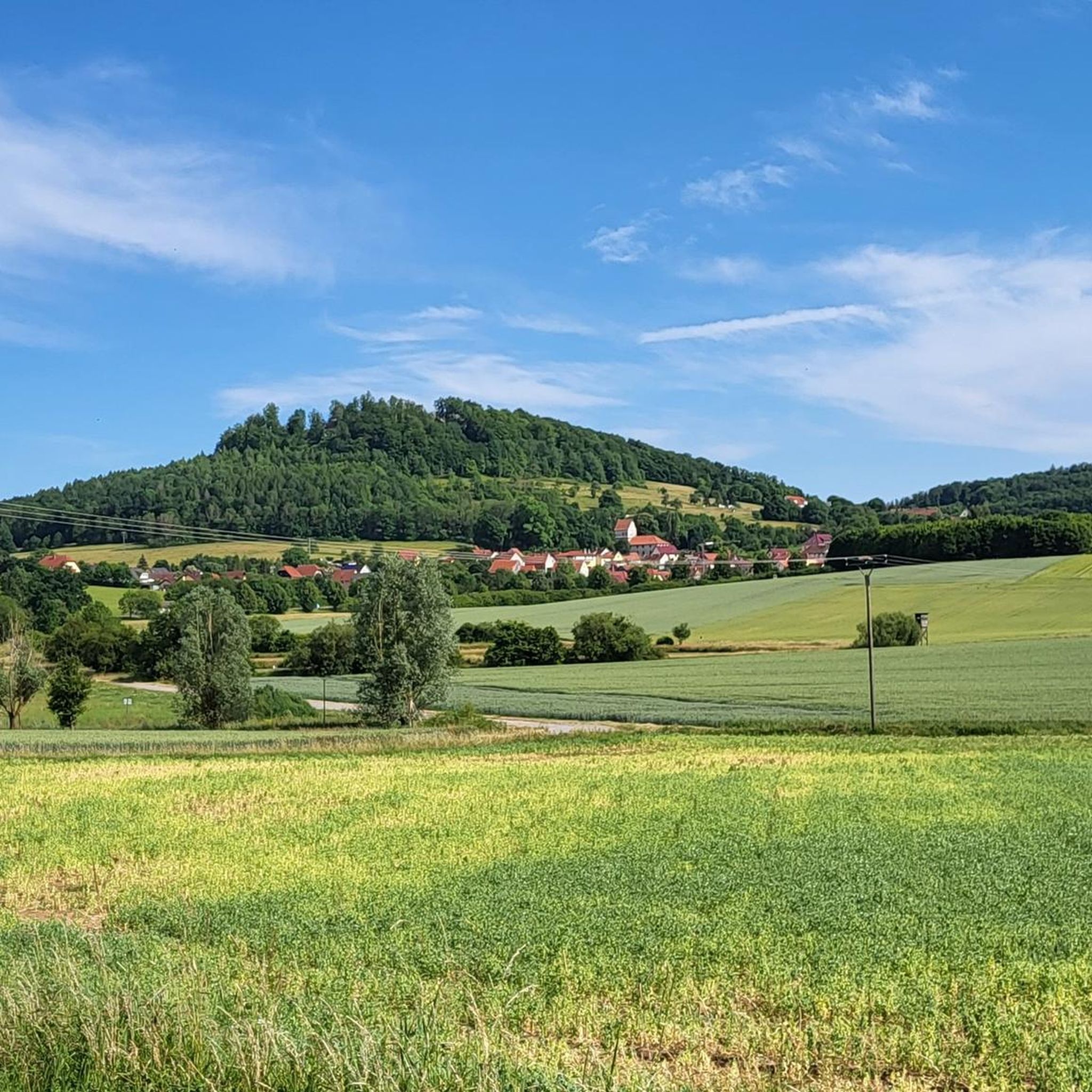
Twin Oak
Highlight • Natural Monument
Translated by Google •
Tip by
Sign up now to discover places like this
Get recommendations on the best single tracks, peaks, & plenty of other exciting outdoor places.
Sign up for free
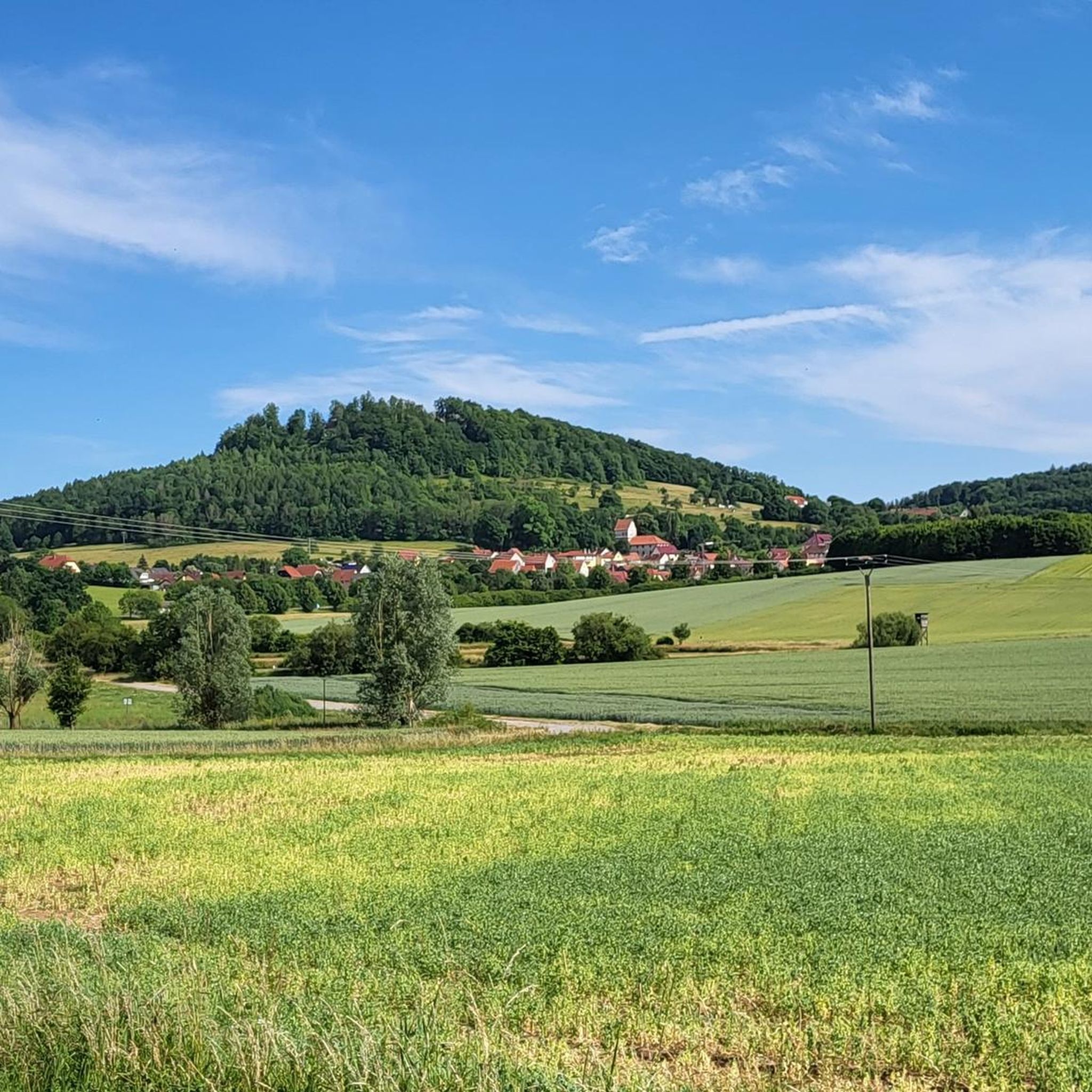
Sternplatz and the Adolfstein Memorial
Highlight • Viewpoint
Translated by Google •
Tip by

Artificial ruins, English Garden, Meiningen
Highlight • Monument
Translated by Google •
Tip by

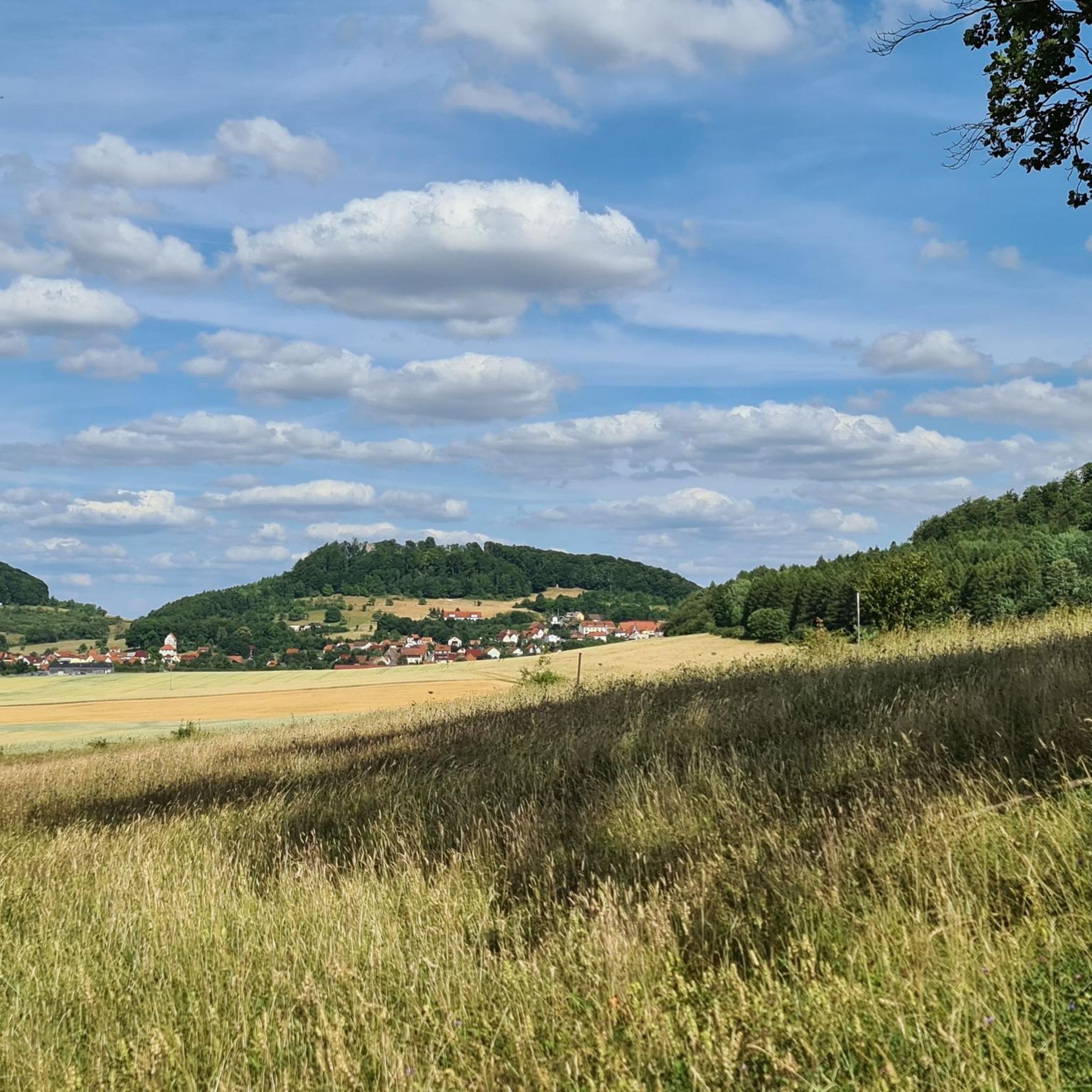
Träbeser Loch Geological Natural Monument
Highlight • Natural Monument
Translated by Google •
Tip by

Sign up for free to discover even more natural monuments around Henneberg.
Sign up for free
Already have an account?
Start today with a free account
Your next adventure awaits.
Login or Signup
Tips from the Community

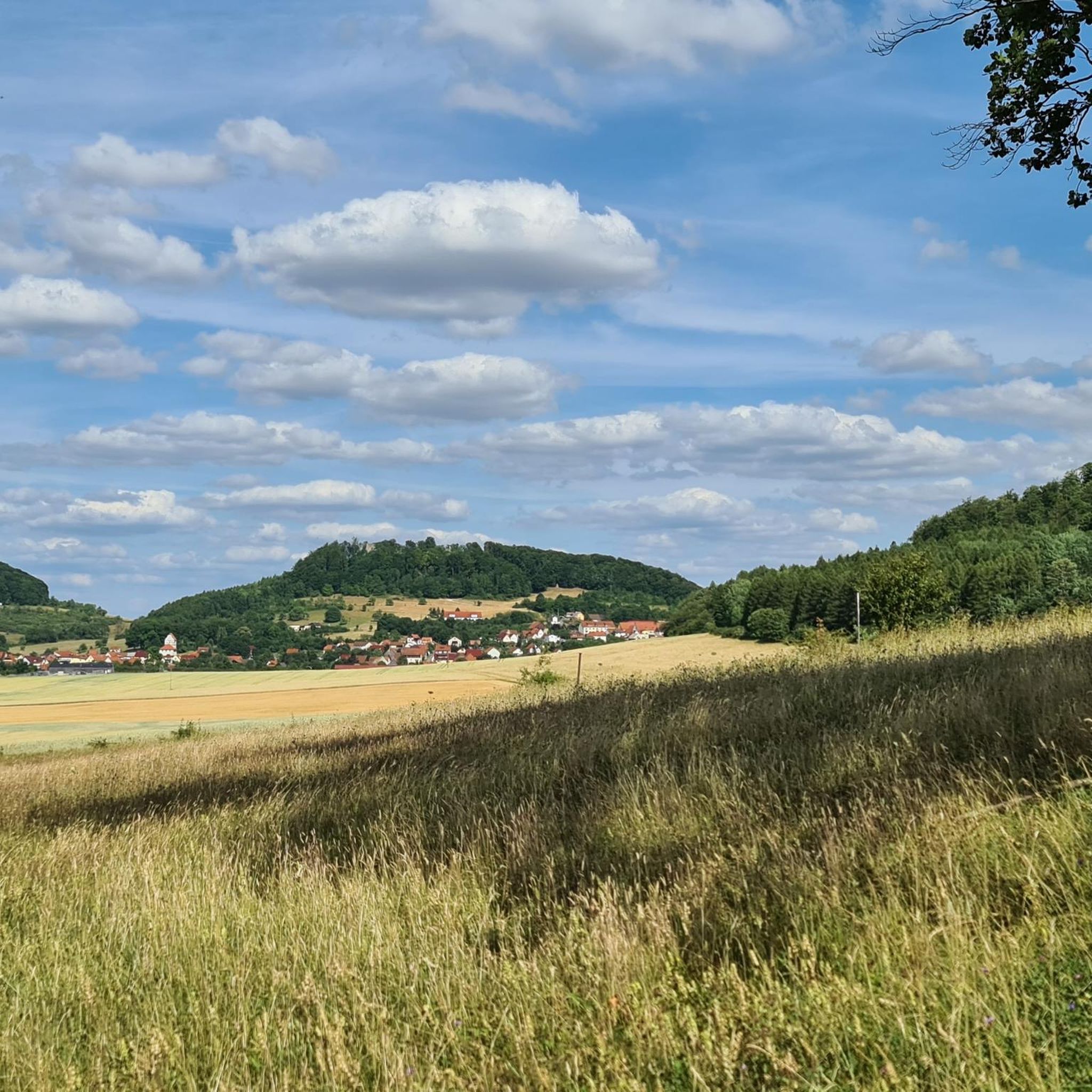
Very nice signpost with rest area.
7
0

very impressive.
0
0

A very old, historic tree that's worth seeing. A golden oriole sang nearby.
1
0

is significant for Meiningen...
0
0
small but nice. The park is directly behind the theater and fenced off from the main road on two sides. This is a small idyll in the middle of the street madness
2
0

The English Garden is a landscape park in the center of the southern Thuringian district town of Meiningen. It is one of the oldest and most worth seeing inner-city landscape parks in Germany. (Source: https://de.m.wikipedia.org/wiki/Englischer_Garten_(Meiningen))
1
0

The artificial castle ruins once formed the main entrance to the English Garden. From the ruins you have a wonderful view of the pond. The staircase to the bank is, however, terribly littered and overgrown.
0
0

The English Garden, the green heart of Meiningen, is an oasis for pedestrians, a place of peace and contemplation. Duke George I had the English Garden designed based on the Wörlitz Park. Artificial ruins and a lake were intended to convey atmosphere. The Johannes Brams Monument in 1899 was the first for the famous composer in Germany.
10
0
Frequently Asked Questions
What unique natural features can I explore around Henneberg?
The Henneberg region, part of Southern Thuringia and the Rhön biosphere reserve, offers diverse natural features. You can discover significant geological formations like the Träbeser Loch Geological Natural Monument, known for its spectacular depression of national importance. Botanical features include the impressive Twin Oak, a unique tree appearing as two grown together. Additionally, the Weyhershauk Summit Cross offers panoramic views and is situated within a nature reserve with a rich diversity of animal and plant species.
Are there family-friendly natural monuments in the Henneberg region?
Yes, several natural monuments around Henneberg are suitable for families. The Weyhershauk Summit Cross is considered family-friendly, offering a natural history trail and benches for breaks. The Twin Oak is also a great spot for families to visit, showcasing an impressive botanical feature. The Sternplatz and the Adolfstein Memorial, with its unique stone signposts and rest area in the forest, is another family-friendly option.
What kind of outdoor activities can I do near these natural monuments?
The natural monuments around Henneberg are excellent starting points for various outdoor activities. You can find numerous hiking trails, such as the 'World Peace Cross on Dachsberg – Henneburg Castle Ruins loop' or the 'Henneburg Castle Ruins – Sculpture Park of German Unity loop'. For more hiking options, explore the Hiking around Henneberg guide. The region also offers road cycling and running routes; check out the Road Cycling Routes around Henneberg and Running Trails around Henneberg guides for more details.
What is the best time of year to visit the natural monuments around Henneberg?
The Rhön biosphere reserve, where many natural monuments are located, is beautiful year-round. Spring and summer are ideal for experiencing the rich flora and fauna, especially at sites like the Weyhershauk Summit Cross with its species-rich dry habitat. Autumn offers stunning foliage, while winter can provide serene, snow-covered landscapes, though some trails might be more challenging.
How can I reach the natural monuments around Henneberg by public transport?
While specific public transport routes directly to every natural monument can vary, the Henneberg region is generally accessible. It's advisable to check local bus schedules for connections from larger towns like Meiningen to villages closer to the natural monuments. From there, you might need to walk or cycle to reach the exact locations. Planning your route in advance using local transport websites is recommended.
Are there parking facilities available at the natural monuments?
Parking availability varies by specific natural monument. For popular spots like the Weyhershauk Summit Cross, there are often designated parking areas nearby, especially at trailheads leading to the summit. Similarly, locations like the Twin Oak, which is near a forest path, may have informal parking spots. It's best to look for specific parking information for each monument you plan to visit.
What makes the Weyhershauk Summit Cross a significant natural monument?
The Weyhershauk Summit Cross is significant because it's located within a nature reserve in the Rhön biosphere reserve and represents the northernmost occurrence of an important dry habitat in Bavaria. Its natural history trail allows visitors to experience a highly valuable ecological area with a rich diversity of animal and plant species. The summit also provides magnificent panoramic views of the surrounding landscape.
What is the Träbeser Loch Geological Natural Monument known for?
The Träbeser Loch Geological Natural Monument is recognized for its national importance as a spectacular depression. It's a unique natural spectacle, offering an interesting geological insight into the region's formation. Visitors describe it as a worthwhile stop on the way up to the Hohe Geba.
Can I bring my dog to the natural monuments around Henneberg?
Generally, many natural areas and trails around Henneberg are dog-friendly, provided dogs are kept on a leash and owners clean up after them. The Weyhershauk Summit Cross and the trails leading to the Twin Oak are typically suitable for walks with dogs. Always check for specific signage or regulations at each site, especially within designated nature reserves.
Are there any less crowded natural monuments to visit in the Henneberg area?
While popular spots like the Weyhershauk Summit Cross can attract visitors, the broader Henneberg region offers many natural features that are less frequented. Exploring the trails around the Twin Oak or seeking out smaller, unnamed geological formations within the Rhön biosphere reserve can lead to more tranquil experiences. Consulting local hiking maps for less-traveled paths is a good strategy.
What should I pack for a visit to the natural monuments in Henneberg?
For a comfortable visit, pack appropriate footwear for hiking, as many natural monuments involve walking on trails. Depending on the season, layers of clothing are advisable, along with rain gear. Don't forget water, snacks, a map or GPS device, and a camera to capture the scenic views. Sun protection is also recommended during warmer months.
Are there cafes or pubs near the natural monuments for a break?
While natural monuments themselves are often in secluded areas, you can find cafes and pubs in nearby villages and towns. For example, the Twin Oak is located near Ostheim vor der Rhön, which offers dining options. Similarly, towns surrounding the Rhön biosphere reserve provide opportunities for refreshments after your exploration. It's a good idea to plan your route to include a stop in a nearby village.
Are there any circular routes that include natural monuments around Henneberg?
Yes, the region offers several circular routes that incorporate natural monuments and scenic spots. For instance, some hiking trails around Henneberg, like the 'World Peace Cross on Dachsberg – Henneburg Castle Ruins loop', offer a mix of natural beauty and historical sites. You can find more circular hiking options in the Hiking around Henneberg guide, which often link various points of interest.
Most popular routes around Henneberg
Most popular attractions around Henneberg

Get inspired with the komoot mobile app


Explore more
Extend your search for the best caves by checking out these guides of the top ones around Henneberg:
