Top 20 Natural Monuments around Sonneborn
Natural monuments around Sonneborn offer access to the diverse landscapes of Thuringia. The municipality of Sonneborn is situated at the foot of the Thuringian Forest, characterized by rolling hills and green forests. It serves as a gateway to broader natural wonders in the region, including extensive forest areas and unique geological formations. The area provides scenic landscapes and proximity to well-known natural parks within Thuringia.
Best natural monuments around Sonneborn
- The most popular natural monument is Thick Oak (Kindel),…
Last updated: August 18, 2026
Thick Oak (Kindel)
Highlight • Natural Monument
Translated by Google •
Tip by

Wildcat Discovery Trail (Wildkatzenschleichpfad)
Highlight (Segment) • Trail
Translated by Google •
Tip by
Sign up now to discover places like this
Get recommendations on the best single tracks, peaks, & plenty of other exciting outdoor places.
Sign up for free
Venus Cave
Highlight • Cave
Translated by Google •
Tip by

Jesusbrünnlein (Thuringia Stamp Station No. 306)
Highlight • Natural Monument
Translated by Google •
Tip by
Hesswinkel Deserted Village and Sculpture Trail
Highlight • Historical Site
Translated by Google •
Tip by

Sign up for free to discover even more natural monuments around Sonneborn.
Sign up for free
Already have an account?
Start today with a free account
Your next adventure awaits.
Login or Signup
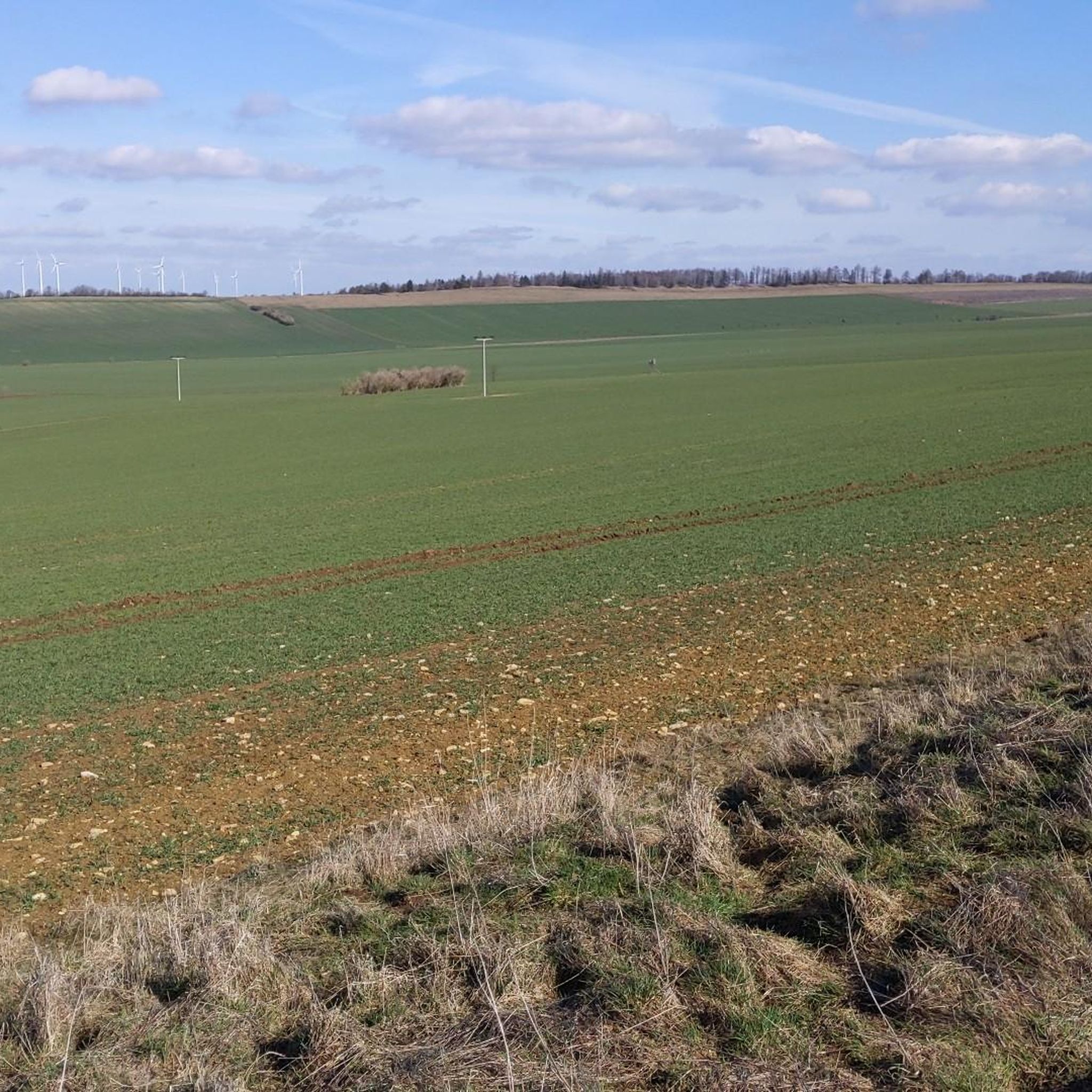
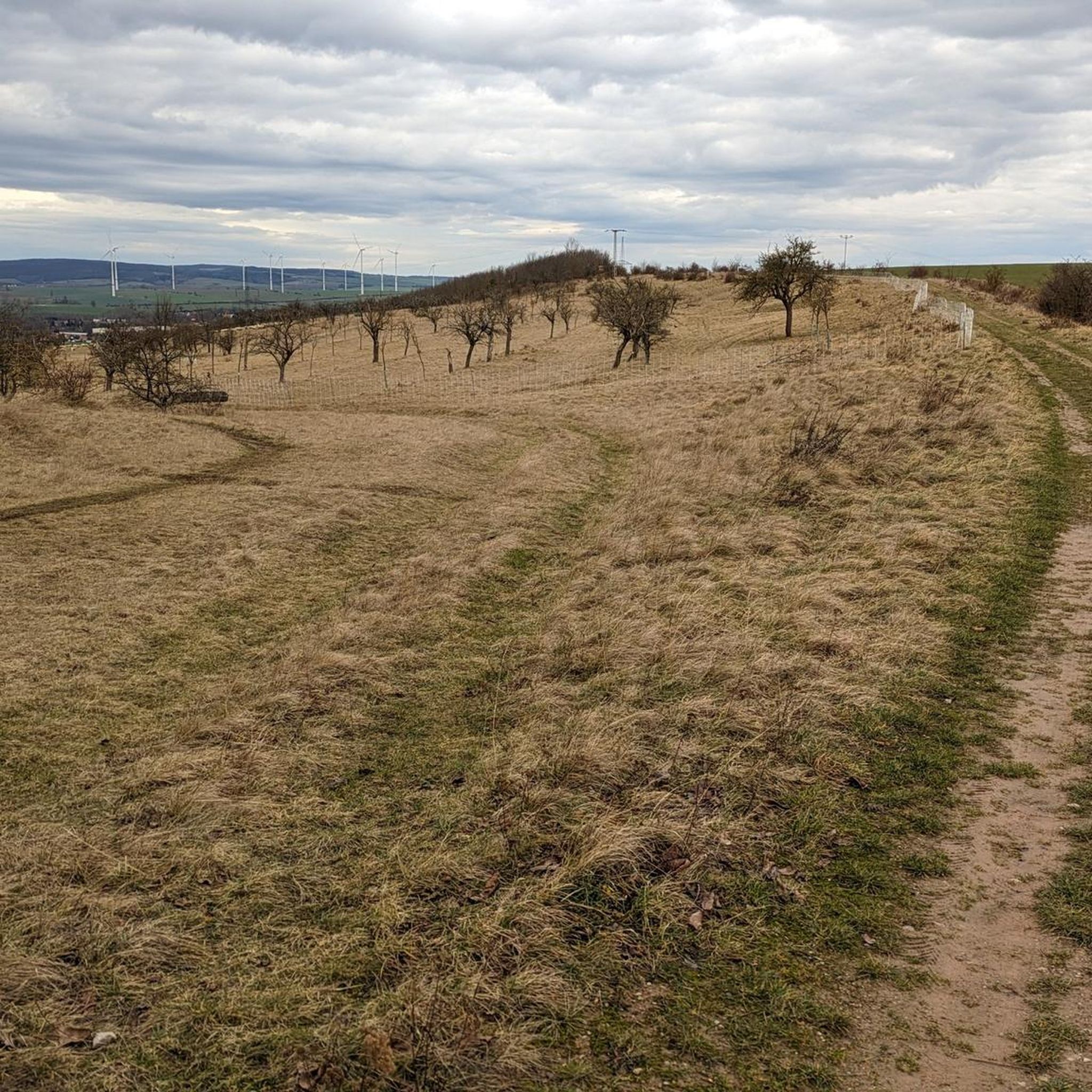
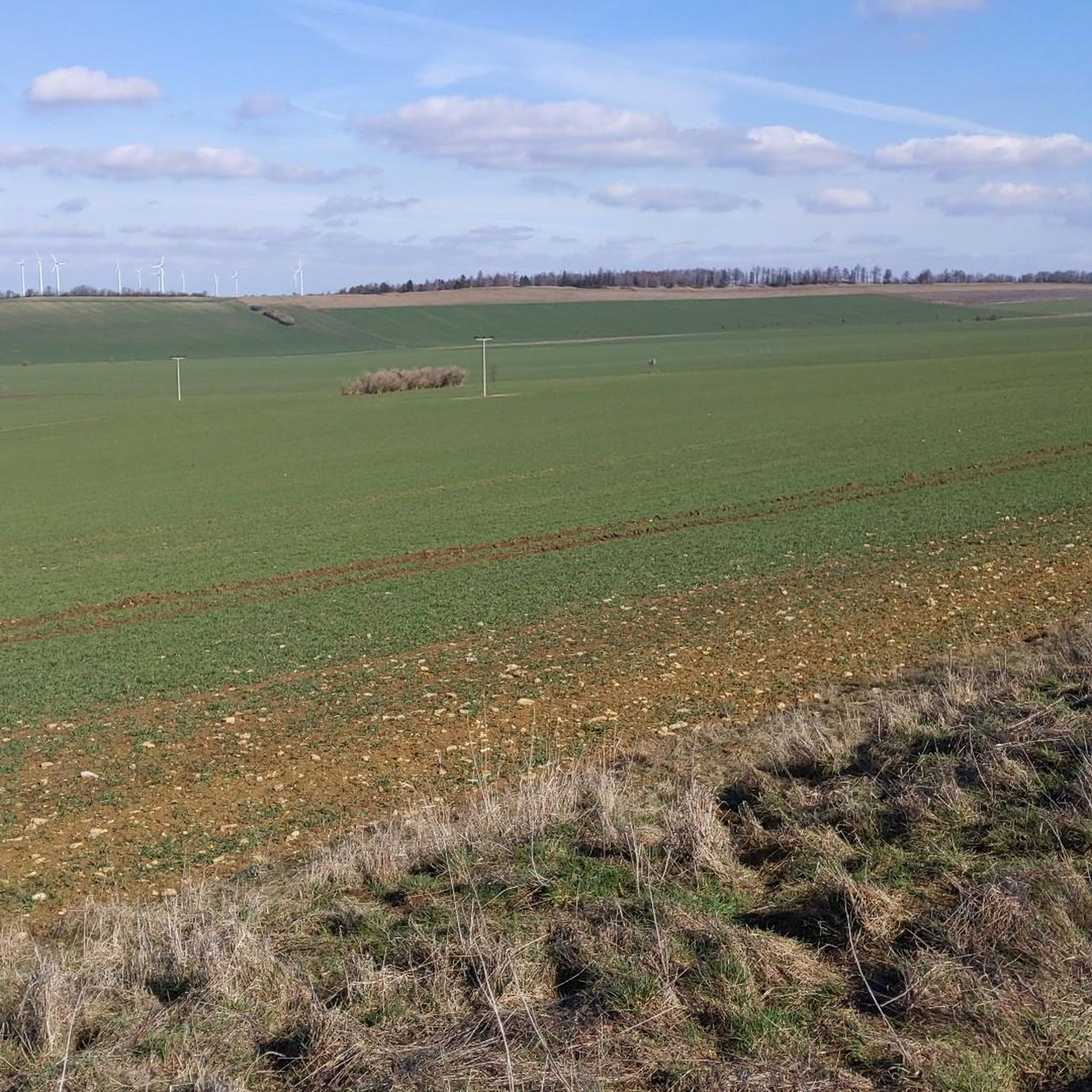
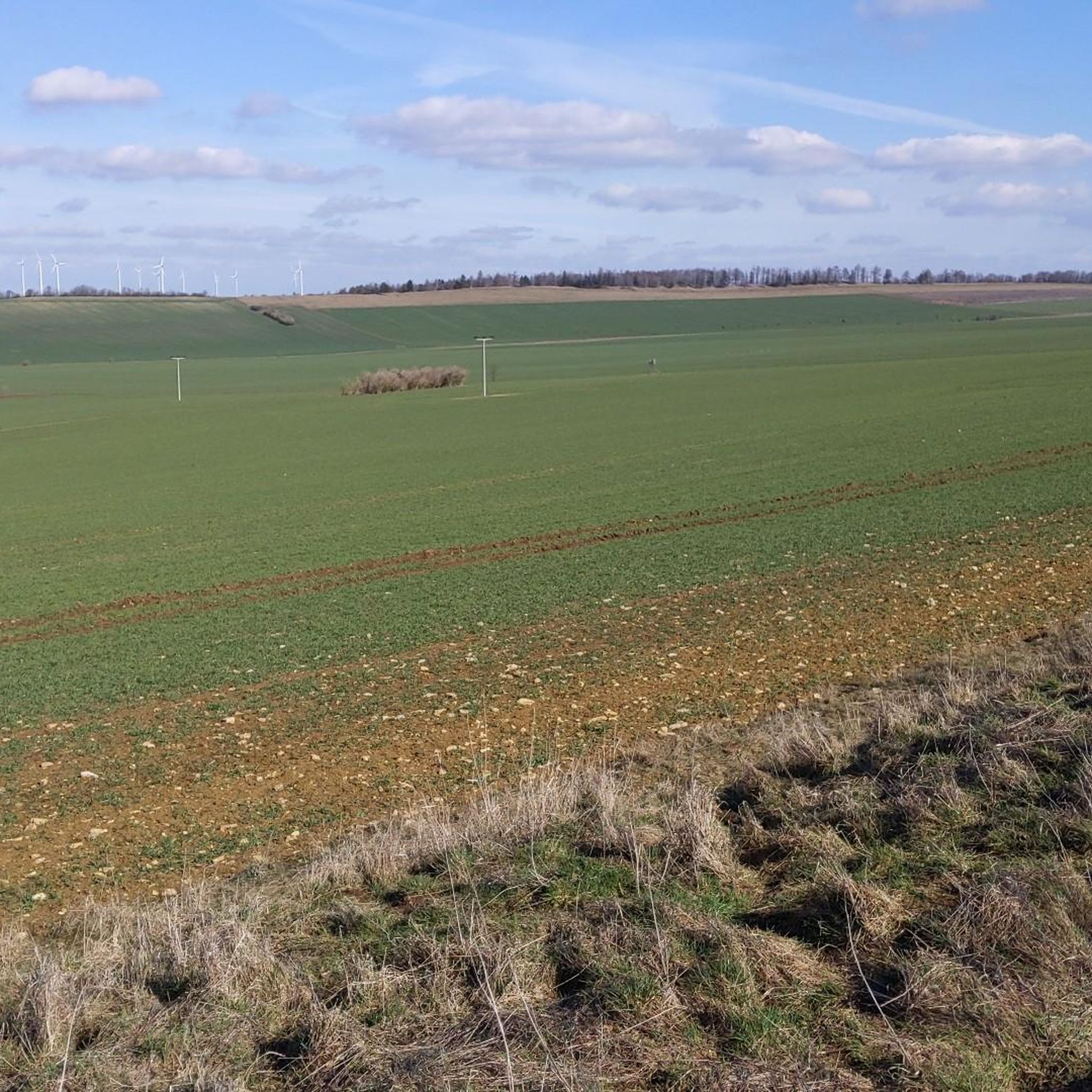
Tips from the Community

A great adventure, about 15 meters into the shell limestone.
5
0

A small circular trail through a beautiful forest. But why does it have to have three touring stamps?
5
1
Unfortunately, this karst spring has dried up.
10
1
It's good that hikers can visit the cave. You do need a lamp even though the cave isn't very big.
10
1

Unfortunately the fountain is out of service!
0
0

Fat Oak When you reach the middle path crossing, you will find yourself in front of a landmark of Kindel: the "Fat Oak" is an impressive tree whose varied history is clearly visible. In the middle of the Kindel military training area, it was one of the few trees that were left in the area during the clear-cutting in the 1960s and 1980s. The reason was probably better orientation. It is also suspected that these trees were used as targets, as some of them show considerable damage.
4
0

The circular route is very beautiful. Definitely recommended.
0
0

Frequently Asked Questions
What kind of natural monuments can I explore around Sonneborn?
Around Sonneborn, you can explore a variety of natural monuments, from unique trees like the Thick Oak (Kindel) to fascinating geological formations such as the Venus Cave. The region is characterized by extensive forest areas, rolling hills, and scenic landscapes, offering diverse natural experiences.
Are there family-friendly natural monuments or trails near Sonneborn?
Yes, several natural monuments and trails are suitable for families. The Wildcat Discovery Trail (Wildkatzenschleichpfad) is a 1.5 km path winding through forests with old beech and oak trees, featuring climbing elements that are fun for all ages. It's also barrier-free, making it suitable for prams and active wheelchair users with accompaniment. The Thick Oak (Kindel) is also family-friendly, located near a viewing platform.
What outdoor activities can I do near the natural monuments around Sonneborn?
The area around Sonneborn offers various outdoor activities. You can enjoy easy hikes, gravel biking, and running. For specific routes and more details, check out the easy hikes around Sonneborn, gravel biking routes, and running trails guides.
What is the best time of year to visit the natural monuments around Sonneborn?
The natural monuments around Sonneborn, particularly those within the Thuringian Forest and Hainich National Park, are beautiful year-round. Spring and autumn are ideal for hiking, with pleasant temperatures and vibrant foliage. Summer is great for cycling the Ilmtal Cycle Path, while winter offers opportunities for serene walks, though some attractions like the Venus Cave may be closed for bat protection.
Are there any historical or cultural sites among the natural monuments?
While primarily focused on natural features, some sites blend natural and historical significance. The Venus Cave, for instance, is a natural cave with a rich local legend. Additionally, the Gotha Orangery, though a man-made monument, is appreciated for its impressive size and historical context, often considered for its natural monument attributes.
Can I find viewpoints with panoramic views near Sonneborn's natural monuments?
Yes, several natural monuments offer excellent viewpoints. The Thick Oak (Kindel) is located near an observation tower with great views. The Gotha Orangery also provides scenic vistas, and the Jesusbrünnlein, though a dried-up spring, is a tranquil spot for a break with a view.
What is the Wildcat Discovery Trail and what can I expect there?
The Wildcat Discovery Trail (Wildkatzenschleichpfad) is a 1.5 km long path near Sonneborn, winding through forests with old beech and oak trees. It offers insights into forest structure, features climbing elements for children, and is designed to be barrier-free. While you're unlikely to spot wildcats, it's a great way to experience the local forest ecosystem.
Is the Venus Cave accessible to visitors?
The Venus Cave is approximately 15 to 20 meters deep and can be visited by hikers. However, it is important to bring a lamp as it is unlit. Please note that the cave is closed during the winter months to protect bats that hibernate there.
What is the significance of the Thick Oak (Kindel)?
The Thick Oak (Kindel) is a notable natural monument recognized for its distinctive and rustic tree shape within the national park. It stands as an example of how nature is allowed to develop freely in the area, making it a unique and popular spot for visitors.
Are there any natural springs or water features to see?
The Jesusbrünnlein (Thuringia Stamp Station No. 306) is a karst spring that was once a significant water feature. Unfortunately, it has dried up. However, it remains a recognized natural monument and a pleasant spot for a break on your journey.
What makes the Gotha Orangery a natural monument?
The Gotha Orangery is primarily a man-made historical monument, but it is recognized for its impressive size and the way it integrates with and enhances the natural landscape, earning it attributes of a natural monument. It's a highly recommended destination for its beauty and grandeur.
Most popular routes around Sonneborn
Most popular attractions around Sonneborn

Get inspired with the komoot mobile app


Explore more
Extend your search for the best caves by checking out these guides of the top ones around Sonneborn:
