Top 20 Natural Monuments around Bufleben
Best natural monuments around Bufleben offer insights into the region's geological history and natural beauty. The area is characterized by its diverse landscape, including river valleys and significant geological formations. Nearby Seeberg features several notable sites, providing a glimpse into past mining operations and the composition of local sandstone and gypsum deposits. These natural monuments highlight the historical role of the land in providing essential building materials for regional landmarks.
Best natural monuments around Bufleben
- The most popular natural monuments…
Last updated: August 18, 2026
Unstrut Valley Nature Reserve between Nägelstedt and Großvargula
Highlight (Segment) • Trail
Translated by Google •
Tip by

Friemar Reservoir
Highlight • Lake
Translated by Google •
Tip by

Sign up now to discover places like this
Get recommendations on the best single tracks, peaks, & plenty of other exciting outdoor places.
Sign up for free
Weiße Hütte (Thuringia Stamp Point No. 368)
Highlight • Mountain Hut
Nice hut, rightly there is a stamp here.
Showing Translation
Tip by

Kammerbruch Quarry
Highlight • Structure
Translated by Google •
Tip by

Seeberg Sandstone Quarry
Highlight • Structure
Translated by Google •
Tip by
Sign up for free to discover even more natural monuments around Bufleben.
Sign up for free
Already have an account?
Start today with a free account
Your next adventure awaits.
Login or Signup
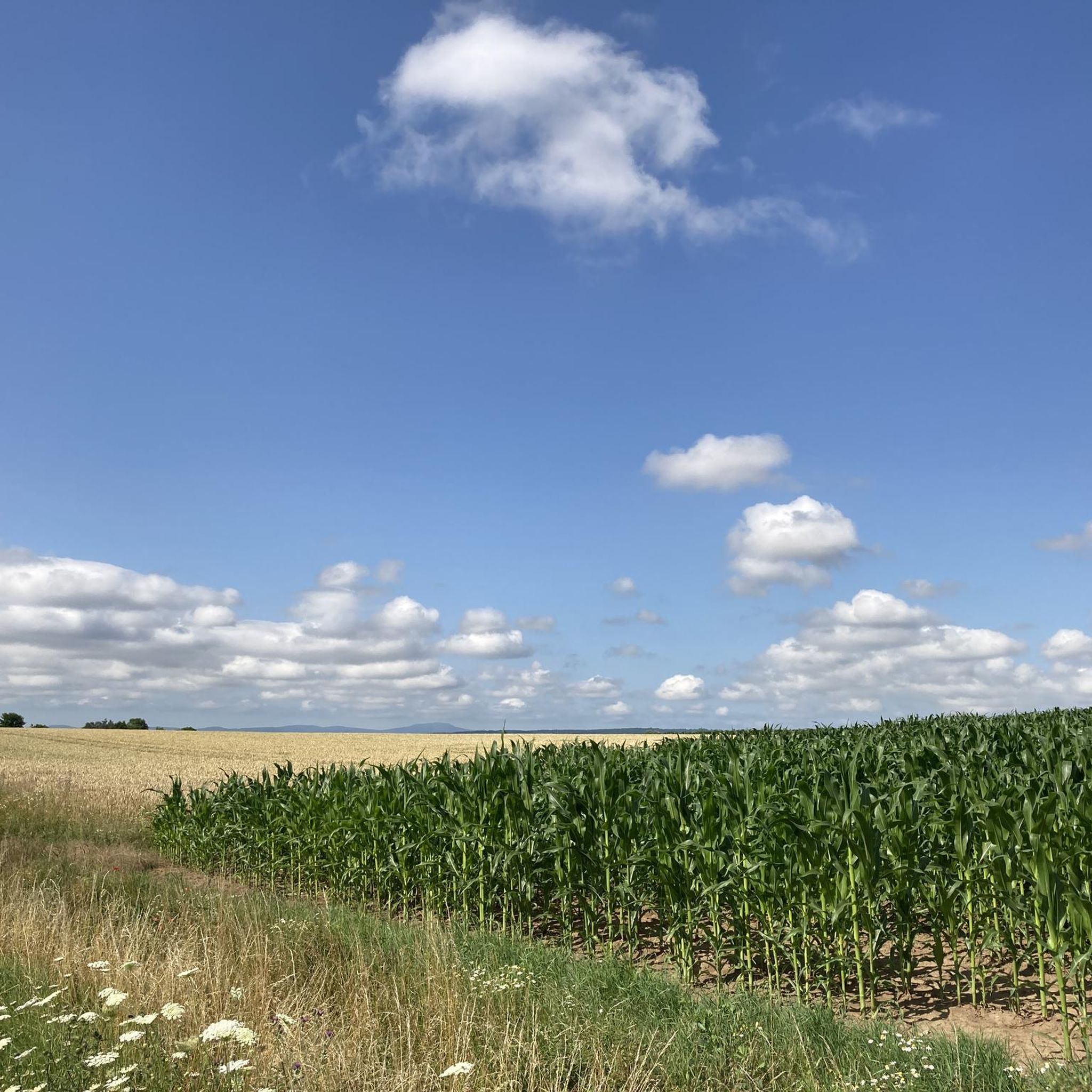
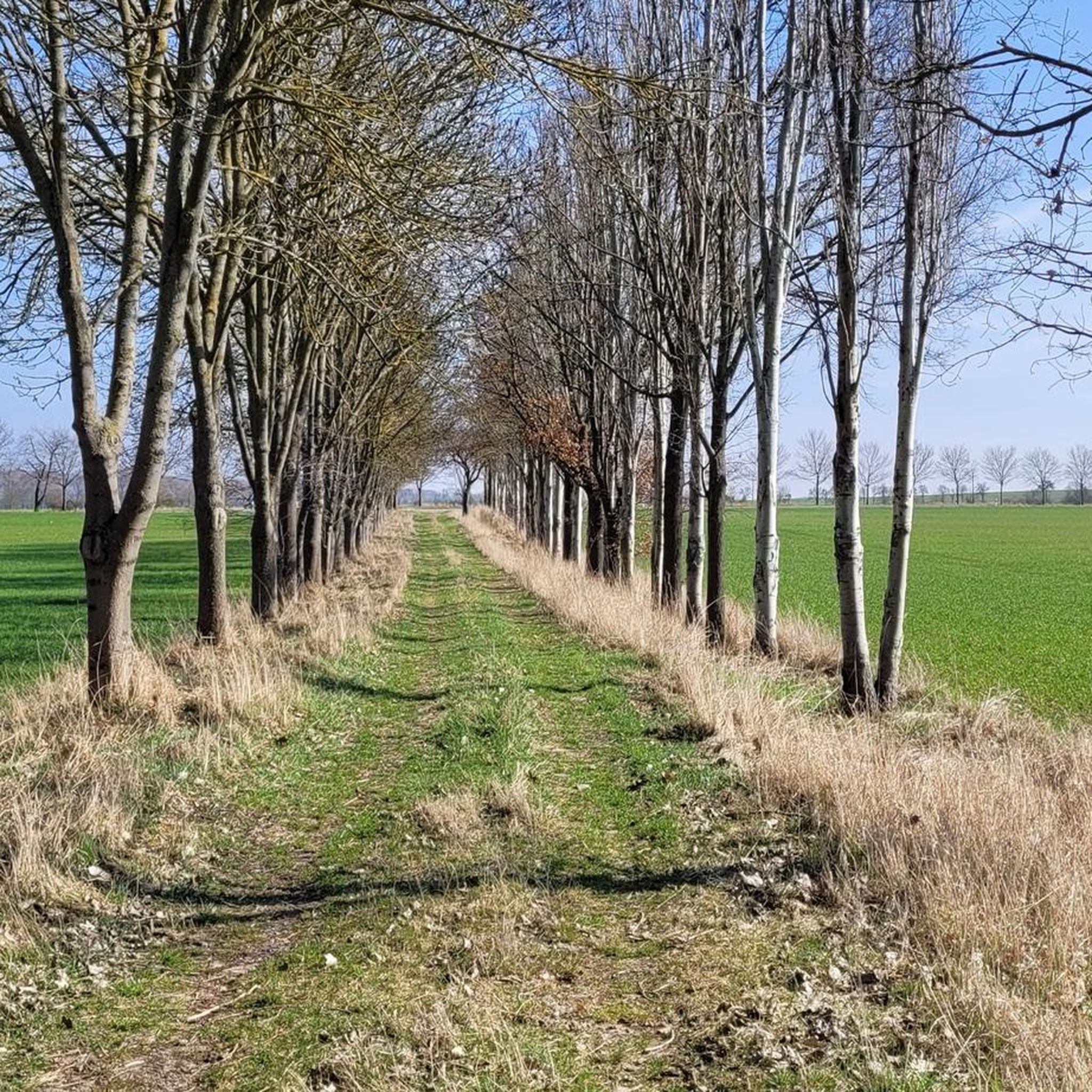
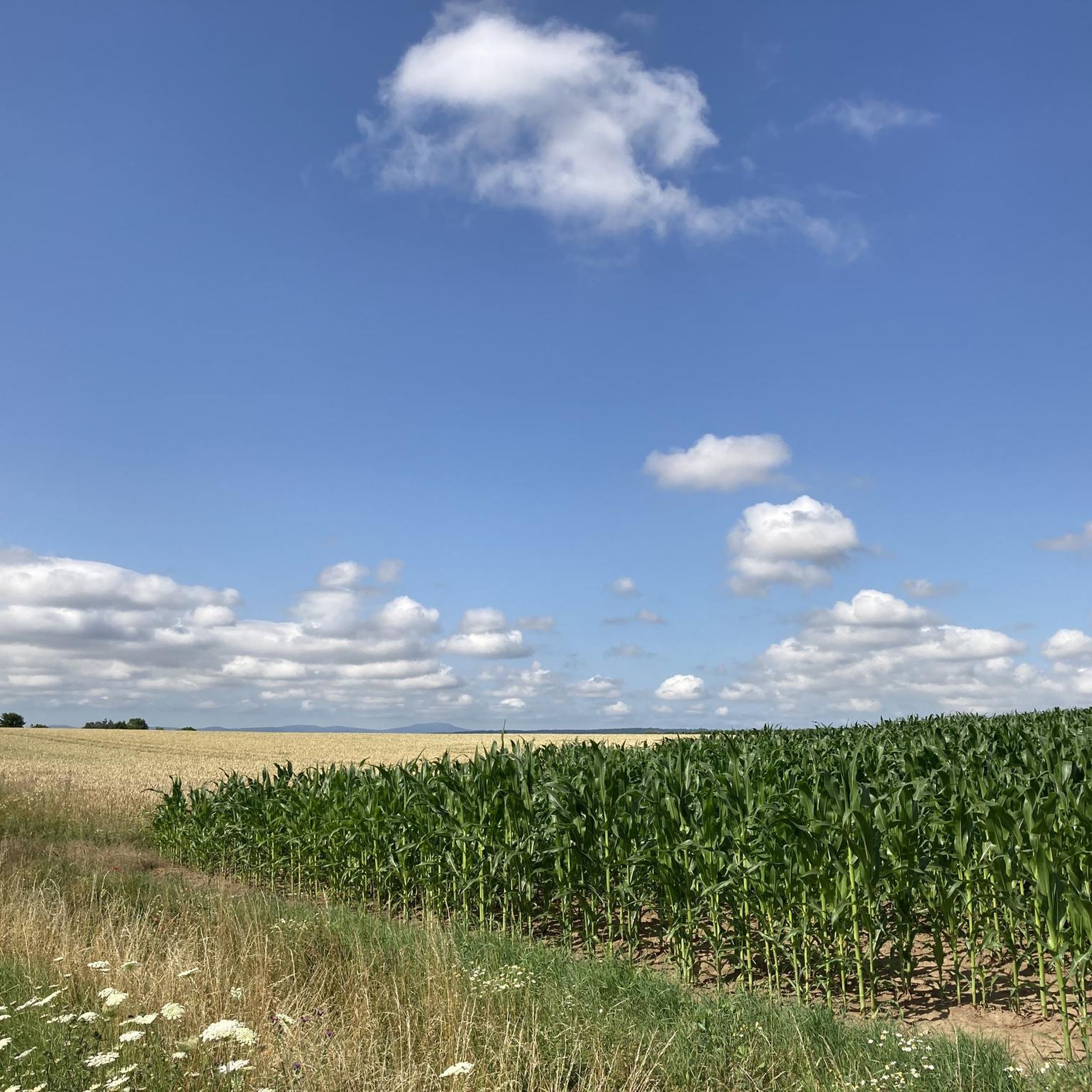
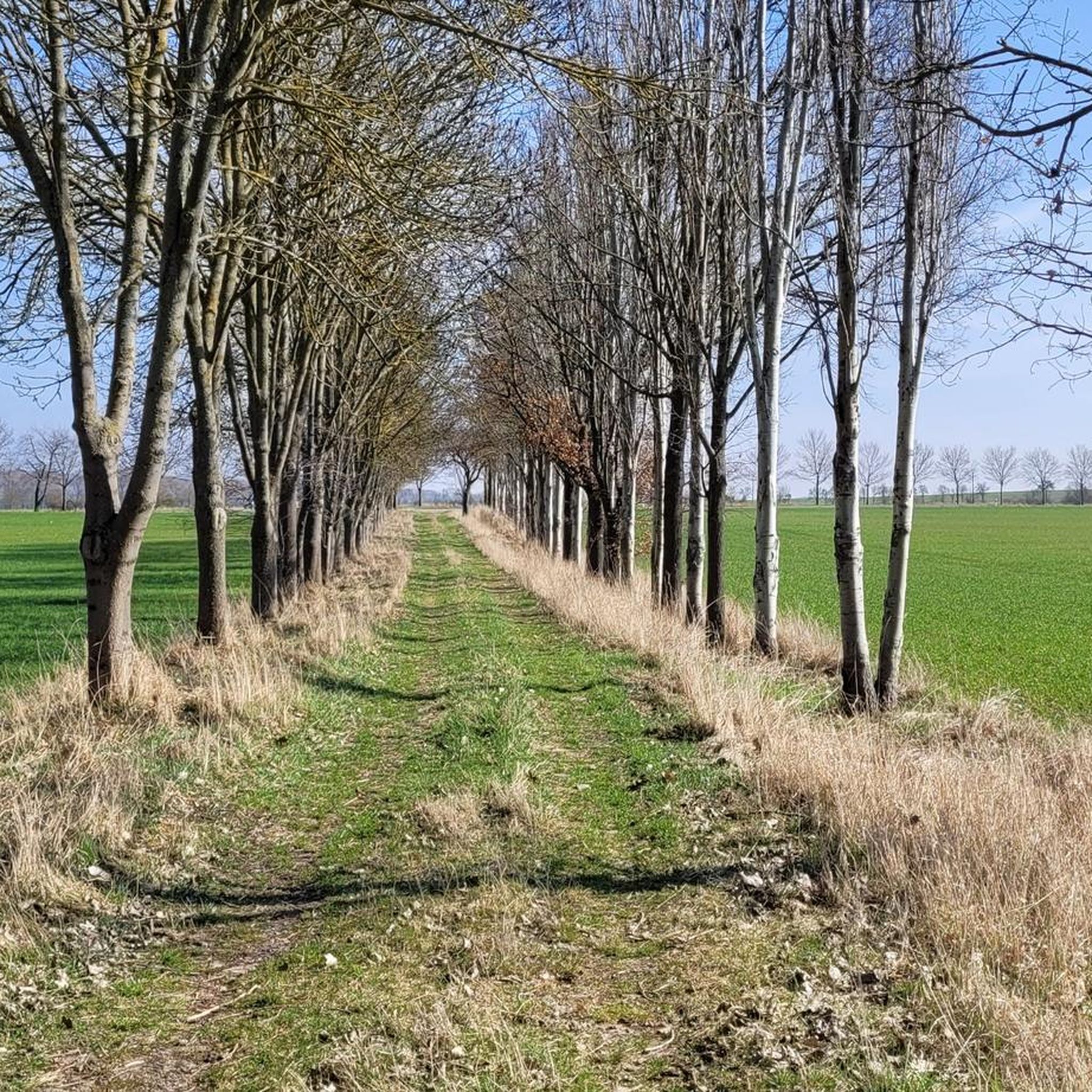
Tips from the Community

Secret tip for the 🐻🌱 time, mega. Nice hut, rightly there is a stamp here.
8
0

The quarry on the Seeberg, where sandstone is and was mined.
17
0

Stamp box and water source located near the seating area.
2
0

A very nice rest area at a well-kept hut in the middle of the forest, stamp point 368 from Touringen.de.
4
0
The quarry on the Seeberg, sandstone was and is mined here, also for Friedenstein Castle and the viaduct in Gotha.
14
0
A great place and a nice destination
6
1

Attention, if you're looking for the stamp on the White House, it's not there. It can be found screwed onto the table at the bottom of the spring.
2
1
Frequently Asked Questions
What are some of the most popular natural monuments around Bufleben?
Visitors frequently enjoy the Unstrut Valley Nature Reserve between Nägelstedt and Großvargula, known for its original riverbed and diverse wildlife. Another highly-rated spot is the impressive Gotha Orangery, a historical site and beautiful landmark. The Kammerbruch Quarry is also popular for its geological significance and historical role in providing sandstone for regional castles.
What geological features can I explore near Bufleben?
The region around Bufleben is rich in geological history. The Kammerbruch Quarry on the Seeberg is a designated geotope, offering insights into sandstone mining and featuring a unique boundary between the Upper Keuper and Lower Jura. Nearby, the Seeberg Sandstone Quarry at Maikopf showcases 220-million-year-old Seeberger sandstone, historically used for structures like Erfurt Cathedral. The Former Limestone and Gypsum Quarry Seeberg also provides a glimpse into past mining operations and geological composition.
Are there family-friendly natural monuments around Bufleben?
Yes, several natural monuments are suitable for families. The Unstrut Valley Nature Reserve is great for observing insects and birds. The Friemar Reservoir offers a small playground and a cozy restaurant. The Gotha Orangery is an impressive historical site that can be enjoyed by all ages, and the Weiße Hütte provides a nice rest area with a spring.
What outdoor activities can I do near these natural monuments?
The area around Bufleben offers various outdoor activities. You can find numerous hiking trails, such as the moderate 'Friemar Reservoir – Friemar Reservoir Nature Reserve loop from Molschleben'. For cycling enthusiasts, there are road cycling routes like the 'Backhaus Friedrichsdorf – Fahner Mill loop from Molschleben', and mountain biking options including the 'Müller-Tempel Pavilion (Krahnberg, Gotha) – View of Friedenstein Castle loop from Bufleben'. You can explore more routes in the hiking guide, road cycling guide, and MTB guide for Bufleben.
Are there any natural monuments with historical significance?
Absolutely. The Kammerbruch Quarry is a prime example, as its sandstone was used to construct significant regional landmarks like Friedenstein Castle and the Gotha viaduct. The nearby Seeberg Sandstone Quarry at Maikopf also has a rich history, providing material for the Erfurt Cathedral. Additionally, the Gotha Orangery is a historical site recognized for its natural monument status.
What kind of wildlife can I expect to see in the natural monuments?
The Unstrut Valley Nature Reserve between Nägelstedt and Großvargula is particularly known for its biodiversity. Its dense bank vegetation provides protection for various insects and birds, with up to 35 species of butterflies having been observed in the reserve. The natural environment of the river valley supports a rich ecosystem.
Are there places to eat or relax near the natural monuments?
Yes, for instance, the Friemar Reservoir features a small, cozy restaurant, often with a beer garden in summer, and ample space for picnicking. The Weiße Hütte also offers a nice rest area and a spring, making it a good spot to pause during your explorations.
What do visitors enjoy most about the natural monuments around Bufleben?
Visitors frequently highlight the impressive scale and beauty of sites like the Gotha Orangery, calling it a 'beautiful eye-catcher' and a 'great photo motif'. The tranquility and natural beauty of the Unstrut Valley Nature Reserve are also highly appreciated, with many describing it as the 'most beautiful part of the middle Unstrut'.
Can I find viewpoints or scenic spots among the natural monuments?
Yes, the Gotha Orangery is considered a significant viewpoint, offering impressive vistas. The Unstrut Valley Nature Reserve also provides scenic views along the river, with several clean seating areas perfect for lingering and enjoying the natural surroundings.
Are there any natural monuments that are also considered geotopes?
The Kammerbruch Quarry is a designated geotope. It is particularly significant as the only outcrop in Thuringia that clearly shows the boundary between the Upper Keuper and the Lower Jura, making it a valuable site for geological study and observation.
What is the significance of the Seeberg area for natural monuments near Bufleben?
The Seeberg area, close to Bufleben, is crucial for understanding the region's natural monuments. It hosts sites like the Kammerbruch Quarry, the Seeberg Sandstone Quarry at Maikopf, and the Former Limestone and Gypsum Quarry. These locations highlight the geological history and the historical importance of local stone and mineral extraction for regional architecture and development.
Most popular routes around Bufleben
Most popular attractions around Bufleben

Get inspired with the komoot mobile app


Explore more
Extend your search for the best caves by checking out these guides of the top ones around Bufleben:
