Top 20 Natural Monuments around Straßberg
Natural monuments around Straßberg, a municipality in the Zollernalbkreis district of Baden-Württemberg, Germany, offer insights into the region's natural history. These sites primarily consist of unique geological formations and significant trees. The area provides diverse natural attractions for those interested in subterranean exploration, historical archaeology, and ancient flora.
Best natural monuments around Straßberg
- The most popular natural monuments is Danube Valley in the Upper Danube Nature Park, a gorge that features the Danube making its way through rock formations,…
Last updated: June 25, 2026
Danube Valley in the Upper Danube Nature Park
Highlight • Gorge
Translated by Google •
Tip by

Great Danube cycle path section
Highlight • Cycleway
Translated by Google •
Tip by

Sign up now to discover places like this
Get recommendations on the best single tracks, peaks, & plenty of other exciting outdoor places.
Sign up for free
Ladder of Hossingen
Highlight (Segment) • Trail
Translated by Google •
Tip by

Rock Tunnel on the Danube Cycle Path
Highlight • Structure
Translated by Google •
Tip by

Ruins of Gebrochen Gutenstein
Highlight • Castle
The ruin stands on a spur at the …
Translated by Google •
Tip by

Sign up for free to discover even more natural monuments around Straßberg.
Sign up for free
Already have an account?
Start today with a free account
Your next adventure awaits.
Login or Signup
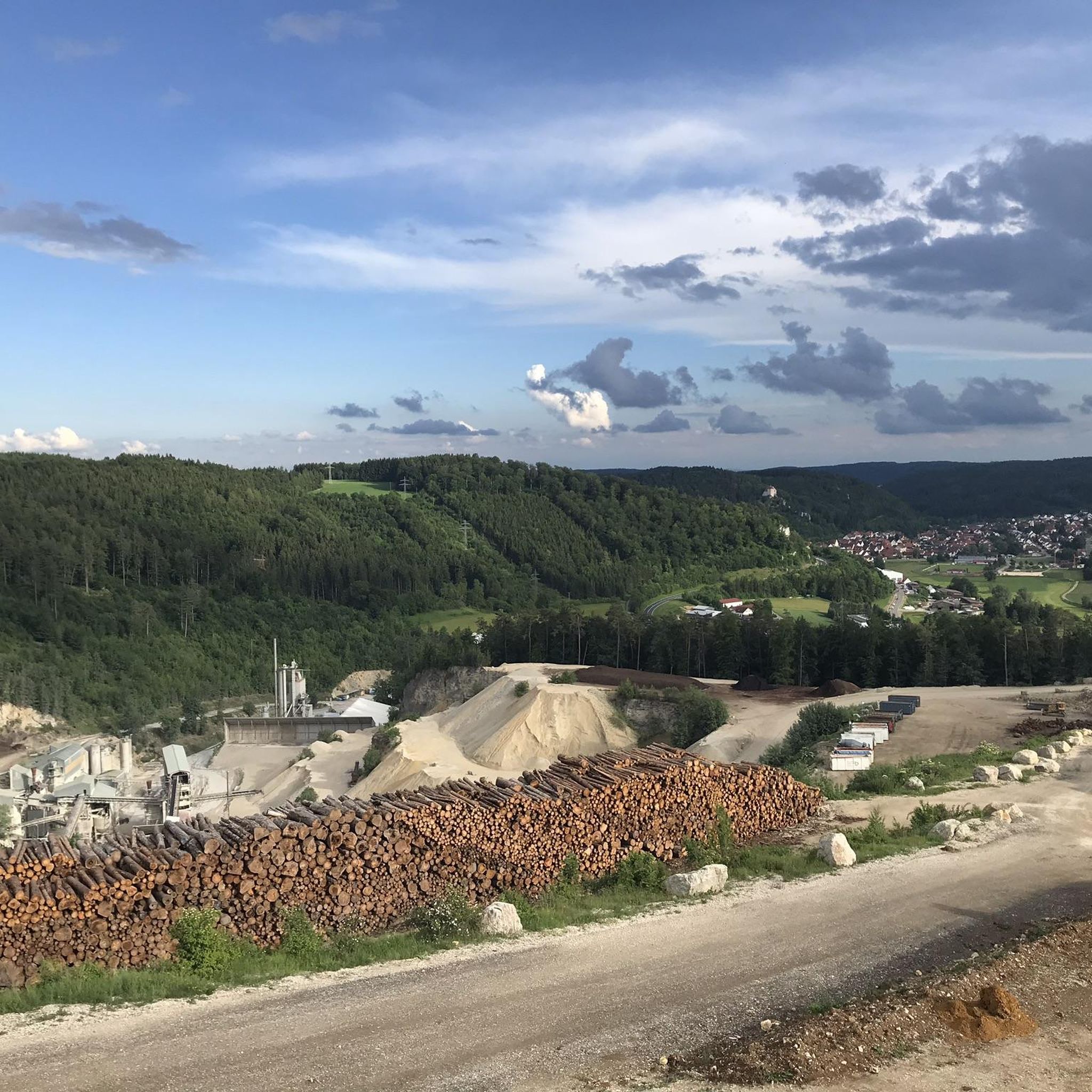
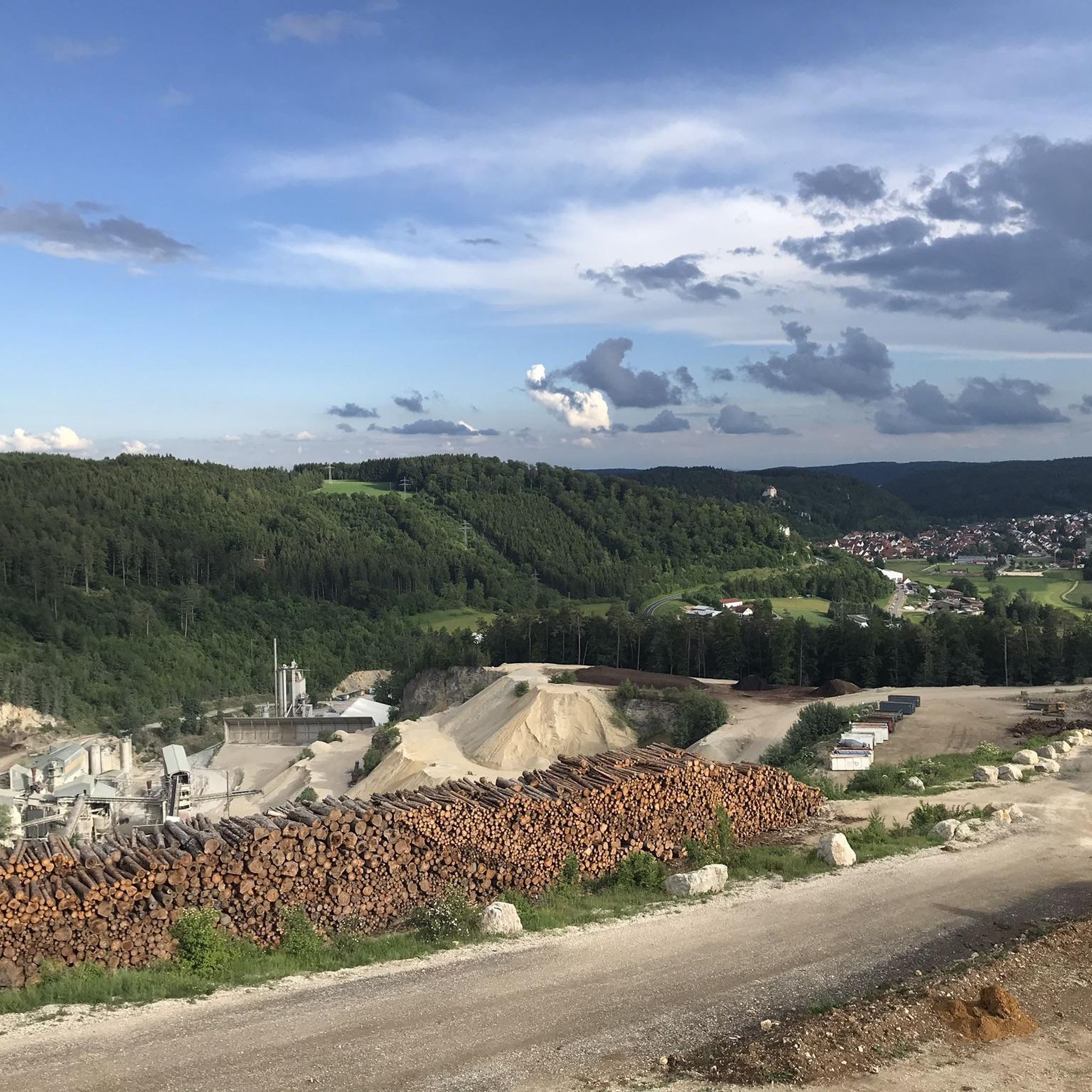
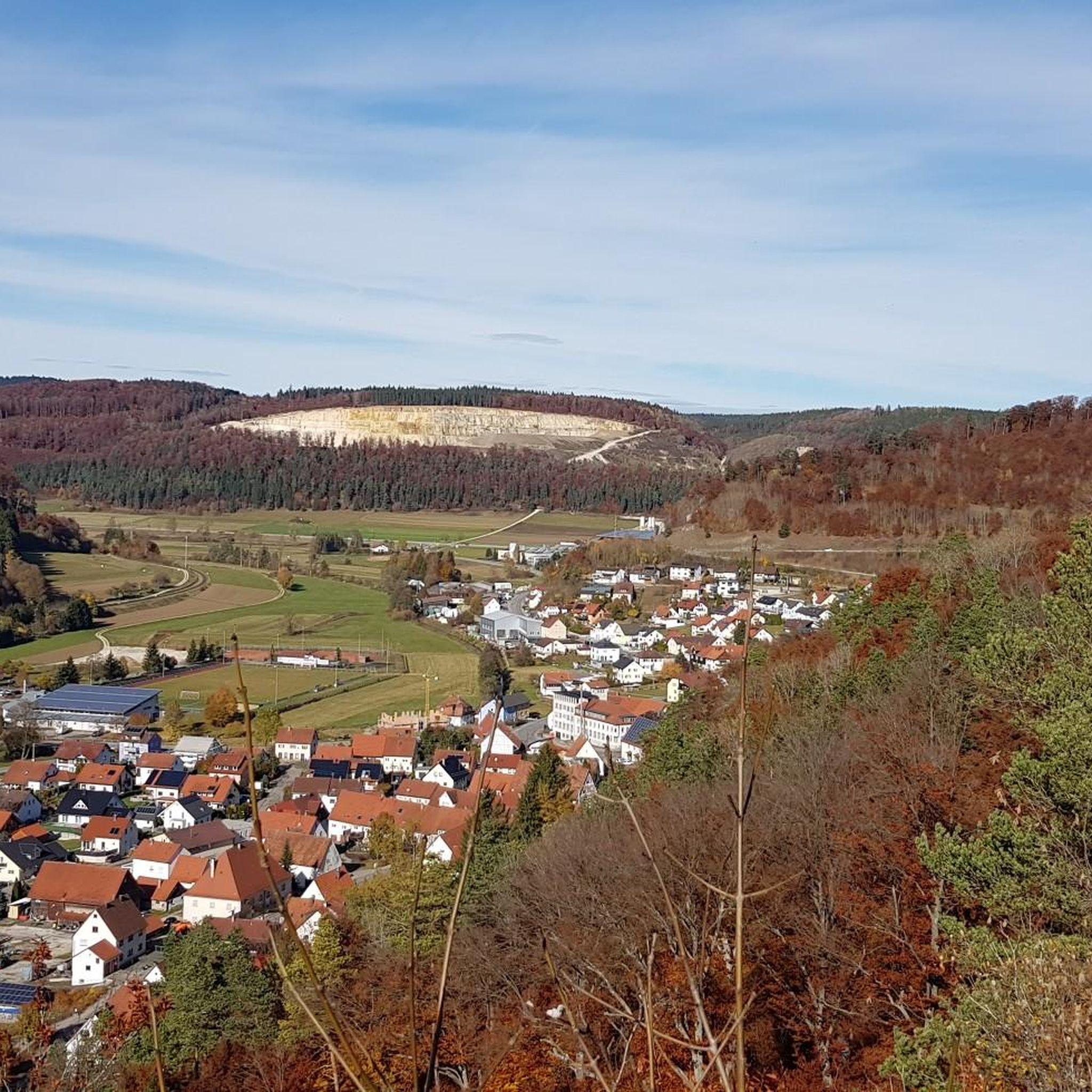
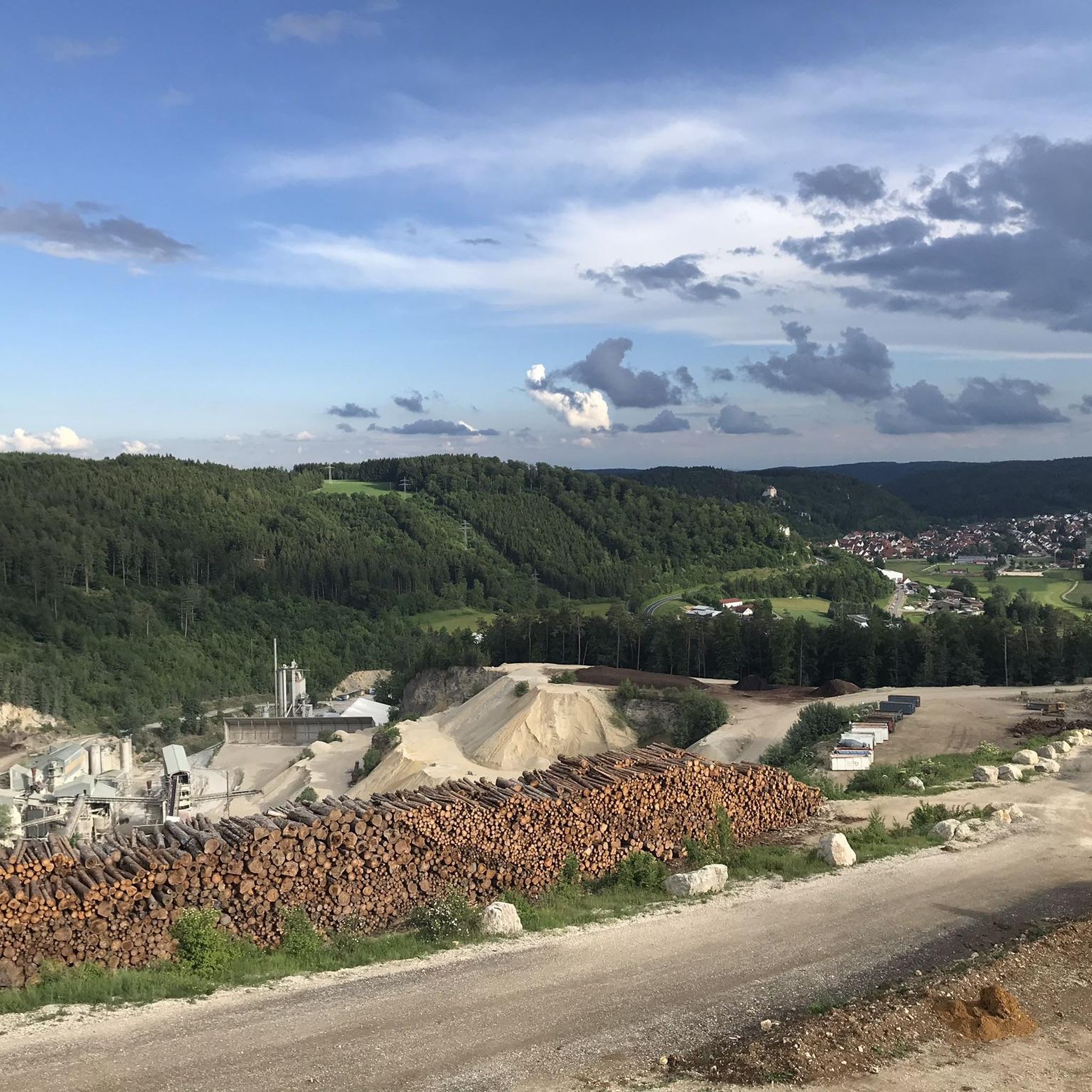
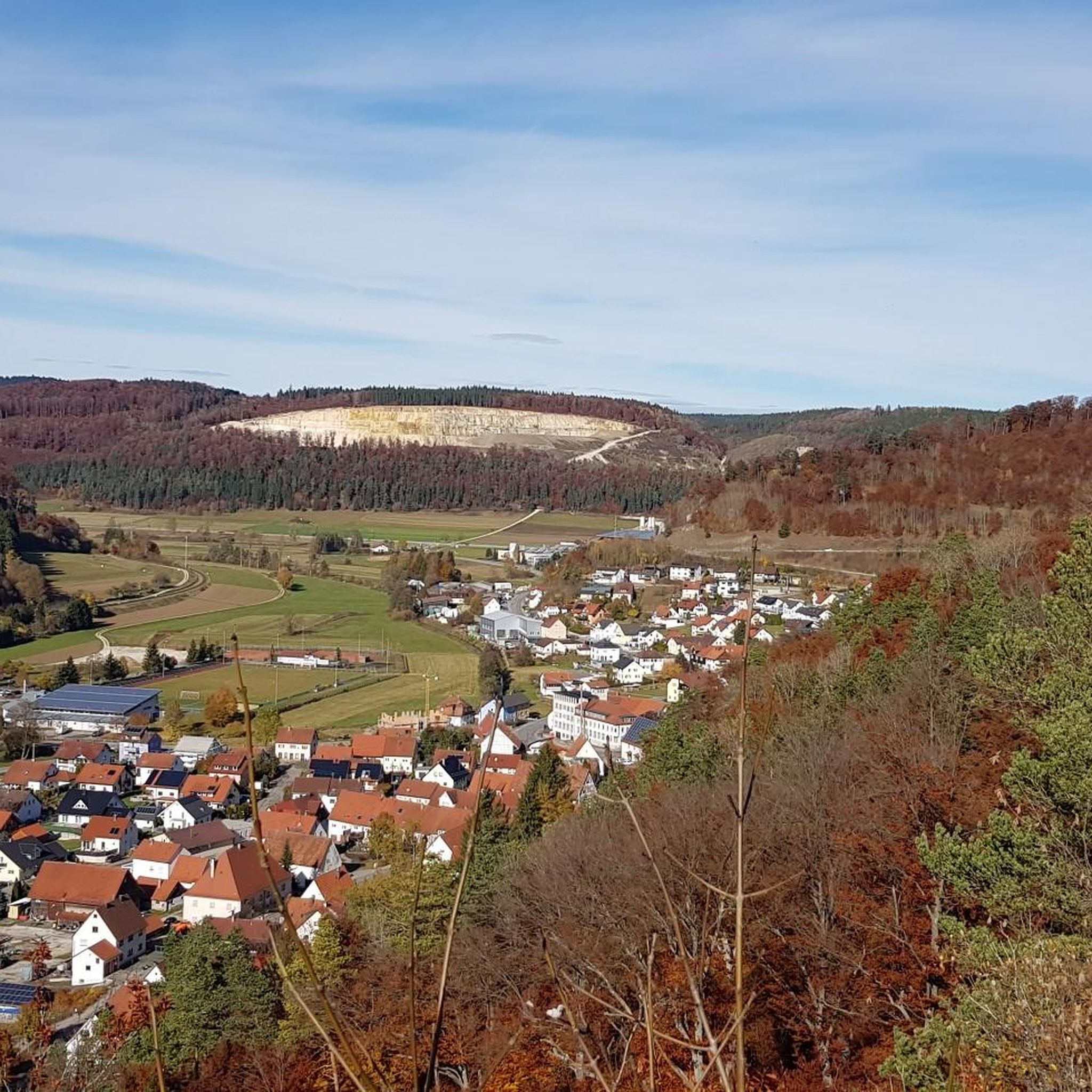
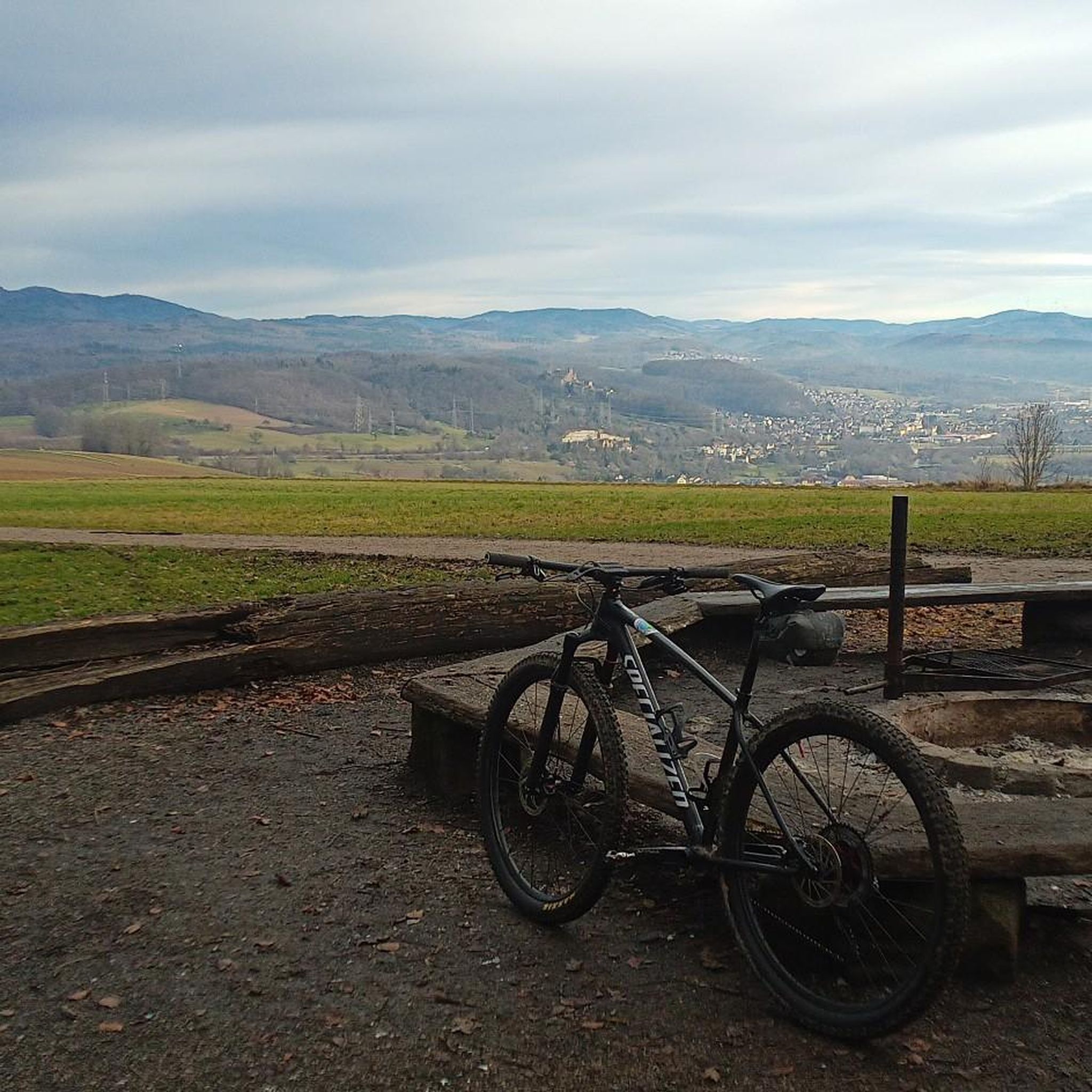
Tips from the Community

A very nice bike path
4
0
Beautiful here
5
0

Beautiful area, just waiting to be explored by bike. 🥰
4
0
Beautiful area, just waiting to be explored by bike. 🥰
4
0

high rocks right and left, also many playgrounds and interesting things for children
3
1

Enjoy one of the most beautiful landscapes in Germany on a relaxed tour.
4
0
Beautiful bike path on solid ground / road in a beautiful nature with a number of sights.
5
0

Beautiful paths great landscape little traffic.
5
0
Frequently Asked Questions
What unique geological formations can I explore around Straßberg?
Straßberg is home to several fascinating geological natural monuments. You can explore the Große Tropfsteinhöhle, a 31-meter-long cave with two levels, though it typically requires a rope or ladder for exploration. The Höfentalhöhlen, likely found within the Cave Park Old Quarry Straßberg, include the Sprengstoffdepothöhle, Plattenversturzhöhle, and Riesenversturzhöhle, offering diverse subterranean experiences. Additionally, the Danube Valley in the Upper Danube Nature Park features impressive rock formations as the Danube carves its way through the landscape.
Are there any ancient or significant trees designated as natural monuments in Straßberg?
Yes, Straßberg preserves several notable trees as natural monuments. These include the majestic 1 Buche "Frauenbuche", a single beech tree, and the 1 Linde bei der Marienkapelle, a lime tree located near the St. Mary's Chapel. You can also find 2 Linden im Höfental, a pair of protected lime trees in the Höfental area. These trees offer peaceful spots for reflection and appreciation of enduring natural heritage.
What kind of historical insights can I gain from the natural monuments in this region?
The natural monuments around Straßberg offer glimpses into both natural and human history. The Straßberger Grotte is particularly significant, as Stone Age tools were recovered from its nearly 2-meter-high and 4-meter-wide arch in 1907, indicating early human presence. Additionally, while not strictly a natural monument, the Ruins of Gebrochen Gutenstein, perched on a rock 90 meters above the Danube, provides a historical context of the region's past, offering magnificent views of the Danube Valley.
Are there family-friendly natural monuments or activities around Straßberg?
Yes, there are family-friendly options. The Great Danube cycle path section is an easy-to-ride gravel path directly along the Danube, perfect for families. Another great spot is the Rock Tunnel on the Danube Cycle Path, which features a pleasant section of the old road and a great barbecue area with a lawn directly on the Danube, ideal for a family stop.
What outdoor activities, like hiking or cycling, can I do near these natural monuments?
The region around Straßberg offers diverse outdoor activities. For hiking, you can explore trails like the Ladder of Hossingen, which features steep steps and rewarding valley views. The hiking routes around Straßberg include options like the 'View from Mühlenfels – View of Ebingen loop' or the 'Hiking loop from Straßberg-Winterlingen'. For cyclists, the road cycling routes around Straßberg offer scenic rides such as the 'Fürstenhöhe Cycle Path – Schmeiental Valley loop'.
What should I know about accessing the caves in Straßberg?
Access to the caves varies. The Große Tropfsteinhöhle, located southwest of the Winterlingen sewage treatment plant, is more adventurous and typically requires a rope or ladder for exploration. The Höfentalhöhlen (Sprengstoffdepothöhle, Plattenversturzhöhle, Riesenversturzhöhle) are likely situated within the 'Höhlenpark Alter Steinbruch Straßberg'. For specific visitor information or guided tours, it's advisable to check local resources or visitor centers, as some caves may have restricted access or require special equipment.
What do visitors enjoy most about the natural monuments around Straßberg?
Visitors frequently praise the varied landscapes and impressive settings. The Danube Valley in the Upper Danube Nature Park is highlighted for its diverse terrain and fantastic views. The Ladder of Hossingen is enjoyed for the fun of climbing between rocks and the magnificent views it offers. The Great Danube cycle path section is appreciated for its beautiful and impressive setting directly along the Danube.
Are there any easy hiking trails near the natural monuments for a relaxed outing?
Yes, there are several easy hiking trails suitable for a relaxed outing. You can find options like the 'Hiking loop from Straßberg-Winterlingen' (5.2 km) or the 'Straßberg Castle – View from Kapf loop from Winterlingen' (4.3 km). The 'Hiking loop from Eselmühle' (2.8 km) is another easy choice. These trails are part of the easy hikes around Straßberg and allow you to enjoy the natural surroundings without strenuous effort.
What is the best time of year to visit the natural monuments in Straßberg?
The best time to visit the natural monuments around Straßberg largely depends on the activities you plan. Spring and autumn offer pleasant temperatures for hiking and cycling, with vibrant foliage or blooming nature. Summer is ideal for enjoying the Danube cycle paths and outdoor activities, though it can be busier. While some caves might be accessible year-round, specific conditions for exploration (like ropes/ladders) might be more comfortable in milder weather. Winter can offer a unique, serene experience, especially for forest walks, but some trails or cave access might be more challenging.
Can I find information about the natural monuments on Wikipedia?
Yes, for additional background information and a comprehensive list of officially designated natural monuments in the area, you can refer to the relevant Wikipedia page. You can find more details at Liste der Naturdenkmale in Straßberg (Zollernalbkreis).
Are there any natural monuments that are particularly good for wildlife spotting?
While specific wildlife sightings are never guaranteed, areas like the Höfentalhöhlen are known for their potential as bat habitats, especially the Riesenversturzhöhle with its large bat hall. The extensive natural landscapes of the Danube Valley in the Upper Danube Nature Park also provide diverse ecosystems where you might encounter various local flora and fauna, particularly birds and smaller mammals.
Most popular routes around Straßberg
Most popular attractions around Straßberg

Get inspired with the komoot mobile app


Explore more
Extend your search for the best caves by checking out these guides of the top ones around Straßberg:
