Top 20 Natural Monuments around Tissa
Best natural monuments around Tissa include a variety of natural springs, ancient trees, and rock formations. The region offers diverse natural features, from tranquil forest settings to historical sites. These natural monuments provide opportunities for outdoor exploration and offer insights into local natural history. The area is known for its accessible natural sites, suitable for various outdoor activities.
Best natural monuments around Tissa
- The most popular natural monuments is Prince's Spring, a natural_monument that offers fresh spring water and…
Last updated: June 25, 2026
Prince's Spring
Highlight • Natural Monument
Translated by Google •
Tip by

Hubertus Spring
Highlight • Natural Monument
Translated by Google •
Tip by

Sign up now to discover places like this
Get recommendations on the best single tracks, peaks, & plenty of other exciting outdoor places.
Sign up for free
Summer Linden (Touringen Stamping Point No. 194)
Highlight • Natural Monument
Translated by Google •
Tip by
Rothenstein Rock Caves
Highlight • Cave
Above them is the Bastei viewing point with the Trompeterfelsen.
Translated by Google •
Tip by

Middle Horizontal Trail (Kernberge and Wöllmisse, Jena)
Highlight (Segment) • Trail
A very great spot with great views into the distance and regular places to sit.
Translated by Google •
Tip by

Sign up for free to discover even more natural monuments around Tissa.
Sign up for free
Already have an account?
Start today with a free account
Your next adventure awaits.
Login or Signup
Tips from the Community

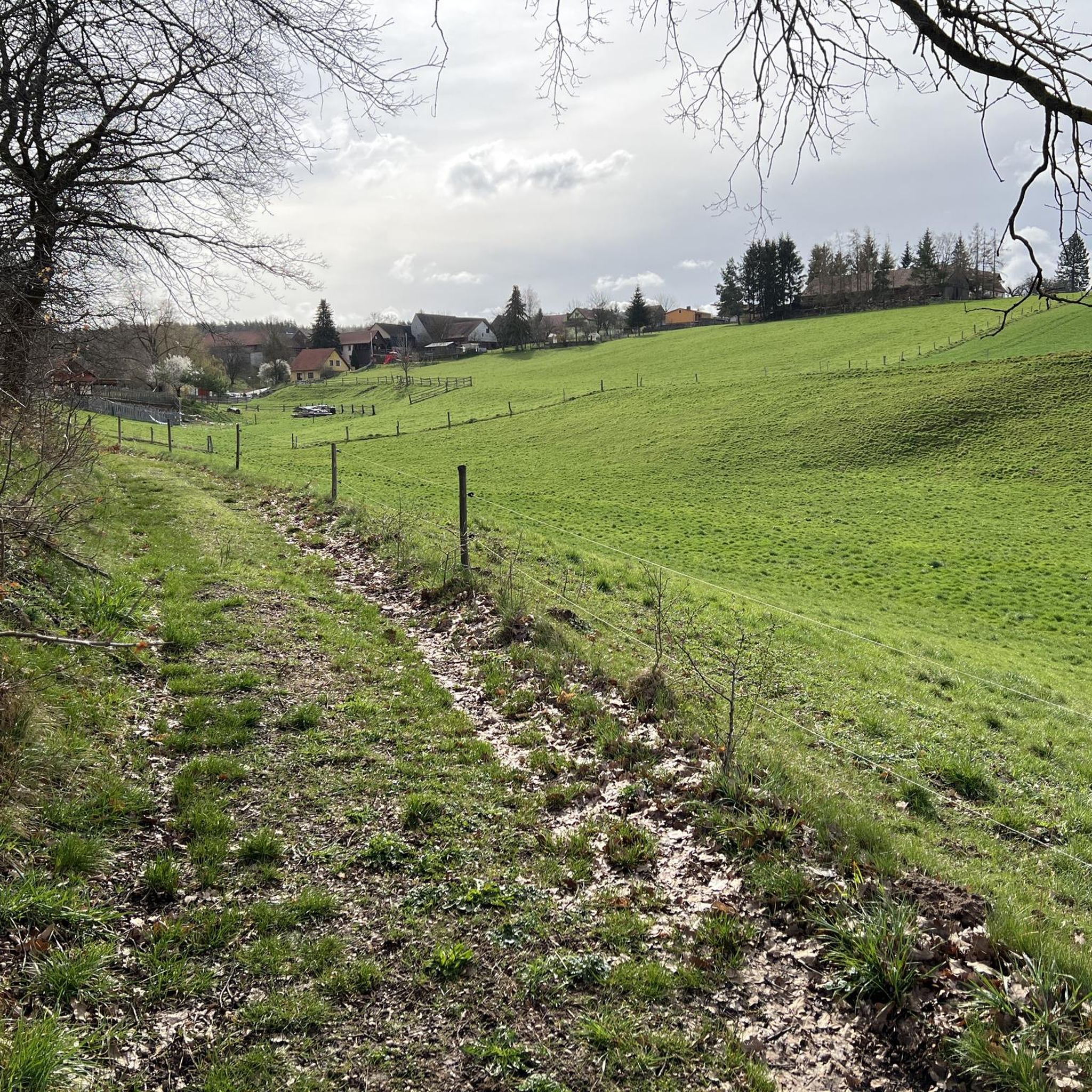
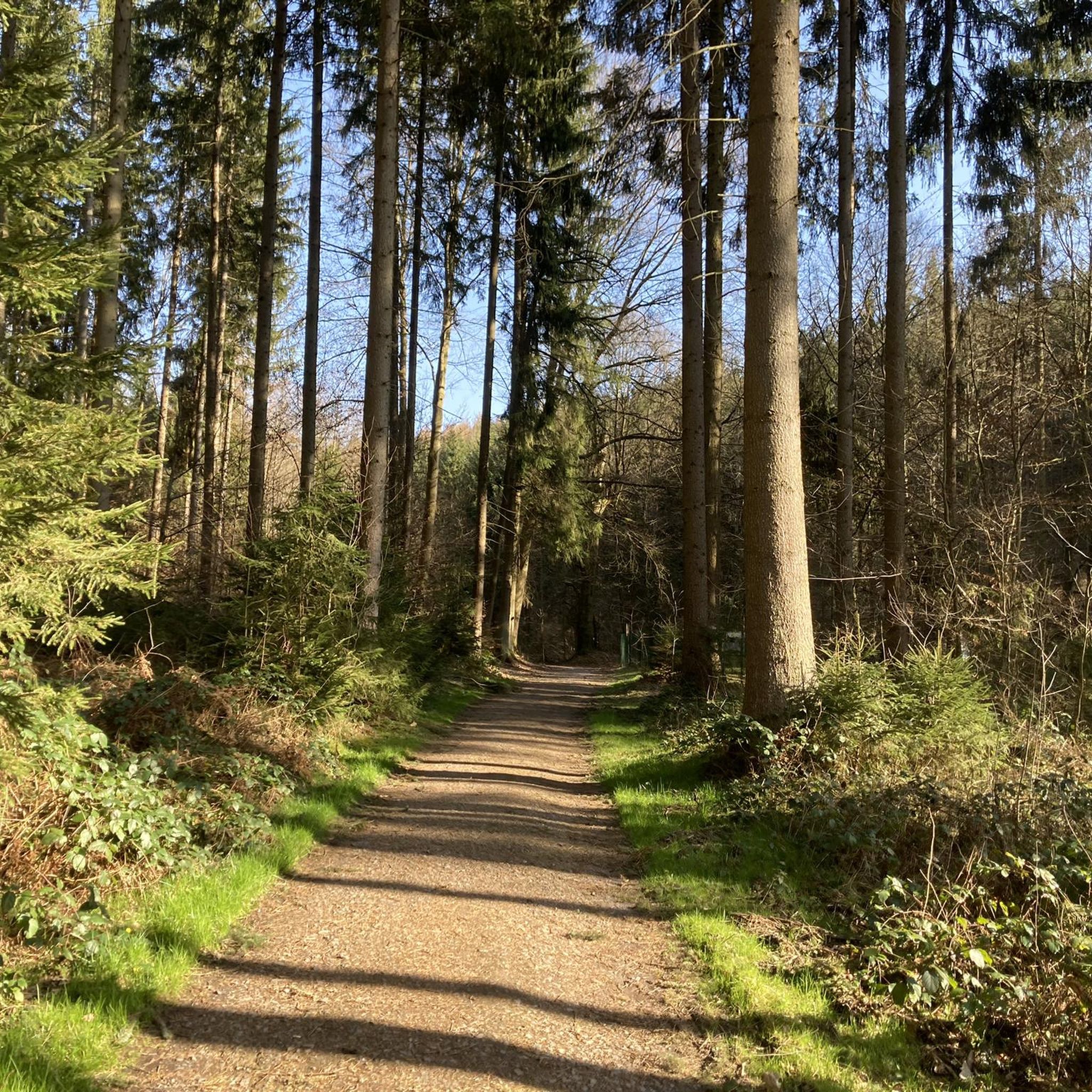
The Fürstenbrunnen is a spring in the beautiful Pennickental at the foot of the Johannisberge.
10
0
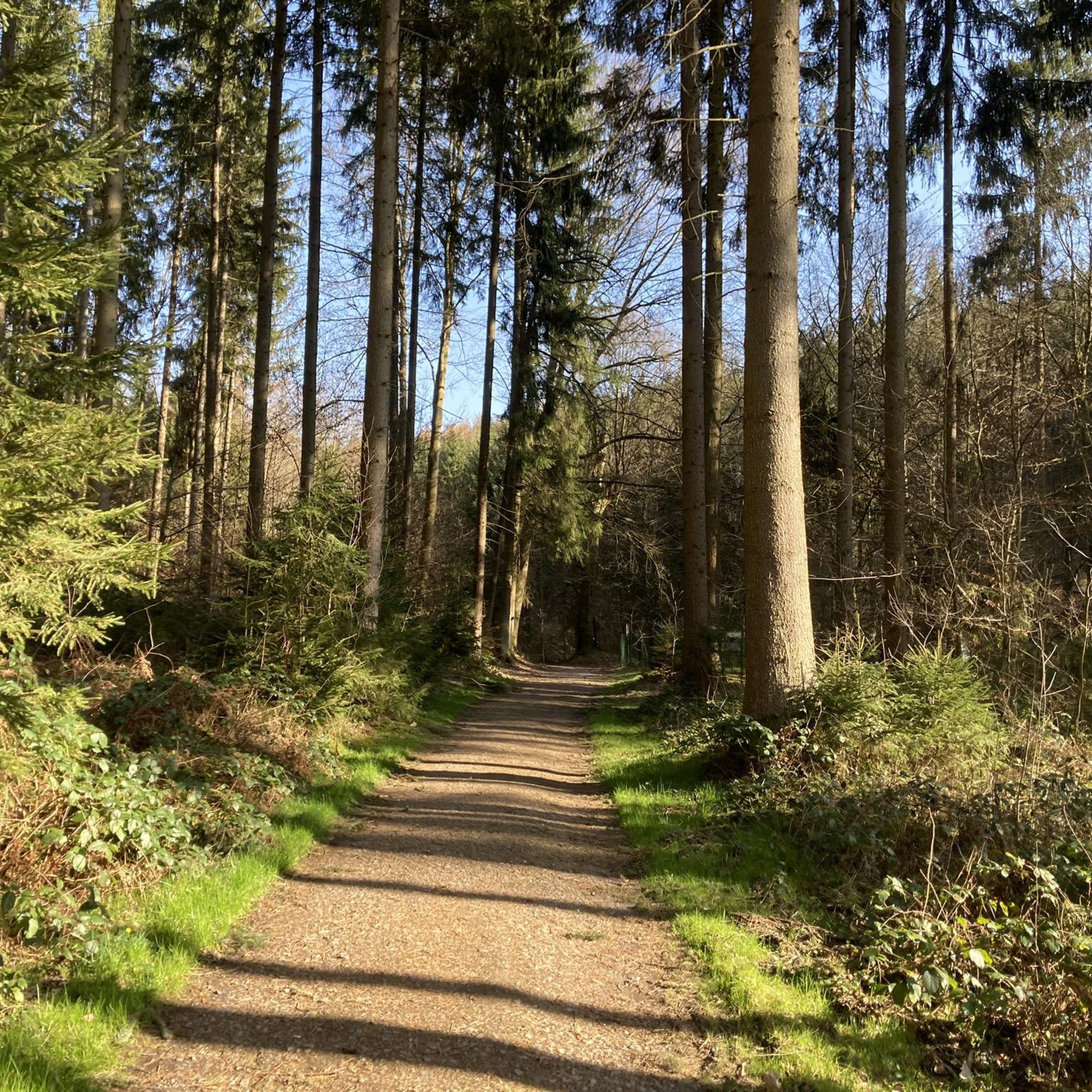
The approximately 450-year-old lime tree is kept as a pollard tree, with the trunk sections anchored together.
11
0

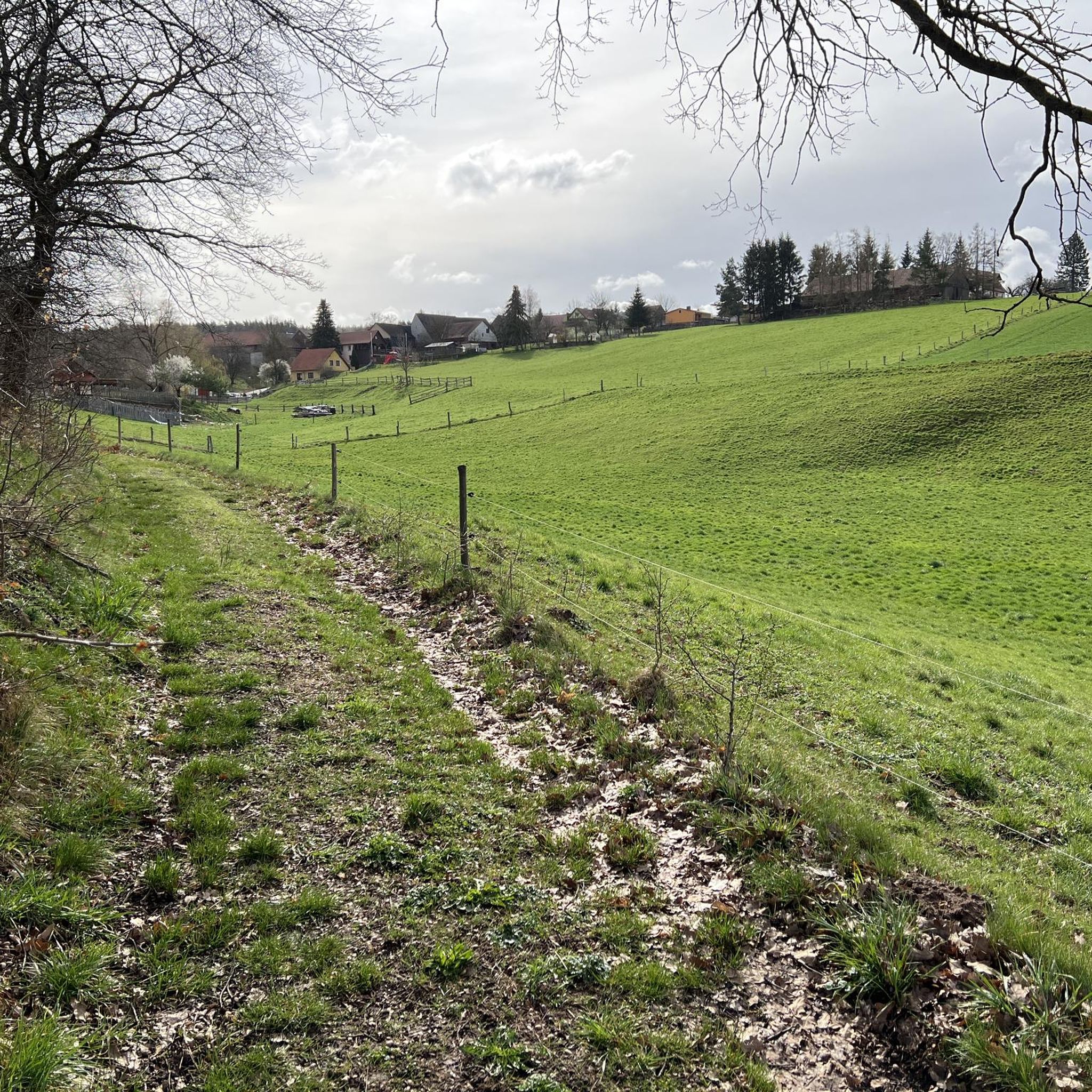
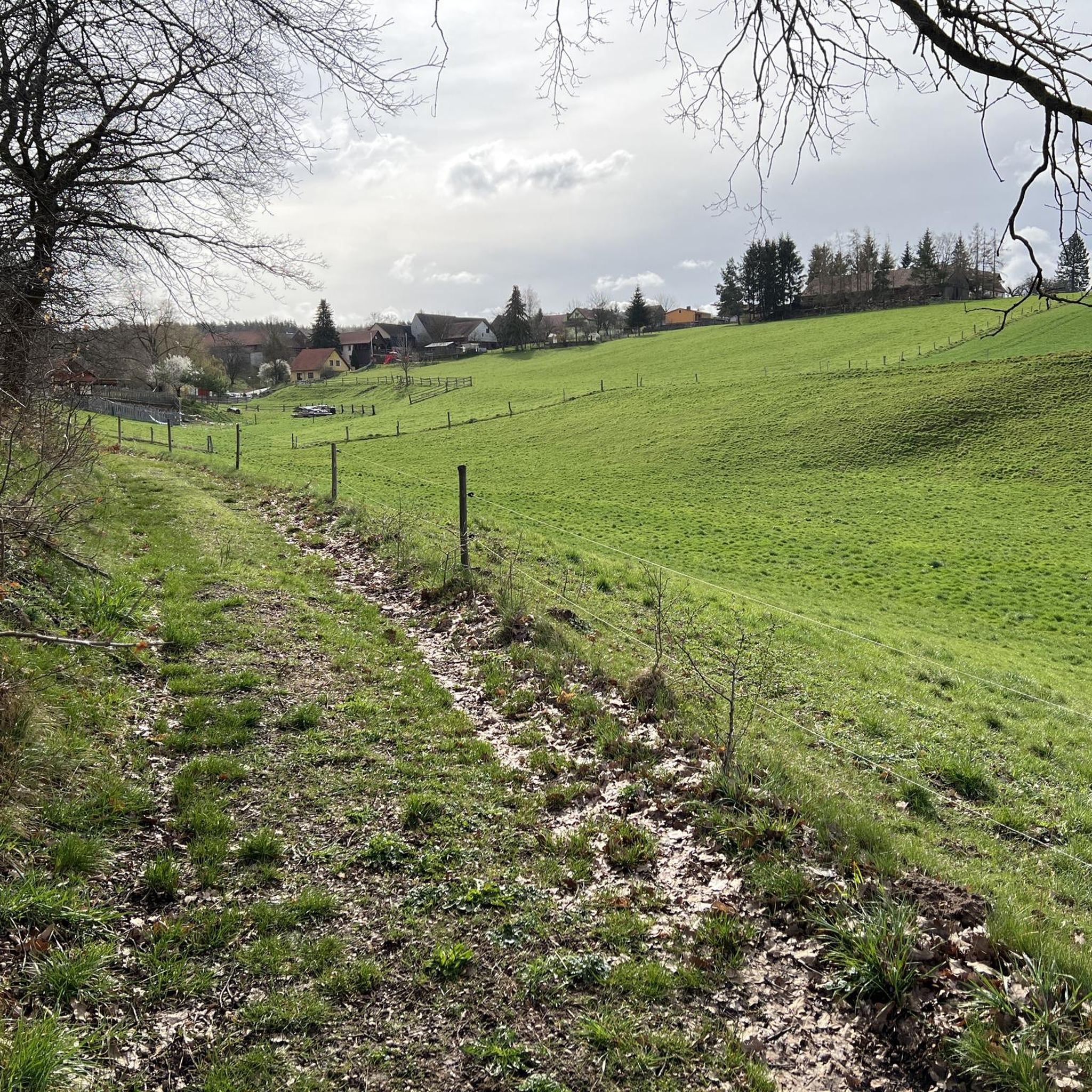
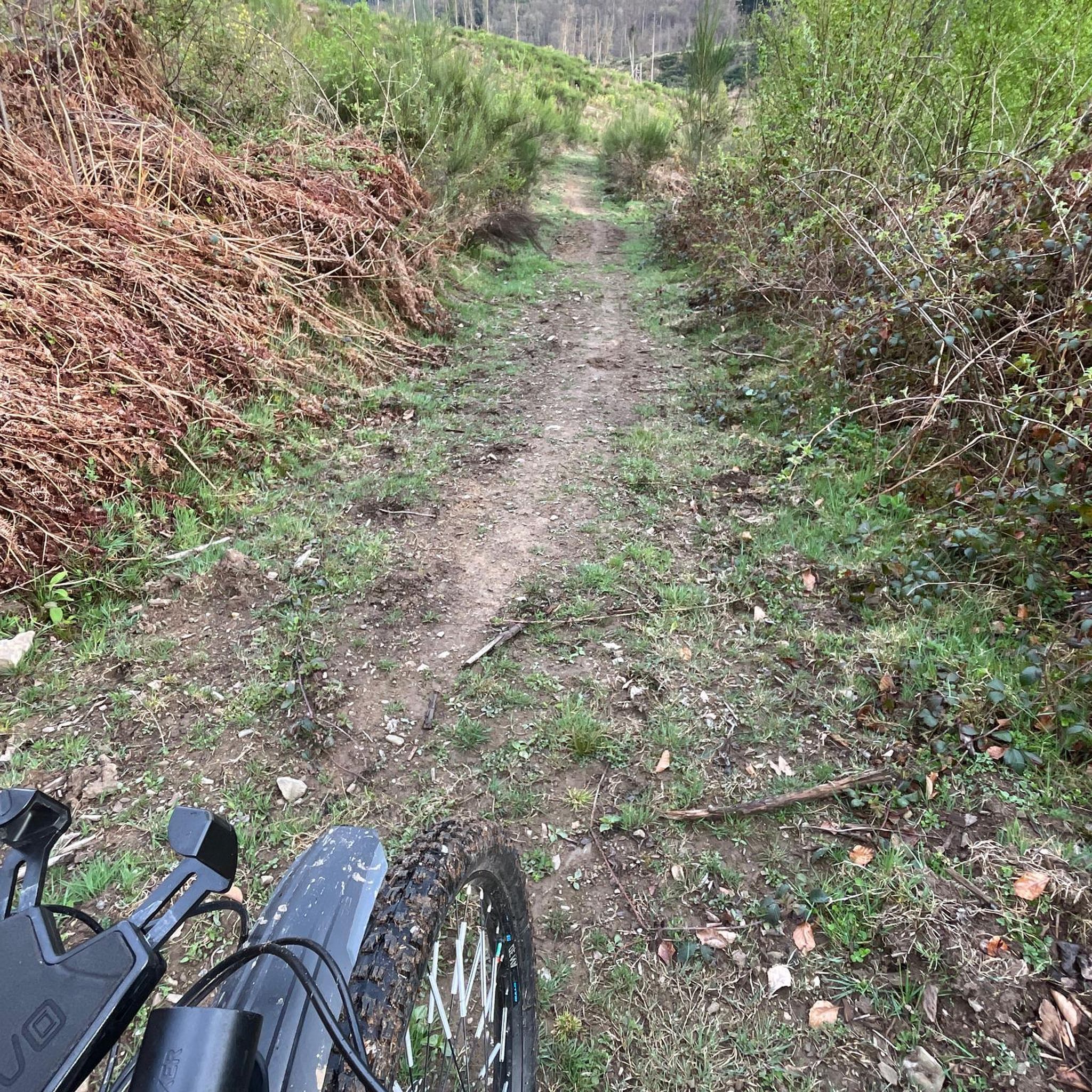
An absolutely recommendable hiking trail, provided you have a head for heights, are sure-footed and have sturdy shoes: a narrow path with a great view 😍
0
0
There are two beautiful caves to admire here. Above them is the Bastei viewing point with the Trompeterfelsen.
22
0

beautifully grown tree, with stamp point for touring stamp
4
0

The white sand extracted from the caves was used as grit in the living rooms of the Middle Ages and was later used industrially.
8
0

Stamp office 194 is also located here, which is a very beautiful tree.
15
1
The spring shows the water-retaining effect of the clayey myophoric layers (Upper Buntsandstein) present beneath the Muschelkalk. Shell limestone rubble covers the slope and does not reveal any stratification: The periodically pouring spring contains a lot of lime, which has created the extensive freshwater lime deposits below the spring. In recent decades, this lime (lime tuff) has been mined in several quarries. Source: display board
15
0
Frequently Asked Questions
What are the most popular natural monuments around Tissa?
The Tissa region is home to several cherished natural monuments. Among the most popular are Prince's Spring, known for its fresh spring water and as a tranquil resting spot, and Hubertus Spring, nestled in the forest offering a refreshing stop. Visitors also frequently enjoy the ancient Summer Linden (Touringen Stamping Point No. 194), a magnificent 450-year-old tree.
Are there family-friendly natural monuments in the Tissa area?
Yes, several natural monuments around Tissa are suitable for families. Prince's Spring and Hubertus Spring are both considered family-friendly, offering pleasant spots for rest and refreshment. The ancient Summer Linden also provides benches for families to relax. Additionally, the Rothenstein Rock Caves offer an engaging experience for all ages, combining natural beauty with historical intrigue.
What kind of wildlife can I expect to see at natural monuments near Tissa?
The Tissa region is rich in wildlife. While visiting natural monuments like Tissa Wewa, you might spot various bird species and fruit bats. For a more extensive wildlife experience, Yala National Park is famous for its high density of leopards, Sri Lankan elephants, sloth bears, and over 215 bird species. Bundala National Park, a UNESCO Biosphere Reserve, is a critical wintering ground for migratory water birds, including large flocks of Greater Flamingos, and is also home to elephants, crocodiles, and sea turtles during nesting season.
What historical significance do some of Tissa's natural monuments hold?
Many natural monuments in Tissa have historical connections. Prince's Spring is noted as a highlight of local history. The Rothenstein Rock Caves have a fascinating past, as the white sand extracted from them was historically used for grit in medieval living rooms and later for porcelain production. Tissa Wewa, an ancient man-made reservoir, dates back to the 3rd century BCE and is an impressive example of ancient engineering designed for irrigation.
Are there hiking or walking trails near the natural monuments around Tissa?
Yes, several natural monuments are integrated into or are near hiking trails. Prince's Spring is a popular spot where various hiking trails cross. The Middle Horizontal Trail offers an exciting section with great views, though it requires surefootedness. For more options, you can explore the many running trails around Tissa, which often pass through natural areas.
What is the best time to visit the natural monuments in Tissa?
The best time to visit Tissa's natural monuments largely depends on your interests. For birdwatching, particularly at Bundala National Park, the migratory season from September to March is ideal for witnessing large flocks of flamingos and other water birds. Generally, the dry season (typically May to September) can be good for wildlife viewing in parks like Yala, as animals congregate around water sources. However, Tissa's natural springs and ancient trees can be enjoyed year-round.
Can I find other outdoor activities like cycling near Tissa's natural monuments?
Absolutely! The Tissa region offers diverse outdoor activities beyond hiking. You can find numerous cycling routes, including options for touring bicycles and road cycling, that allow you to explore the natural landscapes and monuments. These routes vary in difficulty, providing options for different skill levels.
What are some unique natural features to look out for in Tissa?
Beyond the well-known sites, Tissa boasts unique natural features such as its ancient man-made reservoirs like Tissa Wewa, which are often adorned with lotus flowers and surrounded by lush greenery. The region is also characterized by its numerous natural springs, such as Prince's Spring and Hubertus Spring, which provide fresh water and serene environments. The ancient Summer Linden, a 450-year-old pollard tree, is another remarkable natural landmark.
How long should I plan for a visit to the natural monuments around Tissa?
The duration of your visit can vary. Individual natural monuments like Prince's Spring or the Summer Linden can be enjoyed as short stops during a hike or cycling tour, taking anywhere from 30 minutes to an hour. For larger natural areas like Yala National Park or Bundala National Park, a half-day or full-day safari is recommended to fully experience the wildlife and landscapes. Tissa Wewa can be explored in a couple of hours, especially during sunset.
Are there any viewpoints offering scenic vistas of the natural landscape?
Yes, several natural monuments and trails offer excellent viewpoints. Both Prince's Spring and Hubertus Spring are noted for their scenic surroundings. The Rothenstein Rock Caves are located near the Bastei viewing point, which offers expansive views. Additionally, the Middle Horizontal Trail is praised for its great views into the distance, including the Saale valley and distant mountain ranges.
What are the Rothenstein Rock Caves and what makes them special?
The Rothenstein Rock Caves are a fascinating natural monument featuring two beautiful caves. Historically, these caves were significant for the extraction of fine white sand, which was used as grit in medieval homes and later for porcelain production. Above the caves, you'll find the Bastei viewing point with the Trompeterfelsen, offering scenic views. It's a great spot for those interested in both natural formations and local history.
What should I wear when visiting natural sites in Tissa?
When visiting natural sites in Tissa, it's advisable to wear comfortable clothing suitable for outdoor activities. Light, breathable fabrics are recommended, especially during warmer months. Sturdy, closed-toe shoes are essential for walking on trails and exploring varied terrain. If you plan to visit national parks for safaris, neutral-colored clothing can be beneficial for wildlife viewing. Don't forget sun protection like a hat, sunglasses, and sunscreen, and consider insect repellent.
Most popular attractions around Tissa

Get inspired with the komoot mobile app


Explore more
Extend your search for the best caves by checking out these guides of the top ones around Tissa:
