Top 20 Natural Monuments around Eckstedt
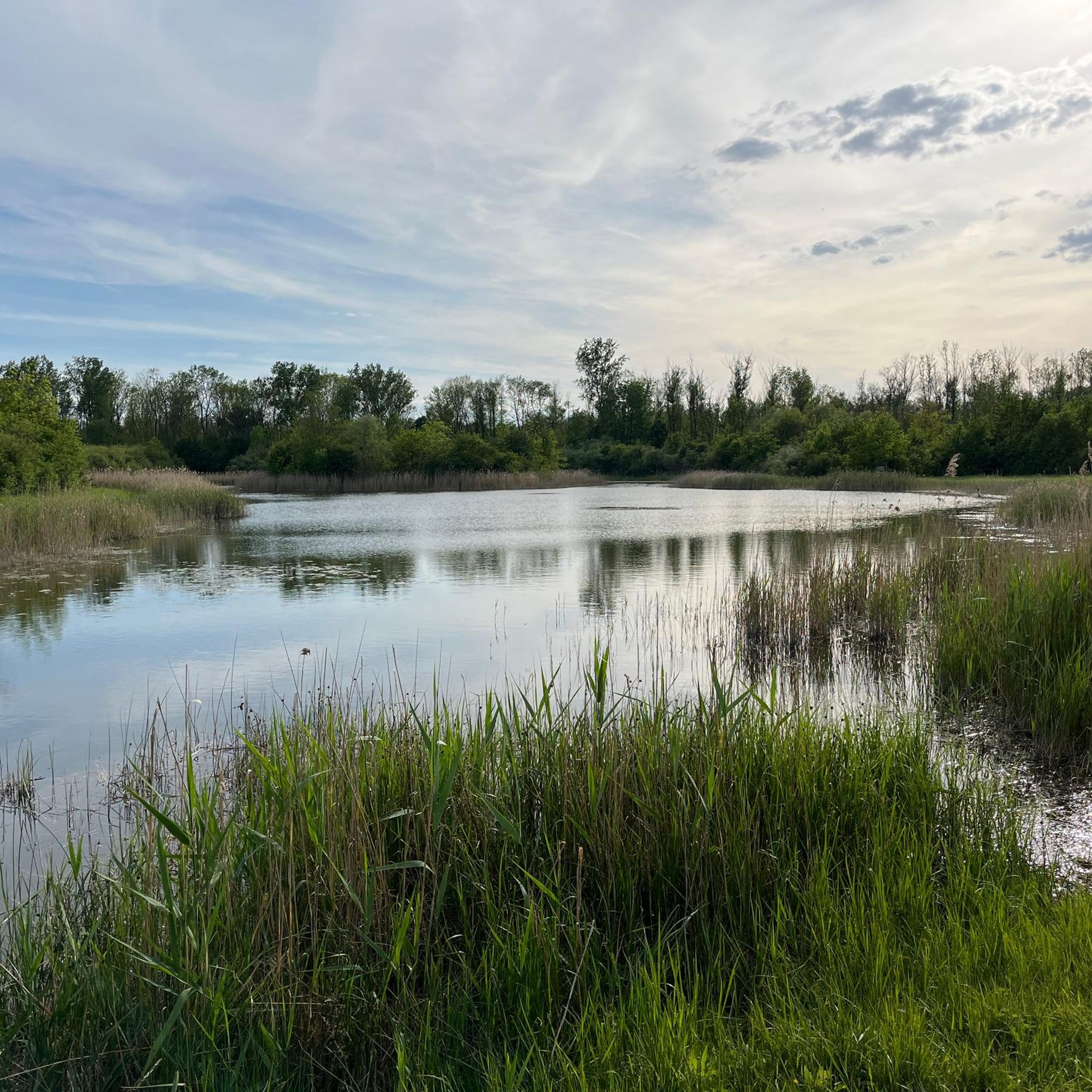
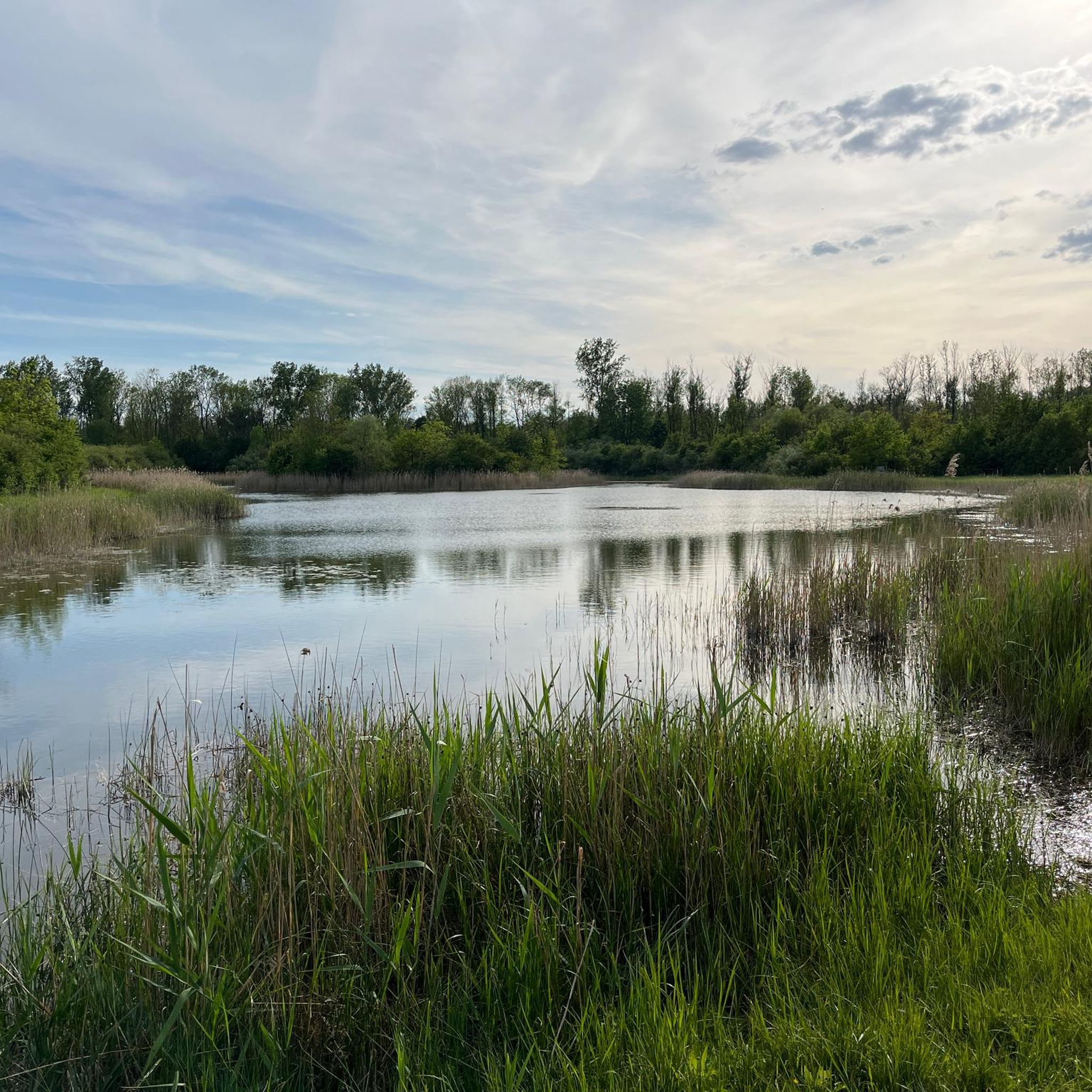
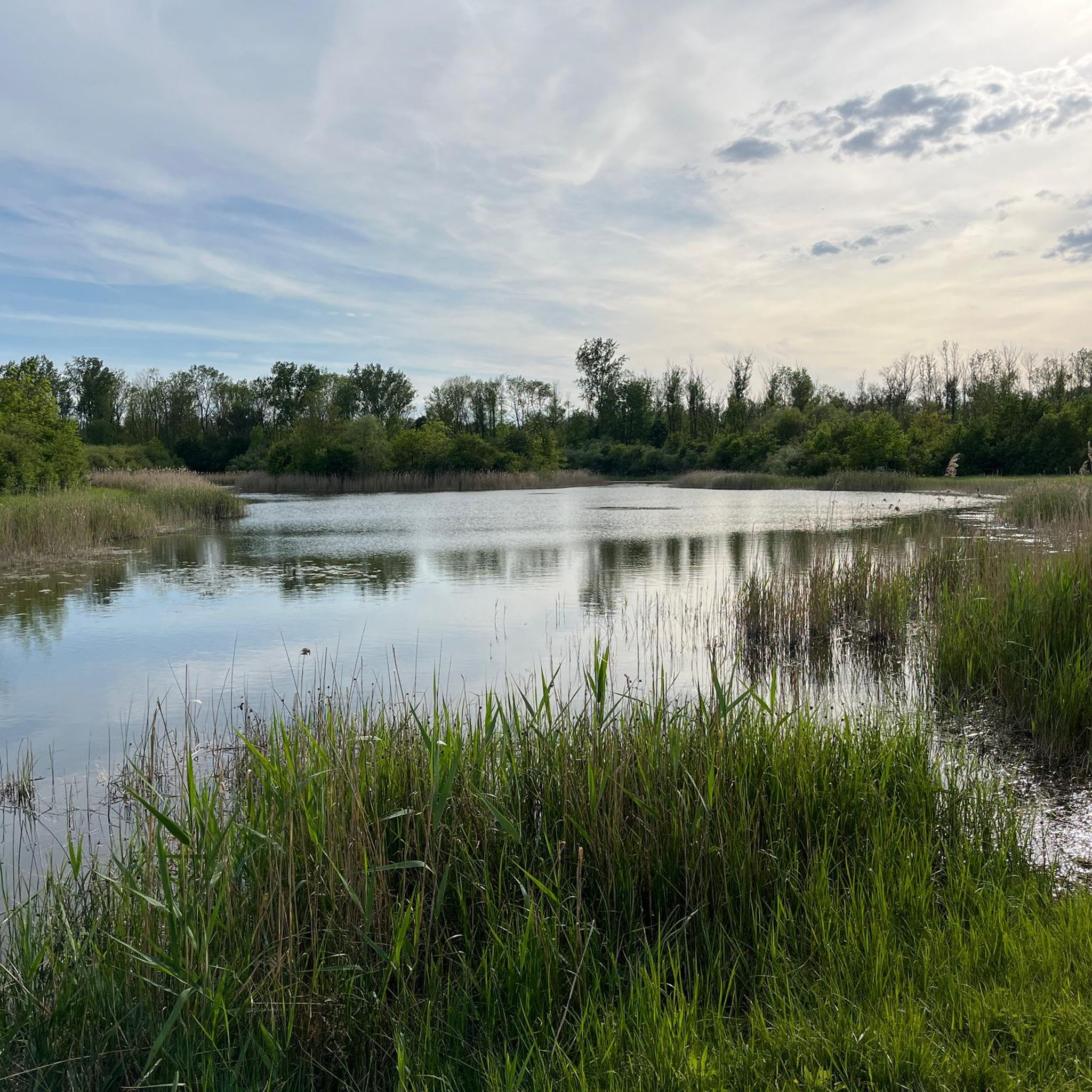
Best natural monuments around Eckstedt include the ecologically significant Alperstedter Ried, recognized as the largest calcareous flat mire in the Thuringian Basin. This nature reserve, part of the European "Natura 2000" network, spans 101 hectares and is a vital habitat for numerous plant and animal species. The area is managed using grazing animals to preserve its unique moor landscape and biodiversity. Visitors can explore designated paths to experience this restored wetland ecosystem.
Best natural monuments around Eckstedt
- The most popular…
Last updated: June 25, 2026
Alperstedter Ried
Highlight • Natural Monument
The peacefully grazing cattle are another attraction.
Translated by Google •
Tip by

Sculptural Group at the Buchenwald Memorial
Highlight • Monument
Translated by Google •
Tip by

Sign up now to discover places like this
Get recommendations on the best single tracks, peaks, & plenty of other exciting outdoor places.
Sign up for free
Hopfgarten Reservoir
Highlight • Lake
Translated by Google •
Tip by

Burgstelle Tafelberg
Highlight • Historical Site
Showing Translation
Tip by

Braun's Spring
Highlight • Natural Monument
Translated by Google •
Tip by

Sign up for free to discover even more natural monuments around Eckstedt.
Sign up for free
Already have an account?
Start today with a free account
Your next adventure awaits.
Login or Signup

Tips from the Community

The Tafelberg castle site was a smaller motte castle in the Middle Ages on the southeastern outskirts of the town, which was probably built on a hill previously used as a cult site and is first indirectly mentioned in connection with noble ministerials of the Landgraves of Thuringia. In the 14th century, the castle came into the possession of the city of Erfurt and was used to secure trade routes, of which today only an approximately 20-meter-wide debris cone with a former moat remains, which is protected as a historical monument.
1
0

Fritz Cremer's famous Buchenwald sculpture is part of the Buchenwald Memorial, the largest and most important concentration camp memorial in Germany. Created between 1954 and 1958, the group of figures was restored between 2002 and 2005. The expressive group comprises eleven larger-than-life bronze figures symbolizing struggle and sacrifice, victory and the prisoners' oath. Behind the group of monuments, the 50-meter-high bell tower rises majestically, visible far into the distance.
5
0

Fritz Cremer's famous group of figures in front of the bell tower of liberated prisoners is intended to symbolize the victory over the SS under the leadership of the Communist Party.
3
0

A magnificent work of art in an impressive setting.
4
0

The bronze figures symbolize the resistance of the prisoners. The arrangement and posture of the figures reflect the style of socialism at the time.
5
0

On the manifestation square in front of the bell tower stands the group of figures created by Fritz Cremer, mounted on a red stone base. The bronze sculpture - it is the largest in Germany - is dedicated to the victorious resistance struggle in the camp and shows the “self-liberation” of the prisoners under the leadership of the communists.
6
0

The Hopfgarten dam near Weimar serves for flood protection and for increasing the low flow of the Gramme, a tributary of the Unstrut. The barrier structure is an earth dam 368 m long and 15 m high. It is also a bathing lake, there are beautiful secluded spots around the reservoir.
12
1

The Hopfgarten dam near Weimar serves to protect against flooding and to raise the low water level of the Gramme, a tributary of the Unstrut.
4
0
Frequently Asked Questions
What is the most significant natural area to visit near Eckstedt?
The most significant natural area is the Alperstedter Ried nature reserve. It's recognized as the largest calcareous flat mire in the Thuringian Basin and is a vital habitat for a wide array of rare and endangered plant and animal species. This extensive mire landscape is also part of the European "Natura 2000" protected area network.
Are there any family-friendly natural monuments or sites around Eckstedt?
Yes, several sites are suitable for families. The Hopfgarten Reservoir is a great option, offering swimming opportunities in one of the few dams in Thuringia where it's permitted. Braun's Spring and the Dr. Oskar Moses Memorial Grove are also listed as family-friendly spots.
What unique wildlife or ecological features can I observe at Alperstedter Ried?
Alperstedter Ried is a biodiversity hotspot, home to 1,282 documented plant and animal species, many of which are rare. You can observe a unique ecosystem with efforts to restore water levels for amphibians and water breeders. The reserve also employs a unique landscape management method using grazing animals like Exmoor ponies, buffalo, and "Rote Höhenvieh" cattle, which you might encounter.
Are there historical sites among the natural monuments near Eckstedt?
Yes, the region offers a blend of natural and historical significance. The Alte Burg (Ettersberg) is a protected ground monument featuring visible ramparts and ditches, remnants of a castle destroyed in 1227. Additionally, the Sculptural Group at the Buchenwald Memorial is a significant historical and cultural landmark commemorating victims of the Buchenwald concentration camp.
What kind of outdoor activities can I do near the natural monuments in Eckstedt?
The area around Eckstedt offers various outdoor activities. You can find numerous routes for mountain biking, such as the "Old Gravel Pit – Alperstedter Ried loop from Großrudestedt." For hikers, there are easy trails like the "War Memorial 1913 – Bachstedter Loch loop from Udestedt." Road cycling enthusiasts can explore routes like the "Gramme Ford – Venice Park loop from Großrudestedt." You can find more details on these and other routes in the MTB Trails around Eckstedt, Easy hikes around Eckstedt, and Road Cycling Routes around Eckstedt guides.
Is Alperstedter Ried accessible for visitors, and are there guided tours?
Yes, Alperstedter Ried has designated visitor paths. Visitors are advised to stay on these paths and behave respectfully. The Thuringia Foundation for Nature Conservation occasionally offers guided tours, providing insights into the moor landscape, its botanical treasures, and the animal landscape managers. It's recommended to check their schedule for tour availability.
What is the best time of year to visit the natural monuments around Eckstedt, especially Alperstedter Ried?
For Alperstedter Ried, spring and early summer are ideal for observing the rich biodiversity, including amphibians and water breeders, as well as the unique flora. However, it's important to note that the breeding season for ground-nesting birds like lapwings and common snipes runs from July to March 15th, during which visitors should be especially mindful and stay on designated paths. Generally, warmer months offer better conditions for exploring the outdoor sites.
Are dogs allowed at the natural monuments, particularly Alperstedter Ried?
While the Alte Burg (Ettersberg) is noted as dog-friendly, for sensitive natural areas like Alperstedter Ried, it's crucial to keep dogs on a leash and strictly on designated paths to protect the delicate ecosystem and wildlife, especially during breeding seasons. Always respect local signage regarding pets.
What should I bring when visiting the natural monuments in Eckstedt?
When visiting, especially Alperstedter Ried, it's advisable to bring sturdy footwear suitable for walking on natural paths, binoculars for wildlife observation, and a camera. Given the presence of grazing animals, it's important not to feed them. Always carry water and any personal necessities. For guided tours, be prepared for varying weather conditions.
What do visitors enjoy most about the natural monuments around Eckstedt?
Visitors particularly appreciate the unique ecological experience offered by Alperstedter Ried, with its rich biodiversity and the sight of grazing animals contributing to conservation. The opportunity to swim at Hopfgarten Reservoir is also a highlight. The blend of natural beauty with historical significance, such as the Alte Burg (Ettersberg) and the Buchenwald Memorial, provides a diverse and enriching experience.
Are there any viewpoints or scenic spots among the natural monuments?
While not explicitly listed as a primary viewpoint, Braun's Spring is categorized as having viewpoint potential. The Alperstedter Ried itself offers scenic views of its extensive mire landscape, especially from designated paths, allowing visitors to appreciate the unique ecosystem and its grazing animals.
Most popular routes around Eckstedt
Most popular attractions around Eckstedt

Get inspired with the komoot mobile app


Explore more
Extend your search for the best caves by checking out these guides of the top ones around Eckstedt:
