Top 20 Natural Monuments around Kölleda
Natural monuments around Kölleda offer diverse outdoor experiences in Thuringia. This region, situated in the Sömmerda district, serves as a gateway to the natural landscapes of the nearby Hohe Schrecke. Kölleda's surroundings feature a mix of unique geological formations, ancient trees, and protected valleys. Visitors can explore a variety of natural attractions, from karst springs to historic rock formations.
Best natural monuments around Kölleda
- The most popular natural monuments is Märzenbechertal Snowdrop Valley, a natural monument that offers a…
Last updated: June 25, 2026
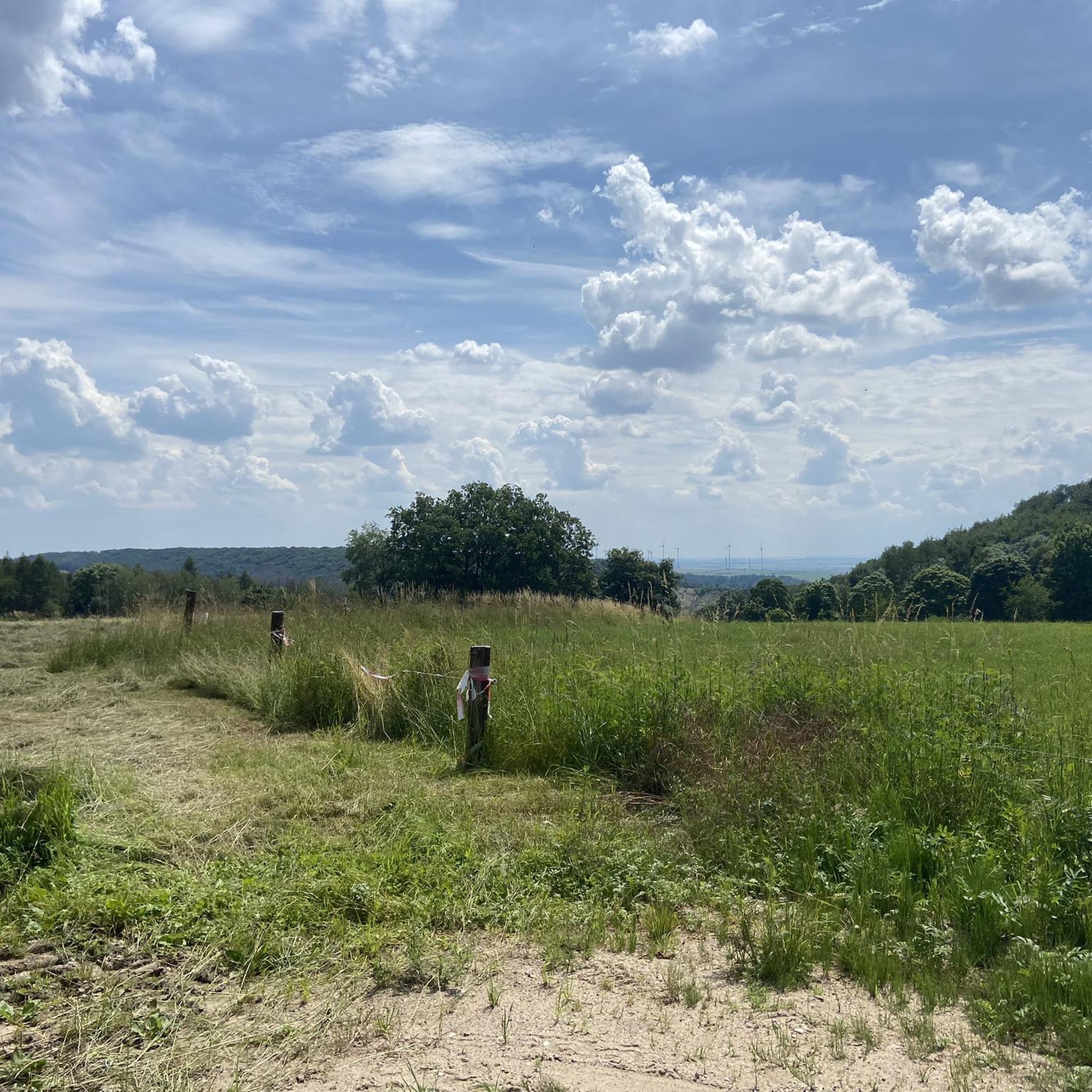
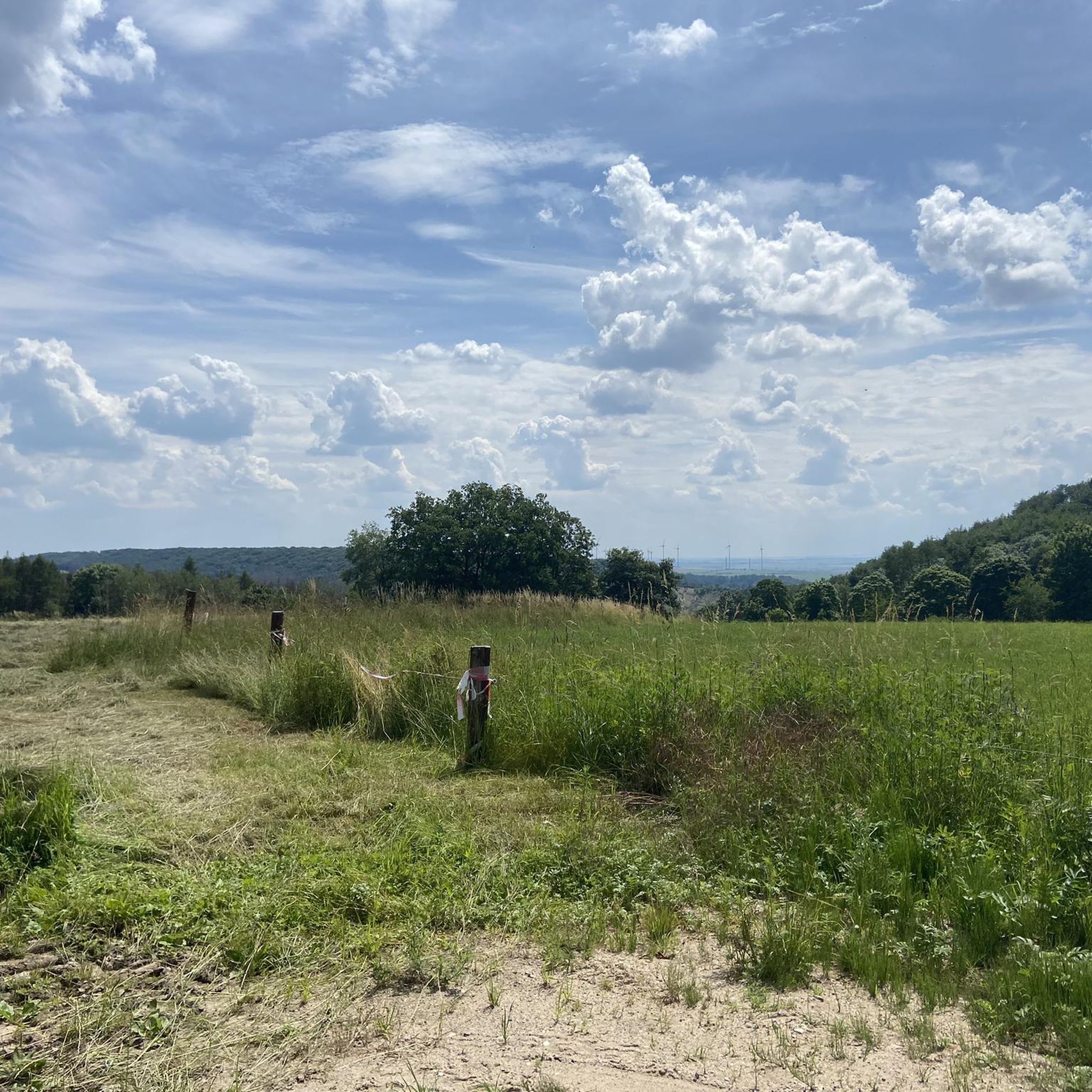
Old Oak near Steinklöbe
Highlight • Natural Monument
Translated by Google •
Tip by

Gründelsloch Karst Spring
Highlight • Natural Monument
Translated by Google •
Tip by

Sign up now to discover places like this
Get recommendations on the best single tracks, peaks, & plenty of other exciting outdoor places.
Sign up for free
Märzenbechertal Snowdrop Valley
Highlight • Natural Monument
And a super sugar baker
Translated by Google •
Tip by

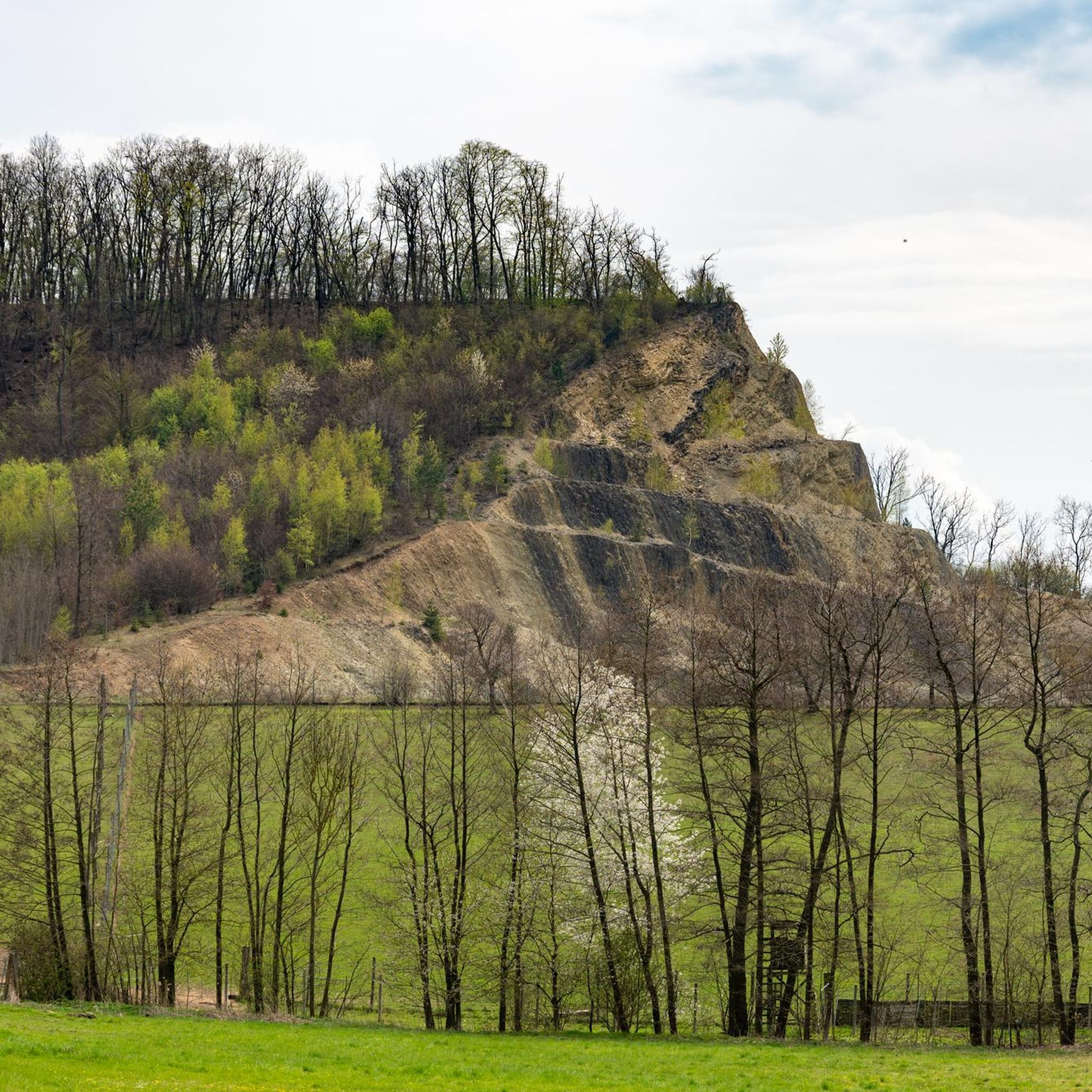
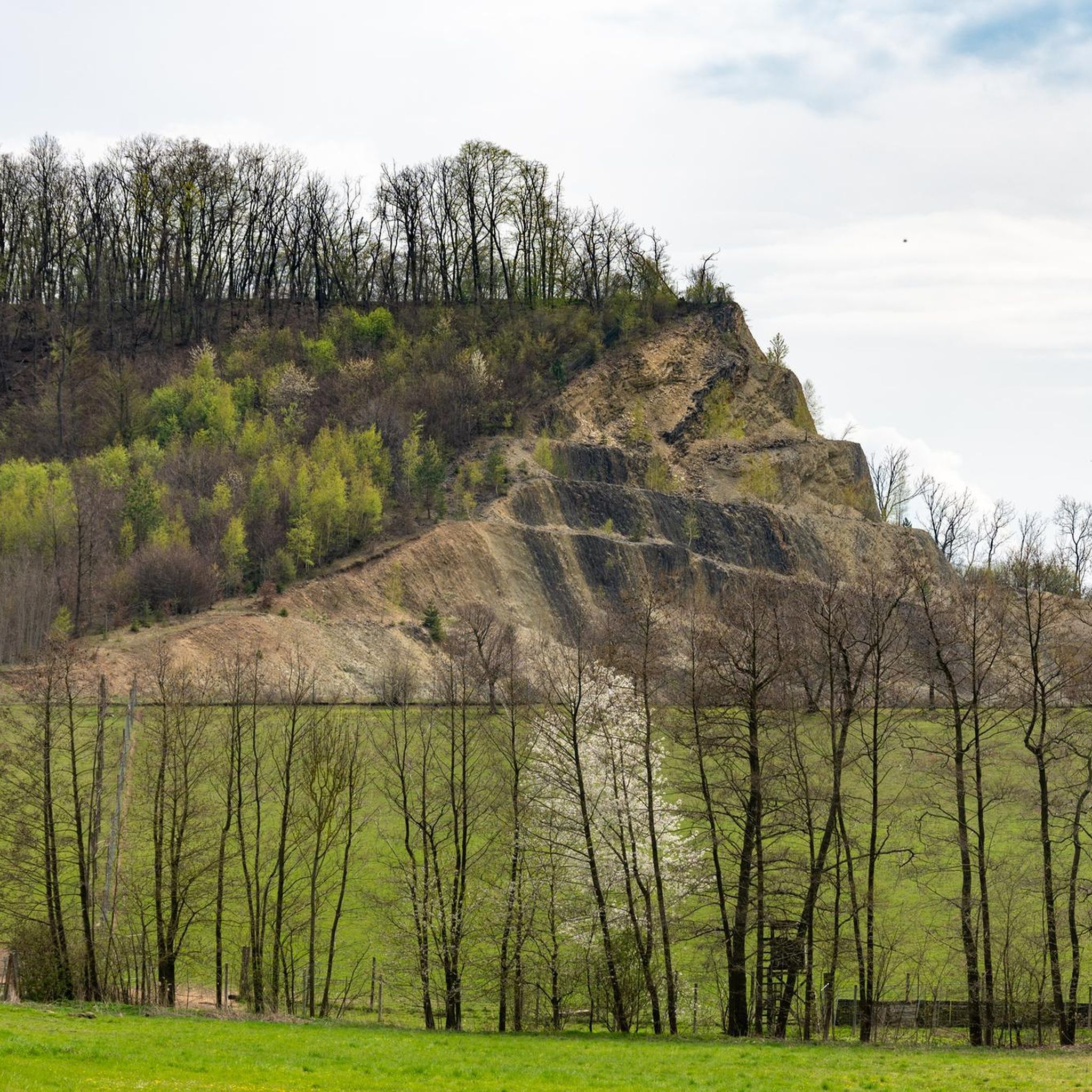
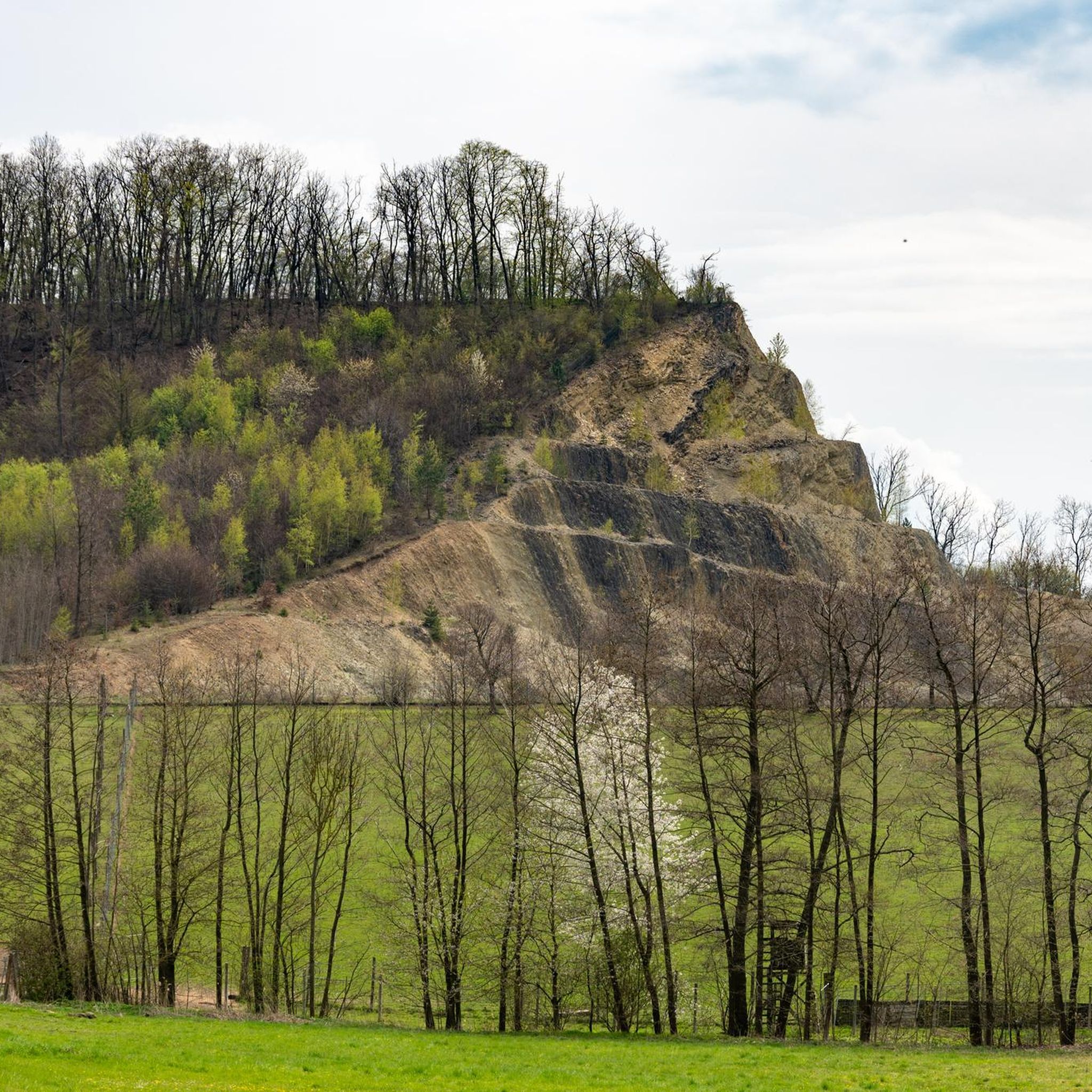
Mägdesprung Rock
Highlight • Natural Monument
Translated by Google •
Tip by
Leubingen Burial Mound
Highlight • Historical Site
Translated by Google •
Tip by

Sign up for free to discover even more natural monuments around Kölleda.
Sign up for free
Already have an account?
Start today with a free account
Your next adventure awaits.
Login or Signup
Tips from the Community

According to a legend, the two imprints in the stone come from the foot of a giant maiden and the horse's foot of the devil, both of which are said to have jumped here from the Wendelstein in ancient times.
1
0

The Gründelsloch near Kindelbrück is one of the most impressive and important karst springs in Thuringia. It was created by the dissolution of limestone in the subsoil. The resulting underground cavity collapsed in 1611, causing a sinkhole and the spring to emerge. The active karst spring, with a diameter of 22 m and a discharge of around 15,600 l per minute, has several older precursor springs that are lined up like a string of pearls from northwest to southeast in the area of the Kindelbrück fault zone and dried up again over time. Examples of these dried-up precursor springs are the Kuhborn, around 700 meters away, or the karst spring on the Steinrinne. Source: display board
9
0

This is where the prince is buried - the owner of the Nebra Sky Disk. It is worth visiting the museum in Nebra. The original is in the museum in Halle.
0
0
@Holger The museum is in Leubingen - the Heimatstube. It is right next to the church on the main street. See picture for opening times.
0
0

Benches available for resting
3
0

Legendary place, certainly in the distant past with ritual significance
5
0

Again and again in March... 😃😃😃
3
0

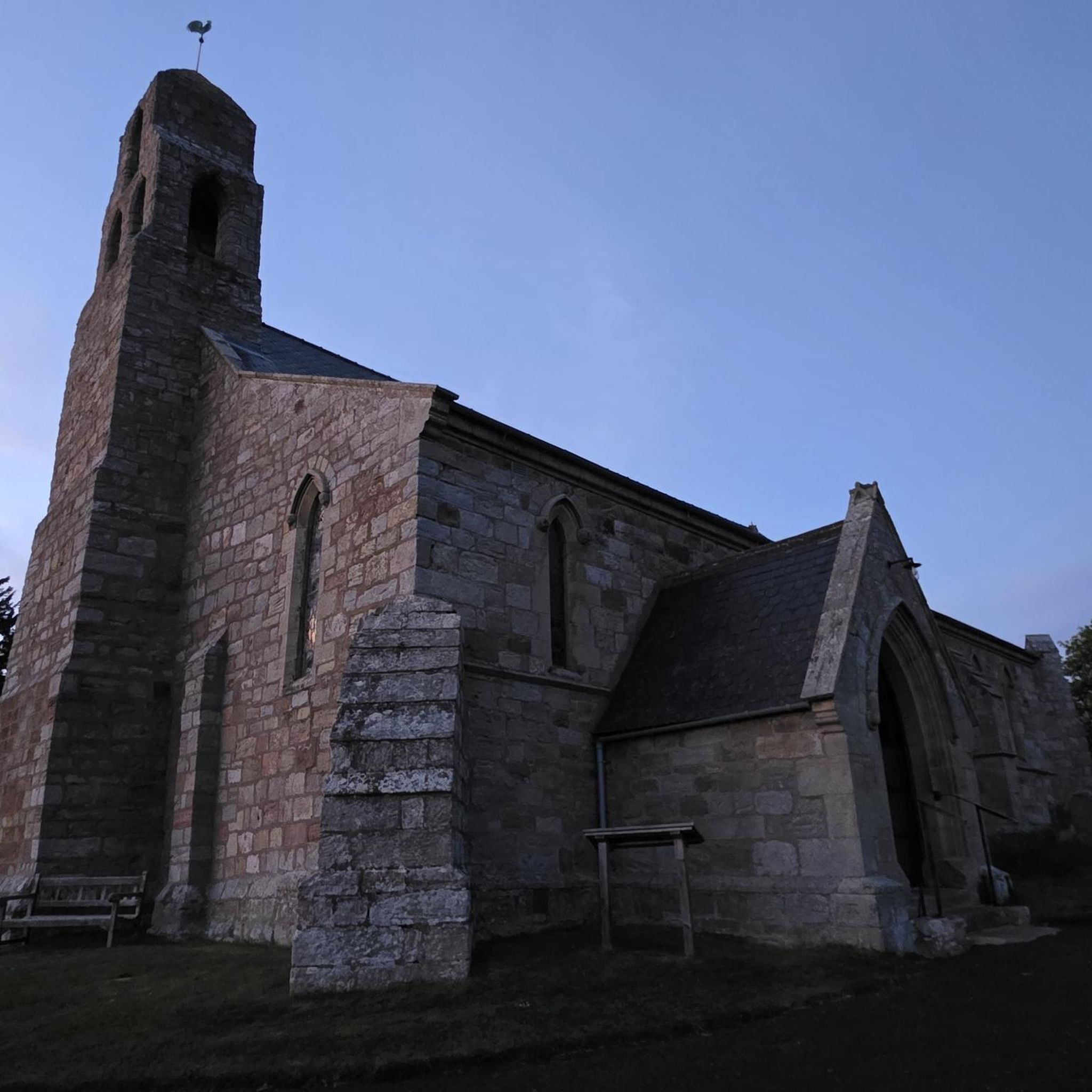
A highlight (slightly off the Unstrut cycle path) is the Leubinger Fürstenhügel, a burial mound of the Aunjetitz culture (1900 BC), the Bronze Age culture that produced the sky disc, the gold hats and a European trade network. Unfortunately, there are no plaques on the excavation finds themselves :-/ Unfortunately, we did not find the long house, which was a center of this culture, in nearby Dermsdorf ... not a sign, no indication of it. 😕😔
1
0
Frequently Asked Questions
What are some of the most impressive natural monuments to visit around Kölleda?
Beyond the well-known spots, you can explore the Gründelsloch Karst Spring, one of Thuringia's most significant karst springs, formed by a collapsed sinkhole. Another unique site is the Mägdesprung Rock, a natural rock formation steeped in local legend. Don't miss the impressive Old Oak near Steinklöbe, which offers a rustic rest area under its ancient branches.
When is the best time to visit the natural monuments around Kölleda?
The ideal time depends on what you wish to see. For a spectacular display of snowdrops, visit the Märzenbechertal Snowdrop Valley from the beginning to the end of March. The forests of the Hohe Schrecke region are beautiful year-round, offering vibrant greenery in spring and summer, and stunning foliage in autumn.
Are there family-friendly natural monuments or trails near Kölleda?
Yes, several natural monuments are suitable for families. The Märzenbechertal Snowdrop Valley is a lovely spot for a gentle walk. In the nearby Hohe Schrecke region, the Rabenswald Family Trail is approximately 6 kilometers long and features interactive elements and resting points, making it perfect for an engaging family outing through impressive deciduous forests.
What kind of natural features can I expect to see in the Kölleda area?
The region around Kölleda offers a diverse range of natural features. You'll find unique geological formations like the Gründelsloch Karst Spring and the Mägdesprung Rock. There are also ancient trees, such as the officially designated Mulberry Tree behind the Pfortenmühle in Kölleda and the Old Oak near Steinklöbe. The nearby Hohe Schrecke region is characterized by extensive, largely untouched deciduous forests, deep gorges, and rich biodiversity.
What outdoor activities can I do near these natural monuments?
The area around Kölleda is excellent for various outdoor activities. You can enjoy road cycling on routes like the 'St. Wipperti Church, Kölleda – St. Petri Church Leubingen loop' or explore the region by touring bicycle on paths such as the 'Streitseeteiche – Lossa Bridge at Leubingen loop'. For those seeking more rugged terrain, there are gravel biking options, including routes that take you along sections of the Unstrut Cycle Route. Find more details on these activities in the Road Cycling Routes around Kölleda, Cycling around Kölleda, and Gravel biking around Kölleda guides.
Are there any ancient or historically significant trees in Kölleda?
Yes, Kölleda is home to the officially designated natural monument, the Mulberry Tree behind the Pfortenmühle. This tree holds historical significance, reflecting the region's past connections, possibly to silk production. Additionally, the Old Oak near Steinklöbe is another impressive ancient tree offering a tranquil resting spot.
What is the Hohe Schrecke region and how can I explore it?
The Hohe Schrecke is a significant nature reserve near Kölleda, known for its largely untouched deciduous forests and rich biodiversity. It's often called the 'Thuringian Ancient Forest Paths'. You can explore it via well-maintained hiking and cycling trails. Recommended paths include the Rabenswald Family Trail and the Wiegental Wilderness Path, which showcases ancient beech and oak trees and pristine forest areas. You can also experience panoramic views from the Hohe Schrecke Suspension Bridge.
What do visitors particularly enjoy about the natural monuments around Kölleda?
Visitors frequently praise the beautiful landscapes and the unique natural phenomena. The Märzenbechertal Snowdrop Valley is loved for its stunning seasonal blooms. The Gründelsloch Karst Spring is admired for its impressive size and the captivating play of colors in its waters. Many also appreciate the historical context and legends associated with sites like the Mägdesprung Rock, and the peaceful, rustic atmosphere of places like the Old Oak near Steinklöbe.
Are there any wilderness trails or areas where nature is left undisturbed?
Yes, within the nearby Hohe Schrecke region, the Wiegental Wilderness Path is specifically designed to showcase areas where nature is allowed to develop undisturbed. This approximately 4-kilometer (or 11 km from Hauteroda) path features ancient beech and oak trees, some over 200 years old, and deeply cut gorges, providing an immersive experience into pristine forests.
Are there any historical sites that are also considered natural monuments in the area?
While primarily a historical site, the Leubingen Burial Mound is also categorized as a natural monument. This Bronze Age burial mound offers a glimpse into 4000 years of history and is located slightly off the Unstrut cycle path, making it an interesting stop for those interested in both natural and cultural heritage.
Can I find viewpoints with panoramic views of the natural landscapes?
Yes, the Hohe Schrecke Suspension Bridge over the Bärental offers panoramic views of the unspoiled deciduous forests of the Hohe Schrecke region. Additionally, many of the natural monuments themselves, such as the Old Oak near Steinklöbe and the Märzenbechertal Snowdrop Valley, provide scenic vistas and opportunities to appreciate the natural surroundings.
Most popular routes around Kölleda
Most popular attractions around Kölleda

Get inspired with the komoot mobile app


Explore more
Extend your search for the best caves by checking out these guides of the top ones around Kölleda:
