Top 20 Natural Monuments around Teuchern
Best natural monuments around Teuchern include a variety of designated sites, primarily individual trees, area natural monuments, and extensive natural monuments. The region, part of the Burgenlandkreis, is recognized for its natural features and historical significance. These sites are protected for their scientific, historical, or aesthetic value, contributing to the local landscape. The area offers 3 natural monuments to explore, showcasing the diverse natural heritage of Teuchern and its surroundings.
Best natural monuments around Teuchern
- The most popular natural monuments…
Last updated: October 12, 2026
Confluence of the Saale and Unstrut Rivers
Highlight • River
Translated by Google •
Tip by

Stone picture book Großjena
Highlight • Monument
Translated by Google •
Tip by

Sign up now to discover places like this
Get recommendations on the best single tracks, peaks, & plenty of other exciting outdoor places.
Saale Rapids at Almrich
Highlight • River
Translated by Google •
Tip by
Goseck Solar Observatory
Highlight • Historical Site
At 7000 years old, the observatory is the oldest known of its kind.
Cultic festivals take place here during the solstice celebrations.
Translated by Google •
Tip by

Herrenhaus Göbitz
Highlight • Historical Site
Translated by Google •
Tip by

Sign up for free to discover even more natural monuments around Teuchern.
Already have an account?
Start today with a free account
Your next adventure awaits.
Popular around Teuchern

Childrens' worlds and swimming fun – Tours with kids on MDV

Sommerfrische: Wanderungen mit Badepause – Erfurter Bahn
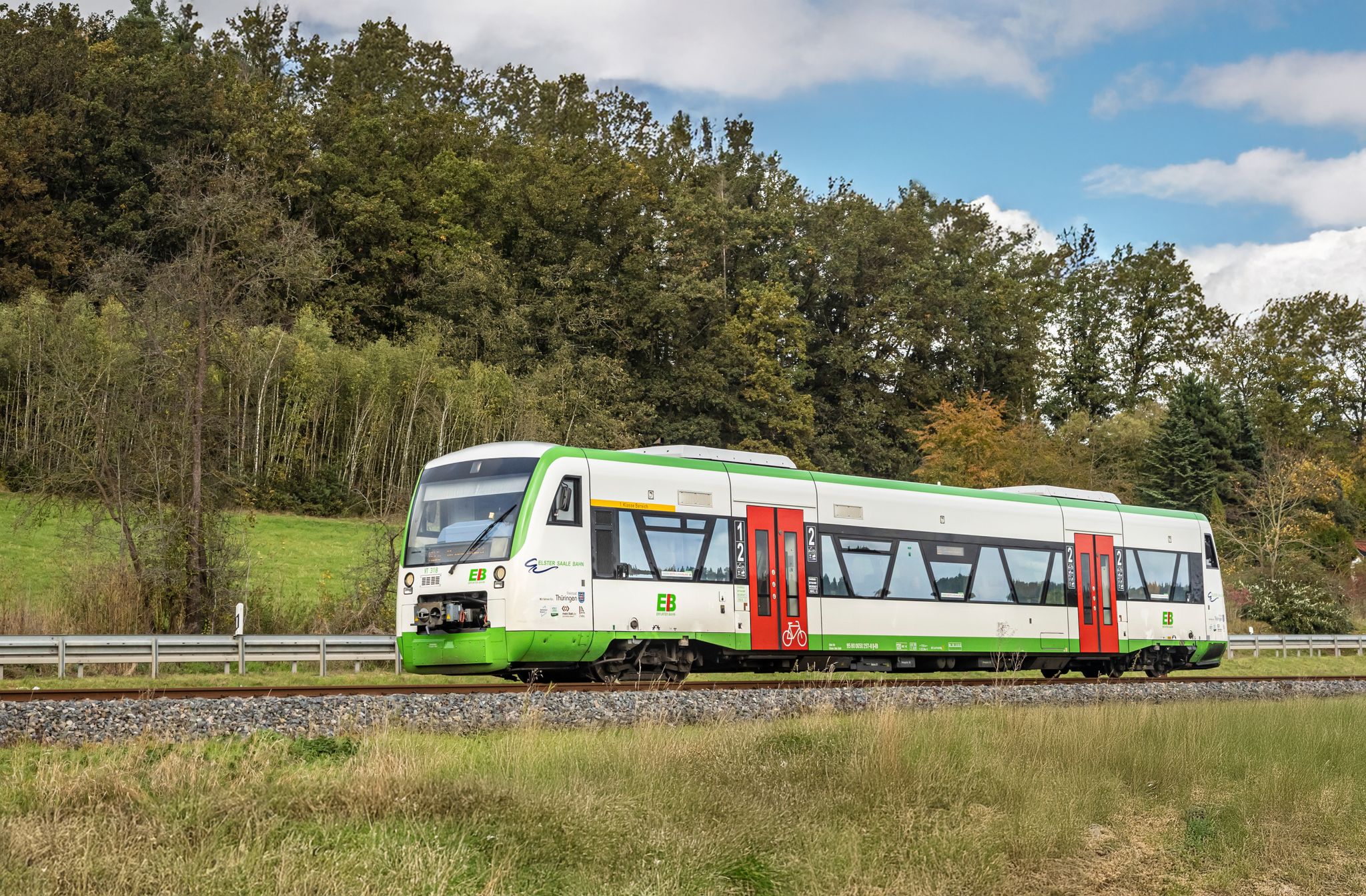
Zwischen Elster und Saale – Mit der RB 76 zu deiner Wanderung
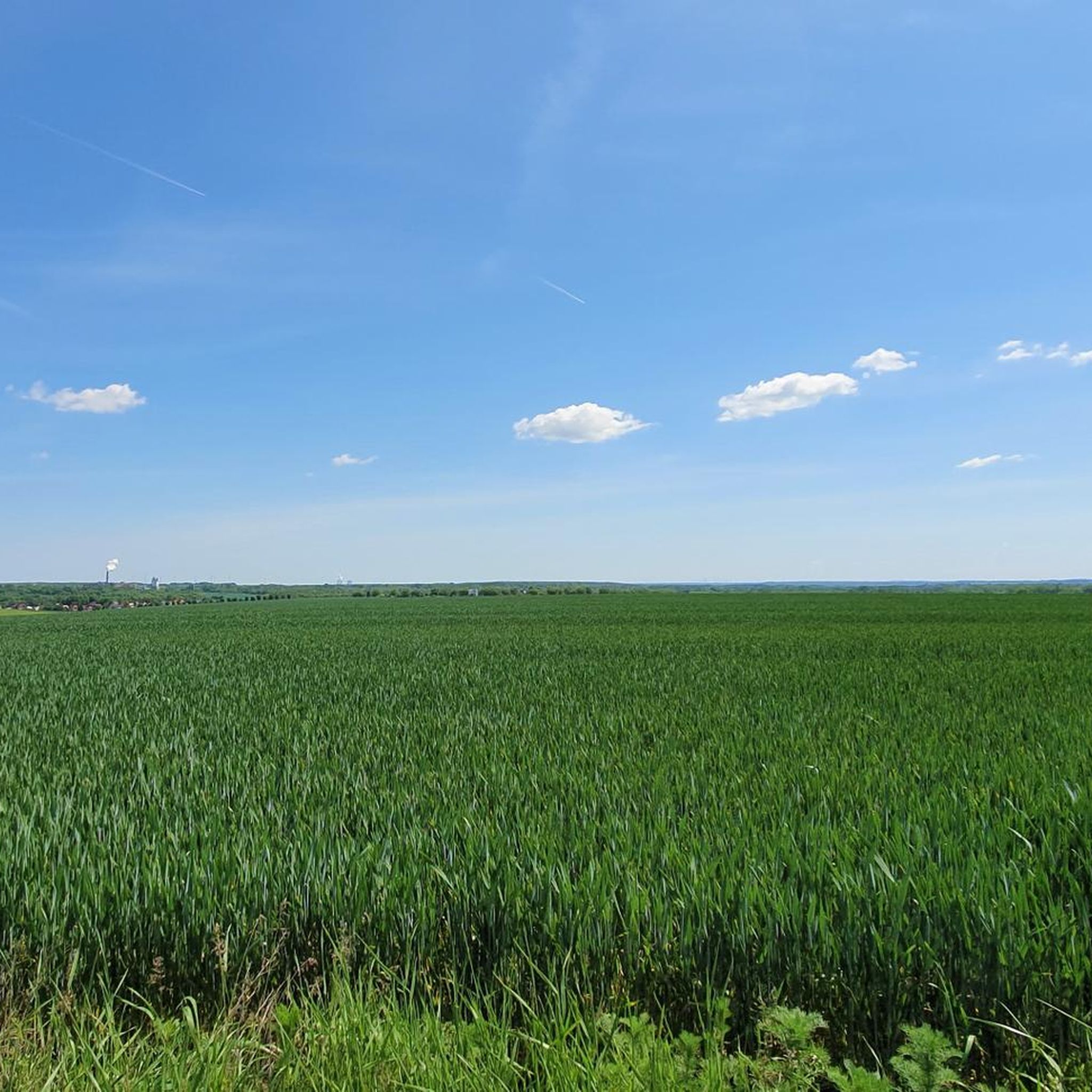
Cycling around Teuchern
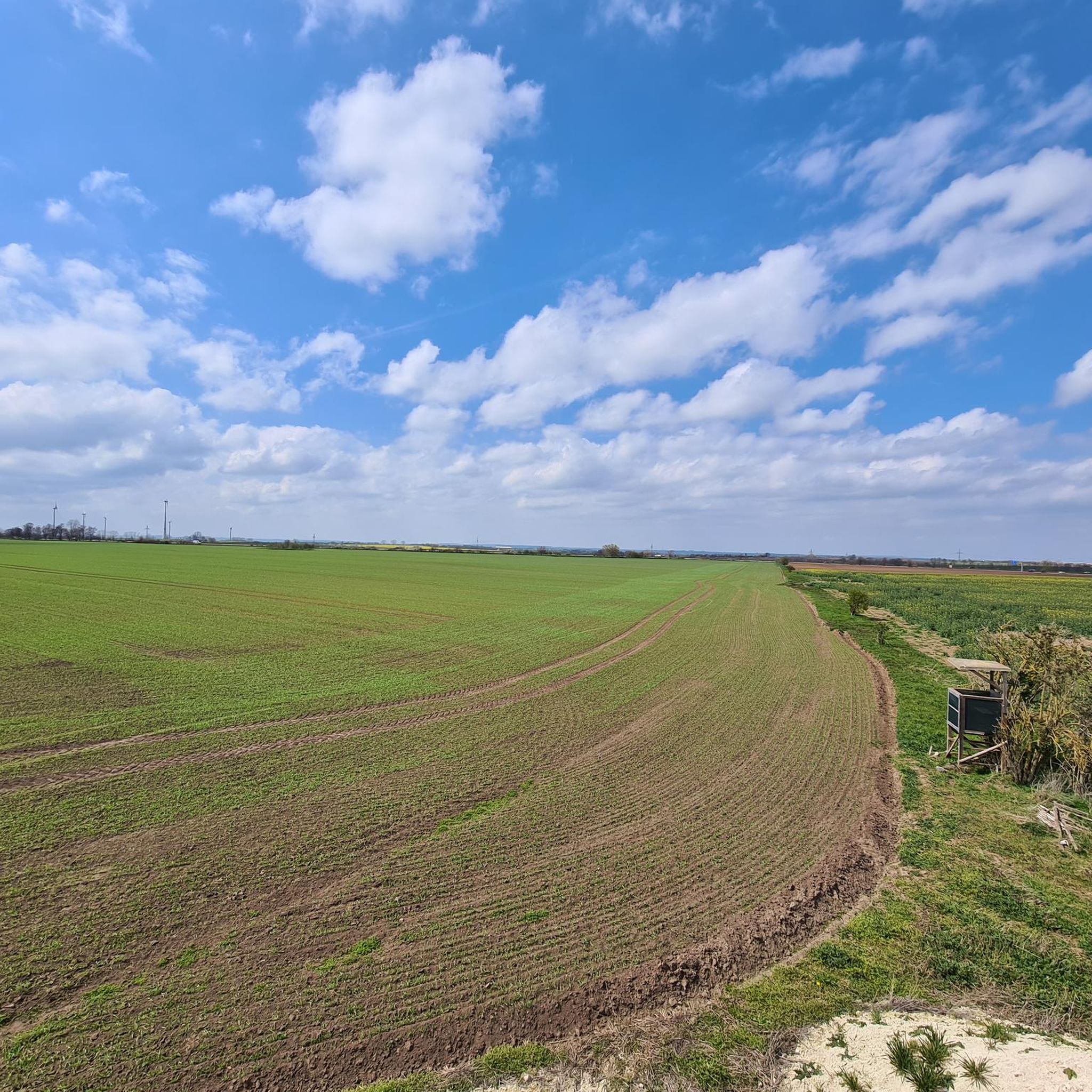
MTB Trails around Teuchern
Hiking around Teuchern
Road Cycling Routes around Teuchern
Running Trails around Teuchern

Gravel biking around Teuchern
Other adventures around Teuchern


Tips from the Community


We passed by there on our ✅🚲 tours through the Elsterauen and took advantage of the autumnal sunrays in the beer garden, which is still open, to have a rest and a great meal... 🚲Greetings from the Wetterau... Simone & Michael🙋🏻🙋♂️
2
0

This area is totally idyllic.
1
1

UNSTRUT Source near Kefferhausen in Eichsfeld (400m); Length 192 km; Estuary Großjena near Naumburg into the Saale The Unstrut rises west of Kefferhausen near Dingelstädt in northern Thuringia in southern Eichsfeld. In the Sachsenburg or Thuringian Gate it breaks through the Hainleite. In its lower reaches it flows in numerous loops through the Burgenland district in southern Saxony-Anhalt; below Memleben it is initially flanked by the Ziegelroda Plateau, near Laucha by the Dorndorf Plateau, near Freyburg by the limestone-rich Silent Mountains and flows into the Großjenaer Blumengrund near Naumburg Saale. SAALE Source near Zell in the Fichtelgebirge (728m); Length 413 km; Estuary near Barby into the Elbe The Saale rises in the Fichtelgebirge in Upper Franconia between Zell and Weißenstadt. The upper reaches of the Saale between Zell and Hof are quite leisurely. The river then runs straight through the Thuringian Slate Mountains. The Saale is dammed several times here. The area of the middle Saale begins with the river exiting the Thuringian Slate Mountains and entering the Triassic plate and hill country. After leaving the Saale-Unstrut-Triasland Nature Park near Naumburg, the lower reaches of the river begin. This runs in a flat landscape to the mouth of the Elbe near Barby. Source: http://www.reportagereisen.de/unstrut_01.html
11
0
Oldest solar observatory in the world Homepage: https://sonnenobservatorium-goseck.info/
12
0

The Göbnitz mansion is located on the cycle path
3
0

Nice spot on earth.. to relax...😉
6
0
Frequently Asked Questions
What types of natural monuments can I expect to find in Teuchern?
The natural monuments around Teuchern primarily consist of individual trees, such as the notable Ginkgo von Teuchern, the Plane Tree in Muschwitz Manor Park, the Winter Linden of Kreischau, and the Pedunculate Oak of Zörbitz. The region also features area and extensive natural monuments, all protected for their scientific, historical, or aesthetic value.
Are there family-friendly natural monuments to visit in Teuchern?
Yes, several natural monuments in the area are considered family-friendly. For instance, the Confluence of the Saale and Unstrut Rivers offers a beautiful natural setting for families to explore. The Goseck Solar Observatory, a historical site, is also family-friendly and provides an educational experience.
What historical or cultural sites are also designated as natural monuments in the region?
The Goseck Solar Observatory is a prime example, being a Neolithic circular moat considered the world's oldest known solar observatory, dating back 7000 years. Another is the Stone picture book Großjena, a man-made monument featuring a stone mural that offers an interesting historical experience.
What outdoor activities can I do near the natural monuments in Teuchern?
The area around Teuchern offers various outdoor activities. You can find numerous hiking trails, such as those listed in the Easy hikes around Teuchern guide. For cycling enthusiasts, there are gravel biking routes, including those mentioned in the Gravel biking around Teuchern guide, and MTB trails available in the MTB Trails around Teuchern guide.
Can you tell me more about the Ginkgo von Teuchern?
The Ginkgo von Teuchern is a particularly noteworthy individual natural monument. Ginkgo trees are often referred to as 'living fossils' due to their ancient lineage. This specific tree is admired for its distinctive fan-shaped leaves that turn a striking golden yellow in autumn, making it significant for both its scientific value and aesthetic appeal.
What makes the Plane Tree in Muschwitz Manor Park special?
The Plane Tree in Muschwitz Manor Park is likely a London Plane, known for its impressive size, broad crown, and unique flaking bark. Its location within a manor park suggests historical planting and landscape design, adding a layer of cultural significance to its natural grandeur and providing ample shade.
Are there any natural monuments that are particularly good for viewpoints?
Yes, several natural monuments offer excellent viewpoints. The Confluence of the Saale and Unstrut Rivers is a beautiful spot to observe the meeting of these two rivers. Additionally, the Saale Rapids at Almrich provides a scenic view of the river's flow, especially for those cycling along the Saale cycle path.
What do visitors enjoy most about the natural monuments in Teuchern?
Visitors frequently appreciate the serene beauty and historical significance of these sites. For example, the Confluence of the Saale and Unstrut Rivers is described as a 'very beautiful piece of earth.' The Stone picture book Großjena is praised as a 'great interesting thing' that will amaze visitors.
How long should I plan for a visit to the natural monuments around Teuchern?
The time needed can vary. Individual tree monuments might be appreciated in a short visit, while sites like the Goseck Solar Observatory or the Stone picture book Großjena may warrant more time for exploration and contemplation. If you combine visits with hiking or cycling, plan for a half-day or full-day excursion.
Are there opportunities for cycling near the natural monuments?
Absolutely. The region is well-suited for cycling. The Confluence of the Saale and Unstrut Rivers is directly on the Saale cycle path, offering routes towards Bad Kösen or Naumburg. You can also explore various gravel biking routes listed in the Gravel biking around Teuchern guide, many of which pass by scenic natural areas.
What is the significance of the Winter Linden of Kreischau?
The Winter Linden of Kreischau is a designated natural monument, highlighting a species known for its longevity and ecological importance in Central Europe. These trees can reach significant ages and heights, offering dense canopies and fragrant blossoms. Its designation points to its particular age, size, or local importance within the Kreischau landscape.
Are there any natural monuments that are also good for a break or refreshment?
While not a natural monument itself, the Herrenhaus Göbitz is a historical site and settlement that is also listed as a natural monument, offering gastronomy on weekends. It provides a great location for a break, with some visitors noting its special rooms and catering services.
Most popular routes around Teuchern
Most popular attractions around Teuchern

Get inspired with the komoot mobile app


Explore more
Extend your search for the best caves by checking out these guides of the top ones around Teuchern:
