Top 20 Natural Monuments around Berga
Natural monuments around Berga offer diverse natural experiences within Catalonia's landscape. The region features varied terrain, from mountainous areas to unique geological formations. These sites provide opportunities for outdoor activities and exploration. The natural areas around Berga are characterized by their distinct geological features and scenic views.
Best natural monuments around Berga
- The most popular natural monuments is The Quest of Questenberg (HWN 212), a man-made monument that offers a wonderful view of Questenberg and surrounding orchards. It is a mystical place known for its karst rock and historical significance.
- Another must-see spot is Farmer's ditch (episodic lake) (HWN 213), a lake that occasionally forms, known as a periodic or episodic lake. This tranquil spot is picturesque, featuring 60-meter high rocky embankments.
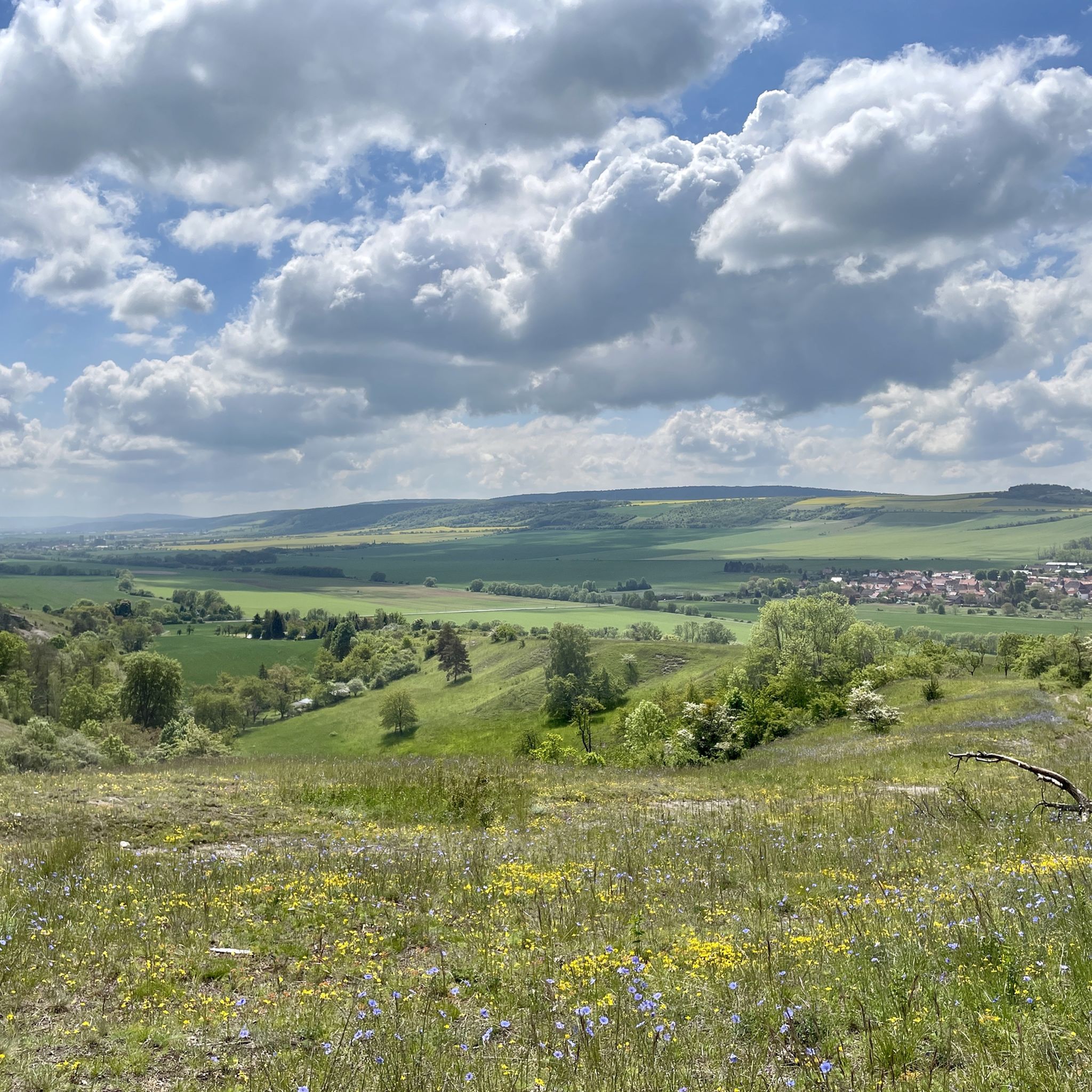
- Visitors also love View of Stolberg from the Lutherbuche, a viewpoint offering a panoramic view of the historical town of Stolberg. It is a stamping point for the Harz hiking pin and provides a great perspective of the area.
- Berga is known for its viewpoints, unique geological formations, and historical sites. The region offers a variety of natural monuments to see and explore, from episodic lakes to scenic overlooks.
- The natural monuments around Berga are appreciated by the komoot community, with more than 1000 upvotes and over 1700 photos shared by visitors.
Last updated: June 25, 2026
The Quest of Questenberg (HWN 212)
Highlight • Monument
Translated by Google •
Tip by

View of Stolberg from the Lutherbuche
Highlight • Viewpoint
Translated by Google •
Tip by

Sign up now to discover places like this
Get recommendations on the best single tracks, peaks, & plenty of other exciting outdoor places.
Sign up for free
Farmer's ditch (episodic lake) (HWN 213)
Highlight • Lake
Translated by Google •
Tip by

Glockensteine — Stone Crosses (HWN 198)
Highlight • Monument
Translated by Google •
Tip by

Reesberg Sinkhole (HWN 214)
Highlight • Natural Monument
Translated by Google •
Tip by
Sign up for free to discover even more natural monuments around Berga.
Sign up for free
Already have an account?
Start today with a free account
Your next adventure awaits.
Login or Signup
Tips from the Community

For me one of the most beautiful stamp points of the Harz hiking badge.
12
1

The Reesberg doline lies on a geological boundary between the Bunter sandstone and the anhydrites of the Zechstein. The spring water emerging from the Bunter sandstone is very clear and therefore has a high dissolving potential. It can absorb up to two grams of gypsum per liter and then flows underground. Source: Harzlife
15
0

Impressive natural monument. An information board explains the background.
9
1

Stamp point of the HWN with a great view over Stolberg, it's worth it
19
0

You can see the sinkhole about 30 m behind the stamp box. Sinkholes are depressions in karst areas.
4
1

An overview of all (regular) 222 stamping points for the "Harz Hiking Pin" popular with many can be found on the following website: www.harzer-wandernadel.de/stempelstellen/uebersichtstabelle
7
1

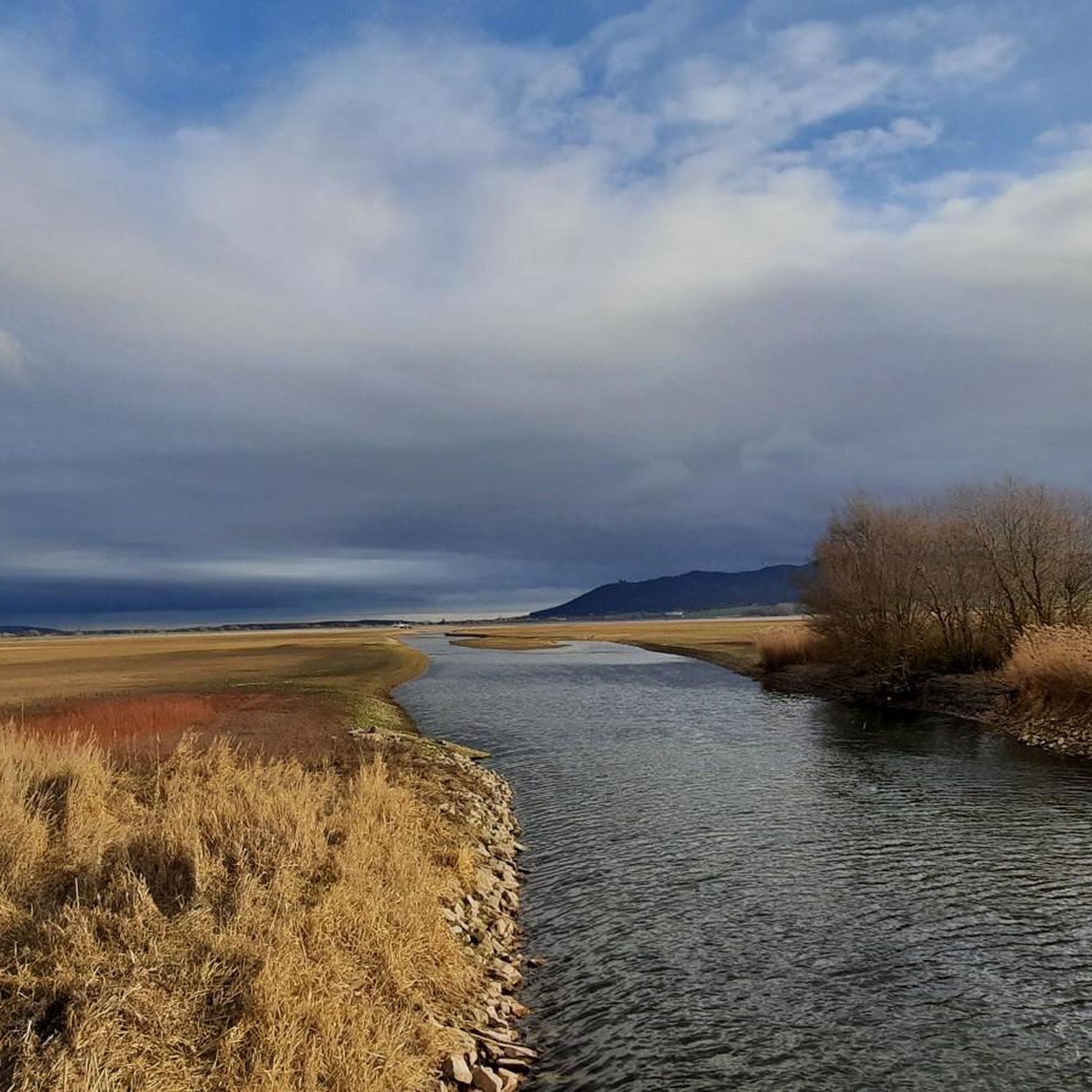
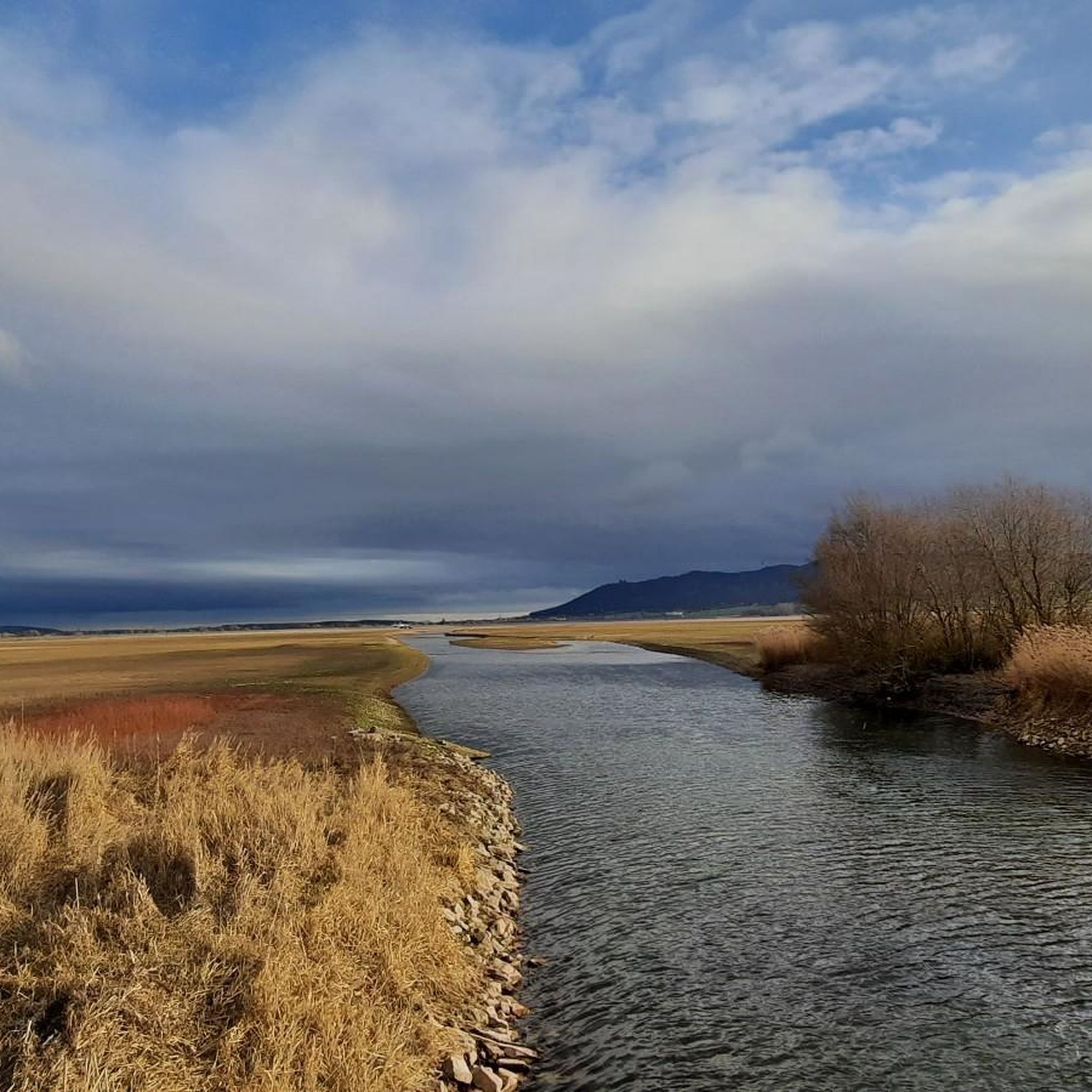
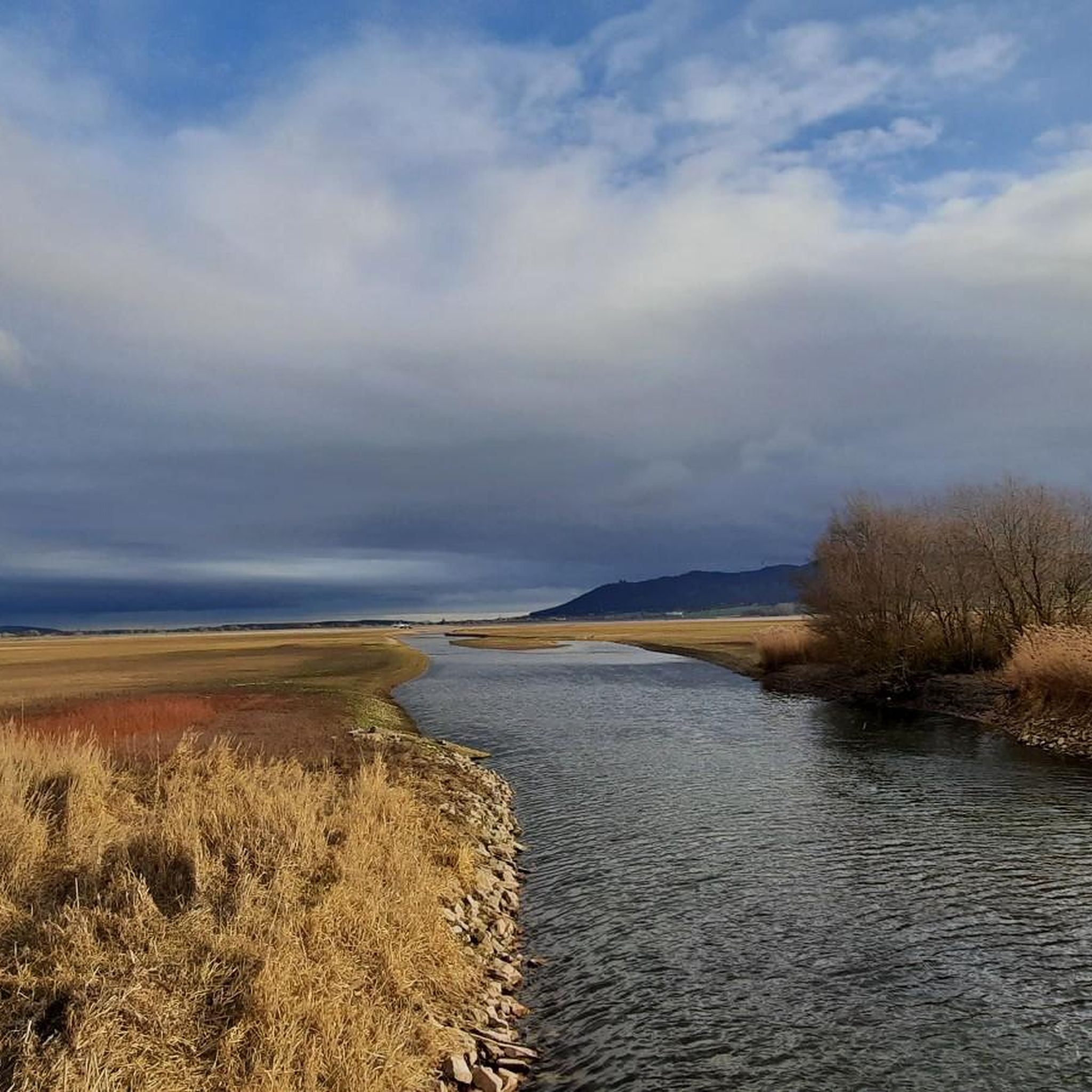
The Bauerngraben is a depression that is about 400 m long in a west-east direction and about 150 m wide in a north-south direction. A lake forms here every now and then. This is why it is also called periodic lake, episodic lake, glass lake or hunger lake. But since the appearance of the lake is completely irregular and not tied to predictable periods, it is better to speak of a temporary or episodic lake. Depending on the level of vegetation, the meanders of the Glasebach can be seen in the depression during a drought. He loses himself underground at the west end. We are dealing with the karst phenomenon of a so-called creek swamp. There are at least 50 such creek swales in the sulphate karst of the southern Harz Mountains. Here, however, there are repeated relocations of the outflow in the subterranean outflow area, so that the backwater of the Glasebach then leads to the formation of a lake. Regardless of the presence of a lake, this is a lovely tranquil spot, also very picturesque due to the 60 meter high rocky embankments of the valley to the south.
17
0
Here, pre-Christian and Christian customs seem to be inextricably linked. The tradition is not limited to the big quests up here, because in 2016 at the restaurant "Zur Queste" down in town, Liane gave us a quest made of fried mashed potatoes (similar to a potato croquette) as a side dish - delicious, highly recommended!
17
1
Frequently Asked Questions
What are some unique natural features to explore around Berga?
Berga is surrounded by diverse natural landscapes. You can explore the dramatic karst rock formations and historical significance at The Quest of Questenberg (HWN 212), or witness the fascinating phenomenon of an episodic lake at Farmer's ditch (episodic lake) (HWN 213), known for its 60-meter high rocky embankments. Another impressive geological feature is the Reesberg Sinkhole (HWN 214), where spring water dissolves gypsum to create a unique depression.
Are there natural monuments around Berga that offer historical insights?
Yes, several natural sites around Berga blend natural beauty with historical significance. The Quest of Questenberg (HWN 212) is a mystical place with ancient worship site legends. You can also visit View of Stolberg from the Lutherbuche, which offers a panoramic view of the historical town of Stolberg. Additionally, the Glockensteine — Stone Crosses (HWN 198) are ancient atonement crosses set against a beautiful natural backdrop.
What are the best viewpoints to experience the natural beauty near Berga?
For breathtaking panoramic views, consider visiting the View of Stolberg from the Lutherbuche, which provides an excellent perspective of the historical town of Stolberg. The Quest of Questenberg (HWN 212) also offers wonderful views of Questenberg and its surrounding orchards from its elevated position. The Sanctuary of Queralt, often called the 'balcony of Catalonia,' provides expansive vistas across the Catalan landscapes, from the Ripollès peaks to the Solsonès plains.
Are there family-friendly natural monuments or activities around Berga?
Yes, there are options suitable for families. The Farmer's ditch (episodic lake) (HWN 213) is considered family-friendly and offers a tranquil, picturesque spot. The View of Stolberg from the Lutherbuche is also a family-friendly viewpoint. For a blend of nature and history, the Glockensteine — Stone Crosses (HWN 198) are accessible and offer an interesting historical context.
What outdoor activities can I do near the natural monuments around Berga?
The region around Berga offers a variety of outdoor activities. You can find numerous running trails, including routes like 'Luther's Rest in Auleben' or 'Kelbra Reservoir loop,' which are detailed in the Running Trails around Berga guide. For cyclists, there are road cycling routes such as 'Kyffhäuser Monument' or 'Stolberg Historic Old Town' in the Road Cycling Routes around Berga guide. Hikers can explore easy trails like the 'Kelbra Reservoir loop' found in the Easy hikes around Berga guide.
What is the best time to visit the natural monuments around Berga?
The best time to visit depends on your preferred activities. For hiking and enjoying the panoramic views, spring and autumn generally offer pleasant temperatures and clear skies. Spring also brings lush greenery, such as the wild garlic paradise around The Quest of Questenberg (HWN 212). Winter can be suitable for snowshoeing in higher areas like Rasos de Peguera, but some trails might be more challenging.
How accessible are the natural monuments around Berga by public transport or car?
Access varies by location. The Sanctuary of Queralt, for instance, can be reached by car with parking available, and an inclined lift assists visitors to the sanctuary itself. For other natural sites, it's advisable to check specific transport options. Many natural monuments are best accessed by car, with parking often available nearby, though some may require a hike from the nearest road.
Are there any challenging hikes or mountain activities near Berga's natural monuments?
Yes, for those seeking more challenging mountain activities, the area around Berga offers demanding peaks and climbs. Rasos de Peguera, with peaks reaching almost 2,000 meters, is known for its challenging terrain and is suitable for hiking and winter snowshoeing. The Serra d'Ensija mountain range, home to the Cap de la Gallina Pelada (2,321 m), also provides opportunities for exploration and mountain activities, including mountain ski excursions.
What do visitors enjoy most about the natural monuments around Berga?
Visitors frequently praise the stunning panoramic views, especially from locations like the Sanctuary of Queralt and View of Stolberg from the Lutherbuche. The unique geological features, such as the episodic lake at Farmer's ditch (episodic lake) (HWN 213) and the karst rock at The Quest of Questenberg (HWN 212), are also highly appreciated. Many enjoy the blend of natural tranquility with historical elements found at sites like the Pedret Bridge and the ancient stone crosses.
Can I find accommodation or amenities near the natural monuments in the Berga region?
Accommodation and amenities can be found in and around Berga town, as well as in smaller villages closer to specific natural sites. For example, the Serra d'Ensija mountain range has a refuge, which is ideal for overnight stays or breaks during mountain activities. It's recommended to check local listings for cafes, pubs, and accommodation options near your chosen natural monument.
Are there any specific natural parks or protected areas near Berga?
While the provided data doesn't explicitly list formal 'natural monuments' in Berga, the region is rich in natural beauty. The Sierra de Queralt, home to the Sanctuary of Queralt, offers a stunning natural setting. The Serra d'Ensija mountain range is another significant natural area, known for its meadows and high peaks. These areas provide extensive opportunities for enjoying nature.
Most popular routes around Berga
Most popular attractions around Berga

Get inspired with the komoot mobile app


Explore more
Extend your search for the best caves by checking out these guides of the top ones around Berga:
