Top 20 Natural Monuments around Kleinbartloff
Best natural monuments around Kleinbartloff offer diverse natural attractions within the Eichsfeld region. The area features a landscape characterized by forests, hills, and geological formations. Visitors can explore various natural monuments, including significant river springs and ancient trees. This region provides opportunities for outdoor activities and observing local ecosystems.
Best natural monuments around Kleinbartloff
- The most popular natural monuments is St. Cyriakus Pilgrimage Church Werdigeshäuser and Linden Trees, a religious_building that features 19 linden trees around 250 years old.…
Last updated: June 25, 2026
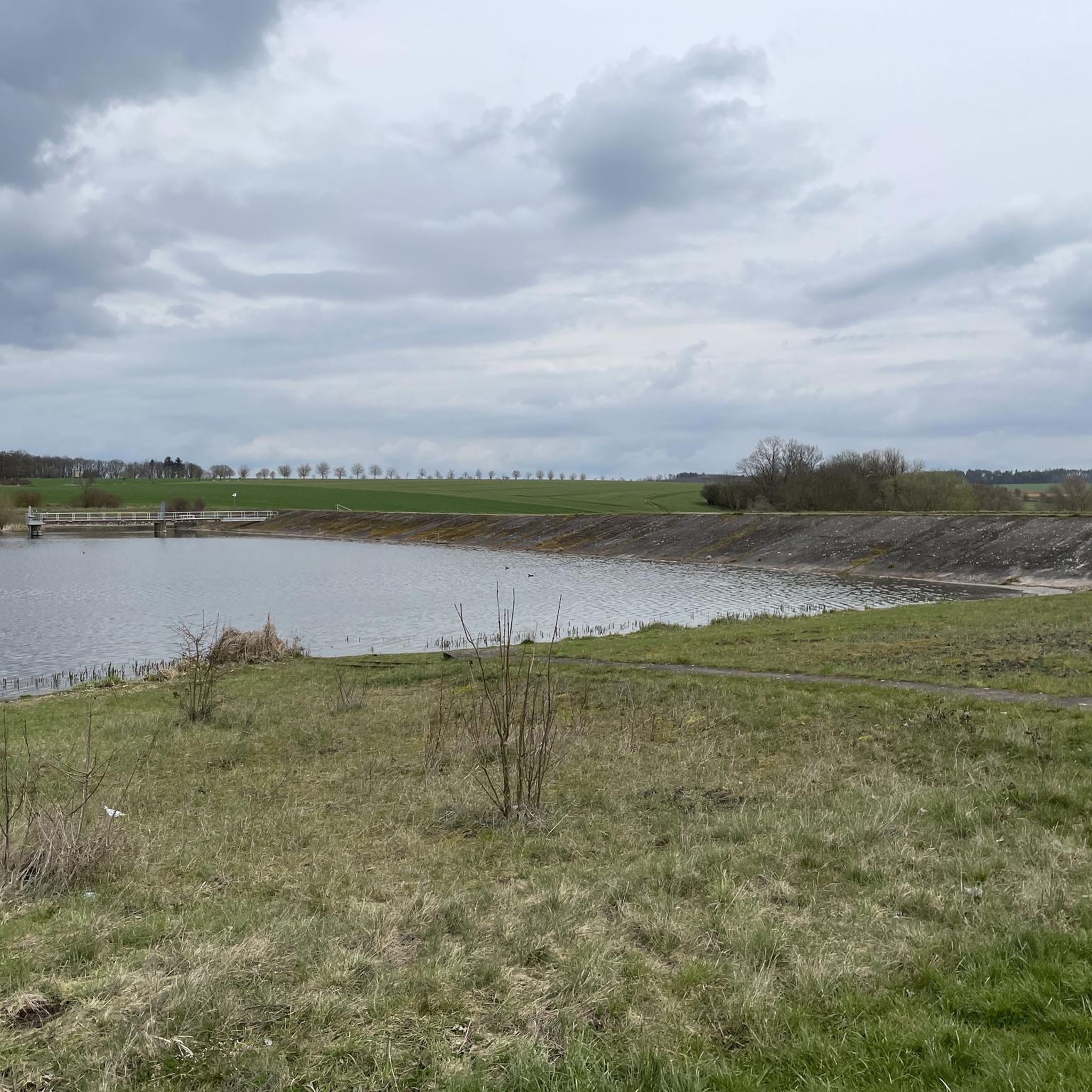
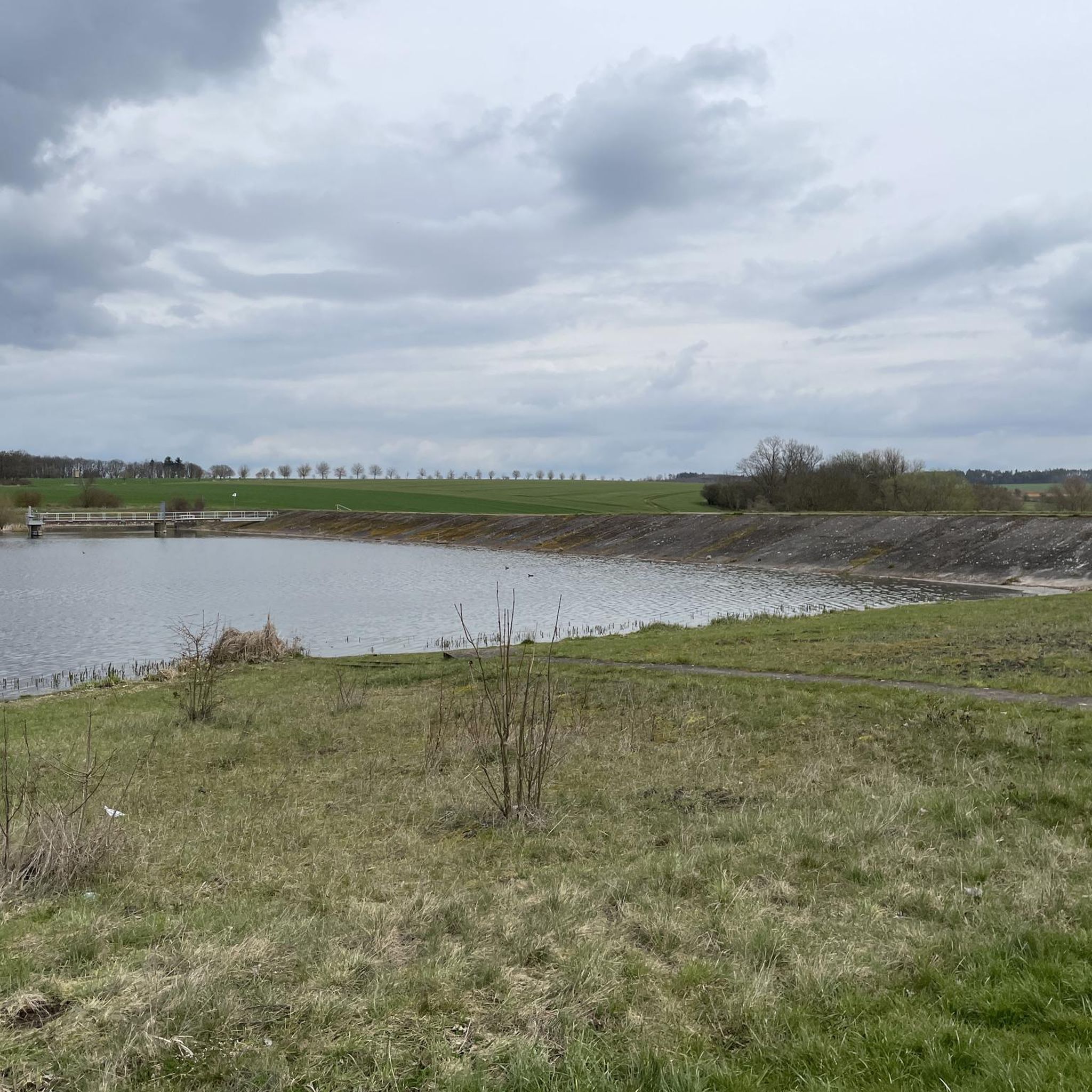
Unstrut Spring
Highlight • River
Translated by Google •
Tip by

Summer lime tree in Reifenstein
Highlight • Natural Monument
Translated by Google •
Tip by

Sign up now to discover places like this
Get recommendations on the best single tracks, peaks, & plenty of other exciting outdoor places.
Sign up for free
Leine Spring (Leinequelle)
Highlight • River
Translated by Google •
Tip by

St. Cyriakus Pilgrimage Church Werdigeshäuser and Linden Trees
Highlight • Religious Site
Translated by Google •
Tip by
Pfaffenborn Spring
Highlight • Natural Monument
Translated by Google •
Tip by

Sign up for free to discover even more natural monuments around Kleinbartloff.
Sign up for free
Already have an account?
Start today with a free account
Your next adventure awaits.
Login or Signup

Tips from the Community

On a rocky spur of the Dün ridge, at an altitude of 480 m, lies the so-called Spornburg Scharfenstein. In front of its gate stands an almost equally old lime tree, which is considered the oldest deciduous tree in Eichsfeld and one of the most valuable natural tree monuments in Thuringia. Two other almost equally old and massive lime trees stand right in the neighborhood to be marveled at.
1
0

Already an impressive natural phenomenon
6
0

I'll check back in 100 years to see what the tree is doing. 😁 What a Methuselah.
2
1


very well maintained and staged
0
0


Great natural monument that demands awe.
2
0

The Leine originates here in the middle of Leinefelde. The source consists of many individual source rivers.
3
0
Frequently Asked Questions
What types of natural monuments can I explore around Kleinbartloff?
The region around Kleinbartloff, situated in the Eichsfeld area, offers a diverse landscape. You can discover significant river springs, such as the Leine Spring (Leinequelle), and ancient trees like the 250-year-old linden trees at St. Cyriakus Pilgrimage Church Werdigeshäuser and Linden Trees. Beyond these, the broader area features forests, hills, and geological formations, including potential caves and mountain peaks, offering a rich variety of natural beauty.
Are there family-friendly natural monuments near Kleinbartloff?
Yes, several natural monuments are suitable for families. The Unstrut Spring is easily accessible and features benches for relaxation. Similarly, the Source of the Unstrut River near Kefferhausen offers picnic facilities, making it a great spot for a family outing. Both locations are ideal for enjoying nature with children.
What outdoor activities can I do near these natural monuments?
The area around Kleinbartloff is excellent for various outdoor activities. You can enjoy cycling on routes like those found in the Road Cycling Routes around Kleinbartloff guide or explore the region with a Touring Bicycle. For more adventurous riders, there are also Gravel biking routes. Many of these routes pass by or near the natural monuments, offering scenic views and opportunities to explore.
Where can I find a significant river source in the region?
You can visit the Unstrut Spring, where the Unstrut River emerges with 4.5 liters per second from a walled source. It's one of the few river sources that are very easy to reach, even by bike. Another notable spot is the Source of the Unstrut River near Kefferhausen, which marks the beginning of the Unstrut cycle path.
Are there any historical natural landmarks to visit?
Yes, the St. Cyriakus Pilgrimage Church Werdigeshäuser and Linden Trees is a significant historical natural landmark. It features 19 linden trees, approximately 250 years old, which are designated natural monuments. These ancient trees contribute to the idyllic setting of the pilgrimage church, making it a place of both natural and historical interest.
What do visitors particularly enjoy about the natural monuments around Kleinbartloff?
Visitors appreciate the serene environment and the accessibility of many sites. For instance, the Unstrut Spring is loved for its relaxing atmosphere with benches to listen to the babbling waters. The Source of the Unstrut River is praised for its well-maintained grounds and picnic facilities, inviting visitors to linger. The community has shared over 446 photos and given 785 upvotes across the highlights, indicating a strong appreciation for the area's natural beauty.
Are there any hidden gems or lesser-known natural spots worth visiting?
While not widely publicized, the Pfaffenborn Spring is a great informative piece of earth, beautifully designed and never dried out. It can be easily reached on the Unstrut (bike) trail and offers a shelter for rest, making it a peaceful and less crowded spot to discover.
What is the best time of year to visit the natural monuments in this region?
The natural monuments around Kleinbartloff are beautiful throughout the year. Spring and summer offer lush greenery and pleasant weather for cycling and hiking, especially along the river sources. Autumn brings vibrant fall colors to the forested areas. Even in winter, the landscape can be serene, though some trails might be less accessible depending on snow conditions.
Are there good viewpoints among the natural monuments?
Yes, several natural monuments offer excellent viewpoints. The Unstrut Spring and the Source of the Unstrut River are both designated viewpoints, providing scenic spots to observe the emerging rivers. Additionally, the St. Cyriakus Pilgrimage Church Werdigeshäuser and Linden Trees offers an idyllic setting with its ancient trees, creating a picturesque view.
Can I find natural monuments that are also starting points for longer routes?
Absolutely. The Leine Spring (Leinequelle) is the source of the Leine River and serves as the starting point for the Leine-Heide cycle path, which stretches from Leinefelde to Hamburg. Similarly, the Source of the Unstrut River marks the beginning of the approximately 188-kilometer-long Unstrut cycle path, offering extensive cycling opportunities.
Are there facilities available at the natural monuments?
Some natural monuments are equipped with facilities for visitors. For example, both the Unstrut Spring and the Source of the Unstrut River have benches and picnic facilities, inviting you to relax and enjoy your surroundings. The Pfaffenborn Spring also features a shelter for resting.
Most popular routes around Kleinbartloff
Most popular attractions around Kleinbartloff

Get inspired with the komoot mobile app


Explore more
Extend your search for the best caves by checking out these guides of the top ones around Kleinbartloff:
