Top 5 Natural Monuments around Walkendorf
Natural monuments around Walkendorf offer diverse natural attractions within the Mecklenburg-Vorpommern region of Germany. The area features rolling hills, extensive lowlands, forests, and a network of lakes and rivers, characteristic of the Mecklenburg Lake District. Visitors can explore ancient trees, unique geological formations, and historical sites integrated into the natural landscape. These natural features around Walkendorf provide opportunities for outdoor activities and appreciation of the local environment.
Best natural monuments around Walkendorf
- The most popular natural monuments is Polchow Church…
Last updated: June 25, 2026
Polchow Church
Highlight • Religious Site
Translated by Google •
Tip by

Lieper Castle
Highlight • Historical Site
Translated by Google •
Tip by

Sign up now to discover places like this
Get recommendations on the best single tracks, peaks, & plenty of other exciting outdoor places.
Sign up for free
Zwillinge Memorial Boulders
Highlight • Natural Monument
Translated by Google •
Tip by
Gramsdorfer Berge Nature Reserve
Highlight • Natural Monument
Translated by Google •
Tip by

Anglybieten Burial Mounds
Highlight • Historical Site
Translated by Google •
Tip by
Sign up for free to discover even more natural monuments around Walkendorf.
Sign up for free
Already have an account?
Start today with a free account
Your next adventure awaits.
Login or Signup
Other adventures around Walkendorf

Tips from the Community

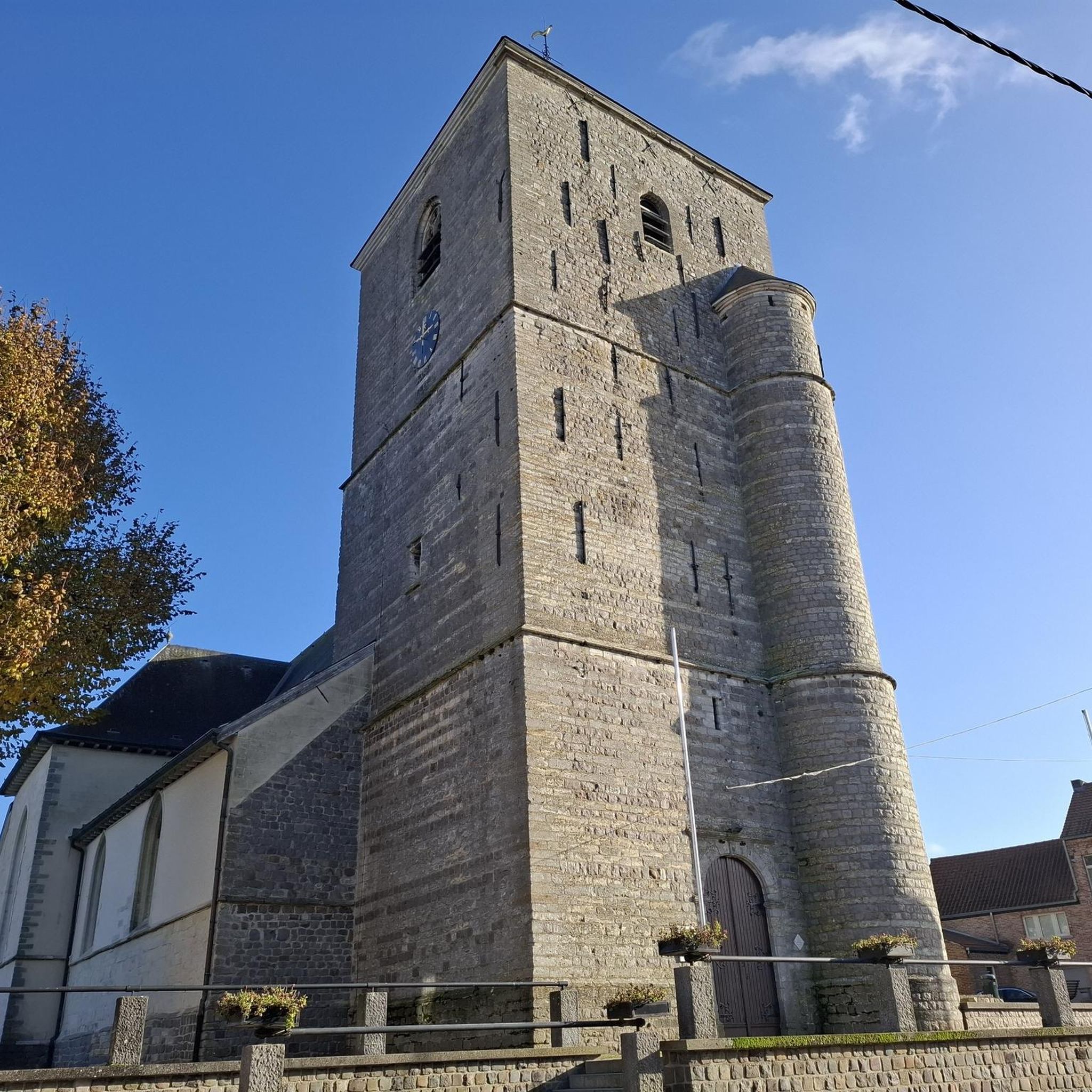
Polchow lay on Mecklenburg's oldest trade route, the Via Regia, which ran through this area 1,000 years ago and was already used by Slavic and Arab traders. The church in Polchow was built between 1888 and 1891 by Gotthilf Ludwig Möckel and is a neo-Gothic brick building with a recessed choir and a west tower, constructed over a three-year period. The choir windows depict the apostles Peter and Paul. The stone epitaph depicts the Crucifixion in its center, flanked by kneeling family members turning toward the scene of the crucifixion. Above it is the Resurrection. The old linden tree in the cemetery was declared a natural monument in 1937 and is considered the oldest linden tree in Mecklenburg. As early as 1886, its circumference was given as 13 meters.
1
0

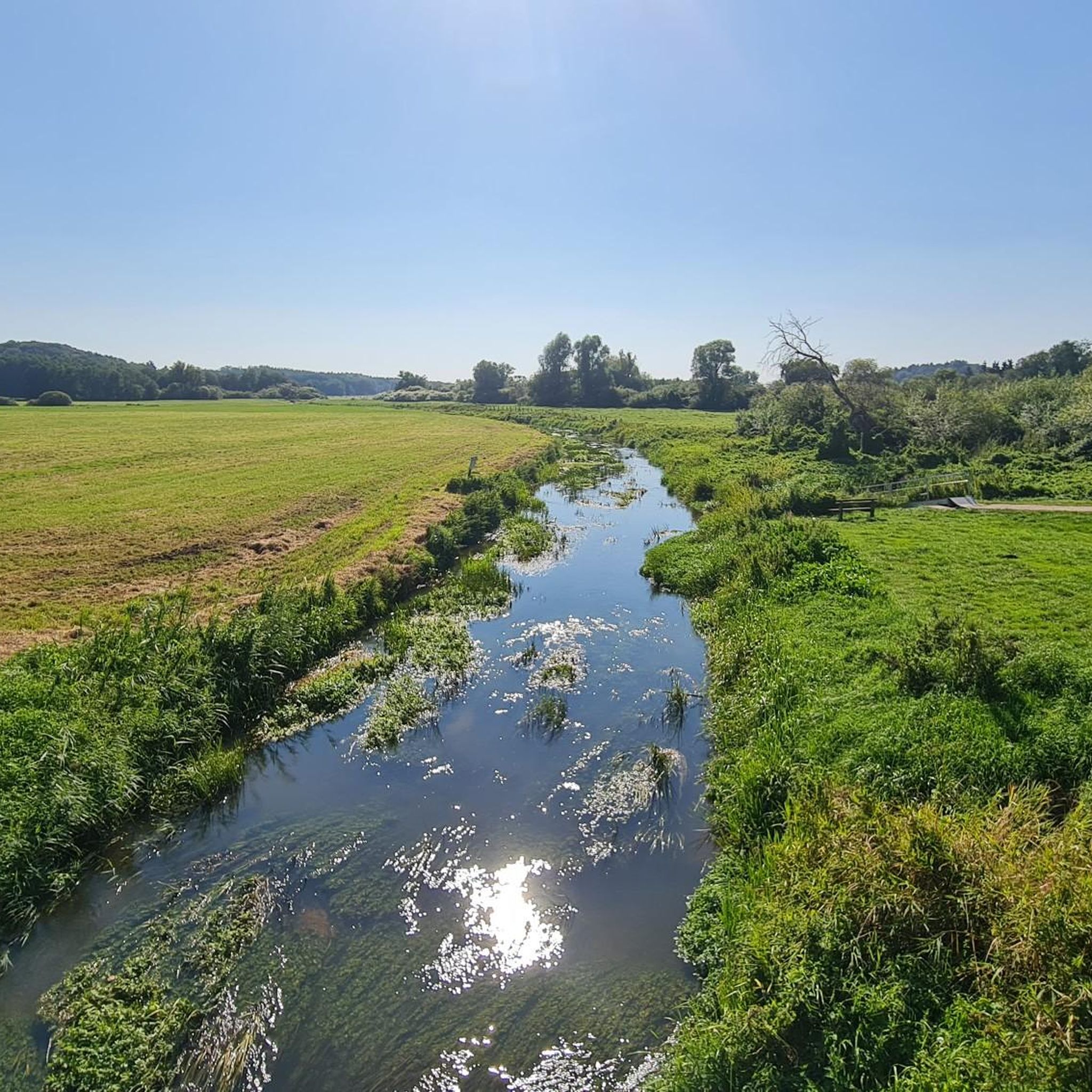
This is a 47 hectare nature reserve in the Recknitz Valley. You shouldn't expect mountains, but it is a pretty hilly landscape with forests and meadows. The former route of the beet railway runs through the middle.
0
0

The 1000-year-old linden tree also stands here in the cemetery
1
0

Polchow, the oldest village in the Güstrow district, was first mentioned in documents in 1216. At that time it was owned by the Dargun Monastery, which also received patronage rights over the church. The oldest trade route in Mecklenburg, "via regia", passed the site and offered rest and supply facilities in the "taberna" called 1219. Polchow's church, which dates back to the 13th century, was demolished in 1888 due to dilapidation. It was replaced by the church designed by Gotthilf Ludwig Möckel between 1888 and 1891 and built by the Teterower master builder Pitschner. The neo-Gothic brick building with west tower has been extensively restored inside and out in recent years.
1
0
Orphaned archaeological monument. Except for one sign there was no information there. The burial mounds can therefore only be guessed at. I think I have seen / photographed at least 2 of them.
2
0

At this point there are two large erratic blocks - the twins. You can find inscriptions from the 20s on both stones.
4
0
Lieper Castle is a rampart in the municipality of Thelkow in the Rostock district, Mecklenburg-West Pomerania. It is an early Slavic hill castle from the 8th century. The castle stands on a spur-like ledge twenty meters above the Recknitztal. The inner surface of Lieper Castle is relatively large compared to many other Slavic castle complexes in northern Germany. The diameter of the inner surface is over a hundred meters. The castle rampart was heaped up out of sand on the surface of the earth and limited in the core by stone packs. It is 13 m wide at the foot. Deep trenches also protected the plant. A worthwhile hiking destination. The adjacent nature reserve is also very beautiful.
7
0
Frequently Asked Questions
What are some of the most impressive natural monuments in the wider Walkendorf region?
Beyond the immediate vicinity of Walkendorf, the Mecklenburg-Vorpommern region offers two particularly impressive natural monuments. The Mecklenburg Switzerland and Kummerow Lake Nature Park features rolling hills, extensive lowlands, forests, and a network of lakes and rivers, perfect for various outdoor activities. Another highlight is the Ivenack Oaks National Natural Monument, home to some of Germany's oldest and largest oaks, estimated to be around 1,000 years old, with an accessible treetop trail.
Are there family-friendly natural monuments around Walkendorf?
Yes, several natural monuments are suitable for families. The Zwillinge Memorial Boulders are an easy-to-visit geological and historical landmark. Further afield, the Ivenack Oaks National Natural Monument is highly recommended for families, offering a treetop trail, an observation tower, and opportunities to see fallow deer, wild horses, and wild boars in the Ivenacker Tiergarten.
What kind of natural features can I expect to see near Walkendorf?
The area around Walkendorf, part of the Mecklenburg Lake District, is characterized by diverse natural features. You'll find ancient trees like the 1000-year-old linden tree at Polchow Church, significant erratic boulders such as the Zwillinge Memorial Boulders, and a landscape shaped by the Ice Age with rolling hills, forests, and a network of lakes and rivers, particularly evident in the nearby Mecklenburg Switzerland and Kummerow Lake Nature Park.
Are there historical sites integrated with the natural monuments?
Absolutely. Many natural monuments in the region have historical significance. Lieper Castle is an early Slavic hill castle from the 8th century, set on a spur above the Recknitztal. The Anglybieten Burial Mounds and the Großsteingrab Groß Ridsenow are ancient archaeological monuments. Even the Polchow Church features a linden tree declared a natural monument, standing in a village with a history dating back to 1216.
What outdoor activities can I do near these natural monuments?
The region offers a variety of outdoor activities. You can enjoy running on trails like the 'Buchsee loop from Walkendorf' or 'Running loop from Griever Holz' (find more at Running Trails around Walkendorf). Cycling is also popular, with routes such as 'Gutshaus Dalwitz – Village Church of Boddin loop from Walkendorf' (explore more at Cycling around Walkendorf). The Mecklenburg Switzerland and Kummerow Lake Nature Park is ideal for hiking, cycling, horseback riding, and water tours like canoeing and kayaking.
What is the best time to visit the natural monuments around Walkendorf?
The changing seasons offer different experiences. Spring brings returning cranes and forest flower carpets, while autumn is ideal for observing resting bird flocks and the vibrant colors of the gnarled oaks. Summer is perfect for water activities and exploring the lush landscapes. Even winter can be charming, with unique views of the ancient trees and frozen landscapes. Generally, late spring to early autumn provides the most comfortable weather for outdoor exploration.
Are there any unique geological formations to see?
Yes, the region is notable for its Ice Age-formed landscape. A prime example is the Zwillinge Memorial Boulders, two large erratic blocks that are significant geological landmarks. The rolling hills and lake formations throughout the Mecklenburg Switzerland and Kummerow Lake Nature Park also showcase the geological history of the area.
Where can I observe wildlife near Walkendorf's natural monuments?
The Mecklenburg Switzerland and Kummerow Lake Nature Park is a great place for wildlife observation, with a dense network of wetlands home to otters and beavers. The lakes are crucial for migratory and breeding waterbirds, including white-tailed eagles, greater spotted eagles, and ospreys. The Ivenacker Tiergarten, surrounding the Ivenack Oaks, is home to fallow deer, wild horses, and wild boars, offering excellent opportunities to see wildlife in a largely natural setting.
Are there viewpoints offering panoramic views of the natural landscape?
Yes, within the Mecklenburg Switzerland and Kummerow Lake Nature Park, you can find impressive panoramic views from various vantage points, such as in Vollrathsruhe and on the Röthelberg, or along Lake Kummerow. The Ivenack Oaks National Natural Monument also features a 40-meter-high observation tower at the end of its treetop trail, providing panoramic views of the forest, Lake Ivenack, and the surrounding cultural landscape.
What are some of the oldest natural features in the area?
The region is home to some truly ancient natural features. The linden tree at Polchow Church is estimated to be 1000 years old and is considered the oldest linden tree in Mecklenburg. Even older are the Großsteingrab Groß Ridsenow and Anglybieten Burial Mounds, which are megalithic graves dating back to the Neolithic period. The Ivenack Oaks are also around 1,000 years old, making them among the oldest trees in Germany.
Can I find circular walks or trails around the natural monuments?
While specific circular walks directly around every natural monument in Walkendorf are not detailed, the broader region, especially the Mecklenburg Switzerland and Kummerow Lake Nature Park, offers numerous opportunities for circular hiking and cycling routes. For cycling, you can find routes like the 'Gutshaus Dalwitz – Polchow Church loop from Walkendorf' (see Cycling around Walkendorf for more options). Many of these routes will lead you past or close to various natural and historical sites.
Are there any natural monuments that are particularly unique to the Walkendorf area?
The Polchow Church stands out due to its 1000-year-old linden tree, which is recognized as the oldest linden tree in Mecklenburg. The Zwillinge Memorial Boulders are also quite unique, being two large erratic blocks with historical inscriptions, making them a distinctive geological and historical landmark specific to the immediate area.
Most popular routes around Walkendorf
Most popular attractions around Walkendorf

Get inspired with the komoot mobile app


Explore more
Extend your search for the best caves by checking out these guides of the top ones around Walkendorf:
