Top 7 Natural Monuments around Lühburg
Best natural monuments around Lühburg are found within the tranquil Mecklenburg ParkLand, offering a natural setting for exploration. The region is characterized by its serene environment, with notable natural features. One significant natural monument is the ancient linden tree located in the cemetery of Polchow Church, recognized as the oldest linden tree in Mecklenburg. The area provides a blend of historical sites and natural attractions.
Best natural monuments around Lühburg
- The most popular natural monuments is Polchow Church, a…
Last updated: July 8, 2026
Polchow Church
Highlight • Religious Site
Translated by Google •
Tip by

Lieper Castle
Highlight • Historical Site
Translated by Google •
Tip by

Sign up now to discover places like this
Get recommendations on the best single tracks, peaks, & plenty of other exciting outdoor places.
Sign up for free
Oldest wild apple tree
Highlight • Natural Monument
Translated by Google •
Tip by

Zwillinge Memorial Boulders
Highlight • Natural Monument
Translated by Google •
Tip by
Gramsdorfer Berge Nature Reserve
Highlight • Natural Monument
Translated by Google •
Tip by

Sign up for free to discover even more natural monuments around Lühburg.
Sign up for free
Already have an account?
Start today with a free account
Your next adventure awaits.
Login or Signup
Tips from the Community

Polchow lay on Mecklenburg's oldest trade route, the Via Regia, which ran through this area 1,000 years ago and was already used by Slavic and Arab traders. The church in Polchow was built between 1888 and 1891 by Gotthilf Ludwig Möckel and is a neo-Gothic brick building with a recessed choir and a west tower, constructed over a three-year period. The choir windows depict the apostles Peter and Paul. The stone epitaph depicts the Crucifixion in its center, flanked by kneeling family members turning toward the scene of the crucifixion. Above it is the Resurrection. The old linden tree in the cemetery was declared a natural monument in 1937 and is considered the oldest linden tree in Mecklenburg. As early as 1886, its circumference was given as 13 meters.
1
0

Probably the oldest wild apple tree in Germany, maybe even in Central Europe, grows here. According to the sign, it is about 400 years old, probably closer to 120. In 2007 it fell victim to storm Kyrill and broke apart. Today it sprouts from the two main branches and is still full of buds. It's amazing how long this tree has endured!
1
0

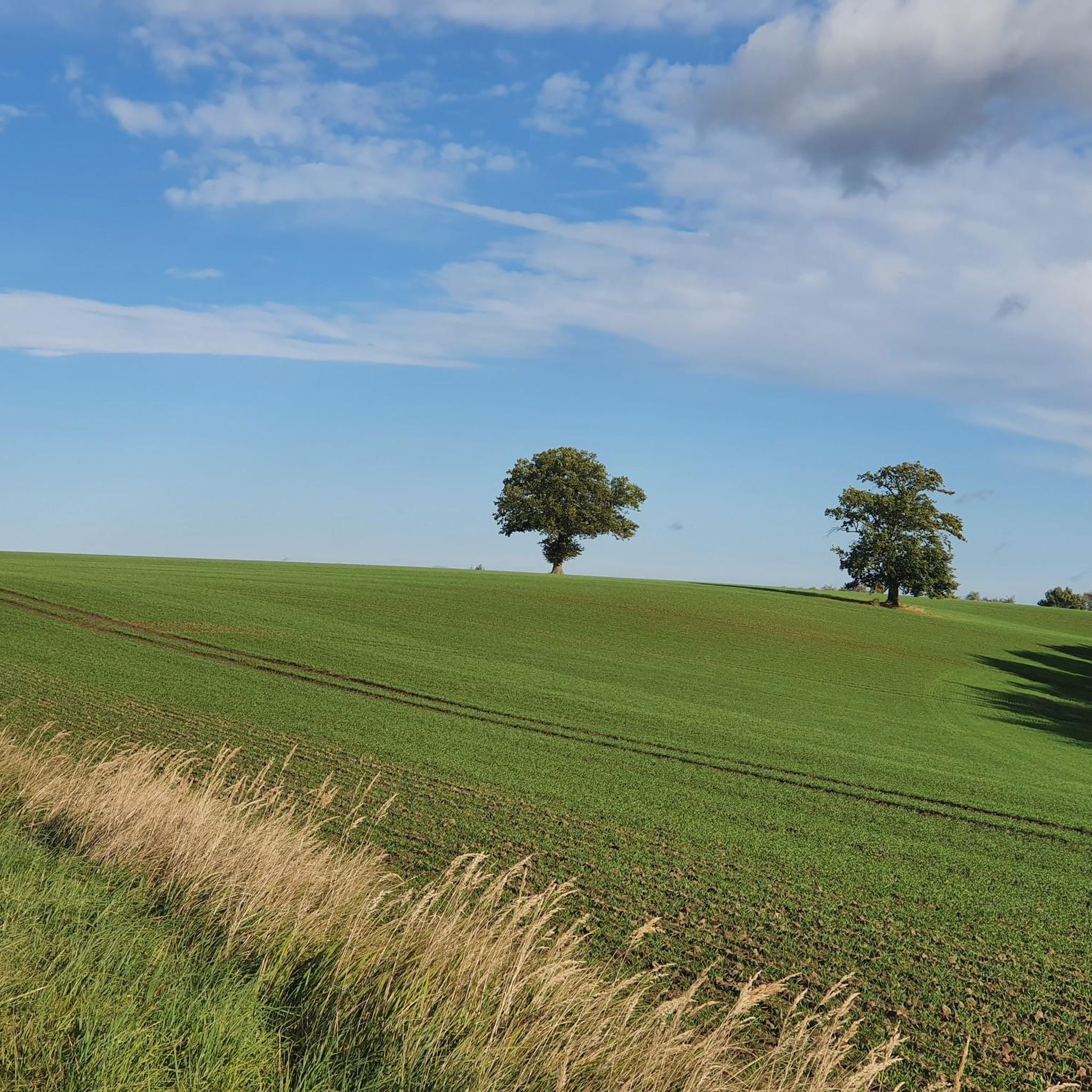
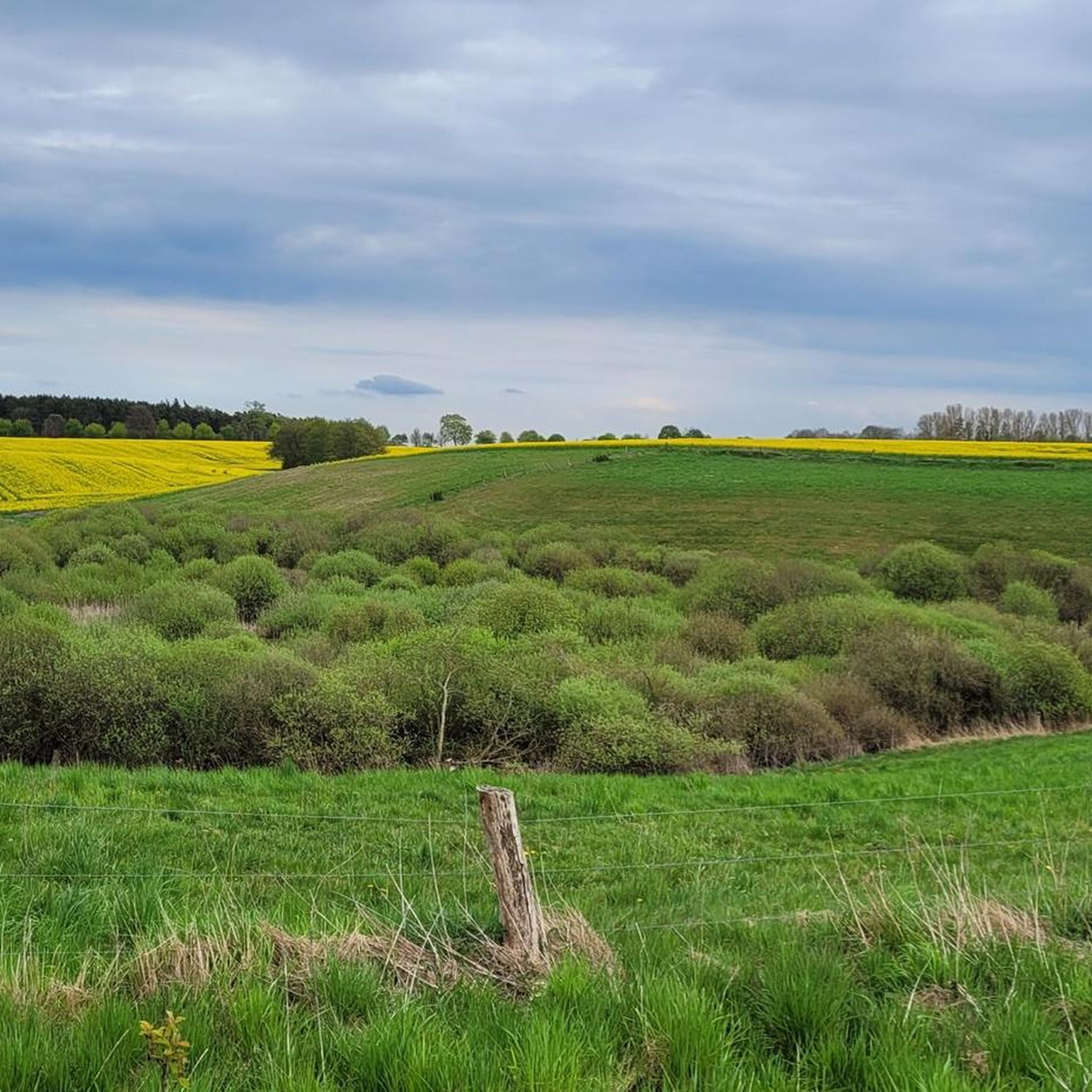
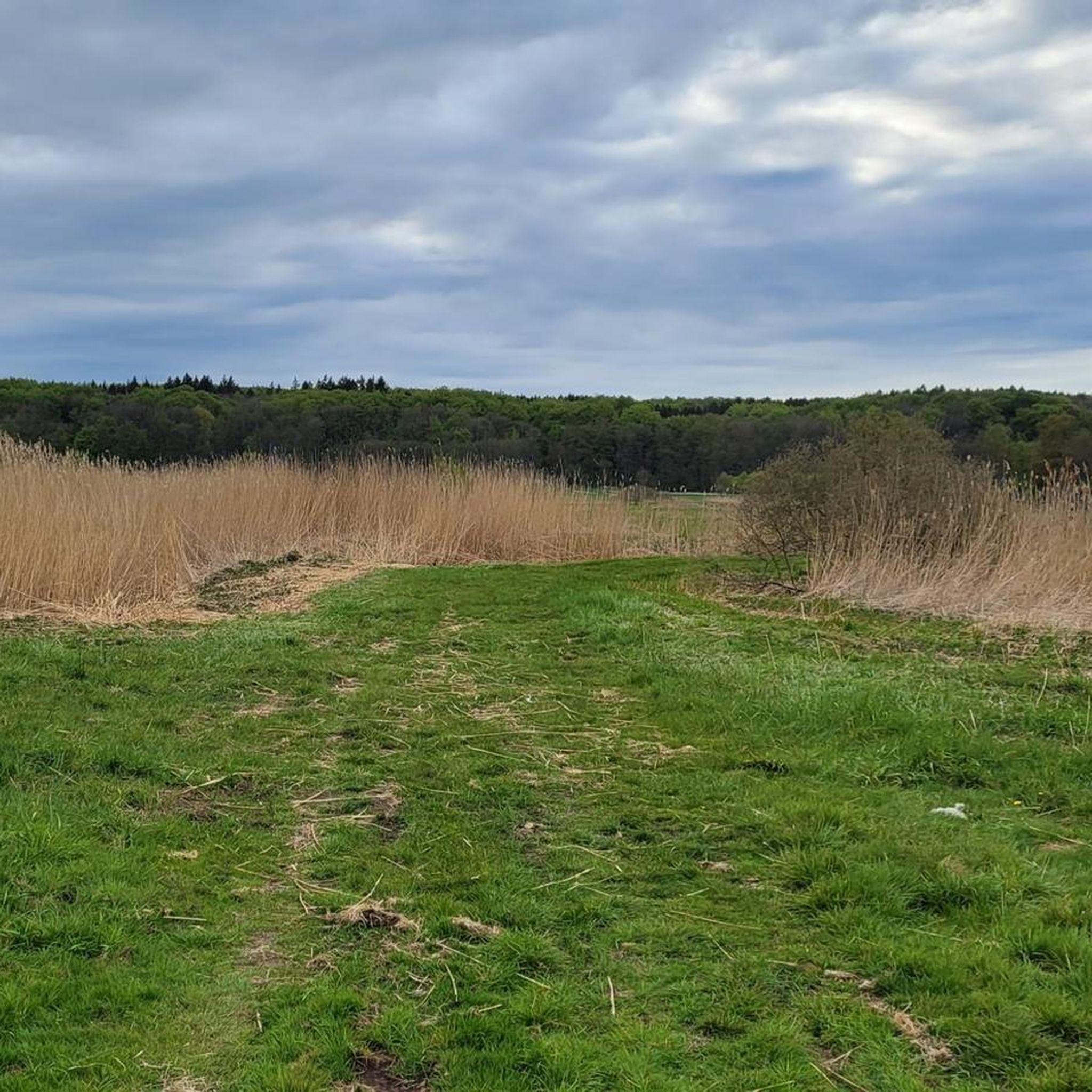
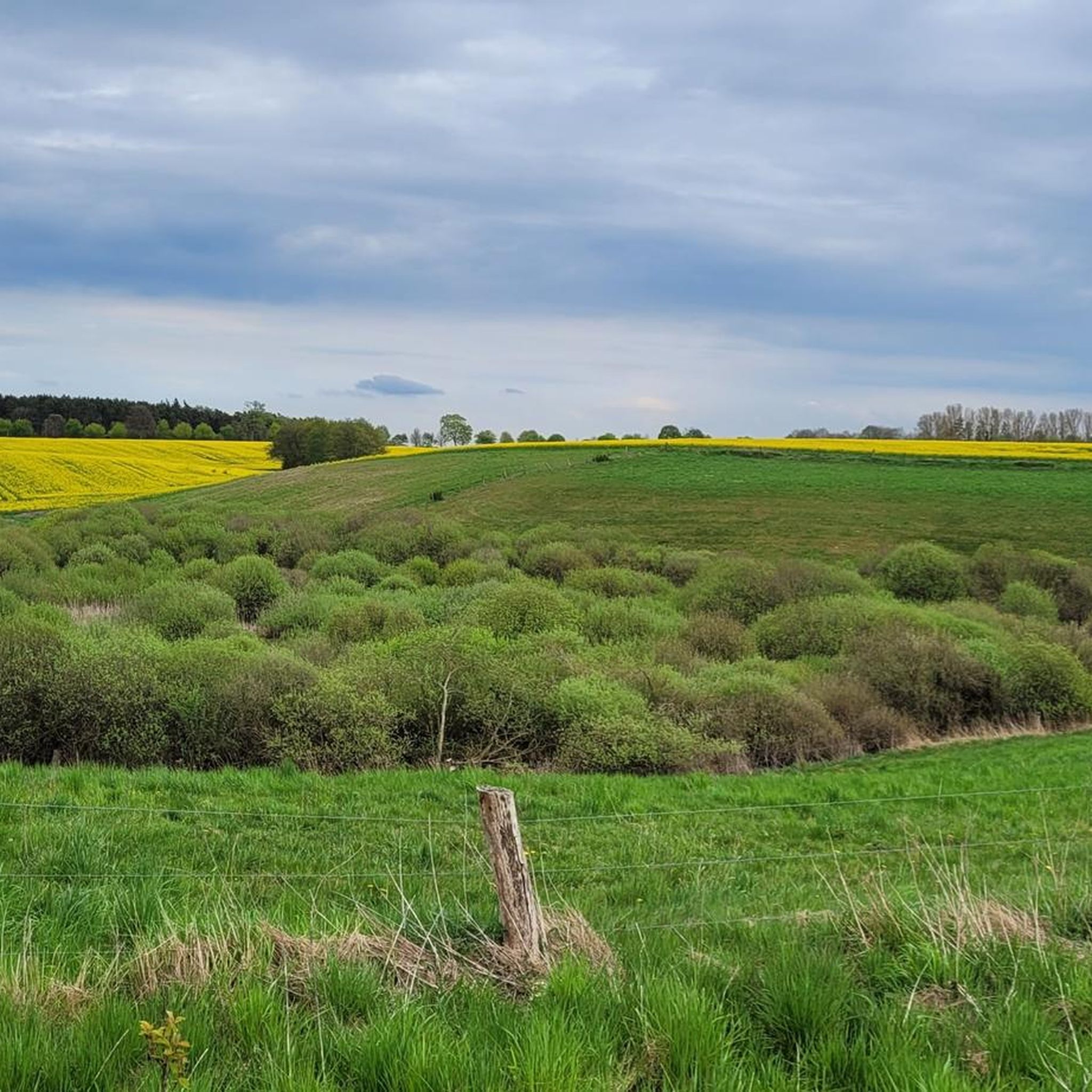
This is a 47 hectare nature reserve in the Recknitz Valley. You shouldn't expect mountains, but it is a pretty hilly landscape with forests and meadows. The former route of the beet railway runs through the middle.
0
0

Wonderful avenue of apple trees, very good road surface, little traffic
0
0

The 1000-year-old linden tree also stands here in the cemetery
1
0

Polchow, the oldest village in the Güstrow district, was first mentioned in documents in 1216. At that time it was owned by the Dargun Monastery, which also received patronage rights over the church. The oldest trade route in Mecklenburg, "via regia", passed the site and offered rest and supply facilities in the "taberna" called 1219. Polchow's church, which dates back to the 13th century, was demolished in 1888 due to dilapidation. It was replaced by the church designed by Gotthilf Ludwig Möckel between 1888 and 1891 and built by the Teterower master builder Pitschner. The neo-Gothic brick building with west tower has been extensively restored inside and out in recent years.
1
0

At this point there are two large erratic blocks - the twins. You can find inscriptions from the 20s on both stones.
4
0
Lieper Castle is a rampart in the municipality of Thelkow in the Rostock district, Mecklenburg-West Pomerania. It is an early Slavic hill castle from the 8th century. The castle stands on a spur-like ledge twenty meters above the Recknitztal. The inner surface of Lieper Castle is relatively large compared to many other Slavic castle complexes in northern Germany. The diameter of the inner surface is over a hundred meters. The castle rampart was heaped up out of sand on the surface of the earth and limited in the core by stone packs. It is 13 m wide at the foot. Deep trenches also protected the plant. A worthwhile hiking destination. The adjacent nature reserve is also very beautiful.
7
0
Frequently Asked Questions
What is the most historically significant natural monument near Lühburg?
The most historically significant natural monument is the ancient linden tree located in the cemetery of Polchow Church. Declared a natural monument in 1937, it is considered the oldest linden tree in Mecklenburg, with its circumference noted as 13 meters as early as 1886. The church itself dates back to the 13th century, adding to the historical context.
Are there any ancient trees to discover around Lühburg?
Yes, besides the famous linden tree at Polchow, you can also find the Oldest wild apple tree. This remarkable tree is estimated to be around 400 years old, potentially making it the oldest wild apple tree in Germany or even Central Europe. Despite being damaged by storm Kyrill in 2007, it continues to sprout from its main branches.
What kind of historical sites with natural significance can I visit?
You can explore Lieper Castle, an early Slavic hill castle from the 8th century. It stands on a spur-like ledge twenty meters above the Recknitztal and is surrounded by a very beautiful nature reserve, making it a worthwhile hiking destination that combines history with natural beauty.
Are there any unique geological features or boulders to see?
Yes, the Zwillinge Memorial Boulders are a notable natural monument. These are two large erratic blocks that feature inscriptions from the 1920s, offering a glimpse into local history alongside their geological interest.
What outdoor activities can I do near the natural monuments around Lühburg?
The area around Lühburg offers various outdoor activities. You can find numerous hiking trails, including routes like the 'Lieper Castle – Zwillinge Memorial Boulders loop from Thelkow'. There are also running trails and MTB trails available for different preferences.
Are there family-friendly natural monuments in the Lühburg area?
Yes, several natural monuments are suitable for families. The Oldest wild apple tree and the Zwillinge Memorial Boulders are both categorized as family-friendly, offering interesting sights for all ages. The general serene environment of the Mecklenburg ParkLand is also great for family outings.
What is the best time of year to visit the natural monuments around Lühburg?
The Mecklenburg ParkLand, where Lühburg is located, offers a tranquil natural setting that can be enjoyed throughout the warmer months. Spring and autumn are particularly pleasant for exploring the natural monuments and trails, with comfortable temperatures and beautiful scenery. Summer also provides good conditions for outdoor activities.
Are there any ancient burial sites or archaeological monuments to explore?
Yes, you can visit the Anglybieten Burial Mounds. While they are an orphaned archaeological monument, a sign provides some information, and visitors can still discern the presence of these ancient burial sites within the forest, offering a unique historical perspective.
What is the terrain like for hiking around Lühburg's natural monuments?
The terrain around Lühburg and its natural monuments, particularly within the Mecklenburg ParkLand, is generally characterized by gentle elevations. Many hiking and running routes are rated as 'moderate' difficulty, indicating accessible paths suitable for most fitness levels. For example, the 'Lieper Castle – Zwillinge Memorial Boulders loop' is a moderate hike.
Can I find information about the Lühburg Castle itself and its natural surroundings?
While Lühburg Castle is not explicitly listed as a natural monument, its immediate vicinity is known for its 'old lime trees' and a romantic moat, contributing to an ambiance of nature and tranquility. The broader Mecklenburg ParkLand surrounding Lühburg is recognized for its nature, parks, and gardens, offering a serene environment. For more information about the castle, you can visit visit-mv.com.
Are the natural monuments around Lühburg accessible by public transport?
Specific public transport details for each individual natural monument are not readily available. However, Lühburg and nearby villages like Polchow and Walkendorf are part of the broader Mecklenburg-Vorpommern region. It is advisable to check local bus schedules or regional transport options to plan your visit, especially for monuments located in more rural settings.
Are there any permits required to visit the natural monuments?
Generally, no special permits are required to visit the natural monuments themselves, such as the ancient trees or boulders, as they are often publicly accessible. However, if you plan to engage in specific activities within nature reserves or protected areas, it's always good practice to check for any local regulations or guidelines.
Most popular attractions around Lühburg

Get inspired with the komoot mobile app


Explore more
Extend your search for the best caves by checking out these guides of the top ones around Lühburg:
