Top 12 Natural Monuments around Maasen
Best natural monuments around Maasen include a variety of natural features, from glacial ponds to significant river sources and unique forest ecosystems. The region's landscape offers diverse natural sites for exploration. These natural monuments contribute to the area's ecological significance and provide points of interest for visitors. The landscape is characterized by its varied terrain, including forested areas and water bodies.
Best natural monuments around Maasen
- The most popular natural monuments is Pastorendiek (Pastor's Pond), a lake that is…
Last updated: June 25, 2026
Erdmann Wooden Sculpture
Highlight • Monument
Translated by Google •
Tip by

Franzosenstein on Knickberg
Highlight • Natural Monument
Translated by Google •
Tip by

Sign up now to discover places like this
Get recommendations on the best single tracks, peaks, & plenty of other exciting outdoor places.
Sign up for free
Pastorendiek (Pastor's Pond)
Highlight • Lake
Translated by Google •
Tip by

Sule Spring (Sule Stone)
Highlight • River
Translated by Google •
Tip by
Eichenkratt Nature Reserve
Highlight • Forest
Translated by Google •
Tip by

Sign up for free to discover even more natural monuments around Maasen.
Sign up for free
Already have an account?
Start today with a free account
Your next adventure awaits.
Login or Signup
Tips from the Community


something mystical and beautiful to look at
1
0

A "highlight" of the Kirchdorfer-/Kuppendorfer Heide-Rund; you have to do it ;-).
1
0
Located on the Erdmann Cycle Route
3
0

The “Eichenkratt” nature reserve includes a unique population of trees. The name of the area is derived from the North German word “Kratt”, which means oak thickets, and is explained by the impression that the trees seem to be missing the trunk, so that the oaks only consist of the treetop.
3
0

Little info from the internet: The Frenchman's Stone Today it is still called “Franzosenstein”, the one meter high sandstone column on the highest point in the community of Kirchdorf. This relic from the past always puzzles visitors. The following is recorded in the Kirchdorf community archive: Kirchdorf, which belonged to the Uchte district under Hessian administration, came under French rule in 1803. Under the direction of Colonel Epailly, survey officers erected a twelve meter high tower. At this point a first order triangle network (“Canevas die Triangles du Ier ordere executes par M. Epailly”). From here the following main points were recorded: the church towers of Twistringen and Asendorf, the signal towers on the Mordkulenberg west of the Dümmer in the Dammer Mountains (141 m above sea level), on the Hüttenberg in Grinderwald (101 m above sea level), a mountain near Loccum and the Knickberg (86 m above sea level). At the same time, French observers were able to monitor events in all directions. In 1813, after the French era, Kirchdorf fell back to Hesse and the twelve meter high tower was destroyed. In 1814, Prince Regent George of Hanover and England elevated his electorate to a kingdom, including the Hessian territories. In 1816, King George IV ordered the extension of triangulation to the entire Kingdom of Hanover. Under the direction of C. F. Gauß, the survey work also began on the Knickberg, for which he had a stone built with a pedestal and a slab on top, which fell victim to deliberate destruction. As a replacement, a one meter high sandstone pillar was erected with the carved inscription “Königl. Hann. Country. Surveying.”. This stone still stands on the Knickberg today, which is incorrectly referred to as the “Franzosenstein”. Perhaps arbitrarily by the Prussians who annexed Hanover in 1866 after the Battle of Langensalza. In 1886/87, as part of the Prussian survey, Prussian surveying officers built a wooden tower on a stone foundation at this point, which was then called the French Tower. After about 25 years, this too disappeared. In 1919 the decree came that no more towers should be erected. Today's visitor is no longer able to look out from all sides of the Knickberg. He is in the middle of the forest, where a bench invites him to rest. Not far from the supposed “French stone” there has been an embedded square stone with a cross for years, the so-called “trigonometric point”, which serves as a survey point for our land registry office for the height of the Knickberg (86 m above sea level).
1
0

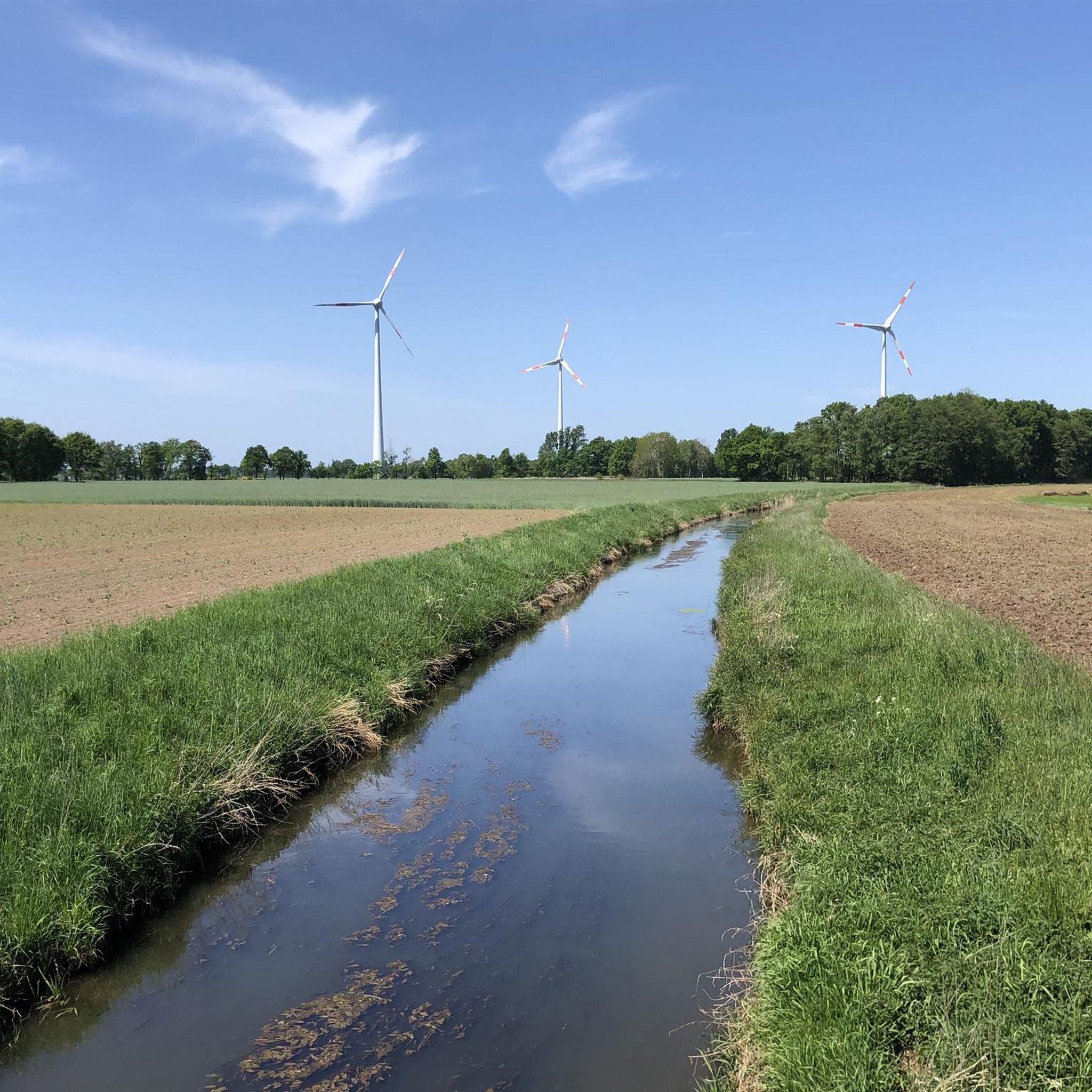
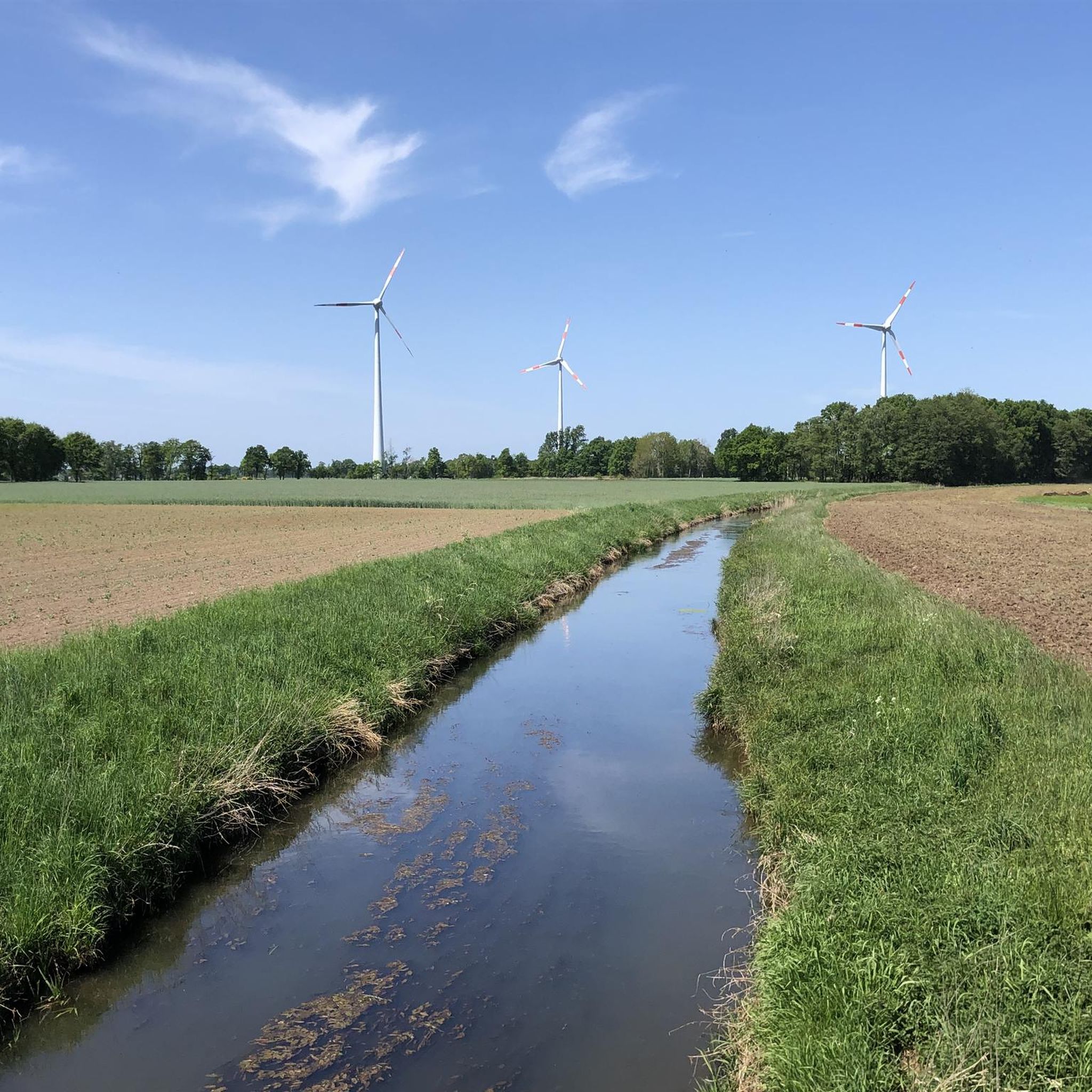
Very nice, lovingly designed café in a rural setting. In addition, here is the source of the river "Sule"
4
1
Frequently Asked Questions
What types of natural monuments can I explore around Maasen?
Around Maasen, you can explore a diverse range of natural monuments. These include unique forest ecosystems like the Eichenkratt Nature Reserve with its distinctive oak thickets, glacial ponds such as Pastorendiek (Pastor's Pond), and significant river sources like the Sule Spring (Sule Stone). The region also features elevated viewpoints offering scenic rest areas.
Are there family-friendly natural monuments in the Maasen area?
Yes, several natural monuments around Maasen are suitable for families. Pastorendiek (Pastor's Pond), Franzosenstein on Knickberg, Eichenkratt Nature Reserve, and the Sule Spring (Sule Stone) are all categorized as family-friendly, offering accessible and engaging experiences for all ages.
Where can I find historical natural monuments or sites near Maasen?
For historical natural monuments, visit Franzosenstein on Knickberg, which is not only a natural monument and viewpoint but also a historical site with information about the area's past. Additionally, the Memorial The Warning Hands in Mühlenhofpark is a significant man-made monument with historical context, serving as a memorial against war.
What outdoor activities can I do near the natural monuments around Maasen?
The Maasen area offers various outdoor activities. You can find numerous hiking trails, including easy loops like 'Fishing at the Stadtsee' in Sulingen or moderate routes like 'Green Wall' from Maasen. There are also MTB trails and running routes available, catering to different fitness levels.
Are there any natural monuments around Maasen that are wheelchair accessible?
Yes, the Memorial The Warning Hands in Mühlenhofpark is noted as wheelchair accessible, making it a suitable option for visitors with mobility needs.
What makes Pastorendiek (Pastor's Pond) a unique natural monument?
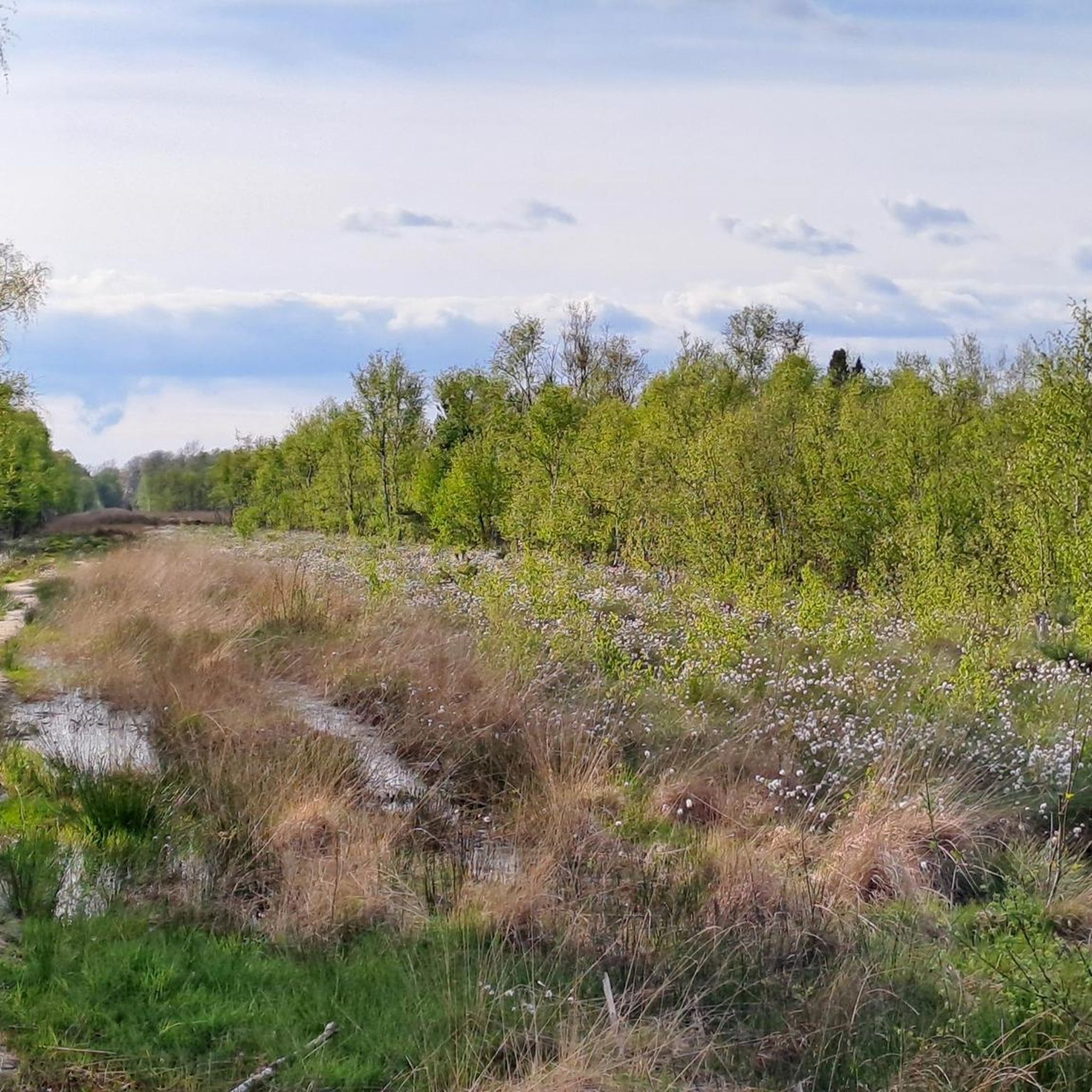
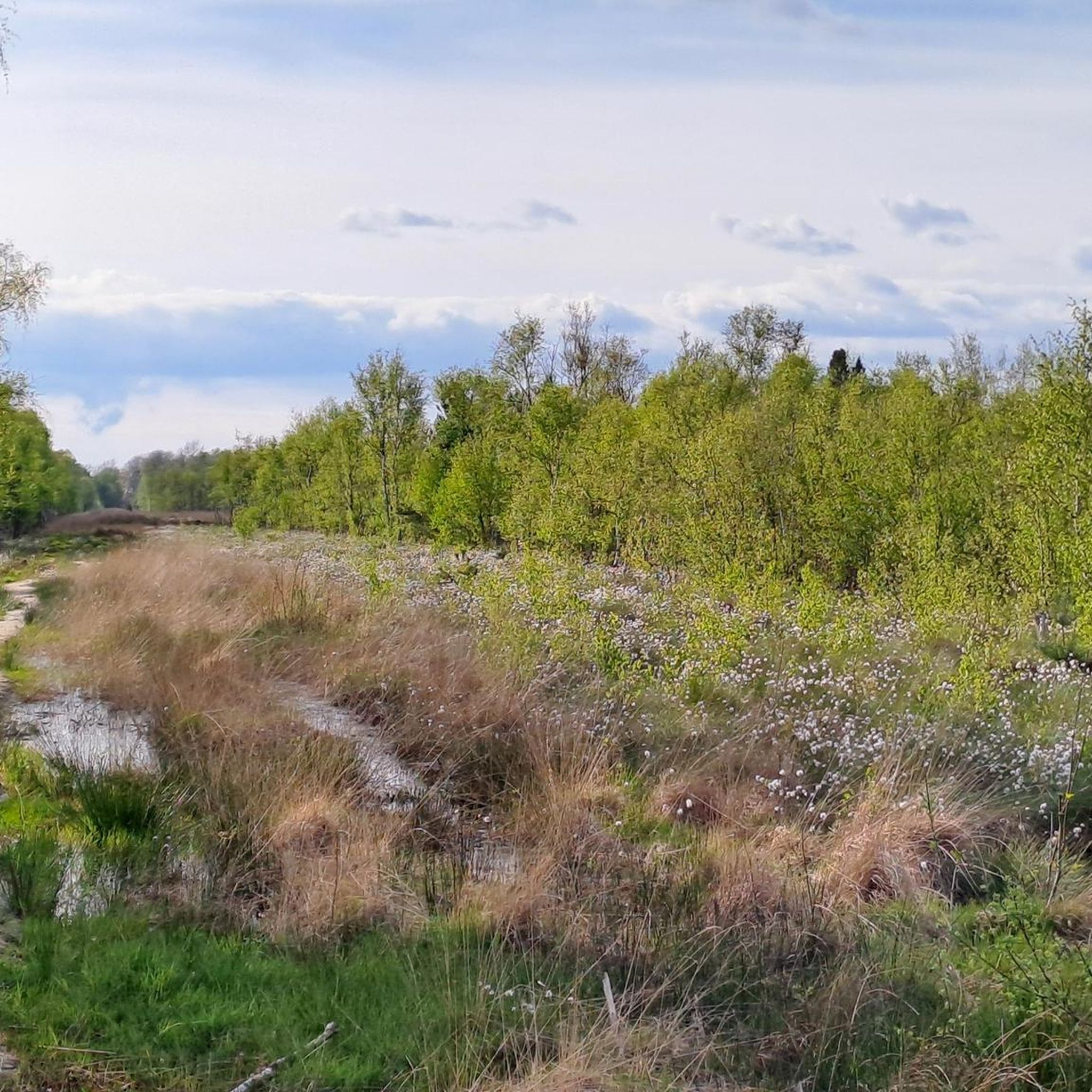
Pastorendiek (Pastor's Pond) is a unique glacial oligotrophic shallow body of water, approximately 120 meters long and 60–80 meters wide. It is a protected nature reserve, specifically safeguarding its siltation zones with floating mats of sphagnum moss, which are ecologically significant.
What is special about the Eichenkratt Nature Reserve?
The Eichenkratt Nature Reserve is known for its unique population of oak thickets. The name 'Kratt' comes from a North German word for oak thickets, and it describes the distinctive appearance of the trees, which seem to consist only of their treetops, giving the impression that their trunks are missing.
Can I find viewpoints among the natural monuments in Maasen?
Yes, Franzosenstein on Knickberg is a prominent natural monument and viewpoint. It is the highest point in Kirchdorf and offers rest areas for visitors, though panoramic views might be limited by surrounding forest growth.
What is the significance of the Sule Spring (Sule Stone)?
The Sule Spring (Sule Stone) marks the source of the Sule river, which is 17.3 km long and flows through the Sulingen region, giving the city of Sulingen its name. The Sule Stone itself is a memorial intended to connect the people of the Sulinger Land and remind them of their homeland.
Are there any natural monuments around Maasen that are dog-friendly?
While specific dog-friendly designations for each natural monument are not always listed, many natural areas and trails around Maasen are generally suitable for dogs, provided they are kept on a leash. For instance, the hiking trails around Maasen, such as those near the Green Wall loop, are popular for walks with pets.
What do visitors typically enjoy about the natural monuments in Maasen?
Visitors appreciate the diverse natural beauty and tranquility of the Maasen area. They enjoy the unique ecological features of places like Pastorendiek with its hidden charm, the historical context and elevated perspective of Franzosenstein on Knickberg, and the distinctive forest landscape of Eichenkratt Nature Reserve. The area's natural monuments are valued for their ecological significance and as points of interest for exploration.
Most popular attractions around Maasen

Get inspired with the komoot mobile app


Explore more
Extend your search for the best caves by checking out these guides of the top ones around Maasen:
