Top 17 Natural Monuments around Kluse
Natural monuments around Kluse offer a glimpse into the diverse landscapes of the Emsland region in Germany. Kluse is situated on the edge of the Bourtanger Moor-Veenland International Nature Park, an expansive area known for its renaturalized raised bog areas, open cultivated lands, and forests. This setting provides a habitat for various flora and fauna, showcasing significant ecological processes. The area is characterized by its idyllic setting amidst meadows and fields, making it a gateway to broader natural wonders.
Best…
Last updated: June 25, 2026
Thousand-Year-Old Linden of Heede
Highlight • Natural Monument
Translated by Google •
Tip by

Werpeloh Stone Circle
Highlight • Monument
Translated by Google •
Tip by

Sign up now to discover places like this
Get recommendations on the best single tracks, peaks, & plenty of other exciting outdoor places.
Sign up for free
Leher Pünte Ferry and Riverside Sculptures on the Ems
Highlight (Segment) • Bridge
Translated by Google •
Tip by
Werpeloh II Megalithic Tomb
Highlight • Historical Site
Like the tip of an iceberg protrude from the 14-bay grave on the south side 14, or on the north side 15 …
Translated by Google •
Tip by

Insect Hotel Hegering Aschendorf
Highlight • Structure
The insect hotel offers nesting aids and winter quarters primarily for hymenoptera such as parasitic wasps, bumblebees and wild bees. …
Translated by Google •
Tip by

Sign up for free to discover even more natural monuments around Kluse.
Sign up for free
Already have an account?
Start today with a free account
Your next adventure awaits.
Login or Signup
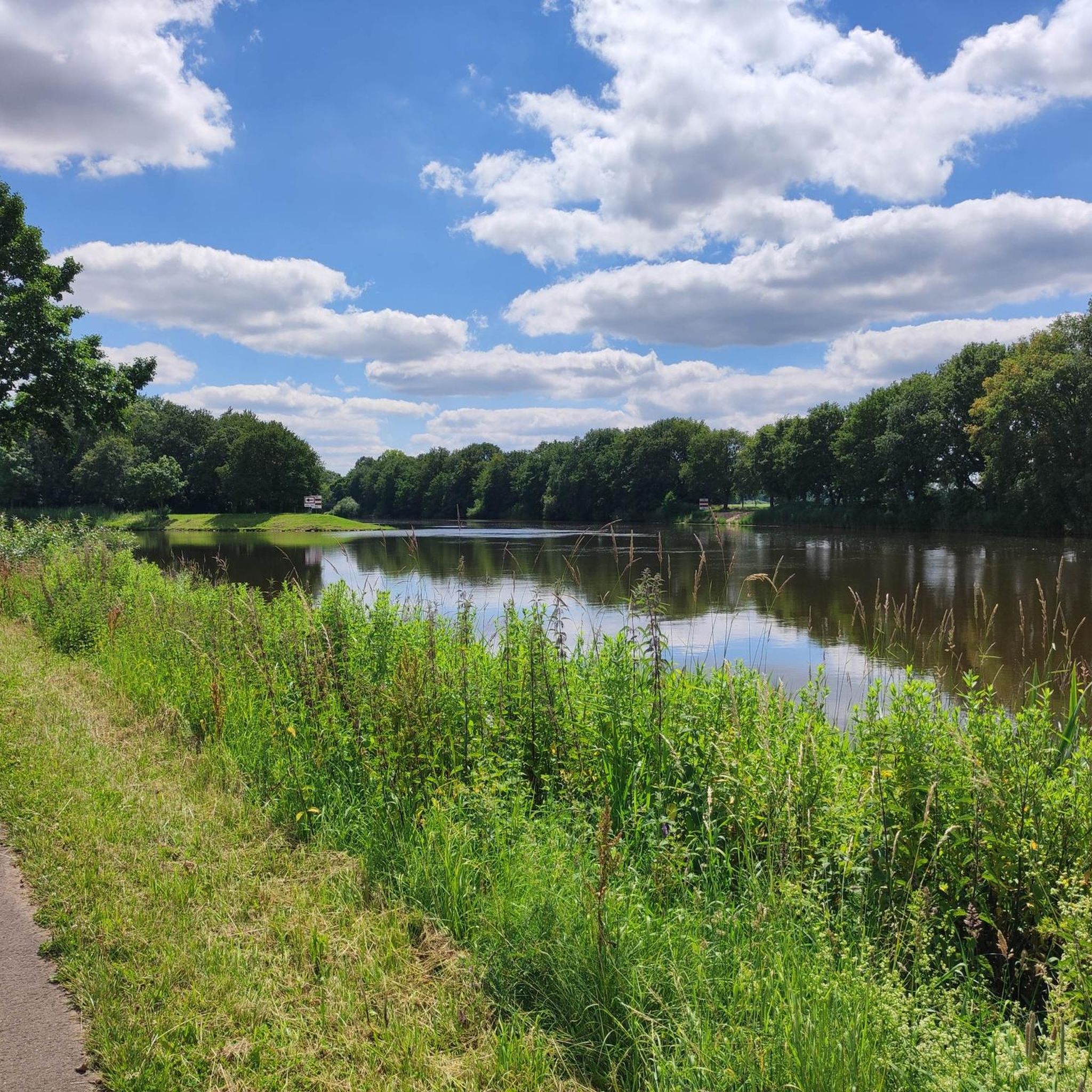
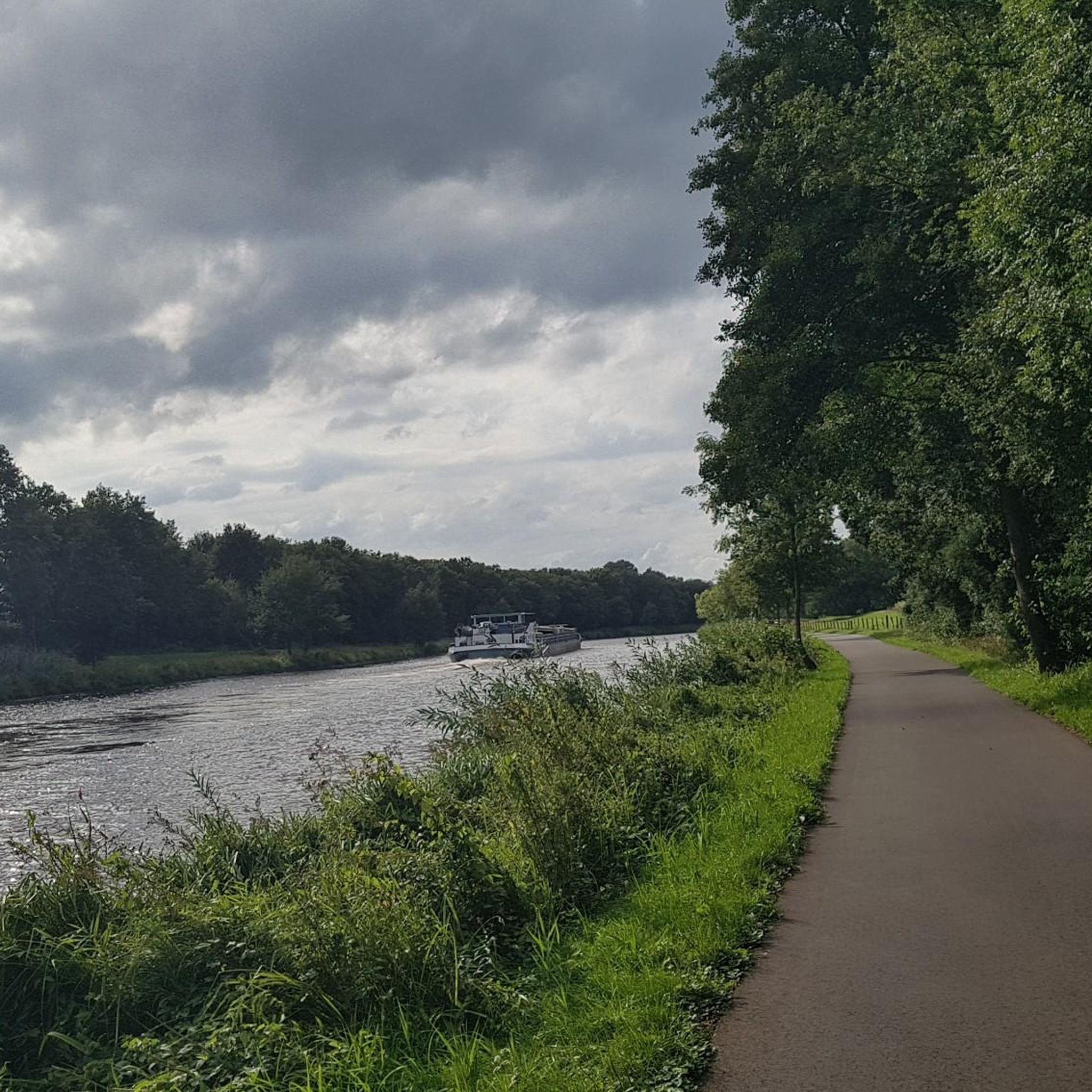
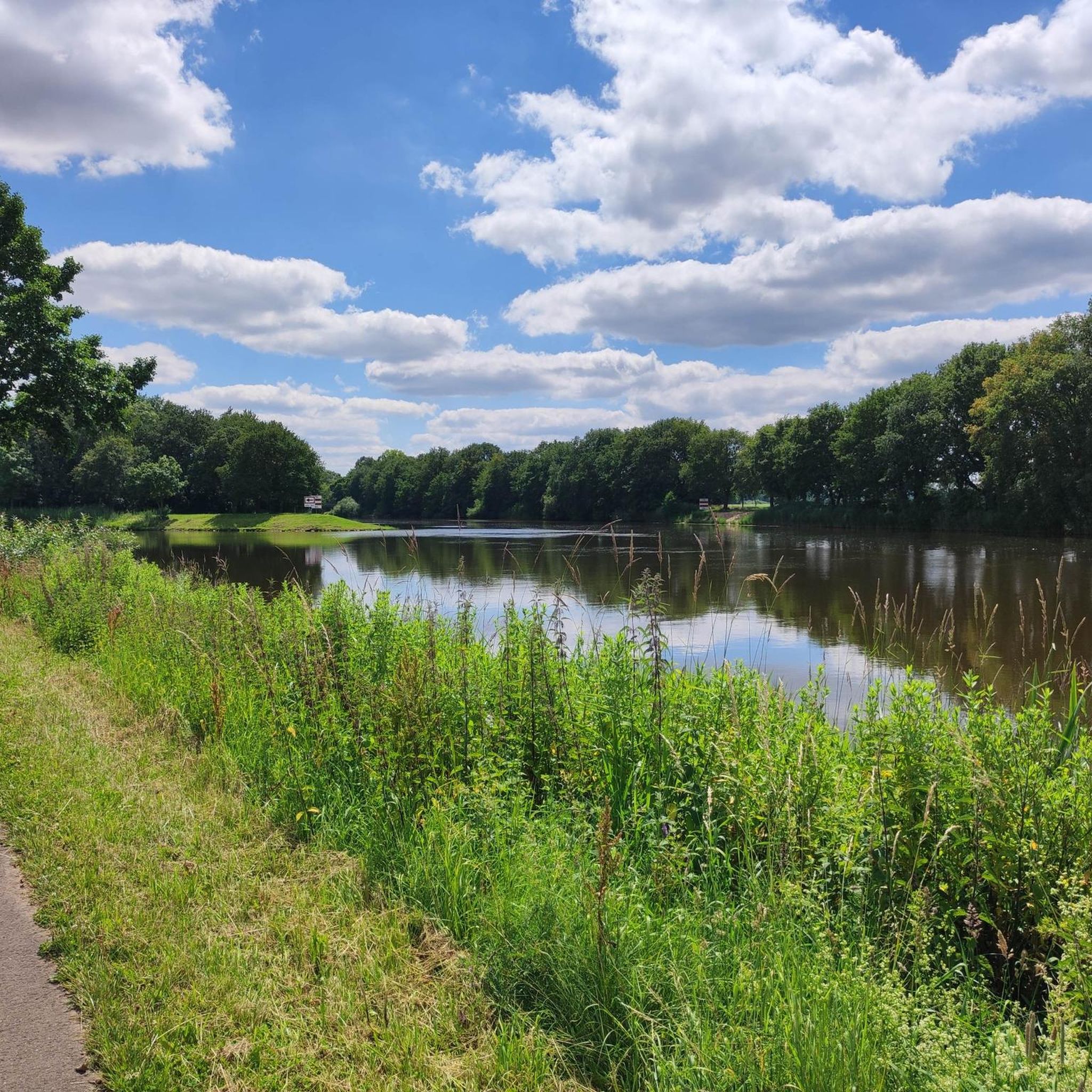
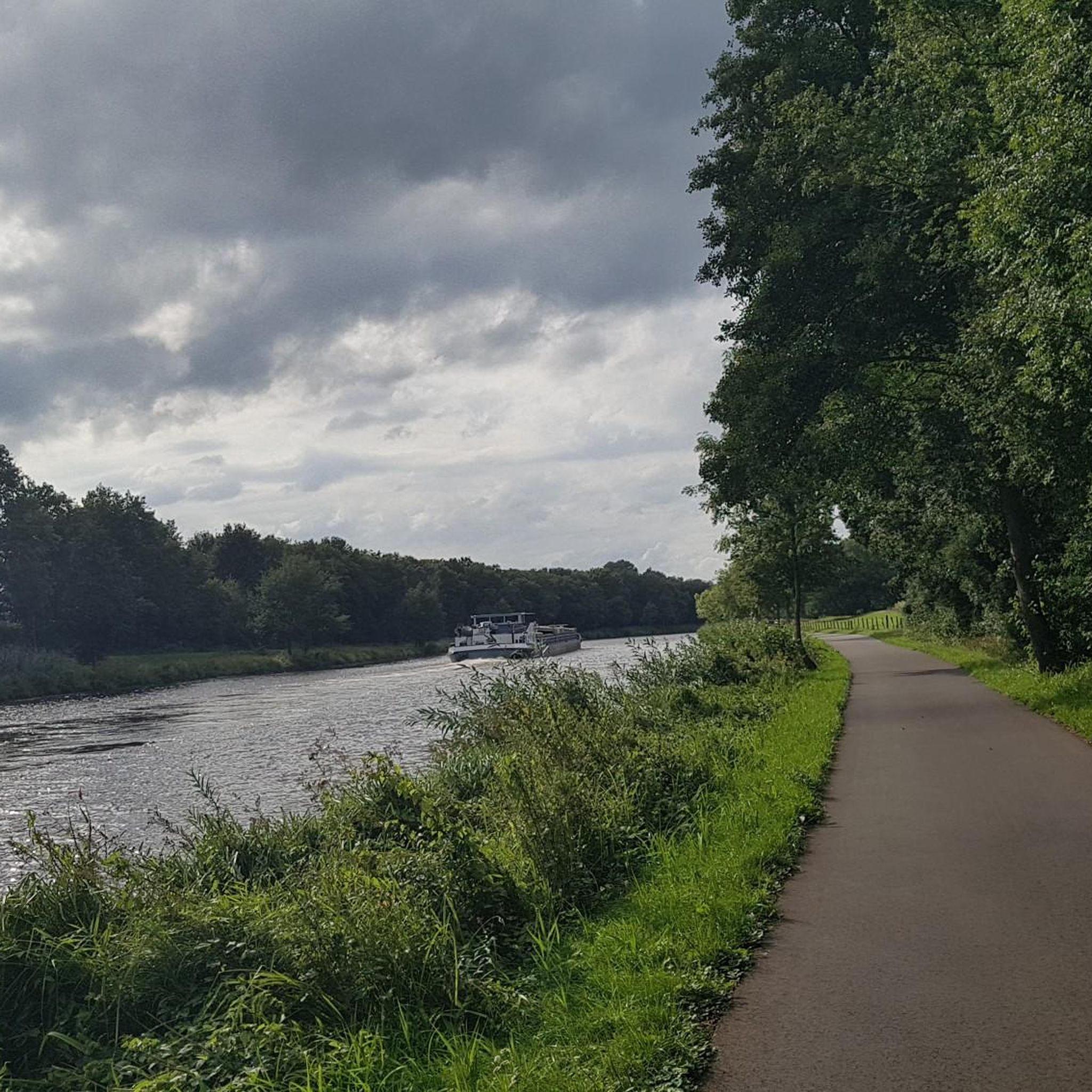
Tips from the Community

The last time we drove past we could see that there wasn't as much material in the insect hotel as there used to be.
2
0

Beautiful cycle path
2
1

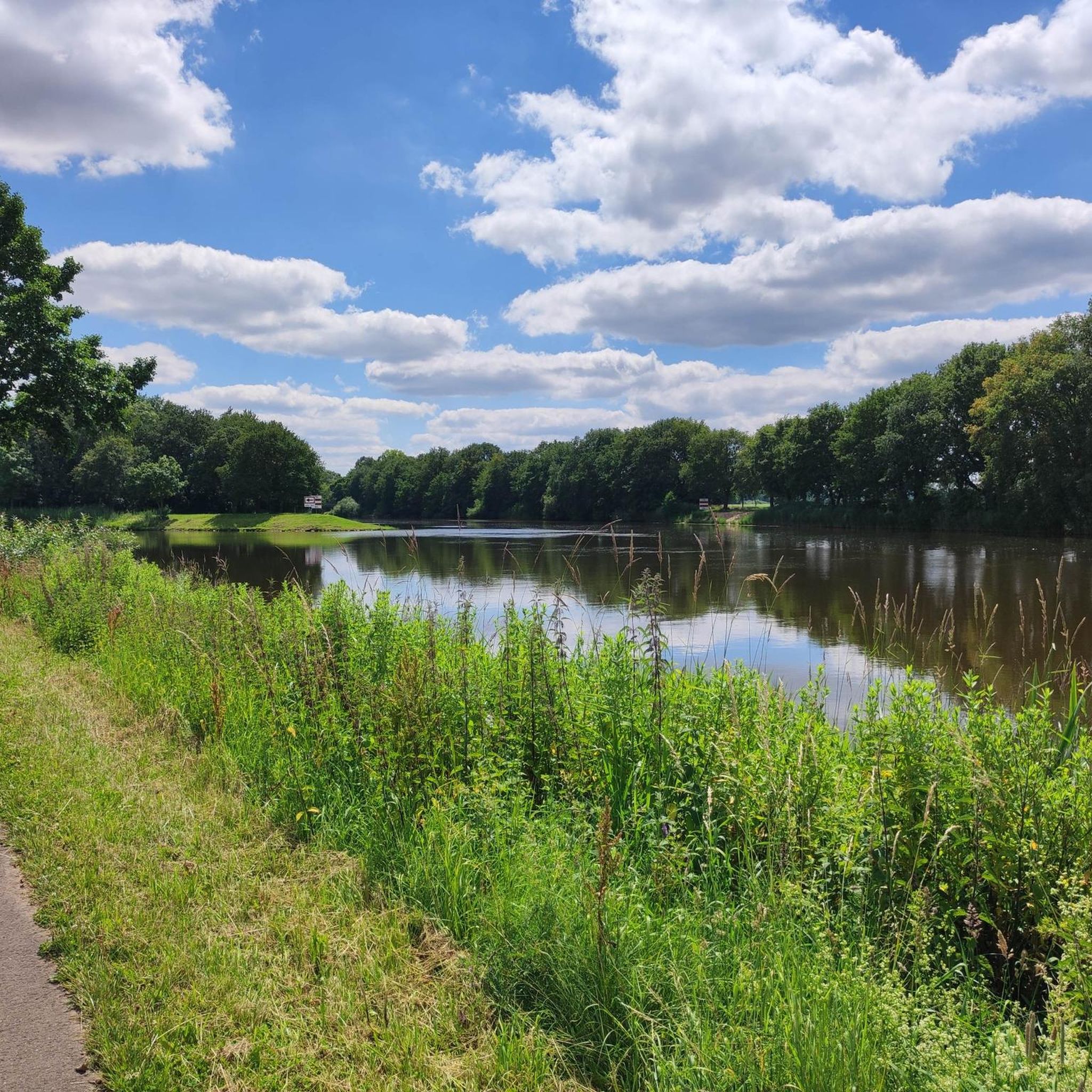
Really beautiful, right along the Ems River. And I also found a harbor bistro with food and drinks. (Photo of the three brass musicians was taken there.)
2
0
The bike paths here are very easy to ride, compared to about 10 years ago, when there were more fine gravel roads than there are now.
2
0

Very beautiful section of the Ems - wonderful
2
0

This section also rewards with beautiful impressions
2
0

Pontje over Ems near Lehe
2
0

It's a great place to cycle and always have a view of the Ems.
7
0
Frequently Asked Questions
What kind of natural monuments can I explore around Kluse?
Around Kluse, you can explore a diverse range of natural monuments, from ancient trees to historical stone formations and megalithic tombs. The region is particularly known for its unique moorland landscapes within the Bourtanger Moor-Veenland International Nature Park, offering a blend of natural beauty and historical significance.
Are there any particularly ancient or unique trees to see near Kluse?
Yes, the most prominent is the Thousand-Year-Old Linden of Heede, considered the largest linden tree in Europe with a trunk circumference of 18 meters. It's a protected natural monument and a landmark of the village, appreciated for its impressive size and historical presence.
What historical or man-made monuments with natural elements are there?
You can visit the Werpeloh Stone Circle, which was created to highlight the importance of stone circles for early cultures in astronomical, calendar, legal, and religious contexts. Another significant site is the Werpeloh II Megalithic Tomb, featuring well-preserved large stone graves from the megalithic culture, representing monuments created for eternity.
What outdoor activities can I do near the natural monuments around Kluse?
The Emsland region around Kluse offers numerous opportunities for outdoor activities. You can enjoy cycling along the Ems River, with routes like the "Ems cycle path near Steinbild – Düthe Lock loop from Steinbild" available. For mountain biking, consider trails such as the "Düthe Lock – Riverside Path Along the Ems loop from Walchum". Runners can find routes like the "Große Marsch loop from Walchum". You can find more details on these activities in the MTB Trails around Kluse, Cycling around Kluse, and Running Trails around Kluse guides.
Are there family-friendly natural monuments or activities in the area?
Many natural monuments around Kluse are family-friendly, including the impressive Thousand-Year-Old Linden of Heede and the historical Werpeloh Stone Circle. The region's flat terrain and scenic paths along the Ems, such as those near the Leher Pünte Ferry and Riverside Sculptures on the Ems, are ideal for leisurely family bike rides or walks, allowing everyone to enjoy the natural beauty.
What is the best time of year to visit the natural monuments around Kluse?
The natural monuments around Kluse, particularly the moorland areas, are beautiful year-round. Spring and summer offer lush greenery and active wildlife, while autumn brings vibrant colors. Even in winter, the unique landscapes of the Bourtanger Moor-Veenland International Nature Park can be appreciated, especially for birdwatching in areas like the Leegmoor Nature Reserve.
Can I bring my dog to the natural monuments and trails?
Yes, many of the natural monuments and trails around Kluse are dog-friendly. For instance, the area around the Thousand-Year-Old Linden of Heede is suitable for walks with your canine companion. When exploring, always ensure your dog is on a leash and follow local regulations to protect the natural environment and wildlife.
What kind of wildlife can I expect to see in the natural areas near Kluse?
The Bourtanger Moor-Veenland International Nature Park, which borders Kluse, is a rich habitat for various flora and fauna. The Leegmoor Nature Reserve, within this park, is particularly renowned for its birdlife, including meadow birds and resting birds attracted to its open water areas. You might also encounter other moorland species during your visit.
Are there any viewpoints to appreciate the natural landscape?
Yes, the Leegmoor Nature Reserve, part of the broader Bourtanger Moor-Veenland International Nature Park, features an observation tower. This tower provides impressive insights into the avian haven and allows visitors to appreciate the vastness of the moorland landscape.
What makes the Bourtanger Moor-Veenland International Nature Park significant?
The Bourtanger Moor-Veenland International Nature Park is one of the largest contiguous moorland areas in Central Europe. It's significant for its renaturalized raised bog areas, open cultivated lands, and forests. The park showcases a landscape in transition, with ongoing efforts to restore its natural bog characteristics, making it an important ecological site.
What do visitors enjoy most about the natural monuments around Kluse?
Visitors frequently appreciate the unique blend of natural beauty and historical depth. The sheer size of the Thousand-Year-Old Linden of Heede often leaves a lasting impression, while the ancient structures like the Werpeloh II Megalithic Tomb offer a glimpse into prehistoric times. The peaceful riverside views and cycling opportunities along the Ems are also highly valued.
Are there any natural monuments that are also good for cycling?
The area around the Leher Pünte Ferry and Riverside Sculptures on the Ems offers a wonderful section of the Ems Cycle Path. This route provides great views of the Emslauf, grazing cows, and charming features like the ferry itself, making it a highly enjoyable cycling experience near a natural monument.
Most popular attractions around Kluse

Get inspired with the komoot mobile app


Explore more
Extend your search for the best caves by checking out these guides of the top ones around Kluse:
