Top 20 Natural Monuments around Klein Berßen
Natural monuments around Klein Berßen offer a diverse landscape in the Emsland region of Germany. The area features unique geological formations, protected natural areas, and historical sites integrated into the natural environment. Visitors can explore ancient juniper groves, significant boulders, and vantage points overlooking expansive nature reserves. This region provides opportunities to experience varied natural features and cultural landscapes.
Best natural monuments around Klein Berßen
- The most popular natural monuments is Lahre observation tower, a viewpoint that offers panoramic…
Last updated: October 11, 2026
Lahre observation tower
Highlight • Viewpoint
Translated by Google •
Tip by

Colossus of Hüven
Highlight • Natural Monument
Translated by Google •
Tip by

Sign up now to discover places like this
Get recommendations on the best single tracks, peaks, & plenty of other exciting outdoor places.
Bruneforths Esch Megalithic Tomb
Highlight • Historical Site
Showing Translation
Tip by

Radde Lake
Highlight • Lake
Translated by Google •
Tip by

Werpeloh Stone Circle
Highlight • Monument
Translated by Google •
Tip by

Sign up for free to discover even more natural monuments around Klein Berßen.
Already have an account?
Start today with a free account
Your next adventure awaits.
Other adventures around Klein Berßen

Tips from the Community

A nice opportunity to take a short rest on one of the many benches by the lake and enjoy the silence
2
0


From the period 3500 to 3000 BC.
1
0

A school forest against climate change Just a short detour west of the Raddesee, there is a school forest against climate change. As early as 2013, around 1,000 students from the Hümmling Gymnasium and the Schule am Schloss made the first school forest against climate change by the Zukunft Wald Foundation a reality on an area next to the Raddesee. Oaks, hornbeams, hawthorns and birches were planted in a large-scale campaign. And even today, there are many lessons outside, because the school forest is intended to promote a connection to local nature through the activities.
3
0
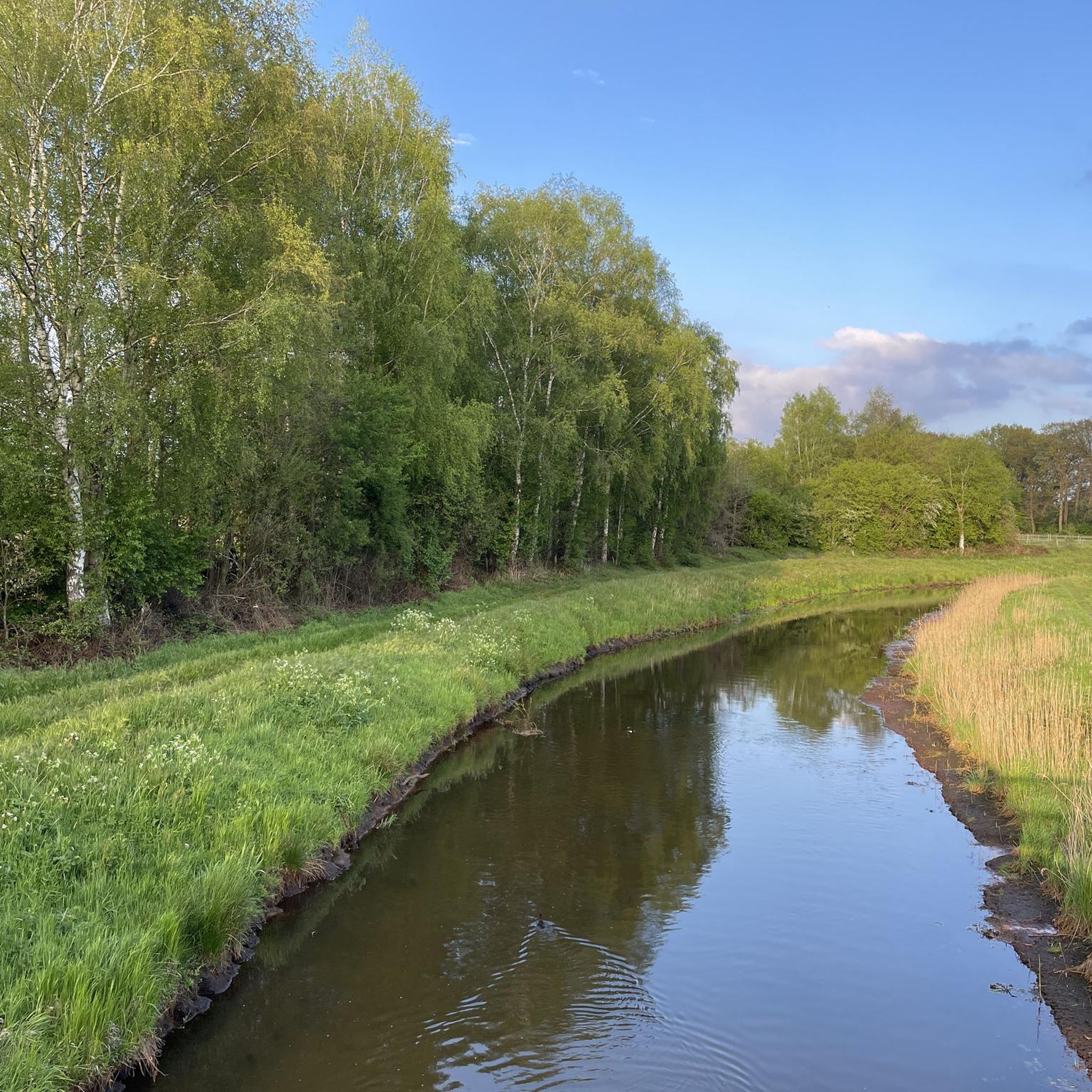
From the field to the lake Here in the Radde lowlands of Sögel, a large body of still water has been created on agricultural land or coniferous land. Three existing fishing waters that were far from nature and a ditch were also redesigned to be as natural as possible. Instead of the former straight, very steep banks, extensive flat banks with curved shorelines were created. The aim of the water construction was to create an important living, feeding and refuge area for native flora and fauna. In particular, the expansion of the Nordradde, which runs in the immediate vicinity, in the 1960s resulted in the loss of many valuable wetland habitats in the area. Replacement biotopes must therefore be created.
3
0

Swedish finds The stone circle may look a bit like an Emsland Stonehenge, but it was actually only built at the beginning of the 21st century. Its components are, however, much older: they are boulders that came to Emsland during the Saale Ice Age (300,000 to 126,000 years ago). Glaciers pushed the stones from Scandinavia to Hümmling. The idea for the boulder garden came from Father Matthäus Bergmann, who rediscovered a boulder in Klöwer in Werpeloh in 2000. He believed that the stone was a prehistoric altar that once stood here on "De hooge Klinken". Although this elevation is only 45 meters high, it occupies a special position in Hümmling due to the magnificent panoramic view.
3
2

small lake, just stop and enjoy the peace and quiet
3
1

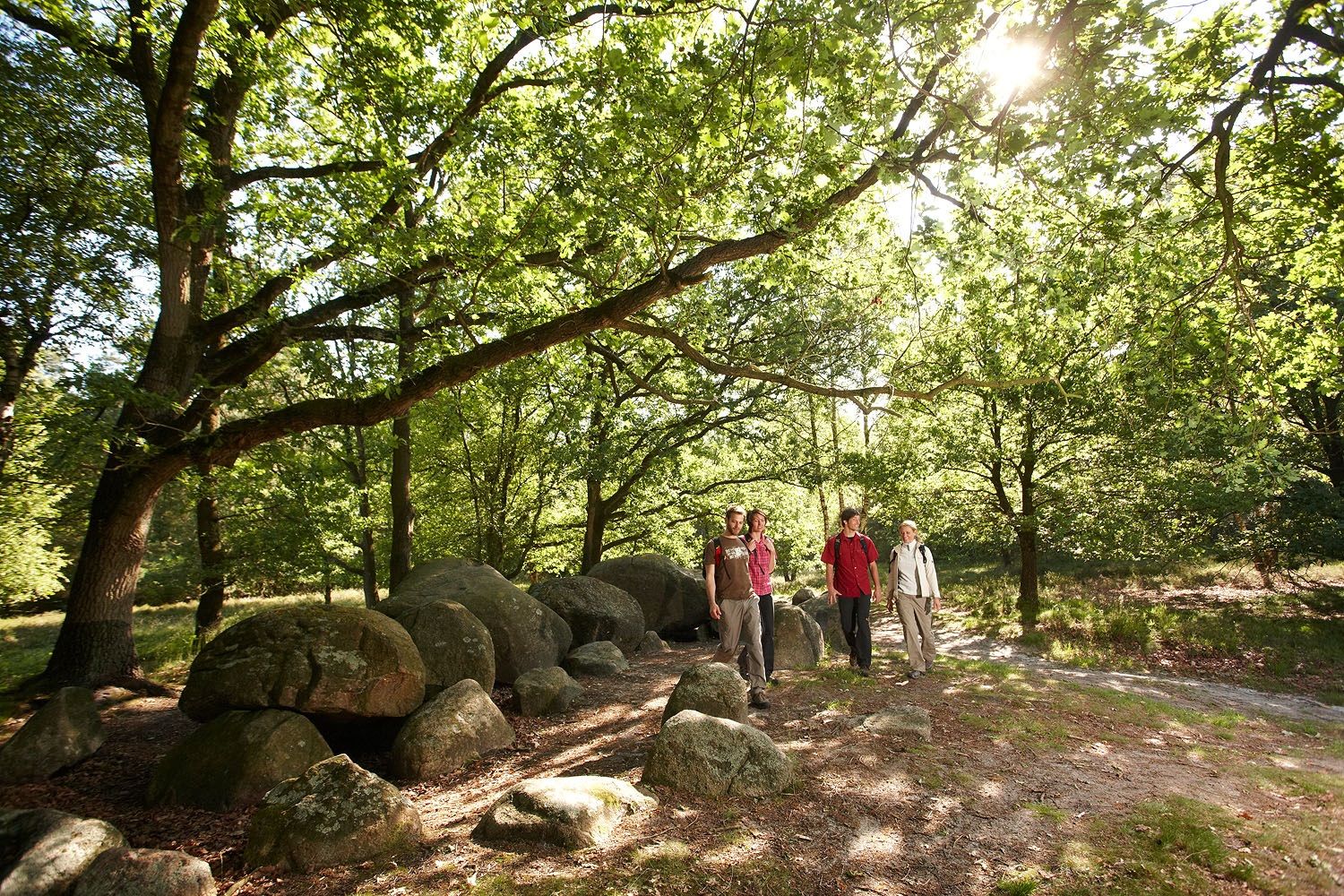
This large stone grave is located on Bruneforths Esch.
0
0
Frequently Asked Questions
What unique natural features can I explore around Klein Berßen?
The area around Klein Berßen offers diverse natural features. You can visit the Colossus of Hüven, an impressive large boulder with geological significance. Another significant natural area is the Haselünner Wacholderhain (Juniper Grove), characterized by ancient juniper thickets, old oak trees, and sand-dry grasslands, part of a Natura 2000 nature reserve. Additionally, Radde Lake provides a tranquil, near-natural water feature.
Are there historical or cultural sites designated as natural monuments in this area?
Yes, several sites combine natural beauty with historical significance. The Bruneforths Esch Megalithic Tomb is a well-preserved large stone grave from the Early Stone Age, offering insight into early human history. The Werpeloh Stone Circle, while man-made, is considered a natural monument and highlights the importance of stone circles in early cultures. The Haselünner Wacholderhain also represents a unique cultural landscape shaped by centuries of grazing.
Are there family-friendly natural monuments to visit near Klein Berßen?
Absolutely. Many natural monuments in the area are suitable for families. The Colossus of Hüven has a pleasant rest area, and the Lahre observation tower offers easy paths and panoramic views. Both the Bruneforths Esch Megalithic Tomb and Werpeloh Stone Circle are accessible and provide interesting historical context for all ages. Radde Lake is also a calm spot for a family outing.
What kind of terrain can I expect when visiting these natural monuments?
The terrain varies, but generally, paths are easy to navigate. For instance, the path through the nature reserve leading to the Lahre observation tower is described as beautiful and easy, even without asphalt, though it can be narrow in places. The Haselünner Wacholderhain features a 3.6-kilometer nature trail that guides visitors through its unique landscape of juniper thickets and grasslands.
Are there good viewpoints to appreciate the natural beauty of the region?
Yes, the Lahre observation tower is an excellent spot for panoramic views. Climbing the tower offers magnificent vistas of the expansive nature reserve and the old Hase river arms, providing a clear perspective of the surrounding natural beauty.
What outdoor activities can I do near these natural monuments?
The region around Klein Berßen is ideal for various outdoor activities. You can find numerous routes for cycling and mountain biking. For example, there are cycling tours like the 'Historic Old Town of Haselünne – Colossus of Hüven loop' or the 'Nordradde River – Center of Emsland loop'. Mountain biking options include routes like 'Lahre observation tower – Riverside Path along the Hase loop from Haselünne'. You can explore more routes in the Cycling around Klein Berßen and MTB Trails around Klein Berßen guides.
Are there specific trails for hiking or walking near the natural monuments?
While specific hiking guides are not listed, the natural monuments themselves often feature walking paths. The Haselünner Wacholderhain has a dedicated 3.6-kilometer nature trail with interactive information stations. The area around the Lahre observation tower also offers beautiful and easy-to-navigate paths through the nature reserve, perfect for a leisurely walk.
What do visitors enjoy most about the natural monuments around Klein Berßen?
Visitors particularly appreciate the diverse experiences offered. The panoramic views from the Lahre observation tower are highly praised. The geological significance and the convenient rest area with bike repair tools at the Colossus of Hüven are also popular. Many enjoy the historical insights provided by sites like the Bruneforths Esch Megalithic Tomb and the unique cultural landscape of the Haselünner Wacholderhain.
Is there parking available at the natural monuments?
While specific parking details for every site are not provided, the municipality has created a pleasant rest area around the Colossus of Hüven, suggesting visitor access. For other sites, it's advisable to check local signage or maps for designated parking areas, especially near popular attractions like the Haselünner Wacholderhain which has a nature trail.
What is the best time of year to visit the natural monuments in Klein Berßen?
The natural monuments can be enjoyed year-round, but spring and summer offer lush greenery and pleasant weather for exploring trails and nature reserves like the Haselünner Wacholderhain. Autumn provides beautiful foliage, while winter can offer a serene, quiet experience, especially for sites like the Colossus of Hüven or the megalithic tombs.
Can I observe wildlife in the natural monument areas?
Yes, areas like the Haselünner Wacholderhain, part of a Natura 2000 nature reserve, are home to diverse flora and fauna. Scottish Highland cattle and Tarpan horses graze there, helping maintain the landscape. The expansive nature reserve viewed from the Lahre observation tower also suggests opportunities for wildlife observation, particularly birds and other local species.
Are there any specific conservation efforts in place for these natural monuments?
Yes, the Haselünner Wacholderhain is a significant protected natural area and part of the larger Natura 2000 nature reserve. Conservation efforts include maintaining the unique cultural landscape through grazing by Scottish Highland cattle and Tarpan horses, which prevent forest growth and protect rare plant species. The designation of the Colossus of Hüven as a natural monument also highlights its protected status.
Most popular routes around Klein Berßen
Most popular attractions around Klein Berßen

Get inspired with the komoot mobile app


Explore more
Extend your search for the best caves by checking out these guides of the top ones around Klein Berßen:
