Top 4 Natural Monuments around Plaaz
Natural monuments around Plaaz offer diverse natural and cultural experiences within Mecklenburg-Vorpommern. The region features a landscape shaped by glacial activity, including lakes, forests, and riverine areas. Visitors can explore ancient trees, historical gardens, and unique man-made structures integrated into the natural environment. These sites provide opportunities for outdoor activities and observation of local flora and fauna.
Best natural monuments around Plaaz
- The most popular natural monuments is Güstrow Palace Gardens, a historical site and natural monument. Even if…
Last updated: October 11, 2026
Fish ladder on the Nebel at the Bützow-Güstrow Canal near Lüssow
Highlight • Structure
Translated by Google •
Tip by

Swimming lake near Tolzin
Highlight • Lake
Translated by Google •
Tip by

Sign up now to discover places like this
Get recommendations on the best single tracks, peaks, & plenty of other exciting outdoor places.
Fish ladder
Highlight • Structure
Translated by Google •
Tip by

Fish Ladder at Mühlenbach
Highlight • Structure
Translated by Google •
Tip by

Wishing Oak
Highlight • Natural Monument
Translated by Google •
Tip by

Sign up for free to discover even more natural monuments around Plaaz.
Already have an account?
Start today with a free account
Your next adventure awaits.
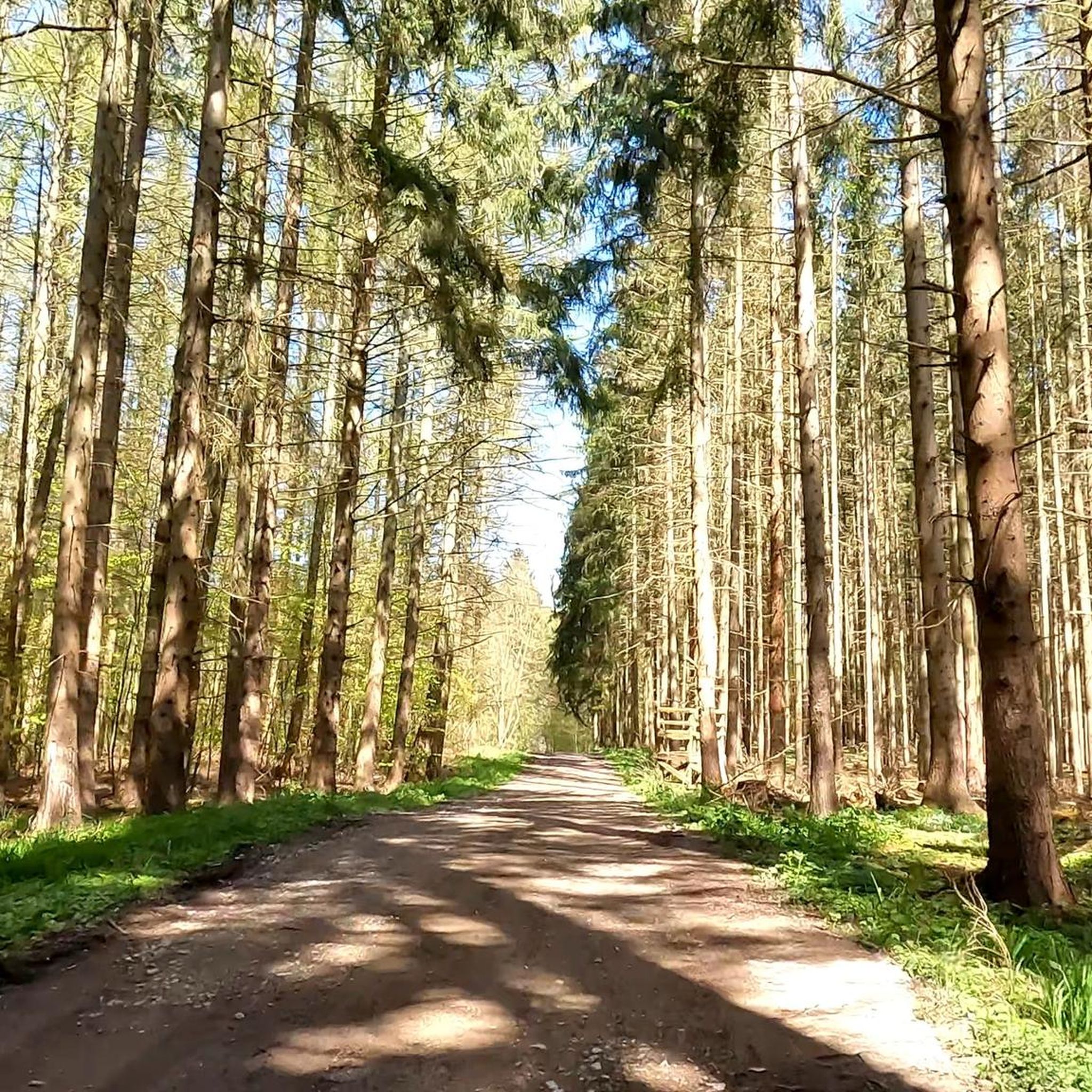
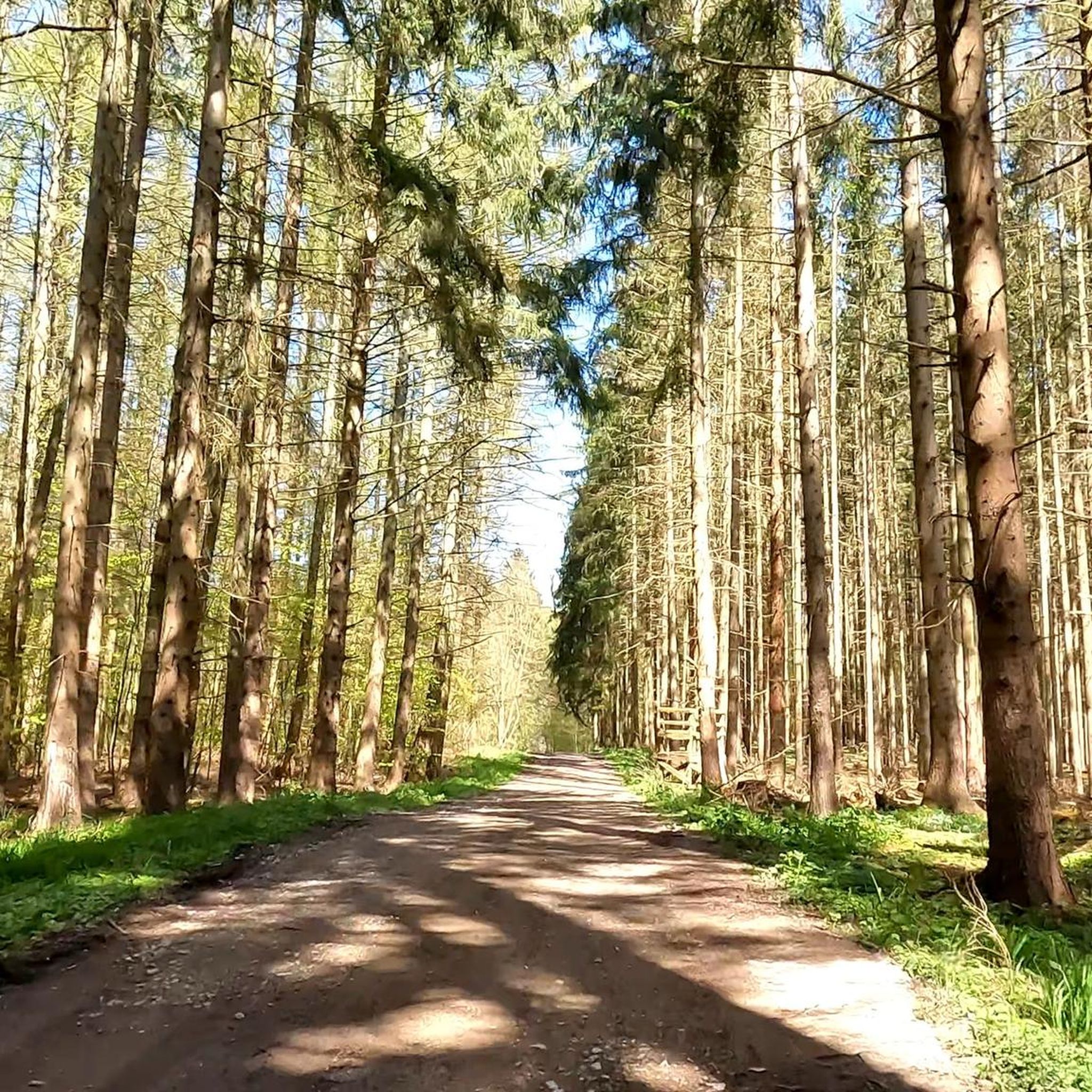
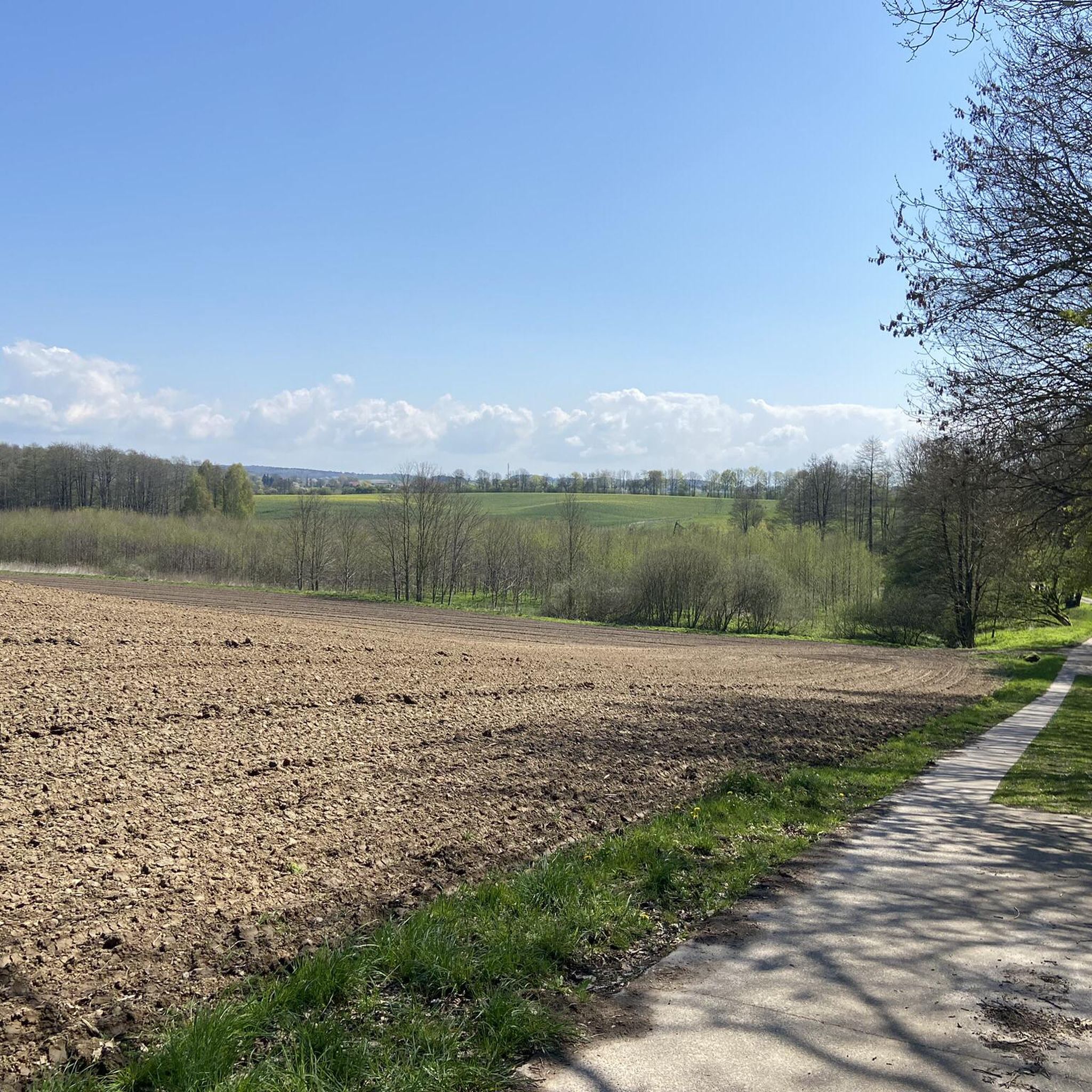
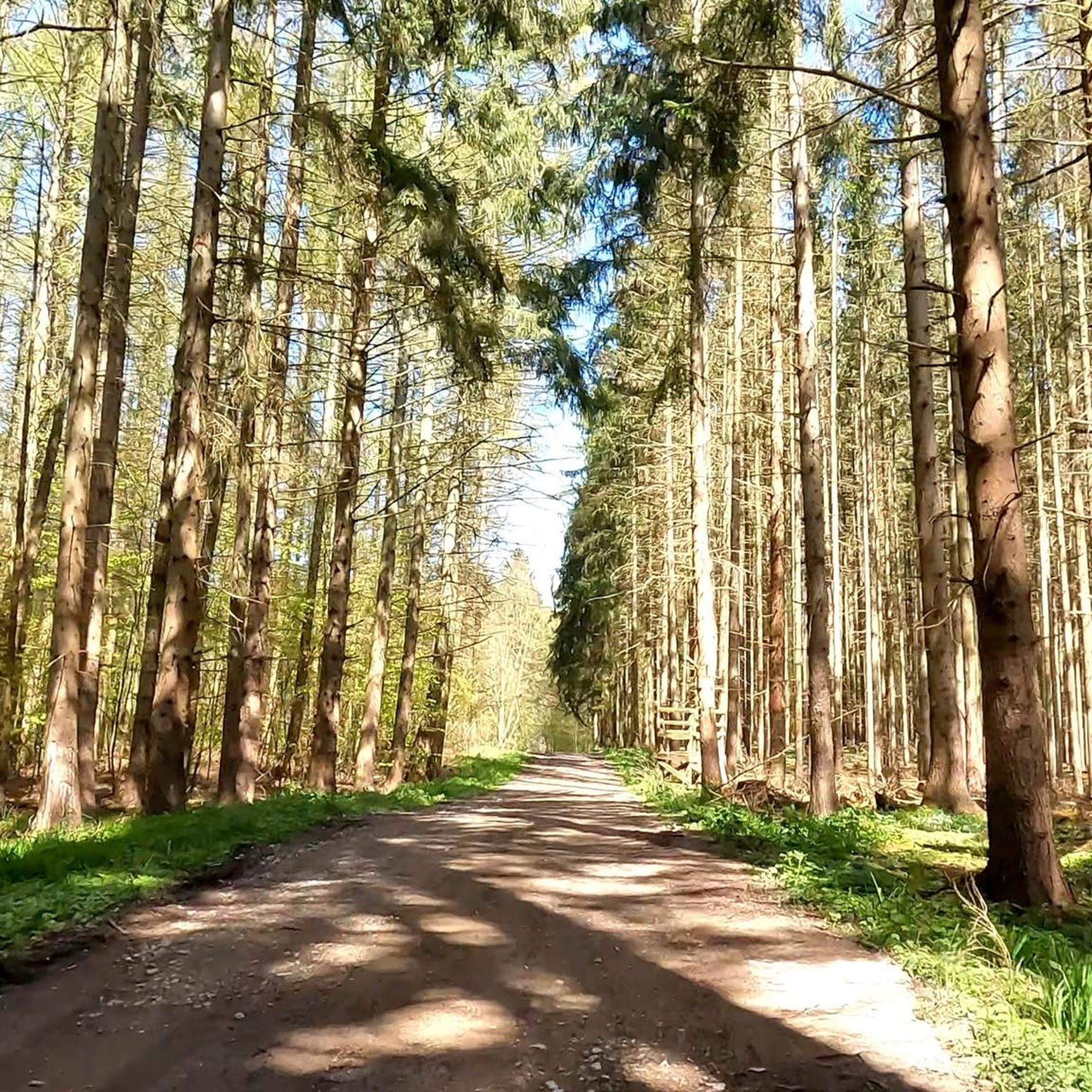

Tips from the Community

Not accessible with cargo bikes or trailers, best to use the bridge about 200m upstream.
0
0

No special skill required.
0
0

Just stand on the bridge and look (astonished) because you can (almost) see a mountain stream
1
0


This fish ladder was built into the fog from the Bützow-Güstrower Canal.
1
0

Here you can also take a break and cool your feet. If you're bored, you can also balance and practice really well here because if you step next to it you'll notice it ;). XD
0
0

A fish ladder or fish pass is a hydraulic engineering facility on flowing waters to enable fish to overcome migration barriers in the form of weirs, hydroelectric power plants and, if necessary, waterfalls during fish migration
3
0

Fish ladder where you can watch gray herons fishing.
2
0
Frequently Asked Questions
What unique natural monuments can I explore around Plaaz?
Beyond the immediate vicinity of Plaaz, the broader Mecklenburg-Vorpommern region offers several remarkable natural monuments. These include the ancient Ivenack Oaks, Germany's first National Natural Monument, known for trees up to 1,000 years old. You can also find unique man-made structures integrated with nature, such as the Fish ladder on the Nebel at the Bützow-Güstrow Canal near Lüssow, which helps fish overcome migration barriers.
Are there family-friendly natural monuments near Plaaz?
Yes, several natural monuments are suitable for families. The Güstrow Palace Gardens offer a well-maintained historical site that families can explore. Additionally, the Swimming lake near Tolzin is a great spot for families, often not overcrowded even in summer, perfect for a swim or a relaxing stop.
What kind of natural features can I expect to see in the region?
The region around Plaaz, within Mecklenburg-Vorpommern, is characterized by a diverse landscape shaped by glacial activity. You'll encounter numerous lakes, ancient forests, and riverine areas. Notable features include the dramatic chalk cliffs of Jasmund National Park and the extensive ancient beech forests, some of which are UNESCO World Heritage sites, found in both Müritz and Jasmund National Parks.
What outdoor activities can I do near these natural monuments?
The area offers a variety of outdoor activities. You can find numerous hiking trails, such as those mentioned in the Hiking around Plaaz guide, including routes like the 'Schliefenberg Lake loop'. For cyclists, there are road cycling routes, like those in the Road Cycling Routes around Plaaz guide. Running trails are also available, for example, the 'Mühlteich loop' from Gremmelin, detailed in the Running Trails around Plaaz guide.
Can I spot wildlife at the natural monuments around Plaaz?
Yes, the region is rich in wildlife. At the Fish ladder, visitors can observe gray herons fishing. The broader Mecklenburg-Vorpommern region, particularly Müritz National Park, is known for its high breeding density of white-tailed eagles and ospreys, and is a crucial resting place for migratory birds like cranes in Vorpommersche Boddenlandschaft National Park.
What is the best time of year to visit the natural monuments in this region?
The best time to visit depends on your interests. Spring and autumn are ideal for birdwatching, especially for cranes in the Vorpommersche Boddenlandschaft National Park. Summer offers pleasant conditions for swimming at places like the Swimming lake near Tolzin and enjoying boat tours. The ancient forests and coastal areas are beautiful year-round for hiking, with autumn providing vibrant foliage.
Are there any historically significant natural monuments or sites nearby?
Yes, the Güstrow Palace Gardens are a notable historical site and natural monument. While the castle itself may have varying accessibility, the gardens are well-maintained and open for visitors. The Ivenack Oaks also hold significant historical value as Germany's first National Natural Monument, with some trees dating back to the Middle Ages.
What do visitors enjoy most about the natural monuments around Plaaz?
Visitors appreciate the blend of natural beauty and unique features. For instance, the Wishing Oak is loved for its charm and the simple pleasure of hugging an ancient tree. The fish ladders are popular for their engineering marvel and the chance to observe wildlife like herons. The overall tranquility and well-maintained environments, such as the Güstrow Palace Gardens, also receive high praise.
Are there accessible options for visitors with limited mobility?
While specific accessibility details for all sites are not always available, the Ivenack Oaks offer a 620-meter-long accessible treetop trail and a 40-meter-high observation tower with an elevator, providing panoramic views suitable for many visitors.
Where can I find parking near the natural monuments?
Parking availability varies by location. For popular sites like the Ivenack Oaks and national parks like Müritz or Jasmund, designated parking areas are generally available near visitor centers or trailheads. For smaller, more local natural monuments, parking might be less formal, often found along roadsides or in nearby villages.
Can I bring my dog to the natural monuments?
Many natural areas in Mecklenburg-Vorpommern are dog-friendly, especially on trails and in open spaces, provided dogs are kept on a leash. However, specific rules can vary by location, especially within nature reserves or national parks. It's always advisable to check local signage or official websites for the specific natural monument you plan to visit to confirm their pet policies.
Most popular routes around Plaaz
Most popular attractions around Plaaz

Get inspired with the komoot mobile app


Explore more
Extend your search for the best caves by checking out these guides of the top ones around Plaaz:
