Top 20 Natural Monuments around Klein Upahl
Best natural monuments around Klein Upahl are found within the broader Mecklenburg-Vorpommern region, characterized by its natural beauty and historical sites integrated with the landscape. This area features untouched landscapes, national parks, and natural beaches, providing diverse nature experiences. The region is home to three national parks, three biosphere reserves, and seven nature parks, preserving a rich array of flora and fauna.
Best natural monuments around Klein Upahl
- The most popular natural monument is Mildenitz Gorge, a gorge that…
Last updated: August 18, 2026
Boitiner Steintanz Stone Circles
Highlight • Historical Site
Eines der bekanntesten Bodendenkmale in Mecklenburg Vorpommern ist der aus insgesamt vier Steinkreisen bestehende sogenannte Steintanz von Boitin. Bereits vor Jahrhunderten erregte er grobes Aufsehen und verschiedene Deutungen …
Tip by

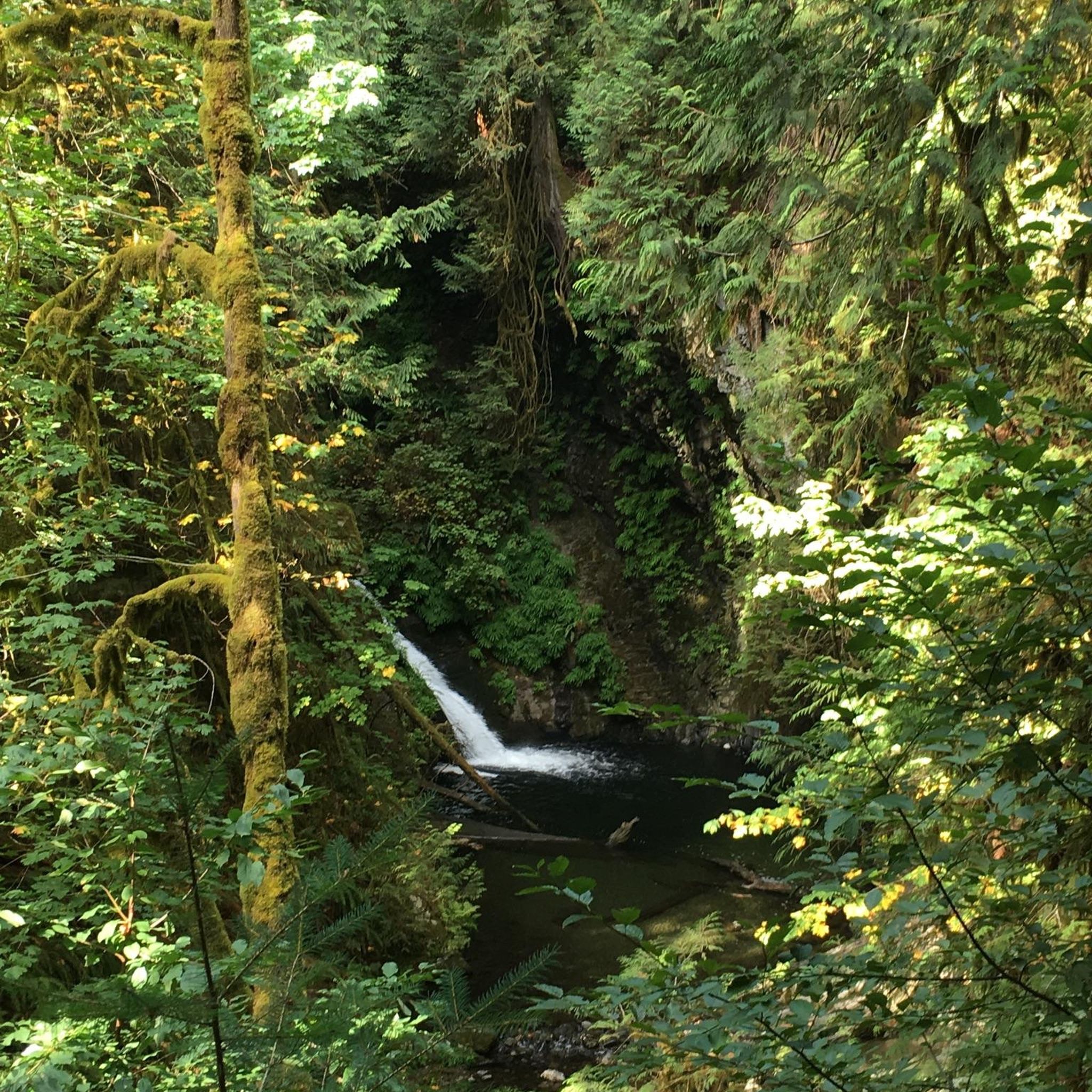
Mildenitz Gorge
Highlight (Segment) • Gorge
Translated by Google •
Tip by

Sign up now to discover places like this
Get recommendations on the best single tracks, peaks, & plenty of other exciting outdoor places.
Sign up for free
Lenzener Steintanz Stone Circle
Highlight • Historical Site
Translated by Google •
Tip by

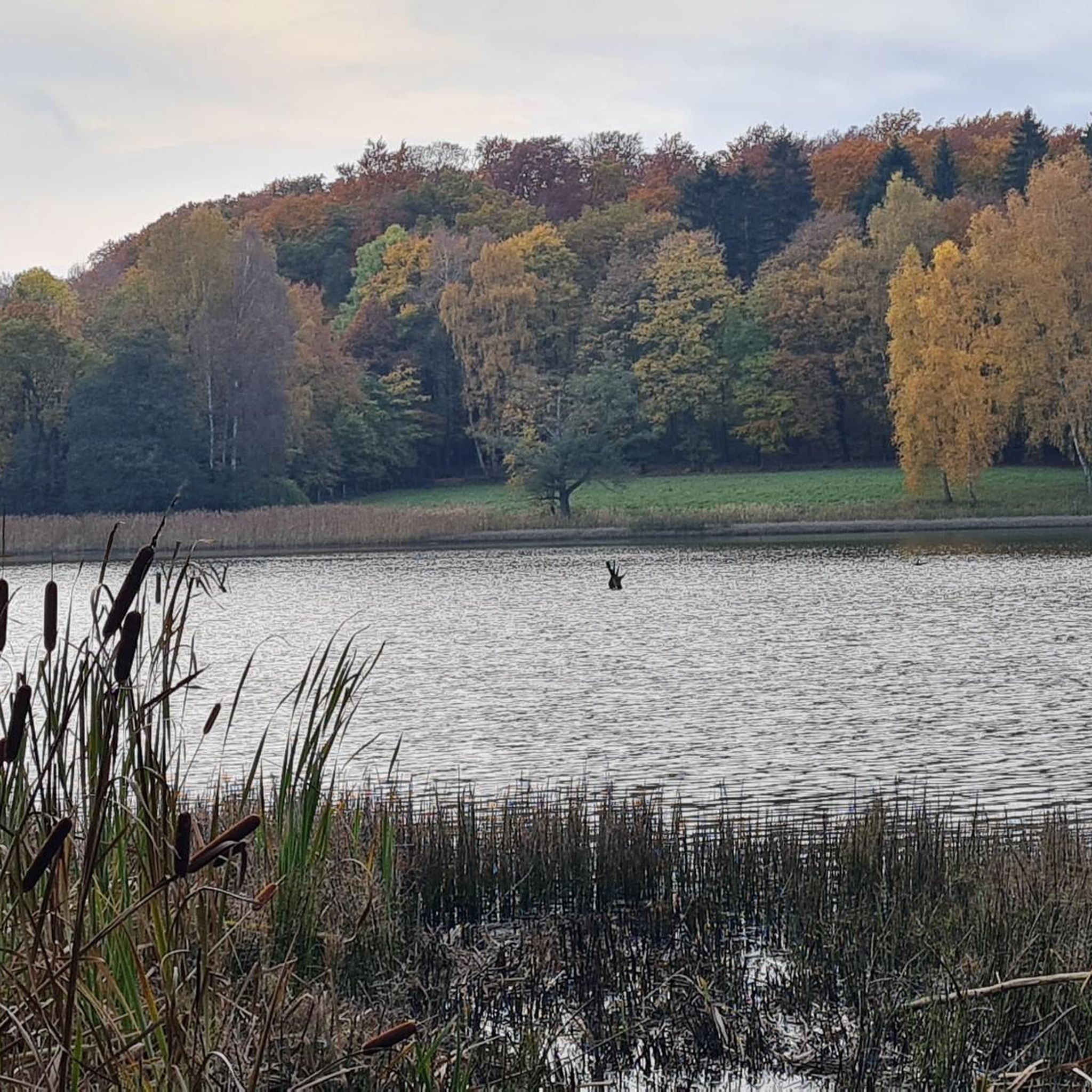
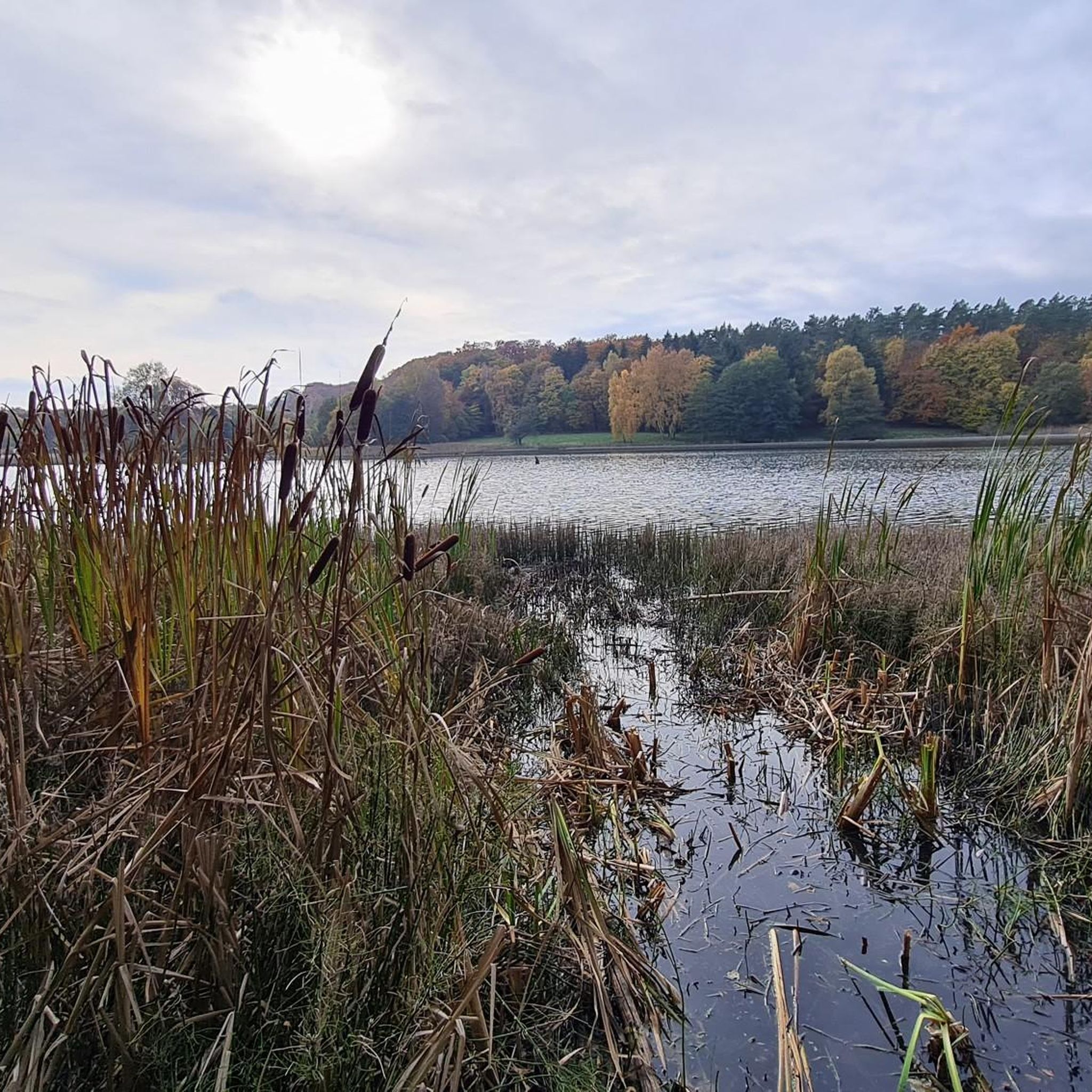
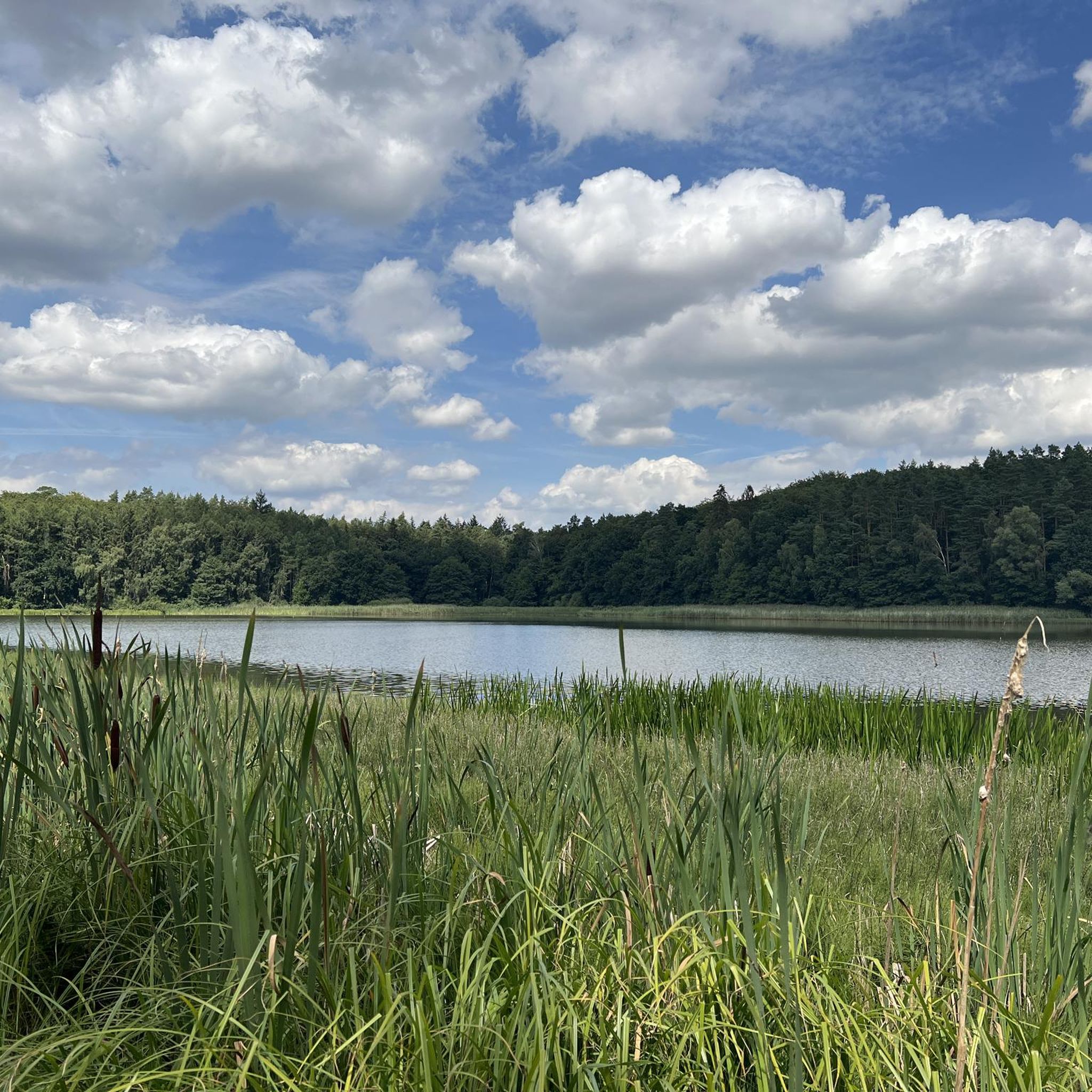
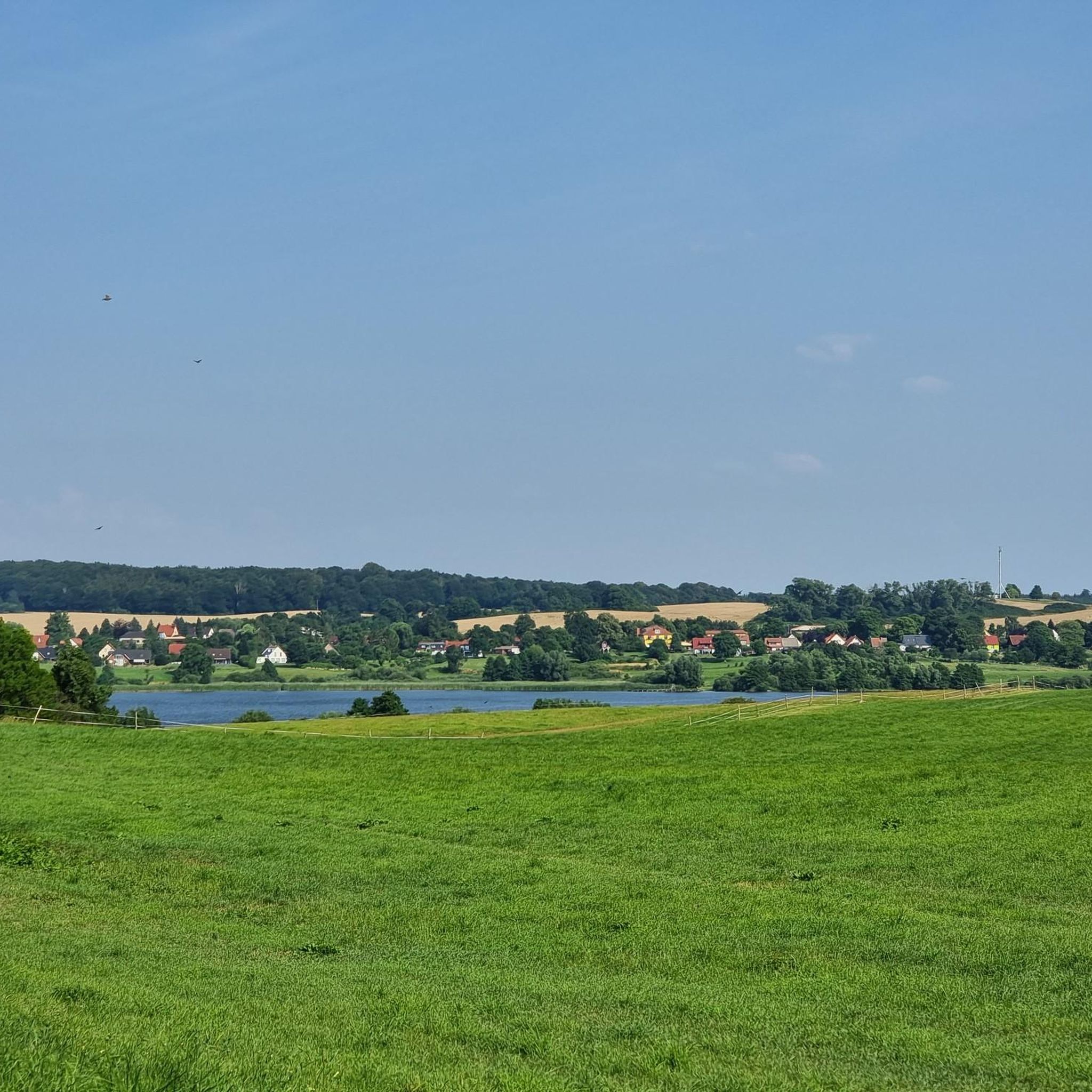
Garder Lake
Highlight • Lake
Translated by Google •
Tip by

Stargazing and Observation Point Nossentiner/Schwinzer Heide
Highlight • Viewpoint
Translated by Google •
Tip by
Sign up for free to discover even more natural monuments around Klein Upahl.
Sign up for free
Already have an account?
Start today with a free account
Your next adventure awaits.
Login or Signup
Tips from the Community


very beautiful river where you can discover a lot
0
0


The Boitin Stone Dance is one of the most famous archaeological monuments in Mecklenburg-Western Pomerania. It consists of four stone circles. The stone circles are located in the Tarnow district of Boitin, near the town of Bützow - in the forest, on a straight stretch between Tarnow and Zernin (approx. 2.2 km). The Boitin Stone Dance consists of three stone circles that are close together and a stone circle about 100 m opposite. The position of the stone circles and information about them can be seen on an information board on site. The large stone circle consists of 9 stones. Some stones have names, such as "Kanzel". The granite stone that tapers upwards, with the vertical row of holes, is called the "Brautlade". A shelter offers shelter in bad weather. Seating invites you to linger. Source: https://www.treffpunkt-ostsee.de/ostsee/sehenswertes/steinkreise/boitiner-steintanz-steinkreise.php
0
0

It is very nice to observe the stars here without any light pollution. In the evenings, this is one of the quietest places you can imagine. The only downside: if the wind is blowing in the wrong direction, you can smell the stench of the turkey farm.
0
0

This is a stargazing spot in M/V, one of ten in the area, well located due to the low "light pollution" at night from cities and industry, because there is nothing else here but "landscape", unfortunately even stars were only visible a few because the moon was too bright and there were too many clouds, but above us there was a spookily beautiful sky with a white flashing moon... beautiful! 😃
1
0
It is estimated that several thousand stone circles were built in Europe in the Middle Stone Age. Many of them have disappeared over time, e.g. due to weathering or the formation of moors, others were used as material. Today only a few hundred remain. There are three stone circles next to each other here, a fourth in the forest a little way away, with a total of 30 menhirs (up to 1.60m high). There is even said to have been a fifth. The age is unclear, but at least people who died later in the Iron Age (750 BC to 1000 AD) are said to have been buried here. Wikipedia has an explanation of the calendar function, according to which the sunrise at the winter solstice, the 13 lunar months (Small Stone Dance), the 28 days of the month (Great Stone Dance), the 13x28=364 +1 (extra stone)=365 days of the year and the leap year solution (every four years - four additional stones) -->365 1/4 days are measurable/represented. https://de.m.wikipedia.org/wiki/Boitiner_Steintanz
1
0
This is one of three stone circles in Mecklenburg-Western Pomerania, and one of the few in Germany. It is a little off the beaten track, but is well signposted. The stone circle is rather small in size, about 10 - 15 meters in diameter. The total of 9 stones form a visually intact megalithic structure. The individual stones are up to 1.50m high. It is estimated that several thousand stone circles were built in Europe during the Middle Stone Age. Many of them have disappeared over time, e.g. due to weathering or the formation of bogs, others were used as material. Today only a few hundred remain, and this is one of them. (The Stone Age was so long ago! 9600 - 4300 BC)
1
0
Frequently Asked Questions
What types of natural features can I expect to find around Klein Upahl?
The region around Klein Upahl, part of Mecklenburg-Vorpommern, is characterized by diverse natural landscapes. You can explore features such as the breakthrough valley of Mildenitz Gorge with its river, the natural Garder Lake nestled in a hilly moraine landscape, and expansive forests. The broader area also includes national parks, biosphere reserves, and nature parks.
Are there any historical or archaeological sites that are considered natural monuments?
Yes, the region features significant historical sites intertwined with nature. The Boitiner Steintanz Stone Circles are a notable example, consisting of four distinct stone circles believed to be ancient burial sites from the pre-Roman Iron Age. Another similar site is the Lenzener Steintanz Stone Circle, a prehistoric cult and burial site with nine large boulders.
Are there family-friendly natural monuments around Klein Upahl?
Absolutely. Both Mildenitz Gorge and Garder Lake are considered family-friendly. Garder Lake offers an official bathing area and numerous lake accesses, perfect for a day out. The Stargazing and Observation Point Nossentiner/Schwinzer Heide is also a great spot for families to enjoy the night sky.
Where can I go for stargazing near Klein Upahl?
For an exceptional stargazing experience, visit the Stargazing and Observation Point Nossentiner/Schwinzer Heide. This location is known for its low light pollution, making it ideal for observing the night sky. It's one of several designated stargazing spots in Mecklenburg-Vorpommern.
What outdoor activities can I do near these natural monuments?
The area around Klein Upahl offers various outdoor activities. You can find numerous routes for cycling, road cycling, and easy hikes. For example, there are cycling tours like 'View of Güstrow Palace – Güstrow Cathedral loop' and easy hikes such as 'Dröger Kraug Rest Area loop'. You can explore more options on the dedicated guide pages for Cycling around Klein Upahl, Road Cycling Routes around Klein Upahl, and Easy hikes around Klein Upahl.
Are there specific hiking trails near the natural monuments?
Yes, there are trails suitable for hiking. For instance, the Mildenitz Gorge features a pleasant trail running close to the river. For more general hiking options, you can check the Easy hikes around Klein Upahl guide, which includes routes like the 'Dröger Kraug Rest Area loop'.
What do visitors enjoy most about the natural monuments around Klein Upahl?
Visitors particularly appreciate the untouched natural beauty and the blend of history with the landscape. The peaceful trails along the river in Mildenitz Gorge, the opportunity for swimming and relaxation at Garder Lake, and the historical significance of the Boitiner Steintanz Stone Circles are frequently highlighted. The low light pollution for stargazing is also a unique draw.
Is it possible to swim in any of the lakes or rivers?
Yes, Garder Lake offers an official bathing area, making it a great spot for swimming. There are also numerous other accesses to the lake for visitors to enjoy the water.
What is the best time to visit the natural monuments around Klein Upahl?
The best time to visit largely depends on your preferred activities. Spring and autumn offer pleasant temperatures for hiking and cycling, with beautiful foliage changes. Summer is ideal for swimming and water activities at Garder Lake. For stargazing at the Observation Point Nossentiner/Schwinzer Heide, clear, moonless nights are best, which can occur year-round.
Are the natural monuments around Klein Upahl suitable for dog owners?
Many natural areas and trails around Klein Upahl are suitable for walks with dogs, provided they are kept on a leash and owners clean up after them. Specific rules may apply in designated bathing areas or nature reserves, so it's always good to check local signage. The trails around Mildenitz Gorge and the general forest paths are popular for dog walks.
How accessible are the natural monuments for visitors?
Accessibility varies by location. While some trails, like those in Mildenitz Gorge, might involve uneven terrain, many areas around lakes and observation points offer easier access. For specific accessibility information, it's recommended to check details for individual highlights or consult local tourist information.
Most popular routes around Klein Upahl
Most popular attractions around Klein Upahl

Get inspired with the komoot mobile app


Explore more
Extend your search for the best caves by checking out these guides of the top ones around Klein Upahl:
