Top 20 Natural Monuments around Oldendorf (Luhe)
Best natural monuments around Oldendorf (Luhe) are found within a region known for its heathland and unique geological features. The area is part of the Lüneburger Heide Nature Park, a protected landscape of significant ecological importance. Visitors can explore a variety of natural formations, from powerful springs to expansive heathland panoramas. This landscape offers opportunities to observe distinct natural phenomena and diverse ecosystems.
Best natural monuments around Oldendorf (Luhe)
- The most popular natural monuments is Schwindebach Spring, a natural…
Last updated: June 25, 2026
Heathland Panorama in Lüneburger Heide Nature Park
Highlight • Viewpoint
Translated by Google •
Tip by

Schwindebach Spring
Highlight • Natural Monument
Further information: de.wikipedia.org/wiki/Schwindebach
Translated by Google •
Tip by

Sign up now to discover places like this
Get recommendations on the best single tracks, peaks, & plenty of other exciting outdoor places.
Sign up for free
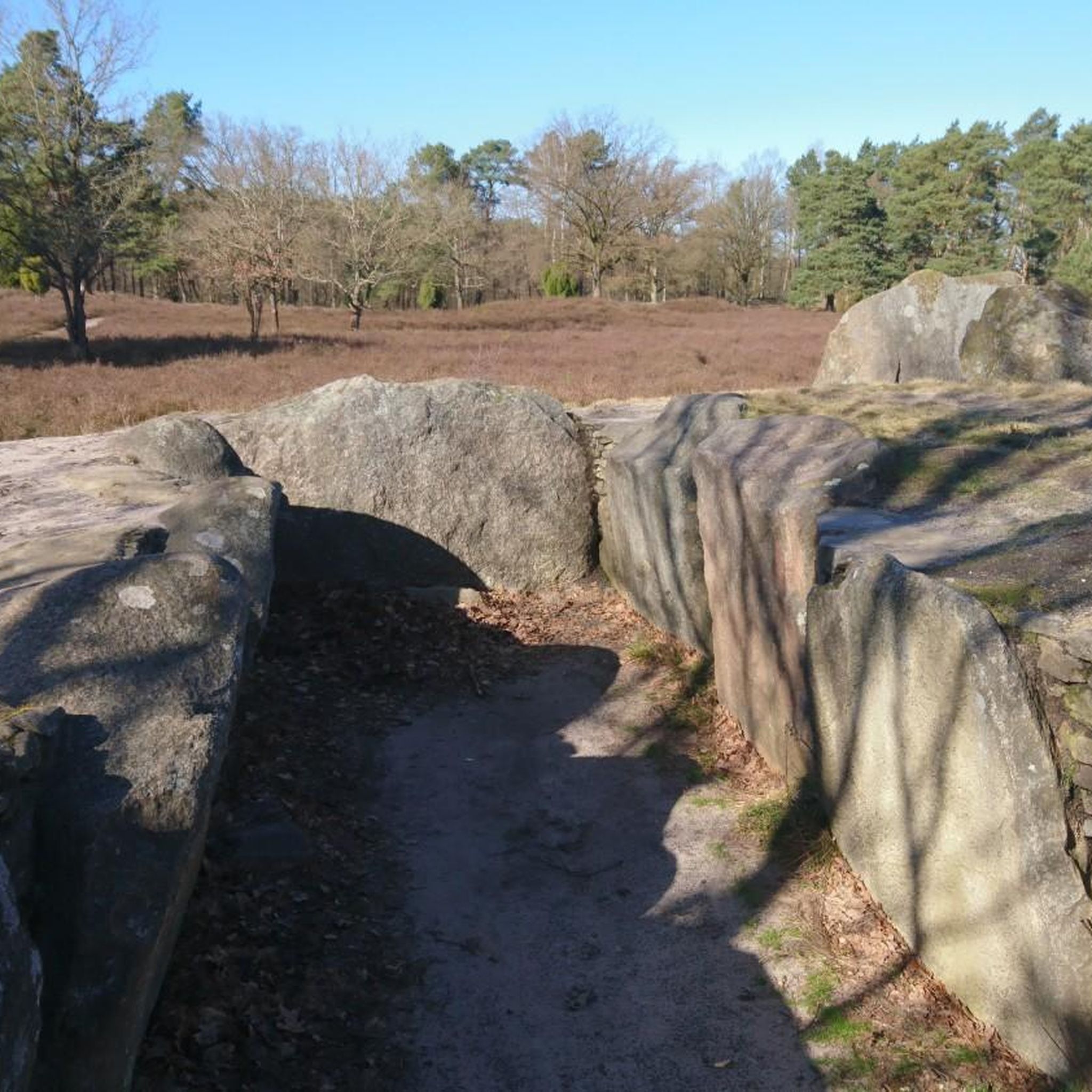
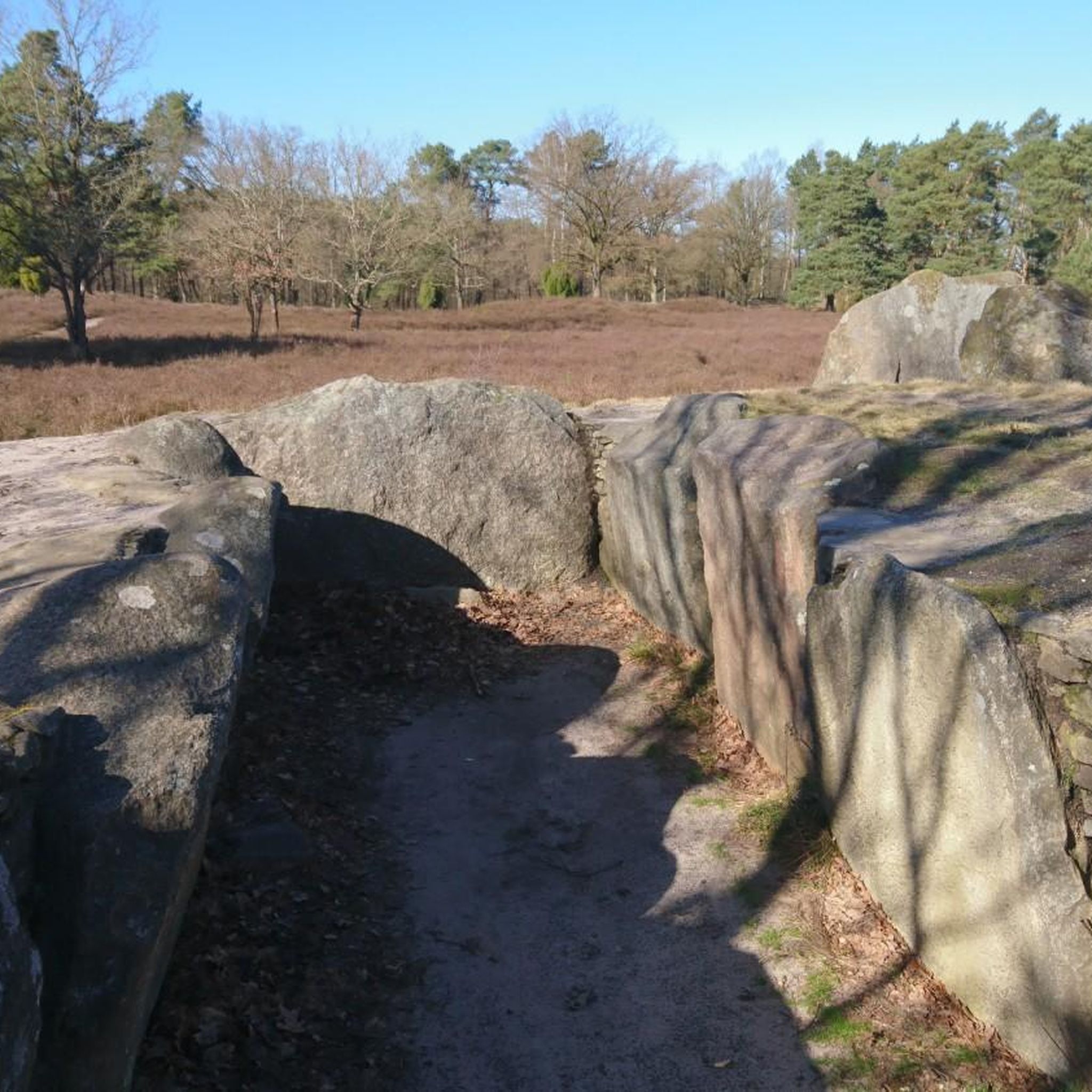
Oldendorf (Luhe): Mystical Oldendorfer Burial Ground
Highlight • Historical Site
Translated by Google •
Tip by

Marxener Paradise
Highlight • Natural Monument
Translated by Google •
Tip by
Long Barrow IV, Oldendorfer Burial Site
Highlight • Historical Site
Translated by Google •
Tip by

Sign up for free to discover even more natural monuments around Oldendorf (Luhe).
Sign up for free
Already have an account?
Start today with a free account
Your next adventure awaits.
Login or Signup
Tips from the Community

From here you can start a beautiful hike.
0
0

During our visit, the heath wore a white dress. Absolutely beautiful.
0
0
Very ancient history brought vividly to life. Very impressive.
1
0

"Classic" heathland near the parking lot
0
0

The "Legendary Hünenweg" also runs along this path. All information about the circular trail can be found at the following link: https://www.lueneburger-heide.de/natur/touren/14004/oldendorf-luhe-wanderweg-sagenhafter-huenenweg-rundweg-13-km.html (as of September 4, 2025).
1
1

Great people must have been buried there.
0
0

The heather is worth visiting now from October to the end of September as it is now in its flowering season
0
0

I'll save myself the copy-key, which is largely done here - and with such frequency that it makes you sick. Oldendorfer Totenstatt is an old large stone grave in the countryside of Oldendorf (Luhe). Mighty boulders form a burial chamber here, which has been used several times over the centuries. A picnic area invites you to take a break. The unusual shape of the valley immediately catches the eye. It is believed that this valley was formed by a river at the end of the Ice Age and therefore received its shape. From here you can easily get to Kronsbergheide. The Heath Queen of Amelinghausen has been elected there since 1950. Heather Blossom Festival takes place every year in the 3rd week of August. Totenstatt is a RAD-free zone! MTB and gravel cyclists should pay particular attention...the Totenstatt is not a lawless area
8
1
Frequently Asked Questions
What are the most popular natural monuments to visit around Oldendorf (Luhe)?
Visitors frequently enjoy the Schwindebach Spring, known as the second strongest spring in Lower Saxony with an impressive 60 liters of water per second emerging from the ground. Another favorite is the Heathland Panorama in Lüneburger Heide Nature Park, offering expansive views of the unique heath landscape. The Marxener Paradise is also highly regarded for its tranquil valley with juniper bushes and a central pond.
What unique natural features can I expect to see in the Oldendorf (Luhe) area?
The region is characterized by powerful springs, such as the Schwindebach Spring, where you can observe water actively rising from the earth with a 'very nice play of colors.' You'll also find extensive heathlands, particularly within the Lüneburger Heide Nature Park, and unique valleys like the Marxener Paradise, which features juniper bushes and tranquil ponds.
Are there family-friendly natural monuments around Oldendorf (Luhe)?
Yes, several natural monuments are suitable for families. Both the Schwindebach Spring and the Heathland Panorama in Lüneburger Heide Nature Park are considered family-friendly. The Marxener Paradise also offers a circular path and seating, making it a pleasant spot for families to explore.
When is the best time to visit the natural monuments, especially the heathlands?
While the heathlands can be enjoyed year-round for relaxation and fresh air, the most spectacular time to visit is during the heather bloom. This typically occurs from late July to October, with the peak bloom often observed around mid to late August. The Heathland Panorama in Lüneburger Heide Nature Park is particularly beautiful during this period.
What outdoor activities can I do near the natural monuments in Oldendorf (Luhe)?
The area offers a variety of outdoor activities. You can find numerous hiking trails, including those that pass through the Marxener Paradise or near the Schwindebach Spring. Cycling and mountain biking are also popular, with routes available throughout the Lüneburger Heide Nature Park. For more detailed route information, you can explore the hiking guide, cycling guide, and MTB guide for Oldendorf (Luhe).
Are there specific hiking trails that lead to or through these natural monuments?
Yes, there are several trails. For instance, the 'Legendary Hünenweg' runs along the Heathland Panorama in Lüneburger Heide Nature Park. You can also find circular paths within the Marxener Paradise. For a comprehensive list of routes, check the hiking guide for Oldendorf (Luhe), which includes trails like 'Marxener Paradise – Confluence of Lopau and Luhe loop from Oldendorf (Luhe)'.
What makes the Lüneburger Heide Nature Park significant?
The Lüneburger Heide Nature Park, which includes the Heathland Panorama, is Germany's oldest nature conservation area and a 'Special Area of Conservation' under the Habitats Directive. It is crucial for safeguarding a unique and historic heath landscape, protecting its diverse animals and plants, and maintaining biodiversity and scenic beauty of European importance.
What do visitors enjoy most about the natural monuments in Oldendorf (Luhe)?
Visitors particularly appreciate the tranquility and natural beauty. They enjoy observing the unique natural spectacle of the Schwindebach Spring, the expansive and serene views from the Heathland Panorama, and the idyllic atmosphere of places like the Marxener Paradise. Many find the combination of hills, heath, and water bodies to be a truly relaxing experience.
Are there any historical sites near the natural monuments?
While not natural monuments themselves, the Oldendorfer Totenstatt Megalithic Tombs are a significant historical and archaeological site located within the natural landscape. These ancient burial mounds and megalithic structures offer insights into prehistoric practices and are a notable attraction in the region, often visited alongside the natural sites.
Is the Schwindebach Spring accessible year-round, even in winter?
Yes, the Schwindebach Spring is accessible year-round. The spring water maintains a constant temperature of about 9 degrees Celsius, meaning it never freezes, even in winter. This makes it a reliable source of water for local wildlife and an interesting natural spectacle to observe regardless of the season.
Are there any specific geological features to note in the area?
The region's landscape is largely a product of the end of the ice age, contributing to features like the valleys and hills found at Marxener Paradise. The impressive flow of the Schwindebach Spring, where water pushes out of sandy ground, whirling up sand fountains and depositing reddish iron oxides and turquoise manganese oxides, is a notable geological phenomenon.
Can I bring my dog to the natural monuments?
Generally, the natural areas around Oldendorf (Luhe), including the Lüneburger Heide Nature Park, are dog-friendly. However, it is always recommended to keep dogs on a leash, especially in protected areas, to respect wildlife and other visitors. Specific rules may apply to certain trails or sensitive ecological zones, so always look for local signage.
Most popular routes around Oldendorf (Luhe)
Most popular attractions around Oldendorf (Luhe)

Get inspired with the komoot mobile app


Explore more
Extend your search for the best caves by checking out these guides of the top ones around Oldendorf (Luhe):
