Top 20 Natural Monuments around Lemgow
Best natural monuments around Lemgow are found within a diverse landscape in Lower Saxony, Germany. The region features agricultural areas, grasslands, forests, and hedges. It is significantly shaped by the Green Belt, a nature reserve following the former inner-German border, which runs through the southern part of the municipality. This area offers woodlands and grasslands, serving as an ecological corridor for various plant and animal species. Lemgow provides opportunities to experience natural features with historical significance.
Best natural monuments around…
Last updated: June 25, 2026
Nemitzer Heath
Highlight (Segment) • Natural
Translated by Google •
Tip by

Wirler Spitze and Klocksberg Dune
Highlight • Natural Monument
Translated by Google •
Tip by

Sign up now to discover places like this
Get recommendations on the best single tracks, peaks, & plenty of other exciting outdoor places.
Sign up for free
Access to the Green Belt (Grünes Band)
Highlight • Trail
Translated by Google •
Tip by

Birdwatching stand at the Brietz ponds
Highlight • Rest Area
Translated by Google •
Tip by

Wirler Point – Green Belt Memorial
Highlight • Historical Site
Translated by Google •
Tip by

Sign up for free to discover even more natural monuments around Lemgow.
Sign up for free
Already have an account?
Start today with a free account
Your next adventure awaits.
Login or Signup
Tips from the Community

At this point, the West German area jutted pointedly into the GDR, the next place in the West is Wirl, hence Wirler Spitze as it seems, it was one of many visitor points to look into the East. Opposite the Spitze on the Kolonnenweg stood an observation tower (BT) a small sand hill or dune named Klocksberg, here you can move freely today, in all directions! There are some nature conservation projects: biotopes, pulling pines, etc. It should also be a place of remembrance and reflection. 2 posts of the border fence have remained
0
0

On the Altmark side, there is a rest area, unfortunately only in the shade, with information about nature conservation along the Green Belt.
0
0
On the Lower Saxony side there is a meager seating area with a good view of the inland dune.
1
0

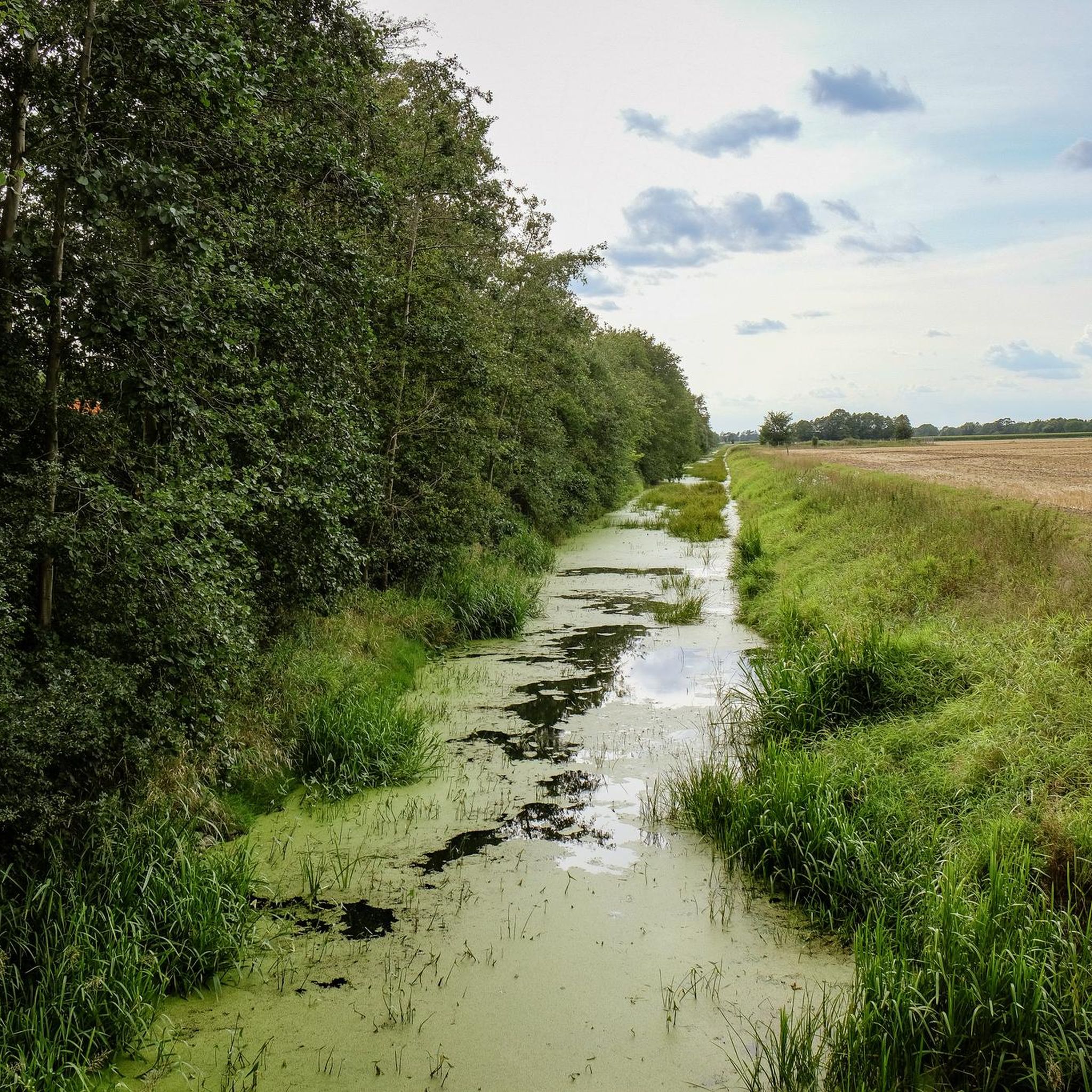
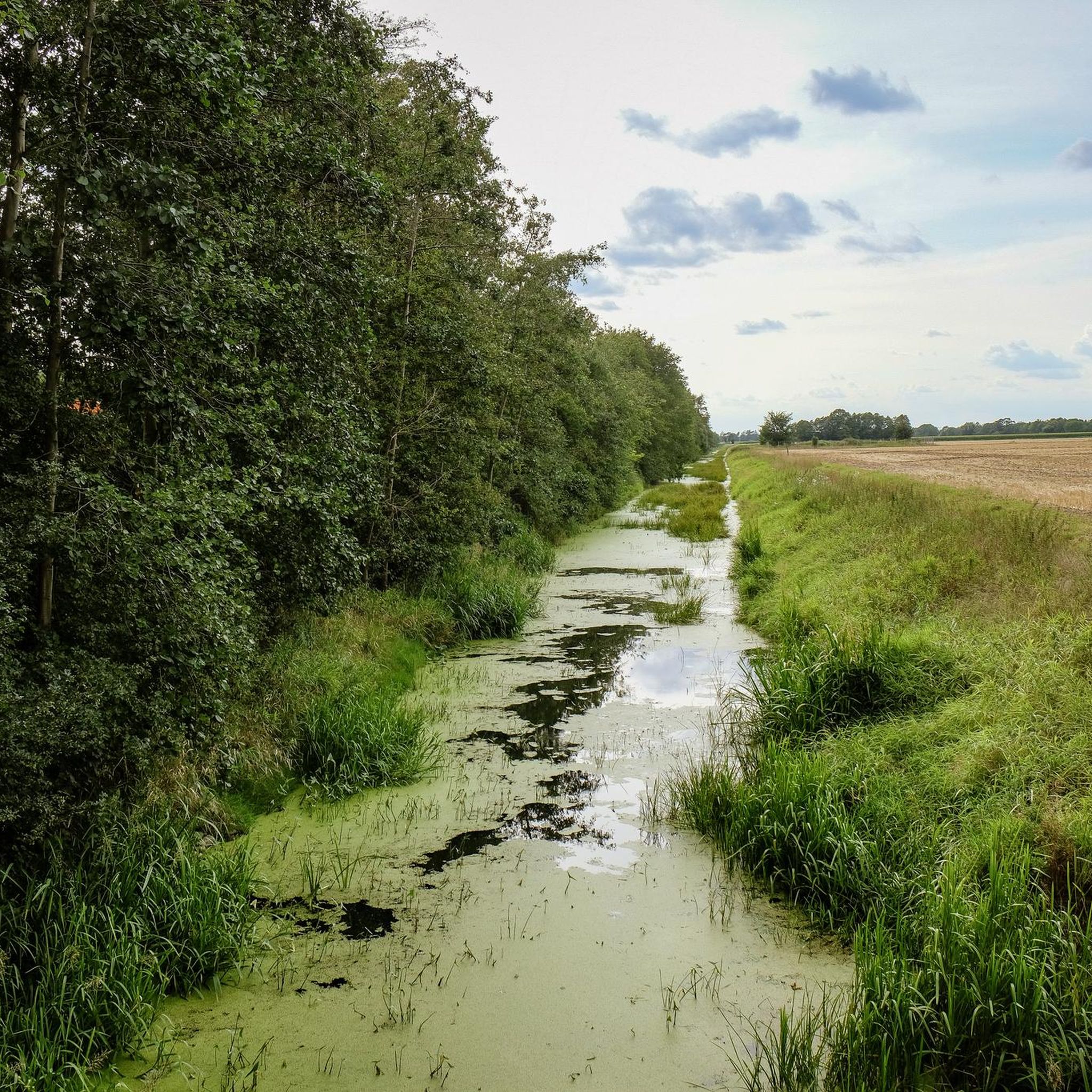
The Heathlands to the left and right are really nice to look at, would recommend. But the cycle path is tiring because of the constantly broken-by-roots tarmac. These small constant bumps are terrible and having any kind of suspension makes it much more endurable👍
0
0


Acute angle of the border of the former inner-German border. Today part of the 'Green Belt' hiking/biking trail
2
0

A striking point on the former inner-German border was the Wirler Spitze. As an inland dune in the middle of the forest, it makes the cut that once ran through Germany clear. To the east of the heather-covered dune is the GDR column path, to the west there is a forest path (BGS path) along which mounted customs officers guarded the border. Bernd Simon died here, fatally injured while trying to escape. The memorial plaque says: "He wanted to go from Germany to Germany." https://www.pferde-freizeitparadies.de/gr%C3%BCnes-band/
5
3
Frequently Asked Questions
What are the most notable natural monuments around Lemgow?
The Lemgow area, situated in Lower Saxony, Germany, is rich in diverse natural monuments. Key highlights include the Wirler Spitze and Klocksberg Dune, a unique inland dune and historical border point, and the expansive Nemitzer Heath, the largest heathland in the Lüchow-Dannenberg district. The region is also significantly shaped by the Green Belt, with accessible points like Access to the Green Belt (Grünes Band) offering insights into its natural and historical significance.
Are there family-friendly natural monuments to visit near Lemgow?
Yes, several natural monuments around Lemgow are suitable for families. The Wirler Spitze and Klocksberg Dune and Access to the Green Belt (Grünes Band) are both marked as family-friendly. Additionally, the Birdwatching stand at the Brietz ponds offers an engaging experience for all ages, allowing observation of diverse bird species in a wetland habitat.
What unique natural features can I expect to see in the Lemgow region?
The Lemgow region offers a variety of unique natural features. You can explore the Wirler Spitze and Klocksberg Dune, an inland dune formed during the last Ice Age. The Nemitzer Heath presents a distinctive heathland ecosystem. The Green Belt itself is a remarkable ecological corridor, tracing the former inner-German border, where nature has reclaimed areas, leading to high biodiversity and unique habitats.
Are there historical sites integrated with the natural monuments around Lemgow?
Absolutely. The natural monuments around Lemgow often intertwine with historical significance. The Green Belt, accessible via points like Access to the Green Belt (Grünes Band) and the Wirler Point – Green Belt Memorial, traces the former inner-German border. Here, you can observe remnants of border fences and learn about the area's past, making it a poignant blend of history and nature.
What outdoor activities can I do near these natural monuments?
The area around Lemgow offers various outdoor activities. You can enjoy extensive hiking on trails through the Nemitzer Heath or along the Green Belt. For more structured routes, consider exploring the diverse hiking trails around Lemgow. There are also options for MTB trails and running routes in the vicinity, allowing you to experience the natural beauty actively.
Where can I go birdwatching near Lemgow?
For birdwatching, the Birdwatching stand at the Brietz ponds is an excellent spot. This valuable wetland habitat is home to a unique diversity of migratory and breeding birds, including marsh harriers, snipe, and water rails. With luck, you might also spot white-tailed eagles, cranes, black storks, and even otters or beavers.
Are there hiking trails specifically within the Nemitzer Heath?
Yes, the Nemitzer Heath, being the largest heathland area in the Lüchow-Dannenberg district, offers numerous hiking trails. These paths allow you to explore its unique ecosystem and enjoy the distinctive heathland landscape. Many paths are sandy, making them ideal for walking.
What is the Green Belt and why is it significant in the Lemgow area?
The Green Belt in the Lemgow region is a unique natural and historical landscape that traces the former inner-German border. It's significant because nature has reclaimed these once strictly guarded areas, leading to high biodiversity. It serves as an ecological corridor for various plant and animal species and offers a poignant blend of history and nature, allowing visitors to walk along former border paths and observe thriving ecosystems.
What do visitors enjoy most about the natural monuments around Lemgow?
Visitors particularly appreciate the blend of natural beauty and historical context. The tranquil environment of places like the Wirler Spitze and Klocksberg Dune offers a peaceful break, while the historical aspects of the Green Belt provide a unique educational experience. The extensive hiking opportunities through diverse landscapes like the Nemitzer Heath are also highly valued by the komoot community.
Can I find information about the former inner-German border at these natural monuments?
Yes, the natural monuments around Lemgow, particularly those along the Green Belt, provide ample information about the former inner-German border. At locations like Wirler Point – Green Belt Memorial, you can find billboards describing personal fates and historical events related to the border. Exploring these areas offers a tangible connection to recent history.
Are there any specific geological formations to see?
Yes, the Wirler Spitze and Klocksberg Dune is a notable geological formation. It is a large inland dune, considered a relic from the last Ice Age, offering a unique landscape feature in the region.
What kind of wildlife can be spotted near the natural monuments?
The diverse habitats around Lemgow support various wildlife. At the Birdwatching stand at the Brietz ponds, you can spot numerous bird species, including white-tailed eagles, cranes, black storks, and various waterfowl. The Green Belt itself is known for its high biodiversity, providing an ecological corridor for many plant and animal species, including heat-loving species in its heathland sections.
Most popular attractions around Lemgow

Get inspired with the komoot mobile app


Explore more
Extend your search for the best caves by checking out these guides of the top ones around Lemgow:
