Top 20 Natural Monuments around Hornstorf
Best natural monuments around Hornstorf are found in a region known for its diverse natural landscapes. Hornstorf is situated near the Warnow River, providing access to water-based activities and scenic views. The area offers proximity to the Baltic Sea coast, including Wismar Bay and the island of Poel. This part of Mecklenburg-Vorpommern features extensive forests, lakes, and significant natural attractions.
Best natural monuments around Hornstorf
- The most popular natural monuments is Metelsdorf Springs, a historical site that supplied the…
Last updated: July 8, 2026
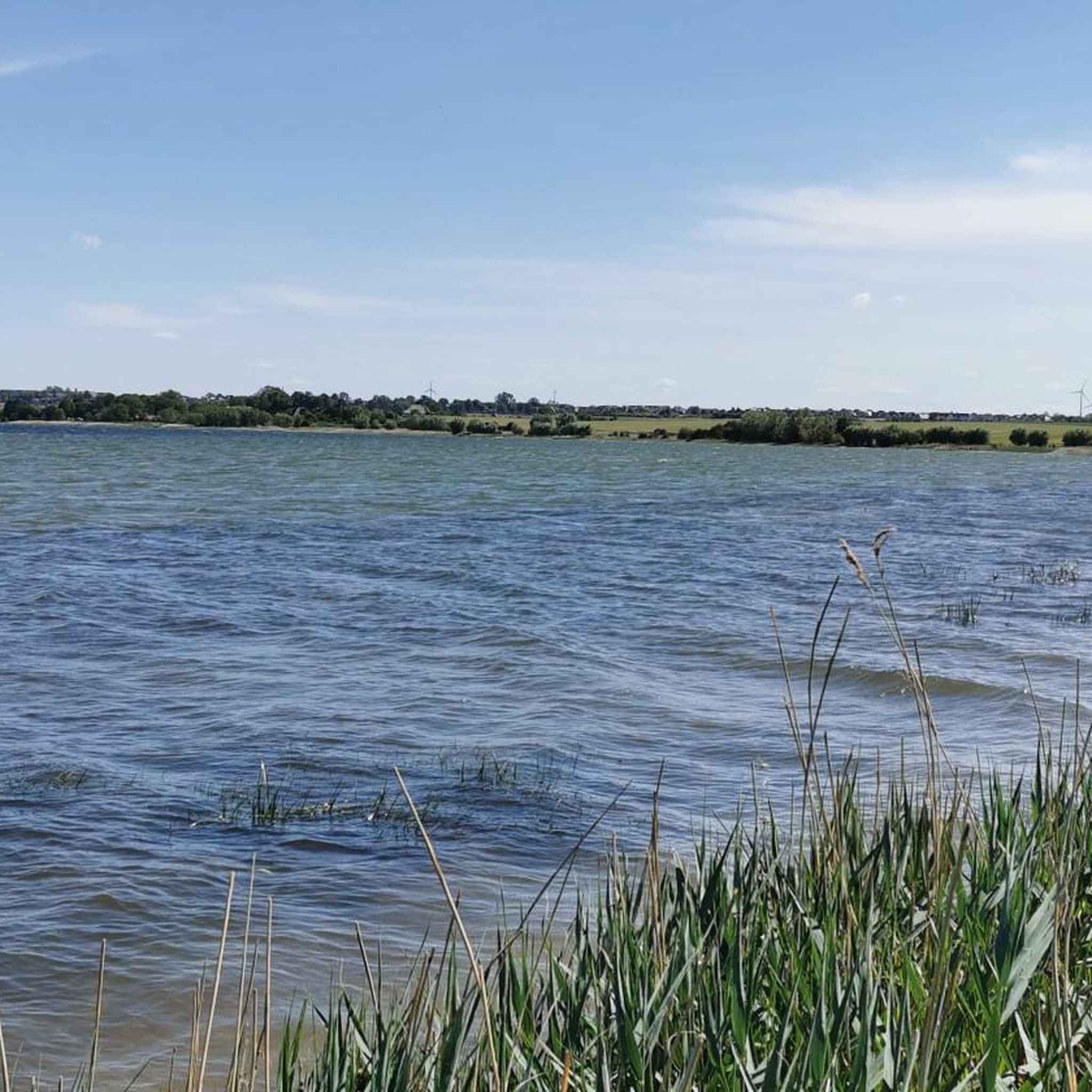
View of the Baltic Sea
Highlight • Viewpoint
First mentioned in a document in 1271, there has been a bird keeper station on the island …
Translated by Google •
Tip by

Lindengarten Park
Highlight • Forest
Some of the old trees in the lime garden are protected as natural monuments.
Translated by Google •
Tip by

Sign up now to discover places like this
Get recommendations on the best single tracks, peaks, & plenty of other exciting outdoor places.
Sign up for free
Metelsdorf Springs
Highlight • Historical Site
Translated by Google •
Tip by

Mecklenburg Rampart
Highlight • Historical Site
Translated by Google •
Tip by

Neuklostersee Peninsula
Highlight • Viewpoint
Translated by Google •
Tip by

Sign up for free to discover even more natural monuments around Hornstorf.
Sign up for free
Already have an account?
Start today with a free account
Your next adventure awaits.
Login or Signup
Tips from the Community

Quiet, secluded and beautiful
1
0

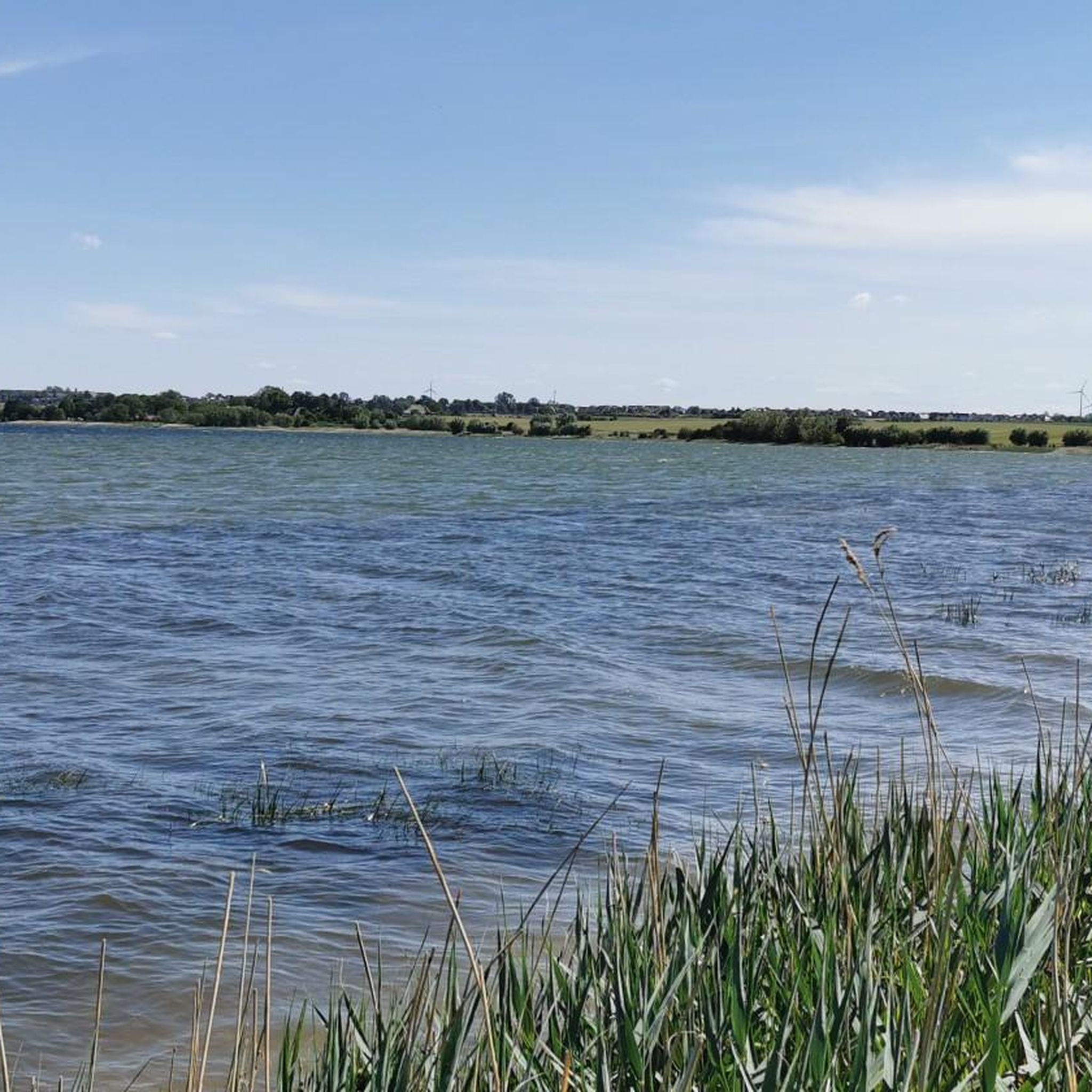
Well-preserved castle rampart of the village of Mecklenburg near Wismar! This impressive archaeological site is one of the most important in Mecklenburg-Western Pomerania and likely dates back to the late 7th to early 8th century. On site, you can marvel at an elliptical, tree-covered rampart that stretches approximately 234 m x 185 m. Its maximum height reaches up to 12.75 m above the surrounding meadows. A cemetery has been located on the 1.4-hectare castle grounds since 1870, underscoring the town's exciting history. The first castle complex is typical of the great "Feldberg castles" of that period and was built on the tip of a peninsula that juts out into a wide, marshy lowland. It's not worth "circling" it. It's a primitive field path with many elevations. There's nothing to see there except bushes and the surrounding countryside. 😉
3
0

In the park, next to an old stand of trees, stands a bronze sculpture by Horst Brühmann entitled "Metamorphosis." It is also a listed monument.[3] The Lindengarten once housed the memorial to the fallen Wismar soldiers of the Franco-Prussian War, erected in 1873 according to a design by architect Heinrich Thormann. It was dismantled in 1970. The memorial to Fritz Reuter, donated in 1896 by the widow of publisher Carl Hinstorff, featuring a bust modeled by sculptor Hermann Zimmermann, was moved in 1988 in front of the Reuter School on Dahlmannstrasse.
1
2
The complex was built by the city in 1815 with the help of donations on the site of a former Swedish fortification.[2] The park is bordered to the west by Bahnhofstraße and Bauhofstraße. To the south, Rostocker Straße forms the boundary. The Wismar–Rostock and Ludwigslust–Wismar railway lines run to the northeast. The Mühlenbach stream, known in the city as the Grube, runs through the park. At the northwest end are the remains of the medieval city fortifications from the second half of the 15th century. The former water tower supplied the Hanseatic city with drinking water until the 19th century. It was extensively renovated between 1996 and 1997.
1
0

Very nice and shady garden with lots of water right next to the train station.
1
0

Very romantic ❤️🔥 but if possible only in daylight and preferably in pairs. Drug dealers, drinking alcoholics and bored teenagers. Not a nice feeling walking through there.
1
2

The Lindengarten, located in the middle of the traditional Hanseatic city of Wismar, is a popular park under national monument protection - a green, cultivated oasis in an urban environment. The history of the impressive park goes back quite a long time: The Lindengarten was created on the site of the former Swedish citadel as early as 1815. The sprawling, shady trees and the many attractive benches invite you to relax and have fun. The park paths of the Lindengarten, especially along the Mühlenbach, have been designed to be very aesthetic and inviting. The stylish ambience of the park encourages you to linger for a longer time in the midst of the tranquil natural scenery. As a cultural landscape with an open and free concept, the beautiful Lindengarten is ideal for a pleasant walk with your favorite dog. https://wismar-hafenspitze.de/lindengarten-wismar/
3
0

The Mühlenbach, known in the city as the Grube, runs through the park. Some of the old trees in the lime garden are protected as natural monuments.
4
0
Frequently Asked Questions
What unique natural monuments can I discover near Hornstorf?
Beyond the well-known spots, you can explore the Lindengarten Park in Wismar, a protected green oasis with old trees and the Mühlenbach stream. Another unique natural monument is the Fern oak at the Gänsemarkt, a rare variety of English oak with distinctive sinuous, slit leaves.
Are there natural monuments around Hornstorf that are suitable for families?
Yes, several natural monuments are family-friendly. The Metelsdorf Springs offer an information board and seating, making it a good spot for a break. The Lindengarten Park is also ideal for a pleasant walk with children, featuring sprawling trees and benches. The Fern oak at the Gänsemarkt is an interesting natural feature that can be easily visited by families.
What kind of historical natural features can I find in the Hornstorf area?
The region around Hornstorf is rich in historical natural features. The Metelsdorf Springs are a historical site that supplied Wismar with water for over 400 years. Additionally, the Mecklenburg Rampart is an impressive archaeological site dating back to the late 7th to early 8th century, featuring a tree-covered rampart up to 12.75 m high.
What outdoor activities can I do near the natural monuments around Hornstorf?
The area offers various outdoor activities. You can find numerous routes for hiking, gravel biking, and mountain biking. These routes often lead through the scenic landscapes, including forests and along the Warnow River, providing opportunities to explore the natural monuments.
Are there any natural monuments where I can observe wildlife?
Yes, the Sand Martin nesting cliffs at Wohlenberger Wiek are a prime location for wildlife observation. Here, you can watch sand martins, a strictly protected species, as they use their tubular nesting holes. It's best to observe from the designated resting place above the cliffs, especially during the breeding season from April to July.
What is the best time of year to visit the natural monuments around Hornstorf?
The spring and summer months (April to September) are generally ideal for visiting, as the weather is pleasant for outdoor activities. During April and May, you can specifically observe sand martins at their nesting cliffs. The autumn also offers beautiful scenery with changing foliage in areas like the Lindengarten Park.
Are there any natural monuments with viewpoints or scenic overlooks?
The Sand Martin nesting cliffs at Wohlenberger Wiek offer a viewpoint where you can observe the nesting birds and the surrounding natural landscape of the Wiek. While not a high elevation, the area provides scenic coastal views.
What kind of natural landscapes can I expect to see around Hornstorf?
Hornstorf is situated in Mecklenburg-Vorpommern, a region known for its diverse natural landscapes. You can expect to see the picturesque Warnow River, extensive forests, and access to coastal environments like Wismar Bay and the Baltic Sea. The area also features nature reserves such as the Salzhaff, offering charming coastal sections and opportunities for nature enthusiasts.
Can I find easy walking trails to natural monuments for beginners?
Many of the natural monuments are accessible via easy paths. For instance, the Metelsdorf Springs and the Fern oak at the Gänsemarkt are easily reachable. The Lindengarten Park in Wismar also offers aesthetic and inviting park paths suitable for leisurely strolls.
Where can I find more information about the broader natural heritage of Mecklenburg-Vorpommern?
Mecklenburg-Vorpommern is home to national parks, biosphere reserves, and nature parks, including UNESCO World Heritage Sites. For more information on the state's diverse natural landscapes and experiences, you can visit visit-mv.com/nature or explore specific nature experiences at visit-mv.com/nature-experience.
Are there any natural monuments that are also significant archaeological sites?
Yes, the Mecklenburg Rampart is an impressive archaeological site. This elliptical, tree-covered rampart dates back to the late 7th to early 8th century and is considered one of the most important archaeological sites in Mecklenburg-Western Pomerania.
Most popular attractions around Hornstorf

Get inspired with the komoot mobile app


Explore more
Extend your search for the best caves by checking out these guides of the top ones around Hornstorf:
