Top 7 Natural Monuments around Belsch
Best natural monuments around Belsch showcase a landscape characterized by extensive forests, heathlands, and unique geological features. The region offers diverse natural areas for exploration and appreciation of its natural heritage. These sites are known for their ecological significance and varied terrain. Visitors can discover a range of natural monuments, from vast heathlands to distinctive sand dunes.
Best natural monuments around Belsch
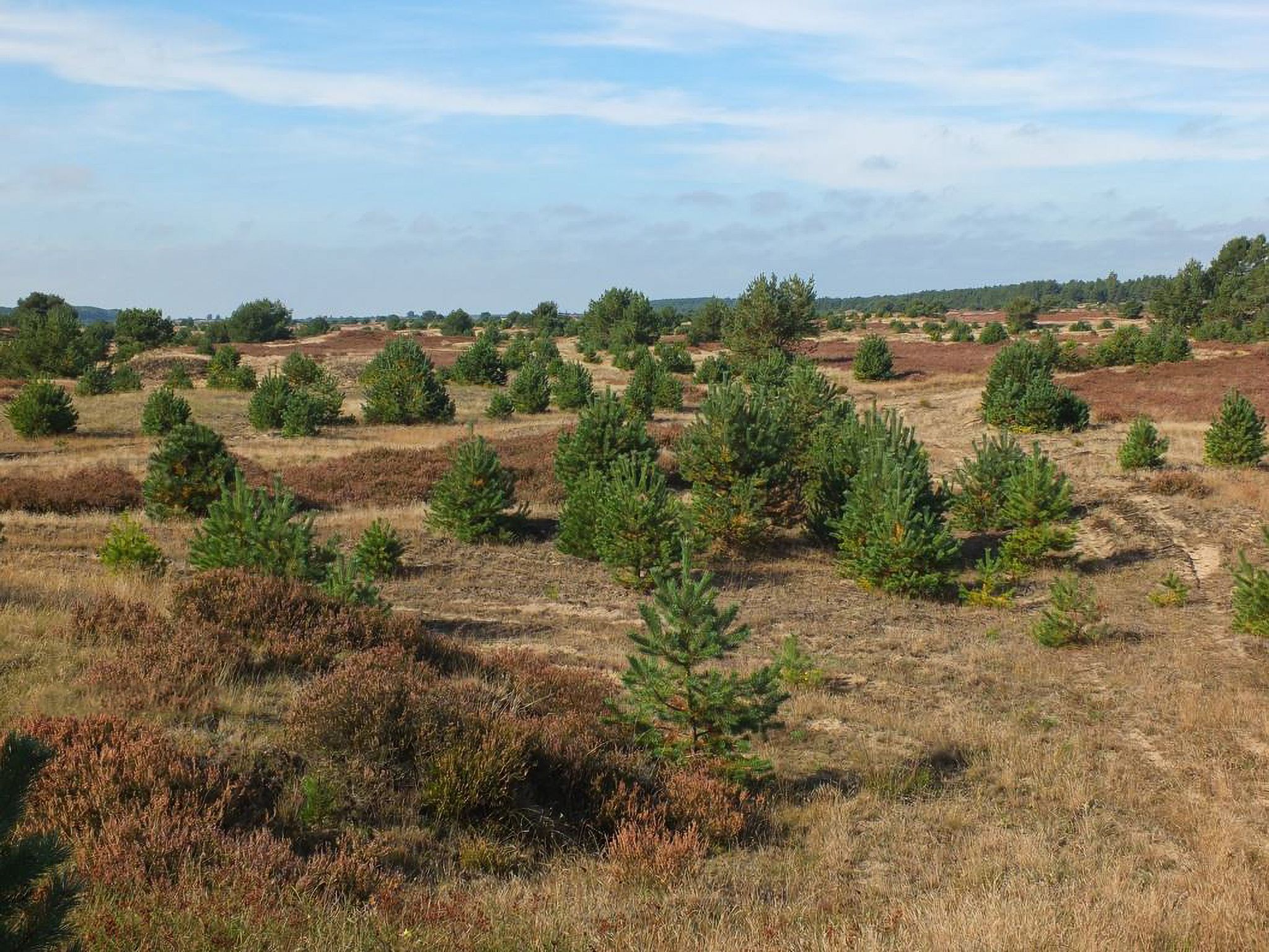
- The most popular natural monuments is Lübtheener Heide Entrance (Alt Jabel), a forest that provides good access…
Last updated: August 18, 2026
Lübtheener Heide Entrance (Alt Jabel)
Highlight • Forest
-------------------------------------------------- -----------
Väle Johrn would have lasted, now one can wander up bicycle and tau faut up'n padd dör de LübtheenerHeide ströpern. …
Translated by Google •
Tip by

Arthur von Treuenfels Memorial Stone in the Lübtheener Heath
Highlight • Monument
Translated by Google •
Tip by

Sign up now to discover places like this
Get recommendations on the best single tracks, peaks, & plenty of other exciting outdoor places.
Sign up for free
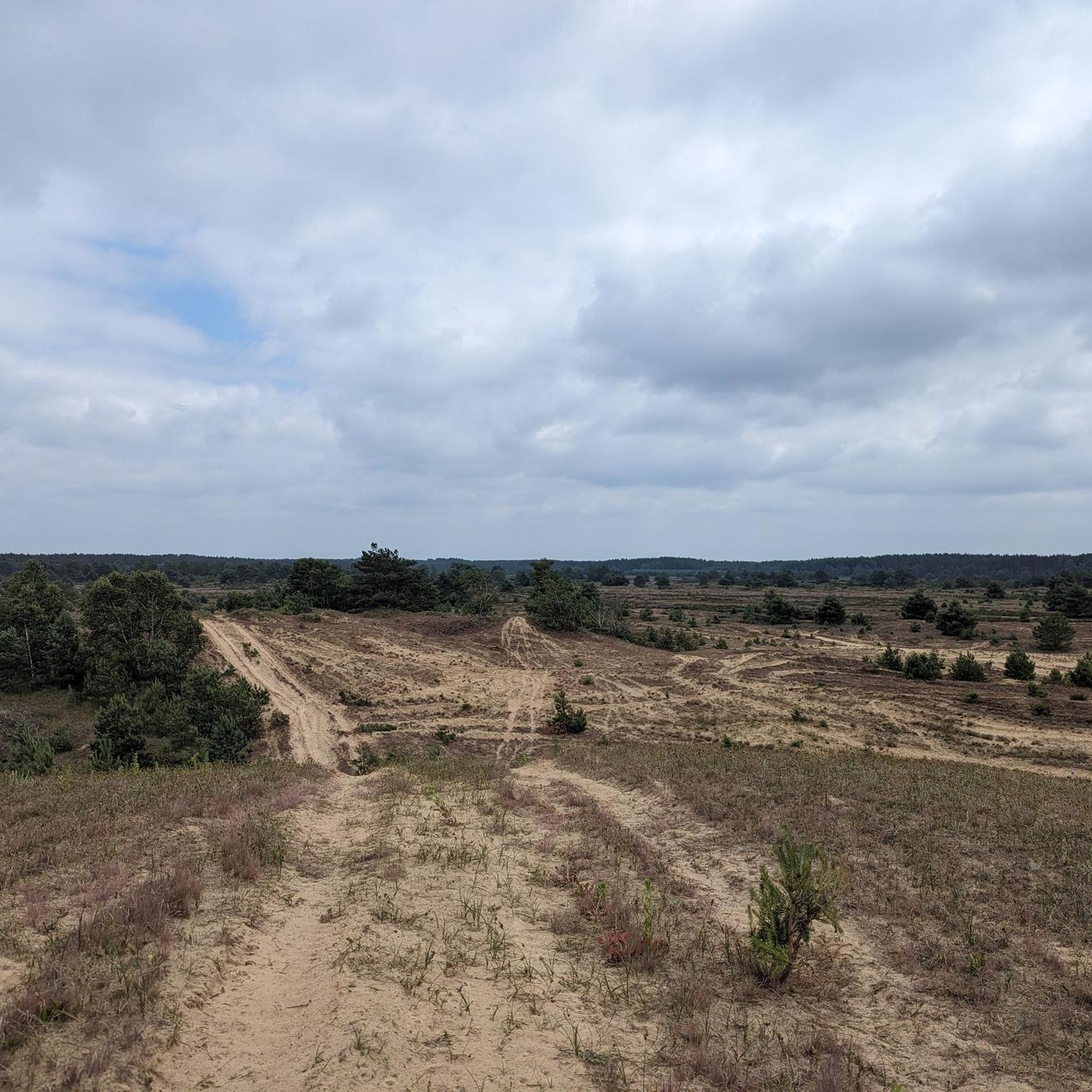
Lübtheener Heide Entrance at Hohenwoos
Highlight • Forest
--------------------------
Väle Johrn would have lasted, now one can wander up bicycle and tau faut up'n padd dör de LübtheenerHeide ströpern. …
Translated by Google •
Tip by
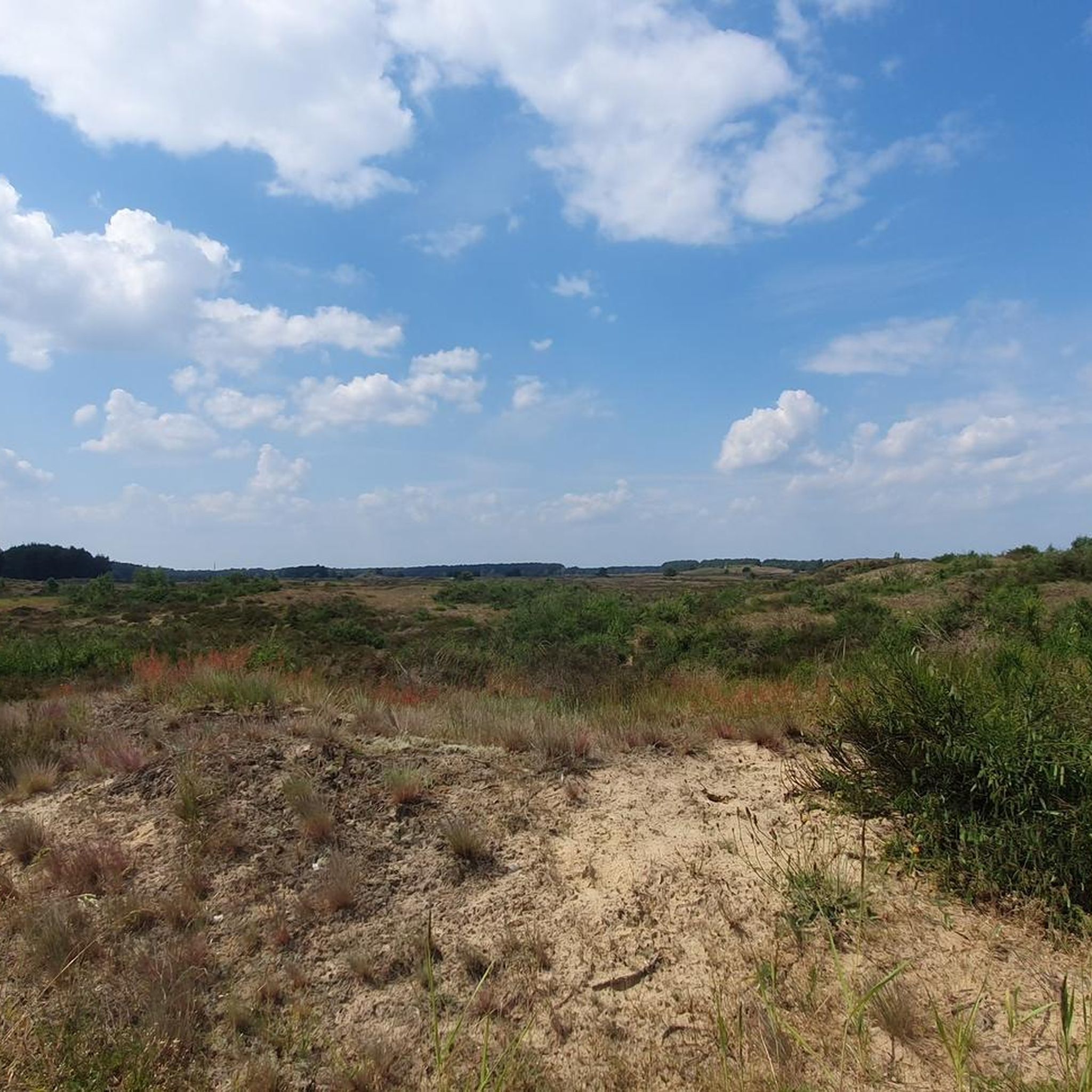
Wandering Dune (Schwarze Berge)
Highlight • Natural Monument
Translated by Google •
Tip by

View of the dunes from Teehaus Hill
Highlight • Viewpoint
Translated by Google •
Tip by

Sign up for free to discover even more natural monuments around Belsch.
Sign up for free
Already have an account?
Start today with a free account
Your next adventure awaits.
Login or Signup

Other adventures around Belsch

Tips from the Community

Definitely come here from the north. From all other sides, the area in the middle is extensively fenced. Maybe only seasonally, but better safe than sorry.
0
0

Nice place for a rest with a bench, table and a story.
2
0

In addition to a board that provides you with historical facts about the rock's namesake, there is also something for the eye. The heathland here is particularly beautiful to look at - especially when the heather is in bloom.
1
0
There is no longer a covered seating area on the hill. But if you are looking for shade, you can look for it on or in the house. From the hill, you can admire a wonderful panorama - including the inland dune.
0
0

Beautiful forest path and good access to the Lübheener Heide.
2
0

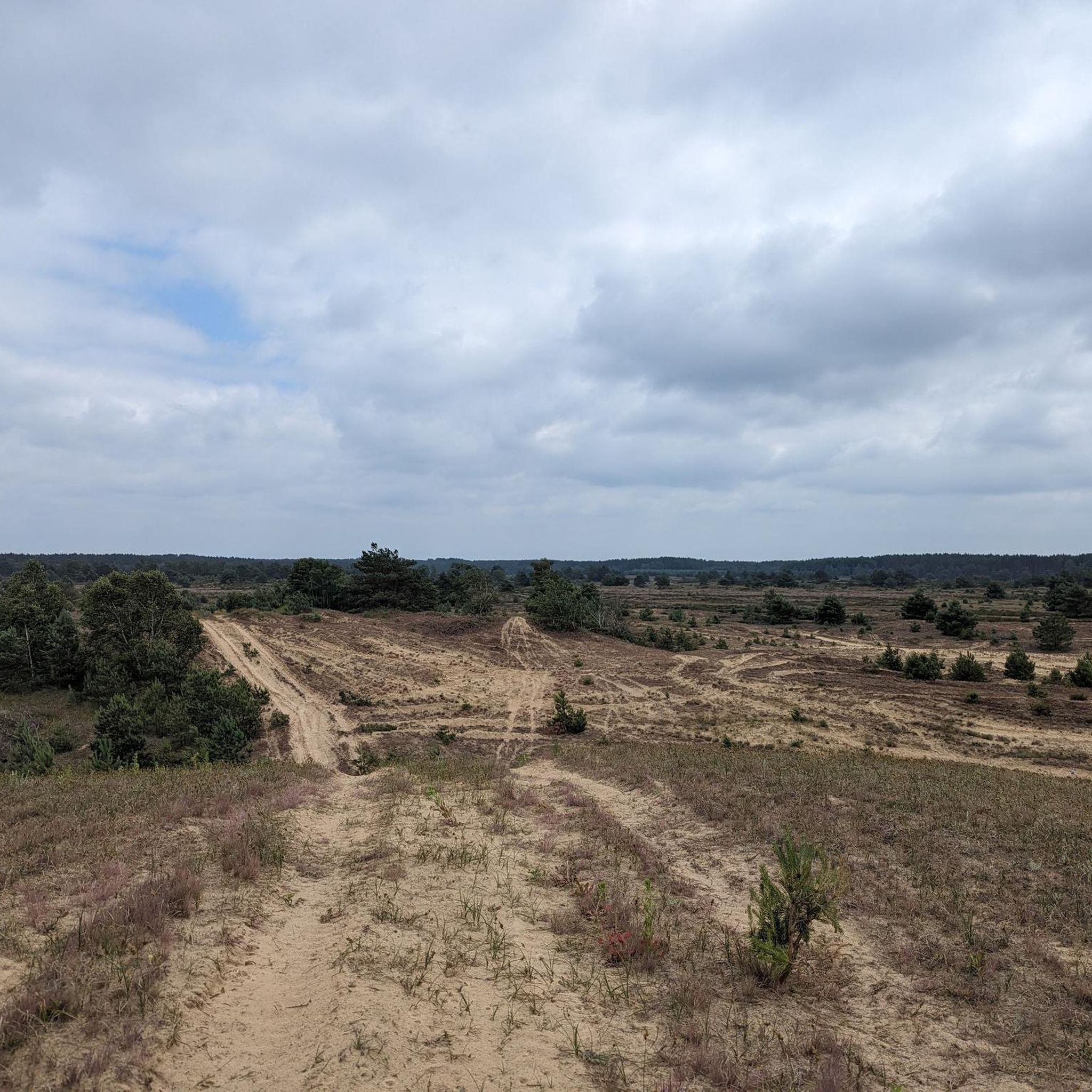
Enter the heath from the direction of Hohen Woos. -------------------------- Väle Johrn would have lasted, now one can wander up bicycle and tau faut up'n padd dör de LübtheenerHeide ströpern. Dat Rebeit is välen ok as Strepen, Streifen, Schießplatz, Truppenübungsplatz un JabelerHeide künnig. All the roads (gravel, fissures, sand, asphalt fragments) can be found in front of the villages and are now connected to the heathland. (Lübbendorf, Ramm, Belsch, Quast (Wüstung), Laupin, Loosen, Kavelmoor, HohenWoos, AltJabel, Vielank, Volzrade, Jessenitz, Trebs un ProbstJesar. Etc ...) In the year 2019 the big Waldbrand Lübtheen up grows on this flag, you can still see all the black trees for hours. To the south, the country consists here, as is mostly in the Griesen area, of well Dannbööm🌲, sand and heath🌾 - you can clearly not forget all the golden sand mountains (including black mountains) and inner dunes ... This gives in the heath banig well cross roads and twälen (fork) and there süll´n the Wieser (Hinweisschilder) help denn right padd tau find. If the meadows did not always show the right frog, you might be surprised. One who has been writing to Fritz Reuter for more than 150 years: … If ick came behind the Möhl, ick came in the heathen comfortless area! Sand and Dannenbusch and Heid´krut… so wied dat Oog reckt! Weg´gungen bi Weg´, yes, but wecker Weg what are you right? ” (F.Reuter to KalißerHeid, SüdWestMecklenb.)
0
0
Lookout point, rest area "Teehaus" with a wide view of the heathland and the dunes. ------------------------ Väle Johrn would have you, now a werre up bicycle and tau faut up'n padd dör de LübheenerHeide can struggle. Dat Rebeit is ok as stripes, stripes, shooting range, military training area and JabelerHeide künnig. All de Wäg (gravel, chippings, sand, asphalt fragments) laaten sik fien fohrn and de body ümtau sünd nu werre dör de Heid henndör verbunn. (Lübbendorf, Ramm, Belsch, Quast (Wüstung), Laupin, Loosen, Kavelmoor, HohenWoos, AltJabel, Vielank, Volzrade, Jessenitz, Trebs and ProbstJesar. Etc ...) In't Johr 2019 is up duss flag de grote WaldbrandLübheen 🚒 wäst, can be up Stunns still at all de swatten Bööm. Süst exists here, so as mostly in the GriesenGegend, ut väl Dannbööm🌲, Sand un Heide man - man klor, all the Gäl SandBargen (including Black Mountains) and inland dunes do not forget ... Dat giwt in de Heid bannig väl KrüzWäg un Twälen (fork) and dor süll'n de Wieser (signs) help the right Padd tau finn. Man de Wieser didn’t show the right padd, but you’re able to bitter. One war all for miehr as 150 Johrn us Fritz Reuter schräben: “… As ick achter de Möhl kamm, kamm ick in de Heid'ne desolate area! Sand an Dannenbusch an Heid'krut ... so again that Oog stretches! Weg´gungen bi Weg´, yeah, äwer wecker Weg what de right? " (F.Reuter to KalißerHeid, South WestMecklenb.)
0
1
Frequently Asked Questions
What are the most popular natural monuments around Belsch?
The most popular natural monuments around Belsch include the Lübtheener Heide Entrance (Alt Jabel), which provides excellent access to the extensive forests, sand, and heathland. Another highly regarded spot is the Wandering Dune (Schwarze Berge), recognized as part of the largest contiguous sand heath and dry grassland on fly sands in Mecklenburg. Visitors also appreciate the View of the dunes from Teehaus Hill, offering a wide panorama of the heathland and inland dunes.
What kind of natural features can I expect to see around Belsch?
Around Belsch, you can expect to see a landscape characterized by extensive forests, vast heathlands, and unique geological features, particularly distinctive sand dunes. The area is known for its ecological significance, featuring dry grasslands and wooded areas. You'll find places like the Lübtheener Heide with its forests and sandy terrain, and impressive inland dunes such as the Wandering Dune.
Are there family-friendly natural monuments around Belsch?
Yes, the Arthur von Treuenfels Memorial Stone in the Lübtheener Heath is categorized as family-friendly. It offers a nice place for a rest with a bench and table, and provides historical context about the area. The surrounding heathland is also beautiful to explore with family, especially when the heather is in bloom.
What outdoor activities can I do near these natural monuments?
The natural monuments around Belsch are excellent starting points for various outdoor activities. You can enjoy easy hikes, with routes like the Lumi Ice Cream Vending Machine loop from Lübtheen or the Hiking loop from Hohenwoos Ziegelei. For cyclists, there are options for touring bicycles, such as the Petruskirche Pritzier loop from Belsch. Mountain biking enthusiasts can explore trails like the Viewpoint Schießbahn 2 loop from Probst Jesar. You can find more details on these activities in the easy hikes around Belsch guide, cycling around Belsch guide, and MTB trails around Belsch guide.
Are there hiking trails near the natural monuments in Belsch?
Yes, there are several hiking opportunities near the natural monuments. The Lübtheener Heide, accessible via the Lübtheener Heide Entrance (Alt Jabel), offers many cross roads for exploration. You can find easy hiking loops such as the Lumi Ice Cream Vending Machine loop from Lübtheen (6.8 km) or the Hiking loop from Hohenwoos (4.9 km). For more options, refer to the easy hikes around Belsch guide.
What do visitors enjoy most about the natural monuments around Belsch?
Visitors particularly enjoy the extensive and varied landscapes, from dense forests to unique sand and heathlands. The opportunity to wander through areas like the Lübtheener Heide, which was once a military training ground and is now open for exploration, is highly valued. The panoramic views, especially from spots like the Teehaus Hill, and the serene atmosphere of the heathland are also frequently praised.
Can I see the aftermath of the 2019 forest fire near Belsch?
Yes, you can visit the Burnt Forest Area in Biosphärenreservat Flusslandschaft Elbe - Mecklenburg-Vorpommern. This area shows the impact of the large Waldbrand Lübtheen from 2019, with many black trees still visible. While it's a sad sight for nature lovers, there are also glimmers of hope with new small trees growing, showcasing nature's resilience.
Are there any viewpoints to get a good overview of the Belsch natural monuments?
Absolutely. The View of the dunes from Teehaus Hill is a prime viewpoint offering a wonderful panorama of the heathland and the inland dunes. Another spot is the Arthur von Treuenfels Memorial Stone, which also provides a good view of the surrounding heathland, particularly beautiful when the heather is in bloom.
What is the significance of the Wandering Dune (Schwarze Berge)?
The Wandering Dune (Schwarze Berge) is a significant natural monument because it is part of the natural site Lübtheener heath, which is recognized as the largest contiguous sand heath and dry grassland on fly sands in Mecklenburg. It represents a unique geological feature within the region's diverse landscape.
What is the best time to visit the natural monuments around Belsch?
While specific seasonal recommendations are not detailed, the heathlands, such as those around the Arthur von Treuenfels Memorial Stone, are particularly beautiful to look at when the heather is in bloom. This typically occurs in late summer to early autumn, offering vibrant colors. The extensive forests and sandy areas are generally pleasant for exploration during spring, summer, and early autumn.
Are there any historical or cultural points of interest within the natural monuments?
Yes, the Arthur von Treuenfels Memorial Stone in the Lübtheener Heath serves as a historical point of interest. It's a resting place with a bench, table, and a board providing historical facts about Arthur Hugo von Treuenfels (1823-1904), adding a cultural layer to your visit amidst the natural beauty of the heathland.
Most popular attractions around Belsch

Get inspired with the komoot mobile app


Explore more
Extend your search for the best caves by checking out these guides of the top ones around Belsch:
