Top 8 Natural Monuments around Leussow
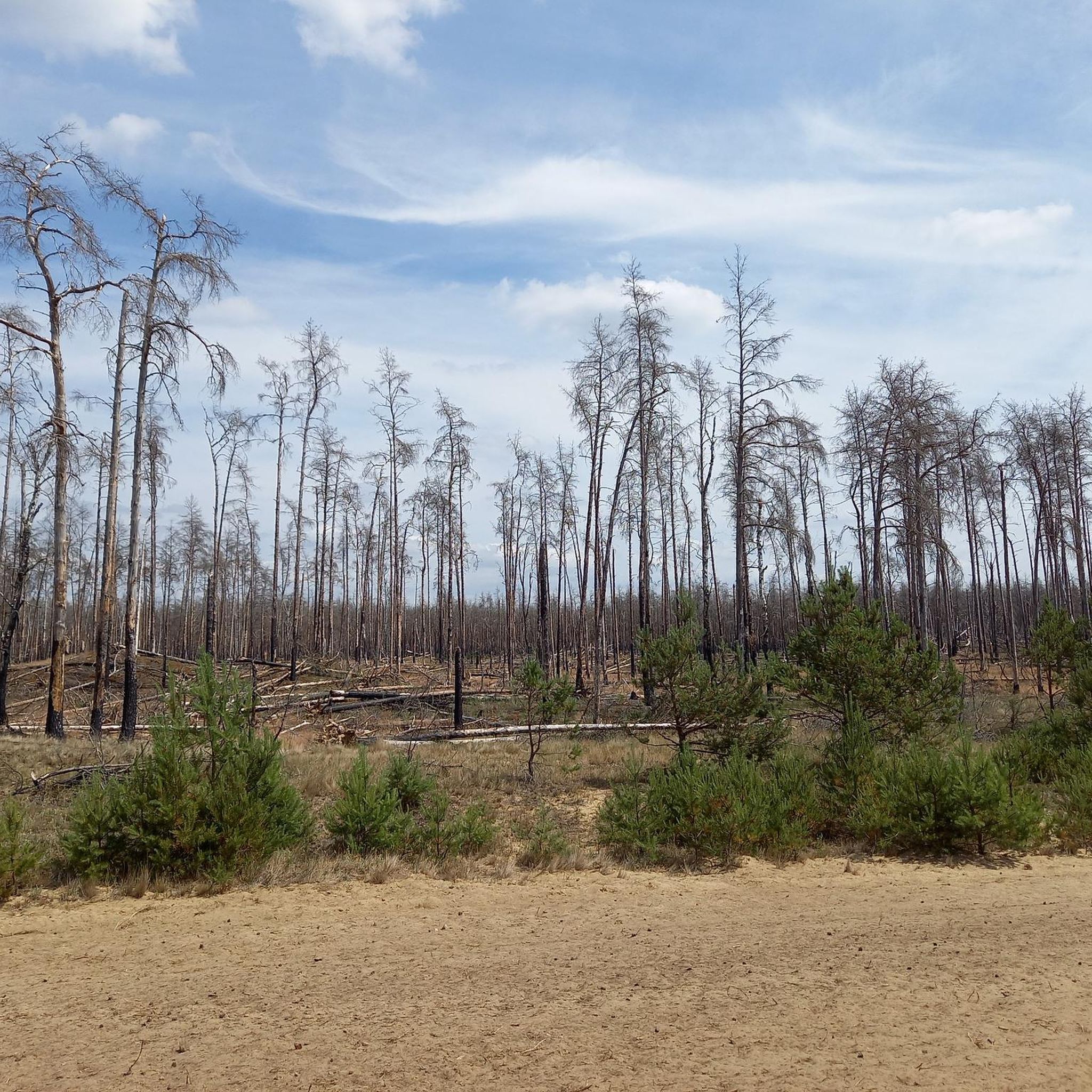
Best natural monuments around Leussow include the diverse landscapes of the nearby Lübtheener Heide National Natural Heritage Area. This region features extensive heathlands, forests, and unique inland dunes, including one of Germany's largest still-moving inland dunes. The area is characterized by its distinct ecosystem, offering habitats for various rare plant and animal species. It provides opportunities to explore wild landscapes and observe nature.
Best natural monuments around Leussow
- The most popular natural monuments is Lübtheener Heide Entrance (Alt Jabel),…
Last updated: June 25, 2026
Lübtheener Heide Entrance (Alt Jabel)
Highlight • Forest
-------------------------------------------------- -----------
Väle Johrn would have lasted, now one can wander up bicycle and tau faut up'n padd dör de LübtheenerHeide ströpern. …
Translated by Google •
Tip by

Arthur von Treuenfels Memorial Stone in the Lübtheener Heath
Highlight • Monument
Translated by Google •
Tip by

Sign up now to discover places like this
Get recommendations on the best single tracks, peaks, & plenty of other exciting outdoor places.
Sign up for free
Conow Salt Spring
Highlight • Natural Monument
Translated by Google •
Tip by

Wandering Dune (Schwarze Berge)
Highlight • Natural Monument
Translated by Google •
Tip by

View of the dunes from Teehaus Hill
Highlight • Viewpoint
Translated by Google •
Tip by

Sign up for free to discover even more natural monuments around Leussow.
Sign up for free
Already have an account?
Start today with a free account
Your next adventure awaits.
Login or Signup

Tips from the Community

Nice place for a rest with a bench, table and a story.
2
0

In addition to a board that provides you with historical facts about the rock's namesake, there is also something for the eye. The heathland here is particularly beautiful to look at - especially when the heather is in bloom.
1
0
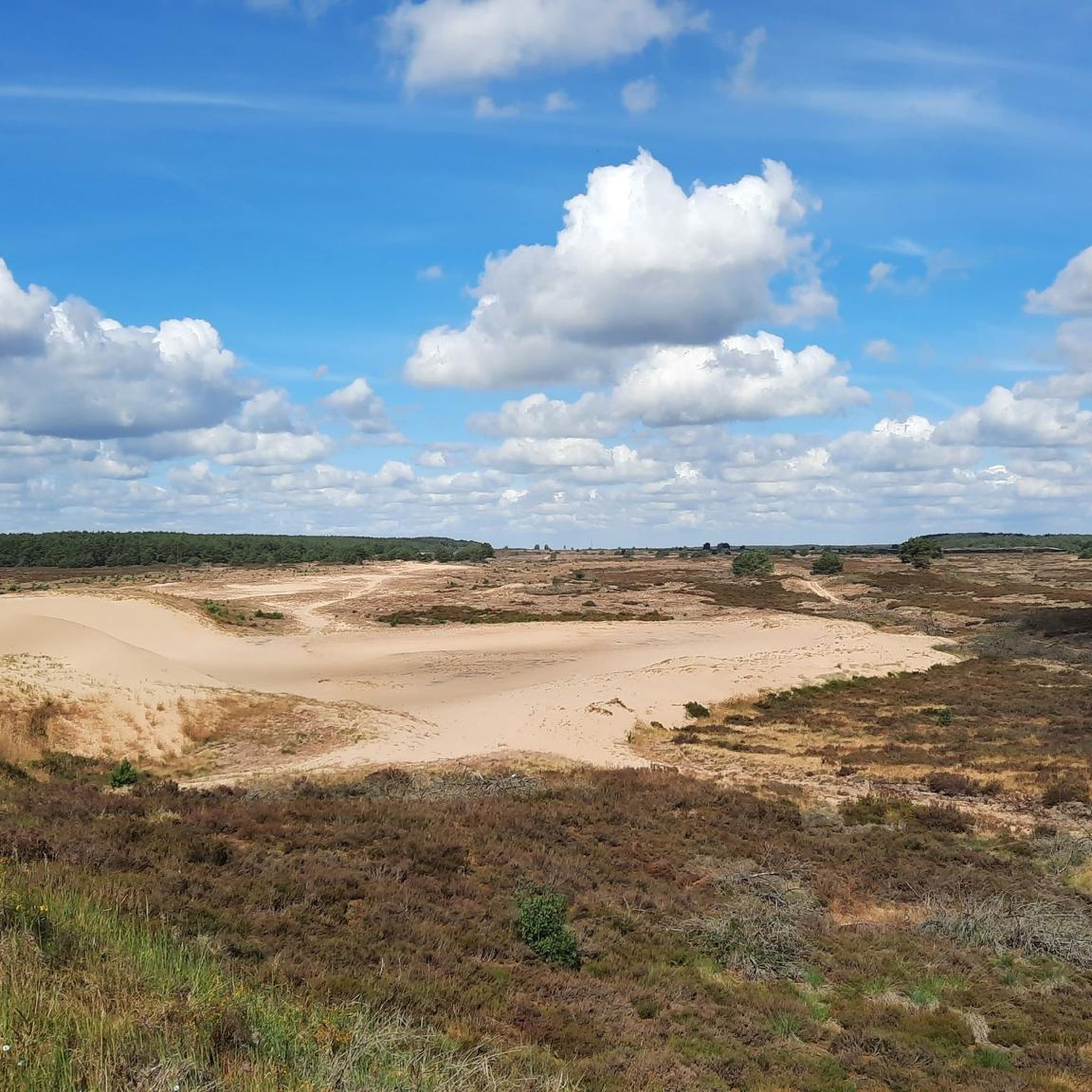
There is no longer a covered seating area on the hill. But if you are looking for shade, you can look for it on or in the house. From the hill, you can admire a wonderful panorama - including the inland dune.
0
0

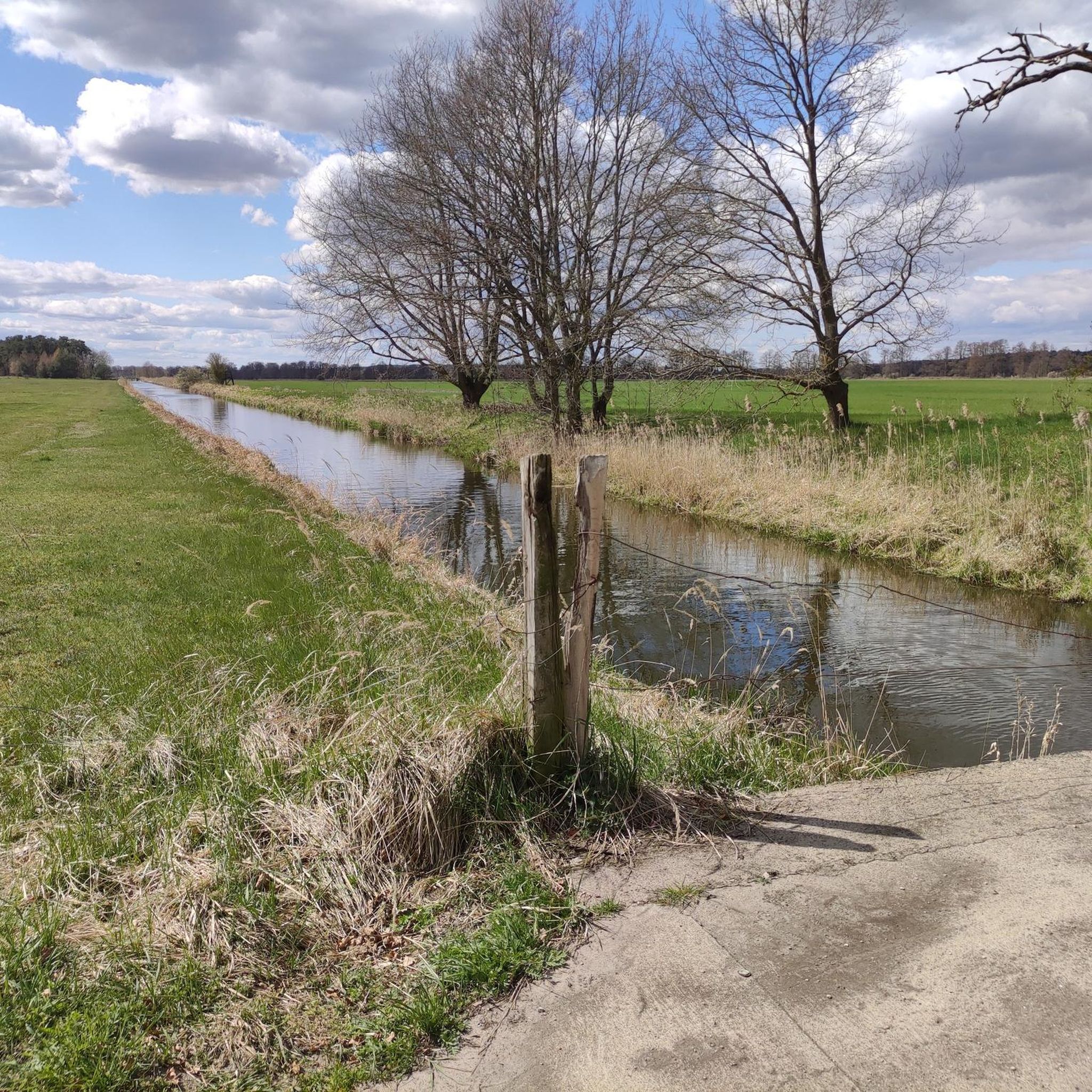
It's easy to miss this place because it's a little off the road and there's no paved path to get there. But definitely worth a detour.
0
0

The function of salt production can be clearly explained at the "push of a button".
1
0
Mining in Malliß has a long history. Salt was mined in the Saline Conow as early as 1304. In 2011, the restoration of the natural monument "Alte Salzquelle Conow-Sülze", which was placed under protection in 1938, was initiated. The natural monument was filled in after 1945 by the Soviet Army.
0
0

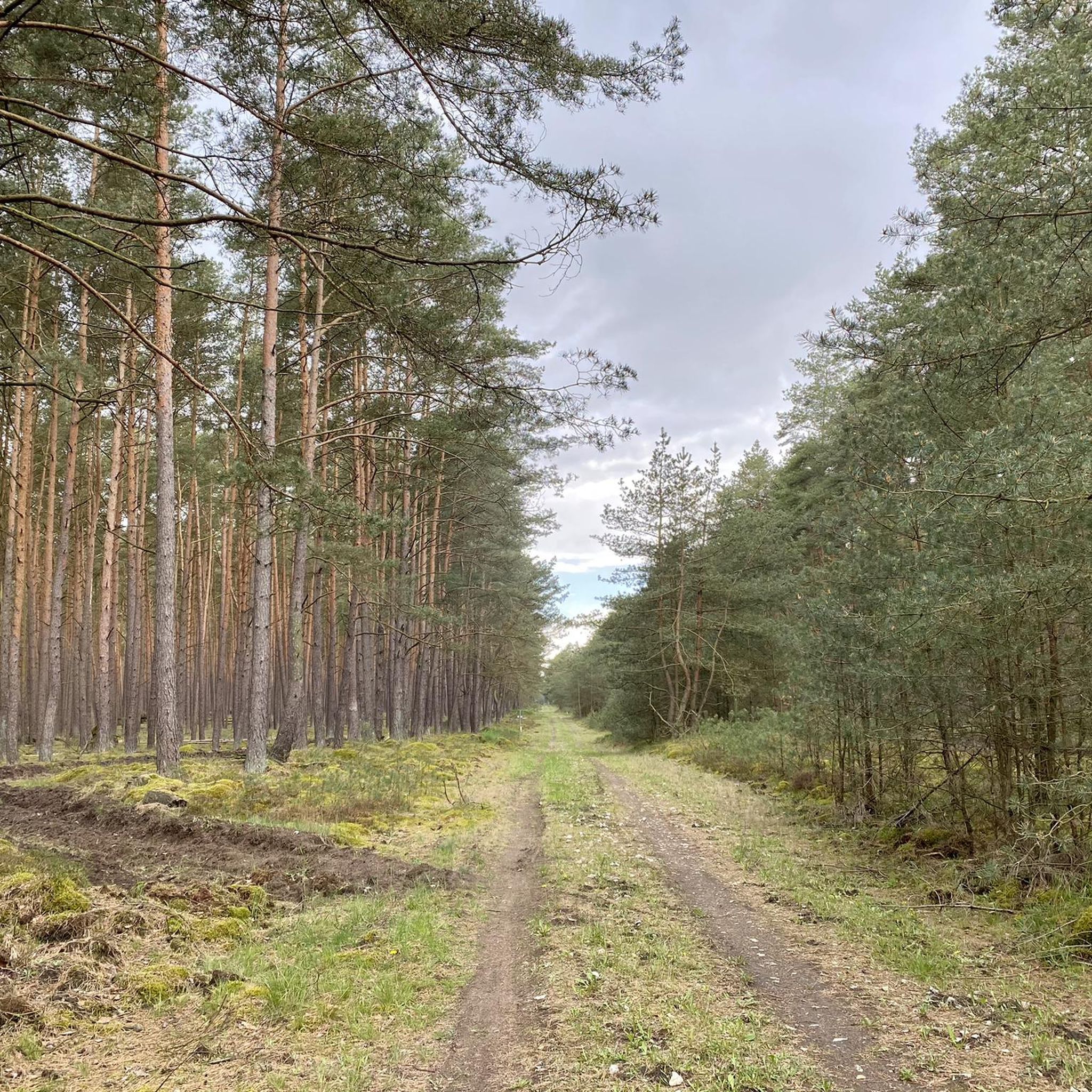
Beautiful forest path and good access to the Lübheener Heide.
2
0
Frequently Asked Questions
What are the main natural features to explore around Leussow?
The primary natural feature is the extensive Lübtheener Heide National Natural Heritage Area. This region is characterized by vast heathlands, forests, and unique inland dunes. It's known for being the largest contiguous sand heath and sand dry grassland area on wind-blown sand in Mecklenburg-Vorpommern.
Where can I see the impressive inland dunes near Leussow?
You can find one of Germany's largest still-moving inland dunes within the Lübtheener Heide. While the Wandering Dune (Schwarze Berge) is a significant natural monument, please note that access may be restricted at times. For panoramic views of the heathland and dunes, visit the View of the dunes from Teehaus Hill, which offers a great vantage point.
Are there family-friendly natural monuments or activities around Leussow?
Yes, the Conow Salt Spring is a family-friendly natural monument with historical significance, featuring a miniature graduation tower and informative displays. Additionally, the Arthur von Treuenfels Memorial Stone in the Lübtheener Heath offers a nice rest area with a story, set amidst beautiful heathland, suitable for families.
What kind of hiking trails are available near the natural monuments?
The Lübtheener Heide offers various hiking opportunities. You can find easy hikes, such as the 'Conow Salt Spring loop from Malliß', which is 6.6 km long. For more moderate options, consider the 'Quaster Circular Route from Alt Jabel' (7.4 km) or the 'Dune path from Ramm' (7.3 km). You can explore more options in the Hiking around Leussow guide and Easy hikes around Leussow guide.
Can I cycle near the natural monuments in Leussow?
Yes, the area around Leussow is suitable for cycling. There are routes like the 'Bike loop from Alt Jabel' (18.7 km) which is an easy option, or more moderate routes such as the 'Dömitz Lock – Rüterberger Brack loop from Hohen Woos' (46.8 km). Find more cycling routes in the Cycling around Leussow guide.
What is the best time of year to visit the natural monuments around Leussow?
Late summer is particularly beautiful for visiting the Lübtheener Heide, as the heather is in full bloom, creating a vibrant landscape. However, the diverse forests and heathlands offer unique experiences throughout the year, from lush greenery in spring to the stark beauty of winter.
What kind of wildlife can I expect to see in the Lübtheener Heide?
The Lübtheener Heide is a refuge for many rare animal and plant species due to its unique natural habitat. It's an excellent location for birdwatching, with 70 recorded bird species including Boreal Owls, Nightjars, and Woodlarks. Specialized animals like sand tiger beetles also thrive here.
Are there any historical sites related to the natural monuments?
Yes, the Conow Salt Spring is a historical site where you can learn about the long history of salt production. The Arthur von Treuenfels Memorial Stone also provides historical facts about the region and its past.
What should I know about the history of the Lübtheener Heide?
The Lübtheener Heide was a large military training ground for decades, from 1946 to 2013. Paradoxically, this history contributed to its unique natural character, as the constant churning of the ground by tanks exposed and spread sand, forming the inland dunes. Today, it's a protected National Natural Heritage Area and part of the UNESCO Biosphere Reserve "Flusslandschaft Elbe Mecklenburg-Vorpommern".
What do visitors enjoy most about the natural monuments in this area?
Visitors appreciate the wild and diverse landscapes, especially the unique combination of dry sand habitats, heathlands, and forests. The panoramic views from spots like Teehaus Hill are highly rated, and the historical context found at sites like the Conow Salt Spring adds another layer of interest.
Is it safe to explore the Lübtheener Heide given its past as a military area?
Due to its past as a military training area, parts of the Lübtheener Heide may have unexploded ordnance. It is crucial to stay strictly on marked paths for your safety and to respect any signage regarding restricted areas. Information boards along the trails provide insights into the area's history and ecology.
Most popular attractions around Leussow

Get inspired with the komoot mobile app


Explore more
Extend your search for the best caves by checking out these guides of the top ones around Leussow:
