Top 20 Natural Monuments around Lübtheen
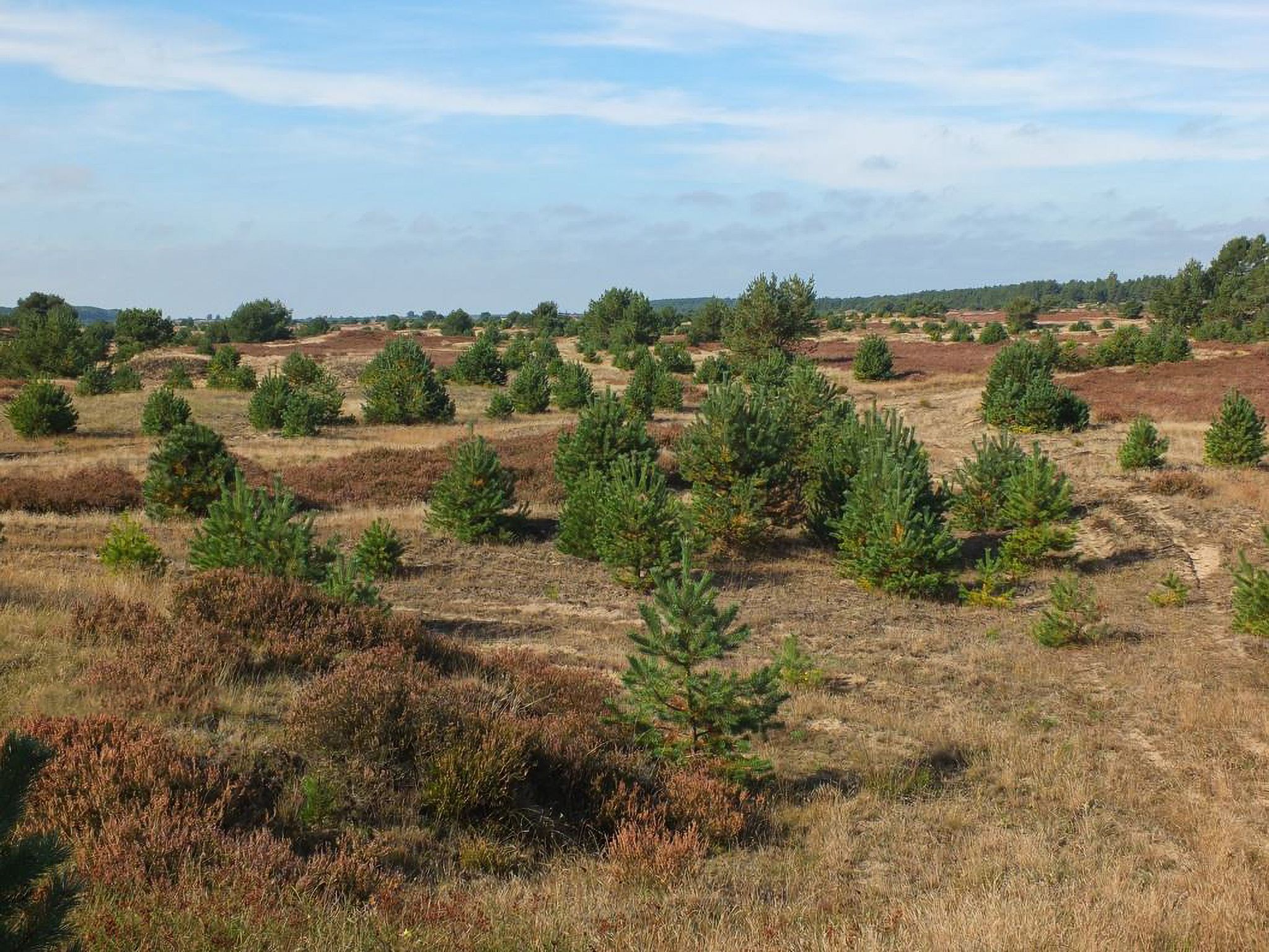
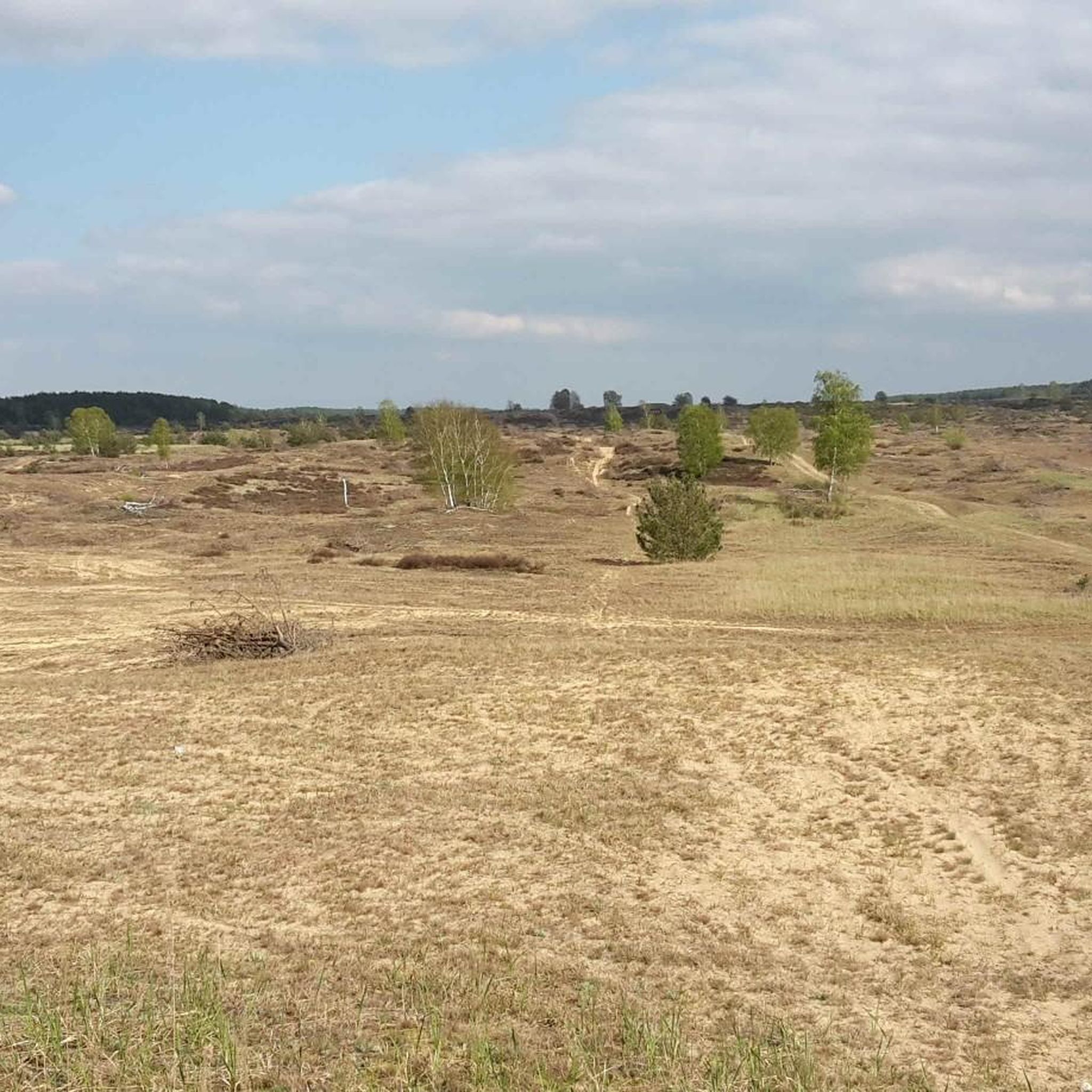
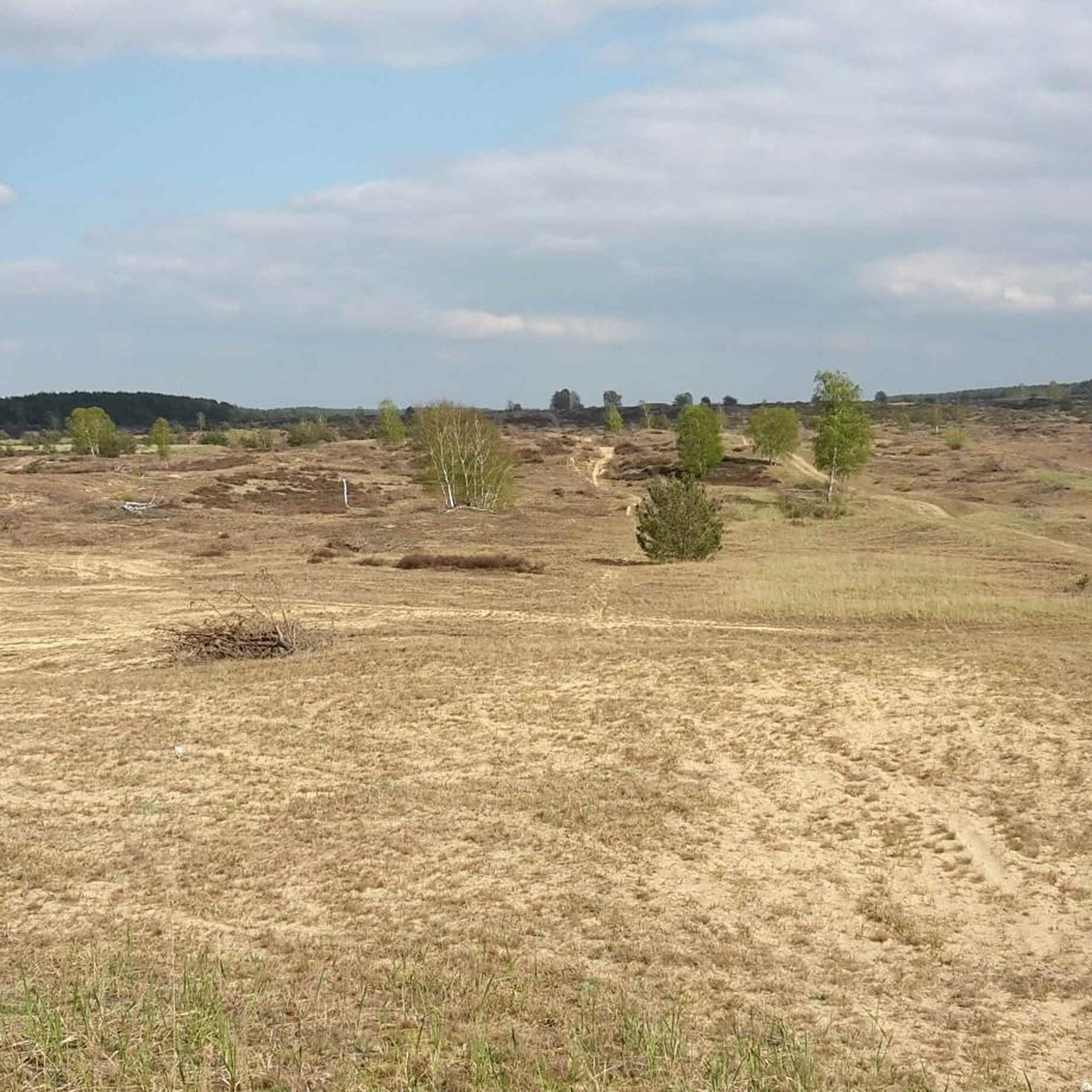
Best natural monuments around Lübtheen are found within the UNESCO Biosphere Reserve Elbe River Landscape, particularly the Lübtheener Heide. This area features a landscape shaped by geological history and past human activity, including extensive sand heath and dry grasslands. It is recognized as a National Natural Heritage site, offering unique ecosystems and diverse habitats. The region is characterized by inland dunes, heathlands, and pine forests.
Best natural monuments around Lübtheen
- The most popular natural monuments is Stixer Wandering Dune,…
Last updated: June 25, 2026
Stixer Wandering Dune
Highlight • Natural Monument
Translated by Google •
Tip by

Lübtheener Heide Entrance (Alt Jabel)
Highlight • Forest
-------------------------------------------------- -----------
Väle Johrn would have lasted, now one can wander up bicycle and tau faut up'n padd dör de LübtheenerHeide ströpern. …
Translated by Google •
Tip by

Sign up now to discover places like this
Get recommendations on the best single tracks, peaks, & plenty of other exciting outdoor places.
Sign up for free
Wolfsschlucht near Hitzacker
Highlight • Gorge
Translated by Google •
Tip by

Elbe Riverside Between the Elbe and Alte Jeetzel
Highlight (Segment) • Natural
Translated by Google •
Tip by

Confluence of the Jeetzel and Elbe rivers
Highlight • River
Translated by Google •
Tip by

Sign up for free to discover even more natural monuments around Lübtheen.
Sign up for free
Already have an account?
Start today with a free account
Your next adventure awaits.
Login or Signup

Other adventures around Lübtheen

Tips from the Community

Here, the 4th stage of the Elbhöhenweg also runs along, which I can warmly recommend. All information about the Elbhöhenweg can be found at the following link: https://www.wanderbares-deutschland.de/wege/alle-wege/elb-hoehenweg-etappe-4-von-hitzacker-bis-neu-darchau-e82d5a097d (Status: 02.05.2026).
0
0

A beautiful single trail through tall reeds and nettles
2
0

Highly recommended, and thankfully still an insider tip. The Elbe River makes it even more beautiful than the Harz Mountains! If you're a good walker, this is a particularly pleasant and enjoyable place to walk!
0
0

The landscape there is very beautiful.
0
0

Here you can take a relaxed stroll
0
0

The sand of the dune was formed 10,000 years ago, but it is not as if this dune has been there for that long. It is also not that big. Like all dunes in the Griesen area, the sand only became a problem for people in the Middle Ages, as they had exploited and cut down the previously existing forest. The sand spread unhindered and shifting dunes formed. The problem was solved after reforestation. This dune is supposed to still shift, but I don't think that is the case, as it is enclosed and partially covered by pine trees. Wind can hardly get through here anymore. That may have been different some time ago.
0
0

Sturdy shoes are recommended as it goes up and down
2
0

Occasionally, side paths lead to the groynes (the short, rectangular dams in the Elbe). From there, there are great views along the river and also of the ferry at work.
2
0
Frequently Asked Questions
What unique natural features can I explore in the Lübtheen area?
The Lübtheen area, particularly within the UNESCO Biosphere Reserve Elbe River Landscape, is known for its unique natural features. You can explore extensive sand heath and dry grasslands, impressive inland dunes like the Stixer Wandering Dune, and vast pine forests. The region is also characterized by river landscapes, such as the area Between the Elbe and Alte Jeetzel, offering diverse ecosystems.
Are there any family-friendly natural monuments around Lübtheen?
Yes, several natural monuments around Lübtheen are suitable for families. The Stixer Wandering Dune is considered family-friendly, offering a unique landscape to explore. Additionally, the Confluence of the Jeetzel and Elbe rivers provides a pleasant setting for a family walk. The Arthur von Treuenfels Memorial Stone in the Lübtheener Heath is also a family-friendly spot with a story to discover.
What kind of wildlife can I expect to see in the Lübtheener Heide?
The Lübtheener Heide is a significant habitat for diverse wildlife, especially birds. It boasts the most important occurrence of the Boreal Owl in Mecklenburg-Vorpommern and hosts 70 breeding bird species, including the European Nightjar, Tawny Pipit, and Red-backed Shrike. The unique heathlands and sand dry grasslands support specialized flora and fauna adapted to these conditions.
What should I know about visiting the Lübtheener Heide, especially regarding safety?
Due to its past as a military training area, much of the Lübtheener Heide still has unexploded ordnance. For your safety, it is crucial to stay strictly on designated and marked paths. Open fires, including cigarette butts, are prohibited due to a high risk of forest fires. Information boards are available at most access points to guide visitors.
Are there hiking or cycling routes available in the Lübtheener Heide?
Yes, since April 1, 2021, some paths in the Lübtheener Heide have been opened for pedestrians and cyclists. The Quaster Rundweg is an example of a trail where visitors can experience the wilderness. For more structured outdoor activities, you can find various routes nearby. For cycling, explore Cycling around Lübtheen, Road Cycling Routes around Lübtheen, or MTB Trails around Lübtheen.
What is the significance of the Stixer Wandering Dune?
The Stixer Wandering Dune is a remarkable natural monument, created approximately 10,000 years ago. It is one of the largest still-moving inland dunes in Germany, making it a rare geological formation in the region. Its dynamic nature, with sand removal and re-attachment, continued until the 19th century, and you can still observe pines buried by its movement.
What historical context is associated with the Lübtheener Heide?
The Lübtheener Heide served as a military training ground from 1946 to 2013 for Soviet, East German, and German armed forces. This intensive use, particularly by tanks, inadvertently helped preserve the inland dunes and allowed extensive sand grasslands to develop by constantly disturbing the topsoil. Relics of bunkers and military structures still exist, providing unique habitats.
Where can I access the Lübtheener Heide?
A primary access point is the Lübtheener Heide Entrance (Alt Jabel). This entrance provides direct access to the vast heathlands and sand dry grasslands of the area. You'll find information boards at most access points to guide your visit.
Are there any specific tips for visitors to the Stixer Wandering Dune?
When visiting the Stixer Wandering Dune, it's advisable to pack insect or mosquito spray, especially depending on the season and weather conditions, as the surrounding forest can be active with biting insects. It's a great spot for a short hike to experience this unique geological feature.
What is the Elbe Riverside Between the Elbe and Alte Jeetzel like?
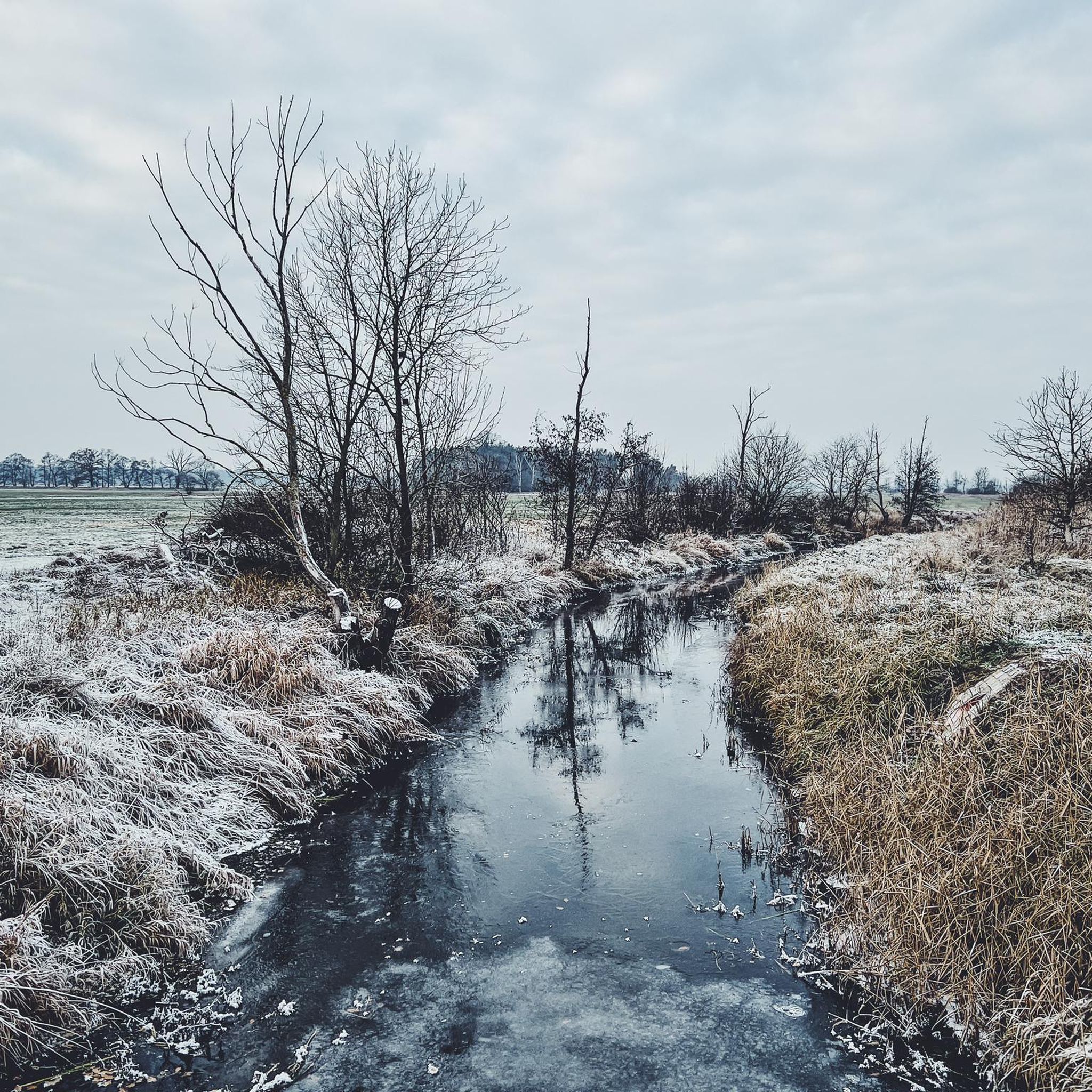
The Elbe Riverside Between the Elbe and Alte Jeetzel offers a beautiful, relaxing experience. A path winds through a floodplain environment between the two rivers, providing a serene setting for hiking or cycling. It's considered an almost insider tip for those looking to explore a tranquil river landscape.
What is the best time to visit the natural monuments around Lübtheen?
While specific seasonal considerations are not detailed for all monuments, the heathlands of Lübtheener Heide are particularly beautiful when the heather is in bloom, typically in late summer (August to September). This period offers vibrant colors and pleasant weather for exploring. Always check local conditions and safety advisories before your visit.
Can I bring my dog to the natural monuments in the Lübtheen area?
Yes, some areas are dog-friendly. For instance, the Elbe Riverside Between the Elbe and Alte Jeetzel is noted as dog-friendly. However, given the past military use of the Lübtheener Heide and the presence of wildlife, it is always recommended to keep dogs on a leash and stay on designated paths for their safety and to protect the natural environment.
Most popular routes around Lübtheen
Most popular attractions around Lübtheen

Get inspired with the komoot mobile app


Explore more
Extend your search for the best caves by checking out these guides of the top ones around Lübtheen:
