Top 12 Natural Monuments around Muchow
Best natural monuments around Muchow are found within a region characterized by diverse natural landscapes, including forests, moors, and wetlands. The area offers significant natural attractions, such as the Schaalsee UNESCO Biosphere Reserve and the Ludwigslust Palace Park. These locations provide opportunities to explore unique ecosystems and impressive landscape designs. The natural features contribute to a tranquil environment, ideal for outdoor activities.
Best natural monuments around Muchow
- The most popular natural monuments is 24 water jumps, a natural monument…
Last updated: June 25, 2026
Ludwigslust Palace
Highlight • Castle
Translated by Google •
Tip by

Ludwigslust Palace Park
Highlight • Natural Monument
Translated by Google •
Tip by

Sign up now to discover places like this
Get recommendations on the best single tracks, peaks, & plenty of other exciting outdoor places.
Sign up for free
24 water jumps
Highlight • Natural Monument
Translated by Google •
Tip by
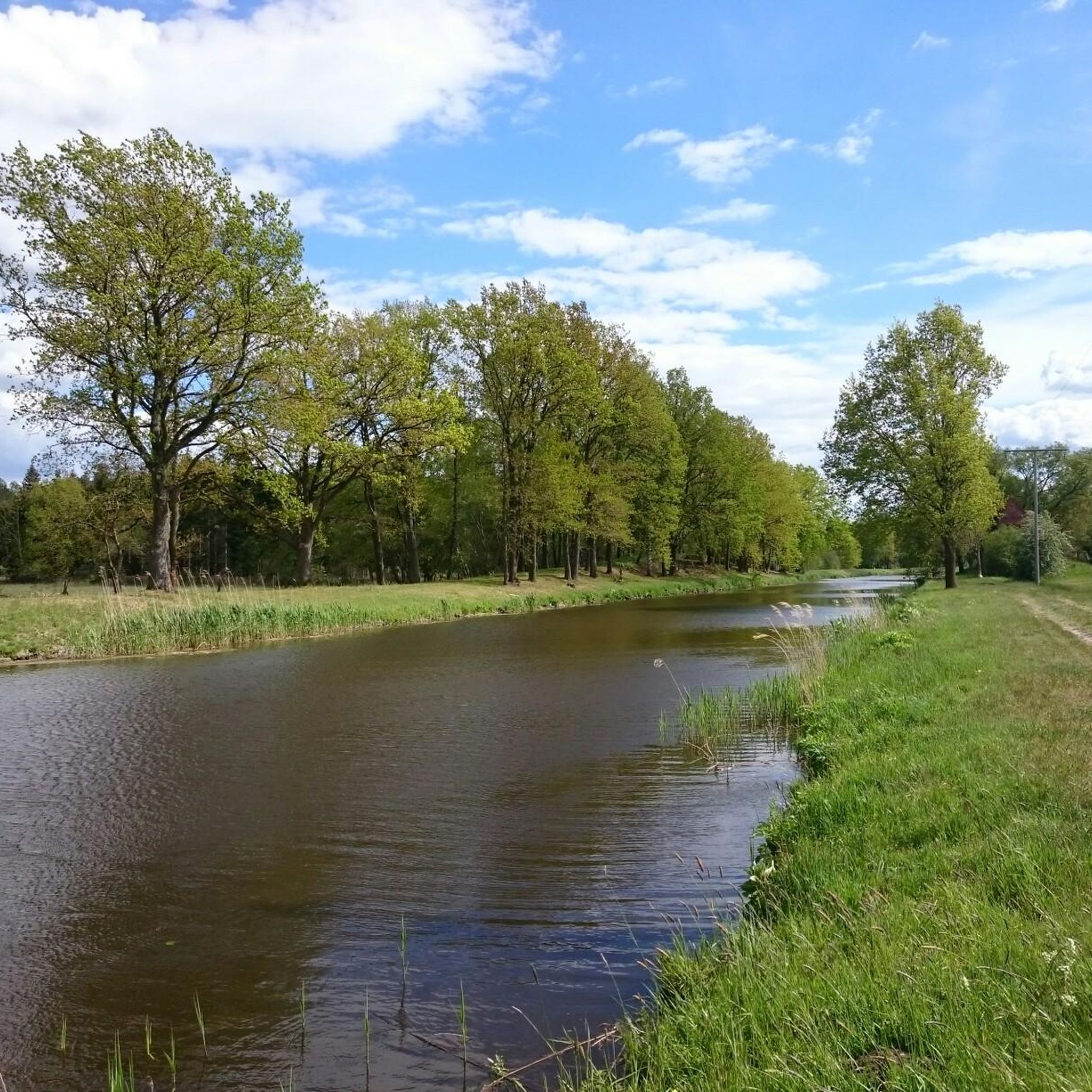
Old Elde
Highlight • River
- the Elder Elde, as the Elde and Elde, continuing under the branch of navigation at Eldena, into the Elde side canal
- The numerous, in addition …
Translated by Google •
Tip by

Duke Frederick the Pious Monument
Highlight • Monument
Translated by Google •
Tip by
Sign up for free to discover even more natural monuments around Muchow.
Sign up for free
Already have an account?
Start today with a free account
Your next adventure awaits.
Login or Signup
Tips from the Community


The 24 "water jumps" in the Ludwigslust Canal in the Ludwigslust Palace Park are really worth seeing and it is worth walking the path through the beautiful palace park to get here. The water jumps are powered exclusively by the water gradient. https://de.wikipedia.org/wiki/Datei:Ludwigslust_Schlosspark_24_Wasserspr%C3%BCnge.JPG
2
0

Very pleasant place to take a short break. Definitely very nice in summer.
0
0

At around 120 hectares, the park around the baroque palace is the largest in Mecklenburg-Western Pomerania and was also built in the 18th century by the court architect Busch in the French style. Peter Joseph Lenné, the Prussian garden director, redesigned and expanded the complex from 1852 to 1860. The water cascades, canals and bridges are typical of the green oasis. From spring to autumn, the garden attracts with lots of greenery, rare plants and trees: for example, bald cypresses, primeval redwoods and magnolias grow there. But even in winter, the baroque garden invites you to take long walks. Source: https://www.ndr.de/ratgeber/reise/mecklenburg/Ludwigslust-Alte-Residenzstadt-mit-barockem-Schloss,ludwigslust165.html
2
0
The monument to Duke Friedrich the Pious north of the grotto, made by Rudolf Kaplunger around 1788, is a sandstone group surrounded by a decorative wrought-iron fence on a pedestal. The monument once stood on a small island surrounded by poplar trees, whose moat was later filled in. Source: https://de.wikipedia.org/wiki/Schloss_Ludwigslust
1
0

Friedrich, Duke of Mecklenburg [-Schwerin], called the Pious or the Kind (*9 November 1717 in Schwerin; † April 24, 1785 in Ludwigslust) was the reigning Duke of Mecklenburg in the state of Mecklenburg-Schwerin. He was the son of Duke Christian Ludwig II and his wife Gustave Karoline, daughter of Adolf Friedrich II of Mecklenburg-Strelitz. see also: https://de.wikipedia.org/wiki/Friedrich_(Mecklenburg)
0
0

Not only impressive, also beautiful 🤩
1
0

Unfortunately closed in winter
4
0
Frequently Asked Questions
What unique natural features can I explore around Muchow?
The region offers diverse natural features. You can discover the unique 24 water jumps, a fascinating piece of garden art where fountains are powered solely by hydropower. Another significant natural feature is the Old Elde, a river with renatured sections and preserved original parts, designated as a nature reserve for its rare animal and plant species.
Are there family-friendly natural monuments near Muchow?
Yes, several natural monuments are suitable for families. The 24 water jumps are a delightful spot for all ages, offering tranquility and the sound of waterfalls. The expansive park surrounding Ludwigslust Palace is also very family-friendly, with plenty of space to explore its impressive trees and water features. The Old Elde river area provides gentle paths suitable for family strolls.
What historical elements are integrated into the natural monuments around Muchow?
The Ludwigslust Palace Park is a prime example, originally a baroque garden transformed into an English landscape park. It features historical elements like the Louisen Mausoleum, the Helenen-Paulownen Mausoleum, and a neo-Gothic church, blending cultural heritage with natural beauty. You can also find the Duke Frederick the Pious Monument within the park, a sandstone group from the late 18th century.
What outdoor activities can I do near these natural monuments?
The region around Muchow offers various outdoor activities. You can enjoy cycling on routes like the 'Ludwigslust Town Hall – Old Post Office, Ludwigslust loop' or 'Swiss House Ludwigslust – Schlossbrücke Ludwigslust loop'. For hiking, there are easy trails such as the 'Neustadt-Glewe Lock – Neustadt-Glewe Town Hall loop'. Find more detailed routes and guides for cycling, road cycling, and easy hikes around Muchow.
What is the best time to visit the natural monuments around Muchow?
The Schaalsee UNESCO Biosphere Reserve, a significant natural area nearby, offers varied scenery throughout the seasons. You can see snowdrops in spring and numerous winter birds in colder months. The Ludwigslust Palace Park is also beautiful year-round, with its lush greenery in warmer months and unique charm in autumn and winter. Generally, spring to early autumn offers pleasant weather for exploring.
Are there any specific trails or walks recommended in the Schaalsee UNESCO Biosphere Reserve?
Yes, a particularly recommended path in the Schaalsee UNESCO Biosphere Reserve is the approximately 4 km long loop trail around the Kirchensee. This trail offers views of both the Schaalsee and the Kirchensee, passing through an old alley, a moor, and along the shores of both lakes, providing diverse scenery.
What kind of wildlife can be observed in the natural areas near Muchow?
The Schaalsee UNESCO Biosphere Reserve is known for its rich biodiversity. It is home to over 28 species of fish, 11 different species of bats, and more than 25,000 waterfowl during peak times. Rare and endangered plant species also thrive here, and you might spot cranes and white-tailed eagles. The Old Elde river, designated as a nature reserve in some areas, is also known for rare animal and plant species.
How long should I plan for a visit to the natural monuments?
For the Ludwigslust Palace Park, you could easily spend several hours exploring its 127 to 130 hectares, including the unique '24 Wassersprünge' and historical elements. Shorter visits to specific spots like the 24 water jumps or sections of the Old Elde can be done in an hour or two, depending on your interest in walking or nature observation.
Are there accessible natural monuments for visitors with mobility considerations?
While specific accessibility details for every path are not available, the expansive and well-maintained paths within the Ludwigslust Palace Park are generally suitable for leisurely strolls, and many sections are likely accessible. It's advisable to check local conditions or contact the park administration for specific accessibility information regarding wheelchairs or strollers.
Where can I find cafes or pubs near the natural monuments?
While specific cafes directly adjacent to every natural monument are not detailed, the town of Ludwigslust, where the Ludwigslust Palace Park is located, offers various dining options. For other natural areas, it's recommended to check in nearby villages or towns for local establishments.
What makes the Schaalsee UNESCO Biosphere Reserve a significant natural area?
The Schaalsee UNESCO Biosphere Reserve is recognized for its unique and diverse landscape, including forests, moors, meadows, and wetlands. The Schaalsee itself is one of Northern Germany's deepest clearwater lakes. Its rich biodiversity, with numerous fish, bat, and bird species, along with rare plants, makes it a vital ecosystem. The area also holds historical significance as part of the former inner-German border.
What is the 'Stone Bridge, Ramparts, and Monk Fountain' in Ludwigslust Palace Park?
The Stone Bridge, Ramparts, and Monk Fountain are notable historical and architectural elements within the Ludwigslust Palace Park. The stone bridge, built in 1780, crosses the canal system that feeds the park's water features. The ramparts and the Monk Fountain are part of the meticulously designed landscape, showcasing the engineering and artistry involved in creating this impressive park.
Most popular attractions around Muchow

Get inspired with the komoot mobile app


Explore more
Extend your search for the best caves by checking out these guides of the top ones around Muchow:
