Top 10 Natural Monuments around Picher
Natural monuments around Picher are primarily environmental features resulting from a century of lead and zinc mining. The landscape is characterized by features that serve as a testament to the region's industrial past and its ecological impact. The most prominent features are the chat piles, towering hills composed of toxic mining byproduct, and Tar Creek, notable for its often reddish or orange hue from metal contamination. Picher offers a unique perspective on post-industrial landscapes and the long-term environmental consequences of…
Last updated: October 11, 2026
Ludwigslust Palace
Highlight • Castle
Translated by Google •
Tip by

24 water jumps
Highlight • Natural Monument
Translated by Google •
Tip by

Sign up now to discover places like this
Get recommendations on the best single tracks, peaks, & plenty of other exciting outdoor places.
Duke Frederick the Pious Monument
Highlight • Monument
Translated by Google •
Tip by
Stone Bridge, Ramparts, and Monk Fountain in Ludwigslust Palace Park
Highlight • Monument
Translated by Google •
Tip by

Ludwigslust Hunting Star (Fourteen Avenues)
Highlight • Forest
Translated by Google •
Tip by

Sign up for free to discover even more natural monuments around Picher.
Already have an account?
Start today with a free account
Your next adventure awaits.
Tips from the Community

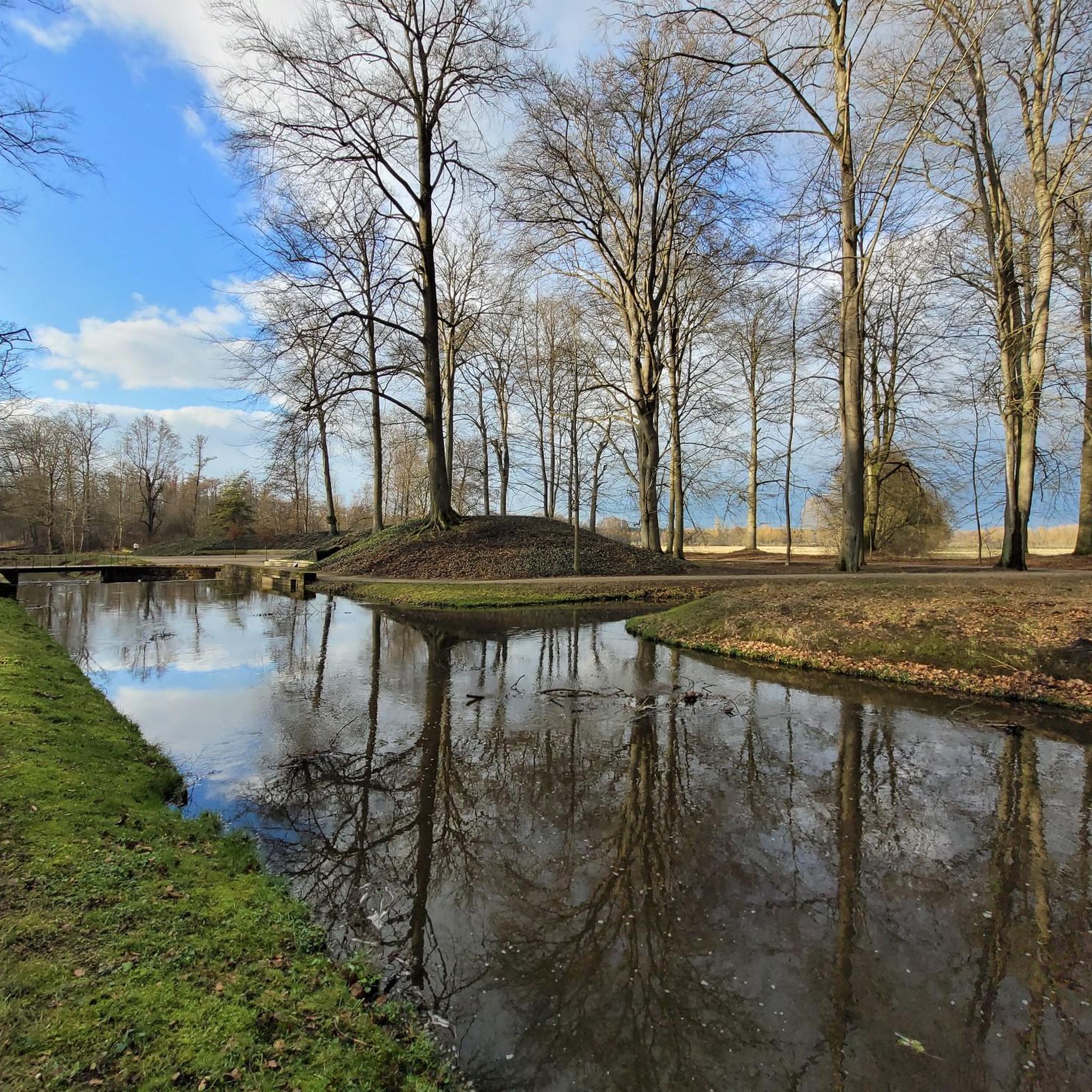
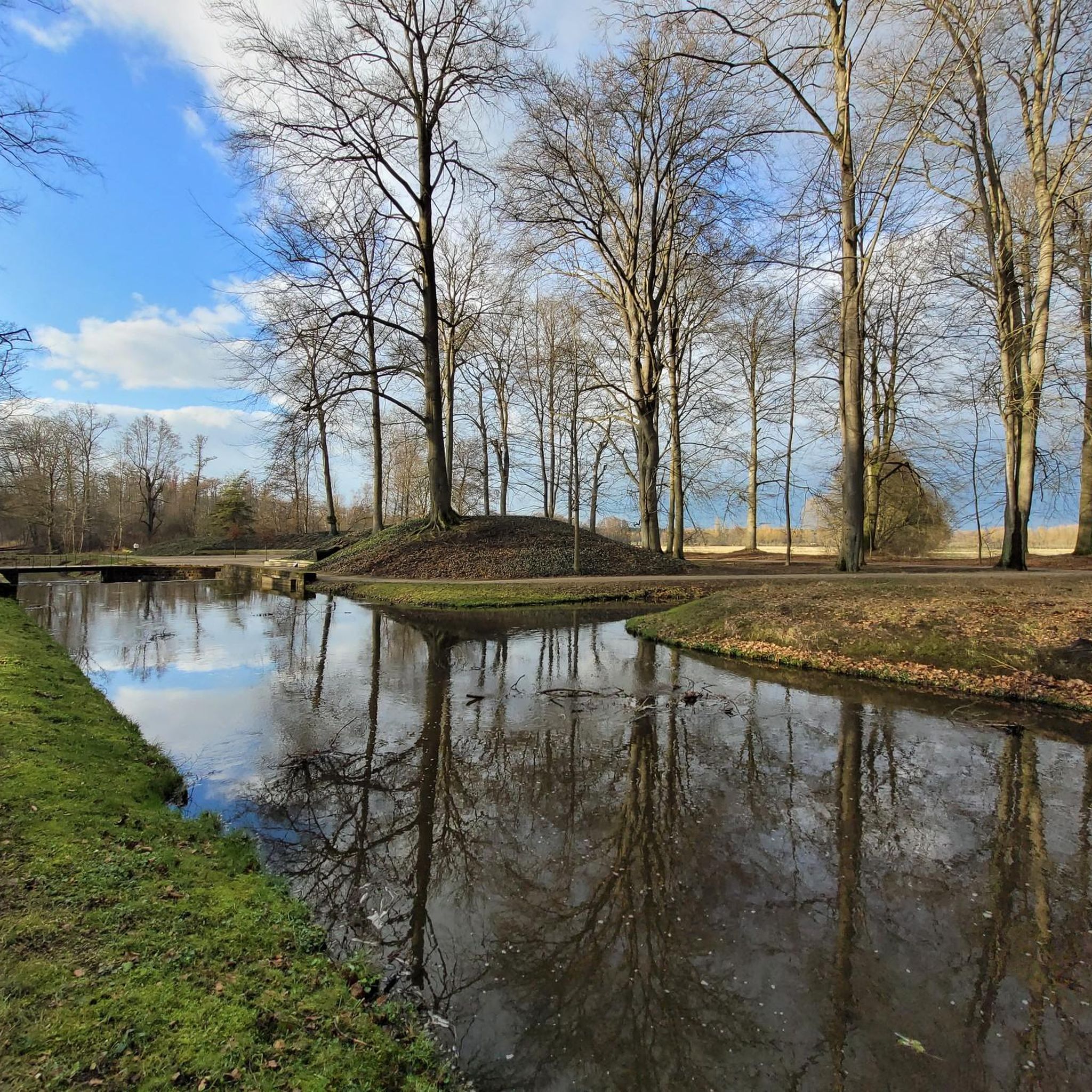
The water features were created in the late Baroque expansion under court master builder Johann Joachim Busch (around the 1760s) during the time of Duke Friedrich. The park emerged from a small Baroque garden (from 1731/35) and was redesigned into a landscape park by Peter Joseph Lenné from 1852–1860. The fountains are operated exclusively by the natural (and partly artificially created) gradient of the water – without mechanical pumps. This applies to all water features in the park.
2
0


The 24 "water jumps" in the Ludwigslust Canal in the Ludwigslust Palace Park are really worth seeing and it is worth walking the path through the beautiful palace park to get here. The water jumps are powered exclusively by the water gradient. https://de.wikipedia.org/wiki/Datei:Ludwigslust_Schlosspark_24_Wasserspr%C3%BCnge.JPG
3
0

Very pleasant place to take a short break. Definitely very nice in summer.
1
0
Very large expansion of this hunting star.
0
0

really a very nice park with lots of sights.. really fantastic when the sun is shining 🥰
2
0

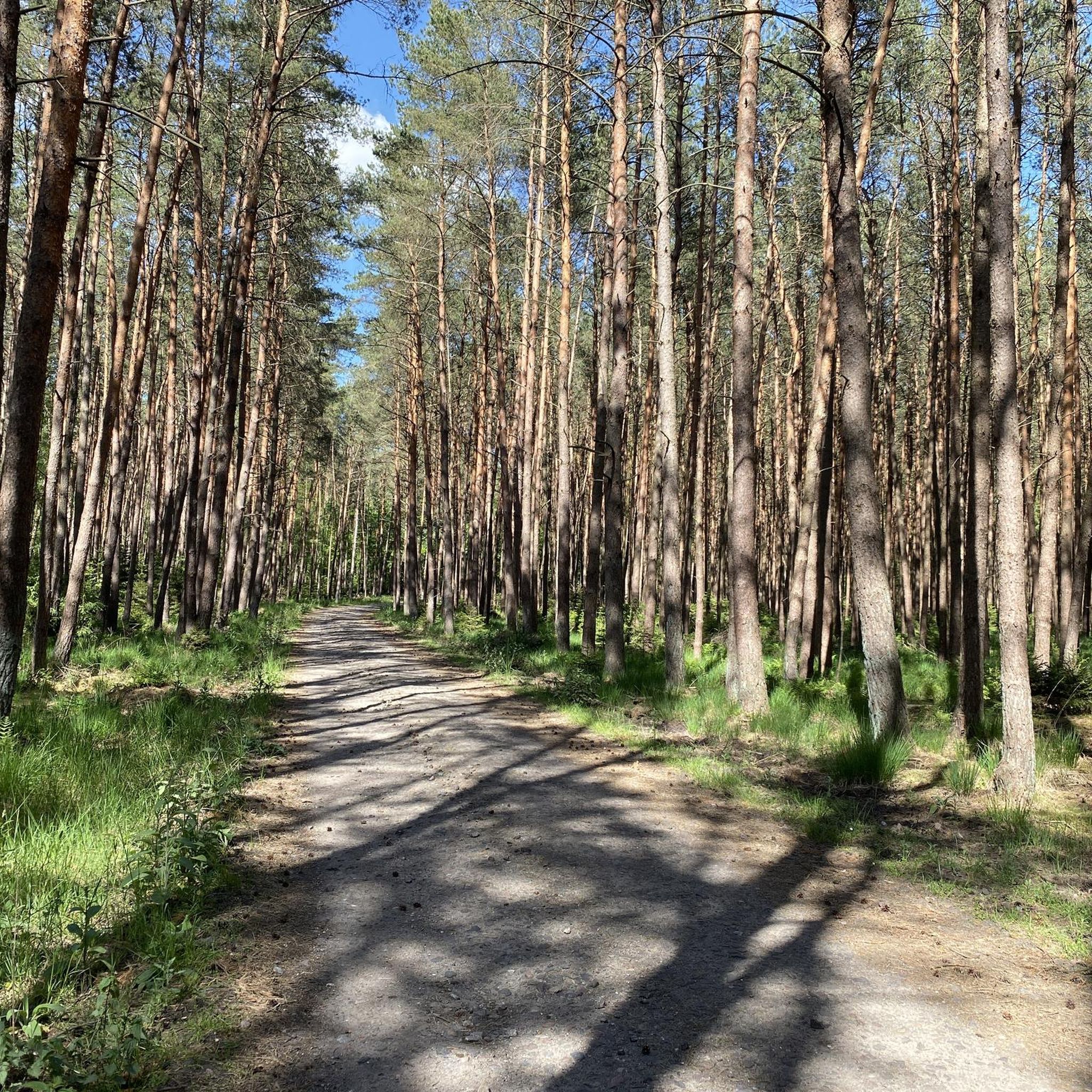
The Ludwigslust hunting star was laid out west of his hunting lodge by order of Christian Ludwig II in the 1730s. The avenues lead through damp areas, such as cracks and scours with alder growth, and drier clumps with mostly coniferous wood. The star with its avenues has a north-south extension of approx. 5 km and an east-west extension of approx. 6 km. Source: https://www.ludwigslust.de/Kultur-Tourismus/Sehenswertes/Ludwigslust/Schlosspark.php?object=tx,3634.345.1&NavID=3634.134&La=1
0
0
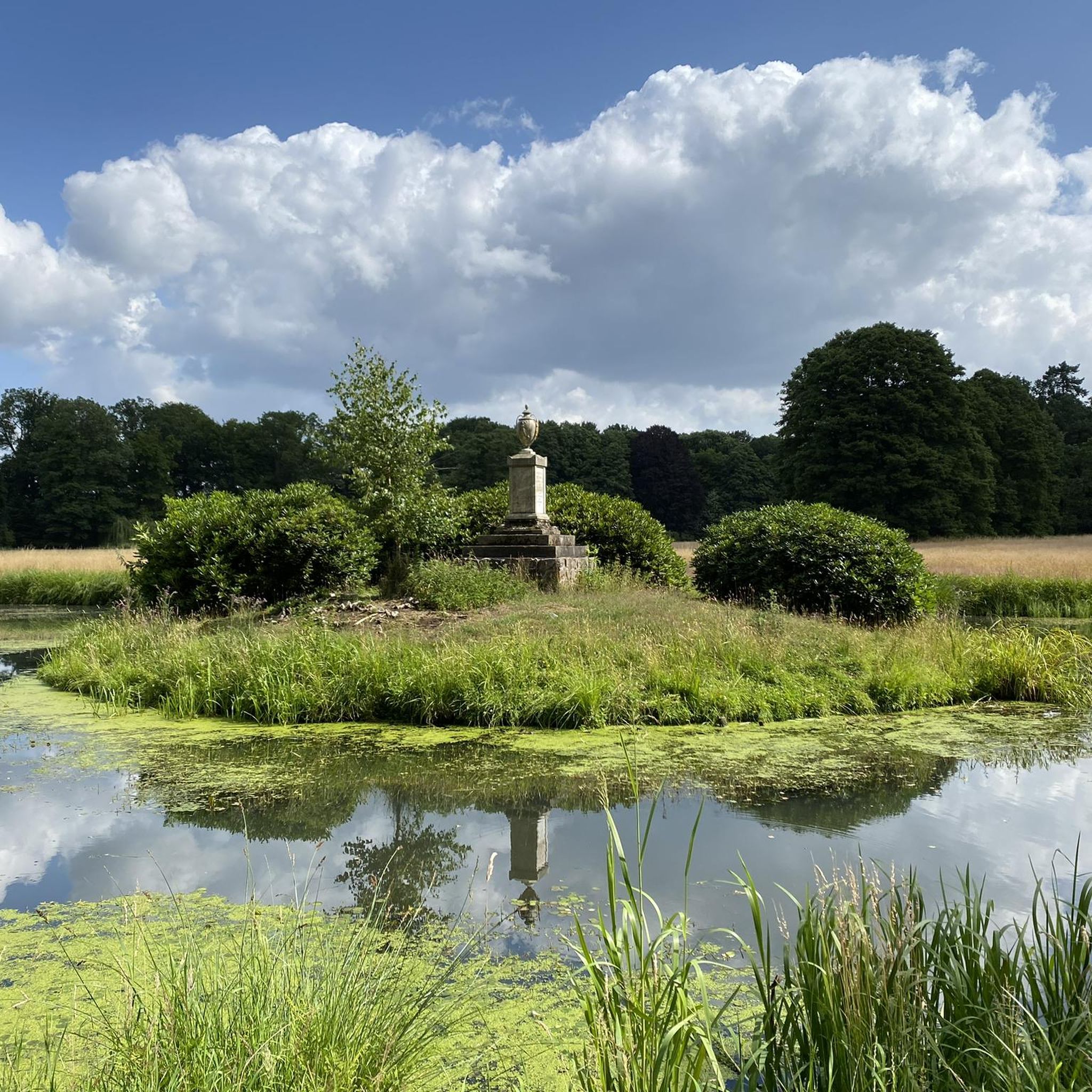
The monument to Duke Friedrich the Pious north of the grotto, made by Rudolf Kaplunger around 1788, is a sandstone group surrounded by a decorative wrought-iron fence on a pedestal. The monument once stood on a small island surrounded by poplar trees, whose moat was later filled in. Source: https://de.wikipedia.org/wiki/Schloss_Ludwigslust
1
0
Frequently Asked Questions
What are the main "natural monuments" in Picher, Oklahoma?
The primary "natural monuments" around Picher are environmental features resulting from a century of lead and zinc mining. These include the towering Chat Piles, which are hills of toxic mining byproduct, and Tar Creek, known for its reddish or orange hue due to metal contamination from the mines. These sites offer a stark perspective on industrial history and ecological impact.
What are the Chat Piles and why are they significant?
The Chat Piles are towering, often conical, hills composed of "chat," a toxic byproduct from lead and zinc mining. Some can reach up to 200 feet tall. They are significant as a powerful visual reminder of Picher's mining history and the immense scale of the industry, representing one of the most visible impacts of human activity on the landscape.
What is Tar Creek and what makes it unique?
Tar Creek runs through the Picher area and is unique due to its often reddish or orange hue. This coloration is a direct result of severe metal contamination from acidic water seeping from abandoned underground mining tunnels. It serves as a stark example of water contamination and the long-term environmental consequences of unrestricted mining.
Is it safe to visit the natural monuments in Picher, Oklahoma?
Due to extreme toxicity and ongoing remediation efforts, direct visitation to Picher's natural monuments is often discouraged or restricted. The area is part of the Tar Creek Superfund site, designated for environmental cleanup due to lead contamination and other hazards. Toxic dust can blow from the chat piles, and the instability of the piles poses health risks. Extreme caution is advised if visiting.
Are there hiking trails or outdoor activities around Picher's natural monuments?
Given the severe environmental hazards and ongoing remediation, traditional hiking trails or organized outdoor activities are generally not available or recommended directly within the immediate vicinity of Picher's natural monuments. The area is largely a ghost town, evacuated and declared uninhabitable due to contamination and cave-in risks.
What is the best time to visit Picher's natural monuments?
There isn't a recommended 'best time' for recreational visits due to the environmental hazards. However, for those interested in observing the unique landscape from a safe distance, any time of year might offer a view, though weather conditions could affect visibility and dust levels. Always prioritize safety and be aware of current restrictions.
Are Picher's natural monuments family-friendly or dog-friendly?
No, Picher's natural monuments are not considered family-friendly or dog-friendly. The severe environmental hazards, including lead contamination and unstable ground, pose significant health risks to both humans and pets. It is strongly advised to avoid bringing children or animals to the area.
What historical aspects are associated with Picher's natural monuments?
The natural monuments in Picher are intrinsically linked to the region's industrial history. They are direct results of a century of lead and zinc mining, which made Picher a thriving town but also led to its environmental devastation. These sites serve as a testament to the boom and bust of the mining industry and its lasting ecological impact.
What should I wear or bring when visiting Picher?
If you choose to visit the Picher area to observe its unique landscape from a safe distance, it's advisable to wear sturdy, closed-toe shoes and long clothing to minimize exposure to dust or contaminated ground. Given the lack of facilities, bring your own water and any other necessities. Always check for current advisories or restrictions before heading out.
Are there any facilities like cafes or accommodation near Picher's natural monuments?
Picher is largely a ghost town, and the municipality was officially dissolved in 2013. Most structures have been demolished, and the area is uninhabitable. Therefore, there are no cafes, pubs, or accommodation facilities directly within Picher or immediately adjacent to its natural monuments. You would need to find services in nearby towns.
How long does it take to visit the natural monuments in Picher?
Given the nature of Picher as a Superfund site with significant hazards, a visit is typically brief and focused on observing the landscape from a safe distance. There are no designated trails or visitor centers. Most people spend a short amount of time, perhaps an hour or less, to witness the unique environmental features.
What do visitors enjoy the most about Picher's unique landscape?
Visitors are often struck by the stark and eerie beauty of the post-industrial landscape. The towering chat piles and the discolored Tar Creek offer a powerful, unique, and cautionary visual experience. It's a compelling site for those interested in industrial history, abandoned places, and environmental recovery, providing a profound sense of the impact of human activity.
Most popular attractions around Picher

Get inspired with the komoot mobile app


Explore more
Extend your search for the best caves by checking out these guides of the top ones around Picher:
