Top 20 Natural Monuments around Jerxheim
Best natural monuments around Jerxheim include the Heeseberg, a significant elevation forming part of the UNESCO Global Geoparks Harz.Braunschweiger Land.Ostfalen. This region in Lower Saxony, Germany, features unique geological formations and diverse ecosystems. The area is known for its Rogenstein quarries, stromatolites, and dry grassland areas, offering insights into ancient geological processes and rare plant communities. Visitors can explore these natural features through designated trails and observation points.
Best natural monuments around Jerxheim
- The most popular natural monuments is Heeseberg…
Last updated: June 25, 2026
Elmsburg Church Ruins
Highlight • Historical Site
Beautiful cultural monument
Translated by Google •
Tip by

Goldener Hirsch Boulder
Highlight • Natural Monument
Translated by Google •
Tip by

Sign up now to discover places like this
Get recommendations on the best single tracks, peaks, & plenty of other exciting outdoor places.
Sign up for free
Hockersteine Burial Mounds
Highlight • Historical Site
Translated by Google •
Tip by
Heeseberg Research Quarry
Highlight • Natural Monument
Leave the interesting stone wall to nature
Translated by Google •
Tip by

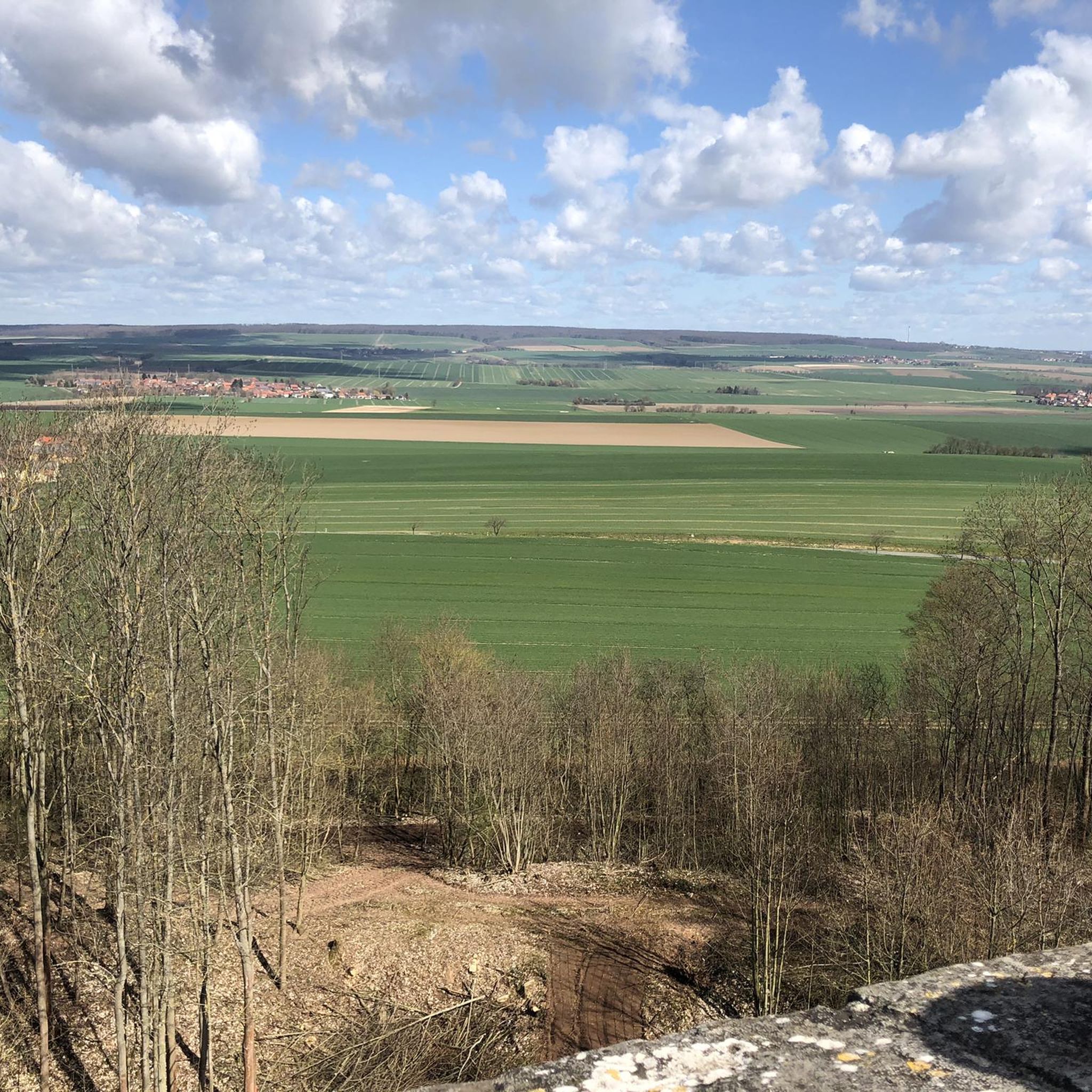
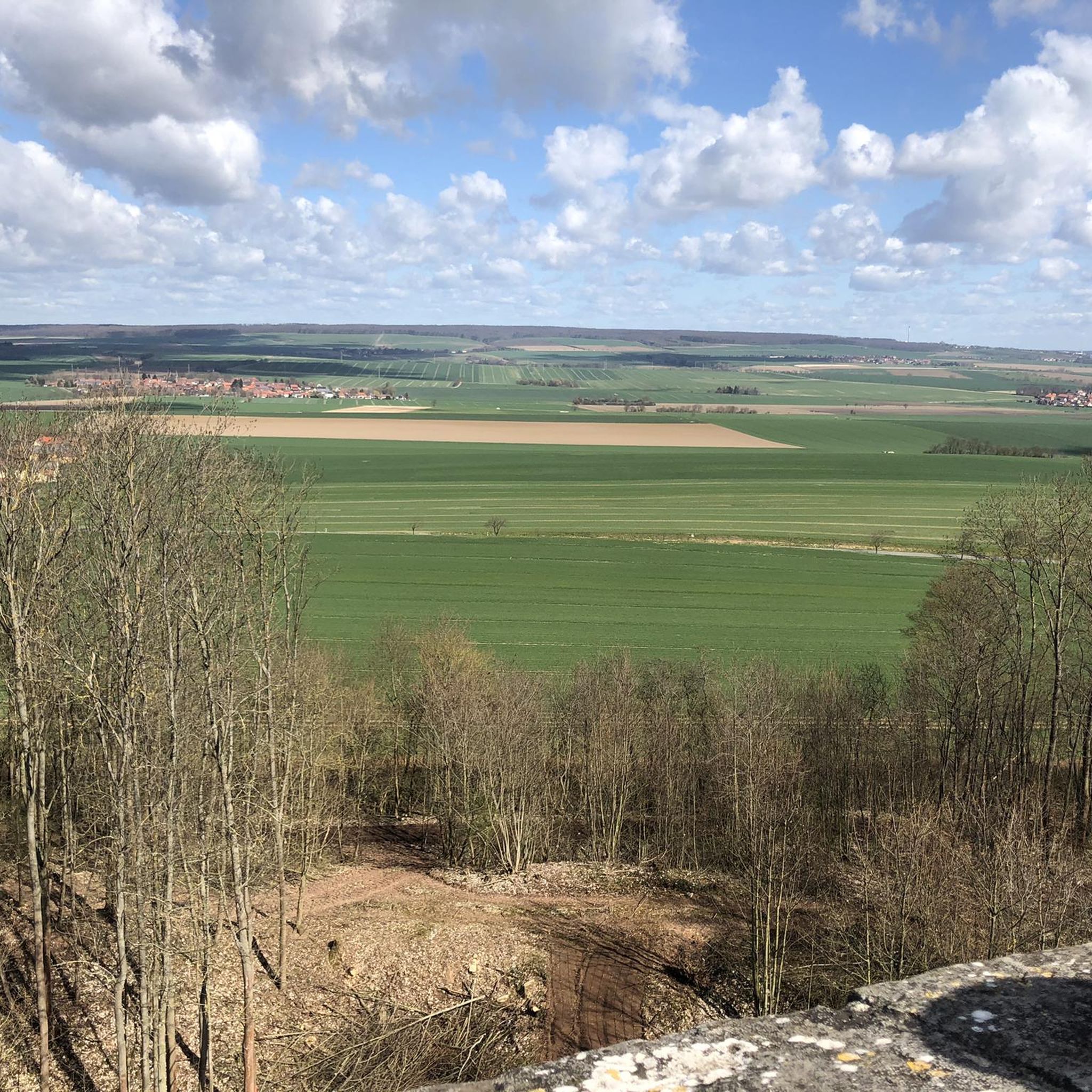
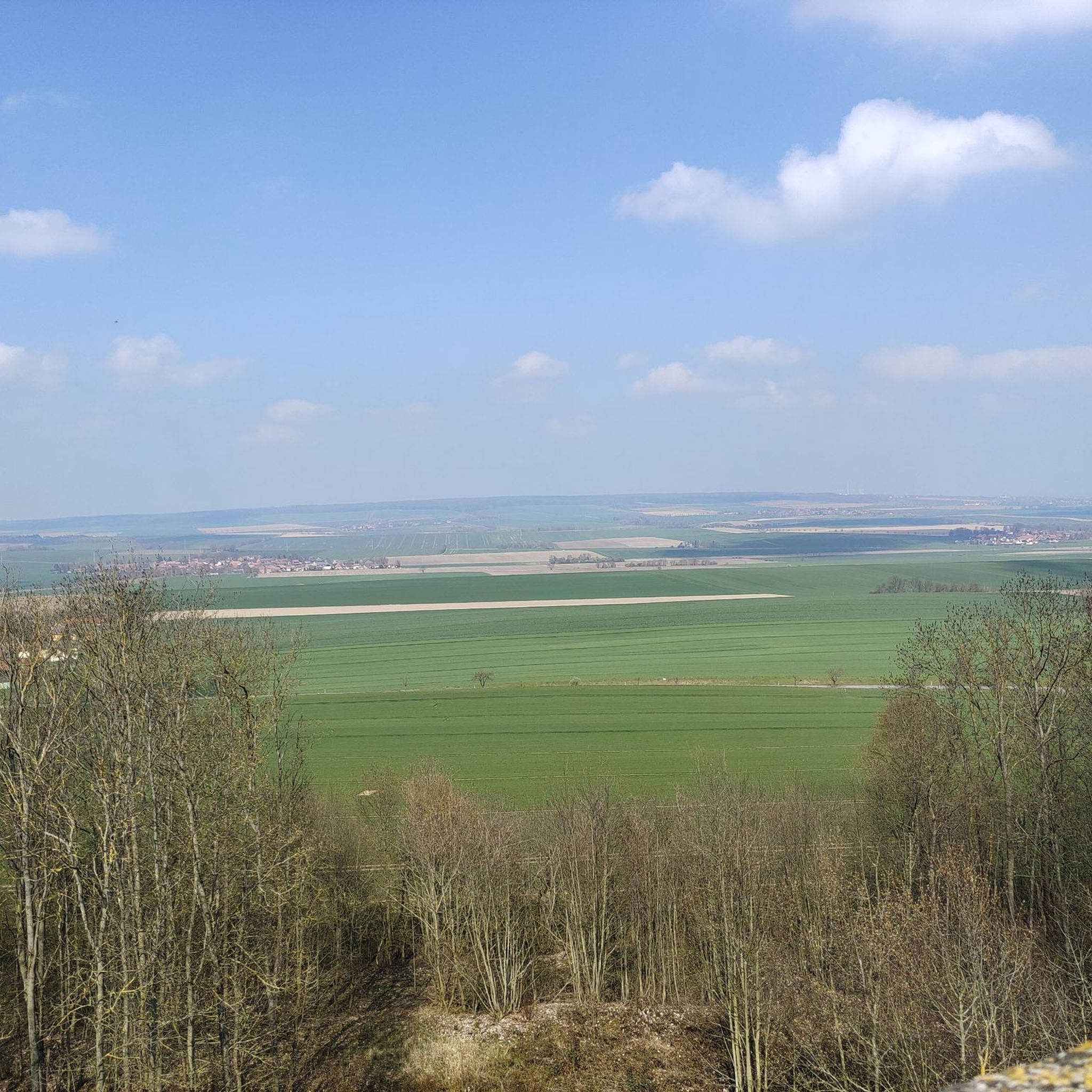
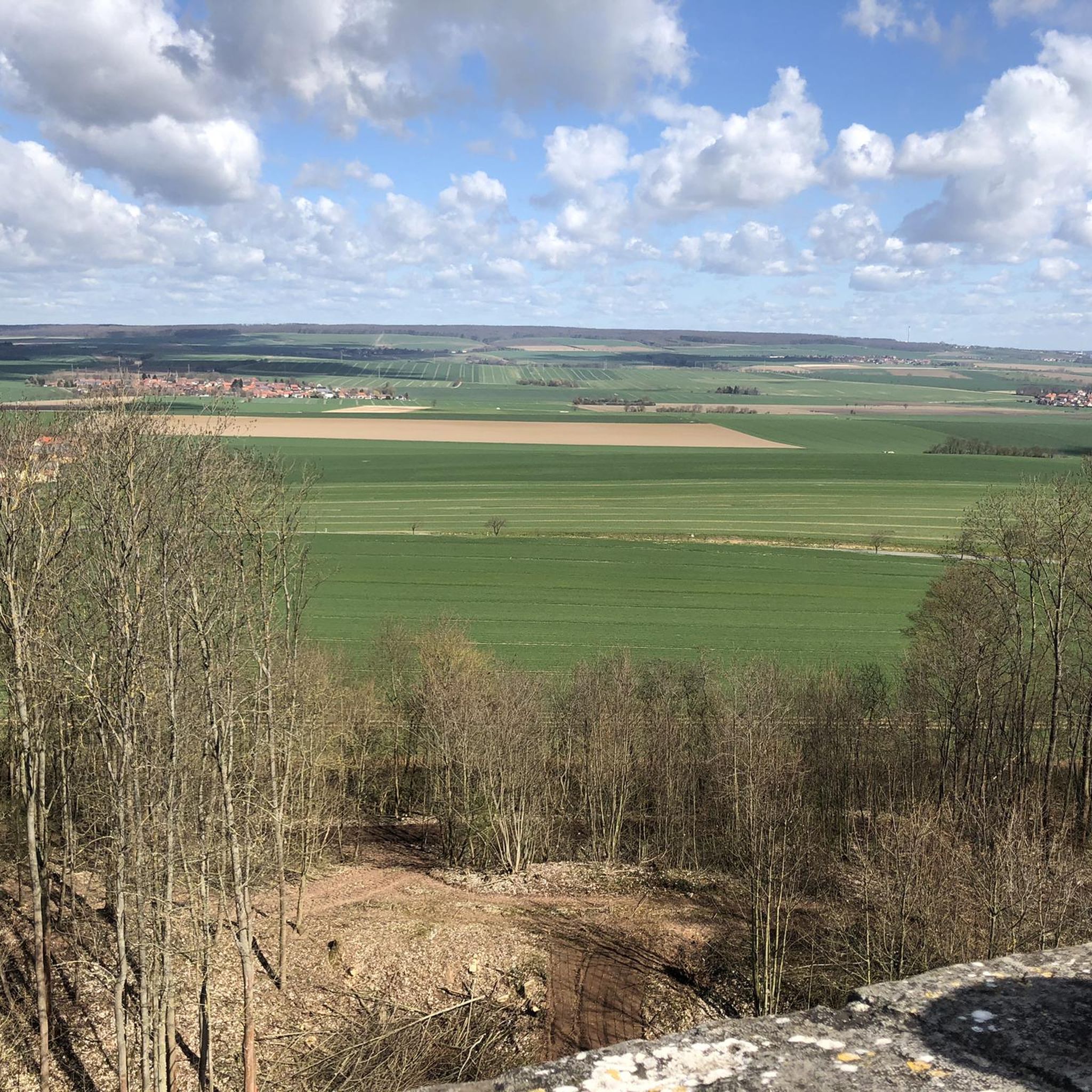
View of the Schöningen open-cast mine
Highlight • Viewpoint
Translated by Google •
Tip by
Sign up for free to discover even more natural monuments around Jerxheim.
Sign up for free
Already have an account?
Start today with a free account
Your next adventure awaits.
Login or Signup
Tips from the Community

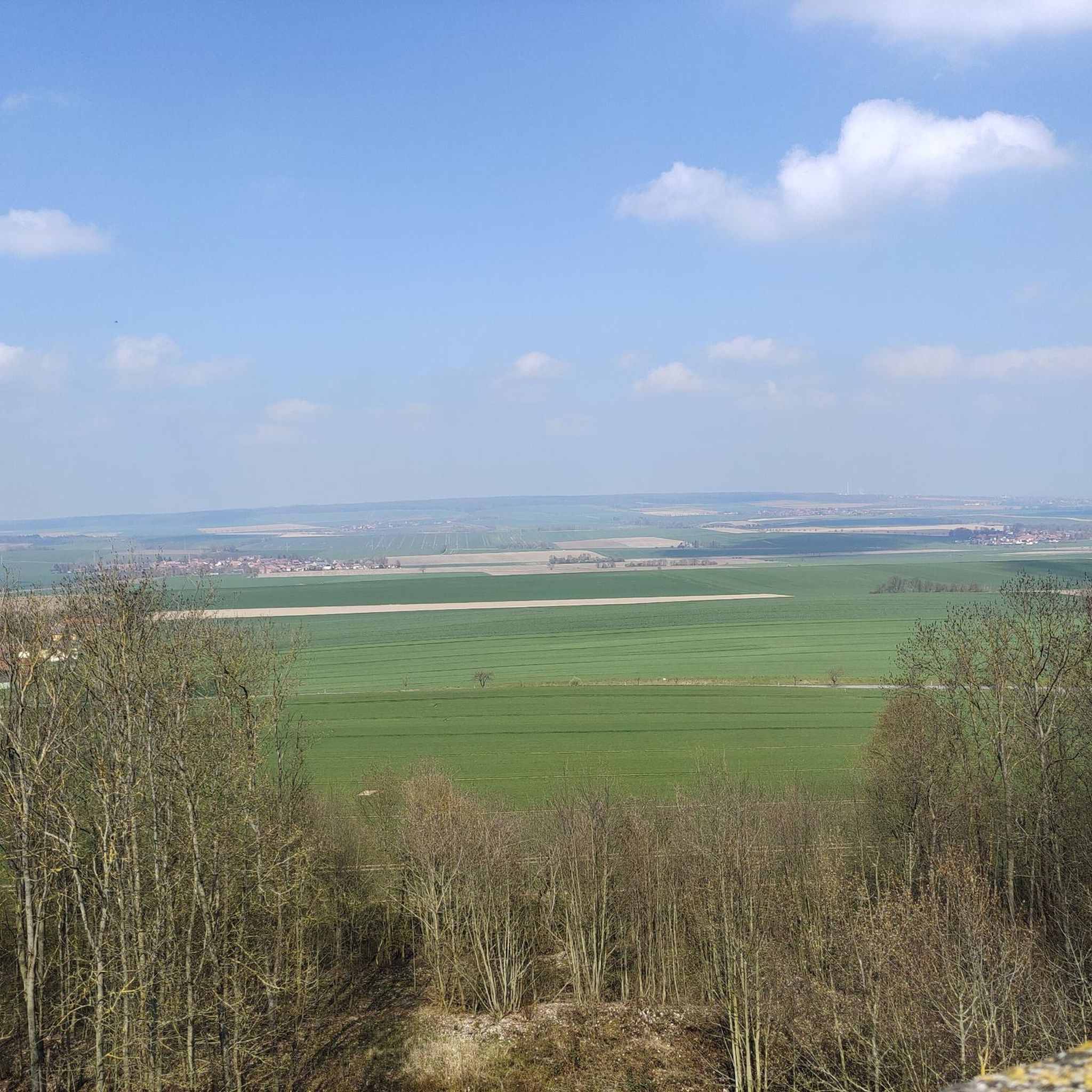
The Heeseberg is a 200 m above sea level elevation in the Heeseberg collective municipality in the Helmstedt district (Lower Saxony). The climate is warm and dry and, together with the good soil, offers good conditions for agriculture. The mountain was therefore used for agriculture from an early stage. There are therefore only small forest areas in the eastern, southern and outer northwestern areas of the Heeseberg. (Source: Wikipedia)
0
2

At the Heeseberg, the Rogenstein (a rock made of limestone spherules) and the stromatolites (layered bacterial limestone reefs) were given their name by KALKOWSKI (1908). This outcrop became a type locality and still has great international scientific significance today. In 2006, the outcrop was awarded the title "National Geotope". The outcrop at Heeseberg impressively shows the "cauliflower-like" looking stromatolites embedded in the roe stones of the Older Buntsandstein. Source: display board
14
3

In total, around 280 million cubic meters of overburden were moved in the Schöningen opencast mine by 2016 and around 46 million tons of coal were extracted. The Elmsee is created to fill in the remaining opencast mine.
10
1

You can't get enough of this stone wall.
8
2

History to touch here and to look at
7
1

imposing quarry wall and information board
6
3
Piece of history to touch, up close
8
0
Frequently Asked Questions
What are the most significant natural monuments to visit around Jerxheim?
The most significant natural monument is the Heeseberg Research Quarry, renowned for its geological importance as a type locality for Rogenstein and stromatolites. Other notable sites include the Goldener Hirsch Boulder, offering a piece of tangible history, and the Elmsburg Church Ruins, a historical site also considered a natural monument.
What unique geological features can I explore at the natural monuments near Jerxheim?
The Heeseberg Research Quarry is internationally significant for its Rogenstein (oolitic limestone) and stromatolites, which are ancient calcareous structures formed by cyanobacteria. These formations provide a glimpse into a shallow, inland sea environment from approximately 250 million years ago. The site has even been recognized with "National Geotope" status.
Are there family-friendly natural monuments or trails around Jerxheim?
Yes, several natural monuments are suitable for families. The Elmsburg Church Ruins and the Goldener Hirsch Boulder are both categorized as family-friendly. The Heeseberg also features a 3.5 km long geology and nature discovery trail (Geopfad) that is generally easy to navigate, with some sections suitable for strollers, offering an educational experience for all ages.
What kind of hiking trails can I find near the natural monuments in Jerxheim?
You can find a variety of hiking trails, including the 3.5 km Geopfad at the Heeseberg, which guides visitors past exposed red sandstone, ice-age debris, and dry grasslands. Many highlights, such as the Goldener Hirsch Boulder and Hockersteine Burial Mounds, are accessible via intermediate trails. For more options, you can explore various routes in the area, including those found in the MTB Trails around Jerxheim guide.
What historical natural monuments are there in the Jerxheim region?
Beyond geological sites, the region features historical natural monuments like the Elmsburg Church Ruins, a well-restored castle foundation offering insight into early regional history. The Old Castle Warberg, a high medieval hill castle, is another significant historical site considered a natural monument.
What outdoor activities can I do near the natural monuments around Jerxheim?
Besides exploring the natural monuments themselves, the area offers extensive opportunities for cycling and mountain biking. You can find numerous routes in guides such as Cycling around Jerxheim, Road Cycling Routes around Jerxheim, and MTB Trails around Jerxheim. These guides feature routes like the Elm-Lappwald Forest Trail and the Huy Cycle Path.
What is the best time to visit the natural monuments in Jerxheim?
The dry grassland areas at the Heeseberg are particularly vibrant in spring and summer, showcasing unique plant communities. Generally, spring through autumn offers pleasant weather for exploring the trails and geological sites. Winter can also be an option for hiking, but be prepared for colder conditions and potentially muddy trails, especially around sites like the Goldener Hirsch Boulder.
Are the natural monuments around Jerxheim dog-friendly?
While specific dog policies for each natural monument are not detailed, many natural areas and trails in Germany are dog-friendly, provided dogs are kept on a leash. It's always recommended to check local signage upon arrival for any specific restrictions within nature reserves like the Heeseberg.
What do visitors appreciate most about the natural monuments in Jerxheim?
Visitors frequently highlight the opportunity to delve into the region's early history, as seen at sites like the Elmsburg Church Ruins. The geological significance of the Heeseberg Research Quarry, with its ancient rock formations and stromatolites, is also a major draw. The overall natural beauty, views, and well-maintained historical sites are often praised.
Is the Lohlberg Limestone Quarry a significant natural monument to visit?
The Lohlberg Limestone Quarry, located north of the Heeseberg, is an abandoned quarry exposing lower Muschelkalk and is part of a nature reserve. While it's integrated into local hiking routes, its unique natural features are not as extensively documented or internationally recognized as those of the Heeseberg. It contributes to the local biodiversity, particularly for calcareous grassland ecosystems.
How accessible are the natural monuments for visitors using public transport?
Specific public transport details to each natural monument are not provided. However, Jerxheim is a municipality in Lower Saxony, Germany, and typically, larger natural attractions like the Heeseberg may have bus connections from nearby towns. It's advisable to check local public transport schedules for routes to the Heeseberg or other specific sites before your visit.
Are there any hidden natural gems or lesser-known sites worth discovering?
While the Heeseberg is the most prominent, the Hockersteine Burial Mounds offer a unique blend of ancient history and natural setting, described by visitors as "stone graves that were built before 3000!" These sites provide a quieter, more reflective experience of the region's past.
Most popular routes around Jerxheim
Most popular attractions around Jerxheim

Get inspired with the komoot mobile app


Explore more
Extend your search for the best caves by checking out these guides of the top ones around Jerxheim:
