Top 20 Natural Monuments around Beierstedt
Best natural monuments around Beierstedt are found in the northern part of the Helmstedt district in Lower Saxony, Germany. The area features picturesque green meadows and offers access to several notable natural monuments. These attractions showcase unique geological features and diverse flora and fauna, providing opportunities for outdoor recreation. The region includes significant geological sites like the Heeseberg, as well as areas with former sandstone quarries and natural springs.
Best natural monuments around Beierstedt
- The most popular natural monument is…
Last updated: August 18, 2026
Elmsburg Church Ruins
Highlight • Historical Site
Translated by Google •
Tip by

Goldener Hirsch Boulder
Highlight • Natural Monument
Translated by Google •
Tip by

Sign up now to discover places like this
Get recommendations on the best single tracks, peaks, & plenty of other exciting outdoor places.
Sign up for free
Hockersteine Burial Mounds
Highlight • Historical Site
Translated by Google •
Tip by
Toni's Ruh
Highlight • Rest Area
Translated by Google •
Tip by
Heeseberg Research Quarry
Highlight • Natural Monument
Leave the interesting stone wall to nature
Translated by Google •
Tip by

Sign up for free to discover even more natural monuments around Beierstedt.
Sign up for free
Already have an account?
Start today with a free account
Your next adventure awaits.
Login or Signup
Tips from the Community

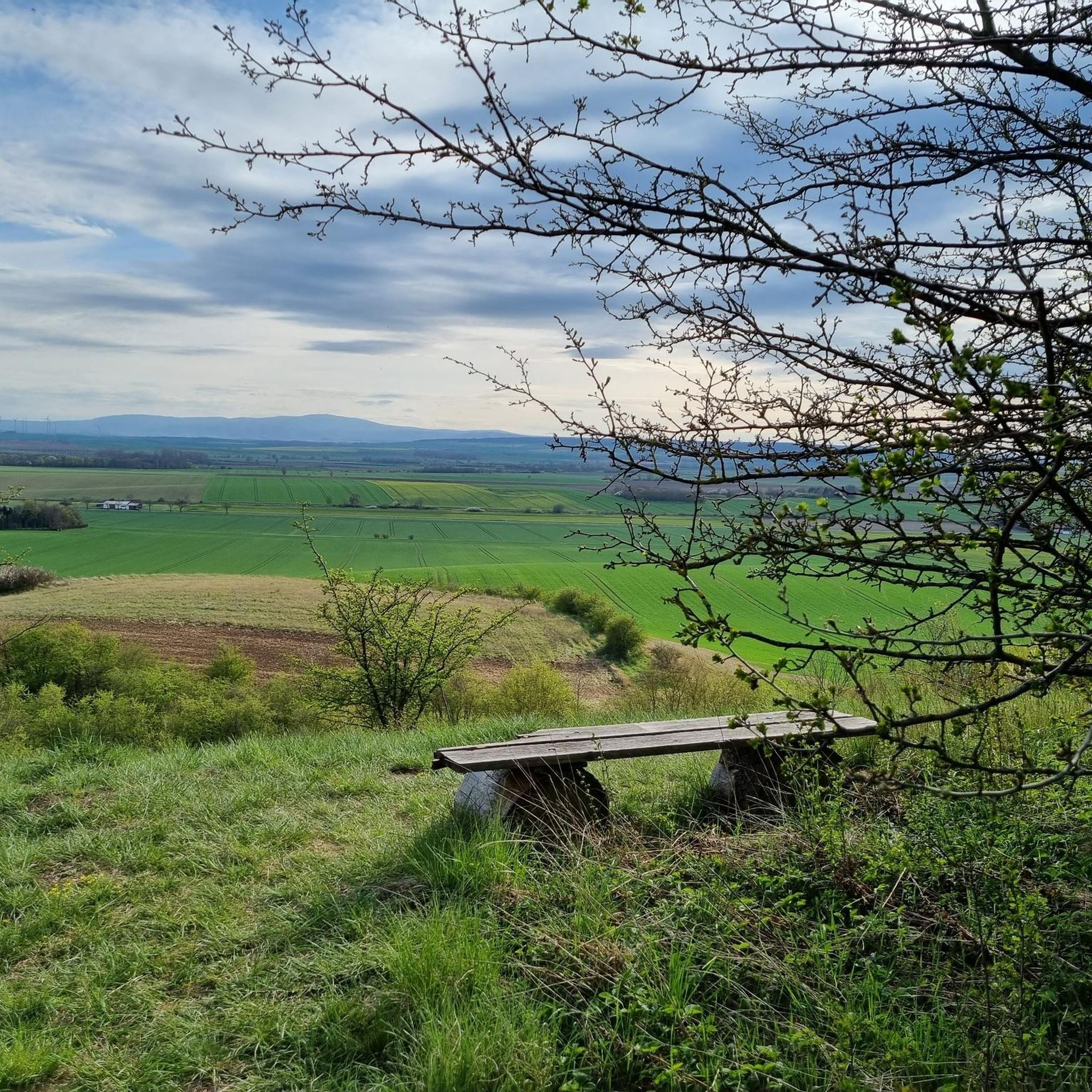
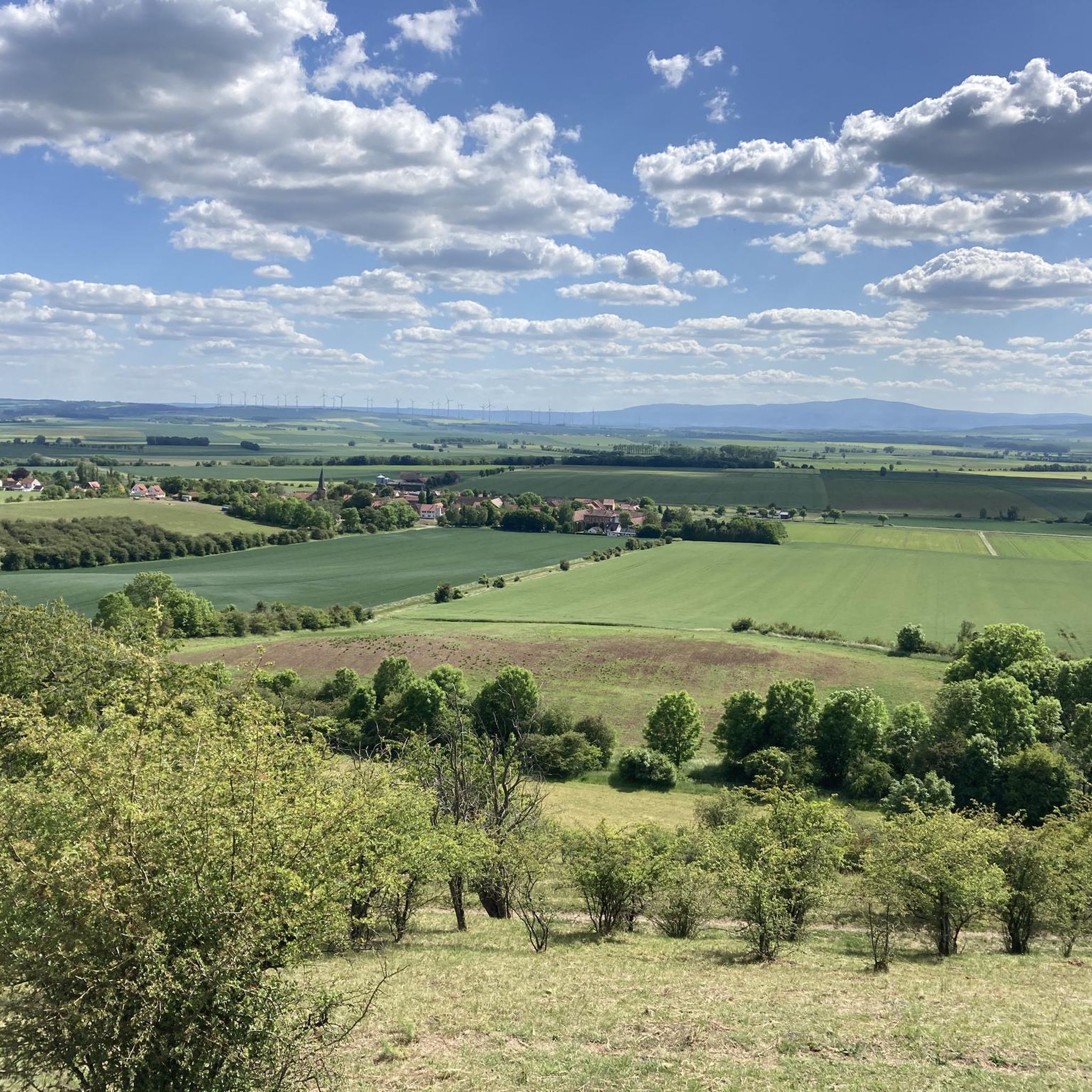
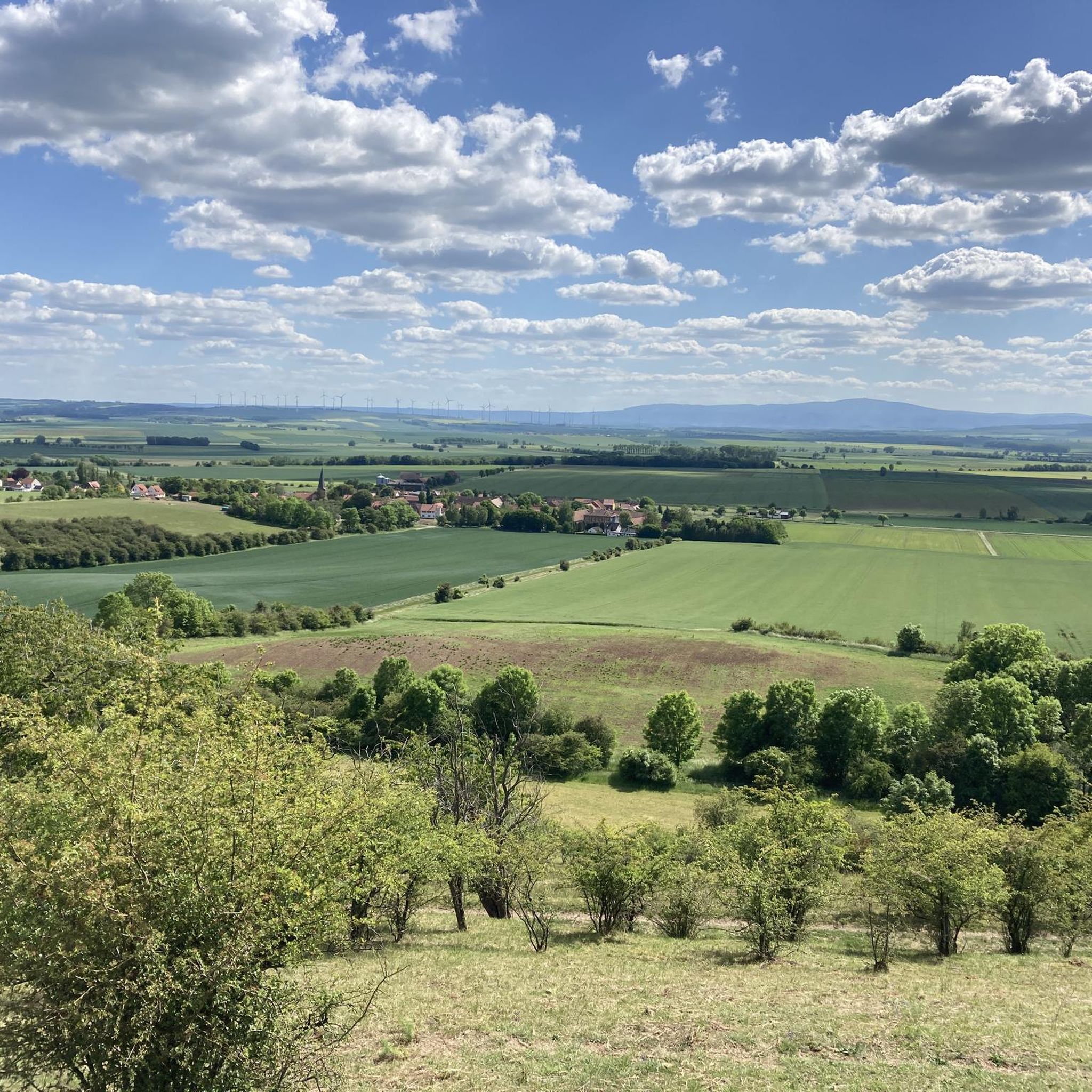
The Heeseberg is a 200 m above sea level elevation in the Heeseberg collective municipality in the Helmstedt district (Lower Saxony). The climate is warm and dry and, together with the good soil, offers good conditions for agriculture. The mountain was therefore used for agriculture from an early stage. There are therefore only small forest areas in the eastern, southern and outer northwestern areas of the Heeseberg. (Source: Wikipedia)
0
2

At the Heeseberg, the Rogenstein (a rock made of limestone spherules) and the stromatolites (layered bacterial limestone reefs) were given their name by KALKOWSKI (1908). This outcrop became a type locality and still has great international scientific significance today. In 2006, the outcrop was awarded the title "National Geotope". The outcrop at Heeseberg impressively shows the "cauliflower-like" looking stromatolites embedded in the roe stones of the Older Buntsandstein. Source: display board
14
3

You can't get enough of this stone wall.
8
2

imposing quarry wall and information board
6
3


A really great place, the Heeseberg is very inconspicuous and yet offers many beautiful photo opportunities.
4
2
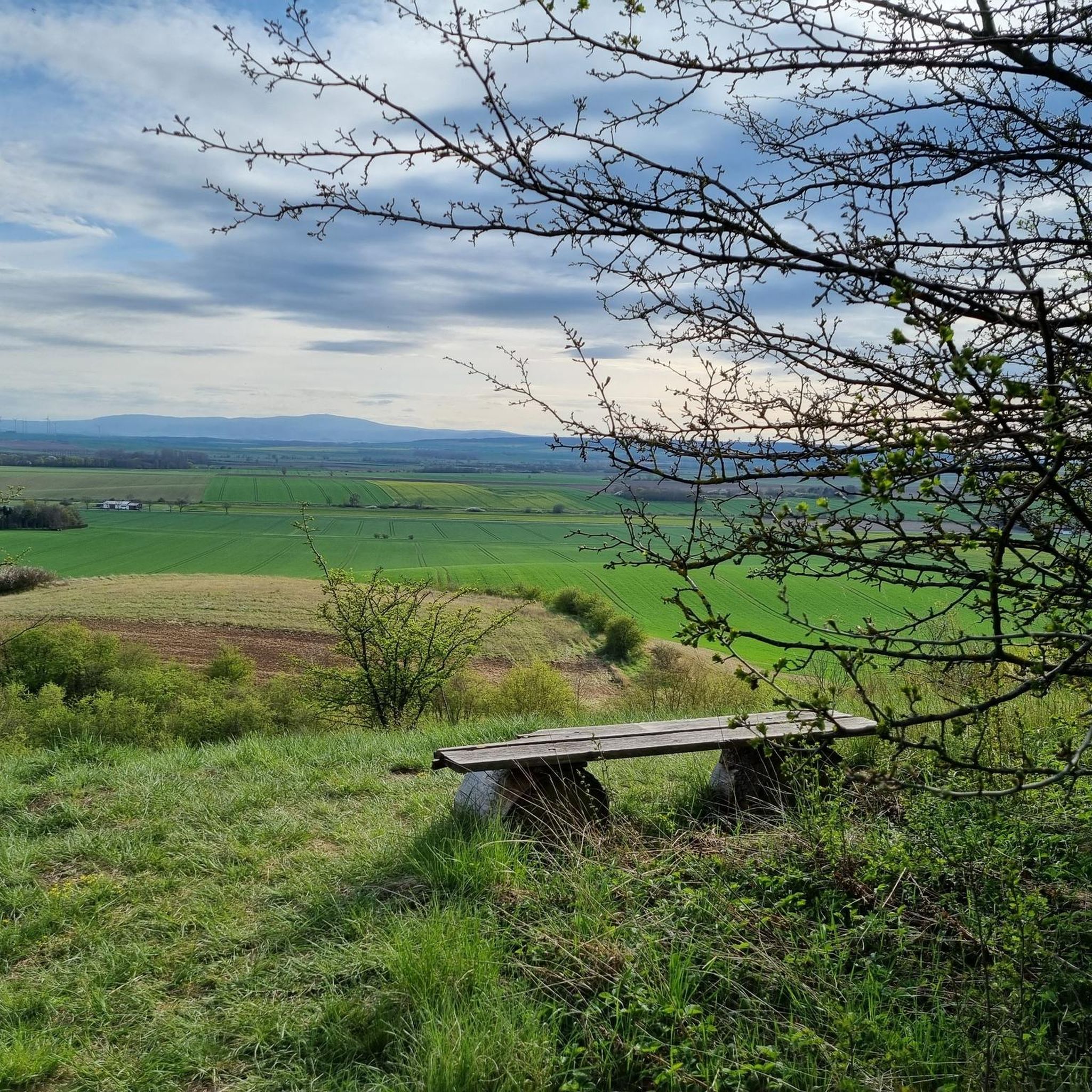
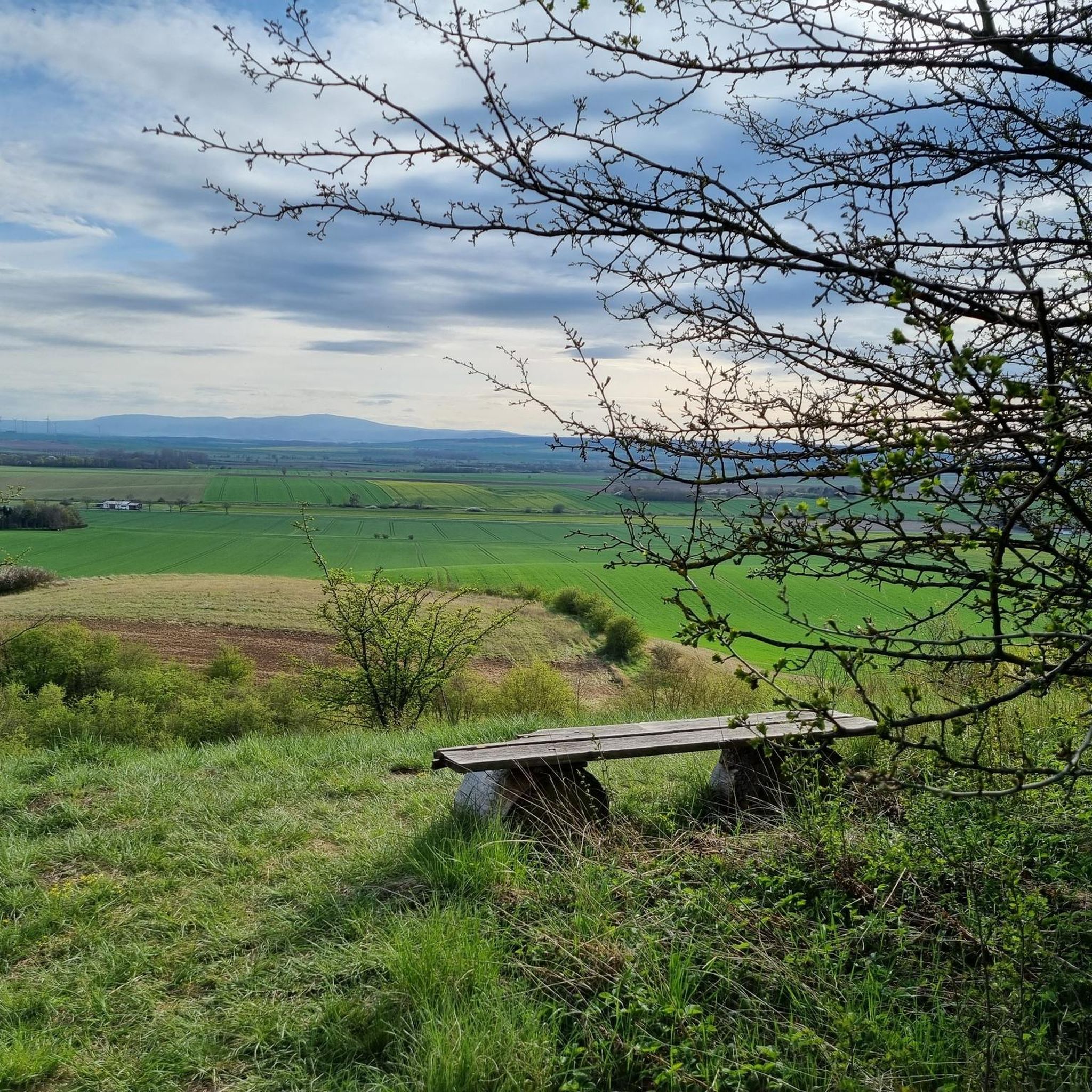
You can take a short break here right on the trail.
13
1
When it is wet, the trail is usually muddy.
13
1
Frequently Asked Questions
What unique natural features can I explore around Beierstedt?
The region around Beierstedt offers diverse natural features. The Heeseberg Research Quarry is internationally recognized for its Rogenstein and "cauliflower-like" stromatolites, showcasing significant geological history. You can also find the unique Spring Adonis flowers blooming in early spring on the Heeseberg's dry grasslands. Further afield, the Velpker Schweiz Ponds feature water-filled former sandstone quarries with dense pine and birch forests, while the Abbot Fabricius Spring and Lutter Waterfall offer a serene brook valley.
Are there historical sites among the natural monuments?
Yes, several natural monuments around Beierstedt also have historical significance. The Hockersteine Burial Mounds are ancient stone graves built before 3000, offering a direct connection to ancient history. The Heeseberg Research Quarry is not only a geological marvel but also a historical site where the Rogenstein and stromatolites were named. Additionally, the Goldener Hirsch Boulder represents a piece of tangible history.
What is the best time to visit the natural monuments around Beierstedt?
The best time to visit depends on what you wish to experience. Early spring is ideal for seeing the rare Spring Adonis flowers in bloom on the Heeseberg. Generally, spring and summer offer pleasant weather for hiking and exploring the natural areas. Autumn provides beautiful foliage, while winter can offer a quiet, serene landscape, though some trails might be muddy or less accessible.
Are there family-friendly natural monuments around Beierstedt?
Yes, several spots are suitable for families. The Goldener Hirsch Boulder is accessible via short single trail sections, making it an engaging stop. The Toni's Ruh viewpoint offers a pleasant resting spot with impressive oak trees. The Karl-May-Tal is also described as a beautiful little valley in the middle of the forest, easy to explore for families and children.
What outdoor activities can I do near these natural monuments?
The area around Beierstedt is excellent for various outdoor activities. You can enjoy easy hikes, such as the 'Heeseberg Research Quarry – Heeseberg Tower loop from Beierstedt' or the 'Rogenstein Quarry – Lohlberg Limestone Quarry loop from Beierstedt'. For more options, explore the Easy hikes around Beierstedt guide. There are also road cycling routes and MTB trails available; check out the Road Cycling Routes around Beierstedt and MTB Trails around Beierstedt guides for more details.
Are there specific hiking trails to natural monuments?
Yes, the Heeseberg features a geopath approximately 3.5 km long, allowing visitors to explore its geological past. You can find easy hiking loops like the 'Heeseberg Research Quarry – Heeseberg Tower loop from Beierstedt' which is 5.7 km long. The Velpker Schweiz Ponds also have a path of about 2 km starting at the Velpke sports field, making it accessible for walks. The Lutter Waterfall and Great Pond can be accessed through trails from Königslutter Cathedral.
What do visitors particularly enjoy about the natural monuments here?
Visitors appreciate the blend of natural beauty and historical significance. Many enjoy the panoramic views from the Heesebergturm and the geological insights offered by the Heeseberg Research Quarry. The ancient Hockersteine Burial Mounds are often described as a 'subject always worth a visit' and a 'story to touch so close to the path'. The peaceful atmosphere of places like the Velpker Schweiz Ponds and the Lutter Waterfall also receives positive feedback.
Where can I find refreshments near the natural monuments?
Near the Heeseberg, you can find the 'Heese 5' restaurant, which provides a place for refreshment with views of the surrounding landscape. For other natural monuments, it's advisable to check local villages like Beierstedt or Königslutter am Elm for cafes and pubs before or after your visit.
What is special about the Heeseberg?
The Heeseberg is a prominent 200-meter-high elevation known for its international geological significance. It features outcrops of Rogenstein from the Lower Buntsandstein, containing unique 'cauliflower-like' stromatolites. Its dry grasslands are home to rare species, most notably the protected Spring Adonis flowers. A hike to the Heesebergturm offers panoramic views, and a geopath allows for exploration of its geological past.
Are there other significant natural areas besides Heeseberg?
Yes, the Helmstedt district offers more. The Velpker Schweiz Ponds, a landscape protection area in Velpke, are characterized by numerous water-filled former sandstone quarries, offering a tranquil setting with dense pine and birch forests. Near Königslutter am Elm, you can visit the Abbot Fabricius Spring (Lutterspring), the source of the Lutter river, and the beautiful Lutter Waterfall and Great Pond, providing a serene brook valley for walks.
What kind of wildlife and flora can I expect to see?
The natural monuments around Beierstedt are home to diverse flora and fauna. The Heeseberg's dry grasslands are particularly famous for the rare Spring Adonis flowers (Adonis vernalis), which bloom with striking yellow petals in early spring. The Velpker Schweiz Ponds area, with its forests and water bodies, also supports various species, though specific wildlife details are less documented. Generally, you can expect to encounter typical forest and meadow wildlife of Lower Saxony.
Are there scenic viewpoints in the area?
Yes, several natural monuments offer scenic viewpoints. The Heesebergturm (Heeseberg Tower) provides panoramic views of the surrounding landscape. The Toni's Ruh highlight is also noted as a viewpoint, offering a pleasant spot to take in the scenery. The Goldener Hirsch Boulder is another location described as a viewpoint.
Most popular routes around Beierstedt
Most popular attractions around Beierstedt

Get inspired with the komoot mobile app


Explore more
Extend your search for the best caves by checking out these guides of the top ones around Beierstedt:
