Top 4 Natural Monuments around Golchen
Natural monuments around Golchen offer diverse natural landscapes for exploration. The region, situated within Mecklenburg-Western Pomerania, features forests, bodies of water, and unique geological formations. While specific named natural monuments directly within Golchen are not widely recognized, the surrounding area provides several points of interest. These natural features contribute to the area's appeal for outdoor activities like hiking and cycling.
Best natural monuments around Golchen
- The most popular natural monuments is View of the Tollense Valley, a viewpoint that…
Last updated: October 11, 2026
Großer Stein (Großquartzow)
Highlight • Natural Monument
Translated by Google •
Tip by

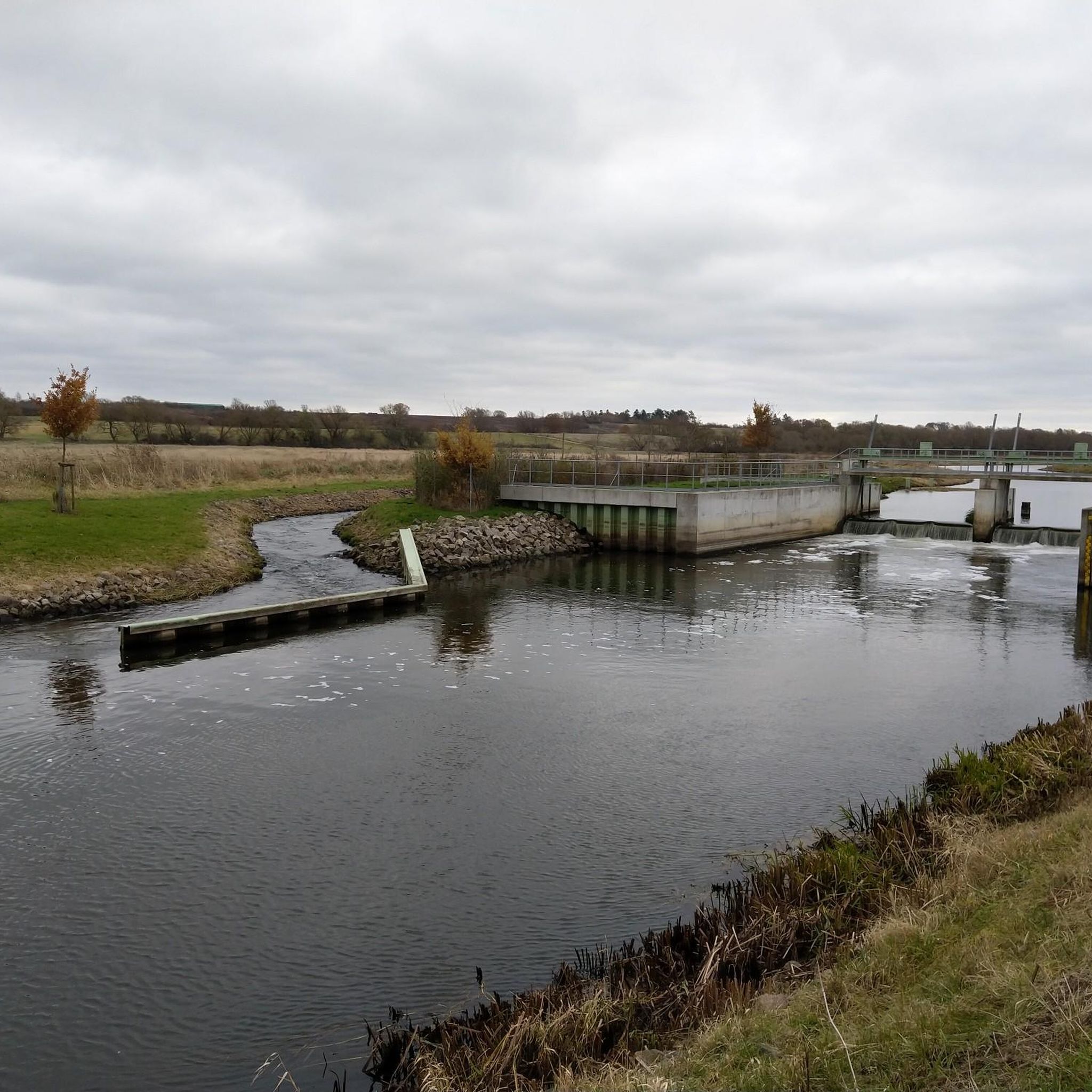
Weir and fish ladder at Tückude
Highlight • Structure
Translated by Google •
Tip by

Sign up now to discover places like this
Get recommendations on the best single tracks, peaks, & plenty of other exciting outdoor places.
View of the Tollense Valley
Highlight • Viewpoint
Translated by Google •
Tip by

Wendenwall Burgwall
Highlight • Historical Site
Translated by Google •
Tip by

Tollensetal Bronze Age Battlefield
Highlight • Historical Site
Translated by Google •
Tip by
Start today with a free account
Your next adventure awaits.
Tips from the Community

A greeting from the Ice Age.
0
0

The castle hill is a striking feature in its surroundings and stands at a considerable height. A fortified outer bailey now stands on the western side of the Augraben. The river was once straightened, separating the main bailey and outer bailey. Until recently, both fortifications were mistakenly considered independent castles. However, they were demonstrably part of a rampart that was surrounded by the Augraben. An outer bailey settlement was located east of the castle hill on a natural islet. A circular rampart, approximately 70 m in diameter, stood on a raised islet in the Augraben valley. Late 9th to 10th century. Below the castle lay a small section of rampart, the function of which is unknown today.
0
0
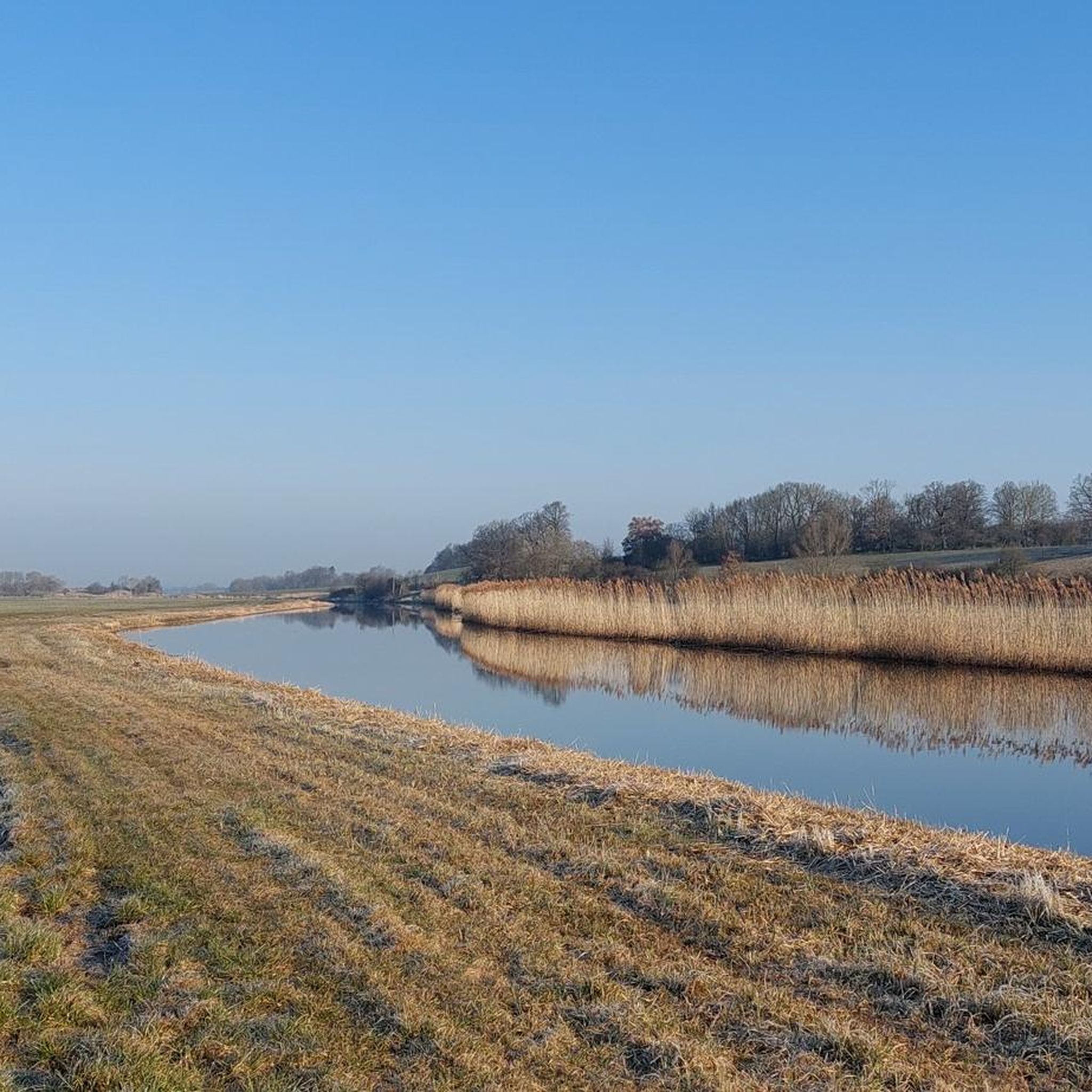
A large violent conflict took place right on the Tollense near Weltzin around 3,300 years ago. Archaeologists were able to find the remains of countless skeletons in the damp ground, which have been excellently preserved. The reconstructed battlefield stretches for about 1.5 kilometers along the west bank of the river.
1
0


The Great Stone is the largest erratic boulder in northern Germany after the Markgrafensteine and the second largest known boulder in northern Germany after the 550-ton Buskam, which lies in the water of the Baltic Sea. The Great Stone probably came to its current location during the Vistula Ice Age.
2
0

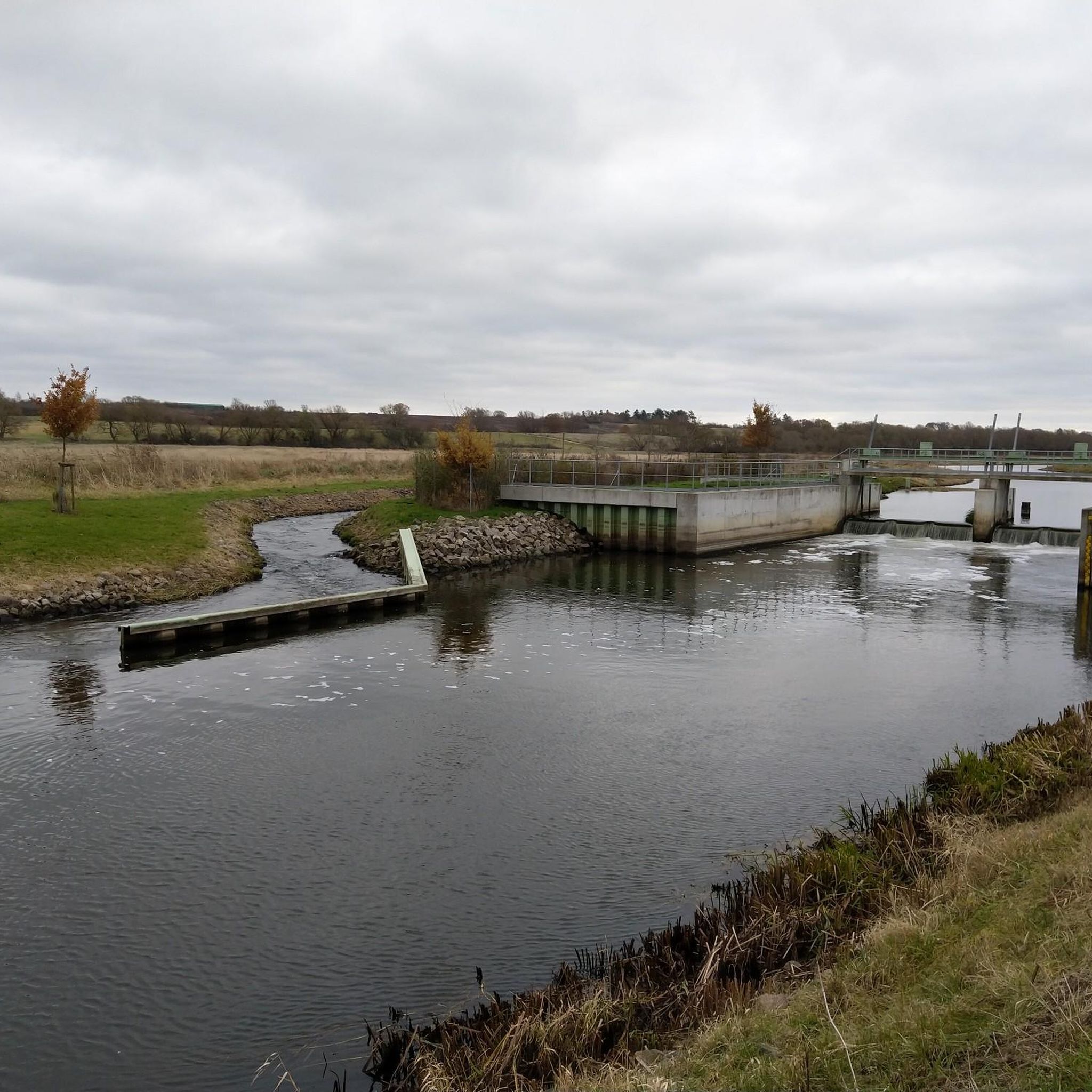
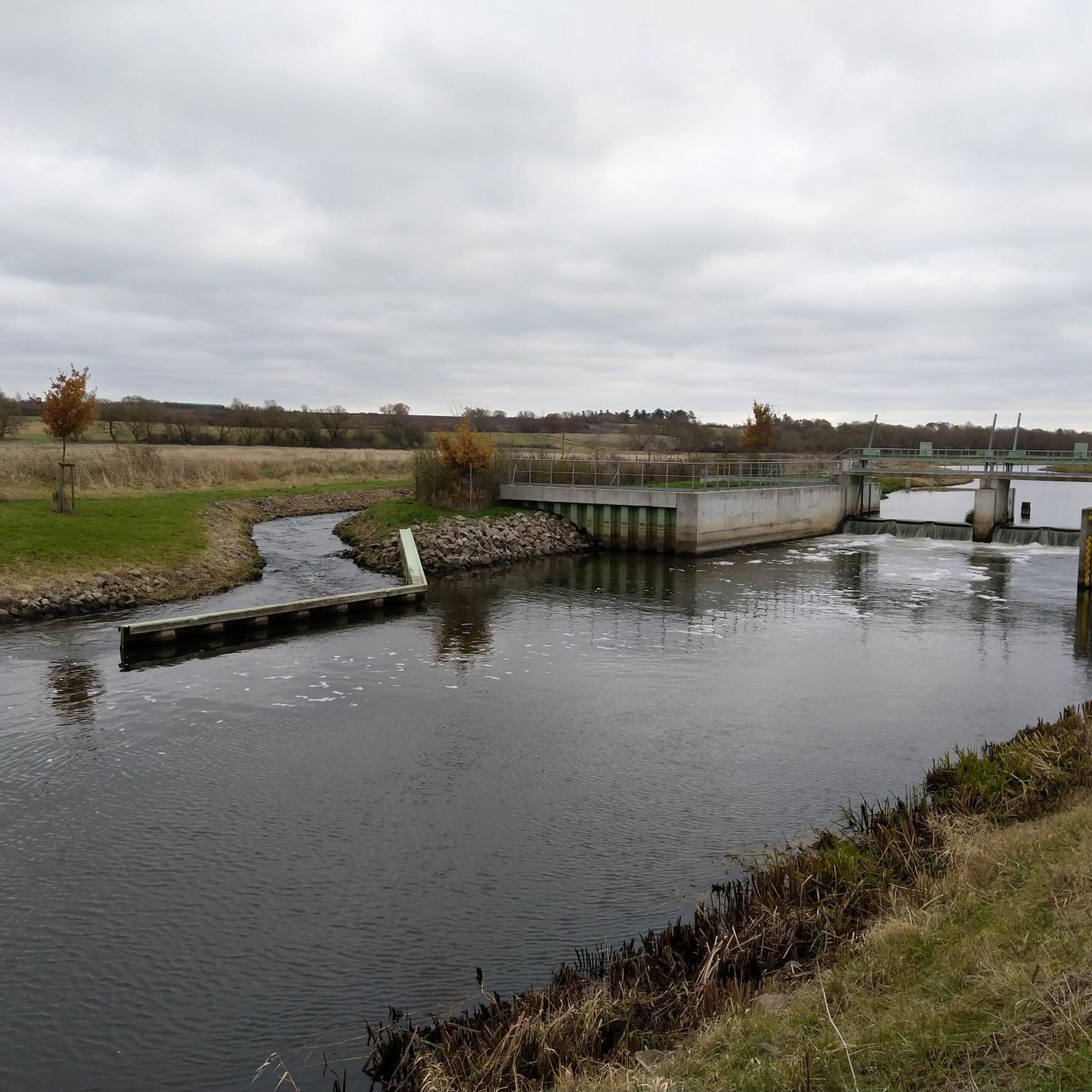
Interesting small buildings on the Tollense
1
0

The weir can be crossed with bicycles (carrying) with a little effort. It is not barrier-free and its use is officially prohibited. But the way is open and is also used as such. The nearest bridges over the Tollense are first, in the north: Alt Tellin/ in the south: Klempenow, each 5km away.
0
0

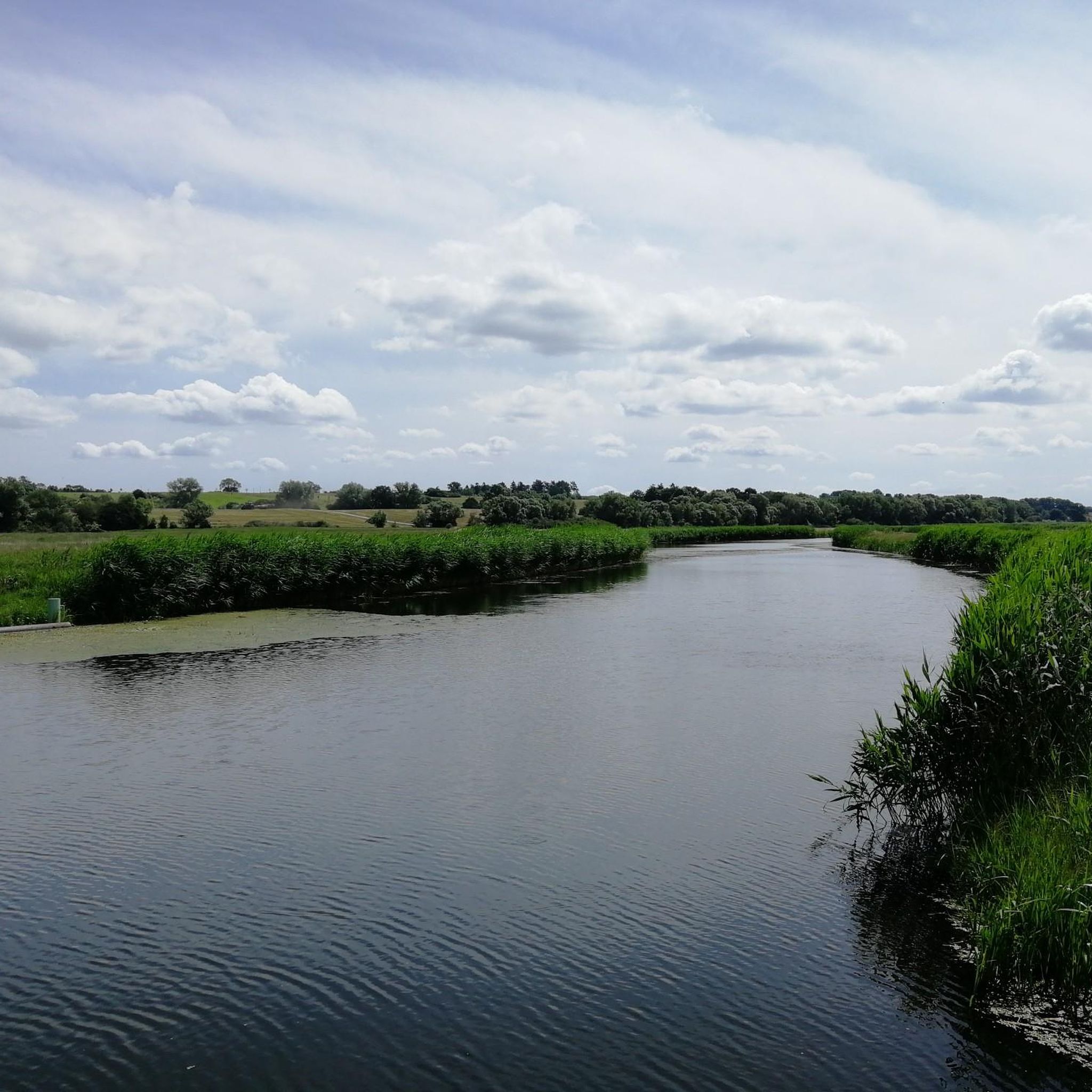
Super gigantic nature! Just beautiful.
0
0
Frequently Asked Questions
What unique natural features can I explore near Golchen?
Near Golchen, you can explore diverse natural landscapes, including glacial valleys, large erratic boulders, and river features. Highlights include the View of the Tollense Valley, which offers expansive sights of a glacial valley from the Ice Age, and the impressive Großer Stein (Großquartzow), one of the largest known erratic boulders in northern Germany.
Are there any significant geological formations around Golchen?
Yes, the region around Golchen is known for its geological significance. The Tollense Valley is a prime example of a glacial valley formed during the Ice Age. Additionally, the Großer Stein (Großquartzow) is a massive erratic boulder, a remnant from the Vistula Ice Age, making it a notable geological landmark.
Where can I find scenic viewpoints of the natural landscape near Golchen?
For scenic views, the View of the Tollense Valley is highly recommended, offering broad vistas of the glacial valley. Another spot with a striking perspective is the Wendenwall Burgwall, which stands at a considerable height and provides views of its surroundings.
Are there historical sites integrated with the natural monuments near Golchen?
Yes, the area combines natural beauty with historical significance. The Wendenwall Burgwall is a historical castle hill that is also a natural feature. Furthermore, the Tollensetal Bronze Age Battlefield is a significant archaeological site located along the Tollense river, where a large violent conflict occurred around 3,300 years ago.
Are the natural monuments around Golchen suitable for families?
Many natural attractions around Golchen are family-friendly. For instance, the Großer Stein (Großquartzow) has a surrounding park with benches, ideal for walks and cycling with children. The Weir and fish ladder at Tückude and the View of the Tollense Valley are also generally accessible for families.
What outdoor activities can I do near the natural monuments around Golchen?
The natural monuments around Golchen are excellent starting points for various outdoor activities. You can find numerous hiking and cycling routes. For easy hikes, explore options like the 'Burg an der Tollense loop from Tückhude' or 'Großer Stein (Großquartzow) – Demmin Gate loop from Altentreptow'. For more challenging hikes, consider routes like 'Klempenow Half-Timbered Church – Landskron Castle Ruins loop from Breest'. You can find more details on these and other routes in the easy hikes around Golchen guide and the hiking around Golchen guide. Mountain biking trails are also available, such as those listed in the MTB Trails around Golchen guide.
Are there hiking trails near these natural monuments?
Yes, there are several hiking trails that pass by or are close to the natural monuments. For example, the Großer Stein (Großquartzow) is located on the Stone Age route, offering a historical walking experience. You can find various hiking routes, including easy and moderate options, in the hiking around Golchen guide, which features routes like 'Nature Adventure Park Mühlenhagen – View of Conerow Castle Ruins loop from Mühlenhagen'.
What do visitors enjoy most about the natural monuments around Golchen?
Visitors frequently praise the expansive natural beauty and tranquility. The View of the Tollense Valley is often described as 'super gigantic nature' and 'just beautiful,' especially in spring. The Großer Stein (Großquartzow) is appreciated for its imposing size and the pleasant surrounding park area, ideal for leisurely walks.
Can I bring my dog to the natural monuments and trails near Golchen?
Generally, the natural landscapes and trails around Golchen are dog-friendly. However, it's always advisable to keep dogs on a leash, especially in nature reserves or areas with wildlife, and to respect local regulations. Specific information regarding leash requirements for individual trails or natural monuments should be checked locally.
What is the best time to visit the natural monuments around Golchen?
The natural monuments around Golchen can be enjoyed throughout the year, each season offering a different charm. Spring is particularly noted for the fresh greenery and vibrant views, as mentioned for the View of the Tollense Valley. Summer offers pleasant weather for extended outdoor activities, while autumn brings colorful foliage. Winter can provide a serene, quiet experience, though some paths might be less accessible depending on snow conditions.
Are there any specific regulations or permits needed for hiking in nature areas near Golchen?
While general hiking on marked trails usually doesn't require permits, it's important to be aware of any specific regulations if you plan to enter designated nature reserves or protected areas within Mecklenburg-Western Pomerania. Always stick to marked paths, do not disturb wildlife, and leave no trace. Information on specific permits for certain areas would typically be posted at reserve entrances or available from local tourism offices.
How accessible are the natural monuments around Golchen by public transport?
Access to natural monuments around Golchen by public transport can vary. While Golchen itself is a smaller locality, regional bus lines might connect to nearby towns or trailheads. For specific highlights like the Weir and fish ladder at Tückude, the nearest bridges over the Tollense are several kilometers away, suggesting that direct public transport access to all natural monuments might be limited. Planning your route in advance using local transport schedules is recommended.
Most popular attractions around Golchen

Get inspired with the komoot mobile app


Explore more
Extend your search for the best caves by checking out these guides of the top ones around Golchen:
