Top 3 Natural Monuments around Breest
Natural monuments around Breest showcase the region's geological history and diverse landscapes. The area features remnants of the Ice Age, including glacial valleys and significant erratic boulders. Visitors can explore natural settings along the Tollense river and discover unique geological formations. These sites offer opportunities to observe the natural environment.
Best natural monuments around Breest
- The most popular natural monuments is View of the Tollense Valley, a viewpoint that offers views of a glacial valley from the Ice Age.…
Last updated: June 25, 2026
Großer Stein (Großquartzow)
Highlight • Natural Monument
Translated by Google •
Tip by

Weir and fish ladder at Tückude
Highlight • Structure
Translated by Google •
Tip by

Sign up now to discover places like this
Get recommendations on the best single tracks, peaks, & plenty of other exciting outdoor places.
Sign up for free
View of the Tollense Valley
Highlight • Viewpoint
Translated by Google •
Tip by

Tollensetal Bronze Age Battlefield
Highlight • Historical Site
Translated by Google •
Tip by

Start today with a free account
Your next adventure awaits.
Login or Signup


Tips from the Community

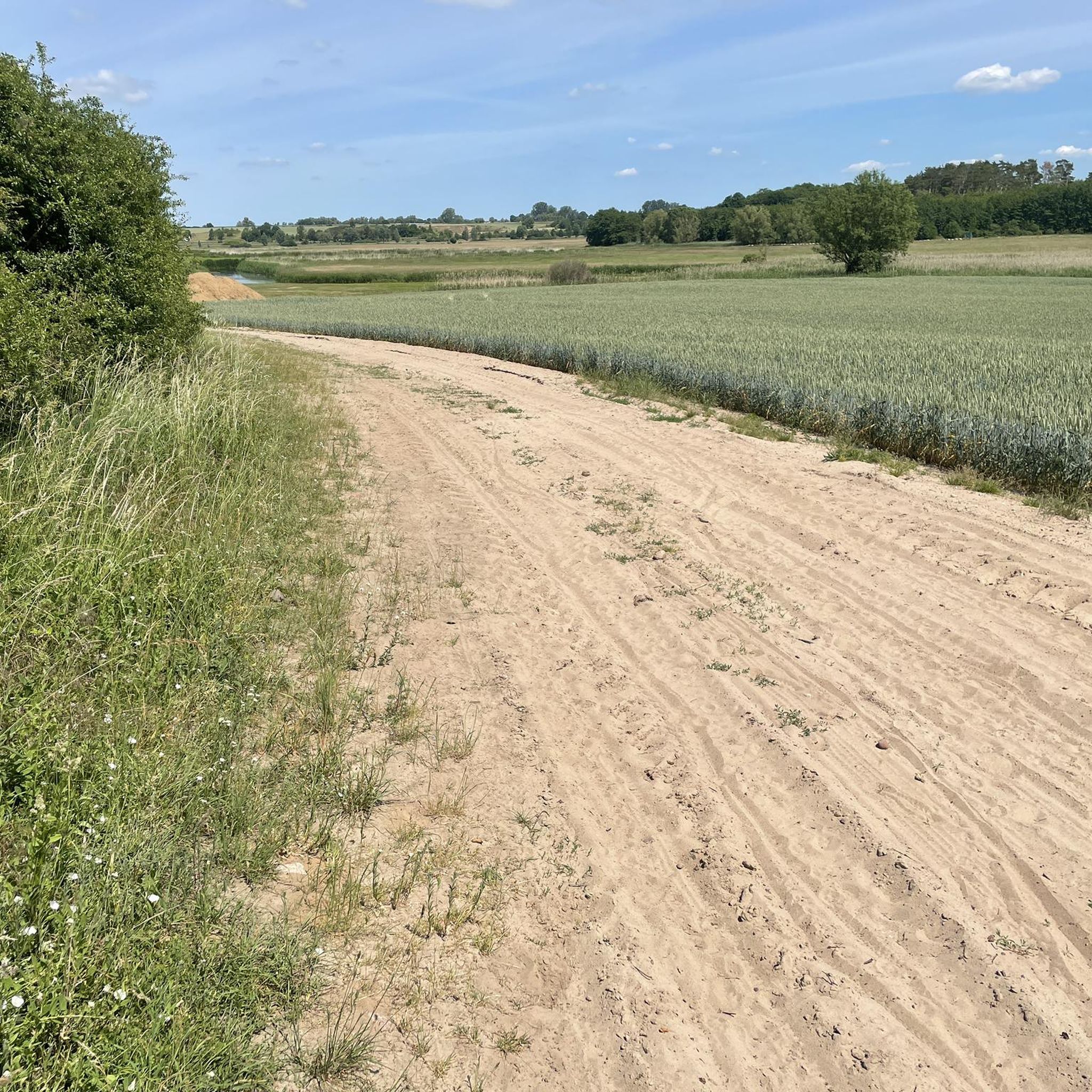
A large violent conflict took place right on the Tollense near Weltzin around 3,300 years ago. Archaeologists were able to find the remains of countless skeletons in the damp ground, which have been excellently preserved. The reconstructed battlefield stretches for about 1.5 kilometers along the west bank of the river.
1
0


The Great Stone is the largest erratic boulder in northern Germany after the Markgrafensteine and the second largest known boulder in northern Germany after the 550-ton Buskam, which lies in the water of the Baltic Sea. The Great Stone probably came to its current location during the Vistula Ice Age.
2
0

Interesting small buildings on the Tollense
1
0

The weir can be crossed with bicycles (carrying) with a little effort. It is not barrier-free and its use is officially prohibited. But the way is open and is also used as such. The nearest bridges over the Tollense are first, in the north: Alt Tellin/ in the south: Klempenow, each 5km away.
0
0

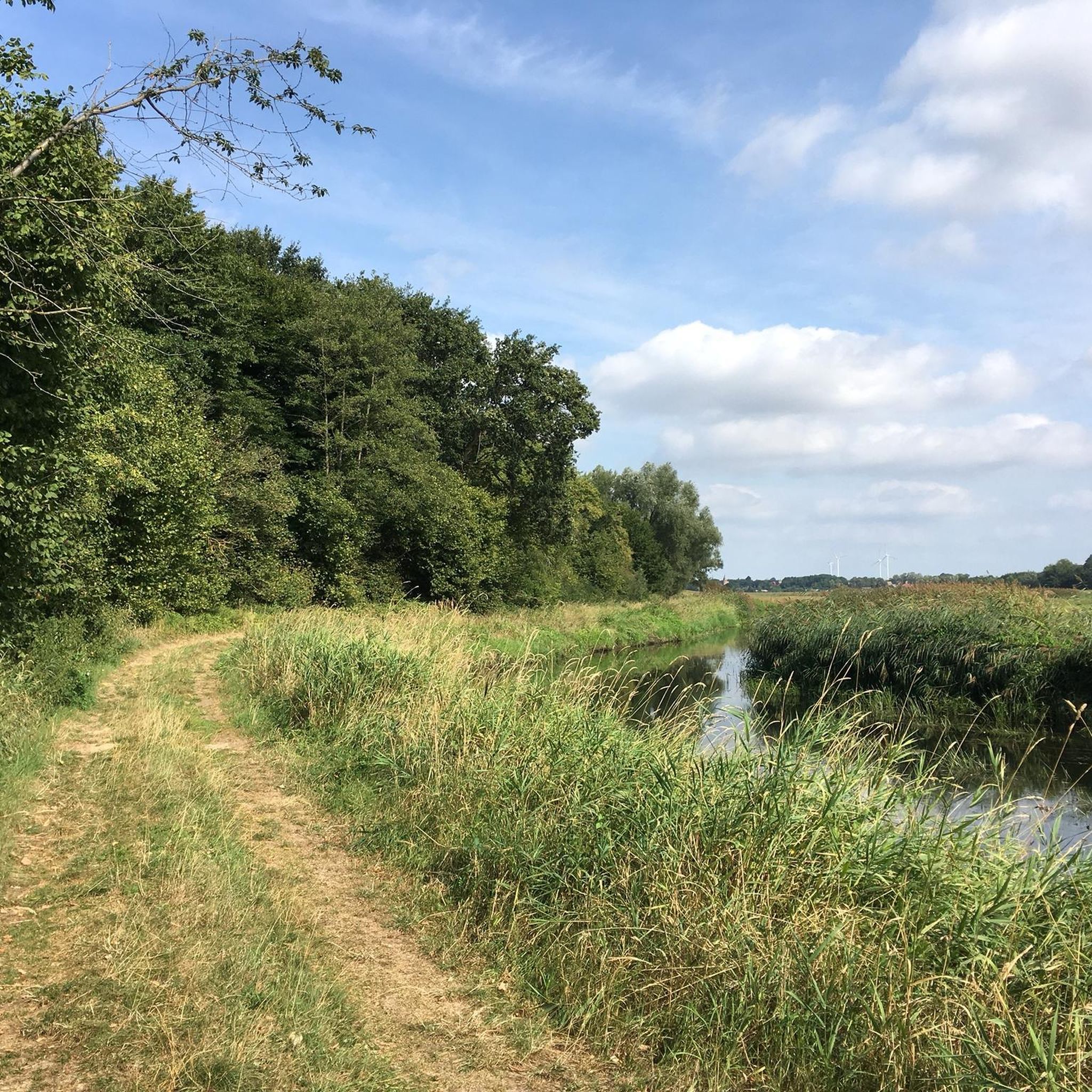
Super gigantic nature! Just beautiful.
0
0

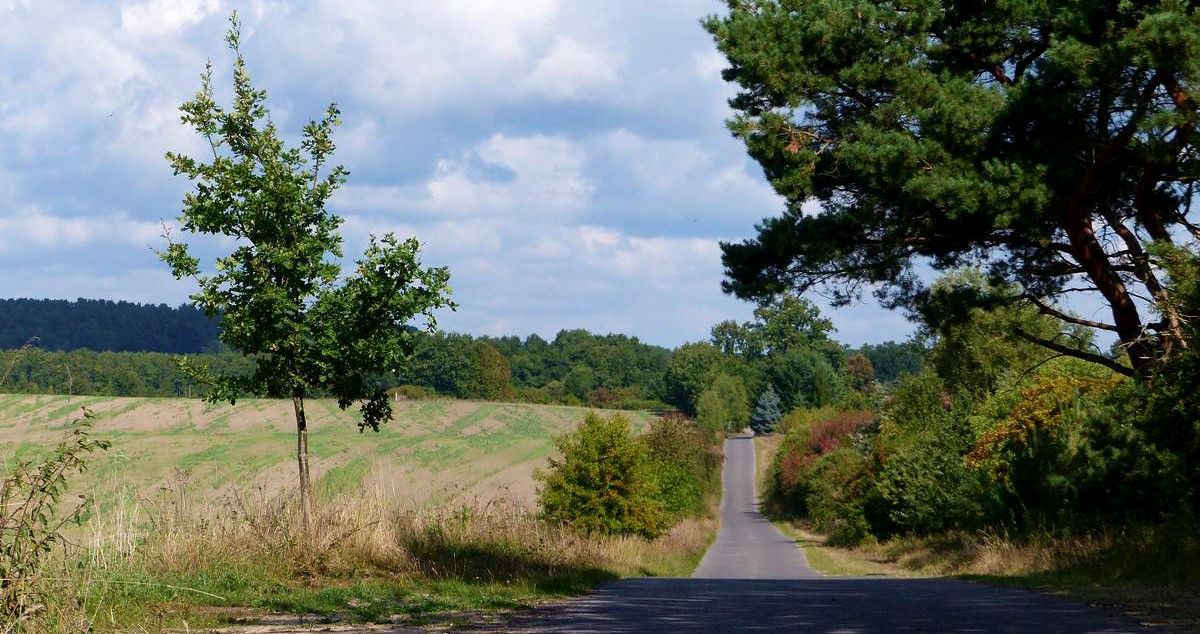
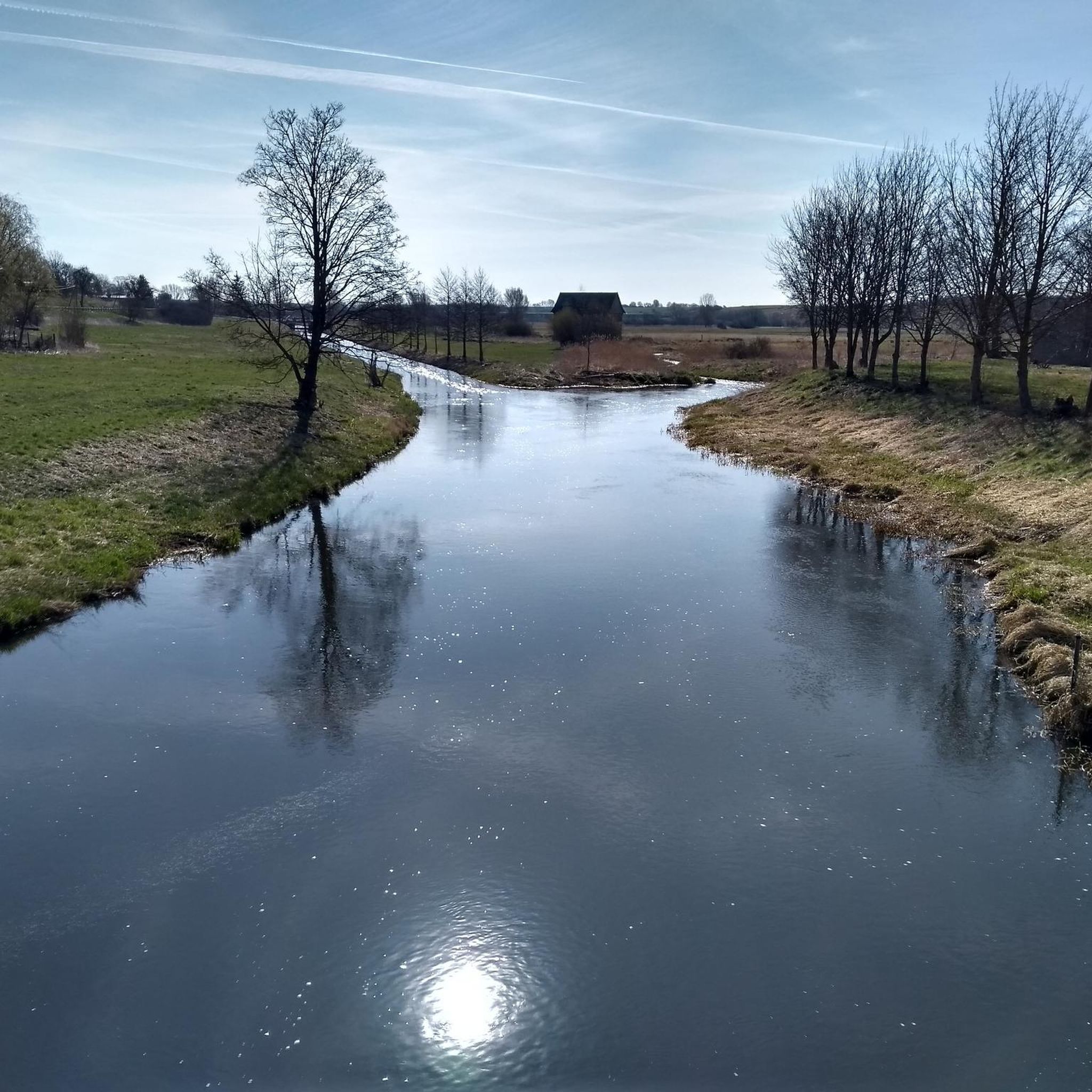
Here you can see a glacial valley from the Ice Age: large valley, small river.
0
0

Frequently Asked Questions
What unique natural features can I expect to see around Breest?
The natural monuments around Breest showcase the region's geological history, particularly remnants of the Ice Age. You can find glacial valleys, such as the one visible from View of the Tollense Valley, and significant erratic boulders like Großer Stein (Großquartzow). The area is also characterized by the Tollense river, which features interesting sites like the Weir and fish ladder at Tückude.
Are there any significant historical sites or natural monuments with historical relevance near Breest?
Yes, the region around Breest has natural monuments with historical significance. You can visit Schwedenschanze Siedenbollentin, a historical site linked to a battle during the Seven Years' War. Another notable location is the Tollensetal Bronze Age Battlefield, where archaeological findings indicate a large violent conflict occurred about 3,300 years ago.
Which natural monuments are suitable for families with children?
Several natural monuments around Breest are considered family-friendly. The Großer Stein (Großquartzow), a large erratic boulder, is located in a park-like setting with benches, ideal for walks. The Weir and fish ladder at Tückude offers interesting small buildings by the Tollense river, and the View of the Tollense Valley provides expansive natural scenery that families can enjoy.
What kind of outdoor activities can I do near the natural monuments around Breest?
The area around Breest offers diverse outdoor activities. You can find numerous routes for hiking, mountain biking, and road cycling. For example, there are easy hikes like the 'Landskron Castle Ruins – Großer Landgraben River loop'. Cyclists can explore MTB trails or road cycling routes that pass through the scenic landscapes.
Are there specific hiking trails that visit these natural monuments?
Yes, there are several hiking opportunities. For instance, you can find easy hikes around Breest that allow you to explore the natural surroundings. While specific trails directly linking all monuments aren't detailed, many routes in the area will bring you close to or through these natural features, especially those along the Tollense river.
What is the best time of year to visit the natural monuments around Breest?
The natural monuments around Breest can be enjoyed throughout the year, but spring and autumn are particularly recommended. Visitors have noted that the View of the Tollense Valley is 'really nice in spring,' suggesting pleasant weather and blooming nature. Autumn also offers beautiful colors in the surrounding forests and landscapes.
Can I find viewpoints offering scenic vistas of the region's natural beauty?
Absolutely. The View of the Tollense Valley is a prominent viewpoint that offers expansive natural scenery and a clear view of a glacial valley formed during the Ice Age. It's described by visitors as 'super gigantic nature! Just beautiful.'
Where can I see large erratic boulders in the Breest area?
The most significant erratic boulder in the area is Großer Stein (Großquartzow). It is one of the largest erratic boulders in northern Germany, believed to have been deposited during the Vistula Ice Age. It's an imposing sight and a key natural monument.
Are there any interesting man-made structures with natural monument characteristics?
Yes, the Weir and fish ladder at Tückude is a notable example. While a man-made structure, it is recognized for its natural monument characteristics and features interesting small buildings situated directly on the Tollense river. It offers a unique blend of engineering and natural integration.
What do other visitors say about the natural monuments around Breest?
The natural monuments around Breest are highly appreciated by the komoot community, with over 40 upvotes and 31 photos contributed by visitors. People particularly enjoy the 'super gigantic nature' at the View of the Tollense Valley and find the Großer Stein (Großquartzow) to be 'very imposing' and an 'ideal for walking AND cycling' spot.
Are there options for mountain biking near the natural monuments?
Yes, the region provides opportunities for mountain biking. You can explore various MTB trails around Breest, with routes ranging from easy to moderate difficulty. These trails often pass through the diverse landscapes where natural monuments are located.
What should I wear when visiting the natural monuments around Breest?
Given the natural and often unpaved terrain around the monuments and along the Tollense river, it's advisable to wear sturdy, comfortable walking shoes or hiking boots. Layered clothing is also recommended to adapt to changing weather conditions, especially during spring and autumn.
Most popular attractions around Breest

Get inspired with the komoot mobile app


Explore more
Extend your search for the best caves by checking out these guides of the top ones around Breest:
