Top 19 Natural Monuments around Briggow
Best natural monuments around Briggow offer a glimpse into the region's natural and historical landscape. The area is characterized by ancient forests and significant natural features, including the Ivenack Oaks National Natural Monument. These sites provide opportunities to explore unique ecosystems and historical landmarks. Visitors can experience a diverse range of natural attractions within the Briggow region.
Best natural monuments around Briggow
- The most popular natural monuments is Thousand-Year-Old Oak of Ivenack, a natural monument that features some of…
Last updated: October 11, 2026
Thousand-Year-Old Oak of Ivenack
Highlight • Natural Monument
Translated by Google •
Tip by

Turopolje Pigs in Ivenacker Tiergarten
Highlight • Natural
Translated by Google •
Tip by

Sign up now to discover places like this
Get recommendations on the best single tracks, peaks, & plenty of other exciting outdoor places.
Ivenack Oaks Treetop Walk
Highlight • Viewpoint
Translated by Google •
Tip by
Ivenack Oaks
Highlight • Natural Monument
Translated by Google •
Tip by
Slavic hillfort at Kastorfer Lake
Highlight • Historical Site
Translated by Google •
Tip by

Sign up for free to discover even more natural monuments around Briggow.
Already have an account?
Start today with a free account
Your next adventure awaits.
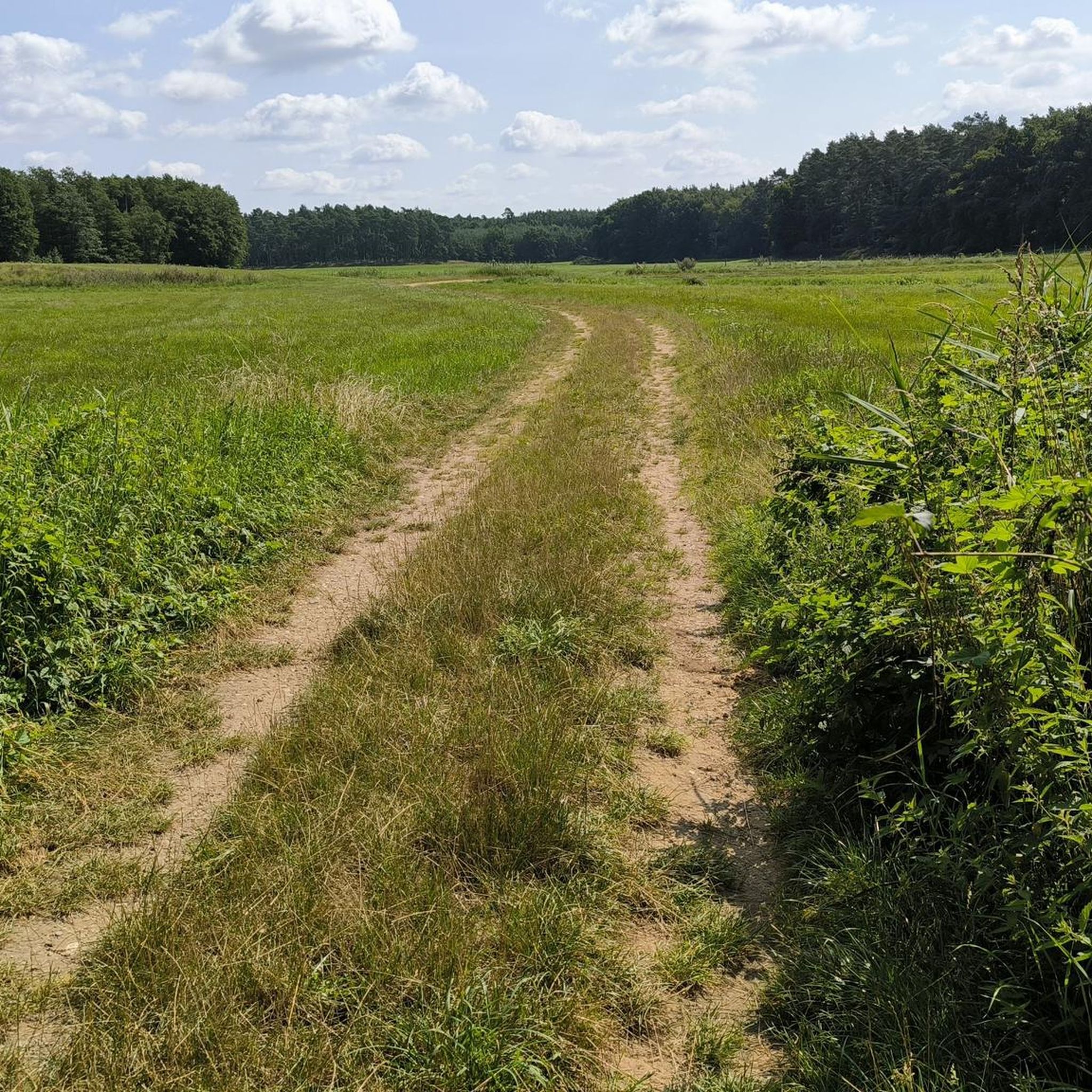
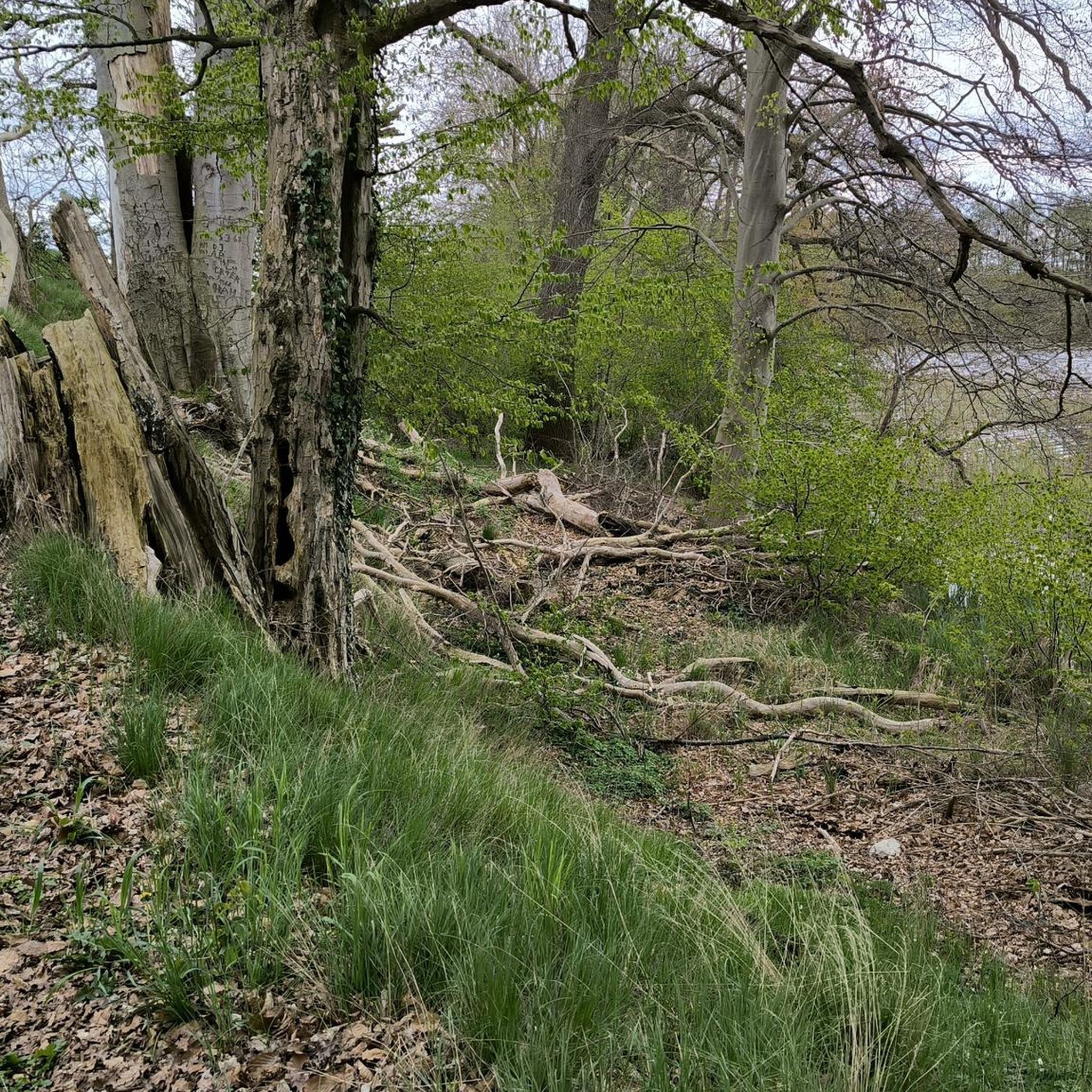
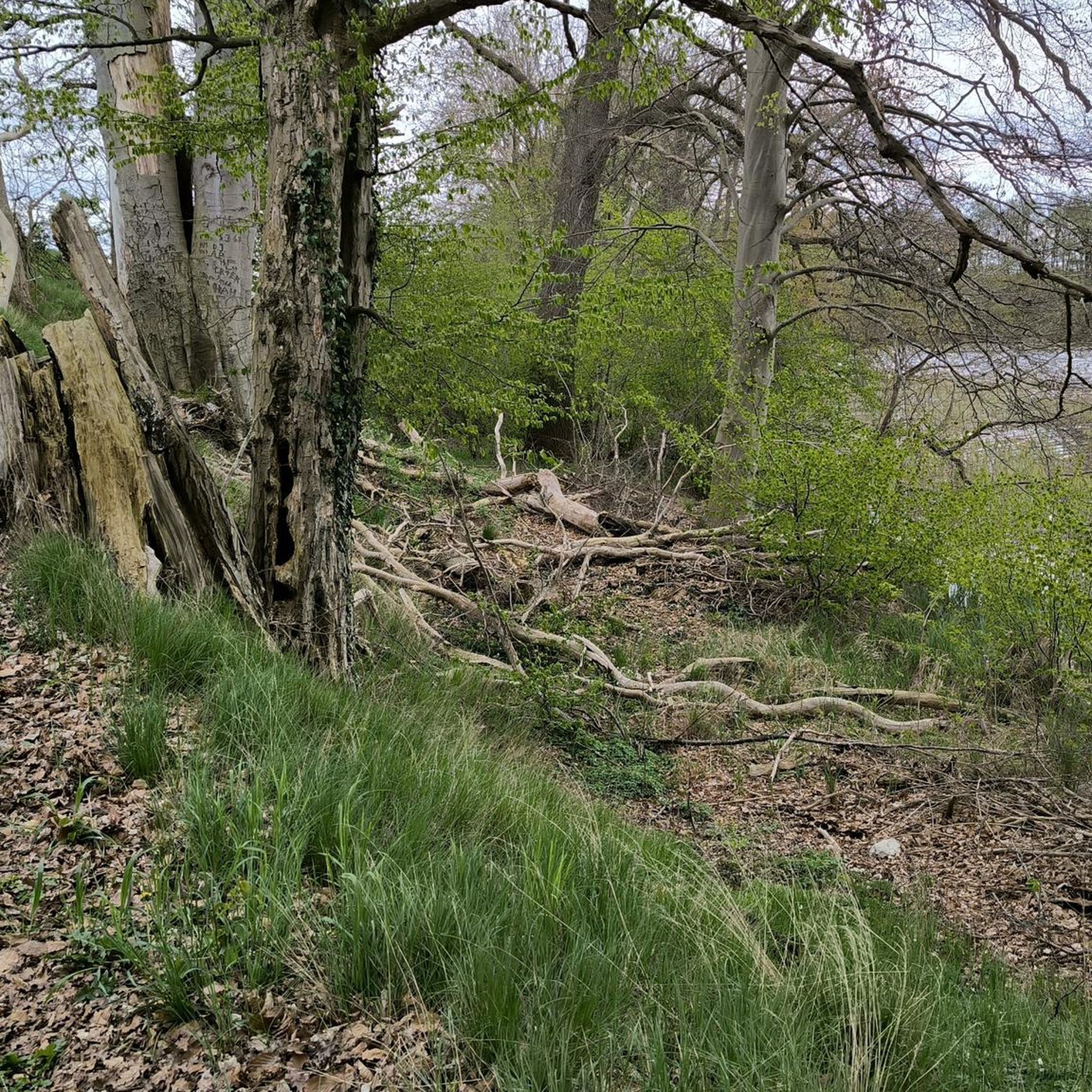
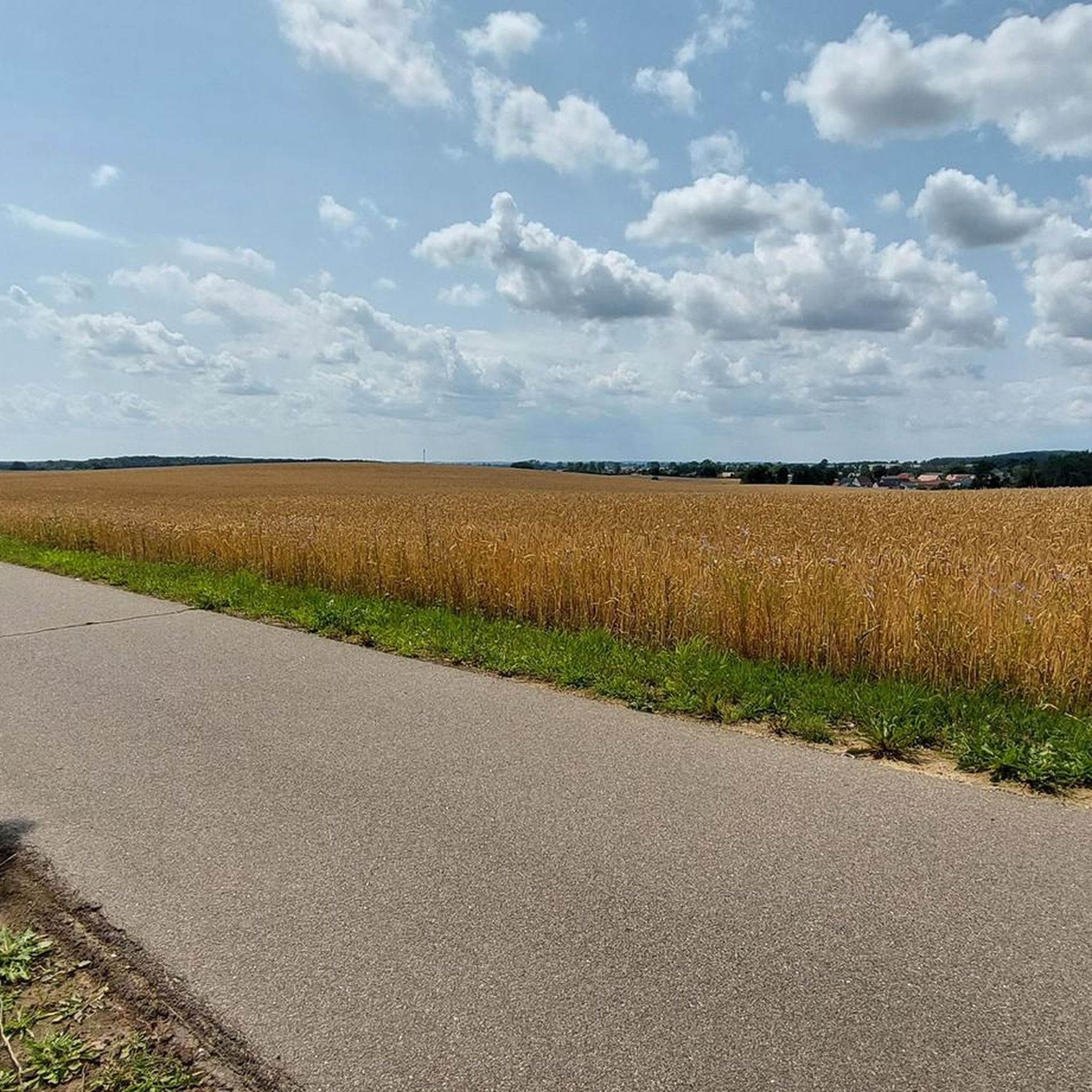
Tips from the Community

It is assumed that the three castles on Lake Kastorf represented the political and cultural center of the Tollenser people.
0
0
The Wildberg Castle Wall is located in the municipality of Wildberg on the eastern shore of Lake Kastorf. It consists of a smaller main castle and two arched outer castles and was built in the 7th or 8th century. The castle complex has been repeatedly renovated and expanded over time. Together with the castle wall island on Lake Kastorf, these castles presumably form the political and cultural center of the Tollenser people.
0
0


We enter the zoo and reach the 1,000-year-old oak trees, Germany's first national monument. After a few meters we see the first animals. The small baroque pavilion is a real gem, with a special exhibition on hunting inside. When we leave again, we are greeted by fallow deer. We are really impressed by the animals running around freely, with information boards to read. We explore the grounds and find the crispy ponds, 700 to 800 years old. Looking around us, the forest as a whole is impressive. We are standing in the middle of a pasture forest, a forest pasture that was used by the Slavs for livestock 1,000 years ago. The forest is the result of this long use. The Turopolje pigs are not showing themselves today. https://youtu.be/OTc4Ax3iIn8
0
0

Ivenacker EICHEN - English oaks: the oldest over 1000 years old, measures approx. 3.50m trunk diameter, 32m height and 12m trunk circumference - also possible to take an adventure tour on the treetop path and have a picnic with fallow deer
1
0
Ivenacker OAKS - the oldest is over 1000 years old, measures approx. 3.50m in diameter, 12m trunk circumference and 32m in height
1
0

The 1,000-year-old Ivenacker oaks are part of the Ivenacker zoo. They are the cultural and natural history highlight of the area. The Ivenacker zoo is located in the landscape conservation area of the same name. The area lies 40 to 50 meters above sea level in the gently undulating ground moraine and was geologically shaped by the Pomeranian stage of the Vistula glaciation. Fallow deer have been kept in Ivenack since the 17th century. Around 100 animals live on 70 hectares. Because deer and visitors are in the same enclosure, the impression of the wild is largely preserved. The area is also home to four wild horses. https://www.auf-nach-mv.de/reiseziele/a-nationales-naturmonument-ivenacker-eichen
2
0
The Ivenacker Tiergarten includes the 1,000-year-old Ivenacker oak trees. They are the cultural and natural historical highlight of the area. As the first national natural monument, the Ivenack oaks are a cultural and natural historical specialty. They are among the oldest trees in Germany and have a special symbolic power. The Ivenack oaks, which are probably around 1,000 years old, are witnesses to the land use of the Hude (Hüte) Forest that was widespread in the Middle Ages. Over the centuries, cattle were driven into the surrounding forests to graze. By eating away growth, some trees were able to develop particularly well. In the Hudewald area of 164 hectares you can find around 240 strong trees, predominantly oaks. The strongest oak has a diameter of 3.49 m, a height of 35.5 m and a wood volume of approx. 180 m². This makes it the strongest and oldest live oak in Germany and probably also in Central Europe. https://www.auf-nach-mv.de/reiseziel/a-nationales-naturmonument-ivenacker-eichen
2
0
Frequently Asked Questions
What are the most prominent natural monuments to visit around Briggow?
The most prominent natural monument is the complex around the Ivenack Oaks, which includes the Thousand-Year-Old Oak of Ivenack and the Ivenack Oaks Treetop Walk. These ancient trees are among the oldest and largest in Germany, offering a unique blend of natural wonder and historical significance.
Are there family-friendly natural monuments in the Briggow area?
Yes, the Ivenack Oaks area is very family-friendly. It features the Ivenack Oaks Treetop Walk, which is accessible and offers an engaging experience for all ages. Additionally, the Ivenacker Tiergarten, where the oaks are located, is home to animals like Turopolje Pigs and fallow deer, which can be observed up close.
What historical sites are integrated with the natural monuments around Briggow?
Beyond the ancient Ivenack Oaks, which themselves hold historical significance as a traditional Hudewald, you can visit the Slavic hillfort at Kastorfer Lake. This impressive rampart dates back to the 7th century and offers a glimpse into the region's early history, alongside a scenic view of the lake.
What kind of wildlife can I expect to see near the Ivenack Oaks?
The Ivenacker Tiergarten, surrounding the Ivenack Oaks, is a deer park where you can observe fallow deer roaming freely. There are also Turopolje Pigs and wild horses, providing opportunities to experience local wildlife in a natural setting.
Are the natural monuments around Briggow accessible for visitors with limited mobility?
Yes, the Ivenack Oaks Treetop Walk is designed to be accessible, featuring an elevator to the observation tower and a 620-meter-long path that allows visitors to experience the ancient oaks from above, regardless of mobility.
What outdoor activities can I do near the natural monuments in Briggow?
The region around Briggow offers various outdoor activities. You can enjoy cycling on routes like the 'Stavenhagen Market Square – Ivenack Oaks loop' or 'Ivenacker Oaks – Ivenack Oaks loop'. For running, there are trails such as the 'Thousand-Year-Old Oak of Ivenack – Ivenack Oaks loop'. You can find more details on these activities in the Cycling around Briggow and Running Trails around Briggow guides.
What do visitors enjoy most about the Ivenack Oaks?
Visitors are consistently impressed by the sheer age and size of the Ivenack Oaks, often describing them as 'very impressive and incredibly old'. The Treetop Walk is also highly praised for its 'magnificent panoramic view' and informative displays that explain the history and ecology of the trees.
When is the best time to visit the Ivenack Oaks?
The Ivenack Oaks are beautiful year-round. While specific seasonal tips are not provided, the treetop trail and observation tower offer views that change with the seasons. Visiting in the late afternoon, shortly before 6 PM, might allow you to enter without paying the fee, according to visitor tips for the Thousand-Year-Old Oak of Ivenack.
Are there any tips for visiting the Thousand-Year-Old Oak of Ivenack?
The Thousand-Year-Old Oak of Ivenack is part of the Ivenack Oaks complex. A visitor tip suggests that if you arrive shortly before 6 PM, you might not have to pay an entry fee. The area also features a treetop path, allowing you to experience the ancient trees from a unique perspective.
Can I bring my dog to the natural monuments around Briggow?
While specific dog-friendly policies for all natural monuments are not detailed, the Ivenacker Tiergarten, home to the Ivenack Oaks, is generally welcoming to dogs on a leash. It's always advisable to check local regulations or signage upon arrival for specific areas.
Where can I find information about the lifetime of the Ivenack Oaks?
Within the Ivenacker Tiergarten, there is a baroque pavilion that hosts an interactive exhibition. This exhibition takes visitors on a journey through the lifetime of the Ivenack Oaks, providing detailed insights into their impressive age and development.
Are there any lakes or water features near the natural monuments?
Yes, the Slavic hillfort at Kastorfer Lake is situated directly on the eastern bank of Kastorfer Lake, offering scenic views and a bathing beach nearby. The Ivenack Oaks Treetop Walk also provides panoramic views that include Lake Ivenack.
Most popular attractions around Briggow

Get inspired with the komoot mobile app


Explore more
Extend your search for the best caves by checking out these guides of the top ones around Briggow:
