Top 20 Natural Monuments around Schwarz
Best natural monuments around Schwarz encompass a variety of natural features. The region's landscape includes clear lakes, established forests, and unique geological sites. These areas provide opportunities for exploring natural beauty and understanding local ecosystems. Schwarz features a range of natural monuments, from serene lakes to historical botanical gardens and rewilded polder landscapes.
Best natural monuments around Schwarz
- The most popular natural monuments is Great Wummsee, a lake known for its clear water. It is a deep lake that…
Last updated: June 25, 2026
Great Wummsee
Highlight • Lake
Translated by Google •
Tip by

Erbsland Forest Botanical Garden
Highlight • Forest
Translated by Google •
Tip by

Sign up now to discover places like this
Get recommendations on the best single tracks, peaks, & plenty of other exciting outdoor places.
Sign up for free
Polder Kieve
Highlight • Natural
Translated by Google •
Tip by

Lake Schlaborn
Highlight • Lake
Translated by Google •
Tip by

Glacial Erratic Garden Schwarz
Highlight • Natural Monument
Translated by Google •
Tip by

Sign up for free to discover even more natural monuments around Schwarz.
Sign up for free
Already have an account?
Start today with a free account
Your next adventure awaits.
Login or Signup
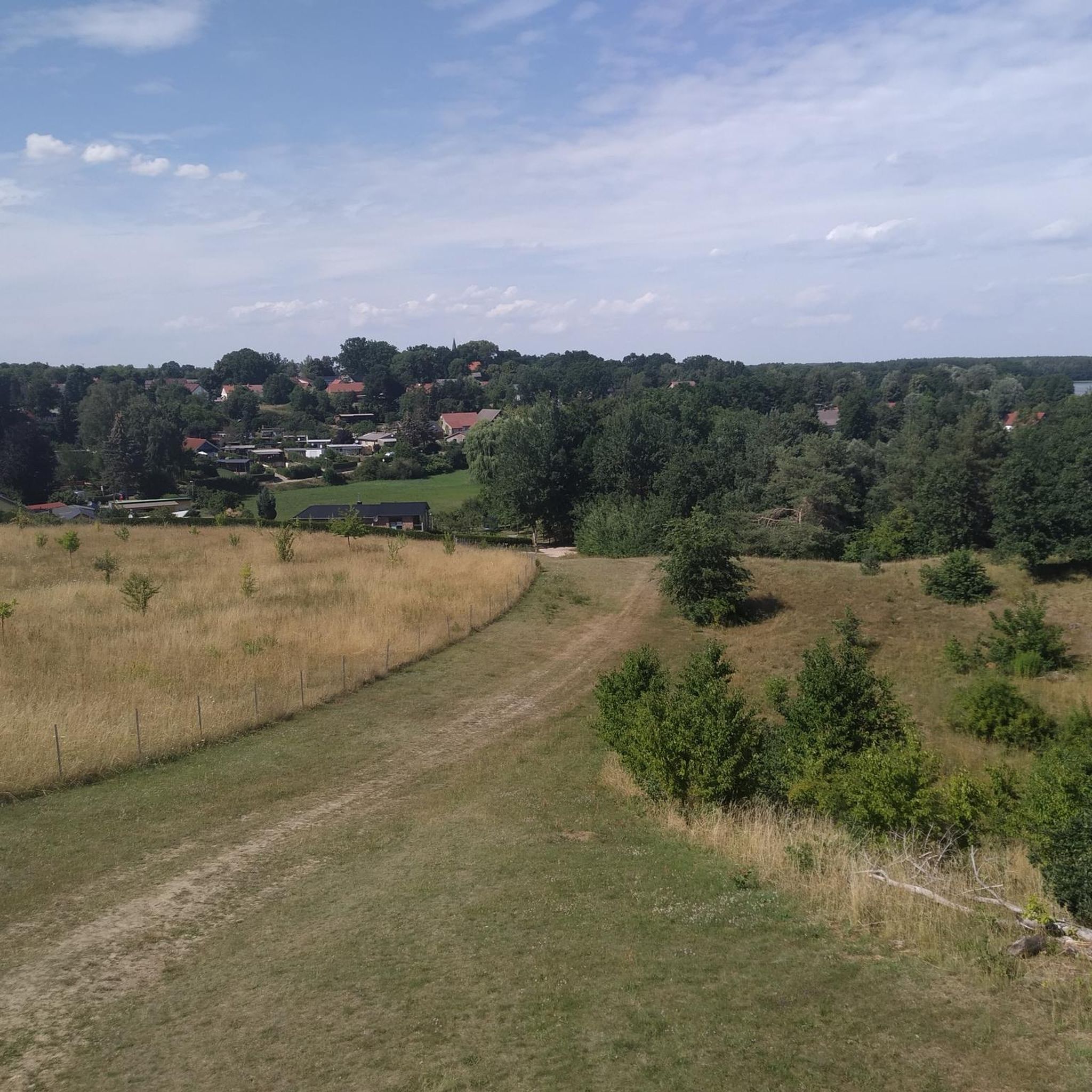
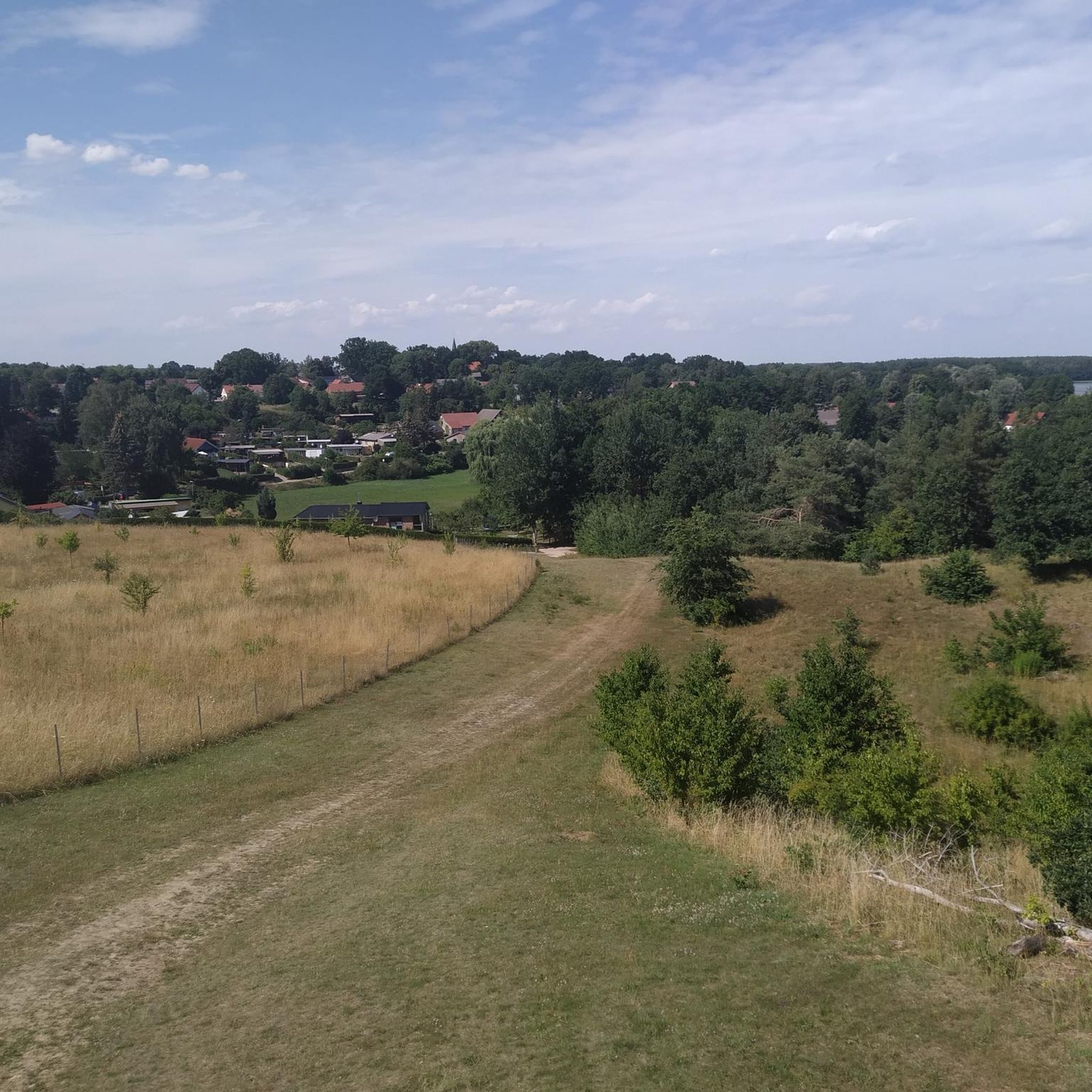
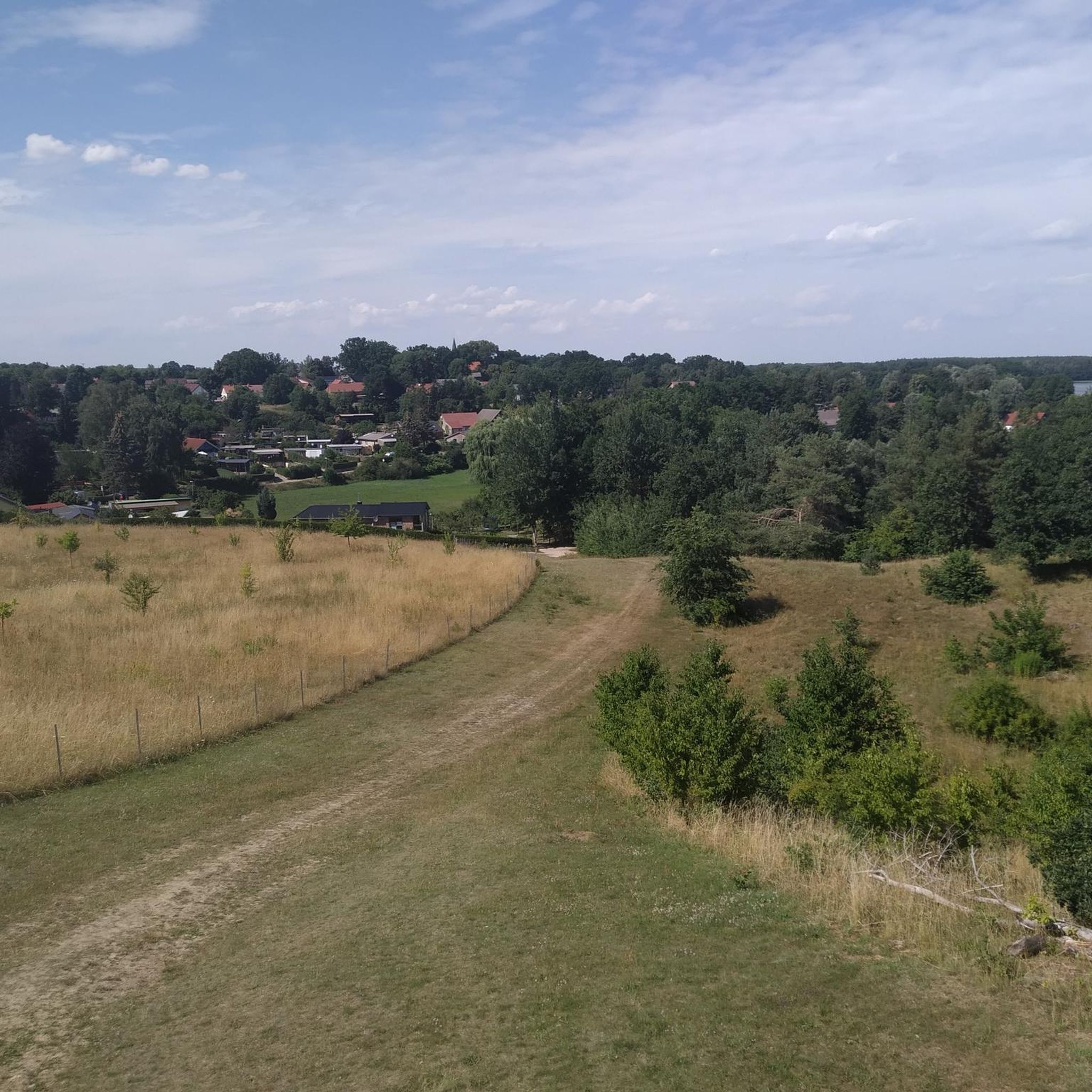
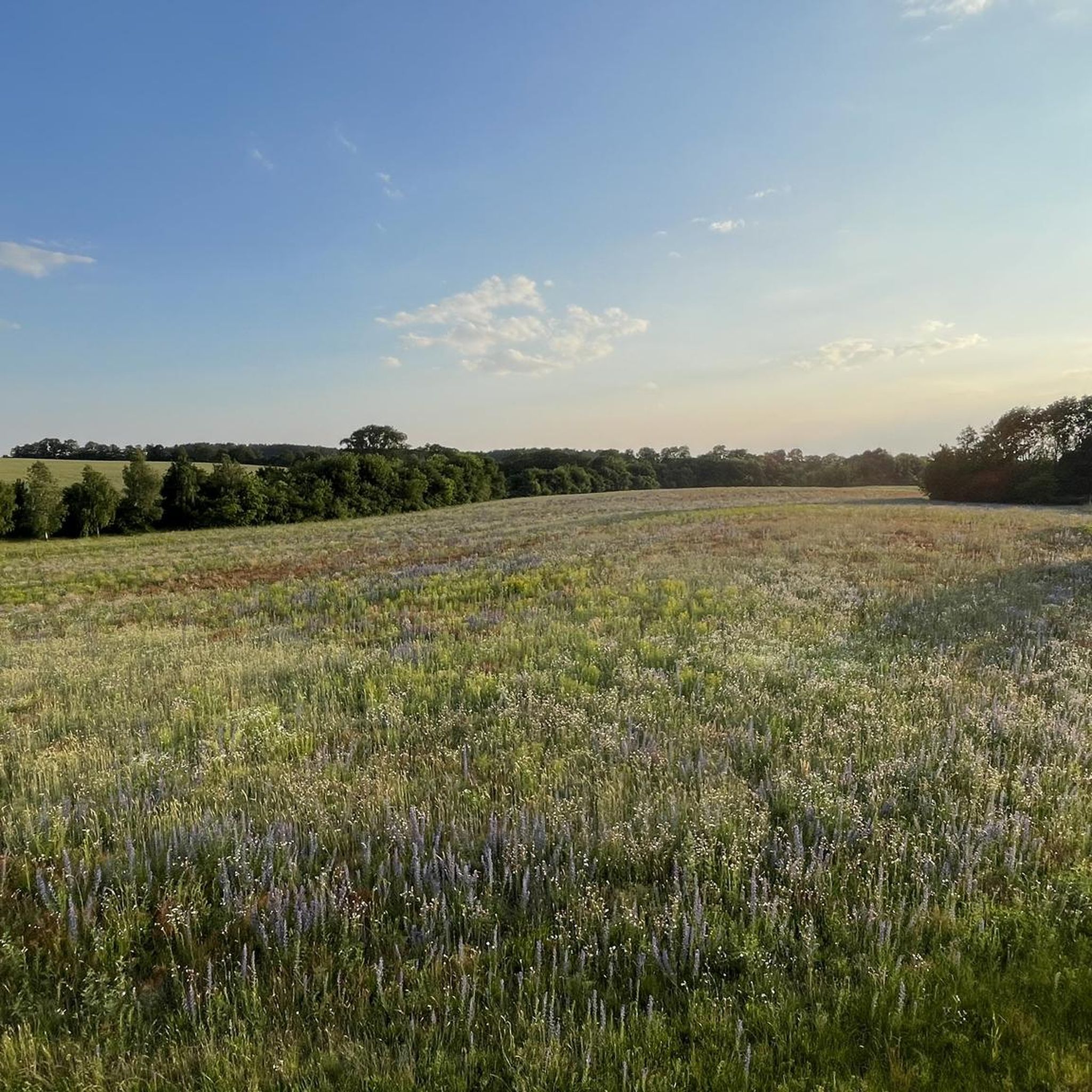

Tips from the Community

The Kieve Polder is a successful example of modern peatland restoration and active climate protection. The approximately 65-hectare area was intensively used for agriculture until 2012 and was severely affected by drainage. As part of an ambitious project, it was rewetted to restore the natural water balance and halt the decomposition of the peat – a crucial step towards reducing CO₂ emissions. At the same time, the area developed into a diverse habitat: bog plants returned, rare animal species found new habitats, and biodiversity visibly increased. The project was the first of its kind in the world to be financed through MoorFutures certificates, an innovative concept for the voluntary promotion of climate protection measures. Today, the Kieve Polder represents not only ecological regeneration but also a forward-looking interplay of nature conservation, sustainability, and regional responsibility.
0
0
The Kieve Polder is a restored moorland that was rewetted as part of a large-scale climate protection project. The approximately 65-hectare area was previously heavily drained and used for agriculture. When the project began in 2012, the water level was deliberately raised to slow peat decomposition and thereby reduce CO₂ emissions. At the same time, ecological diversity was promoted, as the rewetting led to the return of typical moorland plants and animal species. The project was the first of its kind worldwide to be financed through MoorFutures certificates – an innovative method for supporting voluntary climate protection measures. Today, the Kieve Polder not only contributes to climate protection but also provides a valuable habitat for numerous bird species and is an example of successful moorland restoration.
0
0

You can walk around the lake and there is a lot of variety. Dark forests, wide meadows and pastures, moorland areas, paths and trails, idyllic canal crossings, bathing spots and often a great view of the lake.
2
0


Beautiful circular hiking trail through the nature reserve.
1
0


Swans and wild geese can be found here in the evening time.
1
0
Frequently Asked Questions
What types of natural monuments can I explore in Schwarz?
Schwarz offers a diverse range of natural monuments, including serene lakes like Great Wummsee, historical forest sites such as the Erbsland Forest Botanical Garden, and unique rewilded landscapes like Polder Kieve. You can also discover geological features at the Glacial Erratic Garden Schwarz and protected areas like Zerrinsee Nature Reserve.
Are there family-friendly natural monuments in Schwarz?
Yes, several natural monuments in Schwarz are suitable for families. The Great Wummsee is ideal for leisurely walks around the lake with many flat shore areas. The Erbsland Forest Botanical Garden offers an educational experience with its diverse tree species, and the Glacial Erratic Garden Schwarz provides an interesting outdoor learning opportunity about the Ice Age.
What outdoor activities can I do near the natural monuments in Schwarz?
The region around Schwarz is excellent for various outdoor activities. You can find numerous hiking trails, including routes around the Great Wummsee. For those who enjoy running, there are dedicated running trails, and cyclists can explore the area on road cycling routes.
Which natural monuments are good for dog owners?
The Great Wummsee is highly recommended for dog owners. Its path around the lake is mostly well-forested, and there are many small, flat shore areas where dogs can cool down. Visitors have noted it as a favorite lake for both humans and dogs.
Can I learn about the history of the region at these natural monuments?
Absolutely. The Erbsland Forest Botanical Garden is one of Germany's oldest agricultural experimental areas, showcasing 30 different tree species planted to test their suitability for forestry. The Glacial Erratic Garden Schwarz also offers a glimpse into the Ice Age with its collection of 'stone giants' and their geological history.
What kind of wildlife can I expect to see at the natural monuments?
At Polder Kieve, a restored moor-polder landscape, you can observe numerous bird species, including swans and wild geese, especially in the evening. The Zerrinsee Nature Reserve is a habitat for rare animal species like moor frogs, forest lizards, and various birds of prey.
Are there any natural monuments that are particularly good for photography?
The Great Wummsee is praised for its wonderfully clear water and scenic forested paths, offering beautiful photo opportunities. The diverse tree species and historical setting of the Erbsland Forest Botanical Garden also provide unique photographic subjects.
What makes Polder Kieve a unique natural monument?
Polder Kieve is a unique restored moor-polder landscape that was rewetted as part of a climate protection project. This initiative has promoted ecological diversity, leading to the return of typical moorland plants and animal species, making it a valuable habitat for numerous birds and an example of successful moorland restoration.
What do visitors enjoy most about the natural monuments in Schwarz?
Visitors frequently highlight the clear waters and peaceful atmosphere of Great Wummsee, often calling it an 'insider tip.' The impressive and mighty trees at the Erbsland Forest Botanical Garden are also a popular draw, as is the opportunity to observe diverse birdlife at Polder Kieve.
Are there any natural monuments in Schwarz that are suitable for a tranquil stroll?
Yes, the path around Great Wummsee is ideal for a tranquil stroll, offering a peaceful environment with forested sections and benches for breaks. The Erbsland Forest Botanical Garden also provides a serene setting for a leisurely walk among impressive trees.
What is the significance of the Erbsland Forest Botanical Garden?
The Erbsland Forest Botanical Garden is historically significant as one of Germany's oldest agricultural experimental areas. Established in 1887, it features 30 different tree species planted to test their suitability for German forestry, making it an impressive site for both nature and history enthusiasts.
Most popular routes around Schwarz
Most popular attractions around Schwarz

Get inspired with the komoot mobile app


Explore more
Extend your search for the best caves by checking out these guides of the top ones around Schwarz:
