Top 14 Natural Monuments around Gröde
Natural monuments around Gröde are primarily defined by their location within the Wadden Sea, a UNESCO World Heritage site in Nordfriesland, Germany. This area is characterized by its unique tidal ecosystem, featuring extensive salt marshes and dynamic intertidal zones. The landscape offers opportunities to observe diverse wildlife and experience a natural environment shaped by the tides. Its ecological importance makes it a significant natural area.
Best natural monuments around Gröde
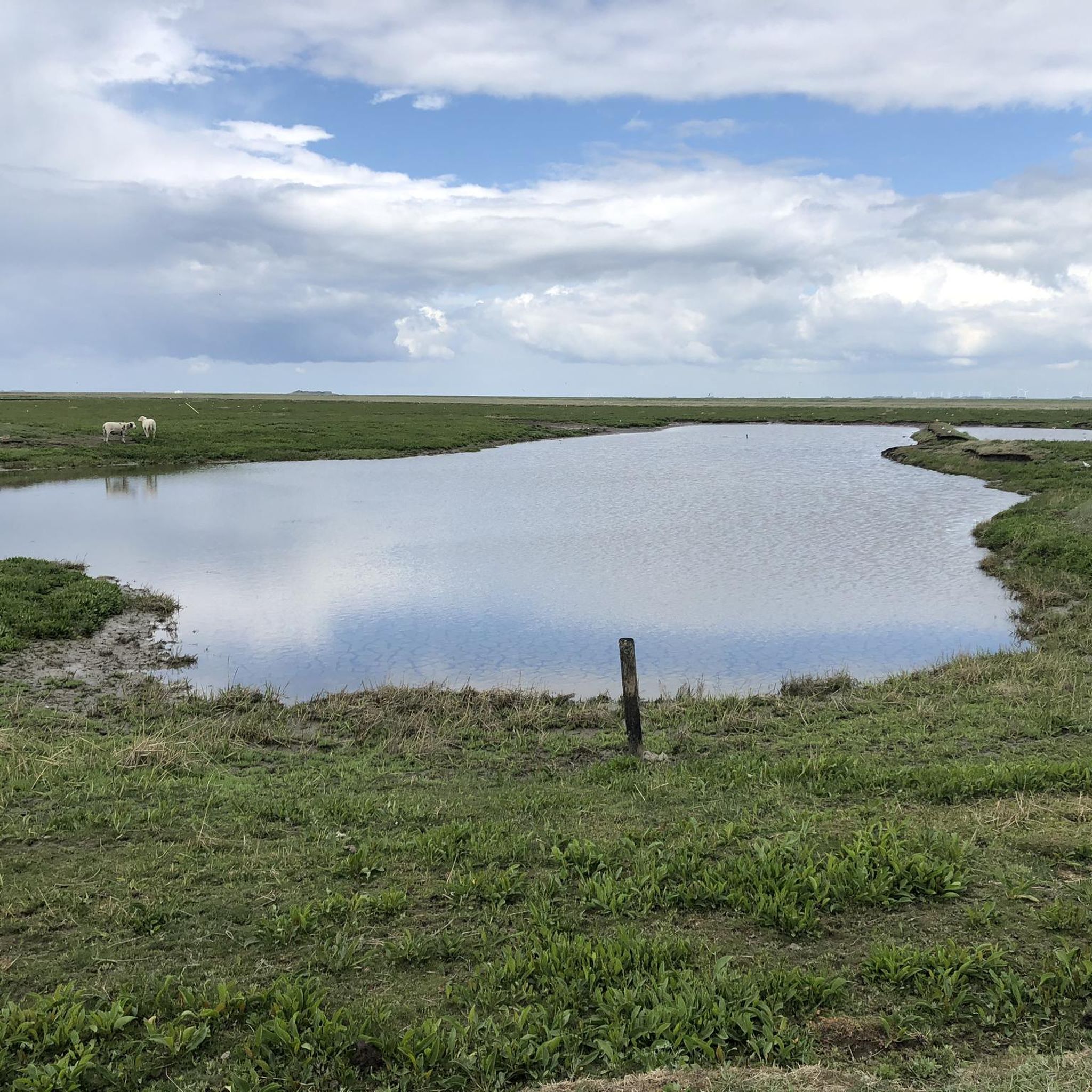
- The most popular natural monuments is Lüttmoorsee Saltwater Lagoon, a lake that serves as a bird sanctuary. This saltwater lagoon is located within the Beltringharder Koog nature reserve.
- Another must-see spot is NABU House Wadden Sea National Park, a facilities highlight offering views and information. Visitors can gain insights into the Wadden Sea and its wildlife.
- Visitors also love Beltringharder Koog Nature Reserve Entrance, a natural monument covering 3,350 hectares. This reserve is known for its variety of habitats, including saltwater and freshwater lagoons, supporting over 100,000 waders and water birds.
- Gröde is known for its nature reserves, saltwater lagoons, and salt marshes. The area offers a variety of natural monuments to see and explore, providing habitats for numerous species of birds and marine life.
- The natural monuments around Gröde are appreciated by the komoot community, with 40 upvotes and 2 photos shared.
Last updated: June 25, 2026
Hamburger Hallig Causeway
Highlight (Segment) • Trail
Translated by Google •
Tip by

Beltringharder Koog Nature Reserve Entrance
Highlight • Natural Monument
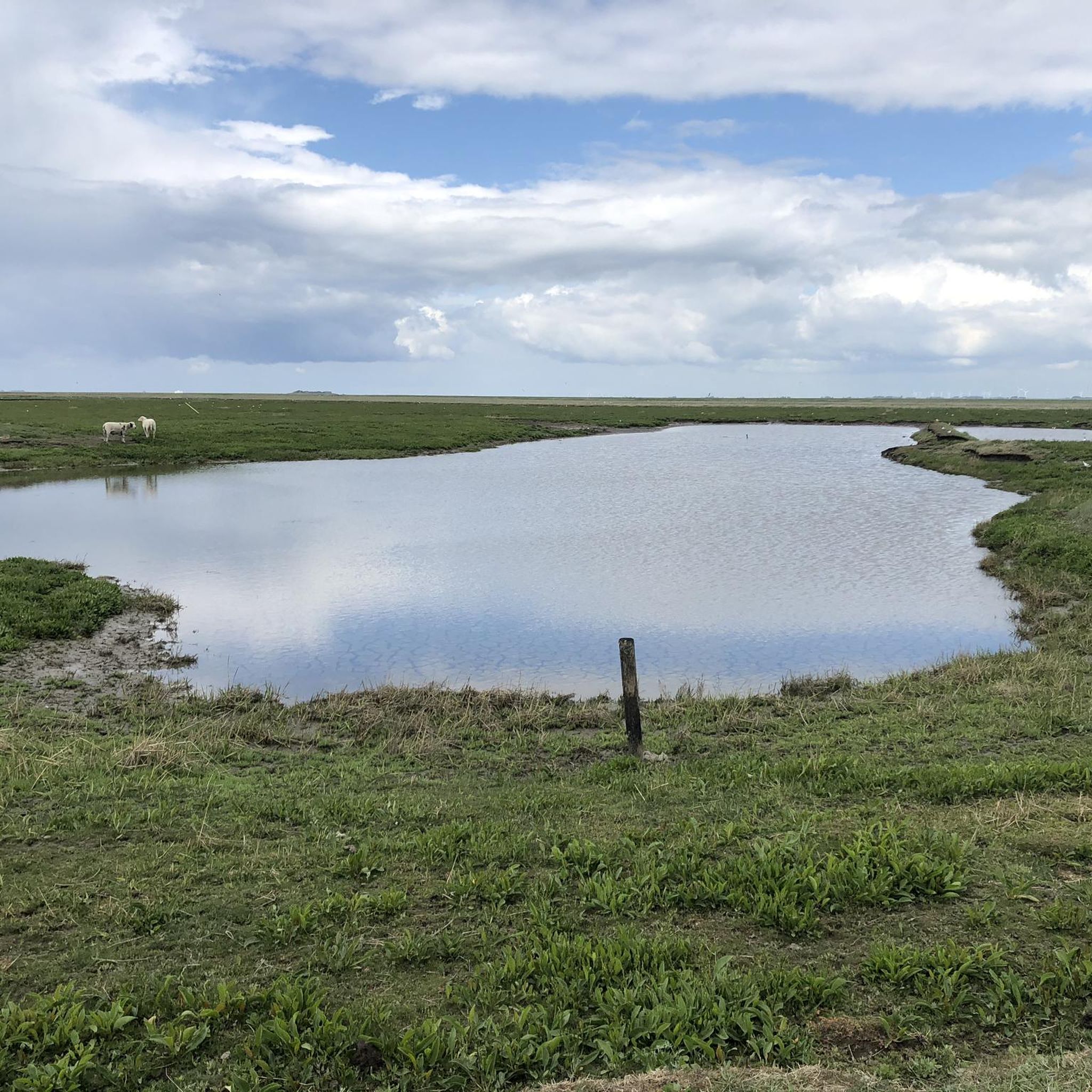
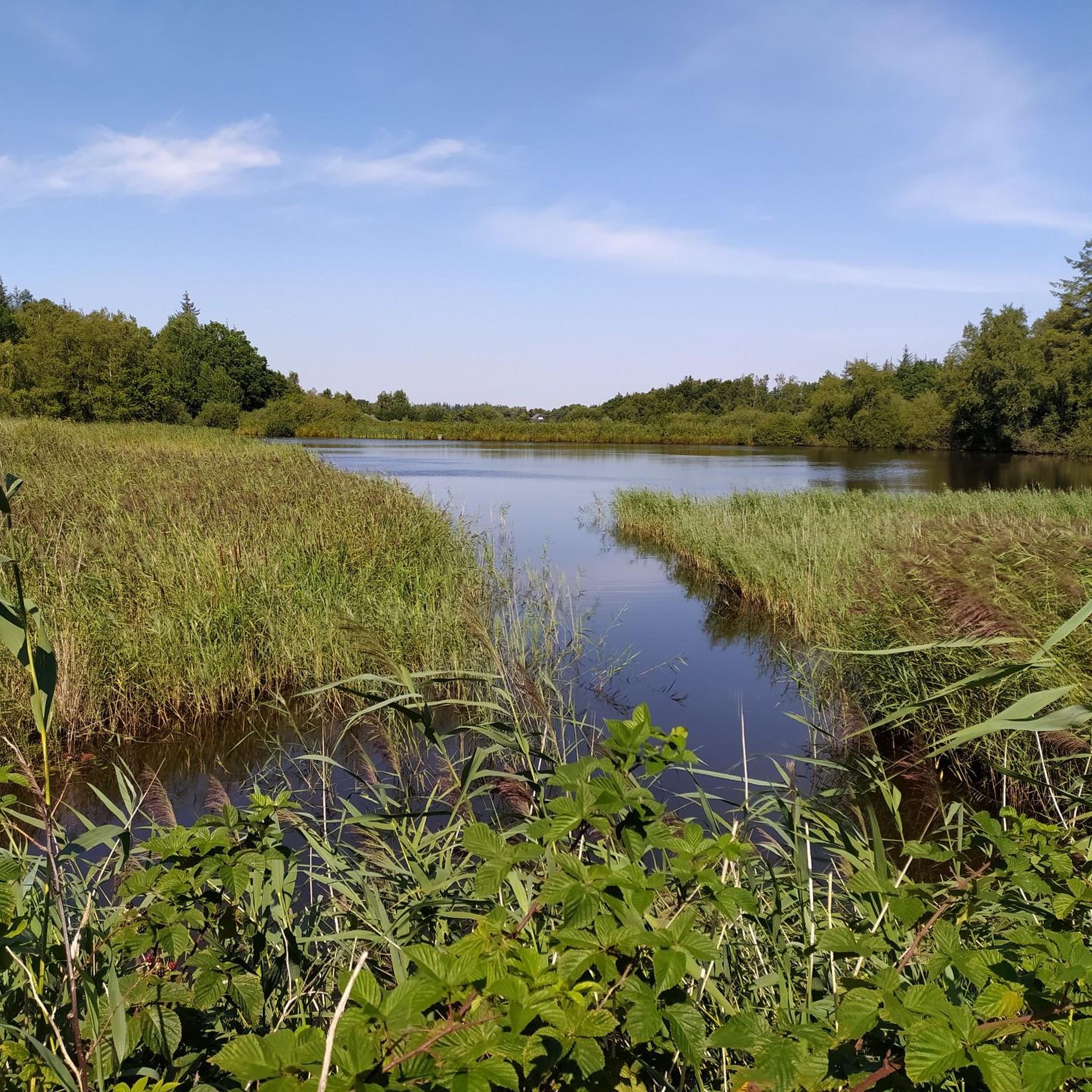
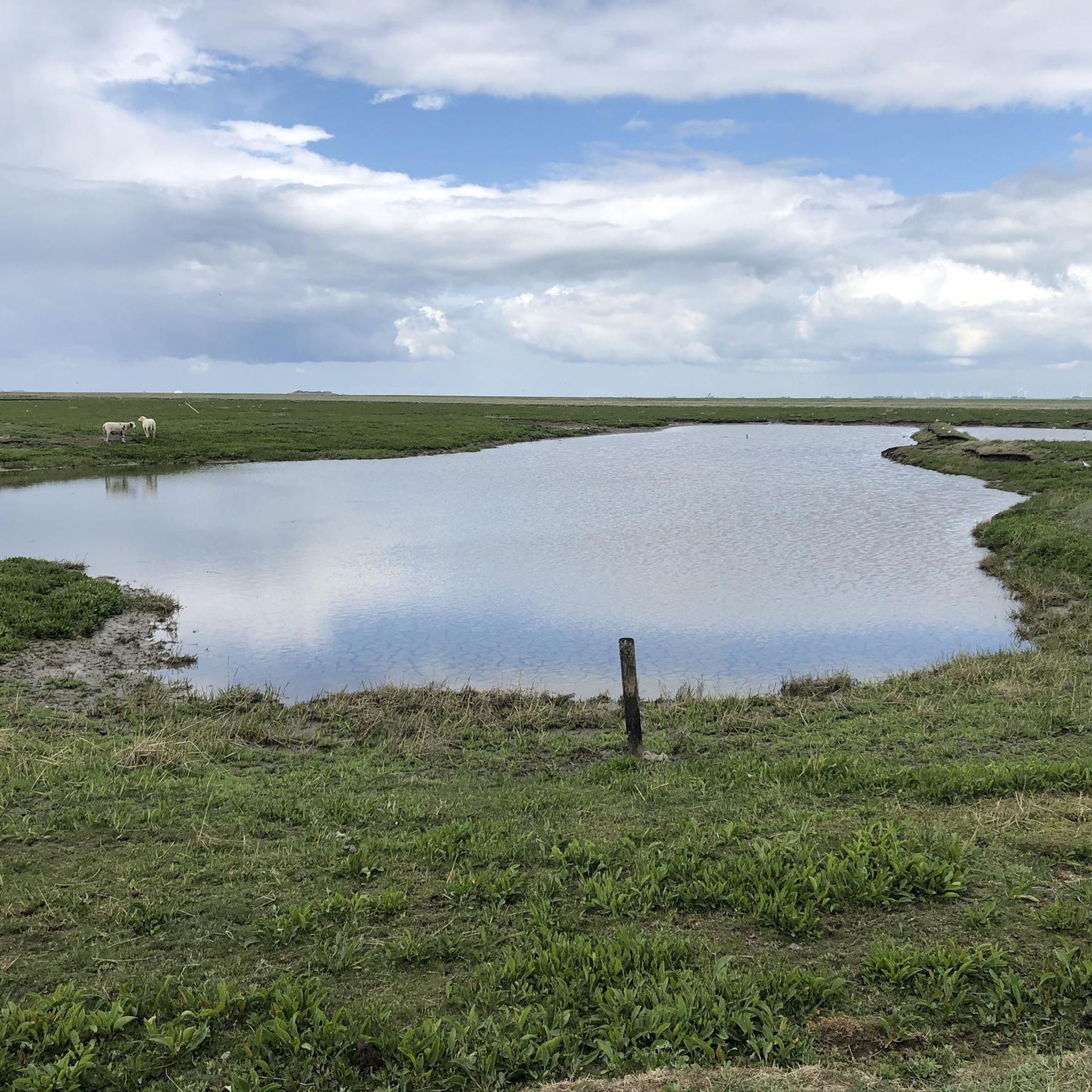
The Beltringharder Koog has a variety of habitats, including saltwater and freshwater lagoons, wet grassland and tidal floodplains. These diverse biotopes provide habitat for numerous species of birds that breed or rest here. Over 100,000 waders and water birds use the Koog throughout the year, making it a paradise for birdwatchers. Commonly seen species include greylag geese and black-necked grebes.
For visitors, there are well-developed hiking and cycling trails that lead through the diverse landscape of the Koog. Tours that start at Lüttmoorsiel and lead along the dike to Lüttmoorsee and further are particularly recommended. Observation huts and viewing platforms on these routes offer excellent opportunities to observe wildlife in its natural environment.
The Koog is also an example of successful cooperation between nature conservation organizations such as NABU, the Wadden Sea Conservation Station and the WWF. Together they ensure that this unique ecosystem is protected and cared for.
Translated by Google •
Tip by

Sign up now to discover places like this
Get recommendations on the best single tracks, peaks, & plenty of other exciting outdoor places.
Sign up for free
Lüttmoorsee Saltwater Lagoon
Highlight • Lake
Translated by Google •
Tip by

Climate Change Simulation Domes on Hamburger Hallig
Highlight • Structure
Translated by Google •
Tip by

Watt Workshop, Wadden Sea National Park
Highlight • Rest Area
You can look at the creatures of the mudflats through a binocular or observe birds through a spotting scope. The beach find box and the mudflat cube invite you to touch and discover. Questions will be answered on site by an intern or the national park ranger. Games for young and old also await you.
amsinck-haus.de/hamburger-hallig
Translated by Google •
Tip by

Sign up for free to discover even more natural monuments around Gröde.
Sign up for free
Already have an account?
Start today with a free account
Your next adventure awaits.
Login or Signup
Tips from the Community


Take a closer look at the creatures of the Wadden Sea. This and much more awaits you in the small exhibition of the "Wattwerkstatt". Here you can find out about the Wadden Sea, the Hallig world and the diversity and uniqueness of the animal and plant species in the Wadden Sea National Park using clear information boards and numerous brochures and flyers. You can look at the creatures of the mudflats through a binocular or observe birds through a spotting scope. The beach find box and the mudflat cube invite you to touch and discover. Questions will be answered on site by an intern or the national park ranger. Games for young and old also await you. https://www.amsinck-haus.de/hamburger-hallig/
1
0

The Beltringharder Koog is an impressive nature reserve in North Friesland, Schleswig-Holstein. The Koog was embanked in 1987 and covers an area of 3,350 hectares, making it the largest nature reserve on the Schleswig-Holstein mainland. It was created in response to storm surges and today serves to protect the coast and promote biodiversity in the region. The Beltringharder Koog has a variety of habitats, including saltwater and freshwater lagoons, wet grassland and tidal floodplains. These diverse biotopes provide habitat for numerous species of birds that breed or rest here. Over 100,000 waders and water birds use the Koog throughout the year, making it a paradise for birdwatchers. Commonly seen species include greylag geese and black-necked grebes. For visitors, there are well-developed hiking and cycling trails that lead through the diverse landscape of the Koog. Tours that start at Lüttmoorsiel and lead along the dike to Lüttmoorsee and further are particularly recommended. Observation huts and viewing platforms on these routes offer excellent opportunities to observe wildlife in its natural environment. The Koog is also an example of successful cooperation between nature conservation organizations such as NABU, the Wadden Sea Conservation Station and the WWF. Together they ensure that this unique ecosystem is protected and cared for.
1
0

Here, the effects of global warming on the salt marshes are simulated and observed in "climate chambers" at the University of Hamburg
3
0

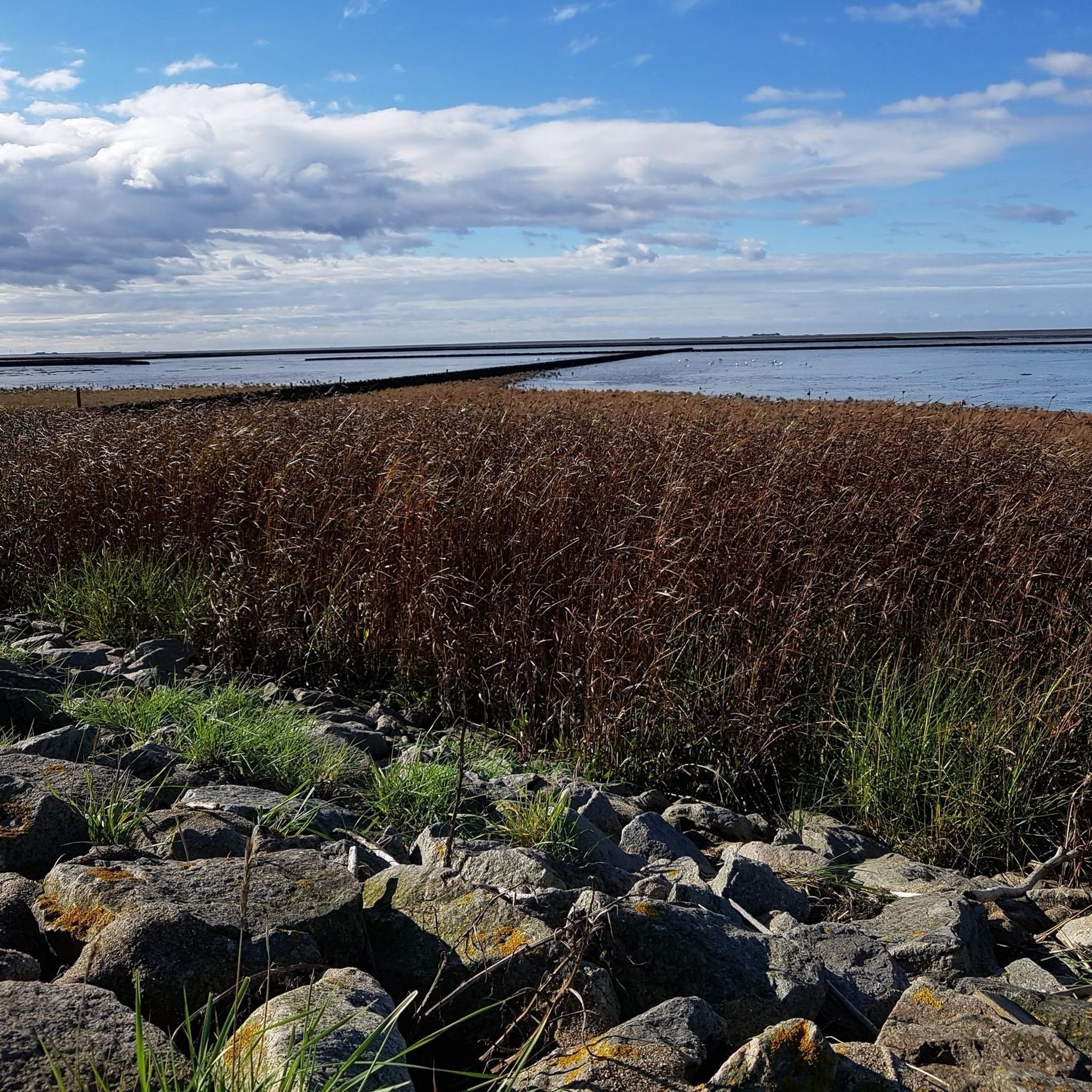
The 5km out to Hamburger Hallig are well worth it. The concrete slabs are well grouted and are definitely suitable for racing bikes. At the end is the Hallig-Krog restaurant - highly recommended. In the season it fills up quickly after opening.
5
0

The Hamburger Hallig is a non-dyked peninsula on the west coast of the Nordfriesland district in Schleswig-Holstein. The name of the Hallig is reminiscent of two Hamburg merchants, the brothers Rudolf and Arnold Amsinck. In 1624 they acquired the dyke rights on the northeast corner of the island of Strand as Oktroy and built dykes by 1628. This is how the Amsinck-Koog was created. The dikes were destroyed by the Burchardi flood in 1634. Only the terp with the “Hamburger Haus” remained and became a salvation for numerous Strand residents during the storm surge. After 1634, the dikes were rebuilt at great expense and survivors of the flood settled. In 1658 Arnold Amsinck died in the “Hamburger Haus” in his Koog after he had invested his entire fortune in rebuilding the dykes. In 1661 the house was demolished and replaced by a smaller one. What happened was described in literature by the Husum writer Albert Petersen in his novel Arnold Amsinck (1921). In 1711 the dikes were so destroyed that the Amsinck-Koog was a Hallig again. It remained in the possession of the Amsinck family until 1760. The name “Hamburger Hallig” was first mentioned in 1781. The house on the Hallig was destroyed by the February flood of 1825. In 1855 a dam connecting the island to the mainland was planned. The dam was built in 1859/60, but broke again in 1860. In 1866/67 a bush dam was built from Bordelumersiel to Hallig. This dam was fortified in 1874 and added a spillway that was closed in 1875. Due to the interruption of the tidal flows, the silt formation on both sides of the dam was greatly accelerated. The experience gained here has had a decisive influence on the further development of land reclamation. In 1878 the tax authorities bought the Hallig and from then on leased it for management. In 1880 an artesian well was built. The dam has been navigable since 1901. In 1908 the Hallig was 96 hectares in size. On April 16, 1930, it was 216 hectares in size including the dyke foreland and was declared a nature reserve. The Hamburger Hallig is no longer an island since it was connected to the mainland by a causeway in 1860. While a land connection via a dam does not, by definition, turn an island into a peninsula, the salt marshes in front of the dam are added here. https://de.wikipedia.org/wiki/Hamburger_Hallig
5
1

Nature lovers will get their money's worth here. Binoculars are recommended for observing the birds.
1
0

Great piece out into the Watt. Not quite as ideal for the road bike. Always busy.
10
2
Frequently Asked Questions
What defines the natural monuments around Gröde?
The natural monuments around Gröde are primarily defined by their location within the Wadden Sea, a UNESCO World Heritage site. This area is characterized by its unique tidal ecosystem, featuring extensive salt marshes and dynamic intertidal zones. It's a vast intertidal zone, the largest unbroken system of sand and mudflats in the world, recognized for its geological and ecological importance.
Are there any specific nature reserves worth visiting near Gröde?
Yes, the Beltringharder Koog Nature Reserve Entrance is a significant natural monument covering 3,350 hectares. It's known for its variety of habitats, including saltwater and freshwater lagoons, supporting over 100,000 waders and water birds, making it a paradise for birdwatchers.
Where can I observe birds and other wildlife around Gröde?
The Lüttmoorsee Saltwater Lagoon is a popular bird sanctuary within the Beltringharder Koog nature reserve. It's an excellent spot for birdwatching, especially with binoculars. The salt marshes, particularly along the causeway to Hamburger Hallig, are also teeming with life and offer exceptional birding opportunities.
What kind of educational facilities are available to learn about the Wadden Sea?
You can visit the NABU House Wadden Sea National Park, which offers views and information about the Wadden Sea and its wildlife. Additionally, the Watt Workshop, Wadden Sea National Park provides a small exhibition where you can learn about the Wadden Sea's creatures, Hallig world, and the diversity of animal and plant species through information boards and interactive displays.
Are there family-friendly natural monuments or activities in the Gröde area?
Many natural monuments around Gröde are family-friendly. The Beltringharder Koog Nature Reserve Entrance and Lüttmoorsee Saltwater Lagoon are suitable for families, offering easy hiking and birdwatching. The Watt Workshop also has games and interactive elements for young and old.
What outdoor activities can I do near these natural monuments?
The area around Gröde offers various outdoor activities. You can find numerous hiking trails, including routes like the 'Schlüttsiel Harbor – Dagebüll Beach loop'. There are also MTB trails and running trails, such as the 'Lüttmoorsee Lagoon loop from Reußenköge'.
Are there opportunities for cycling near Gröde's natural attractions?
Yes, cycling is a popular way to explore the natural monuments. The Salt Marsh Trail to Hamburger Hallig, for instance, is a relatively flat path suitable for cycling, offering immersive marshland views. You can find various MTB trails around Gröde, including easy loops like 'Path to Hamburger Hallig – Salt Marsh Nature Trail loop from Reußenköge'.
What is the best time to visit the natural monuments around Gröde?
The Wadden Sea and its salt marshes are dynamic environments. Spring and autumn are excellent for birdwatching due to migratory birds. Summer offers pleasant weather for walks and cycling. However, the landscape transforms dramatically with the tides, so checking tidal charts can enhance your experience, especially for mudflat walks.
Can I learn about climate change research in the area?
Yes, the Climate Change Simulation Domes on Hamburger Hallig are part of a unique worldwide experiment. Researchers are studying the effects of global warming on salt marshes here, simulating climate change to understand its impact on plants and animals. Informational boards provide insights into this important research.
What makes the Wadden Sea a UNESCO World Heritage site?
The Wadden Sea is recognized by UNESCO for its outstanding universal value due to its geological and ecological importance. It's the largest unbroken system of sand and mudflats in the world, supporting high biodiversity with thousands of species of flora and fauna. It also serves as a crucial staging, moulting, and wintering area for millions of migratory birds annually. More information can be found on the UNESCO website.
Are there guided tours or walks available to explore the Wadden Sea?
Guided mudflat walks are a popular way to explore the Wadden Sea ecosystem and learn about its ecological significance. These walks allow visitors to experience the unique landscape that transforms dramatically with the tides and observe diverse wildlife up close. Information on local guided tours can often be found at visitor centers like the NABU House or Watt Workshop.
What kind of landscape can I expect to see in the salt marshes?
The salt marshes around Gröde, particularly along the causeway to Hamburger Hallig, are characterized by salt-tolerant plants and grasses. This unique environment is shaped by ocean breezes and provides a sensory experience with its distinct coastal flora. The landscape offers immersive views and a chance to connect with a vital coastal habitat.
Most popular attractions around Gröde

Get inspired with the komoot mobile app


Explore more
Extend your search for the best caves by checking out these guides of the top ones around Gröde:
