Top 7 Natural Monuments around Cölpin
Best natural monuments around Cölpin are found within the Mecklenburg Lake District, a region characterized by numerous lakes, forests, and rivers. This area offers a diverse natural landscape for exploration. Cölpin and its surroundings provide opportunities to discover unique geological features and significant natural landmarks. The region is known for its varied natural attractions, appealing to those interested in outdoor activities.
Best natural monuments around Cölpin
- The most popular natural monument is Helpter Berg Summit (Highest Point in Mecklenburg-Vorpommern),…
Last updated: October 11, 2026
Helpter Berg Summit (Highest Point in Mecklenburg-Vorpommern)
Highlight • Summit
Translated by Google •
Tip by

King of the Centuries
Highlight • Natural Monument
Translated by Google •
Tip by

Sign up now to discover places like this
Get recommendations on the best single tracks, peaks, & plenty of other exciting outdoor places.
Glacial Erratic Park
Highlight • Natural Monument
Translated by Google •
Tip by

Natural Monument: Pedunculate Oak
Highlight • Natural Monument
Showing Translation
Tip by

Start today with a free account
Your next adventure awaits.

Tips from the Community

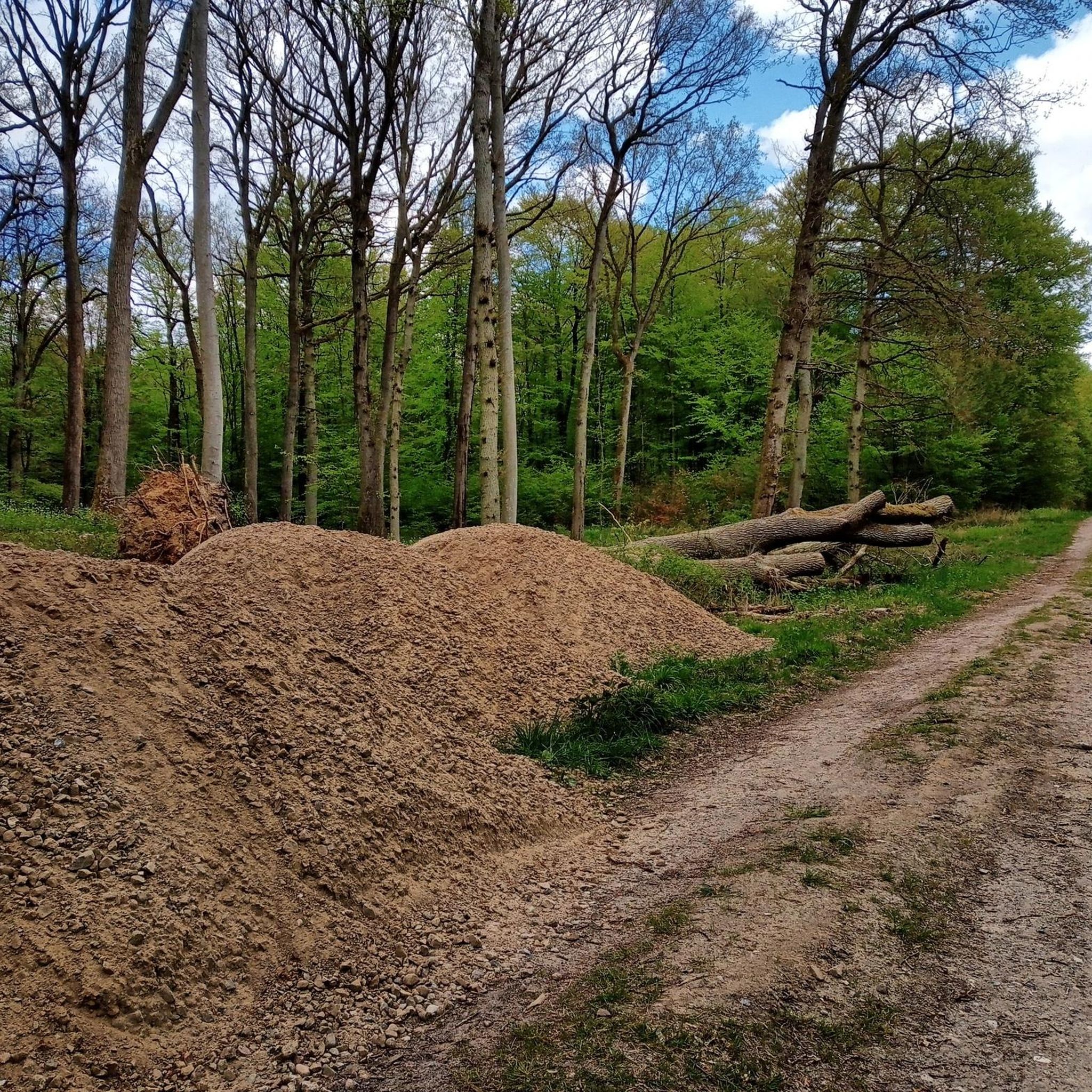
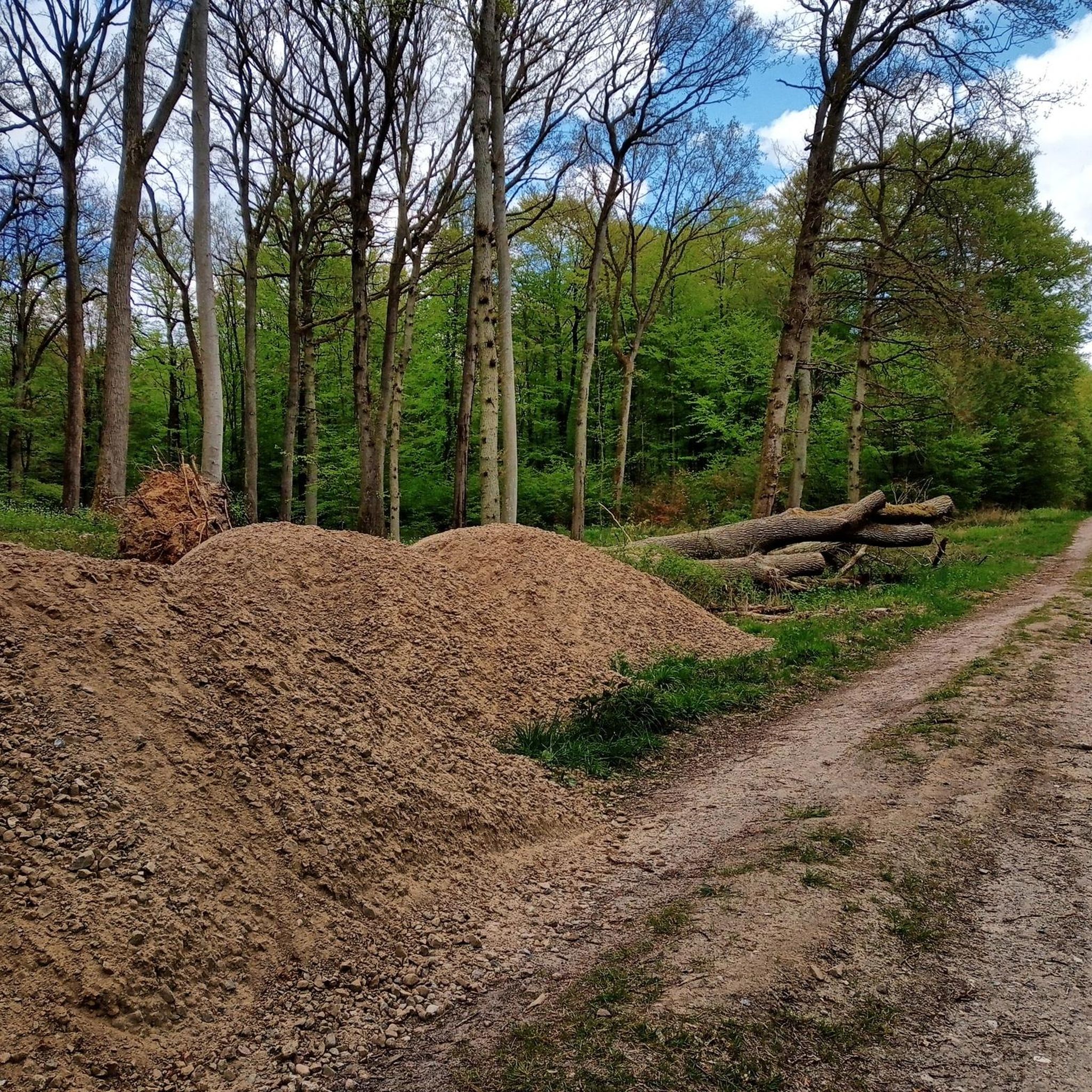
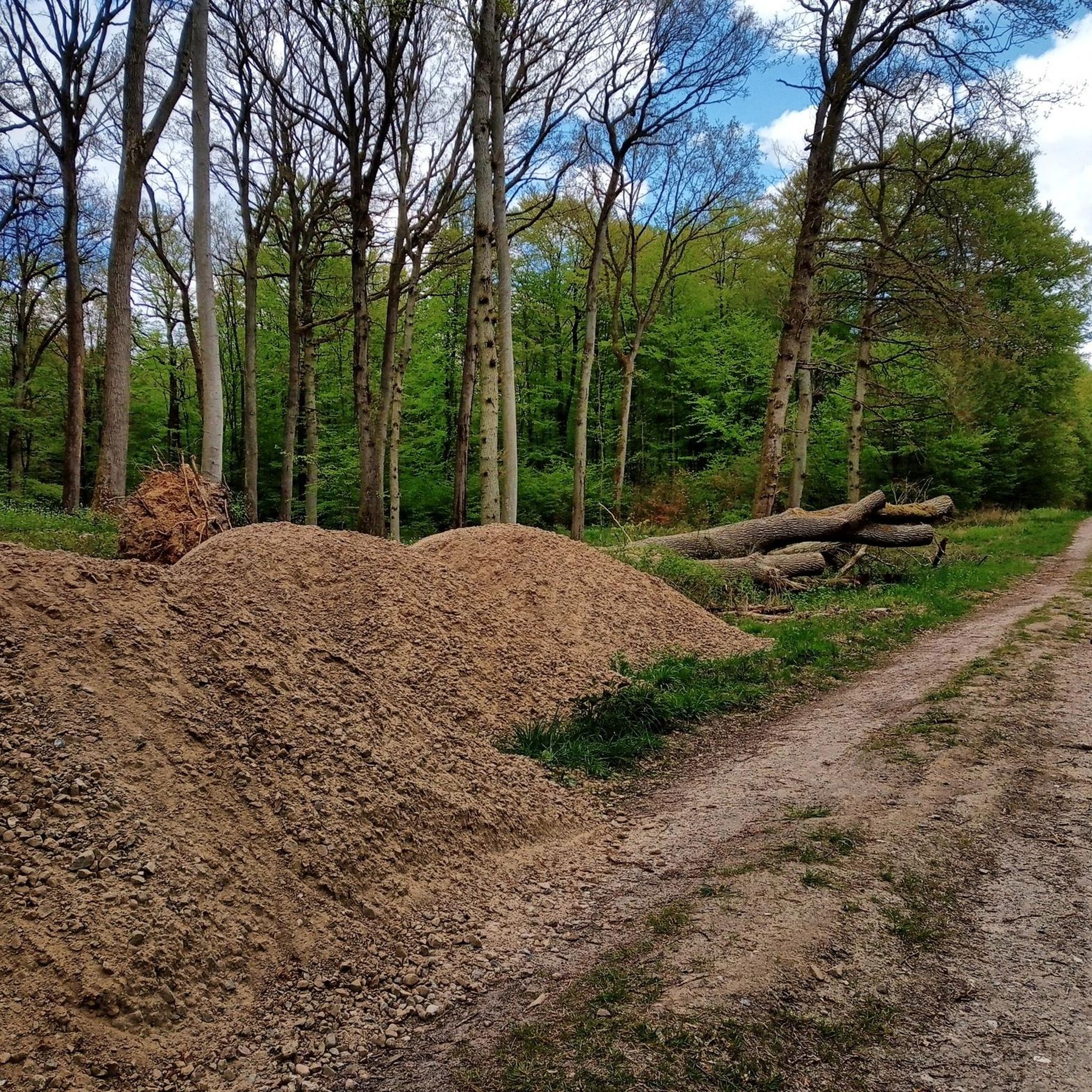
Unfortunately, the gravel pit is overgrown with bushes on all sides. A visit is only possible via the Oststadt factory entrance with permission. For geologists, this is a treasure trove, as the ice ages of the last 100,000 years have been exposed here.
0
0

The over 500-year-old pedunculate oak in the Burgpark of Burg Stargard is designated as a natural monument. It is located at the entrance to the park of the historic hill castle and is considered a particularly protected tree due to its advanced age and impressive size. The East German Tree Archive explicitly lists the oak as a natural monument and estimates its trunk circumference at approximately 5.51 meters for the year 2025. The oak is freely accessible and is one of the remarkable natural monuments in the vicinity of Burg Stargard.
0
0

Actually, it was very nicely designed and informative. Unfortunately, the grass was so high that you couldn't see all the stones.
0
0

Not just a large stone, but a boulder that was once brought to this place by the glaciers. If you look more closely, you will see a weathered inscription that calls the stone the "King of the Centuries". It is one of the largest boulders in the North German lowlands. The stone has a circumference of around 15 metres and a volume of around 35 m³.
1
0


The Helpter Berg is one of the 16 highest peaks in the German federal states (Top of Germany) summitlynx.com
8
0
The Helpter Berg is one of the 16 highest peaks in the German federal states (Top of Germany) www.summitlynx.com
6
0
Frequently Asked Questions
What unique natural monuments can I discover near Cölpin, beyond the well-known highlights?
Beyond the prominent glacial erratics and the Helpter Berg Summit, the region around Cölpin offers unique natural attractions. You can visit the impressive Giant Sequoias near Kölpin, a botanical marvel with trees over 40 meters high, planted in the late 19th century. Another idyllic spot is the Mill Pond at Hinterste Mühle, located within the Lindetal nature reserve, perfect for bird observation and starting point for hikes.
What kind of natural features can I expect to see at the monuments around Cölpin?
The natural monuments around Cölpin showcase a diverse landscape. You'll find significant geological features like large glacial erratics, such as the King of the Ages and the Glacial Erratic Park, which provide insights into the Ice Age. The region also features unique botanical sights like the Giant Sequoias, and serene water bodies such as the Mill Pond at Hinterste Mühle and the Kleiner Labussee, surrounded by forests.
Are there family-friendly natural monuments around Cölpin?
Yes, several natural monuments are suitable for families. The King of the Ages and the King of the Centuries (Large Glacial Erratic) are great for children to climb and explore. The Glacial Erratic Park is also designed to be informative and engaging for all ages. The Mill Pond at Hinterste Mühle offers a peaceful environment to observe nature and is a good starting point for easy walks.
What historical sites are integrated with the natural monuments in the Cölpin area?
The region blends natural beauty with historical significance. The King of the Ages and King of the Centuries boulders are not only geological marvels but also historical sites, with one featuring Bronze Age cultic bowls. Additionally, the Neubrandenburg Landwehr, a medieval defense structure, is now a trail and natural monument, offering a glimpse into the area's past.
What outdoor activities can I do near the natural monuments around Cölpin?
The Cölpin region, part of the Mecklenburg Lake District, is ideal for various outdoor activities. You can find numerous hiking trails, such as those around the Mill Pond at Hinterste Mühle or near the Neubrandenburg Landwehr. For more options, explore the hiking routes around Cölpin. Cycling is also popular, with many routes available, including road cycling routes and MTB trails.
Are there specific hiking trails to reach the Giant Sequoias near Kölpin?
Yes, you can reach the Giant Sequoias near Kölpin via a designated path. It's located approximately 350 meters west of the L9 state road, with wooden signposts guiding the way to these impressive trees. The surrounding area also offers tranquil paths for a pleasant walk amidst nature.
What is the best time of year to visit the natural monuments around Cölpin?
The natural monuments around Cölpin can be enjoyed throughout the year. Spring and autumn offer pleasant temperatures and beautiful foliage, making them ideal for hiking and exploring. Summer is great for combining visits with water activities on nearby lakes like Kleiner Labussee. Even in winter, a walk to the Giant Sequoias or the glacial erratics can be a unique experience, especially after a fresh snowfall.
What do visitors enjoy most about the natural monuments in the Cölpin area?
Visitors particularly appreciate the unique geological formations, such as the massive glacial erratics like the King of the Ages, which offer a tangible connection to the Ice Age. The serene and idyllic natural settings, like the Mill Pond at Hinterste Mühle, are also highly valued for relaxation and nature observation. The opportunity to discover rare botanical sights, such as the Giant Sequoias, adds to the appeal, providing a sense of wonder and discovery.
Is the Helpter Berg Summit accessible, and what can I expect at the top?
The Helpter Berg Summit is the highest point in Mecklenburg-Vorpommern. While the path to the summit can be a bit confusing, once you reach the top, you'll find a summit cross and a rest area. It offers a rewarding experience for ambitious summiteers and is considered one of the 16 highest peaks in the German federal states.
Where can I find information about the Giant Sequoias near Kölpin?
The Giant Sequoias near Kölpin are a remarkable sight, known for their unusual presence in Germany. For more detailed information about their history and significance, you can refer to resources like Wikipedia's entry on the Giant Sequoias near Kölpin.
Are there any natural reserves or protected areas near Cölpin's natural monuments?
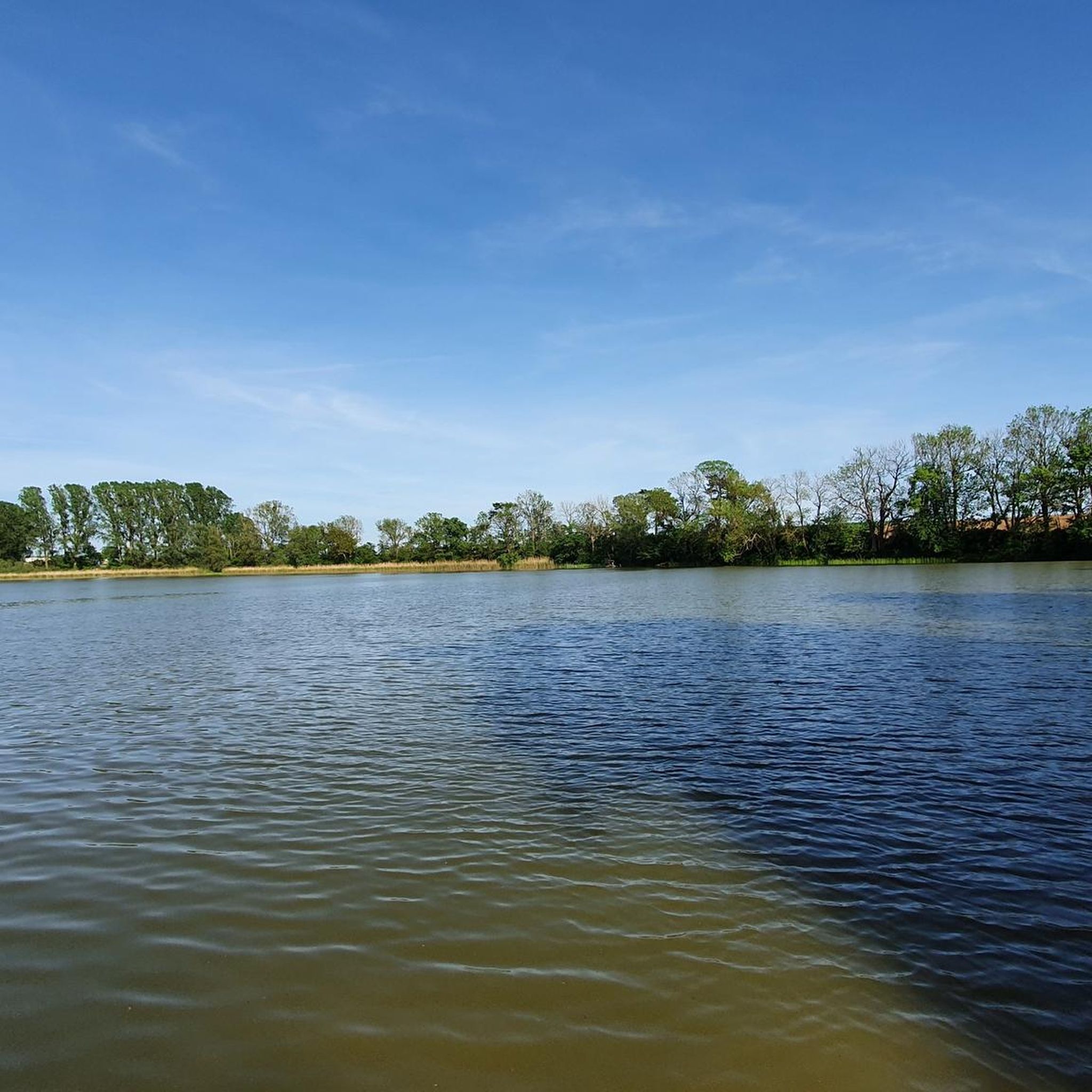
Yes, the region around Cölpin is rich in natural reserves. The Mill Pond at Hinterste Mühle is situated within the Lindetal nature reserve, offering a protected environment for local flora and fauna. Additionally, the Kleiner Labussee, known for its serene atmosphere, is recognized as an idyllic nature reserve within the Mecklenburg Lake District, providing opportunities for nature observation and outdoor recreation.
Can I combine a visit to the natural monuments with water sports or activities?
Absolutely. The Cölpin region is part of the Mecklenburg Lake District, which is characterized by numerous lakes. While specific water sports facilities might not be directly at every natural monument, nearby lakes like the Kleiner Labussee offer opportunities for various water activities, making it possible to combine your visit to natural monuments with swimming, boating, or other water sports.
Most popular attractions around Cölpin

Get inspired with the komoot mobile app


Explore more
Extend your search for the best caves by checking out these guides of the top ones around Cölpin:
