Top 13 Natural Monuments around Klanxbüll
Best natural monuments around Klanxbüll offer a gateway to exploring the unique natural landscapes of Nordfriesland, Germany. This region is characterized by its significant geological formations and vital ecological zones, providing diverse outdoor experiences. Visitors can discover a variety of natural attractions, from ancient cliffs to expansive wetlands. The area serves as an important habitat for wildlife and a destination for nature enthusiasts.
Best natural monuments around Klanxbüll
- The most popular natural monuments is Morsum Cliff, a natural monument…
Last updated: June 25, 2026
Morsum Cliff
Highlight • Natural Monument
Translated by Google •
Tip by

Morsum Cliff
Highlight • Natural Monument
landhaus-severins.de
Translated by Google •
Tip by

Sign up now to discover places like this
Get recommendations on the best single tracks, peaks, & plenty of other exciting outdoor places.
Sign up for free
Morsum-Kliff
Highlight • Natural Monument
Translated by Google •
Tip by

Path between Morsum Kliff and the Wadden Sea
Highlight • Trail
Translated by Google •
Tip by

Sand Martin nesting site at Morsum Kliff
Highlight • Natural Monument
Translated by Google •
Tip by

Sign up for free to discover even more natural monuments around Klanxbüll.
Sign up for free
Already have an account?
Start today with a free account
Your next adventure awaits.
Login or Signup
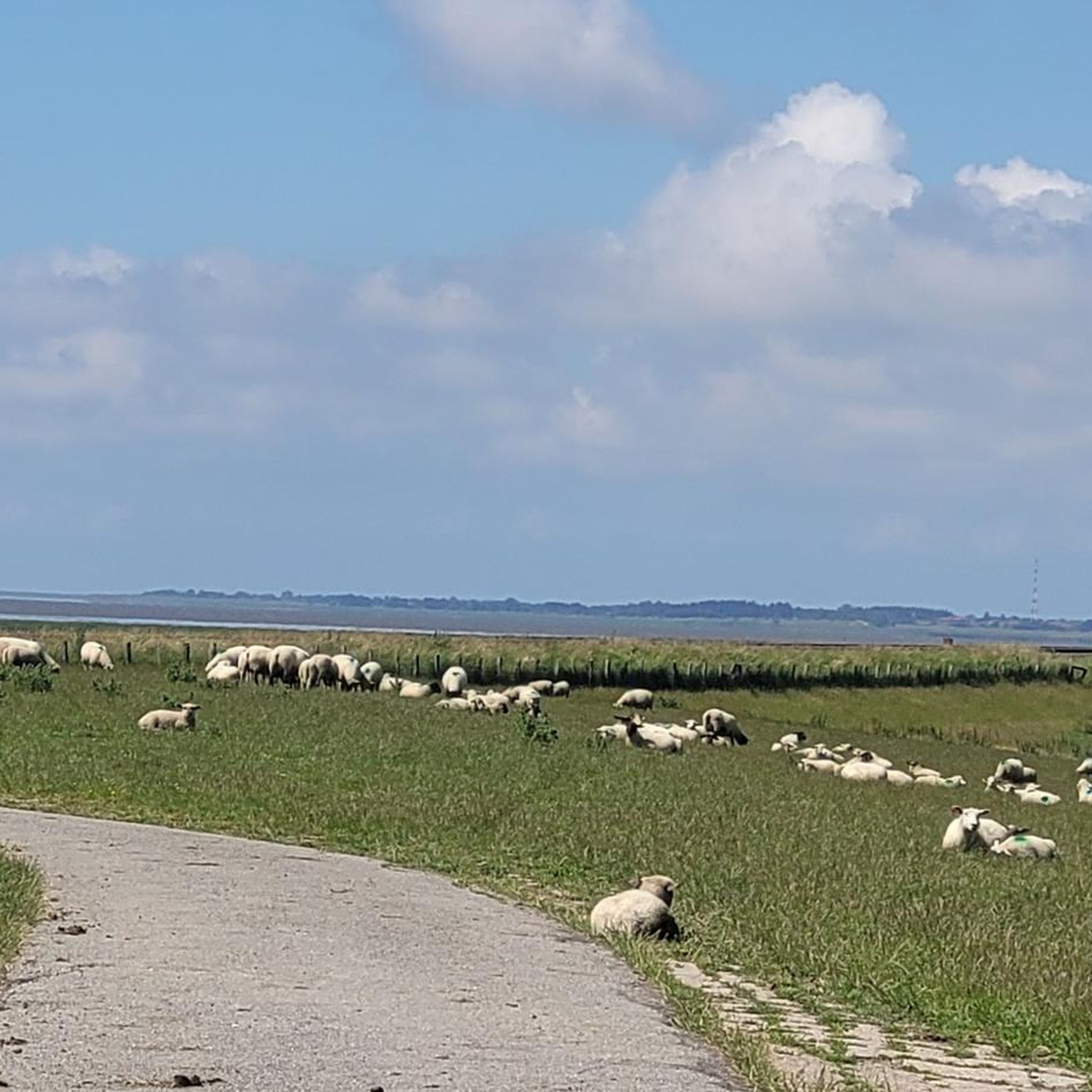
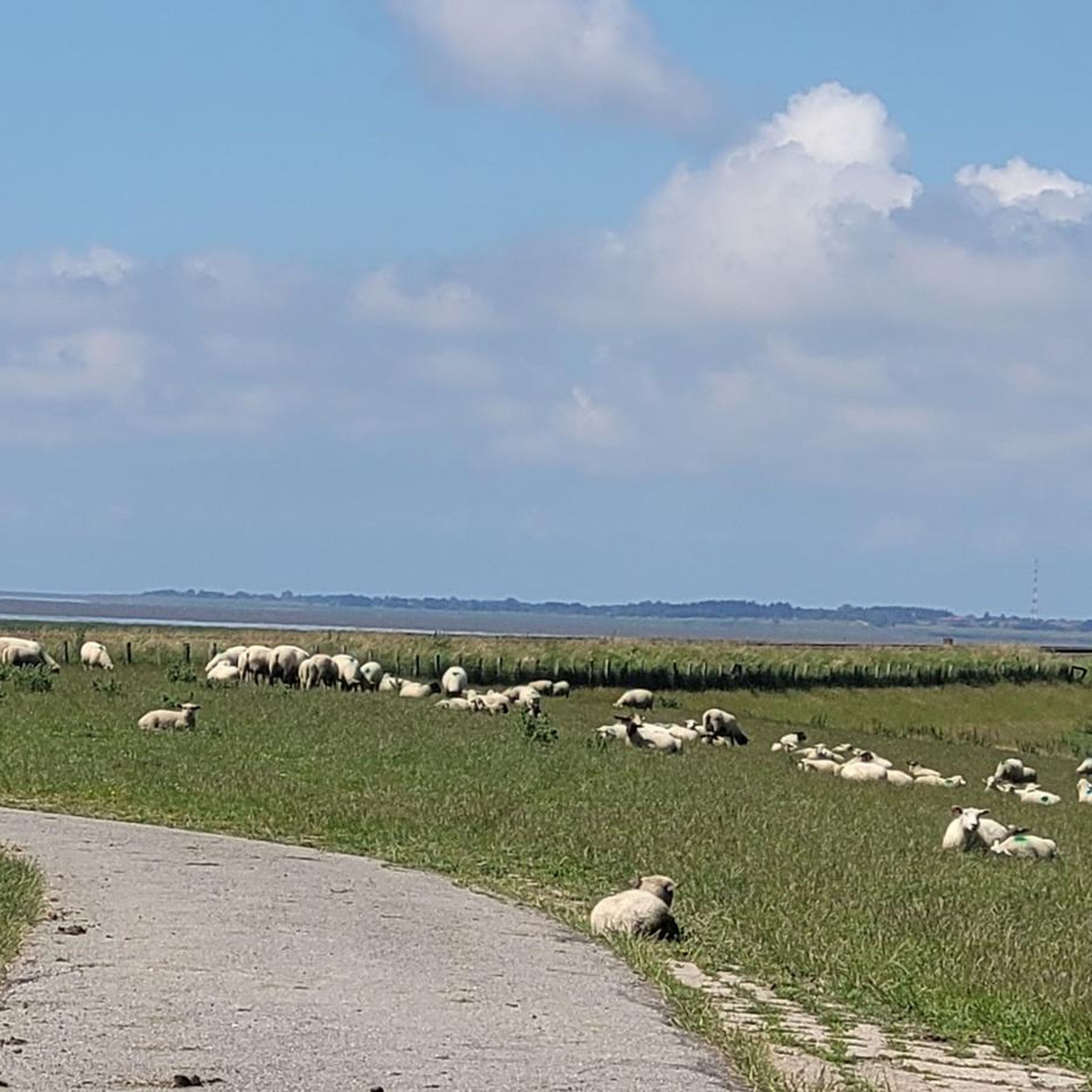
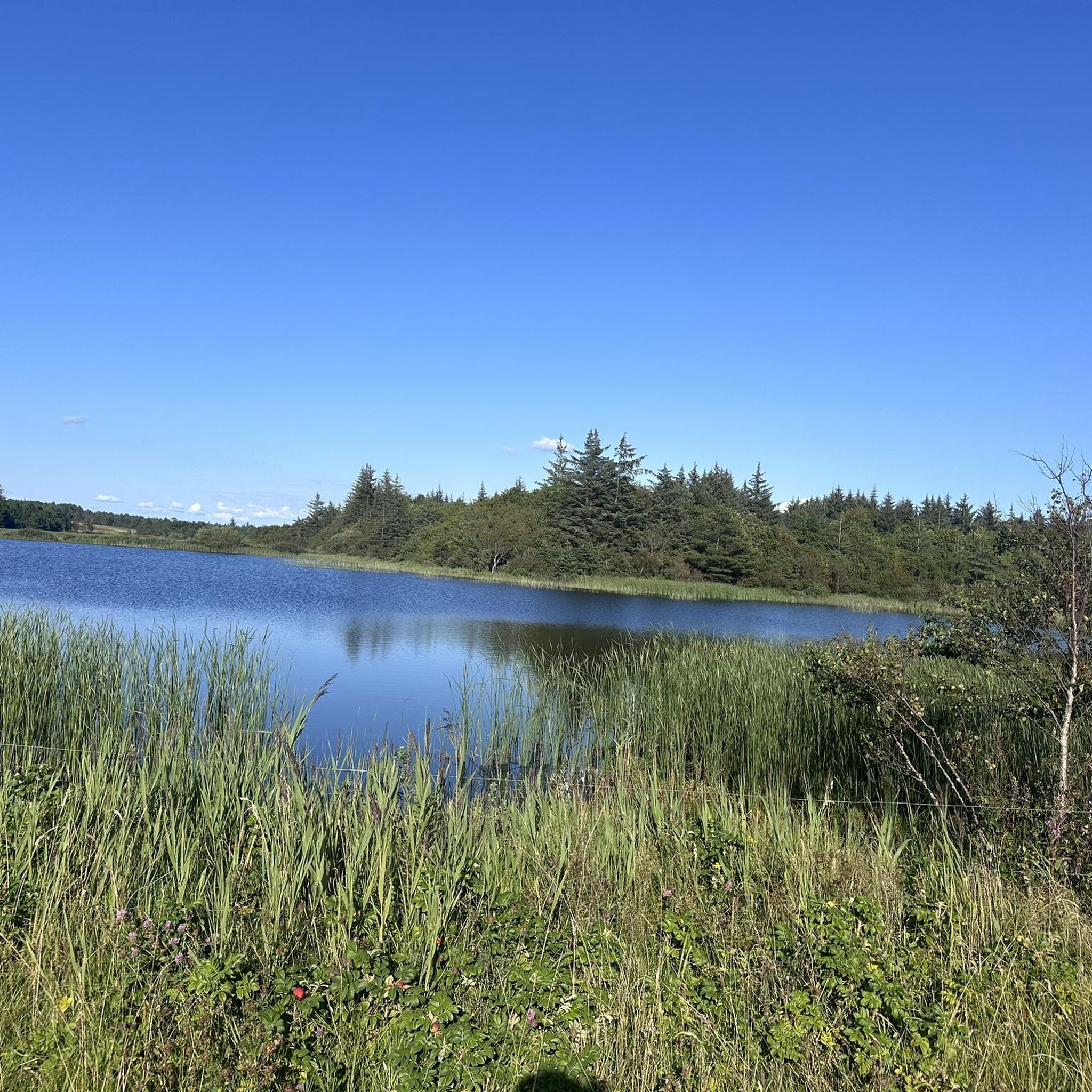


Tips from the Community

On a sunny day, you're never alone at the cliff. It's different in winter: there's plenty of space and time to appreciate the landscape, and you can easily imagine the history of the cliff.
8
0

The Morsum Cliff on the island of Sylt is an impressive natural monument that stretches for approximately 1.8 kilometers along the northeastern coast and rises up to 21 meters high. Located between the Hindenburg Dam and the town of Morsum, it offers a fascinating insight into the region's geological history. The uniqueness of the Morsum Cliff lies in its geological composition. Various layers of earth are visible here, which were displaced from their original position by the movement of glaciers during the Saale Glaciation about 120,000 years ago. These layers include: • Mica Clay: A gray-black clay formed 5 to 7 million years ago and containing fossils such as snails, mussels, and crabs. • Limonite Sandstone: A reddish sandstone formed 4 to 5 million years ago. • Kaolin sand: White sands transported here from Scandinavia 2 to 3 million years ago, containing fossilized corals, sea lilies, and sponges that are approximately 500 million years old. These layers, which originally lay on top of each other, were shifted by glacial movements so that they are now visible side by side in the cliff. This makes the Morsum Cliff one of Germany's most important geological monuments. The area around the Morsum Cliff has been a nature reserve since 1923 to preserve the unique landscape and its geological formations. It is part of the Schleswig-Holstein Wadden Sea National Park and was recognized as a National Geosite in 2006. Visitors can enjoy well-marked hiking trails that lead through the heath and dune landscape, offering breathtaking views of the Wadden Sea. Information panels along the trails explain the area's geological features and flora and fauna. It is important not to leave the marked trails to protect the fragile natural environment and prevent erosion. A visit to the Morsum Cliff is worthwhile not only for geology enthusiasts, but for anyone who wants to experience Sylt's natural beauty. The combination of geological diversity, rich flora and fauna, and the picturesque landscape makes the Morsum Cliff an unforgettable destination.
1
0
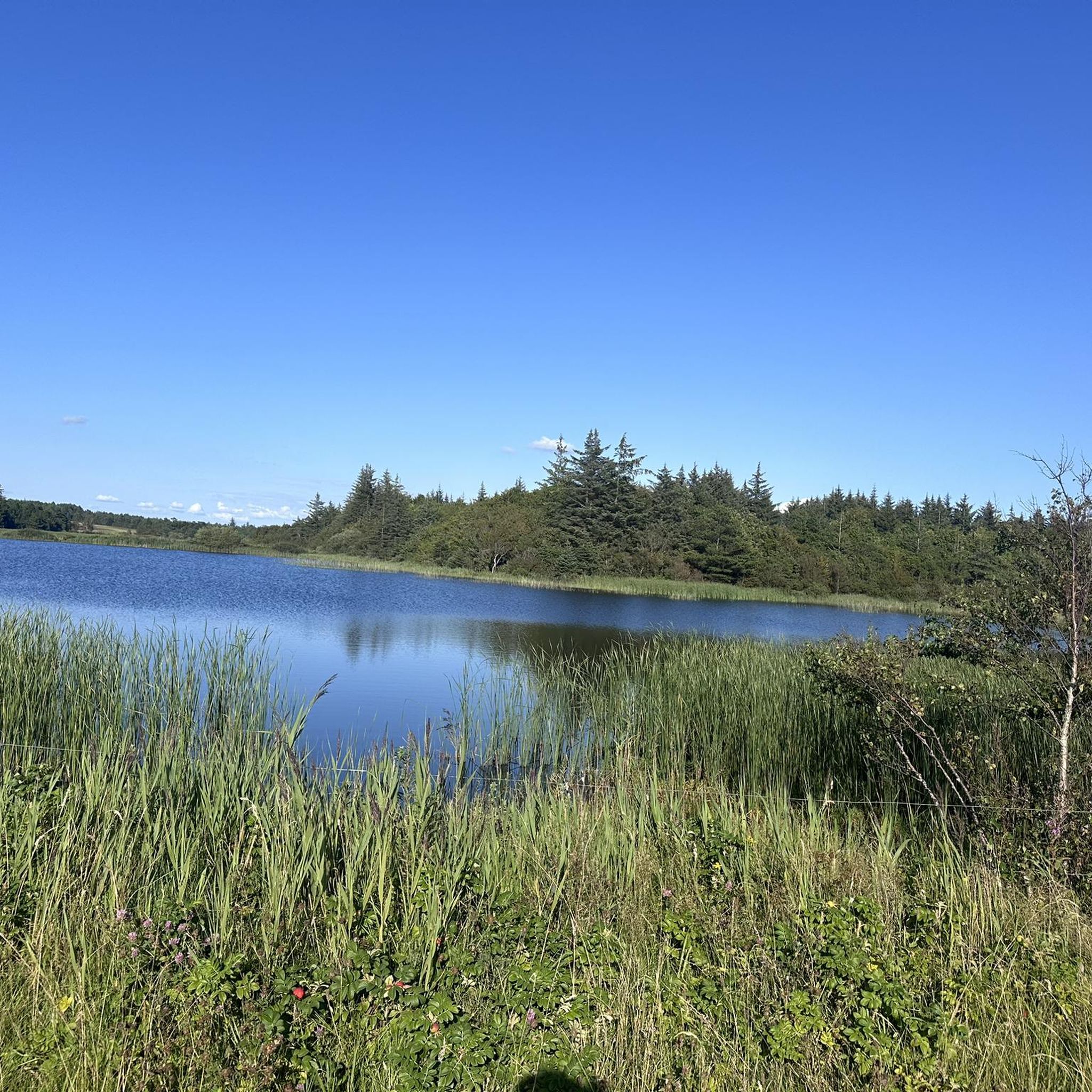
The route through the Morsum cliff is marked out on wide paths and cyclists find their way along the "Nösse Kuhle" lake. Cyclists can then dismount and look at the white-brown cliff and the heath and reed landscape. The way back goes via Africa: the slope dominated by sand creates the feeling of being in Africa.
8
0
The Morsum Cliff on Sylt is not only geologically and scenically impressive, but also an important habitat for sand martins. These birds nest in the steep cliff walls and are a special highlight for bird watchers. The sand martins dig their nesting holes in the soft sand and clay walls of the cliff, which offers them protection and ideal conditions for raising their young. A walk along the Morsum Cliff not only offers the opportunity to observe these fascinating birds, but also a deep insight into the diverse flora and fauna of the area. The circular path begins at the Nösistich car park and leads along the cliff, where numerous information boards provide information about the geology and the animal world. Especially in spring and summer, visitors can watch the sand martins performing their daring flight maneuvers and building their nests. The cliff itself consists of various rock layers that are up to ten million years old. This unique geology makes the area one of the oldest and most important nature reserves in Schleswig-Holstein. In addition to the sand martins, you can also find rare plant species such as the lungwort and the spotted orchid, which support the ecological balance of the cliff.
1
0

Beautiful to look at and surrounded by an equally beautiful hiking area.
5
0

The panoramic circular trail around the geologically unique Morsum Cliff nature reserve offers a spectacular view of the Wadden Sea National Park and at the same time a fascinating insight into the earth's history, which is up to eight million years old. See: https://www.insel-sylt.de/tour/rundweg-am-morsum-kliff/
2
0
The panoramic circular trail around the geologically unique Morsum Cliff nature reserve offers a spectacular view of the Wadden Sea National Park and at the same time a fascinating insight into the earth's history, which is up to eight million years old. See: https://www.insel-sylt.de/tour/rundweg-am-morsum-kliff/
4
0
The panoramic circular trail around the geologically unique Morsum Cliff nature reserve offers a spectacular view of the Wadden Sea National Park and at the same time a fascinating insight into the earth's history, which is up to eight million years old. See: https://www.insel-sylt.de/tour/rundweg-am-morsum-kliff/
1
0
Frequently Asked Questions
What are the most popular natural monuments to visit near Klanxbüll?
The Morsum Cliff on Sylt is highly popular, known for its impressive geological layers and panoramic views of the Wadden Sea. Visitors also frequently enjoy the Morsum-Kliff for its vibrant colors and well-built circuit trails, and the Morsum Cliff for its unique reddish sand landscape.
What unique natural features can I expect to see at the Morsum Cliff?
The Morsum Cliff is geologically unique, formed during the Saale Ice Age. You'll see diverse layers of earth, including dark mica clay, red limonite sand, white kaolin sand, and brownish-yellow boulder clay, creating a striking play of colors. In August, purple heather blooms above the cliff, offering a beautiful contrast. It's also home to a Sand Martin nesting site.
Are there good opportunities for birdwatching near Klanxbüll?
Yes, the Rickelsbüller Koog Nature Reserve, located north of Klanxbüll, is a significant bird paradise. It's a crucial habitat for migratory and breeding waders and waterfowl, including species like the knot and large flocks of barnacle geese. Observation huts and information boards are available along the border dike for optimal viewing.
What activities can I do at the Wadden Sea National Park?
The Wadden Sea National Park, a UNESCO World Heritage site, offers unique experiences such as guided mudflat walks (Wattwanderungen) where you can discover marine life like starfish and lugworms. Boat trips are also available to observe seals in their natural environment. The ever-changing landscape, influenced by the tides, is perfect for nature lovers.
What is the best time of year to visit the natural monuments around Klanxbüll?
Spring and autumn are ideal for birdwatching at the Rickelsbüller Koog, as millions of migratory birds use the area to replenish their reserves. For the Morsum Cliff, August is particularly beautiful when the heather blooms purple. Generally, warmer months offer pleasant conditions for exploring the trails and enjoying the panoramic views.
Are there family-friendly natural monuments near Klanxbüll?
Many natural monuments in the region are suitable for families. The Morsum Cliff, for example, is considered family-friendly and offers easy walking trails. The Wadden Sea National Park also provides engaging activities like guided mudflat walks that can be fun and educational for children.
Can I access the Morsum Cliff by public transport or find parking nearby?
The Morsum Cliff is accessible from Klanxbüll via the Hindenburgdamm to Sylt. While specific public transport details to the cliff itself are best checked locally, the highlight data indicates that Morsum Cliff has parking facilities, making it convenient for visitors arriving by car.
What kind of hiking trails are available at the Morsum Cliff?
The Morsum Cliff offers numerous hiking trails, including circular routes, allowing for peaceful walks and opportunities to experience the island's raw nature. A path between Morsum Kliff and the Wadden Sea provides varied terrain, suitable for hikers with standard equipment. Outdoor footwear is recommended.
What outdoor activities can I do near these natural monuments?
Beyond exploring the natural monuments themselves, the region around Klanxbüll offers various outdoor activities. You can find easy hiking routes, such as the Hindenburgdamm loop from Nordhörn. For cyclists, there are road cycling routes like the Klanxbüll Station – Tønder Old Town loop, and MTB trails, including the Dike from Rantum to Morsum – Rantumbecken Dike Path loop.
What do visitors enjoy most about the natural monuments around Klanxbüll?
Visitors frequently praise the impressive play of colors and geological significance of the Morsum Cliff, often calling it an 'absolute highlight' for any Sylt hike or bike tour. The wide panoramic views of the Wadden Sea and the peaceful atmosphere are also highly appreciated. The unique reddish sand and rock landscapes create a feeling of being in 'another world'.
Are there any accessible routes for visitors with mobility challenges?
The Morsum Cliff is noted as being wheelchair accessible in some areas, offering opportunities for visitors with mobility challenges to enjoy the natural beauty and views. It's advisable to check specific trail conditions for accessibility before visiting.
Can I bring my dog to the natural monuments near Klanxbüll?
While many natural areas in Germany are dog-friendly, specific rules can vary, especially in nature reserves like Rickelsbüller Koog and parts of the Wadden Sea National Park, where wildlife protection is paramount. It's generally recommended to keep dogs on a leash. For the Morsum Cliff, dogs are often allowed on trails but may be restricted in certain sensitive areas or require leashing.
Most popular attractions around Klanxbüll

Get inspired with the komoot mobile app


Explore more
Extend your search for the best caves by checking out these guides of the top ones around Klanxbüll:
